首頁language

搜尋歷史
熱門搜尋
經銷商登入 / 註冊

In Malaysia's SUV market, many buyers compare Proton X70 and GWM Haval H6 when choosing a car. These two models are quite close in price and positioning. Today we will make a detailed comparison from multiple aspects to help you save time on research.
The OTR price of Proton X70 in Malaysia is RM 106,800 - 122,300. There are 3 versions in total, including 1.5L Standard 2WD (RM 106,800), 1.5L Executive 2WD (RM 115,800), 1.5L Premium 2WD (RM 122,300), etc.
The OTR price of GWM Haval H6 in Malaysia is RM 139,750 - 139,750. There are 2 versions in total, including 1.5L Turbo Standard (RM 140,000), 1.5L Turbo Premium (RM 155,000), etc.
Looking at the price, the starting price of Proton X70 is indeed RM 32,950 cheaper than GWM Haval H6. If your budget is limited, Proton's entry-level version can already meet daily needs. But be aware, the difference of a few thousand might involve compromises on features, it depends on your specific needs.
Proton X70 is equipped with 1.5L Turbo, 140 hp power. Official fuel consumption 7.0 L/100km.
GWM Haval H6 is equipped with Hybrid, 170 hp power. Official fuel consumption 4.5 L/100km.
In terms of power, the Hybrid of GWM Haval H6 has 30 more horsepower than the 1.5L Turbo of Proton X70. However, for daily city driving, both cars have sufficient power and won't feel underpowered.
Proton X70's safety rating is 5★ (ASEAN NCAP), active safety systems include ADAS (ACC, AEB, LKA, LDA, BSM, RCTA).
GWM Haval H6's safety rating is TBD, active safety systems include Basic.
Regarding safety features, both cars have received good ratings. However, there are some differences in functionality between Proton X70's ADAS (ACC, AEB, LKA, LDA, BSM, RCTA) and GWM Haval H6's Basic. If you value active safety, you can compare the feature lists of both carefully.
Proton X70 warranty 5 years/150,000km, maintenance interval every 10,000km or 6 months.
GWM Haval H6 warranty 7 years/150,000km, maintenance interval every 10,000km or 6 months.
Both Proton X70 and GWM Haval H6 are mainstream choices in the Malaysian market, suitable for family use and daily commuting. If you value brand reputation and resale value more, you can prioritize the one with better reputation; if you care more about cost-performance ratio and features, choose the one with richer configuration. Ultimately, it is recommended to test drive both models, as personal experience is the most important.
Overall, both Proton X70 and GWM Haval H6 are quite good models in the Malaysian market. Which one to choose depends mainly on your personal needs and budget. It is recommended to do your homework, compare quotes from several car dealers, and then go for a test drive to make the final decision. Buying a car is a big matter, spending time on research will never be wrong.

In Malaysia's SUV market, many buyers compare the Proton X70 and Chery Tiggo 8 PHEV when selecting a car. These two models are quite close in price and positioning. Today, we will make a detailed comparison from multiple aspects to save you time on research.
The Proton X70 OTR price in Malaysia is RM 106,800 - 122,300, with a total of 3 versions, including 1.5L Standard 2WD (RM 106,800), 1.5L Executive 2WD (RM 115,800), 1.5L Premium 2WD (RM 122,300), etc.
The Chery Tiggo 8 PHEV OTR price in Malaysia is RM 159,750 - 159,750, with a total of 2 versions, including 1.6L Turbo Standard (RM 130,000), 1.6L Turbo Premium (RM 145,000), etc.
From the price perspective, the Proton X70 starting price is indeed RM 52,950 cheaper than the Chery Tiggo 8 PHEV. If your budget is limited, the Proton entry-level version can already meet daily needs. But note that the few thousand cheaper amount might involve trade-offs in features, depending on your specific needs.
The Proton X70 safety rating is 5★ (ASEAN NCAP), active safety systems include ADAS (ACC, AEB, LKA, LDA, BSM, RCTA).
The Chery Tiggo 8 PHEV safety rating is TBD, active safety systems include Basic.
Regarding safety features, both cars have received good ratings. However, the Proton X70's ADAS (ACC, AEB, LKA, LDA, BSM, RCTA) and the Chery Tiggo 8 PHEV's Basic differ in functionality. If you value active safety, you can compare the feature lists of both carefully.
Proton X70 body length 4400 mm, trunk 400 L.
Chery Tiggo 8 PHEV body length 4400 mm, trunk 400 L.
The dimensions of both cars are almost the same, interior space difference is not large. Cars at this level are fully sufficient for daily use.
Proton X70 warranty 5 years/150,000km, maintenance interval every 10,000km or 6 months.
Chery Tiggo 8 PHEV warranty 3 years/100,000km, maintenance interval every 10,000km or 6 months.
Overall, the Proton X70 and Chery Tiggo 8 PHEV are both very good models in the Malaysian market. Which one to choose depends on your personal needs and budget. We suggest doing research, comparing quotes from several dealerships, and then test driving to make the final decision. Buying a car is a big matter, spending time doing research is never wrong.

In Malaysia's SUV market, many buyers compare the Proton X70 and Mazda CX-30 when choosing a car. The price range and positioning of these two vehicles are quite similar. Today, we will provide a detailed comparison from multiple aspects to help you save time on research.
The OTR price of the Proton X70 in Malaysia is RM 106,800 - 122,300, with a total of 3 versions, including 1.5L Standard 2WD (RM 106,800), 1.5L Executive 2WD (RM 115,800), 1.5L Premium 2WD (RM 122,300), etc.
The OTR price of the Mazda CX-30 in Malaysia is RM 122,409 - 146,409, with a total of 4 versions, including 2025 2.0L High+ Premium (RM 146,409), 2025 2.0L High+ (RM 138,409), 2025 2.0L High (RM 130,409), etc.
From a price perspective, the starting price of the Proton X70 is indeed RM 15,609 cheaper than the Mazda CX-30. If your budget is limited, Proton's entry-level version can already meet daily needs. However, note that the few thousand dollars cheaper might involve trade-offs in features, depending on your specific needs.

The Proton X70 is equipped with a 1.5L Turbo, 140 hp. Official fuel consumption is 7.0 L/100km.
The Mazda CX-30 is equipped with a 1.5L Turbo, 140 hp. Official fuel consumption is 7.0 L/100km.
Both cars use the same powertrain, and the driving experience is basically the same for daily use. Fuel consumption is also similar, so there is no need to worry too much about this.

The safety rating of the Proton X70 is 5★ (ASEAN NCAP), and the active safety system includes ADAS (ACC, AEB, LKA, LDA, BSM, RCTA).
The safety rating of the Mazda CX-30 is 5★ (ASEAN NCAP), and the active safety system includes i-Activsense.
Both cars have the same safety rating, and safety features in this class are quite comprehensive. New cars today generally have good safety, so there is no need to worry too much about this.

The Proton X70 warranty is 5 years/150,000km, service interval every 10,000km or 6 months.
The Mazda CX-30 warranty is 5 years/150,000km, service interval every 10,000km or 6 months.
The warranty conditions for both cars are the same, no need to worry about this. Actual maintenance costs depend on the brand's service network and parts prices, it is recommended to ask real owners in car groups for experience.
Both the Proton X70 and Mazda CX-30 are mainstream choices in the Malaysian market, suitable for family use and daily commuting. If you value brand reputation and resale value more, you can prioritize the one with better reputation; if you care more about cost-performance ratio and features, choose the one with richer configuration. Ultimately, it is recommended to test drive both, as personal experience is most important.
Overall, both the Proton X70 and Mazda CX-30 are very good models in the Malaysian market. Which one to choose depends mainly on your personal needs and budget. It is recommended to do research, compare quotes from several dealerships, and then test drive to make a final decision. Buying a car is a big matter, spending time on research will definitely not go wrong.


In the SUV market in Malaysia, many buyers compare Proton X70 and Honda CR-V when choosing a car. These two models are quite close in price and positioning. Today, we will make a detailed comparison from multiple aspects to help you save time on research.
The OTR price of the Proton X70 in Malaysia is RM 106,800 - 122,300, with a total of 3 versions, including 1.5L Standard 2WD (RM 106,800), 1.5L Executive 2WD (RM 115,800), 1.5L Premium 2WD (RM 122,300) etc.
The OTR price of the Honda CR-V in Malaysia is RM 178,200 - 195,900, with a total of 4 versions, including 2026 e:HEV 2.0L 2WD RS (RM 195,900), 2026 1.5T 4WD V (RM 181,900), 2026 e:HEV 2.0L 2WD E (RM 178,200) etc.
Looking at the price, Proton X70's starting price is indeed RM 71,400 cheaper than Honda CR-V. If your budget is limited, Proton's entry-level version can already meet daily needs. But pay attention, the few thousand RM saved might involve compromises in equipment, depending on your needs.

Proton X70 is equipped with 1.5L Turbo, 140 hp. Official fuel consumption 7.0 L/100km.
Honda CR-V is equipped with 2.0L 4-cyl, 170 hp. Official fuel consumption 8.0 L/100km.
In terms of power, Honda CR-V's 2.0L 4-cyl has 30 more horsepower than Proton X70's 1.5L Turbo. However, for daily city driving, the power of both cars is sufficient, you won't feel a lack of power.

Proton X70's safety rating is 5★ (ASEAN NCAP), active safety systems include ADAS (ACC, AEB, LKA, LDA, BSM, RCTA).
Honda CR-V's safety rating is 5★ (ASEAN NCAP), active safety systems include Honda SENSING (ACC, CMBS, LKAS, RDM).
Both cars have the same safety rating, safety features in this class are quite comprehensive. New cars nowadays have no issues with safety, no need to worry too much about this.

Proton X70 body length is 4400 mm, trunk 400 L.
Honda CR-V body length is 4500 mm, trunk 450 L.
In terms of space, Honda CR-V's body is longer than Proton X70 by 100 mm, passenger space has an advantage. However, Proton X70 will be more flexible for parking in the city, each has its trade-offs.
Proton X70 adopts FWD drivetrain.
Honda CR-V adopts FWD drivetrain.
Both cars have the same drivetrain, both are FWD, daily driving experience won't have much difference.
Overall, Proton X70 and Honda CR-V are both good models in the Malaysian market. Choosing which one depends on your personal needs and budget. We recommend doing your research, compare quotes from several car dealers, then go for a test drive to make a final decision. Buying a car is a big matter, spending time on research is definitely not wrong.


In the Malaysia SUV market, many buyers compare the Proton X50 and Subaru Crosstrek when choosing a car. These two models are quite close in price and positioning. Today we will conduct a detailed comparison from multiple aspects to help you save time on research.
The OTR price for the Proton X50 in Malaysia is RM 89,800 - 113,300, with a total of 4 variants, including the 1.5T Executive (RM 89,800), 1.5T Premium (RM 101,800), 1.5T Flagship (RM 113,300) and more.
The OTR price for the Subaru Crosstrek in Malaysia is RM 145,000 - 160,000, with a total of 1 variant, including the 2.0L e-Boxer (RM 150,000) and more.
Looking at the price, the Proton X50 starting price is indeed RM 55,200 cheaper than the Subaru Crosstrek. If your budget is limited, Proton's entry-level version can already meet daily needs. But be aware that saving a few thousand might involve compromises in features, it depends on your specific needs.

Proton X50 safety rating is 5★ (ASEAN NCAP), active safety systems include ADAS (ACC, AEB, LKA, LDA, BSM, RCTA).
Subaru Crosstrek safety rating is 5★ (Euro NCAP), active safety systems include EyeSight.
Regarding safety features, both models have received good ratings. However, Proton X50's ADAS (ACC, AEB, LKA, LDA, BSM, RCTA) and Subaru Crosstrek's EyeSight have some differences in functionality. If you value active safety, you can carefully compare the feature lists of both.

Proton X50 warranty 5 years/150,000km, service interval every 10,000km or 6 months.
Subaru Crosstrek warranty 3 years/100,000km, service interval every 10,000km or 6 months.

Proton X50 and Subaru Crosstrek are both mainstream choices in the Malaysia market, suitable for family use and daily commuting. If you value brand reputation and resale value more, you can prioritize the one with better reputation; if you care more about value for money and features, choose the one with richer configuration. Ultimately, it is recommended to test drive both, personal experience is the most important.

Overall, Proton X50 and Subaru Crosstrek are both very good models in the Malaysia market. Which one to choose depends on your personal needs and budget. It is recommended that everyone do their homework, compare quotes from several car dealerships, and then test drive to make the final decision. Buying a car is a big matter, spending some time doing homework will definitely not be wrong.


In the Malaysian SUV market, many buyers compare the Proton X50 and Subaru Crosstrek when choosing a car.
The Proton X50 OTR price in Malaysia is RM 89,800 - 113,300, with a total of 4 versions, including 1.5T Executive (RM 89,800), 1.5T Premium (RM 101,800), 1.5T Flagship (RM 113,300), etc.
The Subaru Crosstrek OTR price in Malaysia is RM 145,000 - 160,000, with a total of 1 version, including 2.0L e-Boxer (RM 150,000), etc.
In terms of price, the Proton X50 starting price is indeed RM 55,200 cheaper than the Subaru Crosstrek. If your budget is limited, Proton's entry-level version can already meet daily needs. However, keep in mind that the few thousand cheaper cost might involve trade-offs in features, depending on your needs.
Proton X50 is equipped with a 1.5L 4-cyl, 105 hp. Official fuel consumption is 6.0 L/100km.
Subaru Crosstrek is equipped with a 1.5L Turbo, 140 hp. Official fuel consumption is 7.0 L/100km.
In terms of performance, the Subaru Crosstrek's 1.5L Turbo has 35 more horsepower than the Proton X50's 1.5L 4-cyl. However, for daily city driving, the power of both cars is sufficient, you won't feel a lack of power.
Proton X50 warranty is 5 years/150,000km, service interval is every 10,000km or 6 months.
Subaru Crosstrek warranty is 3 years/100,000km, service interval is every 10,000km or 6 months.
Both Proton X50 and Subaru Crosstrek are mainstream choices in the Malaysian market, suitable for family use and daily commuting. If you value brand reputation and resale value more, you can prioritize the one with better reputation; if you care more about value for money and features, choose the one with richer configurations. Ultimately, it is recommended to test drive both, personal experience is the most important.
Overall, both Proton X50 and Subaru Crosstrek are excellent models in the Malaysian market. Which one to choose mainly depends on your personal needs and budget. We recommend doing your homework well, comparing quotes from several dealerships, and then test driving to make a final decision. Buying a car is a big matter, spending time doing research is never wrong.

喺馬來西亞嘅 SUV 市場,好多買家喺揀車嗰陣都會拿 Proton X50 同 Chery Tiggo 8 Pro 嚟做比較。呢兩款車喺價位同定位上都幾接近,今日我哋就從多個方面做一個詳細嘅比較,幫你省做功課嘅時間。
Proton X50 喺馬來西亞嘅 OTR 售價係 RM 89,800 - 113,300,一共有 4 個版本,包括 1.5T Executive(RM 89,800)、1.5T Premium(RM 101,800)、1.5T Flagship(RM 113,300) 等。
Chery Tiggo 8 Pro 喺馬來西亞嘅 OTR 售價係 RM 159,750 - 159,750,一共有 2 個版本,包括 1.6L Turbo Standard(RM 130,000)、1.6L Turbo Premium(RM 145,000) 等。
從價錢睇,Proton X50 嘅起步價確實比 Chery Tiggo 8 Pro 平咗 RM 69,950。如果你預算有限,Proton 嘅入門版已經可以滿足日常需要。但都要記住,平嗰幾千蚊,可能喺配備上會有取捨,具體要睇你嘅需要。
Proton X50 揹 1.5L 4-cyl,馬力 105 hp。官方油耗 6.0 L/100km。
Chery Tiggo 8 Pro 揹 2.0L 4-cyl,馬力 170 hp。官方油耗 8.0 L/100km。
動力方面,Chery Tiggo 8 Pro 嘅 2.0L 4-cyl 比 Proton X50 嘅 1.5L 4-cyl 多咗 65 匹馬力。不過日常喺市區開,兩款車嘅動力都夠用,唔會覺得唔夠力。
Proton X50 嘅安全评分係 5★ (ASEAN NCAP),主動安全系統包括 ADAS (ACC, AEB, LKA, LDA, BSM, RCTA)。
Chery Tiggo 8 Pro 嘅安全评分係 TBD,主動安全系統包括 Basic。
安全配備方面,兩款車都拿到唔錯嘅評分。不過 Proton X50 嘅 ADAS (ACC, AEB, LKA, LDA, BSM, RCTA) 同 Chery Tiggo 8 Pro 嘅 Basic 喺功能上有啲唔同,如果你比較看重主動安全嘅話,可以仔細比較下兩者嘅功能列表。
Proton X50 採用 4WD 驅動方式。
Chery Tiggo 8 Pro 採用 FWD 驅動方式。
Proton 嘅 4WD 同 Chery 嘅 FWD 喺操控上會有唔同嘅感覺,建議試駕比較。
Proton X50 同 Chery Tiggo 8 Pro 都係馬來西亞市場嘅主流選擇,適合家庭使用、日常通勤。如果你更看重品牌口碑同二手價,可以優先考慮口碑更好嗰一款;如果你更在意性價比同配備,那就揀配備更豐富嗰款。最終都係建議兩款都去試駕,親身體驗先係最重要嘅。
總體嚟講,Proton X50 同 Chery Tiggo 8 Pro 都係馬來西亞市場幾唔錯嘅車型。揀邊一輛,關鍵係要睇你嘅個人需要同預算。建議大家做好做功課,多比較幾間車行嘅報價,再去試駕做最終決定。買車係件大事情,花少少時間做功課絕對唔會錯。

In the Malaysian SUV market, many buyers often compare Perodua Aruz and Proton X90 when choosing a car. Both models are quite close in price and positioning. Today we will make a detailed comparison from multiple aspects to help you save time on research.
Perodua Aruz's OTR price in Malaysia is RM 72,900 - 77,900, with a total of 2 versions, including 1.5L X (RM 72,900), 1.5L AV (RM 77,900), etc.
Proton X90's OTR price in Malaysia is RM 106,800 - 122,800, with a total of 4 versions, including 2026 1.5T Prime X (RM 122,800), 2026 1.5T Prime (RM 116,800), 2026 1.5T Lite (RM 106,800), etc.
From the price perspective, Perodua Aruz's starting price is indeed cheaper by RM 33,900 compared to Proton X90. If your budget is limited, Perodua's entry-level version can already meet daily needs. However, note that the difference of a few thousand ringgit might involve trade-offs in features, depending on your specific needs.

Perodua Aruz's safety rating is 5★ (ASEAN NCAP), active safety systems include.
Proton X90's safety rating is 5★ (ASEAN NCAP), active safety systems include ADAS (ACC, AEB, LKA, LDA, BSM, RCTA).
Both cars have the same safety rating, and safety features are considered very comprehensive at this level. New car safety is generally good now, so no need to worry too much about this point.
Perodua Aruz body length is 4400 mm, boot 400 L.
Proton X90 body length is 4400 mm, boot 400 L.
The dimensions of both cars are almost identical, with little difference in interior space. Cars at this level are more than enough for daily use.

Perodua Aruz and Proton X90 are both mainstream choices in the Malaysian market, suitable for family use and daily commuting. If you value brand reputation and resale value more, you can prioritize the one with better reputation; if you care more about value for money and features, then choose the one with richer features. Ultimately, it is recommended to test drive both models, as personal experience is the most important.

Overall, Perodua Aruz and Proton X90 are both very good models in the Malaysian market. Which one to choose depends mainly on your personal needs and budget. It is recommended to do your research, compare quotes from several dealers, and then test drive to make the final decision. Buying a car is a big deal, spending time doing research will never be wrong.


Countless business histories prove that the moment everyone recognizes the landscape is unbreakable, the true breaker-out will grow in the cracks.
When a mature market truly undergoes qualitative change, it is often not because a new product appeared, but because the name of the number one changed. Tesla in the automotive industry, Apple in smartphones, DJI in drones, all are like this.
Against the backdrop of countless box-style products emerging and the light off-road track becoming increasingly crowded, such moments of symbolic significance are also arriving successively.
In June 2026, the BJ30 Traveller achieved a monthly sales volume of 8,609 units, topping the sales list of the 100,000-level light off-road box-style market under the same caliber statistics; in the same month, the 150,000th vehicle officially came off the line, becoming the model in China's light off-road SUV that reached 150,000 sales fastest.

The BJ30 Traveller accumulated 150,000 units of sales in less than two years, such a growth speed is not common even in the entire box-style track. But if understanding these merely as an overtake, it undoubtedly underestimates its significance.
Just as BJ40 firmly stays first in the hardcore off-road market, and BJ40 EREV also dominates the EREV box-style market similarly, on a track where competition continues to heat up, true overtaking has never been about chasing opponents, but redefining the endpoint of competition.

BJ40 precisely cracked the 'scenario fragmentation' pain point long existing in the hardcore off-road market, while BJ30 Traveller redefines, not the ceiling of a single parameter, but what kind of user a 100,000-level light off-road SUV should be for, what kind of problems to solve, and what kind of value to create. Along with this, it also redefines the relationship between off-roading and family—they have never been an either-or choice, but a lifestyle that can achieve each other and empower each other.
Therefore, the peak of the BJ30 Traveller is an even clearer signal that under the iteration of competition logic, the light off-road box-style market has entered a new competition cycle.
A New Interpretation of Energy Conservation in Light Off-roading
In the light off-road track of the past few years, it seems to adhere to an iron rule: the stronger the off-road parameters, the higher the product value.
But under the iteration of consumer groups, the track logic has welcomed a fundamental shift. For the vast majority of users, off-roading is just going wild occasionally, not climbing mountains every week. The value standard deciding light off-road is not simply how high the limit of off-road capability is, but whether it can achieve balance among various scenarios like off-roading, urban commuting, and family travel.
On June 12, at the BAIC Zhuzhou Super Factory, the BJ30 Traveller used an all-network public teardown to hand in a set of brand new problem-solving ideas.

Under the live streaming lens, the key component status of this car was laid bare before the audience one by one: engine turbo carbon deposits are extremely few, transmission casing has no oil leakage, internal gears have no wear pits, battery pack has no bulging, liquid leakage, or degradation, sub-frame and suspension arms have no rust or oil seepage.
What the teardown truly validates is not just the mechanical status after 150,000 kilometers, but the balance of a HEV light off-road model in long-term, multi-scenario usage.
Currently, the light off-road market has multiple technical routes. Pure electric power is quiet, smooth, and responds directly, but energy replenishment highly relies on charging facilities; for plug-in hybrid vehicles, after the battery runs out, fuel consumption performance and driving texture will both show obvious slumps.
In comparison, HEV is actually a more balanced choice. No charging piles needed, no range anxiety, fuel up and go; at low speed the motor startup is light and quick with direct response, during cruising the engine runs efficiently, balancing fuel economy.
This balance, in essence, is a response to users' real life scenarios. Not performing outstanding only in one scenario, but able to switch freely between daily life and distance—no awkwardness on workdays, no nervousness on holidays.

Of course, we must also avoid a 'concept trap'.
The 'Light' in 'Light Off-roading', many mistakenly think means reducing off-road performance. In fact, the 'Light' here lowers the experience threshold, not product capability. Although consumers may not challenge extreme road conditions every day, they still hope the vehicle has reliable passability in complex scenarios like muddy ground, gravel roads, wet slippery tracks.
Just as BJ30 chose 'Triple Power', instead of the more common 'Double Power' on the market, it also lies in the understanding of off-road capability.

Double power hybrid systems represented by Toyota THS, Honda i-MMD are already mature enough in urban commuting scenarios, but for a light off-road positioned SUV, the double power architecture with only front drive motors, when facing low adhesion road conditions like cross-axles, mud, gravel roads, still has certain limitations in power response and four-wheel drive distribution.
The Triple Power Four-Wheel Drive Six-Mode HEV Hybrid System equipped on BJ30 Traveller, the whole system consists of a hybrid dedicated engine with thermal efficiency reaching 41%, front drive motor and rear axle drive motor. The three power sources each have their own duties: engine responsible for high-speed cruising and continuous output, front motor bears daily driving like startup, acceleration, rear motor is when vehicle needs recovery, climbing, or driving on unpaved roads, provides stronger low-speed torque and rear-wheel drive power.
Matching the only 'Three Major Components for Travelling Off-roading' in the same class: Electric 4WD, Energy Center Lock, ATS All-Terrain Control System, equivalent to equipping the vehicle with a 'Smart Brain', can automatically identify slipping wheels and transfer power instantly to wheels with adhesion, achieving easy recovery, making the journey worry-free.
Off-roading is capability, Life is the Purpose
Regardless of which route, the power form is never the goal, but the means.
In the auto circle of these few years, it always gives people a feeling of 'over-hyped', more and more technologies, configurations and concepts are stacked endlessly, but may not truly solve users' actual needs. But humans are the measure of all things, truly top-tier technology never obsesses over so-called 'Disruption', but without needing users to bow down to accommodate, whether power form, space configuration, like electric power, they are quietly and deeply supporting, proactively holding up our lives.
Especially for family users, an excellent light off-road, besides answering which technical route is more balanced, also needs to answer three more realistic questions: whether it saves more when driving, whether it's more comfortable when sitting, whether it carries more.
Solving these is the most powerful annotation of 'Disruption'.
Previously, BJ30 Traveller conducted real-world fuel consumption tests in multiple countries overseas, participated by auto bloggers from five countries: South Africa, Indonesia, UAE, Poland, Mexico. Test scenarios included urban congestion, highway cruising, unpaved roads, long-distance self-driving and complex weather, far more close to light off-road users' daily life than standard conditions. Finally, BJ30 Traveller's measured 100km fuel consumption in every country was all below 5L.

Converting this measured data into usage costs, calculated based on driving 15,000 kilometers a year, BJ30 Traveller compared to same-level fuel SUV, can save about 4,000 yuan in fuel costs annually—even compared with many A0-class small cars, its usage cost is still more advantageous.
If low usage cost lowers the ownership threshold, then space determines whether a car can truly integrate into family life.
Family users' demand for space, is not 'big enough', but 'flexible enough'. This also redefines what truly valuable space means: not just dimensional advantages, more in letting families, when facing various 'planned' and 'unplanned', have stronger calm response ability.
The BJ30 Traveller's thinking style is very direct: rather than making space a book advantage, better to turn it into an experience advantage. 2820mm wheelbase, 3-row 7-seat layout and 66% usable space ratio, ensures that every family member can have reasonable seating space when fully loaded; 978mm rear legroom combined with more spacious third row, as much as eliminate the compromise feeling of traditional 7-seat SUV 'Third row is only for emergency'.

Scenarios most commonly encountered by family cars, often are sudden large item moving, temporarily increased travel numbers, or spontaneous short-term camping.
After BJ30 Traveller second row seats folded down, can form 1496L flat loading space. Whether large furniture, appliances during moving, or camping gear, skiing equipment, can easily accommodate; return trip parents stuffed local specialties, Sam's Club etc. warehouse store purchased large items also no need to worry about loading space. Whole car 38 storage spaces, let water cups, umbrellas, documents, computers etc. daily items each have their place.

The recently launched BJ30 Traveller Highlight Edition, is another extension of product value boundaries.
The Highlight Edition adds exclusive paint, fashion modification kit, Star ring hubcaps and orange interior, further emphasizing youthfulness and personalized expression; seat heating and ventilation, steering wheel heating, rain sensing auto window close, 64-color ambient lights, HiFi audio etc. comfort config additions, further improved daily usage quality feeling.

And when a car truly integrates into life scenarios, in every high-frequency usage moment making people feel 'chose right', recognition will naturally precipitate into word of mouth, word of mouth further converts into recommendation. Looking further out, it changes not only a product's market value, but also upgrading consumers' value cognition on light off-roading, a new life travel mode.
The Endgame of Products is Always User Value
Everyone says in this impetuous era, mindshare is the last battle. What is mindshare? Traffic recedes, noise dissipates, the precipitated value is probably mindshare.
Currently, total traffic peaks, per capita attention continues to be scarce, user perception of marketing information also becomes increasingly fatigued. Truly able to cross cycles, continuously growing brands, often are not brands most good at chasing traffic, but those able to continuously occupy user mindshare.
In the final analysis, it is standing with users.
Many people think a car's word of mouth starts after listing. But for BJ30 Traveller, its word of mouth, actually started brewing before the product was born.
Several years ago, box-style started becoming market hot spot, at that time each car enterprise almost put attention on larger sizes, stronger 4WD, higher passability on, industry competition constantly upgrading to 'Harder'.

However, in auto forums, social platform comment sections, users discussed another matter.
'If only box-style cars could save fuel like hybrid cars.' 'Why can't there be a box-style that doesn't need charging, has 4WD, and low fuel consumption?'
These voices seem scattered, but reflect a newly forming new demand: what consumers want is not a more extreme off-road vehicle, but a light off-road SUV that can truly integrate into daily life.
BJ30 Traveller choosing the HEV route, launching domestic first HEV hybrid box-style, is precisely a response to this demand—in other words, it is not defining demand, but discovering demand.
Beijing Off-road did not treat product launch as the end point, but regarded it as the beginning of continuous iteration.

There is user feedback, hope to further improve battery durability during long-term vehicle use. Less than a product cycle, this suggestion was reflected on BJ30 Traveller Highlight Edition—new car upgraded mounting long-life dedicated AGM battery, cycle life reaches 3 times of ordinary battery.
Such changes seem like just a component upgrade, behind which reflects the change of product development ideas: not enterprise defining what users need, but letting users participate in product growth.
This continuous 'listen to advice' ability, also gradually precipitated into BJ30 Traveller's word of mouth asset. According to data released by China Automobile Dealers Association, BJ30 Traveller with 69.5% retention rate ranks first among 100,000-150,000 yuan independent compact SUV retention rate.
BJ30 Traveller is also continuously extending user experience. At the purchasing link, Beijing Off-road launched '30,000 Super Trade-in Policy', trade-in users and new purchase users can both enjoy. BJ30 Traveller whole series super trade-in price as low as starting at 69,900 yuan, pulling hardcore box-style SUV entry threshold to 70,000-level price range.

Looking back, BJ30 Traveller's growth trajectory, actually formed a clear development logic: insight real demand, quickly respond demand, continuously iterate product, then through user word of mouth complete value precipitation. Sales, retention rate and user recognition, seem to be three independent results, essentially are answers after the same set of product logic constantly verified by market.
This path, might become the whole industry's reference template, therefore worth deconstructing, continue to focus.
After all, number one will eventually constantly replace, but truly able to change industry, has always been that set of new value standards behind the list. And this, might be BJ30 Traveller ascending 100,000-level light off-road box-style market, most weighty era significance.
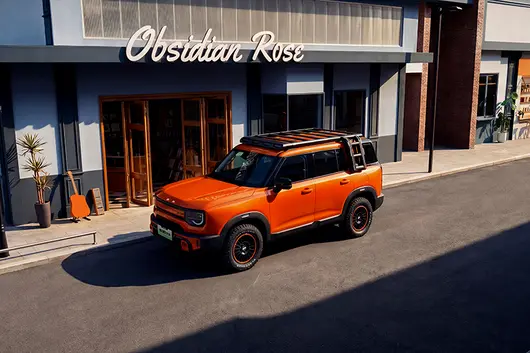

In Malaysia's SUV market, many buyers compare the Perodua Aruz and Proton X50 when choosing a car. These two cars are quite close in price and positioning. Today, we will conduct a detailed comparison from multiple aspects to help you save time on research.
The OTR price of Perodua Aruz in Malaysia is RM 72,900 - 77,900. There are 2 versions in total, including 1.5L X (RM 72,900), 1.5L AV (RM 77,900), etc.
The OTR price of Proton X50 in Malaysia is RM 89,800 - 113,300. There are 4 versions in total, including 1.5T Executive (RM 89,800), 1.5T Premium (RM 101,800), 1.5T Flagship (RM 113,300), etc.
From a price perspective, the starting price of the Perodua Aruz is indeed RM 16,900 cheaper than the Proton X50. If your budget is limited, Perodua's entry-level version can already meet daily needs. However, note that the savings of a few thousand ringgit may come with compromises in features, depending on your specific needs.
The safety rating of Perodua Aruz is 5★ (ASEAN NCAP). Active safety systems include .
The safety rating of Proton X50 is 5★ (ASEAN NCAP). Active safety systems include ADAS (ACC, AEB, LKA, LDA, BSM, RCTA).
Both cars have the same safety rating. Safety features in this class are quite comprehensive. New car safety is generally good these days, so there is no need to worry too much about this.
The Perodua Aruz uses FWD drive.
The Proton X50 uses 4WD drive.
The FWD of Perodua and 4WD of Proton will feel different in handling. Test drives are recommended for comparison.
Perodua Aruz warranty is 5 years/150,000km. Service interval is every 10,000km or 6 months.
Proton X50 warranty is 5 years/150,000km. Service interval is every 10,000km or 6 months.
Both cars have the same warranty conditions, no need to worry about this. Actual maintenance costs depend on the brand's service network and parts prices. It is recommended to ask real owners in car owner groups for their experience.
Both Perodua Aruz and Proton X50 are mainstream choices in the Malaysian market, suitable for family use and daily commuting. If you value brand reputation and resale value more, prioritize the one with better reputation. If you care more about cost-performance ratio and features, choose the one with richer configuration. Ultimately, it is recommended to test drive both, as personal experience is the most important.
Overall, both Perodua Aruz and Proton X50 are excellent car models in the Malaysian market. Choosing which one depends on your personal needs and budget. It is recommended that you do your research, compare quotes from multiple car dealers, and then test drive to make a final decision. Buying a car is a big matter; spending time on research will never be wrong.
In Malaysia's SUV market, many buyers compare Perodua Aruz and Proton X50 when selecting a car.
Perodua Aruz OTR price in Malaysia is RM 72,900 - 77,900, with a total of 2 versions, including 1.5L X (RM 72,900), 1.5L AV (RM 77,900), etc.
Proton X50 OTR price in Malaysia is RM 89,800 - 113,300, with a total of 4 versions, including 1.5T Executive (RM 89,800), 1.5T Premium (RM 101,800), 1.5T Flagship (RM 113,300), etc.
From a price perspective, the starting price of Perodua Aruz is indeed RM 16,900 cheaper than Proton X50. If your budget is limited, the entry-level Perodua can already meet daily needs. But also note, the savings of a few thousand might involve trade-offs in features, depending on your specific needs.
Perodua Aruz safety rating is 5★ (ASEAN NCAP), active safety systems include.
Proton X50 safety rating is 5★ (ASEAN NCAP), active safety systems include ADAS (ACC, AEB, LKA, LDA, BSM, RCTA).
The safety ratings of both cars are the same, and safety features are considered quite comprehensive in this class. New cars nowadays generally have good safety, no need to worry too much about this.
Perodua Aruz body length 4400 mm, trunk 400 L.
Proton X50 body length 4400 mm, trunk 400 L.
The dimensions of both cars are almost the same, and interior space differences are not significant. For cars in this class, daily use is completely sufficient.
Perodua Aruz and Proton X50 are both mainstream choices in the Malaysian market, suitable for family use and daily commuting. If you value brand reputation and second-hand price more, you can prioritize the one with better reputation; if you care more about value and features, choose the one with richer configuration. In the end, it is recommended to test drive both, as personal experience is the most important.
Overall, Perodua Aruz and Proton X50 are both very good models in the Malaysian market. Which one to choose depends mainly on your personal needs and budget. We suggest doing your research, comparing quotes from several car dealerships, and then test driving to make the final decision. Buying a car is a big matter, spending time on research will never be wrong.

喺馬來西亞嘅 SUV 市場,好買車嘅買家喺揀車嗰陣都會拎 Perodua Ativa 同 Honda HR-V 嚟比較。這兩款車喺價位同定位上都幾接近,今日我哋就由多個方面做一個詳細比較,幫你省返做功課嘅時間。
Perodua Ativa 喺馬來西亞嘅 OTR 售價係 RM 62,500 - 73,400,一共有 3 個版本,包括 1.0L Turbo X(RM 62,500)、1.0L Turbo H(RM 67,300)、1.0L Turbo AV(RM 73,400) 等。
Honda HR-V 喺馬來西亞嘅 OTR 售價係 RM 115,900 - 143,900,一共有 4 個版本,包括 2026 e:HEV 1.5L RS(RM 143,900)、2026 1.5T V(RM 137,900)、2026 1.5T E(RM 130,900) 等。
從價錢來看,Perodua Ativa 嘅起步價真係比 Honda HR-V 便宜咗 RM 53,400。如果你預算有限,Perodua 嘅入門版已經可以滿足日常需求。但都要留意,平嘅嗰幾千蚊,可能喺配備上會有取捨,具體要看你嘅需求。

Perodua Ativa 嘅安全評級係 5★ (ASEAN NCAP),主動安全系統包括 ASA 3.0 + ACC + LDA + LKA + BSM + RCTA。
Honda HR-V 嘅安全評級係 5★ (ASEAN NCAP),主動安全系統包括 Honda SENSING (ACC, CMBS, LKAS, RDM)。
兩款車嘅安全評級一樣,喺呢個級別入面安全配備都算俾得好齊全。而家嘅新車安全性都唔差,唔使太擔心這一點。
Perodua Ativa 車身長 4400 mm,尾箱 400 L。
Honda HR-V 車身長 4500 mm,尾箱 450 L。
空間方面,Honda HR-V 嘅車身比 Perodua Ativa 長咗 100 mm,乘坐空間更有優勢。不過 Perodua Ativa 喺市區裏面泊車會靈活少少,各有取捨。
Perodua Ativa 同 Honda HR-V 都係馬來西亞市場嘅主流選擇,適合家庭使用、日常通勤。如果你更睇重品牌聲譽同二手價,可以優先考慮聲譽更好嗰款;如果你更介意性價比同配備,就揀配置更豐富嗰款。最終都係建議兩款都去試車,親身體驗先係最重要。

總嚟講,Perodua Ativa 同 Honda HR-V 都係馬來西亞市場幾唔錯嘅車型。揀邊一辆,關鍵都係要看你嘅個人需求同預算。建议大家做足功課,多比較幾間車行嘅報價,再去試車做最終決定。買車係件大事,花少少時間做功課絕對唔會錯。


从首台整车驶下生产线,即将迎来第3000万辆整车下线,广汽每一步成长,都离不开全球千万用户的选择与长久陪伴。品牌官宣,7月16日将举办盛大3000万用户感恩主题活动,共同见证累计产销突破3000万辆这一历史性里程碑。2026上半年广汽交出稳健经营答卷,累计整车销量77.31万辆,同比上涨2.35%,自主品牌高速增长、海外销量翻倍爆发,亮眼数据背后,是千万用户投出的信任票,而全链路严苛品质管控,正是广汽回馈3000万份托付的核心底气。

依托“番禺行动”改革落地释放的市场红利,广汽自主品牌增长势能全面释放,上半年自主车型累计售出34.60万辆,同比大增35.69%,合资板块稳步前行,源源不断新用户加入广汽大家庭,共同汇聚起三千万用户的庞大用户版图。始终以用户需求为核心,广汽持续完善线上线下一体化服务体系,线下渠道加速下沉县域市场,年内计划落地1000家县域授权门店,截至6月已有600家完成认定,让看车、维保等基础服务触达下沉市场消费者;线上推出“超级管家”专属服务机制,做到5秒快速响应、2小时闭环解决用户各类用车诉求,大幅提升服务效率。针对新能源车主补能痛点,广汽搭建起覆盖全国213座城市的“9纵10横”全域充电网络,自营充电桩突破27000根,核心城区实现一公里充电圈,彻底缓解长途出行补能焦虑。安全层面广汽同样持续加码,推出行业自主品牌首个“三担责”服务承诺,旗下星灵安全守护体系已服务近200万车主,累计规避628万次潜在行车风险;弹匣电池装车总量达140万台,累计安全行驶超1100亿公里,零重大安全事故的过硬记录,为每一段出行保驾护航。活动当日广汽还将上线专属感恩福利,涵盖购车补贴、低息金融方案、置换升级多重礼遇,用实在优惠回馈全球车主多年相伴。

在国内市场稳步上行的同时,广汽依托“One GAC 2.0”战略稳步推进体系化出海,完成从单纯整车出口向全产业链海外布局升级。2026上半年自主品牌出口12.15万辆,同比暴涨132%,销量规模已接近去年全年,美洲、亚太、中东、非洲、欧洲五大海外市场同步实现大幅增长,彰显全球消费者对广汽中国制造的认可。目前广汽国际化业务覆盖110个国家与地区,布局746家海外经销服务网点、6座海外整车工厂以及9个零部件仓储中心,构建起研发、制造、供应、销售全链路本地化运营体系。各区域市场表现亮眼,巴西、哥伦比亚等美洲国家车型销量成倍攀升;中国香港1至5月电动车市占率突破11%,泰国6月销量环比大涨207%;欧洲市场完成本地化产销体系搭建,新能源产品持续深耕主流市场。坚持“在当地、为当地”运营思路,统一全球造车与服务标准,海外市场持续增长,不断扩充广汽3000万全球用户版图。

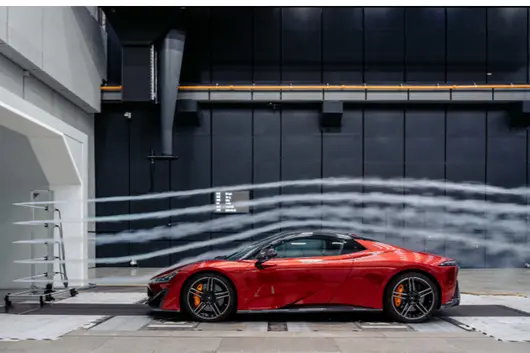
品质是广汽立足市场的根本,也是三千万用户信赖的根基。数十年发展历程中,广汽融合合资时代精益制造经验与自主赛道前沿技术创新,把严苛品质标准贯穿车辆研发、测试、生产、交付全流程。广汽埃安智能生态工厂作为全球新能源灯塔工厂,同时获评国家级零碳工厂,生产线每53秒即可完成一台整车下线,支持二十余种车漆、十万级个性化配置混线生产,生产环节引入华为AI视觉检测、异音识别数字化设备,全方位把控出厂品质。每一款新车正式上市前,都要经过五百余名工程师历时上千个日夜、近万项严苛测试,等效测试总里程超1300万公里,覆盖高温、高寒、复杂路况等各类极限场景。依托全球首创集空气动力学、气动声学、热力学于一体整车风洞实验室,持续优化车辆能耗与车内静谧表现。安全防护体系采用双冗余设计,星灵架构覆盖智驾、底盘、主被动安全、电池四大防护板块,八大核心系统双倍硬件防护,筑牢整车安全底线。

站在第3000万辆整车下线的全新发展节点,广汽将持续深化“番禺行动”全方位改革,坚守以用户为中心的经营理念,把全球三千万用户的信任转化企业前行动力,持续迭代高品质产品、升级前沿自研技术、完善全域服务网络,与海内外万千车主携手奔赴全新发展征程。

易控智驾上市首日开盘价为91.00港元,较发行价87.92港元上涨3.5% 。
2026年7月8日,易控智驾(07687.HK)在港交所主板正式挂牌,作为“全球矿区无人驾驶第一股”,其上市不仅是资本市场的焦点,更是中国自动驾驶技术在封闭场景实现规模化商业落地的里程碑。
本次高开是市场对其行业地位和高成长性的正向反馈,也扭转了此前同赛道新股上市首日破发的市场印象,在同赛道已上市企业中表现明显更加强势。截至发稿前,易控智驾股价上涨至100.2港元/股。

在商业模式、规模效应与出海战略已被广泛讨论的背景下,我们不妨将目光投向更深层的产业逻辑,从产业链重构、行业标准制定以及财务健康度三个维度,重新审视这家独角兽企业的长期价值。
前一日,易控智驾晚间公布配发结果,公司全球发售2613.2万股H股,香港公开发售占10%,国际发售占90%。每股发售价87.92港元,全球发售净筹约21.75亿港元。其中,香港公开发售获157.82倍认购,国际发售获10.5倍认购。
01
产融结合,建立协同生态
从某种程度上说,易控智驾的商业模式是中国矿业智能化产业链深度整合的缩影。其基石投资者阵容极具代表性:宁德时代、徐工集团、紫金矿业等行业巨头悉数在列。这是一种“产融结合”的模式,说明易控智驾已从单纯的技术提供商,进化为串联起“能源-装备-场景-算法”的产业链“链主”。
具体来看,宁德时代提供新能源动力底座,徐工集团保障工程机械硬件适配,紫金矿业等头部矿企提供真实且复杂的落地场景。这种闭环生态不仅降低了技术磨合成本,更通过深度绑定重塑了矿山行业的供应链标准。此外,随着“著山”系统对70多款车型的兼容适配,也表明了其技术架构逐渐具备矿区智能化“安卓系统”的通用性特征。

未来,这一通用化的技术架构有利于吸引更多产业链伙伴加入生态,进一步放大网络效应。易控智驾依托通用性技术架构与上下游进行价值共创,不仅有利于减少企业间利益冲突,更有利于整体效率的提升。
02
从“行业参与者”到“规则制定者”的身份跃迁
在L4级自动驾驶缺乏统一国家标准的背景下,谁先落地掌握更多数据,谁就拥有了行业话语权。招股书显示,易控智驾已参与制定17项国家、行业以及团体标准,并牵头露天矿山无人驾驶标准化工作组。之所以将参与标准制定拿出来单说,这是因为参与标准制定的好处是大大的,能够为企业带来行业规则话语权,以及品牌权威背书等等优势,有利于建立长期壁垒。
当然易控智驾参与标准的底气,来源于海量的数据积累。截至2025年底,公司投入运营无人矿卡2580 台,是全球最大矿区的无人驾驶车队;新疆白石湖单一矿山部署超500 台无人矿卡,创下全球单体矿山无人驾驶规模纪录,累计安全行驶超 2300 万公里,连续六年零重大安全事故。

此外,在混行、混装、混卸等复杂场景下,其“三天快速部署”能力及高兼容性方案,正在成为衡量矿区智能化水平的标尺,从而在激烈的市场竞争中占据制高点。
落地和数据为易控智驾赢得标准制定参与和牵头的机会。而这种标准制定者的身份,反过来又会进一步巩固其“链主”地位,形成商业落地推动标准形成、标准建立放大竞争优势的正向循环。
03
“盈利拐点”与现金流大考
相对于生态和品牌这些无形资产,盈利和现金流则更加落地和实际。
目前,易控智驾的状况是营收呈现爆发式增长,但现金流仍未转正。2025年,易控智驾营收达14.35亿元,同比增长45.5%,但持续亏损仍是市场关注的焦点。三年累计净亏损约12.39亿元,2025年经营现金净流出虽收窄至3.94亿元,但仍未转正。

一方面,高达2.71亿元的研发投入是维持技术领先的必要代价,研发费用占收入比例已从2023年的65.4%大幅下降至18.8%,规模带来的营收增长初步显现;另一方面,轻资产转型带来的毛利率提升。招股书显示,2025年整体毛利率达10.1%,其中客户提供车队模式毛利率达16.0%,这是改善财务状况的核心驱动力。

研发费用增长,但在营收占比下降
市场下一步关注的则是,易控智驾在扩大部署规模的同时,如何平衡应收账款周期与供应商付款压力,以及何时能实现经营现金流转正和净利润扭亏为盈。
这不仅是易控智驾的生存指标,也是检验其商业模式可持续性的重要体现。


喺馬來西亞嘅 SUV 市場,好多買家喺揀車嘅時候都會拿 Mercedes-Benz GLC 同 Porsche Macan 來做比較。這兩款車喺價位同定位上都幾接近,今日我哋就由多個方面做一個詳細嘅比較,幫你慳返做功課嘅時間。
Mercedes-Benz GLC 喺馬來西亞嘅 OTR 售價係 RM 336,888 - 336,888,合共有 2 個版本,包括 GLC 200(RM 290,000)、GLC 300(RM 340,000)等。
Porsche Macan 喺馬來西亞嘅 OTR 售價係 RM 469,000 - 469,000,合共有 4 個版本,包括 2025 55 quattro S line(RM 467,285)、2025 50 quattro Advanced(RM 361,135)、PMT 1874, Lorong IKS BukitTengah 14000 Bukit Mertajam(RM 296,610)等。
由價錢嚟睇,Mercedes-Benz GLC 嘅起步價真係比 Porsche Macan 平咗 RM 132,112。如果你預算有限,Mercedes-Benz 嘅入門版已經可以滿足日常需求。不過都要留意,平嗰幾千塊,可能喺配備上要有取舍,具體睇你嘅需求。

Mercedes-Benz GLC 搭載 2.0L Turbo,馬力 220 hp。官方油耗 9.5 L/100km。
Porsche Macan 搭載 3.0L Turbo,馬力 350 hp。官方油耗 12.0 L/100km。
動力方面,Porsche Macan 嘅 3.0L Turbo 比 Mercedes-Benz GLC 嘅 2.0L Turbo 多出 130 匹馬力。不過日常喺市區開,兩款車嘅動力都夠用,唔會覺得無夠力。

Mercedes-Benz GLC 採用 FWD 驅動方式。
Porsche Macan 採用 FWD 驅動方式。
兩款車嘅驅動方式一樣,都係 FWD,日常駕駛感受唔會有太大分別。

Mercedes-Benz GLC 保修 3 年/100,000km,保養間隔 每 10,000km 或 6 個月。
Porsche Macan 保修 3 年/100,000km,保養間隔 每 10,000km 或 6 個月。
兩款車嘅保修條件一樣,呢方面唔使執著。實際保養成本仲要睇品牌嘅服務網絡同零件價格,建議去車友群問吓真實車主嘅經驗。
Mercedes-Benz GLC 同 Porsche Macan 都係馬來西亞市場嘅主流選擇,適合家庭用、日常通勤。如果你更睇重品牌口碑同二手價,可以優先考慮口碑更好嗰一款;如果你更在意性價比同配備,就揀配置更豐富嗰款。始終都建議兩款都去試駕,親身體驗先至最重要。
總括嚟講,Mercedes-Benz GLC 同 Porsche Macan 都係馬來西亞市場幾好嘅車型。揀邊輛,關鍵仲係睇你個人需要同預算。建議大家做好功課,多比較幾間車行嘅報價,再去做試駕做最後決定。買車係一件大事,花少少時間做功課絕對無錯。



港交所網站掛出一咗一份熟悉嘅招股書。
5 月 28 日,繼去年 10 月首次遞表失效後,智能駕駛解決方案提供商蘇州天瞳威視電子科技股份有限公司(天瞳威視)再次向港股主板發起重衝,由匯豐及華泰國際聯席保薦。

喺智能駕駛賽道從「講故事」轉向「拼量產」嘅 2026 年,天瞳威視嘅二次遞表唔單止係一次資本試探,更係一場關於中國智駕供應商生存現狀嘅集中檢閱。
呢間被認為係「算力效率派」代表嘅公司,一邊連住從采埃孚到上汽、北汽嘅豪華產業資本陣營,一邊卻面臨住現金流緊繃、海外明顯回落嘅現實困境。喺呢場 IPO 嘅博弈中,光鮮同陣痛並存。
01
邊個係「天瞳威視」?
天瞳威視嘅創辦人王曦係一位典型嘅「回國」技術派。佢畢業於北京航空航天大學,後喺英國雷丁大學攻讀計算機科學博士學位。
喺決定創業之前,王曦曾經喺汽車零部件供應商天合汽車(TRW)及采埃孚擔任算法工程師同技術負責人,深度參與咗早期 ADAS 系統嘅開發。
2016 年,王曦捕捉到國內汽車智能化嘅風口,回國喺蘇州創立咗天瞳威視,定位係「以軟件算法驅動智能駕駛」嘅本土解決方案提供商。
公司嘅名字「天瞳」寓意「天之眼」,意在打造車輛感知萬物嘅視覺中樞。佢從最初嘅視覺感知算法起步,逐步擴展至行泊一體域控制器、L4 級自動駕駛系統等軟硬件結合嘅整體方案。

天瞳威視融資情況。資料來源:企查查
成立後不久,天瞳威視就獲得德聯資本、盛世投資嘅天使輪融資。此後十年時間,天瞳威視累計完成咗超過 10 輪融資,融資總額近 10 億元。
從招股書披露嘅股權結構嚟睇,天瞳威視構建咗深度綁定嘅「產業 + 資本」生態圈。
一方面,產業夥伴站台,全球汽車零部件巨頭采埃孚唔單止係其 C 輪領投方,亦係其戰略合作夥伴,持有天瞳威視 6.93% 嘅股份,位列第四大股東;國內方面,上汽集團通過上汽北美產投持股,北汽集團通過北汽產投佈局其中,地平線同商湯科技亦係戰略投資者。
另一方面,地方國資護航,唐山機器人基金、吳中金控等國資背景基金喺 D 輪及 D+ 輪入場,提供咗約 5.23 億元嘅資金支持。

截至最後實際可行日期股權架構
截至目前,王曦透過直接持股同員工持股平台合共控制公司約 40.84% 嘅權益,依然保持住對公司嘅控制權。
02
「兩條腿」行路
天瞳威視喺業務佈局上採取咗「雙軌並行」嘅策略。

喺 L2-L2+ 級輔助駕駛領域,天瞳威視嘅選擇非常務實。佢並冇盲目追逐算力堆疊嘅「軍備競賽」,而係走咗一條高性價比路線。
作為典型嘅視覺派智駕供應商,佢喺 L2 量產方案上以視覺感知為主,融合毫米波雷達同超聲波雷達,能夠喺較低算力平台上實現高級功能。例如,基於地平線 J6B 芯片(約 20TOPS)嘅方案即可支持行泊一體、高速 NOA。
呢種打法擊中咗 10 萬 -20 萬級主流車款對成本敏感嘅痛點。根據灼識諮詢嘅數據,按 2024 年裝機量計,天瞳威視係中國第二大同時提供行車同泊車解決方案嘅以軟件為核心嘅 L2-L2+ 級方案提供商,市場份額為 14.3%。

2024 年中國具備行泊一體能力嘅以軟件為核心供應商格局
截至最後實際可行日期,天瞳威視獲得 23 個汽車品牌嘅 198 款車款嘅 L2-L2+ 級解決方案定點函,並實現 6 個汽車品牌嘅 105 款車款嘅量產;獲得定點函嘅 198 款車款中有 87 款覆蓋海外市場,其中 59 款已實現量產。
但值得注意嘅係,L2-L2+ 市場正在經歷劇烈嘅「紅海化」。
一方面,經緯恆潤、福瑞泰克等本土 Tier1 正在加速追趕;另一方面,部分頭部車廠開始將低階智駕方案從外購轉為內部集成。
天瞳威視能否維持佢喺「性價比方案」領域嘅領先地位,取決於佢能否持續保持算法對低算力平台嘅優化能力,而這需要喺研發投入上持續加碼。

喺高級 L4 級自動駕駛領域,天瞳威視更多扮演「先鋒」角色。這亦係佢近兩年增長最快嘅板塊。
早在 2019 年,佢就參與咗上海洋山港嘅 5G 智能重卡項目。目前佢嘅 L4 方案覆蓋 Robobus、Robotaxi 同 Robotruck。其中,Robobus 係佢最具代表性嘅產品線,已喺蘇州、天津等城市嘅公開道路投入常態化試營運。
2025 年,天瞳威視從 L4 級解決方案產生收入 3.75 億元,佔公司總收入嘅 68% 以上,大部分收入來自 L4 級軟件解決方案。
然而,硬幣嘅另一面係商業化嘅曲折。雖然 L4 業務營收暴增,但佢嘅交付形態目前以「軟硬件一體解決方案」為主,呢種模式本質上接近「項目制交付」或「小規模車隊部署」,與 L2 業務中「純軟件授權 + 白盒交付」嘅高毛利、大規模複製邏輯存在顯著差異。
呢就直接導致 L4 業務毛利率嘅大幅波動:喺部分自研硬件佔比较高嘅項目中,毛利率一度低至 15%。

截至遞表日,公司雖手握超 10 億元嘅 L4 意向訂單,涵蓋 2500 架車,但呢啲訂單預計要喺未來三至五年內先會陸續交付,短期內對現金流嘅改善作用有限。
此外,天瞳威視仲有部分應收來自工程服務,主要涉及道路測試、數據收集支援及數據標註服務以及公司嘅專有工具鏈。
03
財務嘅雙面鏡
招股書嘅財務部分,展現咗智駕行業最真實嘅「B 面」:規模同虧損嘅極限拉扯,同埋賬面現金同營運消耗之間嘅緊張博弈。

營收高增長,但結構劇烈波動。
財務數據顯示,公司嘅營收呈現爆發式增長,從 2022 年嘅 1.72 億元增長至 2024 年嘅 4.83 億元,複合年增長率高達 67.7%。2025 年全年營收進一步增長至 5.5 億元。
但收入結構嘅變化明顯。2023 年,公司依賴 L2-L2+ 業務,佔比 90.2%;去到 2024 年,L4 業務佔比升至 50.2%;2025 年,L4 業務佔比進一步拉高至 68%。呢種「斷崖式」嘅結構切換,雖然證明佢 L4 技術搵到咗落地場景,但亦令市場質疑佢 L2 業務係咪已觸及天花板。
毛利率同純利潤嘅背離,呢係天瞳威視面臨嘅最大挑戰。
從毛利睇,整體毛利率喺 30% 左右徘徊,喺呢個技術密集型嘅智駕行業屬於中等水平。但細拆睇嚟,L2-L2+ 業務嘅毛利率通常能維持喺 40% 以上,純軟件授權模式,而 L4 業務嘅毛利率則因「軟硬件一體」交付中硬件佔比提高而被顯著拉低。
從純利潤睇,雖然表面虧損額較大,2024 年虧損 4.63 億、2025 年虧損約 2 億,呢度包含大量因優先股公平值變動帶來嘅「紙面虧損」。剔除呢個因素後嘅經調整純利潤更能反映公司嘅真實經營狀況:2024 年已收窄至 -438 萬元,但 2025 年並未如市場預期實現轉正,而係錄得約 -1086 萬元,虧損較 2024 年有所擴大。
呢個背後有一個不可回避嘅關鍵前提:調整後嘅「減虧」乃至「接近盈虧平衡」,係喺公司持續壓縮研發投入嘅基礎上實現嘅,研發費用從 2024 年嘅 1.17 億元降至 2025 年嘅 9231 萬元,研發費用率從 2024 年嘅 24.3% 進一步降至 16.8%,而 2022 年呢個數字曾高達 108.7%。對於一家科技公司嚟講,研發強度嘅「退坡」是否會影響未來嘅技術護城河,係一個潛在風險點。
現金流持續告急,最令人擔憂嘅信號。
根據最新招股書,截至 2025 年 12 月 31 日,公司賬上嘅現金及現金等价物為 2.35 億元,較 2025 年 6 月 30 日嘅 3.74 億元淨減少 1.39 億元,現金消耗速度較快。

更值得警惕嘅係經營現金流由正轉負且缺口持續擴大嘅趨勢。2023 年,公司經營活動現金流淨額為正向流入 1.15 億元,但 2024 年迅速轉為淨流出 1.89 億元,2025 年進一步惡化至淨流出 2.93 億元。
與此同時,應收賬款周轉急劇惡化。公司嘅貿易應收款項從 2023 年嘅 0.89 億元升至 2025 年嘅 5.48 億元,三年增長超過五倍,而同期營收增幅僅約 2.7 倍。
更令人擔憂嘅係應收款項周轉天數從 2023 年嘅 191 天同 2024 年嘅 166 天,到 2025 年驟升至 300 天,意味著公司從完成交付到收回款項平均需要接近一年時間。呢相當於變相為客戶提供長期無息墊資,喺資金本就緊張嘅情況下進一步加劇咗流動性壓力。

此外,雖然天瞳威視係首家出海嘅中國智駕軟件供應商,但 2025 年佢嘅海外業務遭遇咗明顯回落。2023 年天瞳威視海外收入為 1.27 億元,佔總營收比重達到 62.2%;到 2025 年海外收入降至 1100 萬元,佔比僅 2.0%。
喺而家全球地緣政治複雜、部分國家對智能汽車數據監管趨嚴嘅背景下,為佢嘅全球化故事增添咗一絲不確定性。
04
結語
天瞳威視嘅二次闖關,係智能駕駛行業進入「淘汰賽」階段嘅一個縮影。
從好嘅方面睇,佢踩準咗 L2 性價比同 L4 場景化落地嘅雙重節奏,且經調整純利潤喺特定口徑下已接近盈虧平衡,呢啲都畀投資者提供咗「有亮點可講」嘅故事線。
但從風險嘅角度睇,情況遠比首次遞表時更為嚴峻。業務重心嘅急速漂移、L4 業務商業化初期嘅盈利磨難、研發投入嘅被動收縮,呢啲此前就已存在嘅問題並未緩解。

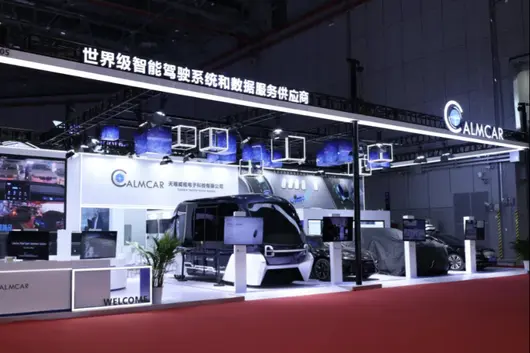
天瞳威視 L4 級智能巴士
而真正令此次 IPO 帶「求生」色彩嘅,係現金流數據嘅實質性惡化:2.35 億元嘅賬面現金,面對每年近 3 億元嘅经营性現金淨流出,安全邊際已不足一年。疊加 300 天嘅應收賬款周轉天數,意味著公司每交付一筆訂單,都要墊付近一年嘅資金成本。
換言之,天瞳威視正處喺一個危險嘅財務窗口期:賬上嘅錢僅夠維持唔足一年嘅正常運作,而 L4 業務嘅大規模交付同回款卻需要更長時間。喺呢個智駕資本熱潮退去、一級市場融資邊際收緊嘅時刻,公司已冇太多等待嘅餘地。
首次遞表失效後僅隔半年便再次衝擊港股,對天瞳威視而言,與其話係戰略選擇,唔如話係現金倒逼下嘅必然之舉。

車型概覽

寶馬M Concept Neue Klasse 值唔值得睇,第一步唔係望牌子或者外形,而係睇佢能唔能夠配合你嘅香港日常。 呢篇會集中講家庭乘坐、行李同舒適度,幫你用買家角度篩走唔適合嘅選擇。
售價仍待確認,買家可以先把佢放入候選名單,等價格落實後再同同級車逐項比較。
購車價格指南
寶馬M Concept Neue Klasse 目前售價仍未清晰,較理性嘅做法係先睇版本、車身大小同動力形式,等價格落實後再決定值唔值得落訂。
如果有幾個版本可揀,可以先將 2026 Standard(價格待確認) 放喺同一張清單。日常通勤重視舒適同易用,家庭買家就要優先睇後排、尾箱同安全配置。
核心規格重點
睇 寶馬M Concept Neue Klasse 嘅規格,重點唔係背數字,而係理解佢喺香港用車場景會帶嚟咩分別。
寶馬M Concept Neue Klasse 現階段最值得留意係車型定位同版本方向,詳細取捨應該等價格同規格更清楚再作決定。
優缺點分析
寶馬M Concept Neue Klasse 嘅優點唔需要講到天花龍鳳,真正有價值係佢能唔能夠令日常用車更省心:車型定位清楚,適合作為同級比較起點。
要留意嘅係,要先確認屋苑、公司或常去商場嘅充電條件、售價未清晰前唔應該太早用性價比落結論。呢啲唔一定係缺點,但係落訂前應該先諗清楚。
買家常見問題
買 寶馬M Concept Neue Klasse 之前,真正要問嘅唔係單一規格,而係佢可唔可以融入你每日嘅生活節奏。
常見疑問係「BMW M Concept Neue Klasse 嘅車廂座椅配置有幾戰鬥格?」簡單講,作為一部高性能跑車,BMW M Concept Neue Klasse 嘅車廂佈局極具賽道氣息。車內配備咗四張全新開發嘅獨立桶型座椅(Bucket Seats),並配上紅色五點式安全帶。座椅面料採用 Bathurst Blue 同 Berry Red 雙色 Merino 真皮,為 BMW M Concept Neue Klasse。 放到實際用車,就係要睇佢對通勤、泊車、家庭乘坐同長期成本有幾大幫助。
同級對比內容
將 寶馬M Concept Neue Klasse 放入同級車清單時,唔建議只用外形或者品牌光環決定。比較順序可以係:先等售價落實,再決定佢應該同邊個級距比較。
咁樣篩選會貼近香港買家真實生活:平日塞車、商場泊車、周末去新界、甚至一家人出入,先係一部車每日要面對嘅考驗。
用車全周期指南

擁有 寶馬M Concept Neue Klasse 最重要係先諗清楚充電節奏。屋苑、公司或者常去商場只要有穩定充電選項,電動化用車就會容易相處好多。
如果你主要喺市區行,視野、低速順滑度同泊車輔助會好影響心情;如果經常行高速或跨區,座椅舒適度、隔音同動力從容感會更重要。


車型概覽

吉利博越 值唔值得睇,第一步唔係望牌子或者外形,而係睇佢能唔能夠配合你嘅香港日常。 呢篇會集中講家庭乘坐、行李同舒適度,幫你用買家角度篩走唔適合嘅選擇。
售價仍待確認,買家可以先把佢放入候選名單,等價格落實後再同同級車逐項比較。
購車價格指南
吉利博越 目前售價仍未清晰,較理性嘅做法係先睇版本、車身大小同動力形式,等價格落實後再決定值唔值得落訂。
如果有幾個版本可揀,可以先將 2024 1.5T 雙離合版(價格待確認)、2025 1.5T 雙離合版(價格待確認) 放喺同一張清單。日常通勤重視舒適同易用,家庭買家就要優先睇後排、尾箱同安全配置。
核心規格重點
睇 吉利博越 嘅規格,重點唔係背數字,而係理解佢喺香港用車場景會帶嚟咩分別。
渦輪增壓、4 個 汽缸、1499 mL 排量 嘅動力底子,重點係市區跟車夠唔夠順、高速巡航會唔會吃力。 181 Ps / 133 kW、290 N·m 嘅輸出,對滿載、上斜同超車都比單睇馬力數字更有意思。 車長 4510/4549 mm、車闊 1865 mm、車高 1650 mm、軸距 2701/2707 mm 可以幫你預判商場停車場、屋苑車位同後排腿部空間。 濕式雙離合(DCT)、前置前駆 會影響起步順滑度、濕地穩定感同長途巡航性格。
優缺點分析
吉利博越 嘅優點唔需要講到天花龍鳳,真正有價值係佢能唔能夠令日常用車更省心:動力輸出對高速同上斜更有底氣、空間同車身尺寸方便家庭買家預判實用性。
要留意嘅係,香港停車場同窄路使用要留意車身闊度、售價未清晰前唔應該太早用性價比落結論。呢啲唔一定係缺點,但係落訂前應該先諗清楚。
買家常見問題
買 吉利博越 之前,真正要問嘅唔係單一規格,而係佢可唔可以融入你每日嘅生活節奏。
常見疑問係「吉利 Geely 博越 內飾設計係咩風格?」簡單講,吉利 Geely 博越 採用豪華 Nappa 真皮座椅,設計大氣典雅。 放到實際用車,就係要睇佢對通勤、泊車、家庭乘坐同長期成本有幾大幫助。
同級對比內容
將 吉利博越 放入同級車清單時,唔建議只用外形或者品牌光環決定。比較順序可以係:先等售價落實,再決定佢應該同邊個級距比較、再睇動力係咪足夠應付高速併線同滿載、最後睇車身大小、座位同尾箱是否適合家人。
咁樣篩選會貼近香港買家真實生活:平日塞車、商場泊車、周末去新界、甚至一家人出入,先係一部車每日要面對嘅考驗。
用車全周期指南
擁有 吉利博越 唔係買車一刻就完結,之後仲有保險、輪胎、保養、泊車同日常能源成本要處理。
如果你主要喺市區行,視野、低速順滑度同泊車輔助會好影響心情;如果經常行高速或跨區,座椅舒適度、隔音同動力從容感會更重要。


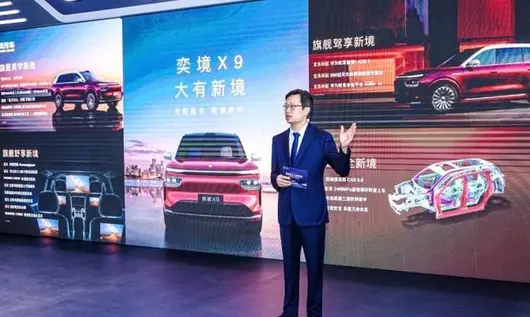
奕境品牌于6月19日通过官方渠道宣布,旗下全新旗舰大型SUV——奕境X9计划在第三季度正式上市。该车型定位为高端市场,东风汽车集团副总经理尤峥透露,奕境X9已启动右舵专属版本研发,目标瞄准港澳及东南亚市场。尤峥表示:“东风将以香港为全球战略支点,全面加速右舵市场布局。” 在海外战略上,东风计划在未来五年内推出55款专属海外车型,以扩大全球影响力。

外观设计上,奕境X9采用了“经纬流光”语言,搭配星河流光智能灯组,前贯穿灯长度达到1.83米。此外,车辆还搭载了HUAWEI XPIXEL百万像素智慧投影大灯,提升照明效果。车尾部分,贯穿式尾灯由1172颗行业最小规格ISD灯珠构成,点亮后呈现出星河质感,辨识度较高。奕境品牌设计团队强调:“这种设计意在营造沉浸式的视觉体验。”


尺寸方面,奕境X9的长宽高分别为5301mm、2015mm和1820mm,轴距为3120mm,定位为大型SUV。在智能驾驶辅助领域,该车型将配备乾崑智驾ADS 5和896线双光路图像级激光雷达等最新技术,形成全栈解决方案。官方介绍,奕境X9的配置包括HUAWEI XSCENE车载激光投影、HUAWEI XHUD增强现实抬头显示、全新一代鸿蒙座舱6以及华为双17.2英寸蝶羽双联屏等,实现“一车十屏”设计,旨在打造沉浸式视听体验。同时,华为首发的“AI感知多模态”盒子可实现沉浸式人机互动,能够“全方位精准感知乘员动作与状态,主动提供个性化服务”。

安全与性能方面,奕境X9全系标配华为乾崑最新一代CAS 5.0系统,车身首次量产应用2400MPa超高强度钢,并搭配行业首创三层防弹级电池装甲。此外,车辆还配备华为XMC数字底盘赋能的赤兔平台和全铝底盘。奕境品牌的安全研发负责人指出:“这些设计旨在提升整体驾乘体验和安全性。” 关于新车的更多信息,我们将持续关注。

May 28, 2026, the World Living Room of the North Bund in Shanghai. In the live broadcast lens of Dragon TV, there were no lengthy speeches by leaders, but rather a "Global Relay Delivery" spanning across Asia and Europe, connecting multiple cities globally.
SAIC Group welcomed its first 100 millionth global user, officially becoming the first automotive group in the history of China's automotive industry to accumulate production and sales exceeding 100 million vehicles.

15 brands, counting down from the 99,999,996th vehicle to the 100,000,012th vehicle, 18 models were delivered synchronously in Shanghai, Liuzhou, Anting, London, Jakarta, and Singapore.
This is not only a milestone for an enterprise, but also a vivid footnote to China's automotive industry developing from scratch and from weak to strong.
In May 2014, SAIC actively implemented the instruction that "developing new energy vehicles is the only path for China to move from a large automotive country to a strong automotive country" and fully transitioned to new energy.
Twelve years later, SAIC completed the transition from "leading the way" with early transformation to "thousands of horses galloping" with brands, technology, ecosystem, and global reach blossoming, all through this 100 million delivery.
If you tear off all those hollow PR words and focus on the diverse owner profiles at the car delivery ceremony, some even spanning extreme geographical regions, you will find that the true smart-electric mass production capability and systemic power of a big factory lie precisely in these votes by different circles using their feet.
True International Natives
True internationalization has never been about holding a temporary press conference overseas or inviting a few Chinese media outlets, but about your product truly integrating into the lives of ordinary overseas people. Among the military merit medals of SAIC's 100 million deliveries, cumulative overseas deliveries have exceeded 7 million units.
At the delivery site in London, intern doctor Natalia picked up an MG4 EV. For her, this is not just an urban commuter pure electric small car. Her growth path has always had MG company, and her grandfather drove a classic British convertible MGB back then.

MG represents a new chapter in the global expansion of Chinese automakers. This brand, once born in the UK and possessing a century of history, after being wholly owned by SAIC Group, has multiple years consecutively topped European sales among Chinese brands.

At the same time, in Jakarta, the core winger of the Indonesian National Men's Football Team, the "genius boy" Eg who studied in Europe for five years, chose Wuling's 7-seater SUV Eksion produced locally in Indonesia, perfectly adapting to Indonesian local spatial and comfort needs, as the travel partner for himself and his family.

Behind this global multi-time-zone, multi-city relay delivery is SAIC's deployment of over 100 parts bases, 3 R&D centers, and 4 overseas manufacturing centers overseas. Even to avoid being strangled by international logistics capacity, SAIC also formed a self-operated RoRo fleet with a scale of 41 ships covering routes globally.
This "Age of Discovery" throughput of "Glocal" local globalization allows overseas car buyers, when purchasing, not to buy a distant imported symbol, but a reliable product supported by a local R&D layout and a local systemic ecosystem.
Efficiency Tool for Wealth Creators.
Those focusing on new forces of car making in middle-class private cars will find it hard to understand why SAIC's delivery list would simultaneously include a large number of commercial light trucks, logistics vehicles, and buses.
In Singapore, DHL (Dunhuang) Senior Vice President Herbert picked up a batch of MAXUS eDeliver 5 pure electric light trucks to cope with high-density, high-frequency urban last-mile delivery and cross-border parcel transfer;

In Taiyuan, Shanxi, Henglongsheng Industrial and Trade General Manager Zhang Yanbin purchased 56 Hongyan new energy heavy trucks again, working frequently in the most severe and labor-demanding mixing stations and urban infrastructure projects;

In Yangzhou, Jiangsu, Top Land Senior Vice President Yuan Guo batch-delivered nearly 10,000 Feifeng Dana T1 pure electric light trucks;

In Henan, Zhonglian Tourist Automobile General Manager Wang Xiaobing purchased Iveco Joy Star EV in one breath, used to run the high-density mountain road custom shuttle route from Luoyang to Laojun Mountain.

When the car circle is flocking to compete in TVs, refrigerators, and big sofas, these strivers walking on the front lines of infrastructure, culture, tourism, and logistics care most about availability rate, quality bottom line, and energy consumption cost. MAXUS light trucks can reduce cost per kilometer to as low as 5 cents under the city distribution model; Hongyan new energy can withstand extreme working conditions in mountainous slope operation environments.
This is the counter-cyclical structural advantage possessed only by big factories with "Full Scenario, Full Category Coverage". The essence of systemic power is that it can not only build the IM LS9 Hyper to fly close to the ground for the elite class at the 300,000 yuan level luxury electric car, but also build the smart electric tool car running in the urban logistics backbone network to help ordinary people efficiently create wealth.
Without a doubt, such a three-dimensional product matrix cannot be bought for even a lot of money by single-track lane players.
Reject High-Price Monopoly
Frontier smart-electric technology should not just be exclusive high-price toys for the rich.
In this delivery, the most touching story comes from Pang Fuqiang, a post-80s village party secretary in Lantian, Shaanxi. He personally pays every day to provide door-to-door meal delivery service costing 2 yuan per meal for 74 left-behind elderly people in the mountains. Because the delivery routes are scattered and road conditions are dispersed, the tricycle he drove before had small loading capacity and no safety guarantee.
In this activity, he was gifted a Wuling Rongguang Pure Electric Version. The 4.3 cubic meter large space, Shenyan Battery Commercial Version, and collision zero spontaneous combustion safety record became his helper to protect mountain elderly more quickly and safely.

And in Dahua Yao Autonomous County, Hechi, Guangxi, charity blogger Liu Jia drove back and forth through towering mountains for five consecutive years rain or shine to give haircuts and companionship to left-behind children. The Buick ZhiJing E7 he picked up, equipped with eye-protection ceiling lights and zero formaldehyde cabins, became the "full score cabin" for the children in the mountains.
Why can ordinary people and grassroots strivers enjoy the most cutting-edge and reliable technology?
The answer is still the scale effect and technology mass production brought by the system.
Because SAIC owns a full technology route, full price range product layout, it can use the integration capability of the supply chain to smash the Qualcomm 8155 chip and Doubao Deep Thinking Large Model into the 60,000 yuan national family sedan Roewe i6;

Turn Huawei Qiankun Intelligent Driving Pro and HarmonyOS Cockpit into standard configuration across the line for the 150,000 yuan Wuling Huajing S, directly breaking the strong binding between high-level intelligence and high price.
Quickly realize mass production of top technology in the laboratory, downgrade, turn into a delivery car in the mountains, turn into a smart vehicle not lagging in a tens-of-thousands yuan fuel car, let technology empowerment, this is the unique, cutting-edge underlying hard power of car company big factories.
99,999,999th Car Owner
The 99,999,999th vehicle delivered by SAIC Group globally is the SAIC Volkswagen ID. ERA 9X.
This delivery also welcomed the 6,999th car owner of ID. ERA 9X. As the World Cup is about to start, the first Chinese player to fight in the Bundesliga, Yang Chen, became the 6,999th owner of ID. ERA 9X, jointly witnessing SAIC Group's cumulative production and sales entering the "100 Million Level Era".
Deeply integrating "German heritage + Chinese wisdom", ID. ERA 9X broke 10,000 locked orders within 1 hour of launch, and retail delivery reached 2,326 units just 5 days after launch, and in April it forcefully ranked in the top 3 of extended-range large high-end SUVs.

Now, just one month after launch, cumulative delivery exceeded 7,000 vehicles, further confirming its user recognition and product competitiveness in the high-end extended-range market. This achievement stems from SAIC Volkswagen's 42 years of deep cultivation in the Chinese market, and is more the fusion empowerment of the "In China, For China" strategy and "Global Wisdom + Chinese Speed".
This milestone delivery is both an important node for SAIC Group to move towards 100 million global cumulative production and sales, and a solid mark of SAIC Volkswagen's deep cultivation in the new energy track.
"100 Million Units" Is Not a Solo Act
"100 Million Units" has never been a solo act for SAIC alone, but the result of these 100 million car owners with vastly different identities, located in different time zones, voting with their feet on their respective life tracks.
Cao Xudong, CEO of a top intelligent driving enterprise, picking up the IM LS9 Hyper in Shanghai, stepping on the gas pedal in London streets by British intern doctor Natalia, the passenger car driver picking up waves of tourists at Luoyang scenic spots, and village party secretary Pang Fuqiang driving an electric car in the mountains of Lantian, Shaanxi to deliver meals for left-behind elderly...

They have different professions, skin colors, and budgets, but what they experience in intelligence, quality, and peace of mind at the moment they buy the car keys, shares at the bottom level, is the same huge, cutting-edge, and omnipresent smart electric big factory mass production system.
100 million vehicles is not the end point, but the starting line for this big factory smart electric mass production beast to accelerate transformation into a user-centric high-tech company. The system story of Chinese intelligence, in this global relay delivery season, has just turned a new chapter.