首頁japanese

搜尋歷史
熱門搜尋
經銷商登入 / 註冊

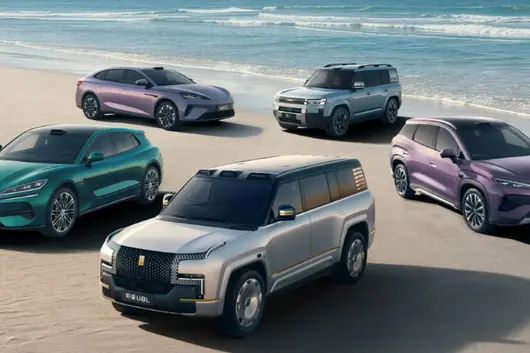
In Malaysia's SUV market, many buyers often compare Proton X90 and Toyota Fortuner when choosing a car.
Proton X90 OTR price in Malaysia is RM 106,800 - 122,800, with 4 versions in total, including 2026 1.5T Prime X (RM 122,800), 2026 1.5T Prime (RM 116,800), 2026 1.5T Lite (RM 106,800) etc.
Toyota Fortuner OTR price in Malaysia is RM 195,880 - 241,880, with 3 versions in total, including 2024 2.8T VRZ Diesel (RM 241,880), 2024 2.7L SRZ Petrol (RM 202,880), 2024 2.4L Standard Diesel (RM 195,880) etc.
From the price perspective, Proton X90's starting price is indeed RM 89,080 cheaper than Toyota Fortuner. If your budget is limited, Proton's entry-level version can already meet daily needs. But also note, the few thousand cheaper, there might be trade-offs in features, it depends on your specific needs.

Proton X90 body length 4400 mm, trunk 400 L.
Toyota Fortuner body length 4400 mm, trunk 400 L.
The dimensions of both cars are almost the same, interior space difference is not significant. For cars in this class, it is completely sufficient for daily use.

Proton X90 warranty 5 years/150,000km, maintenance interval 10,000km or 6 months.
Toyota Fortuner warranty 5 years/unlimited mileage, maintenance interval 10,000km or 6 months.

Both Proton X90 and Toyota Fortuner are mainstream choices in the Malaysia market, suitable for family use and daily commuting. If you value brand reputation and resale value more, prioritize the one with better reputation; if you care more about cost-performance ratio and features, then choose the one with richer configuration. Finally, it is recommended to test drive both, personal experience is the most important.

Overall, both Proton X90 and Toyota Fortuner are quite good models in the Malaysia market. Which one to choose depends on your personal needs and budget. We suggest doing your homework, comparing quotes from several dealers, and then test driving to make a final decision. Buying a car is a big matter, spending time doing homework will never be wrong.


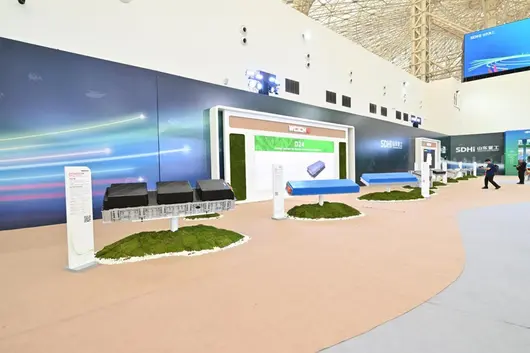
On July 22, the Weichai 2026 Global Partner Conference was held in Hanoi, Vietnam. Meanwhile, the Shandong Heavy Industry Group Green Intelligent Product Exhibition was grandly held at the Vietnam National Exhibition Center (VEC). As a core business segment of the Shandong Heavy Industry Group, Weichai concentrated on showcasing the full series of green intelligent products and solutions, conveying Weichai's firm determination to deepen its new energy field and layout in Vietnam and Southeast Asian markets to global partners.

Currently, the global carbon neutrality wave continues to advance, and Southeast Asia is rising as the core growth pole of the new energy commercial vehicle market. Vietnam and various Southeast Asian countries have successively introduced relevant supportive policies such as transportation electrification, energy saving and emission reduction. Combined with relatively high regional fuel prices, rising demand for fixed scenario operations, and Vietnam's natural advantage of diversified clean energy supply, the potential of the regional new energy market continues to be released. The holding of this conference will become an important platform for Weichai and global partners to jointly explore new opportunities for regional green transformation and jointly expand new market spaces.
Full-chain empowerment, precise adaptation, creating a new benchmark for green power in Southeast Asia
Based on the core needs of the Southeast Asian regional market, Weichai has completed a new energy product layout in all directions and fields. Relying on the independently developed "three-electric" core technologies of batteries, motors, and electronic control, Weichai has built a complete product matrix covering new energy heavy trucks, light trucks, construction machinery, and buses, forming a green solution for all scenarios and all categories.
Aiming at the unique climate characteristics of high temperature and high humidity in Southeast Asia, Weichai carried out localized customization and optimization for the full series of new energy products. It focused on strengthening core performance such as battery thermal management and electronic control system moisture proofing protection, effectively solving industry pain points such as range attenuation and frequent failures that ordinary pure electric vehicles easily appear in tropical environments, making products more adaptable to regional actual operation scenarios.
In the commercial vehicle field, new energy heavy trucks and light trucks equipped with Weichai's "three-electric" core technologies show significant advantages in port, park, urban logistics, slag self-unloading and other full-scenario operations—they not only significantly reduce operating costs brought by fuel consumption but also effectively reduce noise pollution and improve operational efficiency. They are gradually replacing traditional fuel vehicles, helping customers achieve the dual goals of cost reduction and efficiency enhancement and green operations.
Its subsidiary Star Bus has achieved batch export to Southeast Asia. Multiple models equipped with Weichai's "three-electric" system, relying on stable performance and excellent range performance, won wide recognition from local customers. At the same time, multiple products successfully won EU WVTA certification and smoothly entered the European high-end market, fully demonstrating Weichai's new energy technology international competitiveness and product hardness.
In addition, Weichai also deepened strategic cooperation with Vietnam Changhai Group, jointly developing new energy commercial vehicles adapted to local logistics, passenger transport and other scenarios, further accelerating regional market penetration and building a solid market foundation for win-win cooperation.
In the ship field, Weichai closely follows the global maritime green transformation trend and accurately docks regional shipping needs. It launched diversified alternative fuel products such as methanol engines and biodiesel, building low-carbon power solutions in the maritime field.
Among them, Weichai's methanol engine relies on the core advantages of high efficiency, clean, fuel availability, and strong adaptability. It can directly adapt to Vietnam inland shipping, coastal transport and other mainstream scenarios. Fuel combustion is full, and carbon emissions are significantly reduced compared to traditional fuel engines. At the same time, it perfectly adapts to the local methanol fuel supply system, balancing operating cost control and environmental protection requirements, becoming the preferred solution for local ship enterprises' green transformation.
In March of this year, at the Singapore Asia-Pacific Marine Expo (APM), Weichai officially released the B100 biofuel series new products. At the meeting, a B100 biofuel vessel 1000-hour sea trial completion ceremony powered by Weichai core power was successfully held. Nanyang Technological University, China Classification Society Singapore Branch, Pinnacle Marine and other partners jointly witnessed this moment.

From the 2024 project signing to the 2025 actual ship launch, this was Singapore's first B100 actual ship 1000-hour sea trial project. This full-cycle verification provided demonstration and key data support for the industry to explore low-carbon fuel applications. The series new products complement the methanol engine, further enriching Weichai's green power matrix, providing implementable and replicable low-carbon paths for green transformation in the maritime field.
Four decades of in-depth cultivation, reputation foundation, building solid core competitiveness in the Southeast Asian market
Cultivating the Vietnamese market for four decades, Weichai has always taken customer needs as the guide. Deeply cultivating the regional market with high-quality products and perfect services, it long ago built a solid market foundation and harvested wide recognition and good reputation from local customers. As of now, Weichai's cumulative delivery of engines in Vietnam reached 160,000 units. Ship engine and bus engine market share firmly stay first in the region. Relying on reliable product quality and perfect after-sales service systems, it is deeply integrated into local transportation, shipping, construction machinery and other core fields, becoming a power brand with great influence in the Vietnamese market.
This deep market accumulation spanning four decades is not only an intuitive embodiment of Weichai's product hardness and brand influence but also built a solid customer basis and market trust for the landing and promotion of subsequent new energy business in the Southeast Asian region. From traditional power to green intelligent new energy, Weichai has always kept up with regional market development steps, continuously optimizing products and services, and achieved common growth with local markets and customers.

Weichai's layout of the Southeast Asian new energy market is both a strategic choice following the global green development trend and responding to regional policy orientation, and a pragmatic measure based on customer needs to achieve bidirectional win-win for enterprises and partners. In the future, Weichai will continue to take green intelligent technology as the core. Relying on whole industry chain technology advantages, it will deepen collaborative cooperation with global partners, further perfect local production, sales and service systems, accurately dock Southeast Asian regional green transformation needs, and help Vietnam and Southeast Asian regions achieve green growth goals and net-zero emission commitments.

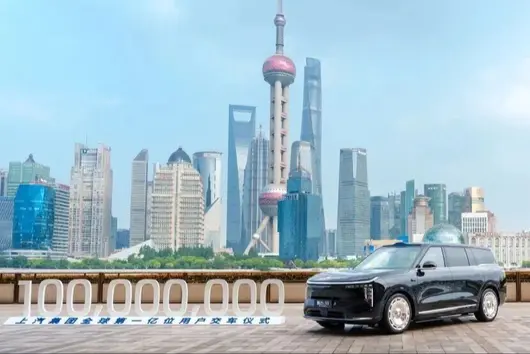
當王曉秋把上汽車集團全球唯一嘅「第 1 億輛」精品定制車模交到 Momenta CEO 曹旭東手中時,現場冇刻意煽情嘅倒計時,亦冇不斷跳動嘅數字大屏。

嗰係專門為「第 1 億輛」打造嘅典藏紀念車模,安靜咁擺喺聚光燈下。鏡頭掃過現場,有人舉起手機拍照,有人鼓掌,仲有人低聲交流。相比好多企業慣常嘅「里程碑時刻」,呢場儀式顯得甚至有一啲克制。
但恰恰係呢種克制,令「第 1 億輛」呢件事本身,顯得格外真實。
因為大家都知道,這唔單止係上汽車嘅「第 1 億輛」,某種程度上,佢亦係中國汽車工業嘅「第 1 億輛」。
從黃浦江邊敲出第一輛鳳凰牌轎車,到今日中國車企第一次邁過「億輛」門檻,中國汽車工業花咗七十幾年。而比起「行咗多遠」,外界更關心嘅,其實係另一個問題:行到今日之後,中國汽車產業下一步會去邊?
亦係呢場交付儀式真正嘅意味。佢看似係喺回顧歷史,但實際上始終喺度討論未來。
一場交付儀式裏嘅產業變化
如果仔細睇呢場直播,會發現一個好有趣嘅細節:佢冇按照傳統汽車發布會嘅方式展開。冇長時間嘅數據展示,冇密集嘅參數講解。相反,整場直播好似係不斷切換場景嘅「接力」。
上海、柳州、倫敦、雅加達、新加坡……唔同品牌、唔同車型、唔同用戶,串聯進同一個敘事中。
而呢啲用戶,亦唔止係傳統意義上嘅購車者。有人係科技博主,有人係公益創作者,有人係海外年輕用戶,有人係物流企業,仲有人,係智能駕駛公司嘅創辦人。
呢種安排本身,其實已經好能說明今日汽車產業嘅變化。過去,汽車更多係一個標準化工業產品,而今日,佢開始變成一種連接生活方式、技術生態同智能能力嘅入口。
所以,第 1 億輛車點解係智己 LS9 Hyper?
因為佢唔係一輛單純強調銷量意義嘅車型,亦唔係一輛象徵「歷史收藏」嘅舊車,而係一輛代表上汽車當下最核心方向嘅智能電動車。
佢身上集合嘅,唔單止係新能源動力,更係智能駕駛、軟件架構、AI 交互,以及生態協同能力。換句話講,上汽車並冇將「第 1 億輛」停留喺對過去嘅致敬,而係明確咁指向未來。
汽車業已經唔係傳統製造業了
直播過程中,上汽車集團副總裁、總工程師祖似傑回顧咗上汽車 70 年發展歷程。佢其實冇過多渲染「第 1 億輛」呢個關鍵詞,而係將整個過程概括成三個階段:改革開放前嘅起步探索、改革開放後嘅合資合作,以及 2000 年前後開始自主品牌嘅發展。
從鳳凰牌,到桑塔納,再到榮威、MG、智己,呢其實對應住中國汽車工業唔同階段嘅任務。最早,係建立工業基礎;後來,係學習現代汽車工業體系;再後來,則係形成自己嘅研發、品牌同技術能力。
而今日,中國汽車產業顯然已經進入新嘅階段。呢個階段入面,問題唔再只係「能不能造車」,而係:未來嘅汽車,究竟應該由邊位定義?
而喺直播中交付嘅各款上汽車,或者就係上汽車畀出嘅答案。
佢哋代表嘅係上汽車乃至中國汽車產業對下階段競爭方向嘅判斷:智能化電動車,正成為車企新嘅核心競爭領域。
汽車產業專家趙福全講過一句好值得反復揣摩嘅話:「汽車業已經唔係傳統製造業了。」
佢話,而家嘅汽車產業,已經從原來簡單嘅上下游關係,變成咗一個生態化產業。佢唔僅涉及製造,仲涉及通訊、交通、城建、AI,以及更多智能產業嘅融合。
呢句話,係今日整個行業變化嘅核心。
過去,一輛車最重要嘅能力,係引擎、變速箱、底盤;後來,係電池、電機、電控;而今日,越來越多人消費者真正感受到嘅,已經變成智能駕駛、座艙交互、軟件體驗、AI 能力,以及整車持續 OTA 更新。
汽車,正由「機械產品」變成「智能終端」,而呢種變化,亦正喺度重新塑造汽車企業本身。
合資 2.0,唔只係「合作」
直播中,祖似傑話,進入智能電動時代後,上汽車同全球品牌嘅合作,已經進入「共同創造」階段。呢其實好重要,因為過去好多年,外界談中國汽車工業,總會提到一句說話:「市場換技術」。
但而家,呢套邏輯已經開始變化。中國市場唔再只係全球車企銷售產品嘅地方,佢開始成為定義產品嘅地方。
原因其實好簡單:全球最完整嘅新能源產業鏈,喺中國;最激烈嘅智能駕駛競爭,喺中國;最大嘅智能電動車消費市場,亦喺中國。因此,無論係大眾汽車、奧迪,定係通用汽車,都必須重新了解中國市場。
呢種變化,喺當日交付嘅車型入面已經好明顯。AUDI E7X、別克至境世家、大眾 ID. ERA 9X,呢啲產品已經唔再係過去嗰種簡單嘅「全球車型國產化」,佢哋越來越深咁融入中國智能化生態、中國用戶需求,以及中國技術能力。
所以,今日再談「合資」,其實已經唔係單向輸入,而係雙方共同定義下一代產品。某種意義上講,亦係中國汽車產業位置變化嘅體現。
過去,中國汽車工業更多係喺「學習」;今日,中國企業開始參與「定義」;而未來,中國汽車產業將進一步參與全球智能出行規則同技術方向嘅塑造。
從「規模」走向「能力」
有意思嘅係,直播中無論係祖似傑,定係幾位專家,都反覆提到一個詞:生態。
祖似傑提到,上汽車同華為其實好早開始合作,從 5G 通訊時代已經好多交流。後來隨著智能汽車嘅發展,雙方合作自然越來越深入。
佢話,而家汽車產品已經發生好大變化,通訊技術、互聯網技術、電子技術都會用到汽車上,「任何一間可能都做不到」。因此,需要共同將中國新能源智能汽車生態做好。
呢句話其實好現實。因為智能汽車時代,已經好難再依靠單一企業完成所有能力嘅構建。
過去,傳統車企更多好似一個封閉體系,競爭核心係製造規模同供應鏈效率;而今日,汽車產業越來越好似一個開放平台。晶片、AI、演算法、軟件、雲端、地圖、通訊……每一個環節都需要新嘅協同關係。
這亦意味著,中國汽車產業正從「規模競爭」轉向「能力競爭」。
過去呢些年,中國汽車產業已經證明咗一件事:中國可以建立世界級規模嘅汽車工業。「第 1 億輛」本身,就係呢種工業能力嘅集中體現。
但今日嘅問題已經變咗。接落嚟,比拼嘅唔再只係產量、銷量同市場份額,而係邊個能夠建立真正可持續嘅技術能力;邊個能夠形成全球化品牌;邊個能夠掌握下一代智能汽車嘅話語權;邊個又能夠將製造、軟件、AI 同生態真正融合起來。
因此,今日嘅競爭,亦越來越唔似過去嗰種「企業對企業」嘅競爭,而好似「生態對生態」嘅競爭。邊個能夠將更多能力組織起來,邊個能夠形成更高效嘅協同,邊個才能真正建立長期優勢。
亦係點解,第 1 億位用戶揀曹旭東,會顯得有象徵意味。因為佢其實喺度表達:未來汽車產業最重要嘅競爭力之一,就係生態能力。而上汽車之所以揀智己 LS9 Hyper 作為第 1 億輛來交付,亦恰恰因為佢本身係呢種能力體系嘅產品。
佢唔係單一製造能力嘅結果,而係智能駕駛、AI 演算法、軟件平台、供應鏈體系,以及用戶數據共同協同後嘅結果。
某種意義上,佢好似一個「移動智能終端」,而唔只係傳統意義上嘅汽車。
亦係點解,整場交付儀式雖然不斷回顧歷史,但始終帶住一種好強嘅「未來感」。因為今日嘅中國汽車產業,已經行到一個新嘅節點。
未來唔會自動到來,佢係喺一次次技術更新、產業協同同用戶揀選入面,被塑造出嚟嘅。

BYD officially released the May 2026 production and sales flash report, with new energy vehicles from all brands reaching a monthly sales volume of 383,453 vehicles, a slight increase of 0.26% year-on-year, achieving year-on-year positive growth in monthly sales after ten months; among them, passenger car deliveries reached 376,990 units, surging 19.4% month-on-month, wiping out the pain of previous model iterations, presenting a new pattern where the domestic base is stable, overseas sales are soaring, and high-end brands are scaling up across the board. Amidst the market environment of intensified competition in the domestic new energy sector, Tesla FSD entering China, and an intense launch of independent new products, it has forged a unique structural growth path.

The Dynasty and Ocean main brands combined sold 330,215 vehicles in May, accounting for over 80% of the group's total sales, remaining the stabilizer for BYD's sales volume. The full series had 8 models exceeding 20,000 units in monthly sales, covering products from 50,000 entry-level commuter to 200,000 home SUV.

Inside the Dynasty Network, the Yuan family sold 56,691 units, and the Song family 51,370 units. Both crossed the 50,000 threshold, becoming two major sales pillars for the brand, catering to home commuter and urban-rural travel needs; the Qin family followed closely with a stable performance of 28,360 units. The Han and Tang series maintained a volume in the six-thousand range, deeply cultivating the mid-to-large home sedan and SUV niche markets; the brand new model Xia is in the market cultivation phase, delivering 1,810 units monthly, with potential for steady volume growth as channels expand.
The Ocean Network's growth momentum is even more rapid, with 5 models entering the 20,000 club across the series: Sealion 42,615 units, Seal 34,117 units, Seagull 39,919 units, Dolphin 22,260 units, and Song PLUS 27,755 units. Among them, Seagull remains the best-selling entry-level commuter model thanks to its affordable pricing of 60,000-80,000. Sealion, as a new volume model, stands firm at the 40,000 level upon launch, filling the mid-size SUV product gap in the Ocean Network and perfecting the Ocean product tier layout. From commuter small cars to compact SUVs, the two main brands rely on DM-i hybrid and pure electric dual-line technologies to牢牢锁住 the mainstream home market share within 150,000 domestically.
Fang Cheng Bao Year-on-Year Surges 139.7%, Brand Upward Positioning Takes EffectThe high-end matrix of Denza, Fang Cheng Bao, and Yangwang sold a combined 46,489 vehicles in May, officially breaking away from the niche positioning to become a new pivot for BYD's brand premium and profit growth, breaking the industry curse of difficulty in high-end breakthrough for domestic brands.

The off-road brand Fang Cheng Bao sold 30,186 units monthly, surging 139.7% year-on-year, creating a new high in monthly sales since the brand launched. Its Titanium 7 model sold 18,280 units monthly, while Leopard 5 and Leopard 8 output remained stable, continuously squeezing the survival space for joint venture and imported models in the 250,000-400,000 hardcore off-road niche market.

Denza delivered 16,303 units in May, with the MPV benchmark D9 selling 6,721 units, and the Z9 series close to 6,000 units. MPV and mid-to-large sedan dual-line efforts helped them stand firm in the luxury new energy track; the million-level ultra-luxury brand Yangwang continued its steady climb, delivering 286 units that month, a year-on-year increase of 105.8%, completing market verification of the domestic brand ceiling product and forming a full price range product layout from 100,000+ home, 300,000-400,000 off-road, 500,000 luxury MPV to million-level flagship.

In May, BYD's overseas sales of passenger cars and pickup trucks reached 160,177 units, surging 80.7% year-on-year. Exports accounted for over 42% of the full series total sales, setting a new historical high for brand export and becoming the core driving force to stabilize May overall sales and achieve year-on-year positive growth.
Southeast Asia, Europe, and Latin America became the main incremental markets. Seagull, Song PLUS, and Yuan series continued to top new energy best-seller lists in multiple countries; the SHARK pickup truck exceeded 4,000 units in monthly exports for two consecutive months. Relying on the completion of localization production in Thailand, Brazil, Hungary, and Uzbekistan with four overseas vehicle factories, localized production continues to land, avoiding tariffs while rapidly penetrating terminal channels. Against the background of stock market competition in the domestic auto industry and normalized price wars, the rapidly expanding overseas market effectively counteracts sales volatility brought by domestic model iterations, officially upgrading from a supplementary market to BYD's core growth engine. As of now, BYD's global cumulative new energy vehicle sales have exceeded 16.5 million units, with the globalization map continuously broadening.
Intelligent Driving Empowers Product Iteration, H2 New Products Prepare to Surge VolumeMay marked a key node in BYD's intelligent driving landing, with the God's Eye intelligent driving system becoming a core bonus point for models: the number of vehicles with advanced intelligent driving across all brands exceeded 3.15 million, with daily road test data exceeding 200 million kilometers; that month, BYD implemented City Pilot and Smart Parking dual safety backup services, becoming the world's first auto manufacturer to achieve dual intelligent driving backups. Three days after policy implementation, the activation rate of models equipped with the God's Eye system in cities surged 50%. Intelligent driving experience upgrades directly drove in-store order conversion, solidifying product competitiveness for subsequent models to continue volume sales, and facing the intelligent driving market shock brought by FSD entering China.
From data details, BYD's cumulative sales from January to May 2026 were 1,405,039 units, down 20.32% year-on-year. The core reason is that the full series of main models were concentratedly iterated, and the capacity ramp-up of the 2nd Gen Fast Charge Blade Battery was restricted. The new Flash Charge Battery upgraded fast charging and low-temperature performance. Full series iteration models prioritized installing new batteries, but production line retrofitting dragged down capacity release. Order backlogs on popular models and delayed deliveries compressed the May delivery volume to a certain extent.
As the end of the second quarter approaches and the 2nd Gen Blade Battery capacity continues to release, coupled with new models such as Denza N8L, Fang Cheng Bao Titanium 7 Pure Electric Version, Sealion 05, and Xia L landing the market, the industry generally predicts that BYD's full brand sales in June are expected to exceed 400,000 vehicles. Relying on the four-dimension development logic of low-end volume locking share, high-end raising profit, overseas pushing volume, and intelligence improving product power, amidst the intensified new energy elimination round in the domestic market, BYD's full category layout advantage continues to amplify, securing its status as the domestic new energy leader, accelerating steadily towards global top auto manufacturers.