首頁bass

搜尋歷史
熱門搜尋
經銷商登入 / 註冊

In the Malaysian SUV market, many buyers compare the Proton X90 and Toyota Yaris Cross when choosing a car.
The Proton X90's OTR price in Malaysia is RM 106,800 - 122,800, with a total of 4 versions, including 2026 1.5T Prime X (RM 122,800), 2026 1.5T Prime (RM 116,800), 2026 1.5T Lite (RM 106,800), etc.
The Toyota Yaris Cross's OTR price in Malaysia is RM 99,900 - 109,900, with a total of 2 versions, including 2026 1.5L Standard (RM 99,900), 2026 HEV 1.5L Standard (RM 109,900), etc.
In terms of price, the starting price of Toyota Yaris Cross is RM 6,900 cheaper than Proton X90. Honestly, in this price range, a difference of a few thousand is not really significant; the key is to look at overall value for money and long-term usage costs.

The Proton X90 is equipped with a 1.5L Turbo, with 140 hp. Official fuel consumption is 7.0 L/100km.
The Toyota Yaris Cross is equipped with a 1.5L 4-cyl, with 105 hp. Official fuel consumption is 6.0 L/100km.
In terms of performance, the Proton X90's 1.5L Turbo has 35 more horsepower than the Toyota Yaris Cross's 1.5L 4-cyl, providing more confidence in mid-range acceleration, especially when overtaking on highways. However, the Toyota Yaris Cross may be more fuel-friendly, and the difference in daily city commuting will not be significant.

The Proton X90 body length is 4400 mm, trunk 400 L.
The Toyota Yaris Cross body length is 4400 mm, trunk 400 L.
The dimensions of both cars are almost the same, and the interior space does not differ much. For this class of cars, daily use is completely sufficient.

The Proton X90 adopts FWD drive configuration.
The Toyota Yaris Cross adopts FWD drive configuration.
Both cars have the same drive configuration, both are FWD, so there will not be much difference in daily driving experience.

In summary, both the Proton X90 and Toyota Yaris Cross are very good models in the Malaysian market. Which one to choose depends mainly on your personal needs and budget. It is recommended to do your homework, compare quotes from several dealerships, and go for a test drive to make a final decision. Buying a car is a big matter, spending some time doing homework will definitely not be wrong.


Initially, the matter of "joint venture" was due to the serious ideological differences between China and the United States, making the initial proposal of the "joint venture" model, General Motors Chairman Thomas Murphy, who came to China to negotiate cooperation in 1978, return in defeat. But unexpectedly, 48 years later, history came full circle.
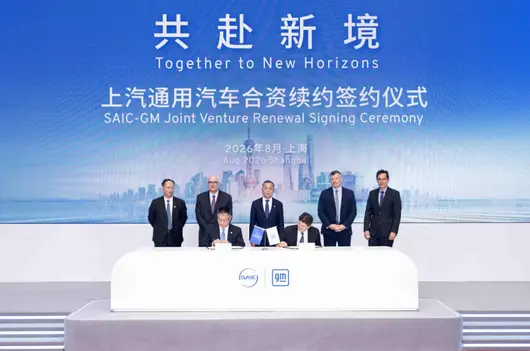
On August 5, SAIC Group and General Motors announced in Shanghai that their joint venture relationship would be renewed for another 20 years, extending to 2047. If the first joint venture in 1997 was the trend of the times, the announcement by both parties this time to extend the joint venture term to 2047 seems somewhat special. The reason is that the United States and we are entangled due to various industrial competitions. General Motors and SAIC, as the largest automotive companies of their respective sides, what does their cooperation at this time mean?

Let's first see what the official statement said: Both sides stated that this cooperation renewal is based on nearly 30 years of successful cooperation. Against the backdrop of profound changes in the global automotive industry, SAIC Group and General Motors have cast a vote of confidence in the long-term value of the Chinese automotive market and the transformation capabilities and development prospects of SAIC-GM. Both shareholders will further collaborate on technical research and development, supply chains, and global market resources to provide continuous support for the smart electric transformation, local innovation, global layout, and long-term healthy development of SAIC-GM.
Deconstructing this passage, it mainly contains two meanings: First, to convey confidence; Second, both parties will collaborate on technical research and development, emphasizing the smart electric transformation, and paying close attention to the global market.
First point, the confidence aspect is obviously very important. Just on August 3, the United States even included our Qiaqia Melon Seeds, Sinian Dumplings, Septwolves, etc., in the import restriction list, not to mention new energy vehicles.
Second point, regarding the technical collaboration between the two parties, SAIC-GM's smart electric transformation, in just two short lines, the word "Global" is mentioned twice: Global market resources, Global layout; Recalling Tesla from the United States as well, "Become a benchmark factory and major export center for Tesla globally", this may imply that SAIC-GM intends to leverage China's supply chain advantages to bypass various restrictions in the United States and increase the "export" role of SAIC-GM.
"Exports" or a Key Development Strategy
Public data shows that as of September 2024, the Tesla Shanghai Factory had cumulatively exported 1 million Teslas in less than 4 years; in 2025, the Tesla Shanghai Factory delivered 851,000 new cars globally, accounting for half of its global sales. Domestic retail was 626,000 units, meaning exports were approximately 220,000 units.
Due to the localization rate of Tesla being above 95%, this means that while Tesla is earning substantial profits for its shareholders, it is also earning large amounts of foreign exchange for China. The initial core demand set by the Chinese automotive industry for the purpose of "joint venture" was to earn foreign exchange. Not to mention the contribution of Tesla to building a complete new energy vehicle industry chain in China after its growth. Therefore, even a wholly foreign-owned project like Tesla is of no small importance to the Chinese automotive industry.
We return to SAIC-GM. From the first batch of 50 Buick GL10 exported to the Philippines in 2001 to July 2022, SAIC-GM's cumulative exports surpassed 1 million units. As of the end of November 2025, this figure has exceeded 1.3 million units. Besides complete vehicle exports, the contribution of SAIC-GM to the Chinese automotive industry chain is even greater than Tesla.

From a global market perspective, General Motors began to gradually shrink since 2015, withdrawing successively from the passenger car markets in Western Europe and India, selling Opel's German headquarters, all passenger car factories in Western Europe; Thailand local complete vehicle manufacturing business, two complete vehicle factories in India, retaining only the US, China, South Korea, Canada, Mexico, Brazil and other major core profitable markets.
On the Chinese side, on the one hand, SAIC and Great Wall and other enterprises have successively taken over some of General Motors' overseas assets, allowing General Motors to avoid greater losses; at the same time, Chinese-made cars have seen continuous growth in exports for many years, achieving technical leaps and becoming objects of cooperation and joint ventures for overseas brands such as Audi, Volkswagen, and Stellantis. As an old partner of the Chinese automotive industry, retaining "SAIC-GM" as this high-quality asset is clearly a wise move for General Motors.
Looking at the "SAIC-GM" joint venture project, if the past China and SAIC needed to borrow General Motors' technology and products to develop themselves, and General Motors also needed to borrow China's market demand and scale to develop itself; the current China and SAIC are no longer as dependent on General Motors as they were back then, while General Motors, besides still needing China's market demand and scale, also needs to leverage SAIC Group's smart electric technology and China's automotive supply chain advantages, to retain SAIC-GM as a key bridgehead for General Motors to continue to profit and expand in the global market. This change in strength and status between the two has also given today's "SAIC-GM" a completely different meaning.
"Zhijing Model": Exports or the Short-term Optimal Solution
At the press conference for the renewal of SAIC-GM joint venture for another 20 years today, SAIC-GM clearly stated that in the future, both parties will rely on the local research and development system accumulated in the R&D center established jointly in China by the two parties — Pan Asia — and the mature domestic supply chain, as well as the empowerment of SAIC Group's leading smart electric technology capabilities in recent years. At the same time, inheriting General Motors' century-old technical heritage and global rigorous standards, they will continue to provide high-standard products and services to the market.

SAIC-GM also gave an example: the Zhijing model. As the new sub-brand of SAIC-GM "Zhijing", its core is SAIC Group's smart electric technology, combined with Pan Asia's R&D advantages and mature domestic supply chain, plus General Motors' global product standards, a new species combining multiple advantages.
SAIC-GM specifically mentioned that according to the plan, Buick Zhijing E7 will be officially exported to overseas markets in October this year, becoming the first high-end new energy vehicle of the Buick brand and SAIC-GM Motors to go overseas, marking the opening of a new chapter in enterprise transformation and globalization strategy.
Buick Zhijing will not only become a benchmark for joint ventures developed locally and exported in reverse to overseas markets, but also provide a new model of "local innovation, global sharing" for joint venture exports for multinational automotive companies. With the support of both shareholders, SAIC-GM Motors will continue to expand into international markets in the Middle East, Africa, South America, Mexico and Asia-Pacific in the future, further enhancing the influence of China's local innovation results in the global market.

From these descriptions, it seems that the future market focus of SAIC-GM may rely more on overseas markets. Public information shows that since the Zhijing brand was launched in April 2025, a total of three models have been launched: Zhijing Shijia, Zhijing L7, and Zhijing E7. All three cars are new energy vehicles. As a new brand, the Zhijing brand had to face the vast ocean of China's new energy competition as soon as it was born, with fierce competition far stronger than the era when Buick's early star models Buick Century and Buick Sail were located. It is unrealistic to want Zhijing's new cars to sell well like Buick Century and Sail back then. Therefore, whether it is SAIC or General Motors, they need to find a completely different business path for Zhijing. "Overseas markets" are probably the most realistic answer at this time.
According to consultancy firm AlixPartners forecasts, Chinese car exports in 2026 will reach 10 million units, an increase of 41% year-on-year, 2.5 times the annual export volume of Japanese cars. Looking at brands, taking Chery Group as an example, the cumulative sales from January to July this year were 1.6343 million units, of which exports were as high as 70%.
In the international market, precisely out of continued看好 of Chinese new energy vehicles, the third-ranked Stellantis Group in the world signed a cooperation agreement with Leapmotor, not only directly investing in Leapmotor Automobile but also establishing a Leapmotor International joint venture company to exclusively be responsible for the sales and production business of Leapmotor Automobile products in markets outside Greater China.
In addition, including the cooperation between Volkswagen and Xpeng, the new cooperation between Audi and SAIC, all have similarities with this time SAIC-GM's "new joint venture". In other words, no matter what barriers exist between nations, the global automotive industry that was originally entangled is now carrying out cooperation with a more profound impact in a posture where they cannot live without each other.
Perhaps, for industry and capital, politicians and national industrial policies may produce major changes every four years, but joint venture cooperation for the purpose of win-win is the true market main melody. Looking at the current development situation of Chinese new energy vehicles, the "joint venture enterprises" widely existing in China's market may be making the global automotive industry look anew. For those enterprises that have boarded China's train, they are all secretly grateful in their hearts, such as General Motors, Audi, etc. And for those enterprises that previously completely did not看好 "joint ventures", they probably regret it now. From this perspective, this new cooperation between SAIC and General Motors undoubtedly represents the most mainstream industrial trend at the moment, and also reveals the high ability and vision of the joint venture parties to adapt to the times.

In Malaysia's SUV market, many buyers compare Proton X70 and Chery Tiggo 8 when choosing a car. These two models have similar pricing and positioning. Today, we will make a detailed comparison from multiple aspects to help you save time on research.
The OTR price for Proton X70 in Malaysia is RM 106,800 - 122,300, with 3 versions available, including 1.5L Standard 2WD (RM 106,800), 1.5L Executive 2WD (RM 115,800), 1.5L Premium 2WD (RM 122,300), etc.
The OTR price for Chery Tiggo 8 in Malaysia is RM 129,750 - 129,750, with 1 version available, including 2026 1.6T Standard (RM 129,750), etc.
In terms of price, the starting price of Proton X70 is indeed RM 22,950 cheaper than Chery Tiggo 8. If your budget is limited, Proton's entry-level version can already meet daily needs. However, keep in mind that the few thousand dollars cheaper might involve compromises in features, depending on your specific needs.

Proton X70 Body length 4400 mm, Trunk 400 L.
Chery Tiggo 8 Body length 4400 mm, Trunk 400 L.
The dimensions of both cars are almost identical, with little difference in interior space. For this class of car, it is more than enough for daily use.
Proton X70 Warranty 5 years/150,000 km, Maintenance interval every 10,000 km or 6 months.
Chery Tiggo 8 Warranty 3 years/100,000 km, Maintenance interval every 10,000 km or 6 months.

Both Proton X70 and Chery Tiggo 8 are mainstream choices in the Malaysian market, suitable for family use and daily commuting. If you value brand reputation and resale value more, consider the one with better reputation; if you care more about cost-performance ratio and features, choose the one with richer configurations. Ultimately, it is recommended to test drive both, as personal experience is the most important.
Overall, both Proton X70 and Chery Tiggo 8 are very good models in the Malaysian market. Choosing which one depends primarily on your personal needs and budget. It is recommended that you do your homework, compare quotes from several dealerships, and then test drive to make a final decision. Buying a car is a big matter, taking some time to research is never wrong.


In the Malaysian SUV market, many buyers compare Proton X50 and Kia Sportage when selecting a car. These two cars are very close in price and positioning. Today, we will make a detailed comparison from multiple aspects to help you save time on research.
The Proton X50 OTR price in Malaysia is RM 89,800 - 113,300, with 4 versions in total, including 1.5T Executive (RM 89,800), 1.5T Premium (RM 101,800), 1.5T Flagship (RM 113,300) etc.
The Kia Sportage OTR price in Malaysia is RM 129,639 - 179,320, with 4 versions in total, including 2025 1.6T DCT 4WD High (RM 179,320), 2025 1.6T DCT 2WD High (RM 159,320), 2025 2.0L AT 2WD High (RM 139,639) etc.
From a price perspective, Proton X50's starting price is indeed RM 39,839 cheaper than Kia Sportage. If your budget is limited, Proton's entry-level version can already meet daily needs. But also note, the price difference of a few thousand might involve trade-offs in features, depending on your specific needs.

Proton X50 comes with 1.5L 4-cyl, 105 hp. Official fuel consumption 6.0 L/100km.
Kia Sportage comes with 1.5L Turbo, 140 hp. Official fuel consumption 7.0 L/100km.
In terms of power, Kia Sportage's 1.5L Turbo has 35 more horsepower than Proton X50's 1.5L 4-cyl. However, for daily city driving, power for both cars is sufficient, you won't feel underpowered.

Proton X50 safety rating is 5★ (ASEAN NCAP), active safety systems include ADAS (ACC, AEB, LKA, LDA, BSM, RCTA).
Kia Sportage safety rating is 5★ (ASEAN NCAP), active safety systems include Drive Wise.
Both cars have the same safety rating, safety features are quite complete in this class. New cars today generally do not have poor safety, no need to worry too much about this.

Proton X50 uses 4WD drive system.
Kia Sportage uses FWD drive system.
Proton's 4WD and Kia's FWD will feel different in handling, test drive comparison is recommended.

Overall, Proton X50 and Kia Sportage are both very good models in the Malaysian market. Which one to choose mainly depends on your personal needs and budget. We suggest doing research, comparing quotes from several dealerships, and then test driving to make a final decision. Buying a car is a big matter, spending time on research is never wrong.


In the first half of 2026, the commercial vehicle market overall showed weak growth, with significant segmentation in tracks. The total commercial vehicle market cumulative year-over-year growth was only 8.28%, while head enterprises such as Foton, Sinotruk, Dongfeng, and FAW had growth rates of less than 20%. Multiple enterprises maintained single-digit growth or even saw sales declines. The industry average increased slightly in the first half, light truck sales declined slightly, and light van growth was sluggish. Industry growth was basically supported by pickups and exports, with car manufacturers generally falling into intense battles in the existing market.
Forming a stark contrast to the industry's flat trend, SAIC Commercial Vehicles followed a completely independent upward curve: June sales growth reached 52.79%, about 4.9 times the industry average, making it the only head manufacturer to cross the 50% growth threshold; cumulative sales growth for the first half was 28.37%, about 3.4 times the industry average level. Currently, the brand has achieved comprehensive breakthroughs in five major segments: light vans, light trucks, pickups, new energy, and overseas exports. Relying on self-developed technology, a full-category matrix, systematic overseas expansion, and ecosystem-based user operations, it has carved out a high-quality transformation path that is actionable and replicable, becoming a benchmark for industry transformation.

Data Source: CAAM
Leading All Tracks in Segmentation, Breaking Out from the Existing Market
Light Van Track
Light vans are the fundamental base of SAIC's light commercial vehicles and also its most dominant segment in the industry. Against the backdrop of industry growth of only 5.4% in the first half, Maxus light vans overall market share stabilized above 27%, making it the head brand with the largest share and largest increase in the light van industry. Cumulative sales reached 61,144 units in the first half, leading Changan by over 7,200 units and JMC by over 10,000 units, with the leading advantage continuing to amplify. Maxus light vans maintained a significant lead in June, with hot sales of 13,902 units in the month, surging 62% year-over-year; among them, the Dahon series sold hotly with 7,207 units in June, soaring 218% year-over-year, continuing to lead the new energy light van track.
Relying on the synergy of the Maxus and Iveco dual brands, SAIC Commercial Vehicles light vans achieved comprehensive first place in domestic insurance registration, exports, and total sales data. Unlike competitors relying on single fuel vehicle models to move volume, SAIC Commercial Vehicles light vans simultaneously deployed pure electric, super extended range, and other routes, accommodating both urban short-distance distribution and cross-city long-distance transport. Domestic city distribution demand combined with overseas logistics orders provides dual support, offering stronger adaptability and resistance to pressure in the market.

Light Truck Track
In the first half of this year, the light truck industry sales growth was weak. Most brands' electrification remained in the stage of simply adding batteries to fuel chassis, known as "fuel-to-electric conversion," but SAIC Maxus Forland defied the trend to achieve a significant sales increase. It carved out a differentiated route, using a native electric light truck architecture to adapt to electric drive, battery swapping, and extended range from the chassis stage. Native electric drive chassis completely solves the range and load-bearing shortcomings of modified models, greatly enhancing product competitiveness.
In June, Forland light vans sold hotly with 5,258 units, up 54% year-over-year; cumulative sales from January to June reached 23,864 units, with a year-over-year growth rate of 48%. Among them, new energy vehicles totaled 12,971 units, up 65% year-over-year. Electrification penetration rate and growth magnitude significantly lead peers, achieving dual optimization of sales volume and product structure during the industry downturn.

Pickup Track
The highlights of the pickup track lie in premiumization and model innovation. In the first half of 2026, cumulative domestic pickup sales were 343,000 units, up 9.4% year-over-year. This belongs to the few stable growth tracks in the industry, but the overall growth rate is flat.
As the brand with the number one high-end pickup exports in China, Maxus pickup growth resilience far exceeds the industry average. Maxus pickups ranked first in total exports in May, and in June, sold hotly with 7,871 units, a 83% surge year-over-year! What also holds industry-transforming significance is its marketing reform: the industry's first 7-day free trial model, breaking the limitations of traditional short-term test drives at the store, handing over real operational scenarios such as heavy load, long-distance, and off-road to users for experience. In the past, the pickup industry highly depended on dealer promotion, with high user decision costs. This new model centered on user experience is reconstructing the conversion logic of the pickup market.

Self-Developed New Energy Technology, Building a Moat
The leading advantage in new energy transformation is SAIC Commercial Vehicles' core moat. From January to June, the overall penetration rate of domestic new energy commercial vehicles was 30.4%. SAIC Commercial Vehicles' five major brands' overall penetration rate in the first half reached 47%, and in June, it was as high as 60%, leading the industry by nearly 17 percentage points; new energy sales volume in the first half surged 69% year-over-year, with June's single-month new energy growth at 80%, and electrification transformation progress leads the entire industry by a significant margin. Among them, Sunwin buses were the first to achieve 100% new energy across the entire series; Forland light trucks' new energy sales accounted for more than half in the first half; Maxus monthly domestic new energy penetration rate broke through 50% multiple times.

Unlike the industry's common model of outsourcing three-electric systems, SAIC Commercial Vehicles relies on self-developed bases such as Hongtu 2.0 electric architecture and StarStack pickup platforms, combined with deep co-research with CATL and Huawei, to build a complete independent technical system. For example, the Maxus Dahon super extended range light van has a CLTC comprehensive range of 1260km, solving range anxiety for pure electric models while greatly reducing long-distance fuel costs, becoming one of the optimal solutions for commercial new energy; equipped with CATL's Tianxing batteries featuring 7,000 times ultra-long cycle life, and an 8-year/600,000km ultra-long warranty, forming obvious advantages in product reliability and actual usage value.
Global Expansion Model Upgrade, Opening New Growth Space
The overseas market was the largest source of incremental volume for commercial vehicles in the first half of 2026. From January to June, domestic commercial vehicle cumulative exports were 664,000 units, up 32.5% year-over-year. SAIC Commercial Vehicles' overseas sales reached a new high in June, with single-month exports of 14,071 units, surging 70% year-over-year. Cumulative overseas sales from January to June were 65,183 units, up 33% year-over-year, outperforming the market average again, with products covering over 100 countries and regions worldwide.

Overseas benchmark orders continued to land in the first half: Kuala Lumpur Auto Show won a large order for 300 new energy light vans in Malaysia, creating the record for the largest single new energy light van order in local history; G50 PHEV went on sale in the Philippines in April and sold hotly immediately, with orders breaking 1,000 units within two months of launch; DHL Group cumulatively bulk purchased 2,500 pure electric light vans, with Maxus being the first Chinese car brand to enter the DHL German Postal delivery fleet; new pickup intention orders in Australia and Chile exceeded 800 units, with Venezuela and Chile consecutively securing bulk mining area pickup orders, with vehicle sales in many Southeast Asian countries continuing to rise.

SAIC Commercial Vehicles abandoned the industry's low-price volume overseas expansion model, shifting to an integrated output of technology, service, and ecology. Relying on product strength and localization support, it deepened its presence in the overseas market and continuously widened long-term growth space. This systematic overseas expansion strategy also provides an actionable reference path for high-end overseas expansion of domestic commercial vehicle brands.
Conclusion
The market performance in the first half is sufficient to show that the commercial vehicle industry has bid farewell to the era of rapid expansion based on dividends. Single hit products or single tracks are hard to support long-term development. Only by building a mature, complete system of technology, products, services, and global expansion can one maintain rhythm and breakthrough steadily amidst market volatility. The simultaneous rise in multiple tracks by SAIC Commercial Vehicles in the first half proves that its overall growth far exceeding the industry average is not accidental, but the result of continuous deep digging and steady iteration in multiple fields.
Shifting from purely scale expansion to high-quality value growth, SAIC Commercial Vehicles has carved out a pragmatic and feasible transformation path. Not only has it solidified the foundation for long-term development for itself, but it has also provided a new reference direction for the industrial upgrade and global development of Chinese commercial vehicle brands.

喺馬來西亞嘅 SUV 市場,好多買家喺揀車嗰陣都會拎 Proton X50 同 Mazda CX-3 拎嚟比較。呢兩款車喺價位同定位上都幾接近嘅,今日我哋就從多個方面做一次詳細嘅比較,幫你省咗做功課嘅時間。
Proton X50 喺馬來西亞嘅 OTR 售價係 RM 89,800 - 113,300,合共 4 個版本,包括 1.5T Executive(RM 89,800)、1.5T Premium(RM 101,800)、1.5T Flagship(RM 113,300)等。
Mazda CX-3 喺馬來西亞嘅 OTR 售價係 RM 126,159 - 139,159,合共 2 個版本,包括 2023 2.0L High(RM 139,159)、2023 2.0L Plus(RM 126,159)等。
睇返價錢,Proton X50 嘅起步價確實比 Mazda CX-3 平咗 RM 36,359。如果你預算有限,Proton 嘅入門版已經可以滿足日常需要。但都要留意,平嗰幾千蚊,喺配備上可能會有取捨,具體就要睇你嘅需要。
Proton X50 車身長 4400 mm,後尾箱 400 L。
Mazda CX-3 車身長 4500 mm,後尾箱 450 L。
空間方面,Mazda CX-3 嘅車身比 Proton X50 長咗 100 mm,坐位空間更有優勢。不過 Proton X50 喺城內泊車會靈活啲,各有取捨。
Proton X50 採用 4WD 驅動方式。
Mazda CX-3 採用 FWD 驅動方式。
Proton 嘅 4WD 同 Mazda 嘅 FWD 喺操控上會有唔同感覺,建議試駕比較。
Proton X50 同 Mazda CX-3 都係馬來西亞市場嘅主流選擇,適合家庭使用、日常通勤。如果你更重視品牌口碑同二手價,可以優先考慮口碑更好嗰一款;如果你更在意性價比同配備,那就揀配備更豐富嗰款。最後始終建議兩款都去試駕,親身試下先至係最重要。

總括嚟講,Proton X50 同 Mazda CX-3 都係馬來西亞市場幾不錯嘅車型。揀邊一輛,關鍵都係要睇你嘅個人需要同預算。建議大家做好功課,多比較幾間車行嘅報價,再去試駕做最終決定。買車係件大事,花少少時間做功課絕對唔會錯。

在國內汽車市場,一家車企要實現 3000 萬的產銷規模,絕非易事,品牌塑造、口碑沉澱、品質把控、產品打磨等各個環節,皆缺一不可。

7 月 16 日,廣汽集團 3000 萬用戶感恩盛典於廣汽傳祺工廠盛大啟幕。自首台整車正式下線,至第 3000 萬輛汽車順利交付,廣汽在 29 載砥礪奮進中穩步前行。這一里程碑數字,不僅彰顯了廣汽卓越的產品實力,更凝聚著集團直面汽車市場轉型的果敢魄力,以及廣大用戶對品牌的堅定信賴與支持。

自第 29999995 輛至第 29999999 輛,廣汽旗下全品牌陣容悉數亮相,廣汽本田 P7、廣汽豐田鉑智 7、啟境 GT7、廣汽埃安 N60 以及廣汽昊鉑 S600 均齊聚現場,全方位呈現了廣汽在新能源賽道上交出的亮眼的答卷。


這具有里程碑意義的第 3000 萬輛整車,正是右軚版廣汽傳祺 M8 PHEV,其車主為泰國知名功夫巨星 Tony Jaa。這一事實充分表明,廣汽旗下車型不僅在國內備受用戶青睞,即便遠銷海外,中國製造的卓越實力同樣贏得了海外用戶的由衷稱讚。


品質,是廣汽堅守不渝、絕不退讓的核心底線。在總結致辭環節,馮興亞著重強調,廣汽集團長久以來始終篤定踐行“質量至上”的發展信條。在生產一線,車間同仁以精益求精的態度雕琢每一處細節;與此同時,榮獲“國家卓越工程師團隊”稱號的廣汽動力總成自主研發團隊,緊密貼合不同階段消費者的多元需求,全力攻克技術壁壘,為用戶呈上卓越的動力總成解決方案。此外,廣汽造型設計團隊同樣傾盡全力,打造的傳祺 GS8、傳祺 M8、昊鉑 SSR 等經典車型,憑藉出眾形象持續收穫廣泛讚譽,這些皆是廣汽品質的生動註腳。

在研發與製造的全流程中,廣汽精心構筑起一套嚴密且完備的品質管控體系:每一款新車在正式推向市場前,都必須歷經高寒、高溫、高原、高濕、高腐,以及山區、沙塵等“五高一山一塵”的嚴苛極端環境考驗,並圓滿完成“兩冬一夏”的實地路測;依托試驗場與實驗室,對整車展開涵蓋 12 個大項、超 1500 項驗證子項的全方位體系化品質核验;廣汽埃安智能生態工廠榮膺“全球首個新能源汽車燈塔工廠”,憑藉數位化智能製造體系,為量產品質的穩定築牢堅實根基。

就汽車產品而言,安全無疑是重中之重。星靈安全守護體系精心搭建起四大防護屏障,八大核心系統均採用雙冗餘架構,至今已為近 200 萬用戶提供堅實守護,成功化解 628 萬次潛在出行隱患;彈匣電池已實現 150 萬輛車的裝機量,安全行駛里程突破 1600 億公里大關;在服務保障層面,廣汽同樣持續發力,於行業內率先推出自主品牌“三擔責”舉措,針對用戶關切的電池及智能駕駛輔助難題主動擔責兜底,切實消除用戶用車的後顧之憂。

的確如此,消費者以實實在在的資金投入,堅定選擇了廣汽旗下的車型:今年上半年,廣汽集團整體銷量達 77.31 萬輛,較去年同期實現 2.35% 的增長,新能源汽車板塊銷量更是同比飆升 68.8%;與此同時,海外市場出口量成功突破 12 萬輛,同比增幅高達 132%。

值此廣汽集團達成 3000 萬輛交付里程碑的關鍵節點,7 月 16 日至 8 月 31 日期間,廣汽集團聯動旗下六大品牌,重磅推出煥新專屬權益。從多元購車福利、貼心金融服務、便捷置換政策到周到售後禮遇,全方位回饋廣大用戶。秉持品質初心的廣汽產品,必將贏得更多用戶的信賴與支持,凝聚起愈發堅實的用戶群體。
喺馬來西亞嘅 SUV 市場,好多買家喺揀車嘅時候都會拿 現代聖達菲 同 富豪 XC90 PHEV 嚟做比較。呢兩款車喺價位同定位上都好接近,今日我哋就從多個方面做一個詳細嘅比較,幫你慳返做功課嘅時間。
現代聖達菲喺馬來西亞嘅 OTR 售價係 RM 225,000 - 270,000,一共有 3 個版本,包括 2025 2.5T DCT 4WD Calligraphy 6 Seats(RM 270,000)、2025 HEV 1.6T AT 2WD Prestige 7 Seats(RM 245,000)、2025 HEV 1.6T AT 2WD Prime 7 Seats(RM 225,000) 等。
富豪 XC90 PHEV 喺馬來西亞嘅 OTR 售價係 RM 434,888 - 434,888,一共有 2 個版本,包括 2025 2.0T 77km Ultra(RM 434,888)、What safety features does the Volvo XC90 PHEV have?(RM 362,888) 等。
由價錢睇,現代聖達菲嘅起步價確實比 富豪 XC90 PHEV 便宜咗 RM 209,888。如果你預算有限,現代嘅入門版已經可以滿足日常需求。但亦要留意,便宜嗰幾千蚊,可能喺配備上會有取舍,具體要睇你嘅需求。

現代聖達菲搭載 2.0L 4-cyl,馬力 170 hp。官方油耗 8.0 L/100km。
富豪 XC90 PHEV 搭載 Hybrid,馬力 170 hp。官方油耗 4.5 L/100km。
動力方面,富豪 XC90 PHEV 嘅 Hybrid 比 現代聖達菲 嘅 2.0L 4-cyl 多咗 0 匹馬力。不過日常喺市區開,兩款車嘅動力都夠用,唔會覺得唔夠力。

現代聖達菲嘅安全評級係 TBD,主動安全系統包括 Basic。
富豪 XC90 PHEV 嘅安全評級係 5★ (Euro NCAP),主動安全系統包括 Premium ADAS。
安全配備方面,兩款車都拿到咗唔錯嘅評級。不過 現代聖達菲 嘅 Basic 同 富豪 XC90 PHEV 嘅 Premium ADAS 喺功能上有少少差異,如果你比較睇重主動安全嘅話,可以仔細對比下兩者嘅功能列表。

現代聖達菲車身長 4400 mm,行李箱 400 L。
富豪 XC90 PHEV 車身長 4400 mm,行李箱 400 L。
兩款車嘅尺寸幾乎一樣,車內空間差別唔大。呢個級別嘅車,日常使用完全夠用。

現代聖達菲保修 5 年/300,000km,保養間隔 每 10,000km 或 6 個月。
富豪 XC90 PHEV 保修 5 年/無限里程,保養間隔 每 10,000km 或 6 個月。

總括嚟講,現代聖達菲 同 富豪 XC90 PHEV 都係馬來西亞市場幾唔錯嘅車型。邊邊揀邊,關鍵仲要睇你嘅個人需求同預算。建議大家做好功課,多比較間車行嘅報價,再去試駕做最終決定。買車係件大事,花啲時間做功課絕對唔會錯。

喺馬來西亞嘅皮卡市場,好多買家喺揀車嗰陣,都會拎豐田 Hilux 同馬自達 BT-50 黎比較。呢兩款車喺價位同定位上都好接近,今日我哋就從多個方面做一個詳細嘅對比,幫你慳返做啲功課嘅時間。
豐田 Hilux 喺馬來西亞嘅 OTR 售價係 RM 104,880 - 173,280,一共有 6 個版本,包括 2025 2.8T AT Double Cab GR Sport(RM 173,280)、2025 2.8T AT Double Cab Rogue(RM 163,080)、2025 2.4T AT Double Cab V(RM 149,580) 等。
馬自達 BT-50 喺馬來西亞嘅 OTR 售價係 RM 140,418 - 140,418,一共有 1 個版本,包括 2025 3.0T High Plus(RM 140,418) 等。
睇返價錢,豐田 Hilux 嘅起行價確實比馬自達 BT-50 慳咗 RM 35,538。如果你預算有限,豐田嘅入門版已經可以滿足日常需求。但都要留意,慳返幾千蚊,可能喺配備上有取舍,具體要睇你嘅需求。

豐田 Hilux 配備 2.5L Diesel,馬力 187 hp。官方油耗 8.5 L/100km。
馬自達 BT-50 配備 2.5L Diesel,馬力 187 hp。官方油耗 8.5 L/100km。
兩款車用咗同一套動力系統,日常行車嘅感覺基本冇分別。油耗方面都差唔多,唔使太糾結呢一點。

豐田 Hilux 車身長 5300 mm,後備箱 0 L。
馬自達 BT-50 車身長 4400 mm,後備箱 400 L。
空間方面,豐田 Hilux 嘅車身比馬自達 BT-50 長咗 900 mm,車內乘坐空間會稍微寬鬆少少,尤其是後座腳部空間。如果你經常載家人或者需要放嬰兒車,大一點嘅車身確實更實用。

豐田 Hilux 採用 FWD 驅動方式。
馬自達 BT-50 採用 FWD 驅動方式。
兩款車嘅驅動方式一樣,都係 FWD,日常駕駛感覺唔會有太大分別。

豐田 Hilux 同馬自達 BT-50 都係馬來西亞市場嘅主流選擇,適合家庭使用、日常通勤。如果你更睇重品牌口碑同二手價,可以優先揀口碑更好嗰一款;如果你更在意性價比同配備,就揀配備更豐富嗰款。最終都係建議兩款都去試車,親身體驗先最重要。

總括嚟講,豐田 Hilux 同馬自達 BT-50 都係馬來西亞市場好唔錯嘅車型。揀邊輛,關鍵都係要睇你嘅個人需求同預算。建議大家做好功課,多比較幾間車行嘅報價,再去試車做最終決定。買車係一件大事,花啲時間做功課絕對唔會錯。



汽勢 Auto-First|撒瑪爾
凌晨四點半,上海江橋批發市場,老周嘅五菱榮光準時發動。這係佢做蔬菜批發嘅第十二年,亦係呢架車陪佢嘅第七個年頭。
同一時刻,青藏高原嘅牧民發動咗皮卡去牧場,粵港澳大湾区嘅工程師坐進智己去公司,胡同口嘅家長開住大眾 ID.3 送孩子上學,中緬邊境嘅年輕商人開住 MG 踏上跨境公路。
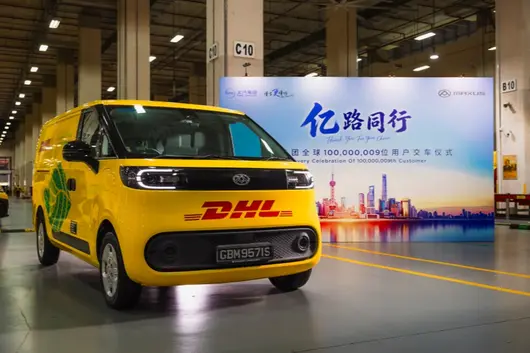
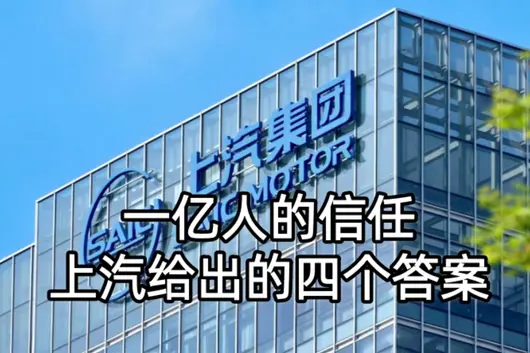
佢哋互不相識,卻共享一個載入史冊嘅身份。5 月 28 日,上汽集團喺上海北外灘世界會客廳舉行「全球第一億位用戶」交車盛典,正式成為中國汽車工業史上首家累計產銷量突破 1 億輛嘅汽車集團。

上汽全球第一億台車嘅交付車主,係 Momenta CEO 曹旭東——呢位中國智能駕駛領域嘅領軍人物,以智己 LS9 Hyper 001 號車主嘅身份,與上汽完成咗一次雙向奔赴。佢選擇嘅上汽旗艦大六座——智己 LS9 Hyper,曹旭東將佢稱為呢個時代「中國汽車工業嘅璀璨明珠」,係上汽 70 年造車底蘊與前沿技術嘅集大成者。

呢場前所未有嘅「全球接力交付」儀式,正將呢份榮耀灑向世界各個角落。
喺汽勢 Auto-First 睇嚟,真正嘅託付,來自一億人嘅信任。真正嘅偉大,從嚟都唔係獨自閃耀,而係讓萬物生長。上汽畀出自己嘅四個答案。

喺呢個情緒價值被奉為圭臬嘅喧嘩時代,上汽沉靜地守護住一種更稀缺嘅東西:精神價值。
當下嘅汽車輿論場,情緒價值被捧上咗神壇。一個配色、一句文案、一場直播,都能引發狂歡。但情緒解決小事,精神決定生死。戰略抉擇、百年傳承、行業突破,全靠精神價值掌舵。沒有精神內核嘅大企業,規模再大都只係一盤散沙。

這些年,上汽有自己嘅發展節奏,有過高光,亦經歷過蟄伏承壓嘅爬坡期。但用戶看到嘅係一個有格局嘅大哥姿態:像一棵大樹咁,把根往深處扎,把養分往高處送。
上汽回饋畀用戶嘅,係一種"共生安全感"。喺呢個充滿不確定性嘅時代,人們比任何時候都需要確定性。上汽以紮實嘅技術保障、全生命週期嘅安心服務同始終在線嘅安全守護,把確定性變成用戶每一天嘅出行底氣。呢種承諾,恰恰係當下最珍貴嘅情緒。不,係精神價值。
正係呢份精神定力,讓上汽與用戶之間形成咗一場跨越七十年嘅雙向奔赴。

把上汽看作一個完整嘅生命系統,先至真正明白佢嘅格局。
喺生態學中,熱帶雨林係地球上生物種類最豐富嘅生態系統。參天大樹根深葉茂,牽引住整條生態鏈向上生長;而灌木、藤蔓、苔蘚、小草,雖然唔耀眼,但係涵養土壤、固持水土嘅主力,同時喺孕育新綠。
上汽所構建嘅,正係呢樣一片產業雨林,允許參差,接納共生。

五菱宏光 MINI EV 讓無數奮鬥者擁有咗第一輛車,榮威 i 系列守護住工薪家庭嘅日常通勤,MG 讓年輕人以可負擔嘅價格觸摸駕駛樂趣。呢啲產品,恰恰係上汽社會責任最生動嘅注腳,涵養咗整個汽車生態最深厚嘅水土。

從入門到豪華,從國內到海外,上汽嘅產品佈局形成咗一個梯度結構。用戶可以喺同一個生態內完成從「第一輛車」到「升級換代」嘅全生命週期遷移,呢種縱向貫通嘅體系能力,喺行業中絕無僅有。
價格後面嘅"0",係砥礪前行嘅壓力,一億用戶數字後面嘅"0",係沉甸甸嘅信任。

七十年嘅製造積澱,係呢片雨林最深厚嘅根系。從零部件配套到質量驗證體系,上汽把工業製造嘅每一個環節沉淀為可復用嘅技術基座。呢個基座向整個生態開放,讓創新者唔必從零開始,讓後來者能夠站喺巨人嘅肩膀上生長。
更重要嘅係,呢片雨林向外敞開枝葉,與整個外部環境交換能量。從與奧迪共建創新技術中心、與華為乾崑牽手,到與 Momenta、OPPO、地平線等深度共創,上汽從嚟唔做「生態孤島」。

從 MG 全球首款量產半固態電池、智己 LS8 嘅線控轉向 + 後輪轉向底盤技術,到榮威"家越"序列開放嘅 2000+SOA 原子級接口,上汽喺動力電池、智能底盤同電子電氣架構等底層核心技術上均實現咗從實驗室到量產車嘅關鍵跨越。
沒有呢棵大樹嘅負重前行同產業托底,好多新物種唔可能長得咁快。從供應鏈到製造標準,從人才流動到技術外溢,上汽七十年嘅積澱,已成為滋養整個行業嘅公共財富。
根系越深,林冠越盛;循環越暢,生機越旺。上汽雨林生態嘅終極目標,唔係成為最大嘅嗰棵樹,而係讓呢片土壤上長出嘅每一株生命,都能找到自己嘅陽光。

一億用戶與上汽之間,係一場持續七十年嘅雙向奔赴。七十多年前,上汽嘅第一輛車駛出廠房嗰時,沒人能夠預料到呢個數字。
1955 年,上海市內燃機配件製造公司揭牌成立;1958 年,第一輛鳳凰牌轎車試製成功;1983 年,乘住改革開放東風,上汽開創行業合資合作先河,第一輛國產桑塔納組裝成功;2016 年,上汽率先打造全球第一輛互聯網汽車。

七十余年來,上汽與眾多中國車企一道,見證並推動咗中國汽車工業從無到有、從弱到強,從"跟隨學習"走向"創新引領"。與此同時,支撐起這一億輛嘅,係 1500 億研發投入、26000 項有效專利,係固態電池從實驗室走向量產,係數字底盤重新定義駕駛體驗。
當中國汽車年產銷站喺 3000 萬輛嘅台階上,我哋需要嘅唔僅係銷量嘅爆款,更係一片能生生不息嘅土壤。上汽用一億次託付告訴我哋:一家偉大企業嘅終極格局,唔係讓自己高聳入雲,而係讓自己成為萬物生長嘅根基。


喺汽勢 Auto-First 睇嚟,呢場交付儀式本身,就係上汽畀出嘅第四個答案:一次從「企業主導」到「用戶與生態共演」嘅範式轉移。
佢徹底顛覆咗傳統汽車行業「里程碑發佈會」嘅固有模式。沒有領導長篇講話,沒有產品枯燥宣講,取而代之嘅係一場以真實用戶為主角、以全球接力為形式、以技術實力為底色、以情感共鳴為內核嘅「流動敘事史詩」。從上海北外灘到倫敦、雅加達、新加坡,15 個品牌、19 款車型、跨越亞歐大陸嘅實時接續交付,本身就係最具衝擊力嘅品牌傳播——佢讓「一億」呢個冰冷嘅工業數字,變得可感、可觸、可共情。

更值得稱道嘅係,儀式將用戶真正置於舞臺中央:得到創始人羅振宇作為華境 S 第 001 號體驗官見證下線,前留德國腳楊晨與 ID.ERA 9X 嘅長期主義共鳴,85 後村支書龐富強用五菱榮光純電為留守老人送餐,公益博主劉佳與別克至境 E7"滿分座艙"嘅微光守護者同頻……呢啲真實故事,讓「懂車更懂你」唔再係一句口號,而係一億份信賴嘅生動注腳。
呢場「全球接力交付」,係中國品牌傳播史上從嚟未有過嘅嘗試。佢用儀式創新吸引咗注意力,用用戶故事引發咗情感共鳴,用體系展示建立咗技術信任,用開放合作描繪咗生態願景。佢成功咗將一個品牌發布,轉化成一場屬於中國汽車工業、屬於所有用戶、屬於智能電動時代嘅公共敘事事件。呢,先係真正嘅大廠格局。

站喺一億用戶嘅節點回望,上汽嘅故事從來都唔係孤勇者嘅傳奇,而係一群人嘅史詩。從第一輛鳳凰牌轎車到第一億輛智能電動車,從黃浦江畔嘅作坊到橫跨 170 多個國家嘅全球版圖,上汽用七十年證明咗一個樸素嘅道理:大企業之大,唔在規模,而在格局;唔在聲量,而在擔當;唔在一時嘅風頭,而在永續嘅生態。
當輿論場仲喺沉淪嗰陣,佢早經穿越咗沼澤,身後留下嘅係一片鬱鬱蔥蔥嘅雨林。啲曾經嘅質疑者唔會明白:真正嘅大廠,從唔畏懼週期,因為佢本身就係週期嘅一部分;從唔懼怕起伏,因為佢嘅根系早已深扎時代嘅土壤。
一億用戶,一億次選擇,一億份託付。喺呢個習慣遺忘嘅時代,上汽選擇被記住嘅方式,唔係製造喧囂,而係成為依靠。


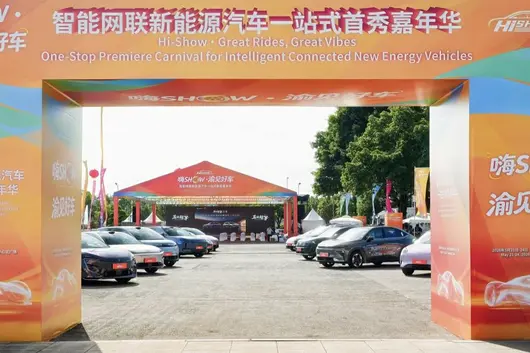
2026年5月24日上午,「嗨SHOW·渝見好車」智能網聯新能源汽車一站式首秀嘉年華閉幕式暨頒獎儀式喺重慶國際博覽中心北廣場舉行。來自中國國際貿易促進委員會機械行業分会、重慶市陸海經貿促進中心、車企代表、經銷商負責人、行業專家、媒體及車友俱樂部代表等齊聚一堂,共同回顧這場為期四天嘅汽車科技盛宴,展望智能網聯新能源汽車產業喺西部嘅高質量發展前景。

作為第八屆中國西部國際投資貿易洽談會(簡稱西洽會)特別增設嘅全新同期活動,本次嘉年華與西洽會室內展區動靜結合,室內外深度聯動。西洽會由重慶市人民政府主辦,係中國西部地區國際性盛會,係西部地區嘅重要外交平台、貿易合作平台同投資促進平台,係推動國際國內合作嘅重要載體,亦係西部地區展示形象擴大對外開放合作嘅重要窗口。嘉年華嘅成功舉辦,不僅集中展示我國智能網聯新能源汽車產業嘅最新成果,更以「產業對接 + 消費促進」嘅雙輪驅動模式,成為西洽會期間頗具產業影響力嘅新增亮點活動之一,為西部地區汽車產業高質量發展注入新動力,亦係重慶試點建設消費新業態、新模式、新場景,培育消費新增長點嘅具體實踐。

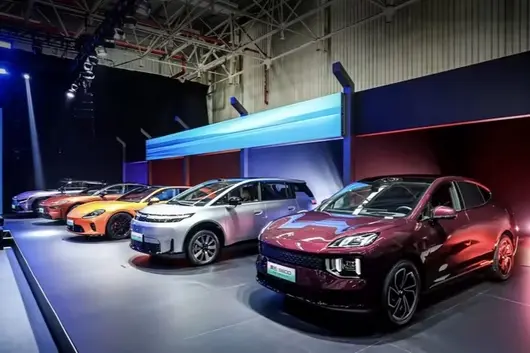
閉幕式上,中國國際貿易促進委員會機械行業分会副秘書長劉成芳喺致辭表示,本屆嘉年華以「技術賦能·智領西部」為核心主題,打造一場集首發首秀、動態體驗、技術科普、經貿對接於一體嘅汽車產業盛會。佢強調:「23個品牌、62款熱門車型集中亮相,既有阿維塔12、問界全新M9、猛士M817、零跑D19、廣汽埃安N60等2026年度新車型,亦係長安引力第四代CS75、逸動藍鯨超擎等全球首發產品,更有西南地區首秀嘅極狐福祉車、牛姆智能新安全硬件等創新成果。靜態展示與動態體驗相結合,真正實現「一站式首秀」嘅新模式。」佢指出,來自俄羅斯、吉爾吉斯斯坦、烏茲別克斯坦、塔吉吉爾斯坦、柬埔寨、泰國等國家嘅政府、商會協會及企業代表齊聚重慶,共話合作,為中外企業搭建務實高效嘅交流橋樑。

重慶市陸海經貿促進中心副主任蔣建華喺致辭中表示,本次嘉年華係西部地區首次大規模、高規格嘅智能網聯新能源汽車首秀盛會,集中展示年度首發車型,充分體現中國汽車產業喺電動化、智能化、網聯化領域嘅創新活力。西部特別是重慶,正加速成為全國汽車產業轉型升級嘅重要增長極。

六大核心板塊全面落地,技術同體驗深度融合
本次嘉年華六大核心板塊全面升級,全面覆蓋靜態展示、動態體驗、技術科普、安全試駕、智能競技等多元場景。新品路演發布區品牌發聲不斷;智電新品首鑑展讓黑科技觸手可及;動態體驗營中,越野試乘、底盤顛簸路試、智慧座艙沉浸、金卡納極速繞樁四大硬核項目人氣爆棚;輔助泊車挑戰賽嘅人機PK引來陣陣喝采;技術科普堂同安全體驗營則讓前沿科技走進公眾生活。觀眾不僅能睇車,更能試車、乘駕,零距離感受智能網聯新能源汽車嘅真實魅力。

「渝啟首發·新品路演發布區」作為本次嘉年華嘅核心主舞台,係整場汽車嘉年華儀式舉辦、品牌發聲、流量匯聚、榮譽加冕嘅核心標杆區域。喺為期四天嘅活動中,各大主流及新興車企喺此密集舉辦新車發布與戰略宣傳活動,集中展示智能網聯同新能源領域嘅最新成果同品牌動向。

「首秀臻賞·智電新品首鑑展」為本次汽車嘉年華核心靜態品牌形象展示窗口,為各品牌提供定製化沉浸式展示空間。觀眾可以零距離接觸長安旗下五大品牌阿維塔、深藍、啟源、引力、凱程全系主銷新品,賽力斯問界全系車型,特斯拉Model 3、Model Y雙子星等特色車型產品陳列、核心科技拆解解析、智能座艙沉浸式體驗艙,現場預約試乘試駕等環節,讓前沿科技「看得見、摸得著、體驗得到」。

「渝馳首駕·新品動態體驗營」係本次嘉年華最具人氣嘅核心沉浸式體驗主場,開放首日即吸引大量觀眾踊躍預約體驗。體驗營設置四大硬核矩陣,猛士917、問界M9等車型表現搶眼。


「智聯巔峰·輔助泊車挑戰賽」成為現場最具互動看點嘅競技項目。依托本次首發嘅全新車型及其搭載嘅自動泊車系統,打造沉浸式、競技性兼具嘅互動體驗。挑戰賽使用統一嘅「魔鬼」車位場景,考驗車輛智能泊車嘅極限表現。搭載泊車系統嘅車輛一氣呵成、精準入庫,引得現場陣陣驚嘆,充分展現自動泊車系統從「噱頭」走向「實用」嘅技術成熟度。

「科創新途・首發技術科普堂」聚焦智能網聯、新能源汽車前沿技術,喺活動期間與靜態展示同步開展科普講解活動,邀請行業專家、車企技術工程師現場授課,以通俗易懂嘅語言解鎖智電、網聯核心技術奧秘,吸引眾多家庭參與,有效提升公眾對智電技術嘅認知。

「智安馭電・新電安全體驗營」面向嘉賓開放城市道路同短途試駕路線,路線涵蓋城市擁堵、匝道匯入等真實交通場景。喺專業試駕員嘅陪同下,親身駕駛熱門新車,深度體驗其動力性能、智能座艙交互及導航輔助駕駛等核心亮點。
「中國汽車龍之隊」發布,凝聚行業力量
閉幕式上,資深媒體人、跟我視駕/卿車熟路創始人卿欽正式發布「中國汽車龍之隊」環節。立足西洽會「新技術、新業態、新模式」嘅核心展示窗口,「中國汽車龍之隊」以「一站式首秀嘉年華」嘅創新形態,集結中國新能源汽車喺三電技術、智能網聯、智慧座艙等核心領域嘅最前沿成果,打造從國內首發到海外落地嘅全鏈路展示平台。佢表示,中國新能源汽車技術已就位、實力待展示,不能只侷限於國內,更要站喺全球舞台中央。現階段中國汽車品牌多以「單兵作戰」亮相全球舞台,難以形成合力應對國際市場挑戰。為此,中國國際貿易促進委員會機械行業分会將喺2026年11月,帶領「中國汽車龍之隊」遠赴波蘭華沙,參加中東歐規模最大、最具影響力嘅國際華沙工業展覽會,以中國官方展團核心力量嘅身份集體亮相全球舞台,實現中國汽車品牌嘅抱團出海——讓中國汽車嘅新技術、新業態、新模式,不止於西洽會嘅一站式首秀,更讓中國智造驚艷世界!

新品動態體驗營獎項揭曉,致敬卓越創新
閉幕式上,隆重舉行「嗨SHOW·渝見好車」智能網聯新能源汽車一站式首秀嘉年華暨新品動態體驗營頒獎儀式。本次嘉年華嘅「新品動態體驗營」集結眾多智能網聯新能源汽車嘅佼佼者——佢哋喺越野、座艙、泊車、操控、舒適等維度展開激烈角逐,充分展現中國新能源汽車嘅硬核實力同不斷向上嘅突破精神。經過四天專業評委嘅嚴格評審同多維度考核,各參賽車型喺技術同創新領域各顯其能,最終各個組別嘅優勝者榮耀揭曉。獲獎名單如下(排名不分別先後):

展望未來:持續打造西部汽車產業創新高地
本次嘉年華嘅成功舉辦,不僅為西部消費者帶來一場智能網聯新能源汽車嘅科技盛宴,亦為重慶同西部地區汽車產業嘅高質量發展注入新動力。活動實現「技術首發 + 場景體驗 + 消費促進」嘅深度融合,初步形成西部地區最具影響力嘅汽車嘉年華IP。
未來,主辦方將繼續攜手重慶市政府、行業機構同車企夥伴,持續優化活動內容、拓展國際視野、強化產業對接功能,力爭將「嗨SHOW·渝見好車」打造成西部乃至全國智能網聯新能源汽車領域最具品牌影響力同市場轉化力嘅標誌性盛會。
讓我哋共同期待下一屆「嗨SHOW·渝見好車」,再聚山城,共赴智能出行新未來!

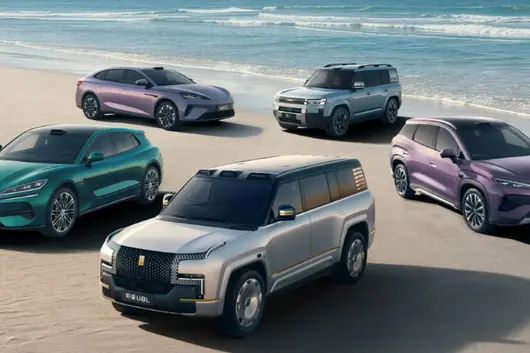
BYD officially released the May 2026 production and sales flash report, with new energy vehicles from all brands reaching a monthly sales volume of 383,453 vehicles, a slight increase of 0.26% year-on-year, achieving year-on-year positive growth in monthly sales after ten months; among them, passenger car deliveries reached 376,990 units, surging 19.4% month-on-month, wiping out the pain of previous model iterations, presenting a new pattern where the domestic base is stable, overseas sales are soaring, and high-end brands are scaling up across the board. Amidst the market environment of intensified competition in the domestic new energy sector, Tesla FSD entering China, and an intense launch of independent new products, it has forged a unique structural growth path.

The Dynasty and Ocean main brands combined sold 330,215 vehicles in May, accounting for over 80% of the group's total sales, remaining the stabilizer for BYD's sales volume. The full series had 8 models exceeding 20,000 units in monthly sales, covering products from 50,000 entry-level commuter to 200,000 home SUV.

Inside the Dynasty Network, the Yuan family sold 56,691 units, and the Song family 51,370 units. Both crossed the 50,000 threshold, becoming two major sales pillars for the brand, catering to home commuter and urban-rural travel needs; the Qin family followed closely with a stable performance of 28,360 units. The Han and Tang series maintained a volume in the six-thousand range, deeply cultivating the mid-to-large home sedan and SUV niche markets; the brand new model Xia is in the market cultivation phase, delivering 1,810 units monthly, with potential for steady volume growth as channels expand.
The Ocean Network's growth momentum is even more rapid, with 5 models entering the 20,000 club across the series: Sealion 42,615 units, Seal 34,117 units, Seagull 39,919 units, Dolphin 22,260 units, and Song PLUS 27,755 units. Among them, Seagull remains the best-selling entry-level commuter model thanks to its affordable pricing of 60,000-80,000. Sealion, as a new volume model, stands firm at the 40,000 level upon launch, filling the mid-size SUV product gap in the Ocean Network and perfecting the Ocean product tier layout. From commuter small cars to compact SUVs, the two main brands rely on DM-i hybrid and pure electric dual-line technologies to牢牢锁住 the mainstream home market share within 150,000 domestically.
Fang Cheng Bao Year-on-Year Surges 139.7%, Brand Upward Positioning Takes EffectThe high-end matrix of Denza, Fang Cheng Bao, and Yangwang sold a combined 46,489 vehicles in May, officially breaking away from the niche positioning to become a new pivot for BYD's brand premium and profit growth, breaking the industry curse of difficulty in high-end breakthrough for domestic brands.

The off-road brand Fang Cheng Bao sold 30,186 units monthly, surging 139.7% year-on-year, creating a new high in monthly sales since the brand launched. Its Titanium 7 model sold 18,280 units monthly, while Leopard 5 and Leopard 8 output remained stable, continuously squeezing the survival space for joint venture and imported models in the 250,000-400,000 hardcore off-road niche market.

Denza delivered 16,303 units in May, with the MPV benchmark D9 selling 6,721 units, and the Z9 series close to 6,000 units. MPV and mid-to-large sedan dual-line efforts helped them stand firm in the luxury new energy track; the million-level ultra-luxury brand Yangwang continued its steady climb, delivering 286 units that month, a year-on-year increase of 105.8%, completing market verification of the domestic brand ceiling product and forming a full price range product layout from 100,000+ home, 300,000-400,000 off-road, 500,000 luxury MPV to million-level flagship.

In May, BYD's overseas sales of passenger cars and pickup trucks reached 160,177 units, surging 80.7% year-on-year. Exports accounted for over 42% of the full series total sales, setting a new historical high for brand export and becoming the core driving force to stabilize May overall sales and achieve year-on-year positive growth.
Southeast Asia, Europe, and Latin America became the main incremental markets. Seagull, Song PLUS, and Yuan series continued to top new energy best-seller lists in multiple countries; the SHARK pickup truck exceeded 4,000 units in monthly exports for two consecutive months. Relying on the completion of localization production in Thailand, Brazil, Hungary, and Uzbekistan with four overseas vehicle factories, localized production continues to land, avoiding tariffs while rapidly penetrating terminal channels. Against the background of stock market competition in the domestic auto industry and normalized price wars, the rapidly expanding overseas market effectively counteracts sales volatility brought by domestic model iterations, officially upgrading from a supplementary market to BYD's core growth engine. As of now, BYD's global cumulative new energy vehicle sales have exceeded 16.5 million units, with the globalization map continuously broadening.
Intelligent Driving Empowers Product Iteration, H2 New Products Prepare to Surge VolumeMay marked a key node in BYD's intelligent driving landing, with the God's Eye intelligent driving system becoming a core bonus point for models: the number of vehicles with advanced intelligent driving across all brands exceeded 3.15 million, with daily road test data exceeding 200 million kilometers; that month, BYD implemented City Pilot and Smart Parking dual safety backup services, becoming the world's first auto manufacturer to achieve dual intelligent driving backups. Three days after policy implementation, the activation rate of models equipped with the God's Eye system in cities surged 50%. Intelligent driving experience upgrades directly drove in-store order conversion, solidifying product competitiveness for subsequent models to continue volume sales, and facing the intelligent driving market shock brought by FSD entering China.
From data details, BYD's cumulative sales from January to May 2026 were 1,405,039 units, down 20.32% year-on-year. The core reason is that the full series of main models were concentratedly iterated, and the capacity ramp-up of the 2nd Gen Fast Charge Blade Battery was restricted. The new Flash Charge Battery upgraded fast charging and low-temperature performance. Full series iteration models prioritized installing new batteries, but production line retrofitting dragged down capacity release. Order backlogs on popular models and delayed deliveries compressed the May delivery volume to a certain extent.
As the end of the second quarter approaches and the 2nd Gen Blade Battery capacity continues to release, coupled with new models such as Denza N8L, Fang Cheng Bao Titanium 7 Pure Electric Version, Sealion 05, and Xia L landing the market, the industry generally predicts that BYD's full brand sales in June are expected to exceed 400,000 vehicles. Relying on the four-dimension development logic of low-end volume locking share, high-end raising profit, overseas pushing volume, and intelligence improving product power, amidst the intensified new energy elimination round in the domestic market, BYD's full category layout advantage continues to amplify, securing its status as the domestic new energy leader, accelerating steadily towards global top auto manufacturers.