


首頁Peugeot 205 GTI

搜尋歷史
熱門搜尋
經銷商登入 / 註冊

According to Straits Research forecasts, the global tire recycling market is growing steadily, projected to expand from 10.1 billion USD (approximately 69.796 billion RMB) in 2025 to 17.9 billion USD (approximately 123.7 billion RMB) in 2033, with a compound annual growth rate of 7.2%.
For commodity market participants focusing on the broader recycled materials sector, this growth marks the industry rapidly surpassing its initial waste management positioning, transforming into a mature, legitimate commodity supply chain.
Market expansion is driven by multiple factors: tightening natural rubber supply, increasingly strict environmental regulations in major economies, and growing demand for recycled rubber in construction, infrastructure, and automotive manufacturing sectors.
Specialized tire recycling equipment manufacturers, including industrial tire baler system producers, are witnessing rising global demand as processors expand capacity to meet these market conditions.
Deep Analysis of Core Drivers
1. Continuous Natural Rubber Shortage Creates New Downstream Opportunities
The connection between the virgin rubber market and the tire recycling economy is becoming increasingly prominent. According to Expert Market Research analysis, global natural rubber demand is expected to reach 15.6 million metric tons in 2025, exceeding the projected 14.9 million metric tons of production, marking a supply gap for the fifth consecutive year. In early February 2026, natural rubber prices were approximately 185 cents per kilogram. Although down slightly from a nine-month high, they remain above historical averages.

This persistent supply gap is forcing manufacturers to take secondary material flows more seriously. Commercial applications for recycled rubber granules, recycled steel, and tire-derived fuel are expanding. According to Business Research Insights data, the rubber recycling market alone was valued at 4.17 billion USD in 2026, and is projected to grow at a 5.8% CAGR to 6.92 billion USD by 2035.
The development of electric vehicles further exacerbates supply-demand contradictions. EV-specific tires require thicker sidewalls and advanced tread compounds, increasing natural rubber usage per tire by approximately 15% compared to conventional cars. As EV adoption accelerates in the US and Europe, this puts additional pressure on an already tight rubber market and strengthens the economic value proposition of recycled materials.
2. Regulatory Pressure Accelerates Infrastructure Investment
Government policy is one of the more predictable growth drivers in this field. The EU's Circular Economy Action Plan continues to push member states to achieve "Zero Avoidable Waste" goals, while the Extended Producer Responsibility (EPR) framework assigns financial responsibility to tire manufacturers for end-of-life disposal. The EU Deforestation-Free Regulation, effective December 2025, is creating a two-tier rubber market—certified raw materials command a price premium, further widening the market space for recycled alternatives.

In the US, the market outlook is equally positive. According to the US EPA, the US generates approximately 290 million end-of-life tires annually, and according to the U.S. Tire Manufacturers Association, 79% are now recycled. State-level programs continue to expand, such as the Michigan Department of Environment recently allocating funding to support paving over 70 lane-miles of road using waste tire materials. Only the US tire recycling market is expected to grow by 1.4 billion USD by 2034, with a CAGR of 6.3%.
The Chinese market is also expanding rapidly, aided by strict pollution control measures and investment in large-scale pyrolysis projects (extracting fuel and chemicals from waste tires). China's efforts to promote electric vehicles and sustainable transport create additional demand for tire-derived products.
Regional Landscape: Asia-Pacific Leads, Africa Becomes Growth Star
In 2025, the Asia-Pacific region accounted for over 70% of global natural rubber consumption. Although domestic production is limited, China consumed approximately 40% of global supply.
Thailand still ranks first globally with production of approximately 4.6 million metric tons, but declining productivity due to aging trees in rubber plantations is beginning to constrain output.
Indonesia's production recently dropped by nearly 10% as farmers switched to more profitable palm oil cultivation.

Meanwhile, Africa is becoming the fastest-growing region for the rubber market, with a projected CAGR of 6% by 2031. Cote d'Ivoire's production increased by 23% in recent years, and it is building processing capacity near Abidjan to capture more value-added opportunities locally.
For tire recycling operators, this geographic shift is critical—the rise in vehicle parc in African and Asian economies means an increasing number of end-of-life tires need processing, yet recycling infrastructure in these regions is largely still under construction.
Equipment Investment Focus and Technology Upgrades
To capitalize on growth opportunities, processing capacity in the recycling industry needs to keep pace with supply. This requires capital investment in equipment, particularly high-capacity tire balers, sidewall cutters, and material sorting systems capable of handling large volumes of waste tires.
Modern tire balers can process 400 to 500 tires per hour, compressing whole tires into compact, transportable bales, reducing transportation costs by up to 75%. In an industry where logistics accounts for a significant portion of operating costs, this efficiency is crucial. Currently, the construction and civil engineering sector leads end applications in tire recycling with a 42.64% revenue share, followed by energy recovery and automotive parts manufacturing.

Processing technologies have also made significant strides. Automated systems now offer higher material recovery rates, stable output quality, and lower labor costs per ton. WM, North America's largest waste hauling company, reported that despite a nearly 20% drop in recycled commodity prices in 2025, its recycling business operating EBITDA grew by more than 22%, primarily driven by automation and infrastructure upgrades.
"We are seeing demand from markets that had almost no tire recycling infrastructure five years ago," said Conor Murphy, Director at Gradeall International, a tire baler and processing equipment manufacturer in Northern Ireland. "The economic logic has changed. With tightening rubber supply, rising disposal costs, and regulatory mandates working together, the business case for specialized processing equipment is more sound than ever before."
Key Metrics Industry Observers Should Track
For those following this field, there are several metrics worth tracking: Natural rubber futures and the Tire and Rubber Recycling Composite Index (trackable via the C.R.U.M.B. Rubber Exchange) provide price signals for both virgin and recycled materials.
Oil price volatility is equally important—lower crude oil prices make synthetic rubber alternatives cheaper, potentially affecting the demand dynamics of natural and recycled rubber.
The World Bank noted in its April 2025 "Commodities Market Outlook" that after rising in 2025, natural rubber prices are expected to decline slightly in 2026, with weak automotive demand being a factor.

However, the structural drivers pushing tire recycling—growing vehicle parc, landfill bans, Circular Economy directives—will remain solid regardless of short-term commodity price fluctuations.
Over 1 billion end-of-life tires are generated globally each year, while recycling infrastructure is still struggling to catch up with demand. In this industry, the growth story is not yet fully reflected in current prices, and its potential for transformation and expansion remains significant.

In the SUV market in Malaysia, many buyers compare Proton X90 and Mazda CX-30 when choosing a car. Both cars are quite close in price range and positioning. Today, we will do a detailed comparison from multiple aspects to help you save time on research.
The OTR price of Proton X90 in Malaysia is RM 106,800 - 122,800, with a total of 4 versions, including 2026 1.5T Prime X (RM 122,800), 2026 1.5T Prime (RM 116,800), 2026 1.5T Lite (RM 106,800), etc.
The OTR price of Mazda CX-30 in Malaysia is RM 122,409 - 146,409, with a total of 4 versions, including 2025 2.0L High+ Premium (RM 146,409), 2025 2.0L High+ (RM 138,409), 2025 2.0L High (RM 130,409), etc.
From a price perspective, the starting price of Proton X90 is indeed RM 15,609 cheaper than Mazda CX-30. If your budget is limited, Proton's entry-level version can already meet daily needs. However, also note that the few thousand dollars saved might involve trade-offs in features, depending on your specific needs.

Proton X90 features a 1.5L Turbo engine, with 140 hp. Official fuel consumption is 7.0 L/100km.
Mazda CX-30 features a 1.5L Turbo engine, with 140 hp. Official fuel consumption is 7.0 L/100km.
Both cars use the same powertrain system, so the driving experience is basically no difference. Fuel consumption is also similar, no need to worry too much about this.

Proton X90's safety rating is 5★ (ASEAN NCAP), active safety systems include ADAS (ACC, AEB, LKA, LDA, BSM, RCTA).
Mazda CX-30's safety rating is 5★ (ASEAN NCAP), active safety systems include i-Activsense.
Both cars have the same safety rating, safety features are quite comprehensive within this class. New cars nowadays generally have good safety, no need to worry too much about this.

Proton X90 adopts FWD drive configuration.
Mazda CX-30 adopts FWD drive configuration.
Both cars have the same drive configuration, both are FWD, so the daily driving experience won't differ too much.

Overall, both Proton X90 and Mazda CX-30 are very good models in the Malaysian market. Choosing which one depends on your personal needs and budget. We recommend doing your research, comparing quotes from several dealerships, and test driving before making a final decision. Buying a car is a big matter, spending some time on research will never be wrong.


In Malaysia's SUV market, many buyers compare Proton X70 and Volkswagen Tiguan when choosing a car. These two cars are quite close in price and positioning. Today, we will make a detailed comparison from multiple aspects to help you save time on research.
The OTR price of Proton X70 in Malaysia is RM 106,800 - 122,300, with a total of 3 versions, including 1.5L Standard 2WD (RM 106,800), 1.5L Executive 2WD (RM 115,800), 1.5L Premium 2WD (RM 122,300), etc.
The OTR price of Volkswagen Tiguan in Malaysia is RM 206,540 - 260,024, with a total of 2 versions, including 2025 Allspace 2.0T R-Line (RM 260,024), 2025 Allspace 1.4T Elegance (RM 206,540), etc.
In terms of price, Proton X70's starting price is indeed RM 99,740 cheaper than Volkswagen Tiguan. If your budget is limited, Proton's entry-level version can already meet daily needs. However, keep in mind that the lower cost of a few thousand might involve trade-offs in features, depending on your specific requirements.

Proton X70 uses FWD drive system.
Volkswagen Tiguan uses FWD drive system.
Both cars have the same drive system, both are FWD, there won't be much difference in daily driving feel.

Proton X70 warranty is 5 years/150,000km, maintenance interval every 10,000km or 6 months.
Volkswagen Tiguan warranty is 3 years/100,000km, maintenance interval every 10,000km or 6 months.

Proton X70 and Volkswagen Tiguan are both mainstream choices in the Malaysian market, suitable for family use and daily commuting. If you value brand reputation and resale value more, prioritize the one with better reputation; if you care more about value for money and features, choose the one with richer configuration. Finally, it is recommended to test drive both, personal experience is the most important.
In general, Proton X70 and Volkswagen Tiguan are both very good car models in the Malaysian market. Which one to choose depends mainly on your personal needs and budget. It is recommended to do your research, compare quotes from several car dealerships, and then test drive to make a final decision. Buying a car is a big matter, spending some time researching will definitely not be wrong.


喺馬來西亞嘅 SUV 市場,好多買家在揀車嘅時候都會拿 Proton X70 同 Chery Tiggo 8 PHEV 做比較。這兩款車喺價位同定位上都好接近,今日我就從多個方面做一個詳細嘅對比,幫你省做功課嘅時間。
Proton X70 喺馬來西亞嘅 OTR 售價係 RM 106,800 - 122,300,一共有 3 個版本,包括 1.5L Standard 2WD(RM 106,800)、1.5L Executive 2WD(RM 115,800)、1.5L Premium 2WD(RM 122,300)等。
Chery Tiggo 8 PHEV 喺馬來西亞嘅 OTR 售價係 RM 159,750 - 159,750,一共有 2 個版本,包括 1.6L Turbo Standard(RM 130,000)、1.6L Turbo Premium(RM 145,000)等。
從價錢嚟睇,Proton X70 嘅起步價確實比 Chery Tiggo 8 PHEV 平咗 RM 52,950。如果你預算有限,Proton 嘅入門版已經可以滿足日常需要。但都要留意,平嗰幾千蚊,可能在配備上會有取舍,具體要看你嘅需要。
Proton X70 搭載 1.5L Turbo,馬力 140 hp。官方油耗 7.0 L/100km。
Chery Tiggo 8 PHEV 搭載 Hybrid,馬力 170 hp。官方油耗 4.5 L/100km。
動力方面,Chery Tiggo 8 PHEV 嘅 Hybrid 比 Proton X70 嘅 1.5L Turbo 多咗 30 匹馬力。不過日常喺市區開,兩款車嘅動力都夠用,唔會覺得唔夠力。
Proton X70 嘅安全評級係 5★ (ASEAN NCAP),主動安全系統包括 ADAS (ACC, AEB, LKA, LDA, BSM, RCTA)。
Chery Tiggo 8 PHEV 嘅安全評級係 TBD,主動安全系統包括 Basic。
安全配備方面,兩款車都拿到唔錯嘅評級。不過 Proton X70 嘅 ADAS (ACC, AEB, LKA, LDA, BSM, RCTA) 同 Chery Tiggo 8 PHEV 嘅 Basic 喺功能上有些差異,如果你比較睇重主動安全嘅話,可以仔細對比下兩者嘅功能列表。
Proton X70 保修 5 年/150,000km,保養間隔 每 10,000km 或 6 個月。
Chery Tiggo 8 PHEV 保修 3 年/100,000km,保養間隔 每 10,000km 或 6 個月。
總嘅嚟講,Proton X70 同 Chery Tiggo 8 PHEV 都係馬來西亞市場好唔錯嘅車款。揀邊一輛,關鍵仲係要看你嘅個人需要同預算。建議大家做好功課,多比較下幾間車行嘅報價,再去試駕做最終決定。買車係件大事,花少少時間做功課絕對唔會錯。

【懂車之道 產業】我哋嚟盤點一下 2026 年 7 月 31 日,汽車圈都發生咗啲乜嘢大事件。
汽車事件一:東風自研千伏電驅與兆瓦超充樁樣機下線

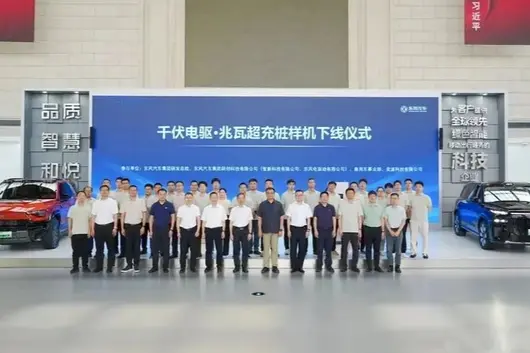
近日,東風汽車舉行千伏電驅、兆瓦超充樁雙產品樣機下線儀式。兩套核心產品全部全棧自研,標誌著東風正式構建起車端千伏高壓驅動 + 樁端兆瓦級大功率補能完整技術閉環。
千伏電驅動產品 iD5-300SN 係東風首款千伏電驅動。佢搭載 1500V 耐壓碳化矽功率模組電壓覆蓋 450V-1000V,向下兼容主流 800V 平台,向上能拓展到 1200V,唔單止依家嘅車型夠用,亦留低未來技術升級嘅空間。
汽車事件二:五菱代步車銷量將突破 300 萬台

7 月 31 日,上汽通用五菱宣布五菱代步車用戶將突破 300 萬,並將於 8 月 7 日舉行「繽紛生活 玩心大開」宏光 MINIEV 六周年暨五菱代步車 300 萬用戶盛典。
自 2017 年起,上汽通用五菱通過推出寶駿 E100、E200、宏光 MINIEV、繽果家族等車型,持續深耕代步車市場,五菱代步車銷量將突破 300 萬台。其中宏光 MINIEV 家族憑藉「好睇、好開、好停、好省」的產品實力累計收穫超 195 萬位用戶青睞。繽果家族同樣以高顏值繽紛座駕之姿,收穫超 75 萬車主信賴,為用戶帶來繽紛多彩嘅出行體驗。
汽車事件三:國內油價將於 7 月 31 日 24 時起調整

我哋從國家發展和改革委員會了解到,7 月 17 日國內成品油價格調整以來,國際市場原油價格劇烈震盪,前幾日連續大漲後回落,近日又再度衝高,本次調價嘅前 10 個工作日平均價格高於上次調價前 10 個工作日平均價格。根據國際市場油價變化情況,自 7 月 31 日 24 時起,國內汽、柴油(標準品)價格每噸分別上調 685 元、655 元。
汽車事件四:零跑正式登陸印尼市場

2026 年 7 月,零跑帶零跑 B10 同 C10 兩款全球車型,亮相 2026 印尼國際車展(GIIAS 2026),並正式宣布登陸印尼市場。同日,零跑同印尼 Indomobil 集團共同宣布,正式喺印尼啟動本地化 KD 組裝生產。
此次喺 2026 印尼國際車展展出嘅兩款全球戰略車型——零跑 B10 同 C10,均體現咗零跑「全域自研」嘅核心優勢——零跑自主研發超過整車成本 65% 嘅車輛核心部件,包括電驅、電池系統、智能座艙同電子電氣架構。呢種高度嘅垂直整合能力,使零跑能夠由設計到生產持續優化成本,同快速推動技術創新。
《每日車聞》,呢度入邊有最新嘅當日汽車新聞,請繼續關注《懂車之道》。

Facing a fiercely competitive new energy market, Changan Qiyuan maintained a steady pace in July: July deliveries reached 39,841 units, AQ series year-on-year growth reached 103%, consistently holding the top spot in sales of SOE new energy vehicle brands. Together with brands like Geely Galaxy and Leapmotor, it forms the backbone of the mainstream camp of China's new energy market.

Changan Qiyuan's sustained growth in July is the result of the combined effect of product strength and user reputation. From the continued strong sales of Changan Qiyuan AQ series main models, to the global debut of Changan Qiyuan Q06, to Changan Qiyuan's new Q05 accelerating towards the overseas market, the tag of "SOE New Energy" is changing from brand endorsement to tangible quality recognition in users' hearts.
Global Flagship Changan Qiyuan New Q05 Leads, Champion Matrix Synergizes
As Changan Qiyuan's first global flagship product, Changan Qiyuan New Q05 leverages "Full CATL Power, Premium Dimensions, Ultra Comfort" crossover advantages, with cumulative sales exceeding 100,000 units, continuously leading the compact SUV sub-market. In the overseas market, following launches in Thailand and Uzbekistan, Changan Qiyuan New Q05 further landed in Ethiopia, accelerating the overseas formation of Southeast Asia, Central Asia, and Africa market linkages.
While Changan Qiyuan New Q05 exerts force globally, the AQ series increased by 103% year-on-year in July, forming a synergistic growth "Champion Matrix". Among them, Changan Qiyuan A06 is positioned as the "New Energy Family Sedan Fully Loaded King", with crossover configurations such as 145° Electric Zero-Pressure Rear Seat, 800V 6C Fast Charging, etc., consistently holding the sales champion position for mid-to-large new energy sedans within 200,000; Changan Qiyuan Q07 satisfies family user travel needs with the strength of "Space King", cumulative sales have exceeded 100,000 units since launch, maintaining leadership in the mid-size PHEV SUV market.
Changan Qiyuan Q06 Global Debut, Defining New Standards for Mid-size SUVs with "Flowing Light Aesthetics"
On July 15, the brand-new mid-size SUV Changan Qiyuan Q06 completed its global debut in Shanghai. This model, led by the team of world-renowned design master Klaus, broke the traditional dull impression of mid-size SUVs with its original "Flowing Light Aesthetics" design. Inside the cabin, the concept of "Flowing Light Entering Cabin" creates a high-quality immersive space, integrating technology and comfort.

In the field of intelligent driving, Changan Qiyuan Q06 is equipped with the Tianshu Pilot Ultra Intelligent Driving System, possessing end-to-end city pilot capabilities, making vehicle control closer to the driving feel of experienced drivers. The chassis adopts a luxury car-level chassis suspension with all-aluminum front double wishbones + rear five-link, and the dual-motor rear-drive layout unique to its class, balancing comfort and driving fun.
Conclusion
Steady sales and a perfect product matrix constitute the core foundation of growth. In the future, Changan Qiyuan will continue to rely on Changan Automobile's SOE system strength, with a more competitive product matrix and global layout, continuously meeting users' expectations for high-quality new energy travel.

喺馬來西亞嘅 SUV 市場,好多買車嘅人喺揀車嘅時候都會拿 Proton X70 同 Mazda CX-8 嚟做比較。這兩款車喺價位同定位上都幾接近,今日我哋就從多個方面做一個詳細嘅比較,幫你省做功課嘅時間。
Proton X70 喺馬來西亞嘅 OTR 售價係 RM 106,800 - 122,300,合共有 3 個版本,包括 1.5L Standard 2WD(RM 106,800)、1.5L Executive 2WD(RM 115,800)、1.5L Premium 2WD(RM 122,300) 等。
Mazda CX-8 喺馬來西亞嘅 OTR 售價係 RM 165,360 - 201,360,合共有 5 個版本,包括 2025 2.5T 4WD High Plus Petrol(RM 201,360)、2025 2.2L 2WD High Plus Diesel(RM 193,123)、2025 2.5L 2WD High Plus Petrol(RM 186,360) 等。
從價錢來看,Proton X70 嘅起步價確實比 Mazda CX-8 平咗 RM 58,560。如果你預算有限,Proton 嘅入門版已經可以滿足日常需求。不過都需要注意,平嗰幾千蚊,可能喺配備上面會有取捨,具體要睇你嘅需求。

Proton X70 配備 1.5L Turbo,馬力 140 hp。官方油耗 7.0 L/100km。
Mazda CX-8 配備 2.0L 4-cyl,馬力 170 hp。官方油耗 8.0 L/100km。
動力方面,Mazda CX-8 嘅 2.0L 4-cyl 比 Proton X70 嘅 1.5L Turbo 多咗 30 匹馬力。不過日常喺市區開,兩款車嘅動力都夠用,唔會覺得夠唔力。

Proton X70 嘅安全評級係 5★ (ASEAN NCAP),主動安全系統包括 ADAS (ACC, AEB, LKA, LDA, BSM, RCTA)。
Mazda CX-8 嘅安全評級係 5★ (ASEAN NCAP),主動安全系統包括 Brand ADAS。
兩款車嘅安全評級一樣,喺呢個級別入面安全配備都算俾得好齊全。而家嘅新車安全性都唔差,唔使太擔心這一點。

Proton X70 車身長 4400 mm,後備箱 400 L。
Mazda CX-8 車身長 4500 mm,後備箱 450 L。
空間方面,Mazda CX-8 嘅車身比 Proton X70 長咗 100 mm,乘搭空間更有優勢。不過 Proton X70 喺城市入面停車會靈活啲,各有取捨。
Proton X70 同 Mazda CX-8 都係馬來西亞市場嘅主流選擇,適合家庭使用、日常通勤。如果你更睇重品牌口碑同二手價,可以優先考慮口碑更好嗰一款;如果你更在意性價比同配備,那就揀配置更豐富嗰款。最終都係建議兩款都去試駕,親身體驗先係最重要嘅。
總體嚟講,Proton X70 同 Mazda CX-8 都係馬來西亞市場幾唔錯嘅車型。揀邊一輛,關鍵都要睇你嘅個人需求同預算。建議大家做好功課,多比較幾間車行之報價,再去試駕做最終決定。買車係件大事,花少少時間做功課絕對唔會錯。


喺馬來西亞嘅 SUV 市場,好多買家喺揀車嘅時候都會拿 Proton X70 同 Mazda CX-60 嚟做比較。呢兩部車喺價位同定位上都幾接近,今日我哋就從多個方面做一個詳細嘅比較,幫你節省做功課嘅時間。
Proton X70 喺馬來西亞嘅 OTR 售價係 RM 106,800 - 122,300,共有 3 個版本,包括 1.5L Standard 2WD(RM 106,800)、1.5L Executive 2WD(RM 115,800)、1.5L Premium 2WD(RM 122,300)等。
Mazda CX-60 喺馬來西亞嘅 OTR 售價係 RM 200,510 - 252,873,共有 2 個版本,包括 2026 3.3T 4WD High Plus(RM 252,873)、2025 2.5L 2WD High(RM 200,510)等。
從價錢嚟睇,Proton X70 嘅入手價確實比 Mazda CX-60 平咗 RM 93,710。如果你預算有限,Proton 嘅入門版已經可以滿足日常需求。不過都要留意,平嗰幾千蚊,可能喺配備上會有取捨,具體要看你嘅需求。

Proton X70 嘅安全評級係 5★ (ASEAN NCAP),主動安全系統包括 ADAS (ACC, AEB, LKA, LDA, BSM, RCTA)。
Mazda CX-60 嘅安全評級係 5★ (Euro NCAP),主動安全系統包括 i-Activsense Pro。
安全配備方面,呢兩部車都拿到唔錯嘅評級。不過 Proton X70 嘅 ADAS (ACC, AEB, LKA, LDA, BSM, RCTA) 同 Mazda CX-60 嘅 i-Activsense Pro 喺功能上有少少差異,如果你比較看重主動安全嘅話,可以仔細比較下兩者嘅功能清單。
Proton X70 保養 5 年/150,000km,保養間隔 每 10,000km 或 6 個月。
Mazda CX-60 保養 5 年/150,000km,保養間隔 每 10,000km 或 6 個月。
呢兩部車嘅保養條件一樣,呢方面唔使糾結。實際保養成本仲要睇品牌嘅服務網絡同零件價格,建議去車友群問下真實車主嘅經驗。
Proton X70 同 Mazda CX-60 都係馬來西亞市場嘅主流選擇,適合家庭使用、日常通勤。如果你更看重品牌口碑同二手價,可以優先考慮口碑更好嗰一款;如果你更在意性價比同配備,嗰就揀配置更豐富嗰款。最終始終都建議兩款都去試駕,親身體驗先係最緊要嘅。
總體嚟講,Proton X70 同 Mazda CX-60 都係馬來西亞市場幾唔錯嘅車型。揀邊一部,關鍵係要睇你嘅個人需求同預算。建議大家做好功課,多比較幾間車行嘅報價,再去試駕做最終決定。買車係件大事情,花少少時間做功課絕對唔會錯。


In the Malaysian SUV market, many buyers compare Proton X50 and Kia Sportage when selecting a car. These two cars are very close in price and positioning. Today, we will make a detailed comparison from multiple aspects to help you save time on research.
The Proton X50 OTR price in Malaysia is RM 89,800 - 113,300, with 4 versions in total, including 1.5T Executive (RM 89,800), 1.5T Premium (RM 101,800), 1.5T Flagship (RM 113,300) etc.
The Kia Sportage OTR price in Malaysia is RM 129,639 - 179,320, with 4 versions in total, including 2025 1.6T DCT 4WD High (RM 179,320), 2025 1.6T DCT 2WD High (RM 159,320), 2025 2.0L AT 2WD High (RM 139,639) etc.
From a price perspective, Proton X50's starting price is indeed RM 39,839 cheaper than Kia Sportage. If your budget is limited, Proton's entry-level version can already meet daily needs. But also note, the price difference of a few thousand might involve trade-offs in features, depending on your specific needs.

Proton X50 comes with 1.5L 4-cyl, 105 hp. Official fuel consumption 6.0 L/100km.
Kia Sportage comes with 1.5L Turbo, 140 hp. Official fuel consumption 7.0 L/100km.
In terms of power, Kia Sportage's 1.5L Turbo has 35 more horsepower than Proton X50's 1.5L 4-cyl. However, for daily city driving, power for both cars is sufficient, you won't feel underpowered.

Proton X50 safety rating is 5★ (ASEAN NCAP), active safety systems include ADAS (ACC, AEB, LKA, LDA, BSM, RCTA).
Kia Sportage safety rating is 5★ (ASEAN NCAP), active safety systems include Drive Wise.
Both cars have the same safety rating, safety features are quite complete in this class. New cars today generally do not have poor safety, no need to worry too much about this.

Proton X50 uses 4WD drive system.
Kia Sportage uses FWD drive system.
Proton's 4WD and Kia's FWD will feel different in handling, test drive comparison is recommended.

Overall, Proton X50 and Kia Sportage are both very good models in the Malaysian market. Which one to choose mainly depends on your personal needs and budget. We suggest doing research, comparing quotes from several dealerships, and then test driving to make a final decision. Buying a car is a big matter, spending time on research is never wrong.


In the Malaysian SUV market, many buyers compare Proton X50 and Chery Tiggo 9 when choosing a car. These two cars are quite close in price and positioning. Today we will make a detailed comparison from multiple aspects to save you time doing research.
The OTR price of Proton X50 in Malaysia is RM 89,800 - 113,300, with a total of 4 versions, including 1.5T Executive (RM 89,800), 1.5T Premium (RM 101,800), 1.5T Flagship (RM 113,300), etc.
The OTR price of Chery Tiggo 9 in Malaysia is RM 166,800 - 179,800, with a total of 1 version, including 2026 2.0T Standard (RM 179,750), etc.
From the price perspective, Proton X50's starting price is indeed RM 77,000 cheaper than Chery Tiggo 9. If your budget is limited, Proton's entry-level version can already meet daily needs. But also note, the few thousand difference in price may have trade-offs in features, depending on your specific needs.
Proton X50 is equipped with 1.5L 4-cyl, 105 hp. Official fuel consumption 6.0 L/100km.
Chery Tiggo 9 is equipped with 2.0L 4-cyl, 170 hp. Official fuel consumption 8.0 L/100km.
In terms of power, Chery Tiggo 9's 2.0L 4-cyl has 65 more horsepower than Proton X50's 1.5L 4-cyl. However, for daily driving in the city, both cars have enough power, you won't feel a lack of power.
Proton X50 safety rating is 5★ (ASEAN NCAP), active safety system includes ADAS (ACC, AEB, LKA, LDA, BSM, RCTA).
Chery Tiggo 9 safety rating is TBD, active safety system includes Basic.
Regarding safety features, both cars received decent ratings. However, Proton X50's ADAS (ACC, AEB, LKA, LDA, BSM, RCTA) and Chery Tiggo 9's Basic have some differences in functions. If you value active safety more, you can compare the feature lists of both carefully.
Proton X50 adopts 4WD drive system.
Chery Tiggo 9 adopts FWD drive system.
Proton's 4WD and Chery's FWD will have different handling experiences, test drive comparison is recommended.

Both Proton X50 and Chery Tiggo 9 are mainstream choices in the Malaysian market, suitable for family use, daily commuting. If you value brand reputation and resale value more, you can prioritize the one with better reputation; if you care more about cost-performance and features, choose the one with richer configuration. Finally, it is recommended to test drive both, personal experience is the most important.
Overall, Proton X50 and Chery Tiggo 9 are both very good car models in the Malaysian market. Which one to choose depends on your personal needs and budget. We suggest doing your homework, compare quotes from multiple dealerships, and then test drive to make the final decision. Buying a car is a big matter, spending some time doing homework will definitely not be wrong.

In the Malaysian SUV market, many buyers compare Proton X50 and Mazda CX-3 when choosing a car. Both models are quite close in price and positioning. Today, we will do a detailed comparison from multiple aspects to help you save time on research.
The Proton X50 OTR price in Malaysia is RM 89,800 - 113,300, with a total of 4 versions, including 1.5T Executive (RM 89,800), 1.5T Premium (RM 101,800), 1.5T Flagship (RM 113,300), etc.
The Mazda CX-3 OTR price in Malaysia is RM 126,159 - 139,159, with a total of 2 versions, including 2023 2.0L High (RM 139,159), 2023 2.0L Plus (RM 126,159), etc.
From a price perspective, the starting price of Proton X50 is indeed RM 36,359 cheaper than Mazda CX-3. If your budget is limited, Proton's entry-level version can already meet daily needs. However, also note that the few thousand ringgit cheaper, there might be trade-offs in features, it depends on your specific needs.
Proton X50 safety rating is 5★ (ASEAN NCAP), active safety systems include ADAS (ACC, AEB, LKA, LDA, BSM, RCTA).
Mazda CX-3 safety rating is 5★ (ASEAN NCAP), active safety systems include i-Activsense.
Both cars have the same safety rating, safety features are quite comprehensive within this class. New cars nowadays do not lack in safety, no need to worry too much about this point.
Proton X50 adopts 4WD drive method.
Mazda CX-3 adopts FWD drive method.
Proton's 4WD and Mazda's FWD will feel different in handling, test drive comparison is recommended.
Proton X50 and Mazda CX-3 are both mainstream choices in the Malaysian market, suitable for family use and daily commuting. If you value brand reputation and resale value more, you can prioritize the one with better reputation; if you care more about cost-performance ratio and features, then choose the model with richer configuration. Ultimately, it is recommended to test drive both models, personal experience is the most important.

Overall, Proton X50 and Mazda CX-3 are both very good models in the Malaysian market. Choosing which one depends mainly on your personal needs and budget. It is recommended to do research, compare quotes from several dealerships, and then test drive to make the final decision. Buying a car is a big matter, spending time on research will never be wrong.

在馬來西亞嘅 SUV 市場,好多買家喺揀車嗰陣都會拿 Proton X50 同 Honda HR-V 嚟做比較。這兩款車喺價位同定位上都幾接近,今日我哋就從多個方面做個詳細嘅比較,幫你省返做足功課嘅時間。
Proton X50 喺馬來西亞嘅 OTR 售價係 RM 89,800 - 113,300,總共有 4 個版本,包括 1.5T Executive(RM 89,800)、1.5T Premium(RM 101,800)、1.5T Flagship(RM 113,300)等。
Honda HR-V 喺馬來西亞嘅 OTR 售價係 RM 115,900 - 143,900,總共有 4 個版本,包括 2026 e:HEV 1.5L RS(RM 143,900)、2026 1.5T V(RM 137,900)、2026 1.5T E(RM 130,900)等。
由價錢睇,Proton X50 嘅起步價確實比 Honda HR-V 平咗 RM 26,100。如果你預算有限,Proton 嘅入門版已經可以滿足日常需要。不過都要小心,平嗰幾千蚊,可能喺配備上要有取舍,具體睇你嘅需要。
Proton X50 搭載 1.5L 4-cyl,馬力 105 hp。官方油耗 6.0 L/100km。
Honda HR-V 搭載 1.5L Turbo,馬力 140 hp。官方油耗 7.0 L/100km。
動力方面,Honda HR-V 嘅 1.5L Turbo 比 Proton X50 嘅 1.5L 4-cyl 多咗 35 匹馬力。不過日常喺市區開,兩款車嘅動力都夠用,唔會覺得唔夠力。
Proton X50 嘅安全評級係 5★ (ASEAN NCAP),主動安全系統包括 ADAS (ACC, AEB, LKA, LDA, BSM, RCTA)。
Honda HR-V 嘅安全評級係 5★ (ASEAN NCAP),主動安全系統包括 Honda SENSING (ACC, CMBS, LKAS, RDM)。
兩款車嘅安全評級一樣,喺呢個級別入面安全配備都算配得好齊全。而家嘅新車安全性都唔差,唔使太擔心呢一點。
Proton X50 保修 5 年/150,000km,保養間隔 每 10,000km 或 6 個月。
Honda HR-V 保修 5 年/無限里程,保養間隔 每 10,000km 或 6 個月。

Proton X50 同 Honda HR-V 都係馬來西亞市場嘅主流選擇,適合家庭用、日常通勤。如果你更睇重品牌口碑同二手價,可以優先考慮口碑更好嗰一款;如果你更在意性價比同配備,就揀配備更豐富嗰款。最後都建議兩款都去試駕,親身試過先係最重要嘅。
總體嚟講,Proton X50 同 Honda HR-V 都係馬來西亞市場幾不錯嘅車型。揀邊一輛,關鍵都係要睇你嘅個人需要同預算。建議大家做足功課,多比較幾間車行嘅報價,再去試駕做最終決定。買車係件大事,花少少時間做功課絕對唔會錯。

#30 Million Trust Walks with Quality #GAC Group Delivers 30 Millionth Vehicle #GAC Group 30 Million User Appreciation Event
On July 16, 2026, GAC Group officially welcomed the 30 million user milestone. After 29 years of deep dedication, from initial establishment to intelligent manufacturing breakthroughs, from local deep cultivation to global layout, the 30 million users' trust is both a heavy achievement in GAC Group's path of electrification and intelligence transformation, and a vivid microcosm of high-quality development of China's automotive industry and the upward breakthrough of independent brands. Taking this as an opportunity, GAC Group officially launched the 30 million user appreciation event, with full-series sincere gifts, ultimate quality strength, and all-domain thoughtful services to give back to every long-term trust.
Based on the industry change wave, GAC always adheres to long-termism and craftsmanship quality. In 1997, amidst outside skepticism, GAC took root in the automotive industry against the trend, walking out on the characteristic growth path of "small-scale start, low investment, fast output, rolling development", running out the eye-catching "GAC Speed": from 0 to 10 million vehicles took 20 years, while from 10 million to 30 million vehicles took only 9 years. Over 20 years of deep cultivation, GAC has accumulated the recognition of 30 million global users with ultimate quality control, hard-core technology, and solid services, building the core foundation of enterprise development.

Quality as the foundation, craftsmanship for long distance. GAC has built a full-link, high-standard product verification and intelligent manufacturing system. Every new car must go through "Two Winters One Summer" 18-21 months extreme environment verification, "Five Highs One Mountain One Dust" full-scenario strict testing, cumulative equivalent test mileage exceeding 13 million kilometers, covering high temperature, extreme cold, high altitude, sand dust and other extreme working conditions. Relying on global leading vehicle wind tunnel laboratories, the first airspace-approved southern comprehensive test site in China, and global new energy vehicle lighthouse factories, combined with over 600 industrial robots and AI visual full-process quality inspection systems, realizing vehicle manufacturing millimeter-level precision and key component full lifecycle traceability, guarding the quality bottom line from the source.

Safety and service dual support, casting long-term trust. On the technology level, GAC Mag Battery cumulative assembly 1.5 million vehicles, driving over 160 billion kilometers, Xingling Safety Guard System serving nearly 2 million users, cumulative avoiding 6.28 million potential risks. On the industry level, GAC was the first to launch independent brand "Three Responsibilities" service commitment, targeting three core pain points of three-electric spontaneous combustion, battery degradation, and smart parking accidents to provide bottom-line guarantees, breaking industry service boundaries. Relying on hard-core quality strength, GAC won the China Quality Award Nomination, its multiple brand models stable in the quality list and resale value list front, AION has topped new energy vehicle quality list for three consecutive years.


Customer-centric is GAC's unchanging development core. Relying on the "Panyu Action" deep reform, GAC completed a thorough leap from engineer technology thinking to all-domain customer thinking, building a full-process customer co-creation system. Through the "Users Open Mic" mechanism to face user car pain points directly, converting real demands accurately into the core direction of product iteration and service upgrade. At the same time, GAC continuously improves the all-domain service ecosystem. As of June 2026, 600 county-level service network recognition completed, this year will expand to 1000,打通 the service last mile of the down-market; layout "9 Vertical 10 Horizontal" national charging network, covering 213 cities, over 27,000 self-operated charging piles, core urban area realizes "1 kilometer charging circle", thoroughly alleviating new energy user charging anxiety. Online "Super Butler" 24-hour duty, 5-second response, 2-hour solve user demands, comprehensively improve car usage experience.

Tech empowerment product innovation, GAC continuously increases self-research investment, cumulative research and development investment over 62 billion yuan, patent applications over 24,900 items, built Star Spirit Architecture 4.0, Star River Smart Cabin, Star Source Power, Starship Body four core technology systems, realizing intelligence, power, safety, cockpit all-round advancement. Among them, with Huawei Qiankun jointly built high-end smart brand Qijing GT7, full series equipped with Huawei Qiankun Smart Driving ADS 5, setting high-end smart shooting brake benchmark; AION N60, Trumpchi M8 PHEV, GAC Toyota Breeze 7 and other six main models, relying on full-equipment strength, level-up experience to go offline simultaneously, with diversified product matrix covering all-circle layer user demands.


Deep cultivation local, layout global, GAC globalization development momentum is rapid. Relying on "One GAC 2.0" strategy, GAC realized from single product export to full value chain systematic overseas upgrade, business covers global 110 countries and regions, layout 7 overseas factories, 9 parts warehouses, 746 overseas sales service network points. In the first half of 2026, GAC independent brand export volume reached 121,500 vehicles, year-on-year surge 132%, close to 2025 full year export total volume, Thailand, Americas, Europe and other core overseas market sales continue to climb, becoming brand new growth curve. According to planning, 2030 GAC will cover global 120 countries and regions, build 2000 overseas network points, realize annual export sales 1 million vehicles, create China automotive globalization benchmark.
To thank the 30 million users' company along the way, July 16 - August 31, GAC Group brings GAC Honda, GAC Toyota, Trumpchi, AION, Hyper, Qijing six brands, launches all-dimension appreciation return gifts. New purchase users can enjoy model direct price drop, 0% interest finance, 5,000 to 50,000 yuan gradient subsidy; old owners trade-in can enjoy exclusive added subsidy, lock family exclusive welfare; family user additional purchase Qijing GT7 can enjoy exclusive rights, multiple welfare coverage new purchase, trade-in, additional purchase all scenarios, low threshold, high sincerity return millions of owners.
From one car to 30 million trusts, from product intelligence manufacturing to temperature companionship, 29 years of persistence and innovation, let cold industrial numbers precipitate into temperature brand assets. In the future, GAC Group will continue to adhere to long-termism, with quality as root, with customer as base, with innovation as wings, continuously deep cultivation technology, upgrade service, expand global layout, with millions of users side by side, run towards higher quality travel new journey.

In Malaysia's SUV market, many buyers compare Perodua Aruz and GWM Haval H6 when choosing a car. Both models are quite close in price and positioning. Today, we will make a detailed comparison from multiple aspects to help you save time on research.
Perodua Aruz OTR price in Malaysia is RM 72,900 - 77,900, with 2 versions in total, including 1.5L X (RM 72,900), 1.5L AV (RM 77,900), etc.
GWM Haval H6 OTR price in Malaysia is RM 139,750 - 139,750, with 2 versions in total, including 1.5L Turbo Standard (RM 140,000), 1.5L Turbo Premium (RM 155,000), etc.
From a price perspective, Perodua Aruz's starting price is indeed RM 66,850 cheaper than GWM Haval H6. If your budget is limited, Perodua's entry-level version can already meet daily needs. However, note that the difference of a few thousand might involve trade-offs in features, which depends on your specific requirements.

Perodua Aruz body length is 4400 mm, trunk 400 L.
GWM Haval H6 body length is 4400 mm, trunk 400 L.
The dimensions of both cars are almost the same, and the interior space difference is not large. For this class of cars, daily use is completely sufficient.
Perodua Aruz adopts FWD drive mode.
GWM Haval H6 adopts FWD drive mode.
Both cars have the same drive mode, both are FWD, so there will not be a huge difference in daily driving experience.

Perodua Aruz and GWM Haval H6 are both mainstream choices in the Malaysian market, suitable for family use and daily commuting. If you value brand reputation and resale value more, you can prioritize the one with better reputation; if you care more about cost-performance ratio and features, choose the model with richer configuration. In the end, it is still recommended to test drive both models; experiencing it personally is the most important.
Overall, Perodua Aruz and GWM Haval H6 are both very good models in the Malaysian market. Which one to choose depends mainly on your personal needs and budget. It is recommended that everyone do their homework, compare quotes from several car dealerships, and then test drive to make the final decision. Buying a car is a major matter; spending some time doing homework will never be wrong.


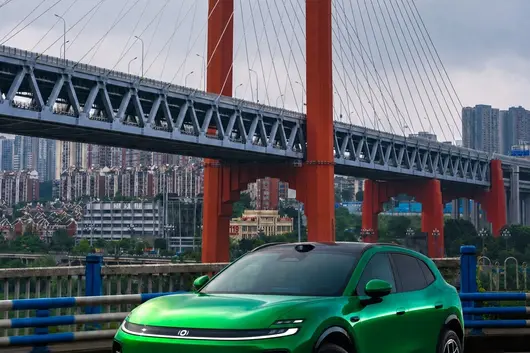
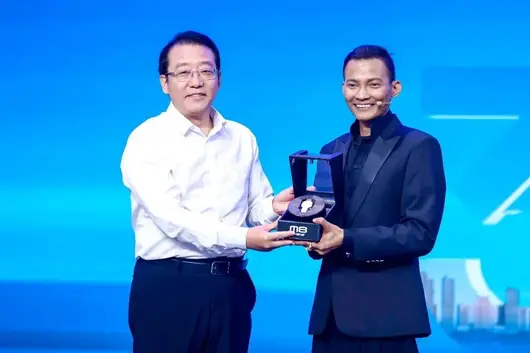
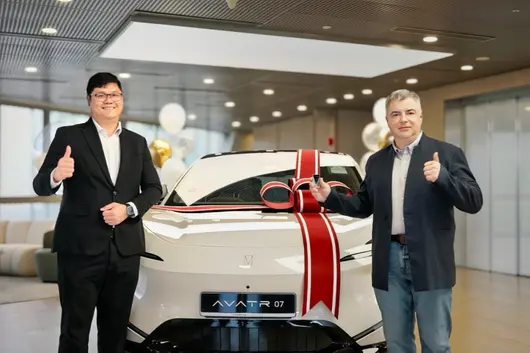
當全世界仍然喺度討論「中國電動車內捲」嘅時候,一輛平均價過百萬嘅國產豪華 SUV,悄然間令一位諾貝爾物理學獎得主刷咗張卡。2026 年 7 月 9 日,新加坡,石墨烯之父、諾獎得主康斯坦丁・諾沃肖洛夫親自接過一把車匙——佢唔係代言,而係自掏腰包,成為阿維塔 07 第 10 萬位車主。 呢唔僅僅係一次交付,而係中國高端製造喺全球豪華車腹地嘅一次「諾獎級認證」。

交付地點揀喺阿維塔新加坡門市,場面唔大,但分量極重。呢位全球頂尖嘅「硬核科學家」喺現場直言,自己今年 5 月去重慶嗰陣就係被輛車「迷倒」。「佢嘅設計唔似呢個時代嘅產物,車廂充滿科技感嘅環抱式互動,令我覺得喺同一台有情感嘅機器傾計。」諾沃肖洛夫甚至用「過目難忘」嚟形容。佢明確表示,呢係自己車庫入面嘅第一輛中國品牌汽車,揀選阿維塔 07,完全係因為佢啱晒自己嘅品味,而且滿足咗一個物理學家嘅極致理性同日常舒適需求。 能夠令一個見過世界頂尖科技嘅大腦感到驚嘆,呢部車嘅含金量不言而喻。
咁呢部被諾獎得主 Pick 嘅車係咩嚟㗎?阿維塔 07,定位智美都市豪華 SUV。喺新加坡,佢嘅起售價超過 100 萬人民幣,直接殺入咗保時捷、BBA 旗艦車款嘅核心價格區間。邊有邊憑?係靠未來美學嘅原創設計、頭等艙般嘅豪華感,同埋六大硬核技術護城河。 喺智能化、性能、安全同豪華感方面,佢畀到「滿配唔妥協」嘅體驗。上市至今,全球 10 萬車主用真金白銀投票, 阿維塔品牌全球累積銷量更係突破 26 萬台。呢啲數據喺國內或係只係新勢力嘅及格線,但喺海外高端市場,嗰就係中國品牌罕有嘅「高溢價突圍」。

比賣得好仲驚係邊個喺買。除咗呢位諾獎得主,泰國副總理、不丹國王、卡塔爾王室成員……呢一連串政要名流嘅座駕名單上,全部都出現咗阿維塔嘅名。呢種「頂級意見領袖」嘅連鎖效應,比任何廣告投放都管用。 自 2025 年進入新加坡,阿維塔就聯手當地巨頭 DPL Premium Automobiles,行起「高舉高打」嘅直營服務路線。截至今日,阿維塔已殺入 43 個國家同地區,並揚言 2030 年要覆蓋 110 個以上。喺中東土豪嘅停車場、東南亞新貴嘅別墅區,呢部中國造嘅「新豪華」而家正蠶食傳統豪車嘅地盤。
當諾獎得主開始用智商稅投票,當百萬級售價唔再係歐美日韓嘅專利,阿維塔嘅故事告訴我哋:中國新能源車嘅下半場,唔係捲價,而係捲認知。 連物理學家嘅苛刻標準都能夠滿足,呢部國產「百萬神車」到底仲有幾多黑科技?下一個被征服嘅全球頂流會係邊個?我哋拭目以待。

In Malaysia's SUV market, many buyers compare the Perodua Aruz and Toyota Yaris Cross when choosing a car. These two models are quite close in price and positioning. Today, we will conduct a detailed comparison from multiple aspects to help save you the time and effort of research.
The Perodua Aruz's OTR price in Malaysia is RM 72,900 - 77,900, with a total of 2 versions, including the 1.5L X (RM 72,900), 1.5L AV (RM 77,900), etc.
The Toyota Yaris Cross's OTR price in Malaysia is RM 99,900 - 109,900, with a total of 2 versions, including the 2026 1.5L Standard (RM 99,900), 2026 HEV 1.5L Standard (RM 109,900), etc.
From a pricing perspective, the Perodua Aruz starting price is indeed RM 27,000 lower than the Toyota Yaris Cross. If you have a limited budget, Perodua's entry-level version can already meet daily needs. However, also note that the difference of a few thousand ringgit might involve trade-offs in features, depending on your specific requirements.
The Perodua Aruz is equipped with a 1.5L 4-cylinder engine, delivering 105 hp. Official fuel consumption is 6.0 L/100km.
The Toyota Yaris Cross is equipped with a 1.5L 4-cylinder engine, delivering 105 hp. Official fuel consumption is 6.0 L/100km.
Both cars use the same powertrain system, so the driving experience feels basically the same. Fuel consumption is also similar, so there is no need to worry too much about this point.
The Perodua Aruz safety rating is 5★ (ASEAN NCAP), active safety systems include.
The Toyota Yaris Cross safety rating is 5★ (ASEAN NCAP), active safety systems include TSS.
Both cars have the same safety rating, and safety features are quite comprehensive within this segment. New cars these days generally have good safety, so there is no need to worry too much about this point.
The Perodua Aruz body length is 4400 mm, trunk 400 L.
The Toyota Yaris Cross body length is 4400 mm, trunk 400 L.
The dimensions of both cars are almost the same, and the interior space difference is not significant. For cars in this segment, daily usage is more than enough.

The Perodua Aruz warranty is 5 years / 150,000km, maintenance interval every 10,000km or 6 months.
The Toyota Yaris Cross warranty is 5 years / unlimited mileage, maintenance interval every 10,000km or 6 months.
Overall, both the Perodua Aruz and Toyota Yaris Cross are excellent models in the Malaysian market. Choosing which one depends mainly on your personal needs and budget. We recommend doing your research, comparing quotes from several dealerships, and then going for a test drive to make a final decision. Buying a car is a big decision; spending some time on research will never be a mistake.

In the Malaysian SUV market, many buyers compare Perodua Aruz and Proton X90 when choosing a car. These two cars are quite close in price and positioning. Today, we will make a detailed comparison from multiple aspects to help you save time doing research.
The OTR price of Perodua Aruz in Malaysia is RM 72,900 - 77,900, with a total of 2 versions, including 1.5L X (RM 72,900), 1.5L AV (RM 77,900), etc.
The OTR price of Proton X90 in Malaysia is RM 106,800 - 122,800, with a total of 4 versions, including 2026 1.5T Prime X (RM 122,800), 2026 1.5T Prime (RM 116,800), 2026 1.5T Lite (RM 106,800), etc.
From the price perspective, the starting price of Perodua Aruz is indeed RM 33,900 cheaper than Proton X90. If your budget is limited, Perodua's entry-level version can already meet daily needs. However, be aware that the few thousand cheaper might involve compromises in features, depending on your specific needs.
Perodua Aruz body length is 4400 mm, trunk 400 L.
Proton X90 body length is 4400 mm, trunk 400 L.
The dimensions of both cars are almost the same, and the interior space difference is not significant. For cars of this level, daily use is completely adequate.
Perodua Aruz adopts FWD drive method.
Proton X90 adopts FWD drive method.
The drive methods of both cars are the same, both are FWD, so there won't be a huge difference in daily driving feel.
Perodua Aruz and Proton X90 are both mainstream choices in the Malaysian market, suitable for family use and daily commuting. If you value brand reputation and resale value more, you can prioritize the one with better reputation; if you care more about value for money and features, then choose the one with richer configuration. Ultimately, it is recommended to test drive both, and experiencing it personally is the most important.
Overall, Perodua Aruz and Proton X90 are both quite good models in the Malaysian market. Which one to choose depends mainly on your personal needs and budget. It is recommended to do your research, compare quotes from several car dealerships, and then test drive to make the final decision. Buying a car is a big matter, spending some time doing research will never be wrong.

喺馬來西亞嘅 SUV 市場,好多買車嘅人喺揀車嘅時候都會拿 Perodua Ativa 同 Honda HR-V 做比較。這兩款車喺價位同定位上都好接近,今日我哋就從多個方面做一個詳細嘅比較,幫你慳咗做功課嘅時間。
Perodua Ativa 喺馬來西亞嘅 OTR 售價係 RM 62,500 - 73,400,一共有 3 個版本,包括 1.0L Turbo X(RM 62,500)、1.0L Turbo H(RM 67,300)、1.0L Turbo AV(RM 73,400)等。
Honda HR-V 喺馬來西亞嘅 OTR 售價係 RM 115,900 - 143,900,一共有 4 個版本,包括 2026 e:HEV 1.5L RS(RM 143,900)、2026 1.5T V(RM 137,900)、2026 1.5T E(RM 130,900)等。
從價錢來看,Perodua Ativa 嘅起步價確實比 Honda HR-V 平咗 RM 53,400。如果你預算有限,Perodua 嘅入門版已經可以滿足日常需要。但要留心,平嗰幾千塊,可能喺配備上會有取舍,具體要看你需要。

Perodua Ativa 搭載 1.5L 4-cyl,馬力 105 hp。官方油耗 6.0 L/100km。
Honda HR-V 搭載 1.5L Turbo,馬力 140 hp。官方油耗 7.0 L/100km。
動力方面,Honda HR-V 嘅 1.5L Turbo 比 Perodua Ativa 嘅 1.5L 4-cyl 多咗 35 匹馬力。不過日常喺市區開,兩款車嘅動力都夠用,唔會覺得唔夠力。
Perodua Ativa 嘅安全評級係 5★ (ASEAN NCAP),主動安全系統包括 ASA 3.0 + ACC + LDA + LKA + BSM + RCTA。
Honda HR-V 嘅安全評級係 5★ (ASEAN NCAP),主動安全系統包括 Honda SENSING (ACC, CMBS, LKAS, RDM)。
兩款車嘅安全評級一樣,喺呢個級別入面安全配備都算畀得好齊全。而家嘅新車安全性都唔差,唔使太擔心呢一點。
Perodua Ativa 車身長 4400 mm,尾箱 400 L。
Honda HR-V 車身長 4500 mm,尾箱 450 L。
空間方面,Honda HR-V 嘅車身比 Perodua Ativa 長咗 100 mm,乘坐空間更有優勢。不過 Perodua Ativa 喺城市裏泊車會靈活啲,各有取舍。
Perodua Ativa 保修 5 年/150,000km,保養間隔 每 10,000km 或 6 個月。
Honda HR-V 保修 5 年/無限制里程,保養間隔 每 10,000km 或 6 個月。
總體嚟講,Perodua Ativa 同 Honda HR-V 都係馬來西亞市場好唔錯嘅車型。揀邊一部,關鍵就係要看你嘅個人需要同預算。建議大家做好功課,多比較幾間車行嘅報價,再去試駕做最終決定。買車係件大事,花啲時間做功課絕對唔會錯。


喺馬來西亞嘅 SUV 市場,好多買家喺揀車嘅時候都會揸 Perodua Ativa 同 Honda WR-V 嚟做比較。呢兩款車喺價錢同定位上都幾接近,而家我哋就從多個方面做一個詳細嘅比較,幫你省下做功課嘅時間。
Perodua Ativa 喺馬來西亞嘅 OTR 售價係 RM 62,500 - 73,400,一共有 3 個版本,包括 1.0L Turbo X(RM 62,500)、1.0L Turbo H(RM 67,300)、1.0L Turbo AV(RM 73,400) 等。
Honda WR-V 喺馬來西亞嘅 OTR 售價係 RM 89,900 - 107,900,一共有 4 個版本,包括 2023 1.5L V(RM 99,900)、2023 1.5L E(RM 95,900)、2023 1.5L S(RM 89,900) 等。
從價錢嚟睇,Perodua Ativa 嘅起步價確實比 Honda WR-V 平咗 RM 27,400。如果你預算有限,Perodua 嘅入門版已經滿足日常需求。但要記住,平嗰幾千蚊,可能喺配備上會有取舍,具體要看你嘅需求。
Perodua Ativa 嘅安全評級係 5★ (ASEAN NCAP),主動安全系統包括 ASA 3.0 + ACC + LDA + LKA + BSM + RCTA。
Honda WR-V 嘅安全評級係 5★ (ASEAN NCAP),主動安全系統包括 Honda SENSING。
兩款車嘅安全評級一樣,喺呢個級別入面安全配備都算畀好齊全。而家嘅新車安全性都唔差,唔使太擔心這一點。
Perodua Ativa 車身長 4400 mm,尾箱 400 L。
Honda WR-V 車身長 4400 mm,尾箱 400 L。
兩款車嘅尺寸幾乎一樣,車內空間差別唔大。呢個級別嘅車,日常使用完全够用。
Perodua Ativa 同 Honda WR-V 都係馬來西亞市場嘅主流選擇,適合家庭使用、日常通勤。如果你更睇重品牌口碑同二手價,可以優先考慮口碑更好嗰一款;如果你更在意性價比同配備,就揀配置更豐富嗰款。始終都建議兩款都去試駕,親身體驗先係最重要嘅。

整體嚟講,Perodua Ativa 同 Honda WR-V 都係馬來西亞市場好唔錯嘅車型。揀邊一輛,關鍵始終都要睇你嘅個人需求同預算。建議大家做好功課,多比較幾間車行嘅報價,先去試駕做最終決定。買車係件大事,花少少時間做功課絕對唔會錯。

喺馬來西亞嘅 SUV 市場,好多買家在揀車嘅時候都會拎 Perodua Aruz 同 Chery Tiggo 7 PHEV 嚟做比較。呢兩款車喺價位同定位上都幾接近,而家我哋就從多個方面做一個詳細嘅對比,幫你省返做功課嘅時間。
Perodua Aruz 喺馬來西亞嘅 OTR 售價係 RM 72,900 - 77,900,一共有 2 個版本,包括 1.5L X(RM 72,900)、1.5L AV(RM 77,900) 等。
Chery Tiggo 7 PHEV 喺馬來西亞嘅 OTR 售價係 RM 129,750 - 129,750,一共有 2 個版本,包括 2025 1.5T 90km CSH(RM 129,750)、Tiggo 7 PHEV 支持咩充電方法?可唔可以用家居電源插座進行充電?(RM 117,478) 等。
從價錢睇落嚟,Perodua Aruz 嘅起步行價確實比 Chery Tiggo 7 PHEV 平咗 RM 56,850。如果你預算有限,Perodua 嘅入門版已經可以滿足日常需求。不過都要注意,平嘅嗰幾千蚊,可能喺配備上會有取捨,具體要睇你嘅需求。
Perodua Aruz 嘅安全評級係 5★ (ASEAN NCAP),主動安全系統包括。
Chery Tiggo 7 PHEV 嘅安全評級係 TBD,主動安全系統包括 Basic。
Perodua Aruz 採用 FWD 驅動方式。
Chery Tiggo 7 PHEV 採用 FWD 驅動方式。
兩款車嘅驅動方式一樣,都係 FWD,日常駕駛感受唔會有太大分別。
Perodua Aruz 同 Chery Tiggo 7 PHEV 都係馬來西亞市場嘅主流選擇,適合家庭使用、日常通勤。如果你更重視品牌口碑同二手價,可以優先考慮口碑更好嗰一款;如果你更在意性價比同配備,就選配置更豐富嗰款。最後始終建議兩款都去試駕,親身體驗先係最重要嘅。

總嘅嚟講,Perodua Aruz 同 Chery Tiggo 7 PHEV 都係馬來西亞市場好唔錯嘅車型。揀邊一部,關鍵都要睇你嘅個人需求同預算。建議大家做好功課,多比較幾間車行嘅報價,再嚟試駕做最終決定。買車係件大事,花少少時間做功課絕對唔會錯。


