


首頁OMODA 5

搜尋歷史
熱門搜尋
經銷商登入 / 註冊

[Auto Industry Insider] On the evening of October 11, Chery Auto released the "Explanation Regarding the OMODA 5 Vehicle Issue in Malaysia", announcing a recall for the 8,878 affected OMODA 5 vehicles in the Malaysian market, to inspect relevant parts and replace them free of charge where necessary, and to conduct special risk investigations on vehicle batches from China and related markets.
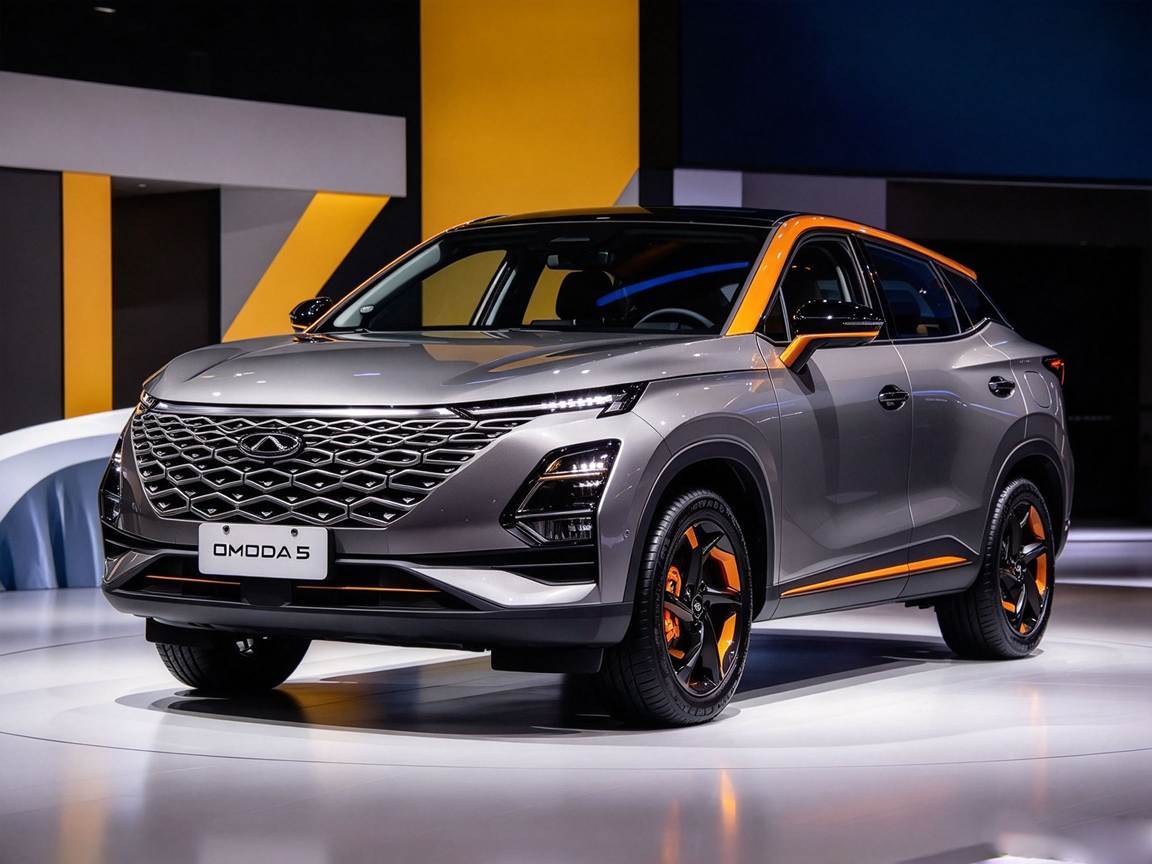
The "Explanation" states that this vehicle issue does not involve personal injury, Chery has immediately launched an investigation into the cause, and is actively communicating closely with local government regulatory bodies such as the Malaysian Land Transport Authority (JPJ).
On October 14, Chery Auto published "Chery Malaysia OMODA 5 Recall Action Customer Guidance" on its Malaysian official website: the first batch of spare parts has been shipped and will arrive at authorized service centers successively; the relevant vehicle list has been locked, and vehicle owners will be arranged to visit the store for replacement via active invitation.
1. Timeline
According to reports by Every Economic Daily, the cause of the two rear axle-related failures points to the component welding process.
An expert from the welding technology section of a joint-venture brand explained the technical logic to the reporter:
"The component of the rear axle long arm is mostly a stamped sheet metal lap structure. Considering this issue, OEMs often adopt spot welding processes, but spot welding processes are prone to insufficient welding strength themselves."
An frontline employee at a joint-venture car factory stated:
"If virtual welding, missed welding, or welding defects occur during the welding process, safety hazards are likely to arise later."
The same report mentioned that currently the welding processes at OEMs are mainly spot welding and laser welding. In comparison, laser welding is fast, has less deformation, high strength, but higher cost — the aforementioned welding technology section expert stated, "A set of laser welding equipment costs about 2 million yuan more than spot welding."
The expert also introduced that to improve welding safety, the industry will increase welding connection processes that ensure strength, for example, the base number of body weld points reaches 7,000 to 13,000; new models will adopt laser cutting and welding processes, improving strength by over 30% compared to traditional spot welding processes.
3. The Weight of OMODA 5 in Malaysia· Overseas Proportion: Currently, Chery Auto's overseas sales account for more than 70% of its total sales, Malaysia is one of its important global markets
· Local Scale: After returning to Malaysia in 2023, models such as OMODA 5 were launched successively; cumulative sales were about 30,000 units by the end of 2025; as of June 2026 it has 60 dealerships, imported 10 vehicle models
· ⭐ Model Status: Chery Auto's Malaysian official website published an article earlier this year stating:
"The key to Chery's success in Malaysia lies in OMODA 5 (launched in 2023), this model quickly became Chery's best-performing model, and played an important role in Chery establishing itself in the automotive market."
4. ⚠️ An Unconfirmed SituationAccording to reports, JPJ has not yet further announced the technical investigation results of this vehicle issue. Media reports suggest that JPJ has temporarily suspended OMODA 5 vehicle certification (VTA), and the model cannot be registered or sold as a new vehicle before the technical investigation is completed.
Some media sought confirmation from Chery Auto regarding this, but as of the time of publication no response has been received. Therefore, the "Suspend VTA" item remains media wording, not yet officially confirmed by Chery or JPJ.
My View: The Key is Not 8,878 Units, but the "Second Time"Core Judgment: What is truly worth noting about this recall is not the number 8,878, but that it is the second time. In 2024, the same part had the same problem, at that time Chery's explanation was welding equipment calibration deviation, the inspection scope was 600 units. Two years later, same in the welding process, same rear axle, the recall scope has changed to 8,878 units. This change indicates: the first disposal solved "that batch", but did not solve "that process".
First, let's look at the scope of the two disposals together. In April 2024, Chery identified 60 vehicles equipped with affected rear axle components, expanding the preventive inspection to 600 units, covering cars produced on these four days from August 14 to 17, 2023. In October 2026, the recall quantity is 8,878 units.
→ From 600 to 8,878 units, the scope has expanded by about 15 times. ⚠️ It needs to be noted that the scope definition of these two times is not fully comparable — 2024 was "inspection", this time is "recall replacement", statistical definitions differ. But the direction is clear: the vehicles identified this time as requiring processing far exceed the first investigation scope.
→ The difference in judgment behind this is important. If the problem only occurred in batches produced on certain days, then processing the batch is enough; if the problem lies in the capability boundary of the process itself, then cars outside the batch are also exposed to the same risk. The number 8,878 indicates that Chery is handling this based on the latter.
Second, ⭐ And the explanation from third-party experts exactly explains why such problems tend to repeat. Rear axle long arms are mostly stamped sheet metal lap structures, spot welding is commonly used in the industry — and spot welding itself is prone to insufficient welding strength. This is a process characteristic, not an occasional operational error.
→ This brings a structural difficulty: Insufficient strength of spot welding is probabilistic, not inevitable. Same line, same process, the vast majority of cars are fine, a few cars fail under specific conditions. So "inspecting this batch" is logically invalid — you cannot find those cars that "will crack in the future" through inspection, because they all look qualified when leaving the factory.
→ There are only two real solutions: Either change the process (switch to laser welding or laser cutting welding), or add inspection methods (pre-weld addressing, laser cleaning, real-time welding parameter monitoring, post-weld 2D/3D visual scanning). The industry practice mentioned in the report is exactly this direction — full-process visual inspection plus current voltage real-time monitoring. And all of this requires equipment investment, a laser welding set costs about 2 million yuan more than spot welding.
Third, ⭐ But we must speak fairly, Chery's response this time is not slow, and there is one proactive move worth noting. Incident occurred on October 6, explanatory statement released and recall announced on October 11, customer guidance issued on October 14, first batch of spare parts shipped, vehicle list locked and active invitation to store — from incident to execution action, five days.
→ More noteworthy is the phrase "Conduct special risk investigation on vehicle batches from China and related markets". This item is proactive expansion of scope, not passive response — it means Chery did not treat this as a "local Malaysian issue" to handle. For an enterprise where overseas sales account for more than 70%, the cost of this action is not low, but it exchanges for the possibility of "not letting the same problem happen again in other markets".
→ From this perspective, what is truly worth observing in this event is not the scale of the recall, but whether this investigation will truly clarify the "process" layer. If investigated, then 8,878 units are a correction with significant cost but effective; if it is just processing another batch, then the 2024 situation will happen again.

Fourth, ⚠️ And the current uncertainty makes the weight of this matter exceed 8,878 units. According to reports, JPJ has not yet announced the technical investigation results, at the same time media claim JPJ has suspended OMODA 5 vehicle certification (VTA), no new car registration or sales before investigation completion — this item has not yet been officially confirmed by Chery or JPJ.
→ If this item holds, then the impact is not just the replacement cost of 8,878 vehicles. VTA is a market access qualification, suspension means before the investigation ends, this car cannot sell new cars or register in Malaysia. And OMODA 5 is exactly what Chery itself recognizes on the official website as the "key model for establishing itself in Malaysia".
→ ⚠️ Need to say restrainedly: whether vehicle certification is truly suspended, how long suspended, what is the investigation conclusion, currently there is no official conclusion. Drawing any conclusion on Chery's Malaysia business at this stage is premature — but it is clear that this is no longer a simple after-sales recall, but a regulatory event involving market access.
Three Verifiable Checkpoints: ① JPJ's technical investigation conclusion and OMODA 5 vehicle certification (VTA) status — this is the key to judging the nature of the event, also the only official wording that can determine the nature; ② Results of special investigation on vehicle batches from China and related markets — if recall is needed domestically after investigation, it indicates the problem scope exceeds Malaysia; if investigation conclusion is no impact, then need to see the technical basis it provides; ③ Actual replacement completion rate and time consumption of 8,878 units — the value of the recall commitment is ultimately reflected in execution, not on the announcement.
ConclusionOn October 11, Chery Auto released the "Explanation Regarding the OMODA 5 Vehicle Issue in Malaysia", announcing a recall for the 8,878 affected OMODA 5 vehicles in the Malaysian market, inspect relevant parts and replace them free of charge where necessary, while conducting special risk investigation on vehicle batches from China and related markets. The cause was a rear axle failure of a 2023 OMODA 5 in Johor Bahru, Johor on October 6, rear axle and suspension assembly separated from the body along with two rear wheels. On October 14, Chery Malaysia released customer guidance, stating the first batch of spare parts has been shipped, vehicle list locked and active invitation to store. According to media reports, this model was investigated for similar problems in 2024, at that time it was explained as welding equipment calibration deviation, inspection scope 600 units.
One point worth remembering is: the key is not the number 8,878, but that it happened a second time — both point to the welding process. Insufficient strength of spot welding is probabilistic, "inspecting a certain batch" is logically difficult to work: they all look qualified when leaving the factory. Chery's response this time is not slow, and proactively expanded investigation to other markets; but whether it can be concluded, depends on whether the technical investigation clarifies the "process" layer, not just processing another batch.


【車市百曉生】10 月 11 日晚,奇瑞汽車發布《關於馬來西亞 OMODA 5 車輛問題嘅說明》,宣布對馬來西亞市場受影響嘅 8,878 輛 OMODA 5 啟動召回,對相關零部件進行檢查、視情況免費更換,並對中國及相關市場同批次車型開展風險專項排查。
《說明》稱,此次車輛問題未涉及人身傷害,奇瑞已第一時間開展原因調查,並積極同馬來西亞陸路交通局(JPJ)等當地政府監管機構密切溝通。
10 月 14 日,奇瑞汽車喺馬來西亞官網發布《奇瑞馬來西亞 OMODA 5 召回行動客戶指引》:首批備件已經發運啓程,將陸續送達各授權服務中心;已經鎖定相關車輛清單,將透過主動邀請方式安排車主到店更換。
一、時間線
據每經報道,兩起後橋相關故障嘅矛頭都指向咗零部件焊接環節。
一位合資品牌焊裝技術科專家向記者解釋咗其中嘅技術邏輯:
「後橋縱臂呢一部件多為沖壓鈑金搭接結構,考慮到這一問題,主機廠往往會採用點焊工藝,但係點焊工藝本身就好容易出现焊接強度不足嘅情況。」
一位合資車企工廠一線員工則表示:
「如果焊接過程中,出现虛焊、漏焊、焊接缺陷,後期就容易帶來安全隱患。」
同一篇報道提到,目前主機廠嘅焊接工藝主要係點焊同激光焊兩種。相比而言,激光焊接速度快、變形小、強度高,但成本更高——上述焊裝技術科專家稱,「激光焊接的一套設備落嚟比點焊貴 200 萬元左右」。
該專家仲介紹,為咗提升焊接安全,行業會增加保證強度嘅焊接連接工藝,例如車身焊點數量達到 7,000 至 13,000 個嘅基數;新車型會採取激光切焊工藝,對比傳統點焊工藝強度提升 30% 以上。
三、OMODA 5 喺馬來西亞嘅分量· 海外佔比:當前奇瑞汽車海外銷量已經佔佢整體銷量嘅七成以上,馬來西亞係佢重要嘅全球市場之一
· 本地規模:2023 年重返馬來西亞後陸續推出 OMODA 5 等多款車型;截至 2025 年尾累計銷量約 3 萬輛;截至 2026 年 6 月擁有 60 家經銷商、引進 10 款車型
· ⭐ 車型地位:奇瑞汽車馬來西亞官網今年年初曾發文稱:
「奇瑞喺馬來西亞取得成功嘅關鍵在於 OMODA 5(於 2023 年推出),該車型迅速成為奇瑞表現最好嘅車型,並喺奇瑞喺汽車市場站穩腳跟方面發揮咗重要作用。」
四、⚠️ 一個尚未確認嘅情況據報道,JPJ 目前尚未進一步公佈本次車輛問題嘅技術調查結果。 有媒體稱,JPJ 已經暫時停止 OMODA 5 嘅車型認證(VTA),喺技術調查完成前該車型唔得進行新車註冊或銷售。
有媒體就此事向奇瑞汽車方面求證,截至報道發稿時暫未有回覆。 因此「停止 VTA」呢一條仍屬媒體口徑,尚未獲得奇瑞或 JPJ 嘅正式確認。
我嘅觀點:關鍵唔喺 8,878 輛,喺「第二次」核心判斷:呢起召回真正值得注意嘅唔係 8,878 輛呢個數字,而係佢第二次。2024 年同一部位已經出過同樣問題,當時奇瑞嘅解釋係焊接設備校準偏差,檢查範圍係 600 輛。兩年後,同樣喺焊接環節、同樣係後橋,召回範圍變成 8,878 輛。呢個變化說明:第一次嘅處置解決咗「嗰一批」,但係冇解決「呢道工藝」。
第一,先把兩次處置嘅範圍擺一齊睇。2024 年 4 月,奇瑞識別出 60 輛裝有受影響後橋零部件嘅車輛,把預防性檢查擴大到 600 輛,覆蓋係 2023 年 8 月 14 日至 17 日呢四天生產嘅車。2026 年 10 月,召回數量係 8,878 輛。
→ 由 600 輛至 8,878 輛,範圍擴大咗約 15 倍。⚠️ 需要說明嘅係,這兩次嘅範圍口徑唔完全可比較——2024 年係「檢查」,呢次係「召回更換」,統計口徑唔同。但方向好清楚:呢次被認定為需要處理嘅車輛,遠超第一次嘅排查範圍。
→ 呢背後嘅判斷差異好重要。如果問題只出喺某幾日生產嘅批次,嗰處理批次就夠;如果問題出喺工藝本身嘅能力邊界上,嗰批次以外嘅車同樣暴露喺同一個風險入面。8,878 呢個數字,說明奇瑞呢一次係按後者嚟處理。
第二,⭐ 而第三方專家嘅解釋,恰好說明咗點解呢類問題容易重複。後橋縱臂多係沖壓鈑金搭接結構,行業常用點焊——而點焊本身就好容易出现焊接強度不足。這係個工藝特性,唔係一個偶發嘅操作失誤。
→ 呢就帶出一個結構性難點:點焊嘅強度不足係概率性嘅,唔係必然。同樣一條線、同樣工藝,絕大多數車冇事,少數車喺特定條件下失效。所以「檢查呢一批」喺邏輯上唔成立——你無法透過檢查搵出嗰啲「將來會開裂」嘅車,因為佢哋出廠時睇落嚟都係合格。
→ 真正解法只有兩種:要嘛改工藝(換成激光焊或者激光切焊),要嘛加檢測手段(焊前尋址、激光清洗、焊接參數實時監控、焊後 2D/3D 視覺掃描)。報道提到嘅行業做法正係呢個方向——全流程視覺檢測加電流電壓實時監控。而呢啲都需要設備投入,激光焊一套比點焊貴 200 萬元左右。
第三,⭐ 但都要公平嚟講,奇瑞呢次嘅響應唔慢,而且有一個主動動作值得記。10 月 6 日事故發生,10 月 11 日就發布說明並宣布召回,10 月 14 日就出咗客戶指引、首批備件發運、鎖定車輛清單並主動邀請到店——由事故到執行動作,五日。
→ 更值得注意嗰句「對中國及相關市場同批次車型開展風險專項排查」。呢一條係主動擴圍,唔係被動應對——佢意味著奇瑞冇把呢當成「馬來西亞嘅局部問題」嚟處理。對一家海外銷量佔七成以上嘅企業嚟講,呢個動作嘅成本唔低,但佢換到「唔畀同一個問題喺其他市場再發生一次」嘅可能性。
→ 從呢個角度睇,呢起事件入面真正需要觀察嘅唔係召回規模,而係:呢次排查會唔會把「工藝」呢層真正查清楚。如果查得,嗰 8,878 輛就係一次代價唔小但有效嘅糾正;如果只係又處理咗一個批次,嗰 2024 年嘅情形仲會嚟一次。
第四,⚠️ 而當前嘅唔確定性,令呢件事嘅分量超過咗 8,878 輛。據報道,JPJ 尚未公佈技術調查結果,同時有媒體稱 JPJ 已經暫停 OMODA 5 嘅車型認證(VTA),調查完成前唔得新車註冊或銷售——呢條目前尚未獲得奇瑞或 JPJ 嘅正式確認。
→ 如果呢條成立,嗰影響就唔止係 8,878 輛車嘅更換成本。VTA 係一個市場准入資格,暫停意味著喺調查結束前,呢款車喺馬來西亞既唔可以賣新車、又唔可以註冊。而 OMODA 5 恰恰係奇瑞喺自己官網表述嗰陣指認嘅「喺馬來西亞站穩腳跟嘅關鍵」車型。
→ ⚠️ 要克制嚟講:車型認證係咪真嘅被暫停、暫停幾耐、調查結論係咩,目前都仲冇官方定論。喺呢個階段對奇瑞嘅馬來西亞業務下任何結論都係太早——但可以明確嘅係,呢已經唔係一次單純嘅售後召回,而係一次涉及市場准入嘅監管事件。
三個可驗證嘅檢驗點:① JPJ 嘅技術調查結論與 OMODA 5 車型認證(VTA)嘅狀態——呢係判斷事件性質嘅關鍵,亦係唯一能定性嘅官方口徑;② 中國相關市場同批次車型專項排查嘅結果——如果排查後國內都要召回,說明問題範圍超出馬來西亞;如果排查結論係唔受影响,嗰就要睇佢畀出嘅技術依據;③ 8,878 輛嘅實際更換完成率同耗時——召回承諾嘅價值最終體現喺執行度,唔係喺公告上。
總結10 月 11 日,奇瑞汽車發布《關於馬來西亞 OMODA 5 車輛問題嘅說明》,宣布對馬來西亞市場受影響嘅 8,878 輛 OMODA 5 啟動召回,檢查相關零部件並視情況免費更換,同時對中國相關市場同批次車型開展風險專項排查。起因係 10 月 6 日一輛 2023 款 OMODA 5 喺柔佛州新山發生後橋故障,後橋及懸掛總成連同兩個後輪同車身分離。10 月 14 日,奇瑞馬來西亞發布客戶指引,話首批備件已經發運、已經鎖定車輛清單並主動邀請到店。據媒體報道,2024 年呢款車型曾經因同類問題排查過,當時解釋為焊接設備校準偏差,檢查範圍 600 輛。
值得記住嘅一點係:關鍵唔係 8,878 輛呢個數字,而係佢第二次發生——兩次都指向焊接環節。點焊嘅強度不足係概率性嘅,「檢查某一批」喺邏輯上難以奏效:出廠時佢哋睇落嚟都合格。奇瑞呢次響應唔慢,而且主動將排查擴到其它市場;但係咪可以收口,取決於技術調查係咪將工藝呢層查清楚,而唔只係又處理咗一個批次。


