


首頁Nissan Silvia

搜尋歷史
熱門搜尋
經銷商登入 / 註冊
品質生活嘅日常,追逐係慢。慢落嚟深耕細節、用心經營、從容精緻嘅生活態度,認真對待通勤、出遊、露營、親子相伴嘅每一段時光。為品質家庭而來嘅奇瑞風雲 T7 喺 8 月 12 日正式展開預售,堅守「慢功造好車」嘅初心,以長久打磨嘅硬核實力、貼合家庭需求嘅全維配置,精準回應品質家庭對美好生活嘅追求,成為陪伴家人奔赴萬般美好嘅專屬出行夥伴。

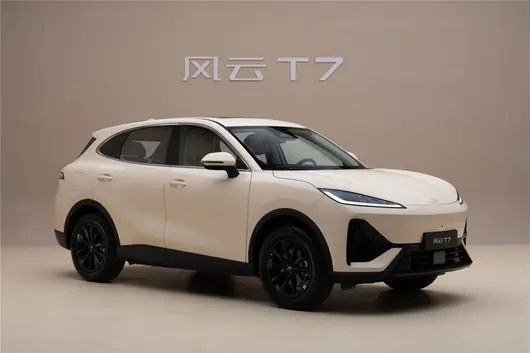
慢琢顏值質感,令美好出行經久耐睇。真正嘅精緻,經得起時間淬煉,正如品質家庭所選,堅守長久舒適嘅審美與質感。風雲 T7 數年打磨整車設計,融匯全球簡約審美與東方雅緻氣韻,馭風利落前臉、風塑綢緞車身、天際霞光尾門,線條溫潤大氣,自帶高級氛圍感。整車漆面標準同步海外嚴苛耐候要求,熾焰橙、山煙紫、雲粉米、流光銀、青竹灰、墨石黑 6 款配色適配城市通勤、戶外出遊等多元場景。

內飾同樣秉持慢工細造嘅理念,黑棕溫情、黑曜簡約兩種風格適配唔同家庭偏好,雲翼環抱座艙搭配全域軟質包覆,鵝卵石懸浮揚聲器、車縫等細節盡顯精緻格調。全車內飾皮革、密封件、塑膠配件常年使用不易硬化、褪色、老化,經年累月依舊嶄新如初。以長久耐用嘅顏值與質感,匹配品質家庭唔就嚟嘅生活態度,令每一次上車,都係一場治癒嘅生活儀式感。

慢鑄安全壁壘,穩穩守護闔家日常安穩。對於熱愛生活嘅品質家庭而言,所有美好嘅出行,都建立在十足嘅安全感之上。風雲 T7 深知家庭用車嘅核心剛需,堅持以極致嚴苛嘅慢打磨、長試煉,築牢出行安全底線。歷經 2 年深度策劃、3 年潛心研發,投入 81 台專屬耐久車輛,完成累計超 600 萬公里整車綜合測試、145 萬公里耐久專項試煉,跨越東南亞雨季潮濕、中東高溫暴曬、印尼高濕悶熱等全球極限地域場景,喺千錘百煉中打磨出可靠品質。
整車嚴格對標 2026 版 E-NCAP 五星安全標準設計、功能安全 ASILD 最高等級。80% 高強度鋼搭配 18.84% 熱成型鋼,構築九橫五縱籠式車身,多重防撞結構與立體碰撞傳力路徑,最大化分散撞擊衝擊力,牢牢守護乘員艙生存空間。全車搭載 9 個安全氣囊,實現 360°全乘員無死角防護。全系搭載嘅犀牛電池超強 6D 立體安全防護,可有效抵禦擠壓、穿刺、衝擊等風險,IP68 防水為國標 96 倍,無懼雨季內澇、路面積水、戶外涉水場景,徹底規避電池安全隱患。更有電池、智駕雙重重磅兜底權益,以十足誠意與硬核底氣,為品質家庭嘅日常出行、戶外探索保駕護航,令每一次出發都安心無憂。

慢磨續航能耗,解鎖無焦慮自由生活。熱愛生活嘅家庭,從未被局限束縛,既堅守日常煙火嘅安穩,亦嚮往說走就走嘅山海奔赴。風雲 T7 堅持全系平權嘅真誠,以長效穩定嘅續航實力,成全家庭嘅多元生活熱愛。全系標配 65.05kWh 大容量犀牛電池,CLTC 續航 600km,實測續航突破 667km,真實續航反向虛標,徹底告別里程焦慮。

高效快充技術實現 30%-80% 電量仅需 20 分鐘,一杯咖啡嘅休憩時間,就能重啟旅途。搭載全域一體化熱管理雙源寬熱泵空調 + 高壓 PTC,覆蓋 -30℃至 55℃超寬溫域穩定運行,北方冬季制熱省電高效、無懼低溫掉電,夏季高溫快速散熱控溫。配合 AGS 智能進氣格柵與 14 項低風阻優化,全季節、全場景能耗穩定可控。無論係日常上下班嘅高頻通勤,定係節假日全家長途自駕、山野露營,都能從容適配,令品質家庭嘅每一份熱愛,都唔受續航與天氣桎梏。

慢研舒適細節,適配家庭全場景美好生活。品質生活嘅內核,係兼顧每一位家人嘅舒適與體驗,藏喺無數人性化嘅細節打磨之中。風雲 T7 深耕家庭出行痛點,以超大空間、全域舒適、貼心細節,承包品質家庭嘅全場景美好。2700mm 超長軸距打造 84% 同級領先座艙得房率,純平後排地台搭配 911mm 寬裕腿部空間,老人孩子久坐無局促;後排座椅純平放倒後,變身 1955mm 超大平牀,後備箱容積從 450L 拓展至 1550L,嬰兒車、露營裝備、戶外大件行李輕鬆收納,完美適配多人同行、親子出遊、戶外穿越等多元場景。

9 層雲感座椅經過反覆調校,做到軟而不塌、久坐唔累,同時配備通風、加熱雙功能,三檔溫控可調,-20℃低溫環境 5 分鐘即可快速升溫。全車 38 處精细化儲物空間,規整收納零碎雜物,令座艙時刻清爽有序;專屬高承重鉚環與固定掛鉤,可牢牢固定戶外裝備、大件物資,令每一次家庭出行都井然有序、鬆弛愜意。

慢賦智能溫度,令出行貼合生活本真。風雲 T7 搭載靈犀智艙 2.0 與獵鷹 500 駕駛輔助系統,以人性化智能配置,簡化出行繁瑣、升級生活質感。15.6 英寸 2.5K 防眩光高清大屏,支持多品牌手機無線互聯,上車無縫銜接日常生態。六大真人感 AI 交互人設、內置小憩、露營、寵物、醒神等家庭高頻場景,令座艙成為懂家人、暖日常嘅移動生活空間。

22 顆高精度傳感器全域感知路況,300+ 全場景自動泊車、一鍵循跡倒车、跨樓層泊車等實用功能,輕鬆化解城市停車難題,告別出行疲憊,把更多時間與溫柔留俾家人。

快時代,慢匠心。風雲 T7 始終以深耕細節嘅慢功夫、打磨品質嘅真匠心,唔浮躁、唔就嚟,從顏值質感、極致安全、續航自由到全域舒適、暖心智能,全方位回應品質家庭對美好生活嘅所有期待。以精工好車為伴,守護日常煙火,奔赴山海熱愛,成全每一位生活家嘅從容與精緻。
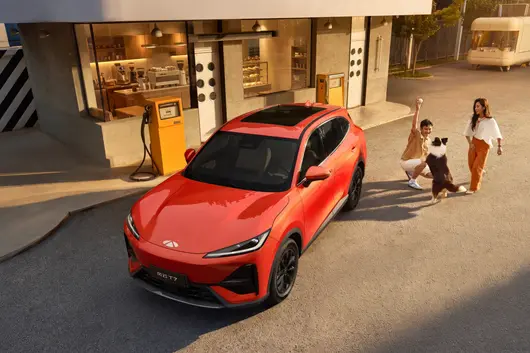

大家喺買合資車嘅時候,往往會關注部車係「全球車型」定係「中國特供」,因為全球車型往往代表住更加嚴格嘅造車標準、更加紮實嘅做工用料同更加穩定嘅產品品質。

對於新能源車嚟講同樣係咁,一部車如果能先遠銷全球,先再進入內地市場銷售,無疑更能讓人放心,風雲 T7 就係其中一個。雖然佢嚟得唔算早,不過慢工先至能造好車、全球化車型值得多等下。

8 月 12 日,風雲 T7 正式開啟預售,預售價錢為 10.99 萬起,合共推出咗 3 款配備,仲有咗多重預售福利。

喺了解風雲 T7 之前,我覺得有必要從佢嘅同源車型 Lepas L6 開始傾下。作為一台緊湊型純電 SUV,佢已經喺南非、泰國上市,收獲咗海外用戶嘅認可。
再嚟睇奇瑞集團嘅全球化戰績,連續 23 年位居中國品牌乘用車出口第一,全球用戶突破 2000 萬,產品远销 130+ 海外市场。另外,奇瑞集團完整搭建全球研發、全球標準、全球驗證、全球品質一體化造車體系,並非將國內車型簡單改款出海,而係同步適應全球 210 個國家同地區嘅用車需求。

所以風雲 T7 從研發之初就鎖定「全球品質純電 SUV」嘅細分定位,喺設計同製造方面符合全球嚴格標準。例如佢經過 2 年策劃、3 年研發,按照 2026 版 E-NCAP 五星安全設計,做到功能安全 ASILD 高等級、全球數據合規。
由於風雲 T7 要賣向全球,所以佢就必須考慮到唔同國家同地區嘅用車環境。例如國家標準浸水高度 150mm,風雲 T7 能抵 500mm;又如喺 -30℃嘅北歐極寒環境下穩定運作,熱泵+PTC 雙源加熱,令到冬季續航達成率提升 30%;再又如面對中東沙塵、強紫外線、巴西沙石路面等,都係要做各種優化。

而且好有趣嘅係,風雲 T7 係喺國外先上市,先引進返國內銷售,相當於老外幫我先試過咗部車,呢種待遇真係無人能比,我哋而家簡單睇下風雲 T7 嘅基本產品資訊。
首先係車身尺寸,風雲 T7 嘅長闊高分別為 4570/1852/1694mm,軸距 2700mm,講句老實話,呢啲尺寸參數喺緊湊型純電 SUV 入面唔算大,不過海外市場嘅用戶唔似我哋華人咁以大字大為美,特別係東南亞同歐洲市場,「小車」更適應當地狹窄複雜嘅路面情況,反而更受歡迎。

空間設計方面,風雲 T7 嘅車內得房率達到咗 84%,後排車底純平,所以就算坐滿 5 個成年人都唔會感到擁擠。車內嘅儲物空間都幾唔錯,例如尾箱有 19L 保密夾層同 99L 下沉式儲物空間,車內仲有 4 個可以承重 300kg 嘅鉚環同 2 個可以承重 3kg 嘅掛鉤。
另外,風雲 T7 仲設置咗雨傘槽、50W 手機無線充電位、3 個 Type-C 同 1 個 USB 充電接口,能夠照顧到全車人日常出行嘅方方面面。

然後嚟睇配置,下面列一啲關鍵字,大家可以簡單感受一下:高通驍龍 4nm 製程座艙駕駛一體 8775 芯片、NPU 算力 72TOPS、15.6 吋 2.5K 中控屏幕、靈犀智艙 2.0×豆包大模型、自帶 22 個高精度感測器嘅獵鷹 500 智能駕駛輔助系統、9 層複合雲感座椅等等。

當然,作為全球車型,駕駛操控實力必須到位,畢竟有些戰鬥民族開車都好勁。風雲 T7 擁有接近 50:50 嘅前後配重比,操控靈活,70mm 嘅大尺寸襯套可以兼顧舒適。One-Box 線控制動可以喺 136ms 完成建壓,配合瑪莎拉蒂前底盤專家團隊調教,操控穩、煞得住。
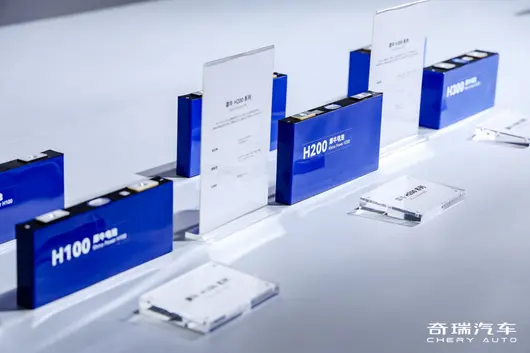
對於純電車嚟講,大家肯定好關心佢嘅電池同續航,內地今次預售嘅風雲 T7 全係標準配備容量為 65.05kWh 嘅犀牛電池,CLTC 純電續航 600km,30% 充到 80% 電量最快只需 22 分鐘。而且熟悉奇瑞新能源車嘅朋友應該知道,佢哋嘅車係出了名嘅「反向虛標」,所以實際嘅續航表現會有驚喜。另外,風雲 T7 嘅電池循環壽命超過 2500 次,日常使用 15 年唔使換電池。

所以總括嚟講,風雲 T7 嘅賣點好明確,就係喺市場極度內捲、各種速成車層出不窮嘅而家,沉住氣、安安靜靜嘅幫你造一台符合全球標準嘅好車。其實這本來應該係每家車廠嘅必修課,不過敢擺喺台面講嘅車廠並唔多。慢功造好車,風雲 T7 雖然讓大家久候咗,不過好飯唔怕晚,你哋點睇?

喺馬來西亞嘅 SUV 市場,好幾多買家在揀車嗰陣都會拿 Proton X90 同 Mazda CX-5 做比較。呢兩款車喺價位同定位上都幾近,今下我哋就從多個方面做一個詳細嘅比較,幫你省下做功課嘅時間。
Proton X90 喺馬來西亞嘅 OTR 售價係 RM 106,800 - 122,800,一共有 4 個版本,包括 2026 1.5T Prime X(RM 122,800)、2026 1.5T Prime(RM 116,800)、2026 1.5T Lite(RM 106,800)等。
Mazda CX-5 喺馬來西亞嘅 OTR 售價係 RM 135,469 - 166,760,一共有 3 個版本,包括 2025 2.0L AT 35th Anniversary(RM 316,154)、2025 2.0L AT(RM 296,154)、2025 2.0L MT(RM 294,154)等。
從價錢來看,Proton X90 嘅入手價確實比 Mazda CX-5 平咗 RM 28,669。如果你預算有限,Proton 嘅入門版已經可以滿足日常需求。但都要注意,平嗰幾千蚊,可能喺配備上會有取捨,具體要看你嘅需求。

Proton X90 車身長 4400 mm,尾箱 400 L。
Mazda CX-5 車身長 4500 mm,尾箱 450 L。
空間方面,Mazda CX-5 嘅車身比 Proton X90 長咗 100 mm,乘坐空間更有優勢。不過 Proton X90 喺城市入面泊車會靈活啲,各有取捨。

Proton X90 保修 5 年/150,000km,保養間隔 每 10,000km 或 6 個月。
Mazda CX-5 保修 5 年/150,000km,保養間隔 每 10,000km 或 6 個月。
兩款車嘅保修條件一樣,呢方面唔使糾結。實際保養成本仲要看品牌嘅服務網絡同零件價格,建議去車友群問下真實車主嘅經驗。

Proton X90 同 Mazda CX-5 都係馬來西亞市場嘅主流選擇,適合家庭使用、日常通勤。如果你更看重品牌口碑同二手價,可以優先考慮口碑更好嗰款;如果你更在意性價比同配備,那就揀配備更豐富嗰款。最終都係建議兩款都去試駕,親身體驗先係最重要嘅。

總嘅嚟講,Proton X90 同 Mazda CX-5 都係馬來西亞市場好唔錯嘅車型。揀邊一部,關鍵仲係要看你嘅個人需求同預算。建議大家做好功課,多比較幾間車行嘅報價,再去試駕做最終決定。買車係件大事,花少少時間做功課絕對唔會錯。


In Malaysia's SUV market, many buyers compare the Proton X70 and Kia Sportage when choosing a car. These two models are quite close in price and positioning. Today, we will make a detailed comparison from multiple aspects to help you save time on research.
The OTR price of Proton X70 in Malaysia is RM 106,800 - 122,300, with a total of 3 versions, including 1.5L Standard 2WD (RM 106,800), 1.5L Executive 2WD (RM 115,800), 1.5L Premium 2WD (RM 122,300), etc.
The OTR price of Kia Sportage in Malaysia is RM 129,639 - 179,320, with a total of 4 versions, including 2025 1.6T DCT 4WD High (RM 179,320), 2025 1.6T DCT 2WD High (RM 159,320), 2025 2.0L AT 2WD High (RM 139,639), etc.
From a price perspective, the starting price of Proton X70 is indeed RM 22,839 cheaper than Kia Sportage. If your budget is limited, the entry-level Proton can already meet daily needs. But note, the few thousand cheaper might involve trade-offs in equipment, depending on your specific needs.

Proton X70 is equipped with 1.5L Turbo, 140 hp. Official fuel consumption 7.0 L/100km.
Kia Sportage is equipped with 1.5L Turbo, 140 hp. Official fuel consumption 7.0 L/100km.
Both cars use the same powertrain system, the driving experience feels basically the same. Fuel economy is also similar, no need to worry too much about this.
Proton X70 safety rating is 5★ (ASEAN NCAP), active safety systems include ADAS (ACC, AEB, LKA, LDA, BSM, RCTA).
Kia Sportage safety rating is 5★ (ASEAN NCAP), active safety systems include Drive Wise.
Both cars have the same safety rating, safety equipment is considered quite complete for this class. New cars nowadays generally have good safety, no need to worry too much about this.

Proton X70 body length 4400 mm, trunk 400 L.
Kia Sportage body length 4400 mm, trunk 400 L.
The dimensions of both cars are almost the same, interior space difference is not significant. Cars in this class are more than enough for daily use.
Proton X70 and Kia Sportage are mainstream choices in the Malaysian market, suitable for family use and daily commuting. If you value brand reputation and resale value more, you can prioritize the one with better reputation; if you care more about value for money and equipment, choose the one with richer configurations. Ultimately, it is recommended to test drive both, personal experience is the most important.
In general, Proton X70 and Kia Sportage are both very good models in the Malaysian market. Choosing which one depends on your personal needs and budget. It is recommended to do research, compare quotes from several dealerships, and then test drive to make the final decision. Buying a car is a big matter, spending time on research will never be wrong.


2026 年上半年,汽車行業競爭持續加劇,市場結構加速迭代,奇瑞集團依托清晰的戰略佈局、深厚的自主技術積澱與成熟的全球化營運體系,在銷量規模、品質口碑、全球化進程、前沿科技佈局四大維度實現全面突破,屢獲銷量歷史新高、行業權威品質認證、全球產銷里程碑、《財富》世界 500 強席位等一系列標誌性成果,以穩定的增長韌性、領先的經營效益與多元化科技佈局,交出一份含金量充足的半年度高質量發展答卷。

從市場銷量維度來看,2026 年上半年奇瑞集團累計整車銷量達到 135.75 萬輛,同比增長 7.7%,刷新品牌創立以來同期銷量最高紀錄,穩固了自主品牌頭部陣營地位。亮眼的數據背後,出口與新能源兩大業務構成拉動增長的核心雙引擎,成為奇瑞區別於多數同行的核心優勢。上半年奇瑞海外出口總量 94.38 萬輛,同比大幅增長 71.5%,換算下來市場平均每 17 秒就有一台奇瑞整車發往全球各地。憑藉過硬的產品實力,品牌在歐洲、英國、澳大利亞等全球高法規標準市場持續實現市場份額突破,目前奇瑞全球海外用戶規模已接近 700 萬,佔品牌全部用戶總量的 35%,海外市場已成為支撐品牌長期發展的核心基本盤。

在出海模式層面,奇瑞早已跳出單純出口車輛的初級貿易模式,構建起行業獨有的“融入式出海”全新範式。目前奇瑞在西班牙、南非、巴西、俄羅斯、泰國、伊朗佈局六大海外製造核心節點,搭建起覆蓋全球重點市場的本地化生產網絡。其中西班牙 EBRO 工廠深耕歐洲本土市場,南非羅斯林工廠承接百年汽車製造基地產能,各大海外工廠均堅持深度屬地化營運,大量僱傭本地員工、培育本土上下游供應鏈、遵守當地法規並落地各類公益項目,摒棄簡單複製國內工廠的擴張思路,實現從“單純賣車”到“扎根當地、共生發展”的模式升級,為中國品牌全球化發展提供可複製、可參考的產業範本。
產品與服務品質層面,奇瑞在 2026 年實現行業標誌性突破,一舉包攬 J.D.Power 新車品質 IQS、產品魅力 APEAL、購車體驗 PXI、售後服務 CSI 四大核心研究自主品牌第一名,成為國內汽車行業首個達成該項評測“四滿貫”的車企。四項權威評測覆蓋車輛出廠品質、乘駕產品體驗、終端購車服務、售後維保全生命週期,全維度領先的評測結果,充分印證奇瑞長期堅持的品質製造體系落地成效,實現“銷量穩步提升,口碑同步夯實”的良性發展格局。與此同時,奇瑞前沿智能產業佈局落地見效,旗下墨甲機器人業務完成全球化規模化落地,產品進駐全球 60 多個國家、覆蓋上百類商用與工業場景,截至上半年全球累計銷量突破 2000 臺,人形機器人業務正式成為奇瑞科技出海的全新名片,標誌奇瑞已從傳統整車製造企業,向多賽道科技集團轉型。

2026 年上半年至 7 月,奇瑞接連迎來兩大足以載入品牌發展史的關鍵里程碑。第一個里程碑為 7 月 25 日達成的全球累計銷量突破 2000 萬輛。回望 29 年發展歷程,奇瑞始終堅守自主研發路線,打破行業“無合資難發展”“低體量無法自研核心技術”等固有偏見,走出一條完全自主可控的中國汽車發展道路。2000 萬輛不是發展終點,而是全新起點,當前奇瑞已同步佈局高階智能駕駛、飛行汽車、具身智能機器人、“3G 戰略”乃至可控核聚變等前沿賽道,持續打破傳統車企產業邊界,向全球化高科技集團穩步進化。

另一重磅里程碑是奇瑞汽車以獨立上市公司主體,成功入圍 2026《財富》世界 500 強榜單,位列第 383 位,同時亦是本年度中國大陸地區唯一新晉入榜的整車企業。經營效益層面,奇瑞淨資產收益率 ROE 超過 36%,在本屆世界 500 強企業中排名全球第 30,在所有上榜中國企業裡位居首位。不同於不少依靠營收體量上榜的企業,奇瑞此次以獨立上市主體身份登榜,體現企業現代化治理體系、市場化營運機制全面成熟,更打破了行業只比拼產銷規模的單一評價標準,證明奇瑞在規模增長之外,同時具備行業領先的盈利能力與高效資產週轉能力,完成從單純規模擴張到高質量效益增長的關鍵戰略轉身。
多重亮眼成果疊加,充分展現奇瑞 2026 上半年全方位、多層次的綜合競爭實力。站在半年發展節點,憑藉龐大的全球用戶基礎、完善的海外製造網絡、行業領先的品質背書與多元前沿技術儲備,奇瑞增長動能持續充足。下半年,奇瑞將持續放大出口、新能源雙增長曲線優勢,憑藉 2000 萬全球用戶積澱與世界 500 強平台勢能,持續深耕自主核心技術創新,深化全球本土化生態佈局,穩步推進全球化高科技集團建設,持續夯實自主品牌高質量發展根基,向全球市場傳遞中國汽車產業向上突破的核心力量。

In the Malaysian SUV market, many buyers compare Proton X70 and Chery Tiggo 9 when choosing a car. Both models are quite close in price and positioning. Today, we will make a detailed comparison from multiple aspects to help you save time on research.
The OTR price of Proton X70 in Malaysia is RM 106,800 - 122,300. There are a total of 3 versions, including 1.5L Standard 2WD (RM 106,800), 1.5L Executive 2WD (RM 115,800), 1.5L Premium 2WD (RM 122,300), etc.
The OTR price of Chery Tiggo 9 in Malaysia is RM 166,800 - 179,800. There is a total of 1 version, including 2026 2.0T Standard (RM 179,750), etc.
From the price perspective, Proton X70's starting price is indeed RM 60,000 cheaper than Chery Tiggo 9. If your budget is limited, Proton's entry-level version can already meet daily needs. However, also note that the few thousand ringgit saved might involve trade-offs in features, depending on your specific requirements.

Proton X70 is equipped with a 1.5L Turbo, 140 hp. Official fuel consumption 7.0 L/100km.
Chery Tiggo 9 is equipped with a 2.0L 4-cyl, 170 hp. Official fuel consumption 8.0 L/100km.
In terms of power, Chery Tiggo 9's 2.0L 4-cyl has 30 hp more than Proton X70's 1.5L Turbo. However, for daily driving in the city, both cars have enough power, you won't feel underpowered.

Proton X70 adopts FWD drive mode.
Chery Tiggo 9 adopts FWD drive mode.
Both cars have the same drive mode, both are FWD, there won't be a big difference in daily driving feel.

Proton X70 Warranty 5 years/150,000km, Maintenance interval every 10,000km or 6 months.
Chery Tiggo 9 Warranty 3 years/100,000km, Maintenance interval every 10,000km or 6 months.
Both Proton X70 and Chery Tiggo 9 are mainstream choices in the Malaysian market, suitable for family use and daily commuting. If you value brand reputation and resale value more, prioritize the one with better reputation; if you care more about cost-performance and specifications, choose the one with richer configurations. Ultimately, it is recommended to test drive both, personal experience is the most important.
Overall, Proton X70 and Chery Tiggo 9 are both very good models in the Malaysian market. Which one to choose depends mainly on your personal needs and budget. It is recommended to do your homework, compare quotes from several dealers, and then test drive to make the final decision. Buying a car is a big matter, spending time on research is never wrong.


In the SUV market in Malaysia, many buyers often compare Proton X70 and Chery Tiggo 9 when choosing a car. These two cars are quite similar in price and positioning. Today we will make a detailed comparison from multiple aspects to save you time doing research.
The OTR price of Proton X70 in Malaysia is RM 106,800 - 122,300, with a total of 3 versions, including 1.5L Standard 2WD (RM 106,800), 1.5L Executive 2WD (RM 115,800), 1.5L Premium 2WD (RM 122,300), etc.
The OTR price of Chery Tiggo 9 in Malaysia is RM 166,800 - 179,800, with a total of 1 version, including 2026 2.0T Standard (RM 179,750), etc.
From a price perspective, the starting price of Proton X70 is indeed RM 60,000 cheaper than Chery Tiggo 9. If your budget is limited, Proton's entry-level version can already meet daily needs. But also note, the few thousand difference in price might involve trade-offs in features, depending on your specific needs.
Proton X70's safety rating is 5★ (ASEAN NCAP), active safety systems include ADAS (ACC, AEB, LKA, LDA, BSM, RCTA).
Chery Tiggo 9's safety rating is TBD, active safety systems include Basic.
Regarding safety features, both cars have received good ratings. However, there are some differences in functions between Proton X70's ADAS (ACC, AEB, LKA, LDA, BSM, RCTA) and Chery Tiggo 9's Basic. If you value active safety, you can compare their function lists carefully.
Proton X70 body length 4400 mm, trunk 400 L.
Chery Tiggo 9 body length 4400 mm, trunk 400 L.
The dimensions of both cars are almost the same, and the interior space is not much different. For this class of cars, it is fully sufficient for daily use.
Proton X70 and Chery Tiggo 9 are both mainstream choices in the Malaysian market, suitable for family use and daily commuting. If you value brand reputation and resale value more, prioritize the one with better reputation; if you care more about cost-performance ratio and features, choose the one with richer configuration. Ultimately, it is recommended to test drive both, as experiencing it personally is the most important.
In general, Proton X70 and Chery Tiggo 9 are both quite good models in the Malaysian market. Which one to choose mainly depends on your personal needs and budget. It is recommended to do your homework, compare quotes from several car dealerships, and then test drive to make a final decision. Buying a car is a big matter, spending time doing research will never be wrong.

喺馬來西亞嘅 SUV 市場,好多買家喺揀車嘅時候都會拿 Proton X70 同 Chery Tiggo 8 嚟做比較。呢兩款車喺價位同定位上都幾接近,今日我哋就從多個方面做一個詳細嘅比較,幫你省返做功課嘅時間。
Proton X70 喺馬來西亞嘅 OTR 售價係 RM 106,800 - 122,300,一共有 3 個版本,包括 1.5L Standard 2WD(RM 106,800)、1.5L Executive 2WD(RM 115,800)、1.5L Premium 2WD(RM 122,300) 等。
Chery Tiggo 8 喺馬來西亞嘅 OTR 售價係 RM 129,750 - 129,750,一共有 1 個版本,包括 2026 1.6T Standard(RM 129,750) 等。
從價錢嚟睇,Proton X70 嘅起步價確實比 Chery Tiggo 8 平咗 RM 22,950。如果你預算有限,Proton 嘅入門版已經可以滿足日常需求。但亦要留意,平嗰幾千蚊,可能喺配備上會有取捨,具體就要睇你嘅需求。

Proton X70 搭載 1.5L Turbo,馬力 140 hp。官方油耗 7.0 L/100km。
Chery Tiggo 8 搭載 1.5L Turbo,馬力 140 hp。官方油耗 7.0 L/100km。
兩款車用嘅係同一套動力系統,日常開起嚟嘅感受基本冇咩分別。油耗方面也差不多,唔使太糾結呢一點。
Proton X70 保修 5 年/150,000km,保養間隔 每 10,000km 或 6 個月。
Chery Tiggo 8 保修 3 年/100,000km,保養間隔 每 10,000km 或 6 個月。
Proton X70 同 Chery Tiggo 8 都係馬來西亞市場嘅主流選擇,適合家庭使用、日常通勤。如果你更看重品牌口碑同二手價,可以優先考慮口碑更好嗰一款;如果你更在意性價比同配備,那就選配置更豐富嗰款。最終始終建議兩款都去試駕,親身體驗先係最重要嘅。
總體嚟講,Proton X70 同 Chery Tiggo 8 都係馬來西亞市場好唔錯嘅車款。揀邊一輛,關鍵始終都要睇你嘅個人需求同預算。建議大家做好功課,多比較幾間車行嘅報價,再去試駕先做最終決定。買車係件大事,花少少時間做功課絕對唔會錯。


In the Malaysian SUV market, many buyers compare Proton X70 and Toyota Corolla Cross when choosing a car. Both models are quite close in price and positioning, so today we will make a detailed comparison from multiple aspects to save you the time doing research.
The Proton X70 OTR price in Malaysia is RM 106,800 - 122,300, with a total of 3 versions, including 1.5L Standard 2WD (RM 106,800), 1.5L Executive 2WD (RM 115,800), 1.5L Premium 2WD (RM 122,300), etc.
The Toyota Corolla Cross OTR price in Malaysia is RM 133,800 - 148,800, with a total of 3 versions, including 2026 HEV 1.8L GR Sport (RM 148,800), 2026 HEV 1.8L Standard (RM 140,800), 2026 1.8L Standard (RM 133,800), etc.
From a price perspective, the Proton X70's starting price is indeed RM 27,000 cheaper than the Toyota Corolla Cross. If your budget is limited, Proton's entry-level version can already meet daily needs. However, note that the few thousand difference cheaper might mean compromises on features, depending on your specific needs.

The Proton X70 safety rating is 5★ (ASEAN NCAP), with active safety systems including ADAS (ACC, AEB, LKA, LDA, BSM, RCTA).
The Toyota Corolla Cross safety rating is 5★ (ASEAN NCAP), with active safety systems including TSS (PCS, LDA, ACC, LTA).
Both models have the same safety rating, and safety features are quite comprehensive for this level. New cars nowadays have good safety, so there is no need to worry too much about this.
Proton X70 warranty covers 5 years or 150,000km, maintenance interval every 10,000km or 6 months.
Toyota Corolla Cross warranty covers 5 years or unlimited mileage, maintenance interval every 10,000km or 6 months.
Both the Proton X70 and Toyota Corolla Cross are mainstream choices in the Malaysian market, suitable for family use and daily commuting. If you value brand reputation and resale value more, you can prioritize the one with better reputation; if you care more about cost-performance ratio and features, choose the one with richer configurations. Ultimately, it is recommended to test drive both models, as experiencing them personally is the most important.
Overall, the Proton X70 and Toyota Corolla Cross are both very good models in the Malaysian market. Which one to choose depends mainly on your personal needs and budget. We recommend doing your research, comparing quotes from multiple dealerships, and then test driving before making a final decision. Buying a car is a major matter, spending some time on research will never be wrong.



More shocking than CATL's performance is the provision of 76.1 billion "return" to shareholders -- dividend of 36.1 billion + buyback of 40 billion and cancellation.
On July 24, CATL released another outstanding half-year performance report.In the first half of 2026, CATL achieved operating revenue of 276.9 billion CNY,year-on-year increase of 54.8%; net profit attributable to shareholders of the parent company 43.28 billion CNY, year-on-year increase of 42.0%; basic earnings per share 9.51 yuan, year-on-year increase of 37.4%. This performance basically reached the upper limit of market expectations.

What shocked the market even more is,the company simultaneously launched a huge A-share buyback cancellation plan of 20 billion to 40 billion yuan.For comparison, according to Wind data, approximately 700 listed companies in the A-share market implemented share buybacks in the first half of 2026, with a cumulative buyback amount of approximately 65 billion yuan. The scale of CATL's buyback is evident from this.
However, interestingly, on one hand, CATL is doing a large buyback in the A-share market; on the other hand, it is also conducting equity financing as high as 39.1 billion HKD in the HK market, and issuing low-cost green tech innovation bonds with a limit of 40 billion yuan.
The reason is also simple,conducting A-share shareholder returns with domestic cash to solidify domestic market reputation; obtaining overseas financing through the HK market and issuing low-interest bonds for domestic and overseas expansion. The two sums of money have two uses, perfectly balancing expansion and shareholder returns. In addition, A-share buybacks can also hedge the equity dilution brought by H-share placement.
01
Energy Storage Business Booms, Second Growth Pole Maturing
Looking at the income statement, what is most worth paying attention to at CATL is not the steady growth of power batteries, but the continuous boom of energy storage business.
In the first half, power battery system revenue was 192.1 billion yuan, a year-on-year increase of 46%, gross margin 20.63%, a slight decline year-on-year but still healthy. But the real focus is on energy storage battery systems -- revenue reached 53.26 billion yuan, a year-on-year surge of 87.54%, the growth rate being almost twice that of power business. Energy storage revenue accounts for 19.2% of total revenue.

At the investor meeting, CATL disclosed more granular data:The combined sales volume of power and energy storage batteries in the first half increased by about 60% year-on-year, of which the proportion of energy storage battery sales has reached about 1/4, and the proportion of energy storage systems (not just cells) is close to 70%.
On the product level, 587Ah large capacity dedicated energy storage cells have achieved large-scale delivery, and the supporting 6.25MWh Tianheng energy storage systems and the world's first nearly 9MWh TENER Stack super-large capacity systems continue to mass-produce. The company also signed a 3-year, total scale of 60GWh sodium-ion battery energy storage strategic cooperation agreement with Hopewind.
02
Global Market Share Rises Against the Trend, Overseas Footprint Accelerates Expansion
Against the backdrop of trade tensions and complexifying geopolitics, CATL's global market share has risen instead of falling, which is truly rare.
According to SNE Research data, from January to May 2026, CATL's global power battery market share reached 40.2%, up 2.2 percentage points year-on-year, ranking first globally for nine consecutive years. In overseas markets (excluding China), the company's market share was 33.7%, up 3.7 percentage points year-on-year.

European market is an important incremental source.In the first half of 2026, new energy passenger car sales in Europe reached 2.351 million vehicles, a year-on-year increase of 31.7%, and penetration rate rose to 32.5%. CATL deeply supplies top overseas automakers such as Volkswagen, Stellantis, BMW, Volvo, Toyota, etc., and the Hungary factory and Spanish joint venture factory are steadily advancing, and localization delivery capabilities continue to enhance.
CATL also won bids for multiple energy storage system integration projects in countries such as Germany, Spain, Chile, Malaysia, and Australia, and overseas energy storage business is replicating the success path of power batteries.
Performance data shows,CATL's overseas revenue reached 87.1 billion yuan, accounting for 31.46% of revenue, a year-on-year increase of 42.35%.
03
High Potential Areas: AIDC and Sodium Batteries
If power and energy storage are CATL's "present", then AI Data Centers (AIDC) and sodium batteries are the "future".
Currently, global AI computing power demand is surging, and AIDC power guarantee and energy efficiency management have become a rigid demand. CATL has laid out AIDC full-scenario energy solutions, covering power generation side, medium voltage distribution side to inside the data center, which can address challenges such as compute-intensive and large load fluctuations.
It should be noted that AIDC demand is tied to global AI computing power investment, and currently this field is in an explosive phase. Company investor relations records also clearly state: "The rapid development of AI globally has driven requirements for AI-related infrastructure, such as AIDC, with huge future potential."CATL has entered a new trillion-level AI infrastructure track by selling batteries.
In addition, CATL's deeply deployed sodium batteries have already borne fruit. However, the market still focuses on the cost competitiveness of sodium batteries compared to lithium batteries. The company responded that after scaled production, sodium batteries have certain advantages in material costs compared to lithium iron phosphate batteries under current lithium carbonate prices, and possess differentiated characteristics such as wide temperature range adaptation, excellent low-temperature performance, and long life.Currently, the production line can achieve flexible lithium-sodium switching, and customers have sequentially signed contracts.
04
CATL Buyback History: From 2 Billion to 40 Billion
Another noteworthy point is CATL's 40 billion buyback cancellation this time. To understand this buyback, we need to first look at the market environment it is situated in.
Firstly, it needs to be stated that CATL's buyback at this point in time is not an isolated case.
According to Wind data statistics, in the first half of 2026, approximately 700 listed companies in the A-share market implemented share buybacks, with a cumulative buyback share quantity of approximately 5.06 billion shares, and a cumulative buyback amount of approximately 65 billion yuan. "Cancellation-style buyback" has also evolved from scattered cases into an increasingly common choice.
This is because, since 2026, the A-share market overall has presented a volatile pattern. In the first half of the year, the Shanghai Composite Index repeatedly pulled between 3,000 and 3,300 points, market sentiment was biased towards caution, and investor attention on listed company profitability quality and shareholder returns rose to unprecedented levelsThe regulatory layer is also continuously guiding listed companies to enhance investment value through dividends, buybacks, etc., conveying long-term bullish signals, further solidifying market bottom confidence.
Back to the lithium battery sector, the situation is more complex. From an industry fundamentals perspective, new energy vehicle penetration and energy storage demand remain strong, but capital market expectations often run ahead.In the peak period of 2021, the lithium battery sector index PE ratio once exceeded 100 times. However, with the emergence of capacity surplus worries, lithium carbonate prices dropped sharply from historical highs, and US and Europe trade barriers continued to increase, sector valuation experienced a long digestion process over the past few years.
Later, in late 2025, with the correction of lithium carbonate prices, lithium battery sector companies regained vitality.
On May 7, 2026, CATL A-share stock price surged again to a near-year high of 468.75 yuan, and was subsequently affected by factors such as concentrated institutional rebalancing (capital flowing to AI computing power tracks) and continuous foreign capital reduction, the stock price continued to fall. The company itself admitted in investor exchanges:"There has been certain volatility in the capital market recently, and the company's stock price has also fallen"—this directly explains the trigger for this round of buybacks.
This upper limit 40 billion yuan A-share largest scale cancellation-style buyback directly conveys a "stock price is undervalued" signal to the market, effectively hedging the selling pressure brought by previous concentrated institutional reductions, and driving market cap to repair quickly.
Looking back at CATL's buyback history, we can clearly see an "evolution" trajectory:
First time: October 2023, CATL launched the first round of buyback plan,proposed using 2 billion to 3 billion yuan to buyback shares, buyback purpose is to implement equity incentive plan or employee stock ownership plan.This round of buyback was completed in 2024 implementation,actual funds used were approximately 2.7 billion yuan. This was CATL's first attempt at buyback in the capital market.

Source: CATL New Energy Technology Co., Ltd. announcement on share buyback results
Second time: April 2025 to April 2026,the company announced it proposed using not less than 4 billion yuan and not more than 8 billion yuan to buyback A-shares.This round of buyback concluded successfully in April 2026, cumulative buyback shares 15,990,782 shares,total transaction amount 4.386 billion yuan, highest transaction price 317.63 yuan/share, lowest transaction price 231.50 yuan/share. But the purpose is still for equity incentive or employee stock ownership plan, no cancellation.

Source: CATL New Energy Technology Co., Ltd. announcement on A-share buyback results and share changes
Third time: July 2026,CATL announced it proposed using not less than 20 billion yuan and not more than 40 billion yuan to buyback shares, and clearly stated it will cancel the bought-back shares to reduce registered capital.

This is the company's first large-scale buyback for the purpose of cancellation in its history, the amount is 5-10 times the second round, nearly 20 times the first round.
Incentive-style buyback distributes value to employees, cancellation-style buyback returns value to all shareholders. The former is a management tool, the latter is a capital commitment.From 2 billion to 40 billion, from incentive to cancellation, CATL conveyed a clear signal to the market: the company is willing to convert profits into tangible returns for all shareholders.

Of course, the confidence for this large dividend comes from massive cash reserves. CATL market company cash on books as high as 372 billion yuan, in the first half of 2026 only interim dividend reached 6.493 billion yuan, annual dividend (including special dividend) total reached 36.1 billion yuan, free cash flow is sufficient. In addition to H-share placement completion, overseas financing channels are further broadened, providing sufficient ammunition for large-scale buyback.

In the Malaysian SUV market, many buyers compare the Proton X50 and Hyundai Tucson when choosing a car. These two vehicles are quite close in price and positioning. Today we will make a detailed comparison from multiple aspects to help you save time on research.
The Proton X50 OTR price in Malaysia is RM 89,800 - 113,300, with a total of 4 versions, including 1.5T Executive (RM 89,800), 1.5T Premium (RM 101,800), 1.5T Flagship (RM 113,300), etc.
The Hyundai Tucson OTR price in Malaysia is RM 143,888 - 197,888, with a total of 5 versions, including 2025 HEV 1.6T AT 2WD Prestige (RM 197,888), 2025 1.6T DCT 4WD Prestige (RM 186,888), 2025 1.6T DCT 2WD Prime (RM 164,888), etc.
From a price perspective, the starting price of the Proton X50 is indeed RM 54,088 cheaper than the Hyundai Tucson. If your budget is limited, the entry-level Proton can already meet daily needs. However, also note that the few thousand cheaper might mean compromises in features, it depends on your specific needs.

Proton X50 safety rating is 5★ (ASEAN NCAP), active safety systems include ADAS (ACC, AEB, LKA, LDA, BSM, RCTA).
Hyundai Tucson safety rating is 5★ (ASEAN NCAP), active safety systems include SmartSense.
Both cars have the same safety rating, safety features are quite comprehensive in this class. New cars nowadays are not lacking in safety, no need to worry too much about this.

Proton X50 body length 4400 mm, boot 400 L.
Hyundai Tucson body length 4400 mm, boot 400 L.
Both cars are almost the same size, cabin space is not much different. Cars in this class are more than enough for daily use.

Proton X50 and Hyundai Tucson are both mainstream choices in the Malaysian market, suitable for family use and daily commuting. If you value brand reputation and resale value more, prioritize the one with better reputation; if you care more about value for money and features, choose the one that is better equipped. Ultimately, it is recommended to test drive both, personal experience is the most important.

Overall, Proton X50 and Hyundai Tucson are both quite good models in the Malaysian market. Which one to choose depends mainly on your personal needs and budget. It is recommended to do your research, compare quotes from several dealerships, and then test drive to make a final decision. Buying a car is a big matter, spending time researching will never be wrong.


喺馬來西亞嘅 SUV 市場,好多買家喺揀車嘅時候都會拿 Proton X50 同 Chery Tiggo 9 嚟做比較。呢兩款車喺價位同定位上都好接近,今日我哋就從多個方面做一個詳細嘅對比,幫你省咗做功課嘅時間。
Proton X50 喺馬來西亞嘅 OTR 售價係 RM 89,800 - 113,300,一共有 4 個版本,包括 1.5T Executive(RM 89,800)、1.5T Premium(RM 101,800)、1.5T Flagship(RM 113,300) 等。
Chery Tiggo 9 喺馬來西亞嘅 OTR 售價係 RM 166,800 - 179,800,一共有 1 個版本,包括 2026 2.0T Standard(RM 179,750) 等。
從價錢睇嚟,Proton X50 嘅起步價確實比 Chery Tiggo 9 平咗 RM 77,000。如果你預算有限,Proton 嘅入門版已經可以滿足日常需求。但都要注意,平嗰幾千蚊,可能喺配備上會有取捨,具體要看你嘅需求。
Proton X50 採用 4WD 驅動方式。
Chery Tiggo 9 採用 FWD 驅動方式。
Proton 嘅 4WD 同 Chery 嘅 FWD 喺操控上會有唔同感受,建議試駕比較。
Proton X50 保修 5 年/150,000km,保養間隔 每 10,000km 或 6 個月。
Chery Tiggo 9 保修 3 年/100,000km,保養間隔 每 10,000km 或 6 個月。
Proton X50 同 Chery Tiggo 9 都係馬來西亞市場嘅主流選擇,適合家庭使用、日常通勤。如果你更睇重品牌口碑同二手價,可以優先考慮口碑更好嗰款;如果你更在意性價比同配備,那就揀配置更豐富嗰款。最終都係建議兩款都去試駕,親身體驗先至最重要。
總嘅嚟講,Proton X50 同 Chery Tiggo 9 都係馬來西亞市場幾唔錯嘅車型。揀邊一輛,關鍵都要睇你嘅個人需求同預算。建議大家做好功課,多比較幾間車行嘅報價,再去試駕做最終決定。買車係件大事,花啲時間做功課絕對唔會錯。

In the Malaysian SUV market, many buyers compare the Proton X50 and Chery Tiggo 8 when choosing a car. These two models are quite close in price and positioning. Today, we will make a detailed comparison from multiple aspects to help you save time on research.
The Proton X50 OTR price in Malaysia is RM 89,800 - 113,300, with a total of 4 versions, including 1.5T Executive (RM 89,800), 1.5T Premium (RM 101,800), 1.5T Flagship (RM 113,300), etc.
The Chery Tiggo 8 OTR price in Malaysia is RM 129,750 - 129,750, with a total of 1 version, including 2026 1.6T Standard (RM 129,750), etc.
From a price perspective, the starting price of the Proton X50 is indeed RM 39,950 cheaper than the Chery Tiggo 8. If your budget is limited, Proton's entry-level version can already meet daily needs. However, be aware that the several thousand difference may involve trade-offs in equipment, depending on your specific needs.
Proton X50 is equipped with a 1.5L 4-cyl, horsepower 105 hp. Official fuel consumption 6.0 L/100km.
Chery Tiggo 8 is equipped with a 1.5L Turbo, horsepower 140 hp. Official fuel consumption 7.0 L/100km.
Regarding power, the Chery Tiggo 8's 1.5L Turbo has 35 more horsepower than the Proton X50's 1.5L 4-cyl. However, for daily driving in the city, both cars have enough power and won't feel underpowered.
The safety rating of the Proton X50 is 5★ (ASEAN NCAP), active safety systems include ADAS (ACC, AEB, LKA, LDA, BSM, RCTA).
The safety rating of the Chery Tiggo 8 is TBD, active safety systems include Basic.
In terms of safety features, both cars received good ratings. However, the ADAS (ACC, AEB, LKA, LDA, BSM, RCTA) on the Proton X50 and the Basic system on the Chery Tiggo 8 differ somewhat in functionality. If you prioritize active safety, you can carefully compare the feature lists of both.
Proton X50 warranty 5 years/150,000km, maintenance interval every 10,000km or 6 months.
Chery Tiggo 8 warranty 3 years/100,000km, maintenance interval every 10,000km or 6 months.
Overall, both the Proton X50 and Chery Tiggo 8 are excellent models in the Malaysian market. Which one to choose depends mainly on your personal needs and budget. We recommend doing your research, comparing quotes from several car dealerships, and then test driving to make a final decision. Buying a car is a major decision, spending time researching will never go wrong.

In Malaysia's SUV market, many buyers compare the Proton X50 and Chery Tiggo 8 when choosing a car. These two cars are quite close in price and positioning. Today we will make a detailed comparison from multiple aspects to help you save time on research.
The OTR price of Proton X50 in Malaysia is RM 89,800 - 113,300, with a total of 4 versions, including 1.5T Executive (RM 89,800), 1.5T Premium (RM 101,800), 1.5T Flagship (RM 113,300), etc.
The OTR price of Chery Tiggo 8 in Malaysia is RM 129,750 - 129,750, with a total of 1 version, including 2026 1.6T Standard (RM 129,750), etc.
In terms of price, the starting price of Proton X50 is indeed RM 39,950 cheaper than Chery Tiggo 8. If your budget is limited, Proton's entry-level version can already meet daily needs. However, be aware that the few thousand cheaper may involve trade-offs in features, depending on your specific needs.
Proton X50 is equipped with a 1.5L 4-cyl, 105 hp. Official fuel consumption is 6.0 L/100km.
Chery Tiggo 8 is equipped with a 1.5L Turbo, 140 hp. Official fuel consumption is 7.0 L/100km.
In terms of power, Chery Tiggo 8's 1.5L Turbo has 35 more horsepower than Proton X50's 1.5L 4-cyl. However, for daily driving in the city, both cars have sufficient power and won't feel underpowered.
Proton X50 body length is 4400 mm, trunk 400 L.
Chery Tiggo 8 body length is 4400 mm, trunk 400 L.
The dimensions of both cars are almost identical, and the interior space is not much different. For this class of cars, it is fully sufficient for daily use.
Proton X50 and Chery Tiggo 8 are both mainstream choices in the Malaysian market, suitable for family use and daily commuting. If you value brand reputation and resale price more, you can prioritize the one with a better reputation; if you care more about cost-performance ratio and features, choose the one with more configurations. In the end, it is recommended to test drive both, as experiencing it yourself is the most important.
Overall, Proton X50 and Chery Tiggo 8 are both very good models in the Malaysian market. Which one to choose depends mainly on your personal needs and budget. It is recommended to do your research well, compare quotes from several dealerships, and then test drive to make a final decision. Buying a car is a big deal, taking time to research will definitely not be a mistake.

In the Malaysian SUV market, many buyers compare Proton X50 and Chery Tiggo Cross when choosing a car. These two models are quite close in terms of price and positioning. Today, we will make a detailed comparison from multiple aspects to help you save time on research.
The OTR price of Proton X50 in Malaysia is RM 89,800 - 113,300, with a total of 4 versions, including 1.5T Executive (RM 89,800), 1.5T Premium (RM 101,800), 1.5T Flagship (RM 113,300), etc.
The OTR price of Chery Tiggo Cross in Malaysia is RM 88,750 - 99,750, with a total of 2 versions, including 2025 HEV 1.5L CSH (RM 99,750), 2025 1.5T Standard (RM 88,750), etc.
In terms of price, the starting price of Chery Tiggo Cross is RM 1,050 cheaper than Proton X50. Honestly, at this price range, the difference of a few thousand is actually not significant; the key is to look at overall value for money and long-term ownership costs.
The Proton X50 body length is 4400 mm, with a trunk capacity of 400 L.
The Chery Tiggo Cross body length is 4400 mm, with a trunk capacity of 400 L.
The dimensions of the two cars are almost the same, with little difference in interior space. Cars in this class are more than sufficient for daily use.
Proton X50 warranty 5 years/150,000km, maintenance interval every 10,000km or 6 months.
Chery Tiggo Cross warranty 3 years/100,000km, maintenance interval every 10,000km or 6 months.
Both Proton X50 and Chery Tiggo Cross are mainstream choices in the Malaysian market, suitable for family use and daily commuting. If you value brand reputation and resale value more, you can prioritize the one with better reputation; if you care more about value for money and features, choose the model with richer configurations. Ultimately, it is recommended to test drive both, as personal experience is most important.

Overall, Proton X50 and Chery Tiggo Cross are both very good models in the Malaysian market. Which one to choose depends mainly on your personal needs and budget. We suggest doing your homework, comparing quotes from multiple dealerships, and then test driving to make a final decision. Buying a car is a big matter, spending time doing research will definitely not go wrong.
In the SUV market in Malaysia, many buyers compare the Proton X50 and Toyota Yaris Cross when choosing a car. These two cars are quite close in price and positioning. Today, we will make a detailed comparison from multiple aspects to help you save time doing research.
The Proton X50 OTR price in Malaysia is RM 89,800 - 113,300, with 4 variants in total, including 1.5T Executive (RM 89,800), 1.5T Premium (RM 101,800), 1.5T Flagship (RM 113,300), etc.
The Toyota Yaris Cross OTR price in Malaysia is RM 99,900 - 109,900, with 2 variants in total, including 2026 1.5L Standard (RM 99,900), 2026 HEV 1.5L Standard (RM 109,900), etc.
From a price perspective, the Proton X50's starting price is indeed RM 10,100 cheaper than the Toyota Yaris Cross. If your budget is limited, Proton's entry-level version can already meet daily needs. But note, the few thousand dollars difference might involve trade-offs in features, depending on your specific needs.
The Proton X50 safety rating is 5★ (ASEAN NCAP), active safety systems include ADAS (ACC, AEB, LKA, LDA, BSM, RCTA).
The Toyota Yaris Cross safety rating is 5★ (ASEAN NCAP), active safety systems include TSS.
Both cars have the same safety rating; safety features are quite comprehensive for this class. New cars nowadays are not lacking in safety, so no need to worry too much about this point.
Proton X50 body length 4400 mm, trunk 400 L.
Toyota Yaris Cross body length 4400 mm, trunk 400 L.
The dimensions of both cars are almost identical, with little difference in interior space. For this class of car, it is more than enough for daily use.
Proton X50 uses 4WD drive method.
Toyota Yaris Cross uses FWD drive method.
Proton's 4WD and Toyota's FWD will feel different in handling; test drive comparison is recommended.

Overall, the Proton X50 and Toyota Yaris Cross are both very good models in the Malaysian market. Which one to choose depends mainly on your personal needs and budget. We suggest doing your research, comparing quotes from several car dealerships, and then test driving to make a final decision. Buying a car is a big matter; spending some time doing research will never be wrong.

喺馬來西亞嘅 SUV 市場,好多買家喺揀車嘅時候都會拿寶騰 X50 同豐田 Yaris Cross 嚟做比較。這兩款車喺價位同定位上都幾接近,今日我哋就由多個方面做一個詳細嘅比較,幫你節省做功課嘅時間。
寶騰 X50 喺馬來西亞嘅 OTR 售價係 RM 89,800 - 113,300,總共有 4 個版本,包括 1.5T Executive(RM 89,800)、1.5T Premium(RM 101,800)、1.5T Flagship(RM 113,300) 等。
豐田 Yaris Cross 喺馬來西亞嘅 OTR 售價係 RM 99,900 - 109,900,總共有 2 個版本,包括 2026 1.5L Standard(RM 99,900)、2026 HEV 1.5L Standard(RM 109,900) 等。
由價錢睇落,寶騰 X50 嘅起步價確實比豐田 Yaris Cross 平咗 RM 10,100。如果你預算有限,寶騰嘅入門版已經可以滿足日常需求。但都要留意,平嗰幾千塊,可能喺配備上會有取捨,視乎你嘅需求。
寶騰 X50 嘅安全評級係 5★ (ASEAN NCAP),主動安全系統包括 ADAS (ACC, AEB, LKA, LDA, BSM, RCTA)。
豐田 Yaris Cross 嘅安全評級係 5★ (ASEAN NCAP),主動安全系統包括 TSS。
兩款車嘅安全評級一樣,喺呢個級距入面安全配備都畀得好齊全。而家嘅新車安全性都唔差,唔使太擔心這一點。
寶騰 X50 保養 5 年/150,000km,保養間隔 每 10,000km 或 6 個月。
豐田 Yaris Cross 保養 5 年/無限制里程,保養間隔 每 10,000km 或 6 個月。
寶騰 X50 同豐田 Yaris Cross 都係馬來西亞市場嘅主流選擇,適合家庭用途、日常通勤。如果你更重視品牌聲譽同二手價,可以優先考慮聲譽更好嗰款;如果你更在意性價比同配備,那就揀配備更豐富嗰款。最終都係建議兩款都去試駕,親身體驗先係最重要。
總體嚟講,寶騰 X50 同豐田 Yaris Cross 都係馬來西亞市場好唔錯嘅車型。揀邊一輛,關鍵都係要睇你嘅個人需求同預算。建議大家做好功課,多比較幾間車行嘅報價,再去試駕做最終決定。買車係件大事,花少少時間做功課絕對無錯。
In Malaysia's SUV market, many buyers compare Perodua Aruz and GWM Haval H6 when selecting a car. Both vehicles are quite close in price and positioning. Today we will do a detailed comparison from multiple aspects to save you the time spent on research.
Perodua Aruz's OTR price in Malaysia is RM 72,900 - 77,900. There are 2 versions in total, including 1.5L X (RM 72,900), 1.5L AV (RM 77,900), etc.
GWM Haval H6's OTR price in Malaysia is RM 139,750 - 139,750. There are 2 versions in total, including 1.5L Turbo Standard (RM 140,000), 1.5L Turbo Premium (RM 155,000), etc.
From a price perspective, Perodua Aruz's starting price is indeed RM 66,850 cheaper than GWM Haval H6. If your budget is limited, Perodua's entry-level version is already sufficient for daily needs. But keep in mind, the few thousand ringgit difference might involve trade-offs in features, depending on your specific needs.

Perodua Aruz safety rating is 5★ (ASEAN NCAP), active safety systems include.
GWM Haval H6 safety rating is TBD, active safety systems include Basic.
Perodua Aruz uses FWD drive type.
GWM Haval H6 uses FWD drive type.
Both vehicles use the same drive type, both are FWD, daily driving experience will not have much difference.

Perodua Aruz warranty 5 years / 150,000km, maintenance interval every 10,000km or 6 months.
GWM Haval H6 warranty 7 years / 150,000km, maintenance interval every 10,000km or 6 months.
Perodua Aruz and GWM Haval H6 are both mainstream choices in the Malaysian market, suitable for family use and daily commuting. If you value brand reputation and resale value more, you can prioritize the one with better reputation; if you care more about cost-performance and features, then choose the one with richer configurations. Ultimately, we suggest test driving both, personal experience is the most important.
Overall, Perodua Aruz and GWM Haval H6 are both very good car models in the Malaysian market. Choosing which one depends mainly on your personal needs and budget. We suggest doing homework, compare quotes from several dealers, then go for a test drive to make the final decision. Buying a car is a big matter, spending some time on research will never go wrong.


In Malaysia's SUV market, many buyers compare Perodua Aruz and Mazda CX-3 when choosing a car. These two cars are quite close in price and positioning. Today we will make a detailed comparison from multiple aspects to help you save time doing research.
Perodua Aruz OTR price in Malaysia is RM 72,900 - 77,900, with a total of 2 versions, including 1.5L X (RM 72,900), 1.5L AV (RM 77,900), etc.
Mazda CX-3 OTR price in Malaysia is RM 126,159 - 139,159, with a total of 2 versions, including 2023 2.0L High (RM 139,159), 2023 2.0L Plus (RM 126,159), etc.
From a price perspective, Perodua Aruz's starting price is indeed RM 53,259 cheaper than Mazda CX-3. If your budget is limited, Perodua's entry-level version can already meet daily needs. But also note, the few thousand cheaper might involve trade-offs in features, it depends on your specific needs.
Perodua Aruz comes with 1.5L 4-cyl, 105 hp. Official fuel consumption 6.0 L/100km.
Mazda CX-3 comes with 1.5L Turbo, 140 hp. Official fuel consumption 7.0 L/100km.
In terms of power, Mazda CX-3's 1.5L Turbo has 35 more hp than Perodua Aruz's 1.5L 4-cyl. However, for daily driving in the city, both cars have enough power, you won't feel it's underpowered.
Perodua Aruz safety rating is 5★ (ASEAN NCAP), active safety systems include.
Mazda CX-3 safety rating is 5★ (ASEAN NCAP), active safety systems include i-Activsense.
Both cars have the same safety rating, safety features are quite comprehensive within this class. New cars nowadays don't lack in safety, no need to worry too much about this.
Perodua Aruz adopts FWD drive mode.
Mazda CX-3 adopts FWD drive mode.
Both cars have the same drive mode, both FWD, daily driving experience won't differ much.

Perodua Aruz and Mazda CX-3 are both mainstream choices in the Malaysian market, suitable for family use, daily commuting. If you value brand reputation and resale value more, you can prioritize the one with better reputation; if you care more about cost-performance and features, choose the one with richer configuration. Ultimately, it is suggested to test drive both, personal experience is the most important.
Overall, Perodua Aruz and Mazda CX-3 are both very good models in the Malaysian market. Which one to choose depends mainly on your personal needs and budget. It is recommended to do research, compare quotes from several dealerships, and then test drive to make the final decision. Buying a car is a big matter, spending time doing research will never be wrong.

In Malaysia's SUV market, many buyers compare the Perodua Ativa and Honda WR-V when choosing a car. These two models are quite close in price and positioning. Today, we will make a detailed comparison from multiple aspects to help you save time on research.
The OTR price for the Perodua Ativa in Malaysia is RM 62,500 - 73,400, with a total of 3 versions, including the 1.0L Turbo X (RM 62,500), 1.0L Turbo H (RM 67,300), and 1.0L Turbo AV (RM 73,400), etc.
The OTR price for the Honda WR-V in Malaysia is RM 89,900 - 107,900, with a total of 4 versions, including the 2023 1.5L V (RM 99,900), 2023 1.5L E (RM 95,900), and 2023 1.5L S (RM 89,900), etc.
From a price perspective, the starting price of the Perodua Ativa is indeed RM 27,400 cheaper than the Honda WR-V. If you are on a tight budget, Perodua's entry-level version can meet daily needs. However, you should also note that the few thousand yuan difference might involve trade-offs in features, depending on your specific requirements.

The Perodua Ativa's safety rating is 5★ (ASEAN NCAP). Active safety systems include ASA 3.0 + ACC + LDA + LKA + BSM + RCTA.
The Honda WR-V's safety rating is 5★ (ASEAN NCAP). Active safety systems include Honda SENSING.
Both cars have the same safety rating. In this class, safety features are quite comprehensive. New cars generally have good safety these days, so you don't need to worry too much about this aspect.
The Perodua Ativa has a vehicle length of 4400 mm and a trunk capacity of 400 L.
The Honda WR-V has a vehicle length of 4400 mm and a trunk capacity of 400 L.
The dimensions of both cars are almost identical, with little difference in interior space. For this class of vehicles, the space is sufficient for daily use.
The Perodua Ativa adopts an FWD drive configuration.
The Honda WR-V adopts an FWD drive configuration.
Both cars share the same drive configuration, both are FWD, so there will not be much difference in driving experience for daily use.

In summary, both the Perodua Ativa and Honda WR-V are excellent models in the Malaysian market. The choice depends on your personal needs and budget. It is recommended to do your homework, compare quotes from several dealerships, and go for a test drive to make the final decision. Buying a car is a big matter; spending some time on research will definitely not go wrong.


