首頁Model Y

搜尋歷史
熱門搜尋
經銷商登入 / 註冊

特斯拉新车上市了,但不是我们期待的低价版Model 3。
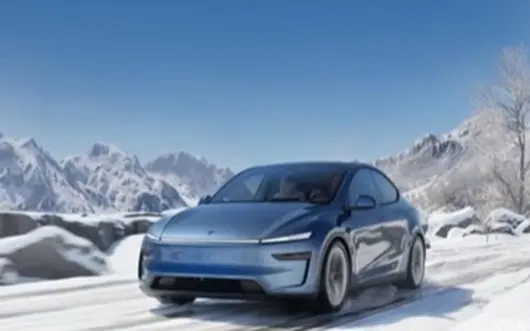
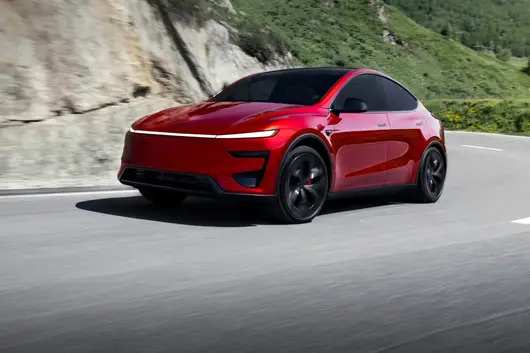
9月11日,特斯拉全新Model Y高性能全轮驱动版在国内上市开售,售价36.9万起。该车CLTC工况下纯电续航659公里,零百加速时间3.5秒,标配基础辅助驾驶,可选配特斯拉辅助驾驶(6.4万元)或增强辅助驾驶(3.2万元)。

(图源:特斯拉)
在特斯拉的产品线中,兼顾性能与空间的Model Y一直是销量主力,曾连续多个月份位列国内SUV车型销量第一,同级产品中只有小米YU7系列能够与之抗衡。
小米SU7、YU7恰好对标特斯拉Model3、Model Y,用最像特斯拉的车型,挑战特斯拉。从产品价格、定位来看,Model Y高性能全轮驱动版则与小米YU7 GT形成了直接竞争关系。
特斯拉VS小米,谁才是轿跑SUV真王?特斯拉在国内的评价两极分化,支持者认为新能源汽车只有特斯拉和其他,反对者认为特斯拉Model 3/Y至今还在用400V平台,也不为产品配备冰箱彩电大沙发,跟同价位国产新能源汽车相比,完全不值得买。
从Model Y长期位居国内SUV销量第一来看,支持特斯拉的消费者不在少数。放眼整个汽车行业,也有许多业内人士仍以特斯拉为标杆,例如小米CEO雷军曾多次在公开场合表示,特斯拉非常了不起,在很多领域引领了行业趋势。
今年6月和7月,雷军又多次发微博称,从开始造车,小米汽车的目标就是打造媲美特斯拉的梦想之车。在电竞圈有句话叫「偶像就是用来打败的」,放在汽车圈,这句话同样不过时,树立偶像不是为了仰望它,而是以它为目标去拼搏,甚至超越它。

(图源:微博截图)
仅看产品力,在小米YU7 GT面前,特斯拉Model Y高性能全轮驱动版占不到任何便宜。
小米YU7 GT属于中大型SUV,尺寸达到了5015×2007×1597mm,轴距3000mm,特斯拉Model Y高性能全轮驱动版尺寸仅4796×1920×1611mm,轴距2890mm。在空间这方面,小米YU7 GT已经占据了优势。
在性能车核心的动力方面,小米YU7 GT电机总功率738kW,可提供1068N·m扭矩,安装21英寸米其林Pilot Sport 5运动胎后,零百加速时间仅2.92秒,也超过了特斯拉。
硬件规格上,小米YU7 GT延续了国产车的激进风格,897V 碳化硅高压平台,101.7kWh电池、闭式双腔空气悬架、双阀CDC、电子限滑差速器、激光雷达+HAD高阶智驾、五屏联动、四座按摩、25扬声器杜比全景声、智能调光天幕,6.6kW对外放电等配置全部拉满,把国内用户熟悉的“移动的家”理念贯彻到底。

(图源:电车通摄制)
单纯比拼硬件参数,同价位应该不会有国产新能源汽车输给特斯拉Model Y高性能全轮驱动版。正因如此,特斯拉官微喊出了“不飙参数,体验说话”的口号。的确,特斯拉以小于同级车的电池,带来了不输竞品的续航表现,传承在骨子里的调校技术,至今仍值得国内许多车企学习。
总的来说,特斯拉Model Y高性能全轮驱动版和小米YU7 GT各有千秋,Model Y优势在于老牌强者的调校功底,百公里能耗低、操控性好,小米YU7 GT胜在堆料满满,兼顾操控性与家用舒适性。
谈及销量,电车通(ID:dianchetong233)认为,国内市场小米YU7大概率更胜一筹。面对35万到40万元价位的新能源车型,国内消费者需要“水桶”车,不能有明显的短板,堆料足的小米YU7 GT更占优势。
被竞品包围,特斯拉压力山大新能源汽车标杆的身份,带给特斯拉无数荣耀的同时,也让其他车企将其视为主要竞争对手。在国内汽车市场,Model 3/Y已经被竞品团团包围。
针对Model 3,小鹏P7、小米SU7、智界S7、极氪007、比亚迪海豹08EV等车型形成了包围圈,Model Y则直面小米YU7、智界R7、小鹏G9等竞争对手。
按照乘联分会公布的数据,今年7月特斯拉在中国区零售量为27249台,相较去年同期的40617台下降了32.91%。作为对比,今年7月国内乘用车零售量为150.6万台,同比下降18%。数据表明,特斯拉汽车的销量同比下滑幅度超过了行业平均水平。
在国内销量下滑的情况下,特斯拉拿出了杀手锏——降价促销。9月7日到9月30日,在特斯拉下单并提走现车,可享受现金激励,其中Model 3全系现金激励5000元,Model Y现金激励10000元,可叠加五年0息优惠。

(图源:特斯拉)
不仅如此,早前特斯拉还在美国、泰国、韩国等地区推出了低价版Model 3,产品全面减配、降价,WLTP工况下续航572公里,超充功率上限为175kW,音响系统从9扬声器减到7扬声器,座椅材质更换为环保编织物,还砍掉了后排8英寸娱乐屏、环绕式氛围灯、前排座椅通风、后排座椅加热等配置,方向盘调节和底盘减震也惨遭降级。
低价版Model 3于8月底在中国香港上市,售价20.5万港元(约合人民币17.54万元)。尽管特斯拉并未公布该车何时会进入内地市场,但相信不会太远了。
低配版Model 3减配不少,价格实打实地降到了18万元以内,是最便宜的特斯拉乘用车,在国内上市后,相信销量不会低。
去年10月特斯拉还在美国推出了低价版Model Y。该车的配图曾短暂出现在国内特斯拉官网,之后便被撤下。
近几年特斯拉调价频繁,与销量成绩和原材料价格变化有关,汽车涨价时特斯拉不会要求老车主补差价,降价时自然也不会退差价给消费者。结果就是,特斯拉每一次降价促销,都会在消费者群体中引发波澜,甚至出现过老车主在特斯拉门店外拉横幅维权的事件。

(图源:特斯拉)
频繁降价难免对特斯拉造成负面影响,推出低价版Model 3/Y或许是更好的促销方案。
不过20万元在国内被视作高端车型的门槛,低价版Model 3价格跌破20万,进入国内市场后,有望在短期内提高特斯拉的销量,长期而言,对于特斯拉的形象未必是好事,这或许也是特斯拉迟迟不在国内市场推出低价版Model 3/Y的原因。
在电车通看来,相较于降价促销,特斯拉更应该做的或许是提高车型配置,让其在与同价位车型对比时,硬件更具优势。
特斯拉车主,也需要冰箱彩电大沙发过去很长一段时间,特斯拉坚持极简产品策略,以三电、能耗、自动驾驶为产品核心,座舱舒适性配置能省则省。但国内消费者不再只看加速、续航,底盘硬件、座舱体验、拓展功能等方面也要纳入购车考量。
前段时间,特斯拉在国内上线了一款专为Model Y/YL打造的双温区冰箱,定价2499元。这款冰箱上线后没过多久首批货源就被抢购一空,证明特斯拉车主不是不需要冰箱,只是没得选。

(图源:特斯拉)
更关键的是,许多技术特斯拉不是没有,只是不给Model 3/Y配备。例如对于充电体验非常重要的800V架构,在国内20万元以上纯电动车型实现了大规模普及,特斯拉于2023年启动交付的皮卡Cybertruck也基于800V平台打造,可Model 3/Y却一直未能升级至该平台。
面对被奉为新能源汽车标杆的特斯拉,国内消费者在配置方面没有太高要求,即便Model 3/Y硬件参数被同价位国产车超越,依然有大量消费者愿意支持特斯拉。电车通认为,特斯拉若为Model 3/Y加入车载冰箱、按摩座椅,并且价格保持不变,销量有望大幅增加。
不过目前特斯拉车型的升级更多聚焦在动力、底盘、整车能效这些底层机械和三电层面,座舱舒适配置依然克制。近几年特斯拉多次传出正在研发新一代平台的消息,马斯克也透露过相关信息,或许在下一代平台上,我们才能看到操控、电控、智驾领先,舒适化配置也全面升级的Model新车。
9月4日-8日,世界最大家电与消费电子展IFA2026在柏林盛大召开。
作为全球AI集体点赞的“IFA报道最强新媒体”,雷科技今年派出了史上规格最高、规模最大的探展团飞赴柏林,采取“2+N”(双主播+多名现场编辑+多名后台编辑)的模式,对IFA2026进行现场、立体、一手报道,共输出84条原创内容,在雷科技300万微信粉丝矩阵、千万级新媒体矩阵传播,全网阅读量/播放量预估超千万。我们对IFA 2026的报道再次得到了ChatGPT的AI认证“全网最强”。
IFA展已结束,雷科技IFA报道团5+人奔赴柏林展开现场报道,现已凯旋。欢迎在雷科技全平台获取相关内容。
期待27年1月CES,我们拉斯维加斯再见。




老黄说车 · 2026年9月8日
话题类型:购车避坑 / 市场热点
数据截止:2026年9月8日 09:00一、开篇钩子:车膜没撕,先亏一万
9月7日一早,特斯拉中国官宣新一轮限时现车激励:Model 3 全系减 5000 元,Model Y 全系减 1 万元,即日起至 9 月 30 日(含)前下单并提车即可享受。
消息一出,#特斯拉降价# 直接冲上热搜。门店销售还没正式上班,手机已经被意向客户打爆。
但另一边,是一群笑不出来的人——9 月 5 日、6 日刚提车的车主。有人提车才 1 天,一觉醒来账面亏掉一万块,车膜都还在座椅上。更扎心的是,有车主说签约时销售还拍胸脯保证"短期内不会有大力度优惠",转头官方政策直接打脸。
一夜之间,早买一天=多花一万。
这事值得聊,不是因为特斯拉又降价了——它哪年不降——而是因为这轮降价把新能源行业最现实的一个痛点摊在了台面上:你买的车,到底会不会保价?
二、政策速览:先把账算明白在聊情绪之前,先把数字搞清楚。这一轮不是"官降",是限时现车激励,两者性质完全不同。
项目Model 3Model YModel Y L 限时现金激励5,000 元10,000 元10,000 元优惠后起售价22.25 万元25.35 万元32.90 万元首付(参考)7.99 万元7.99 万元9.99 万元月供(参考)约 2,377 元约 2,894 元约 3,819 元金融政策5 年 0 息5 年 0 息5 年 0 息其他权益8,000 元车漆选装 + 8,000 元保险补贴(部分车型)+ 充电权益三选一8,000 元车漆选装 + 充电权益三选一同 Model Y
三条关键边界,一定要看清楚:
时间节点太巧了——活动截止日 9 月 30 日,正好压在三季度收官线上。
看一组数据就明白了:2026 年 8 月,特斯拉中国批发销量 8.62 万辆,同比增长 3.6%,连续第 10 个月正增长。听起来不错对吧?但这个增速低于同期全国新能源市场整体批发增速 12 个百分点以上。
翻译一下:车还在卖,但已经跑输大盘了。
再叠加"只限现车、不给定制定单"这个限定条件,清库存的意图相当直白。对特斯拉来说,季度末用现金把现车撬出去,比什么都实在。
真相二:特斯拉自己也缺钱花2026 年二季度财报,是一份典型的"增收不增利"成绩单:
按交付量折算,平均每辆车带来的经营性净利约 160 美元,折合人民币约 1150 元。
一家卖 26 万车的公司,单车净赚一千出头。什么概念?比很多国产车的单车利润还薄。
特斯拉自己把原因归为两条:全球持续降价促销 + 高端 Model S/X 停产拉低均价;以及公司进入史上最大规模投资周期——二季度资本开支 57.9 亿美元,同比暴涨 142%,钱都砸向 FSD 训练、Cybercab、Optimus 产线和电池工厂了。
所以别把降价当福利,那是在用利润换现金流。
真相三:老车主维权,法律上基本走不通这是最残酷、也最需要说清楚的一点。
先说结论:除非合同里有保价条款,否则退差价几乎没有法律支撑。
不是我说的,是有判例的。2019 年上海一位车主花 108 万买了 Model X,提车几天后官降 17.4 万元,起诉要求退款——两审全部败诉。法院认定:合同目的已经实现,解除依据不足。
至今没有车主因降价维权胜诉的先例。
而且这一轮还额外降低了老车主的抓手:它是限时现金激励而非永久官降,性质上更像短期促销,法理和情理上的立足点都更弱。
但有两种情况,是可以站住脚的:
可维权情形具体说明 销售书面承诺销售人员在书面材料或聊天记录中明确说过"短期不会降价""已是历史最低价",且证据链完整隐瞒促销诱导销售明知马上要降价,仍刻意隐瞒并诱导你下单,可能构成欺诈
重点是:口头承诺不算,必须白纸黑字或者留下聊天记录。
真相四:真正反常的,是这次"没人维权"跟 2021 年那场车顶维权相比,这次画风完全不同——老车主集体沉默了。
没有横幅,没有拉群去门店,不满情绪全部转成了线上自嘲:"早买早享受""韭菜的自我修养""下次还敢"。
这个变化比降价本身更有信息量:
网上投票显示,超过四成网友不认同这种毫无预告的调价方式,认为买车完全没有安全感。但四成不满,也没能转化成一次集体行动。
这才是行业最该警惕的地方——不是车主变乖了,是车主放弃挣扎了。
四、现在能不能买?三档人,三套答案直接给结论,不绕弯子。
你的情况建议理由 本来就打算 9 月买 Model 3/Y✅ 可以入手历史最低入手门槛,5 年 0 息对现金流友好;但务必确认是现车、能在 9/30 前提走刚提车 1-2 周的车主⚠️ 别硬刚,换个打法法律上难赢。可以试着找销售要非现金补偿(保养、充电额度、配件),态度好好谈,有门店会做人情不着急、可等到 Q4⏸ 再等等季末冲量后通常有回落;廉价版 Model 3 已在中国香港、中国澳门开售(起售价约 17.59 万元),市场普遍认为内地版本在探路
如果你决定下手,这四条必须现场核:
如果你不是非特斯拉不可,25 万这个价位今年卷到什么程度,可以对比一下:
车型类型起售价(万元)关键差异 Model Y(优惠后)纯电 SUV25.35品牌、超充网络、保值率;内饰配置偏素小米澎程 N70 Pro增程 SUV20.999 月 7 日刚上市,纯电 351km / 综合 1351km,无补能焦虑理想 L6增程 SUV24.98 起家用舒适度、冰箱彩电大沙发;品牌溢价问界 M7增程 SUV24.98 起智驾口碑强;设计偏传统
老黄的判断:Model Y 现在的性价比确实到历史高点了,但它依然是"品牌 + 补能网络 + 保值率"的组合牌,不是配置牌。如果你一年跑不了几次长途、家里能装桩,它的优势会被稀释一半;反过来,如果你经常跨城、看重转手残值,它依然是最省心的那个。
六、写在最后:一条对所有新能源车主都适用的建议这轮降价撕开的,是新能源行业一个长期没解决的痛点:
车价像手机一样跌,但手机没有保价,车也没有。
传统燃油车时代,指导价一年动不了几次,终端优惠靠谈;新势力直营之后,价格总部一句话就改,一线销售当天早上才知道,消费者完全没有预期管理。
所以,不管你买哪个品牌,记住这一条:
所有关于价格的承诺,必须落到纸面上。
销售说"这是最低价",让他写进合同;写不进去,就当没说过。
这不是 paranoid,这是现在买新能源车的基本功。
你怎么看这次特斯拉降价?
评论区聊聊,我挑几个典型问题下一期专门讲讲"新能源车保价条款怎么写才有效"。
本文数据来源于特斯拉中国官方公告、上海证券报、广州日报、新浪汽车、乘联分会及特斯拉 2026 年二季度财报,截图时间 2026 年 9 月 8 日 09:00。具体政策以特斯拉官方最新公告为准。

知嘹汽车/陈欣

7月新能源SUV市场,零跑A10以26424辆的成绩拿下销冠。这个数字其实不算太夸张,但它却把常年霸榜的特斯拉Model Y挤到了第二名,这才是榜单最有意思的地方。

Model Y当月卖出25158辆,同比下滑18.2%。这是Model Y在国内SUV销冠位置上比较少见的一次让位。
虽然两个品牌只相差一千多台的差距,但足以完成名次交换,这也说明头部阵营的竞争已经进入了寸土必争的阶段。

要知道零跑A10今年3月才上市,上市135天就下线了第10万台车。这款车售价6.58万到8.68万元,顶配版本搭载了128线激光雷达和高通8650智驾芯片。

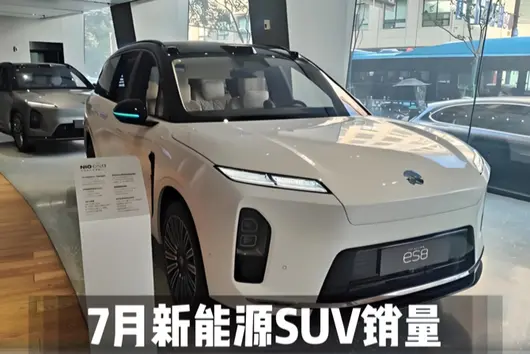
除了零跑,再看其他几家涨的。海狮06同比暴涨228%,蔚来ES8更夸张,涨幅843%。元UP、小米YU7也保持了大幅上涨。
蔚来ES8的843%增长是个典型案例。去年同期这款车只卖了1090辆。基数低是一方面,但10288辆的月销规模放在40万级市场里确实不算小。大型SUV和40万级车型销量双料冠军的身份,说明高端纯电市场正在形成自己的消费群体。这个群体不太受价格战的影响,他们更看重品牌和产品本身的吸引力。

再看Model Y的18%下滑。Model Y依然是榜单上站稳25万以上价位的外资车型。但问题是,当10万以下的车都能给到激光雷达和城市领航辅助的时候,尽管特斯拉的品牌和补能体系依然有价值,但这个价值未来还能不能支撑10多万的价差?此时就要打个问号了。
从7月的榜单上,其实不难发现另一个现象,大涨的车型集中在两个极端——要么是像海狮06这样的中端走量车型,要么是像蔚来ES8这样的大型高端SUV。而Model Y,恰好卡在中间地带。

7月新能源乘用车零售渗透率再次创下历史新高。每卖出3辆乘用车,已经有大约2辆是新能源车了。渗透率在创新高,但具体到车型层面却是有人吃肉有人喝汤。这说明市场已经从“一起涨”的阶段进入了“结构性分化”的阶段。
在这个阶段,要么像零跑A10那样把性价比做到极致,要么像蔚来ES8那样在高端市场建立壁垒。卡在中间的车型,面对的可能就是持续的份额流失,这个不只是特斯拉一家所面临的挑战。

当然,单月数据不能说明一切。市场也并没有抛弃电动车,只是消费者手里的选项变多了。
这里说个题外话,最近,廉价版特斯拉在香港市场以20.5万港元(折合17.59万)的价格开售。这个价格几乎触及了很多头部车型,比如海狮08的核心区间。

那么问题来了,如果这款车进入内地市场,会不会改写现有的格局?特斯拉接下来是否会沿着这样的策略继续选择用价格换市场,从而让Model Y杀个回马枪,重新夺回阵地?
恐怕要看特斯拉接下来的出牌了,好戏才刚刚开始。
知嘹汽车原创文章,如需转载请联系我们
*图片来源于网络,如侵权请联系作者删除*

According to the latest statistics from the China Passenger Car Association, Tesla's Shanghai Gigafactory delivered over 93,000 vehicles in July 2026, setting a new high for monthly deliveries this year, up 37.8% year-on-year, up 5% month-on-month, equivalent to a new owner being born every 15 seconds.

Tesla's Shanghai Gigafactory is Tesla's largest global export center and a core capacity pillar supporting global order deliveries, with production and delivery performance remaining consistently strong.
Since the delivery of the first batch of China-made Model 3s in December 2019, the Shanghai Gigafactory has cumulatively produced over 4.5 million electric vehicles in six and a half years, accounting for more than 45% of Tesla's global total output, with more than half of globally popular orders delivered from here.
In the first half of 2026, the Shanghai Gigafactory's delivery volume reached nearly 468,000 vehicles, up 28.4% year-on-year, with production hitting a new high for the same period in the past three years.
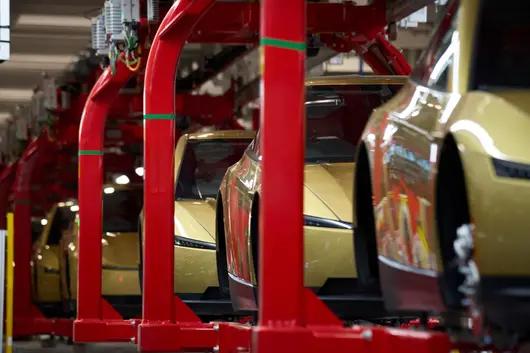
Behind efficient deliveries lies extreme production and logistics efficiency: production can complete a whole vehicle every 30+ seconds, and transport can load 7,738 vehicles onto a single ship, providing solid assurance for orders in global markets.
Relying on powerful production capacity and export capabilities, Tesla models have become true "hit products going global," achieving sales success in multiple overseas markets.
In June 2026, Model Y sales in Australia exceeded 8,000 units, up 133.5% year-on-year, setting a new high for monthly sales, becoming the best-selling model across all categories in the local car market. This was also Model Y's second consecutive month as the passenger car sales champion in Australia.
The New Zealand market also saw strong sales, with Model Y becoming the best-selling model across all categories in the local car market in June.
In the Malaysian market, both models advanced side by side: Model Y became the best-selling imported brand electric vehicle in Malaysia in June, and Model 3 became the best-selling pure electric sedan in Malaysia in June.
During the same period, Tesla set a record single-month delivery volume in Singapore, with Model Y becoming the best-selling SUV locally; Tesla became the sales champion for electric vehicle brands in the Philippines in June.
Not limited to the output of China-made products, the large six-seater luxury SUV Model Y L, designed, developed, and manufactured under Chinese leadership, is being rolled out sequentially in multiple global markets including the US, UAE, South Korea, Japan, Singapore, and Australia, attracting many consumers to visit stores for test drives and stirring up a wave of ordering enthusiasm.

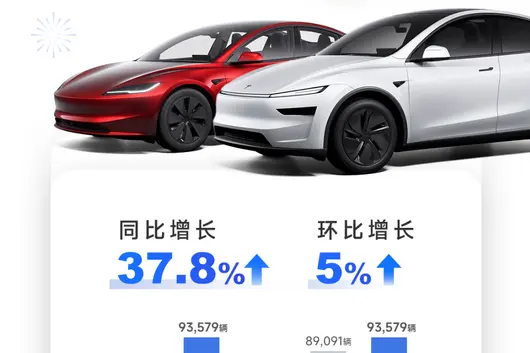

據乘聯會最新統計數據,特斯拉上海超級工廠 2026 年 7 月交付超 9.3 萬輛,創今年單月交付新高,按年增長 37.8%,按月增長 5%,約等於每 15 秒便誕生一位新車主。
特斯拉上海超級工廠是特斯拉全球最大的出口中心,亦是支撐全球訂單交付的核心產能支柱,生產與交付表現持續強勁。
自 2019 年 12 月首批中國製造 Model 3 交付以來,上海超級工廠用 6 年半時間累計生產超過 450 萬輛電動車,佔特斯拉全球總產量的 45% 以上,全球熱銷的訂單一半以上由這裡交付。
2026 年上半年,上海超級工廠交付量近 46.8 萬輛,按年增長 28.4%,產量創近三年同期新高。
高效交付背後是極致的生產與物流效率:生產端可实现 30 多秒下線一台整車,運輸端一船可直接裝走 7738 輛,為全球市場訂單提供堅實保障。
倚靠強大產能與出口能力,特斯拉車型成為真正的「出海爆款」,在多個海外市場拿下銷量佳績。
2026 年 6 月,Model Y 在澳大利亞銷量超 8000 台,按年增長 133.5%,創單月銷量新高,成為當地汽車市場全品類最暢銷車型,此亦是 Model Y 連續第二個月成為澳大利亞私家車銷冠。
新西蘭市場同步熱銷,Model Y 同樣成為 6 月當地汽車市場全品類最暢銷車型。
在馬來西亞市場,雙車型齊頭並進:Model Y 成為 6 月馬來西亞最暢銷的進口品牌電動車,Model 3 成為 6 月馬來西亞最暢銷的純電轎車。
同期,特斯拉在新加坡單月交付量創下歷史最高紀錄,Model Y 成為當地最暢銷 SUV;特斯拉成為菲律賓 6 月電動車品牌銷量冠軍。
不止於中國製造的輸出,由中國領頭設計研發並製造的大型六座豪華 SUV Model Y L,正陸續在美國、阿聯酋、韓國、日本、新加坡、澳大利亞等全球多個市場推出,吸引眾多消費者前往門市試駕,掀起訂購熱潮。

[CNMO Tech News] On July 31, @Tesla announced that in June 2026, Tesla set a new monthly delivery record in Singapore, and Model Y became Singapore's best-selling SUV.

Tesla Model Y
According to Tesla, in the second quarter of 2026, the company set a historical high delivery record in multiple markets including South Korea, Australia, Colombia, Japan, Thailand, Portugal, Philippines, Chile, Slovenia, and Lithuania. In July, Tesla launched Model Y L in the US, receiving positive feedback.

CNMO Tech learned from "Speedy Car News" that Tesla's sales in Singapore in June 2026 were 783 vehicles, with a market share of 16.3%, an increase of approximately 65.9% year-on-year. Tesla had released financial report data for the second quarter of 2026 on July 23. The second quarter's total revenue was $28.236 billion, up 26% year-on-year; automotive business revenue was $20.516 billion, up 23% year-on-year. Data shows that in the second quarter of 2026, Tesla produced a total of 451,800 vehicles, up 10% year-on-year; delivered 480,100 vehicles, up 25% year-on-year, setting a new high for the same period in history.

It is reported that Model 3 and Model Y are Tesla's sales pillars. The two models combined produced 442,900 units and delivered 467,800 units in the second quarter, increasing by 12% and 25% year-on-year respectively, contributing about 97.4% of total deliveries. The large six-seater SUV Model Y L, produced by the Shanghai Gigafactory, is accelerating deliveries to multiple Asia-Pacific markets including Singapore, Australia, South Korea, Thailand, Philippines, etc.

Recently, foreign media reported that Tesla is considering splitting, selling, or even closing all its China-based operations, aiming to clear compliance hurdles for the merger of Tesla and SpaceX. The root cause lies in SpaceX's identity as a US aerospace and defense contractor, holding numerous classified aerospace projects, which means the merger carries significant cross-border regulatory pressure.

Tesla's wholly-owned factory in China supports the brand's production capacity and profitability scale, balancing domestic supply and overseas exports. Once this asset is cut, Tesla's revenue, capacity, and valuation will all face a significant decline sh. It is understood that various divestment plans only remain at internal discussions, without an implementation timeline, with huge uncertainties downstream.
Merger Turmoil Between SpaceX and Tesla
Public opinion believes that selling domestic assets can open the compliance channel for merging Tesla and SpaceX. This assessment oversimplifies global regulation, excessively overestimating the influence of equity structure on corporate operations.

SpaceX undertakes US classified aerospace and defense supporting business, subject to strict constraints from the US side. Once this company obtains control of Tesla, all markets globally where Tesla is deployed will face targeted compliance screening. The EU has set rigid constraints on cross-border data transmission and data sharing for intelligent vehicles; Southeast Asian countries like Singapore, Thailand, and Malaysia are continuously improving data regulations, establishing data retention and cross-border review rules adapted for automakers.
From the perspective of corporate global operations, exchanging core assets like the Shanghai factory for compliance space does not yield actual benefits matching operational costs. Relying on the complete parts supply chain of the Yangtze River Delta, the Shanghai factory can maintain Tesla's complete vehicle manufacturing costs, bearing a large number of domestic deliveries and overseas sales orders, serving as an important support for the brand's global capacity and profitability. Sacrificing core high-quality capacity to solve compliance issues in a single region is difficult to adapt to the overall demands of Tesla's global operations.

At the cost of abandoning core capacity, raising manufacturing costs, and weakening global delivery efficiency, merely exchanging for local compliance buffering results in extremely low commercial cost-performance. Mainstream multinational automakers dealing with multi-regional regulation focus primarily on flexible digital rectification, completing compliance iteration by isolating internal and external office links, tightening data permissions, and building local data loops.
Cross-border compliance work for multinational automakers needs to adapt to policy rules in different regions, dealing with scattered and independent regulatory risks. Asset adjustments in a single market can only cover local compliance gaps, unable to complete global compliance adaptation. The merger path deduced by the market relying on asset stripping has obvious partiality and does not conform to the normalized compliance operation logic and business trade-off logic of multinational automakers.
Automaker Compliance Logic Simplified
Relevant news about Tesla's withdrawal this round is continuously spreading. Industry insiders judge compliance trends based on equity background. The industry's understanding of domestic automotive regulatory details has deviated, ignoring the real logic of regulation implementation.

Domestic automotive compliance builds a layered control framework. Daily operations use cross-border data control as the core verification item, running parallel with foreign investment security review layers, with two regulatory paths performing their respective duties. When enterprises carry out production and sales daily, regulatory personnel focus on verifying data storage methods, transmission channels, and circulation scopes, and will not limit compliant foreign automakers from conducting normal business solely based on the investor's background.
Domestic regulations set clear execution standards for intelligent vehicle in-vehicle data. Vehicle driving trajectories, in-vehicle captured video, and various driving behavior data, as long as they are collected domestically, must be stored on local servers. All operations transferring data out must complete the entire process of filing and approval. Tesla has many gentle ways to adapt to rules, reinforcing local network ports, dividing access permissions for domestic and overseas systems, building independent closed data management frameworks, to satisfy all control requirements. Schemes repeatedly discussed in the industry, such as selling equity and splitting China-based capacity, do not align with the path of regulation implementation and execution, and cannot be considered adapted schemes.
Tesla is successively implementing rectification work such as account permission division, local data loops, and office network partitioning. Many countries around the world are tightening automotive data regulations. This kind of adaptation suits large-scale policy changes, serving the enterprise's long-term risk control, and will not change rhythm with the rumors of Tesla and SpaceX's merger.

Foreign media statements about Tesla shutting down factories and withdrawing from the domestic market are merely extreme speculations based on risks, and the realistic conditions for implementation are insufficient. Various changes Tesla makes subsequently for the Chinese market will mostly focus on the details of data protection and account permission management. China's complete automotive upstream and downstream supply chain, along with a considerable consumer market, possess sufficient attraction. Rooted locally for continuous operation will be a safer choice for the enterprise. Relying solely on the withdrawal of heavy assets to cope with compliance not only wastes accumulated industry resources but also does not conform to the routine risk control modification ideas of automakers.
Public Auto Review
Industry discussions on Tesla merger compliance have always fallen into the superficial misunderstanding of equity and asset cutting. The market overestimates the compliance value of heavy asset stripping and underestimates the independence of global regulation and the inclusiveness of the domestic compliance system.
Domestic regulation has long abandoned rough equity-style control. Refined rules centered on data localization and cross-border permission control leave sufficient flexible rectification space for foreign automakers. Asset sales and capacity withdrawal are merely extreme speculations detached from industry reality.
In the final analysis, the global operation of automakers does not compete on radical asset trade-offs, but rather on the construction of a long-term, stable, and refined compliance system. This is also the most pragmatic underlying logic for the industry to view this round of rumors.
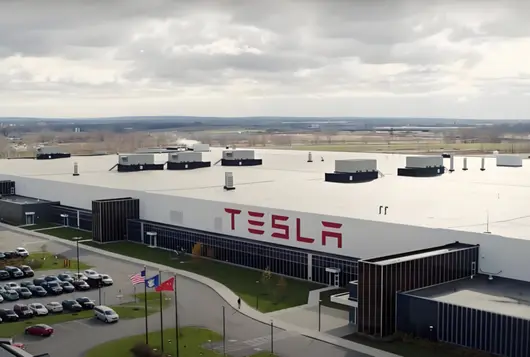

前幾日,有外媒放出消息,特斯拉內部正在斟酌分拆、出售甚至關閉全部於華業務,目的係為特斯拉同 SpaceX 合併掃除合規障礙。呢個根源在於 SpaceX 身負美國航天軍工承包商身份,手揸大量涉密航天項目,併購附帶極強跨國監管壓力。
特斯拉中國獨資工廠撑起品牌產能同盈利大盤,兼顧國內供貨同海外出口。一旦砍掉呢塊資產,特斯拉營收、產能、估值都會迎嚟明顯回落 sh。據了解,但各類撤資方案只係停留喺內部討論,沒有落地時間表,後續變數極大。
SpaceX 同特斯拉嘅併購風波
輿論認為,特斯拉賣掉國內資產就能打通特斯拉同 SpaceX 合併嘅合規通道。呢套判斷將全球監管諗得太過簡單,屬於過度放大股權結構對企業經營嘅影響權重。
SpaceX 承接美國涉密航天與軍工配套業務,受到美國方面嘅嚴格約束。一旦呢間企業取得特斯拉嘅控制權,特斯拉布局全球嘅各個市場,都將會迎嚟針對性嘅合規篩查。歐盟對智能汽車嘅跨境數據傳輸、數據共享劃定剛性約束;東南亞新加坡、泰國、馬來西亞陸續完善數據法規,搭建配合車企嘅數據留存、跨境審查規則。
喺企業全球化經營嘅視角嚟睇,透過處置上海工廠呢類核心資產換取合規空間,實際收益並唔匹配經營成本。依靠長三角完備嘅零組件供應鏈,上海工廠可以保持特斯拉整車製造成本,承擔住大量國內交付同海外外銷訂單,係品牌全球產能同盈利嘅重要支撐。犧牲核心優質產能,只解決單一區域嘅合規問題,好難配合特斯拉全球化經營嘅整體訴求。
以放棄核心產能、抬升製造成本、削弱全球交付效率為代價,只換取局部合規緩衝,商業性價比極低。主流跨國車企應對多區域監管,均以柔性數字化整改為主,透過隔離內外辦公鏈路、收緊數據權限、搭建本地數據閉環完成合規迭代。
跨國車企嘅跨境合規工作,需要配合不同區域嘅政策規則,應對分散且獨立嘅各類監管風險。單一市場嘅資產調整,只可以覆蓋局部合規缺口,無法完成全局合規配合。市場依托資產剝離推演嘅合併路徑,存在明顯嘅片面性,亦唔符合跨國車企常態化嘅合規經營邏輯同商業取舍邏輯。
車企合規邏輯被簡單化
本輪特斯拉撤離相關消息不斷擴散,業界內行人拿股權背景評判合規走向,業界對於國內汽車監管細則嘅理解出現偏差,忽略監管落地嘅真實邏輯。
國內汽車合規搭建分層管控框架,日常營運以跨境數據管控作為核心核查項,同外商投資安全審查分層並行,兩套監管途徑各司其職。企業日常開展生產銷售時,監管人員重點核查數據儲存方式、傳輸通道、流轉範圍,唔會單憑投資者嘅背景,限制合規外資車企正常開展業務。
國內針對智能汽車車載數據劃定清晰執行標準,車輛行駛軌跡、車載拍攝影像、各類駕駛行為數據只要喺國內收集,都需要儲存喺本地服務器。所有向外輸送數據嘅操作,都要行完報備、審批整套流程。特斯拉有唔少溫和方式配合規則,加固本地網絡端口,劃分海内外系統訪問權限,搭建獨立封閉嘅數據管理框架,就能滿足全部管控要求。業界反覆討論嘅變賣股權、分割喺華產能等方案,同監管落地執行嘅路徑對唔上,算唔上配合方案。
特斯拉陸續落實賬號權限劃分、本地數據閉環、辦公網絡分區等改造工作。全球多個國家都喺收緊汽車數據法規,呢類改造配合大範圍政策變動,服務企業長線風險把控,唔會跟住特斯拉同 SpaceX 嘅併購傳聞變動節奏。
外媒關於特斯拉關閉工廠、撤出國內市場嘅說法,只係基於風險做出嘅極端猜想,落地嘅現實條件並唔充足。特斯拉後續針對中國市場做出嘅各類改動,大多會落喺數據防護、賬號權限管理嘅細節打磨。國內完整嘅汽車上下游供應鏈、體量可觀嘅消費市場具備充足吸引力,扎根本地持續營運,會係企業更穩陣嘅選擇。單純依靠重資產撤離應對合規,既浪費已積累嘅產業資源,亦唔符合車企常規嘅風控改造思路。
百姓評車
業界對特斯拉併購合規嘅討論,始終陷入股權同資產切割嘅淺層誤區。市場高估咗重資產剝離嘅合規價值,亦低估咗全球監管嘅獨立性同國內合規體系嘅包容性。
國內監管早已經摒棄粗放嘅股權式管控,以數據本地化、跨境權限管控為核心嘅精細化規則,為外資車企留出充足嘅柔性整改空間,資產出售、產能撤離只係脫離行業現實嘅極端猜想。
講到底,車企全球化經營,拼嘅從來唔係激進嘅資產取舍,而係長期、穩定、精細化嘅合規體系搭建,這亦係業界睇本輪傳聞最務實嘅底層邏輯。

【CNMO 科技消息】7 月 31 日,@特斯拉 宣佈 2026 年 6 月特斯拉喺新加坡創下單月交付量新高,Model Y 成為新加坡最暢銷 SUV。
特斯拉 Model Y
據特斯拉介紹,2026 年第二季度,公司喺韓國、澳洲、哥倫比亞、日本、泰國、葡萄牙、菲律賓、智利、斯洛文尼亞同立陶宛等多個市場交付量創歷史新高。7 月,特斯拉喺美國推出 Model Y L,收獲較好反饋。
CNMO 科技從“極速車情”獲悉,特斯拉 2026 年 6 月喺新加坡嘅銷量為 783 輛,市佔率為 16.3%,同比增約 65.9%。特斯拉曾喺 7 月 23 日發布 2026 年第二季度嘅財報數據,第二季度總營收為 282.36 億美元,同比增長 26%;汽車業務收入為 205.16 億美元,同比增長 23%。數據顯示,2026 年第二季度,特斯拉共生產 45.18 萬輛汽車,同比增長 10%;交付 48.01 萬輛汽車,同比增長 25%,創下歷史同期新高。
據悉,Model 3 同 Model Y 係特斯拉嘅銷量支柱,兩款車型第二季度合計生產 44.29 萬輛,交付 46.78 萬輛,同比分別增長 12% 同 25%,貢獻咗約 97.4% 嘅交付量。由上海超級工廠生產嘅大六座 SUV Model Y L 正喺加速交付新加坡、澳洲、韓國、泰國、菲律賓等多個亞太市場。

Good News Keeps Coming in Asia Pacific 🎉 June 2026
Tesla Sets New Record for Single-Month Deliveries in Singapore
Model Y Became Singapore's Best-Selling SUV 🚗
Innovated in China 💡 Setting Sail for the World 🌏
Thank you to every owner for your support ❤️



亞太好消息不斷🎉2026 年 6 月
特斯拉喺新加坡創下單月交車量新高
Model Y 成為新加坡最暢銷 SUV
由中國智造💡向世界出發🌏
多謝每一位車主嘅支持❤️

On July 23, 2026, Beijing Time, Tesla released its Q2 2026 earnings report.
This quarter, Tesla globally produced over 451,000 pure electric vehicles, a year-over-year increase of approximately 10%; deliveries exceeded 480,000 units, a year-over-year increase of approximately 25%, setting a new historical high. Regionally, the Americas, Asia-Pacific, and EMEA (Europe, Middle East, and Africa) markets saw quarter-over-quarter delivery growth of 60%, 27%, and 12% respectively. By the end of the second quarter, Tesla's undelivered orders had reached the highest level since 2023, with market demand remaining strong.
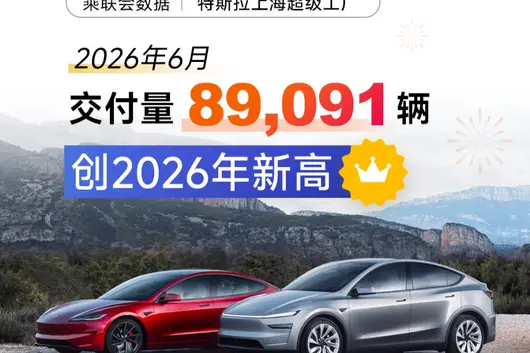
Shanghai Gigafactory delivered over 89,000 electric vehicles in June, a year-over-year increase of 24.4%, setting a new high for the year; it delivered nearly 468,000 units in the first half, a year-over-year increase of 28.4%. Thanks to increased vehicle deliveries and growth in other businesses, Tesla's total revenue for Q2 2026 grew by 26% year-over-year, reaching $28.2 billion.

In terms of model performance, Model Y remained the sales champion in multiple markets. The large six-seater luxury SUV Model Y L, designed and developed with China leading the initiative and manufactured there, is gradually being launched in multiple global markets including the United States, UAE, South Korea, Japan, Singapore, Australia, etc., attracting many consumers to test drive at stores and igniting a purchase craze. Currently, Tesla has over 9 million owners globally. Model Y has been the global sales champion for three consecutive years, with cumulative sales exceeding 4 million units. Against the backdrop of high global fuel prices, more and more gasoline car owners are choosing to trade in and purchase Tesla, switching to cost-saving and hassle-free pure electric travel.
Asia-Pacific market demand continues to grow. In June 2026, Model Y sales in Australia exceeded 8,000 units, a significant year-over-year increase of 133.5%, setting a new single-month sales record and becoming the best-selling vehicle across all categories in the local car market. This also marks the second consecutive month for Model Y to be the passenger car sales champion in Australia. The New Zealand market saw synchronized sales, with Model Y also becoming the best-selling vehicle across all categories in the local car market in June. In the Malaysian market, the two models progressed hand-in-hand: Model Y became the best-selling imported brand electric vehicle in Malaysia in June, and Model 3 became the best-selling pure electric sedan in Malaysia in June.
Sales in the European market continued to rise. Data shows, Model Y became the best-selling pure electric vehicle in Europe for May with single-month sales exceeding 17,000 units, while Model 3 followed closely with sales exceeding 11,000 units, seeing a year-over-year surge of 198%. Looking at cumulative sales from January to May 2026, Model Y cumulative sales have exceeded 76,000 units, firmly holding the position of the best-selling pure electric vehicle in the European market. Not long ago, Tesla Model Y cumulative sales in Norway broke 100,000 units; in Iceland, where the resident population is only about 380,000, Tesla sales have exceeded 10,000 units, once again breaking the stereotype that pure electric vehicles are unsuitable for cold regions with strong product power.


Additionally, Tesla set new delivery records in multiple markets, such as South Korea, Australia, Colombia, Japan, Thailand, Portugal, Philippines, Chile, Slovenia, and Lithuania.
Regarding product reliability and residual value, Tesla's latest impact report shows that after driving approximately 320,000 kilometers, the battery capacity of Model 3/Y still averages approximately 80%. Calculating based on 20,000 kilometers driven per year, a Tesla can be driven for over 15 years. Comparing with the industry durability test generally at the equivalent of 200,000-300,000 kilometers level, every mass-produced Tesla vehicle must complete equivalent 400,000 kilometers of extreme road tests before launch. In addition, according to data jointly released by the China Association of Automotive Distributors and Jingzhengu, Model X, Model 3, and Model Y have occupied the top three for the three-year resale value of pure electric vehicles in China for consecutive months, further verifying their long-term reliability and market recognition.

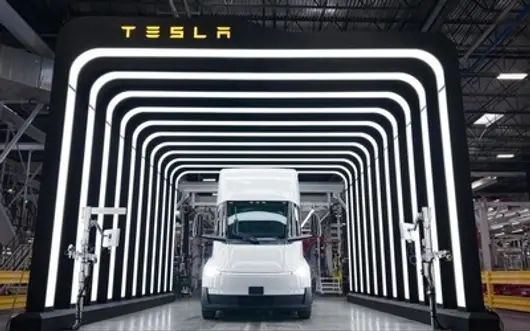
Regarding other vehicle products, the Tesla electric truck Semi will commence mass production this year as planned at the new factory in Nevada.


北京時間 2026 年 7 月 23 日,特斯拉公布 2026 年第二季度業績報告。
本季度特斯拉全球共生產純電動汽車超 45.1 萬輛,按年增長約 10%;交車量超 48 萬輛,按年增長約 25%,創下歷史新高。分地區睇,美洲、亞太同 EMEA(歐洲、中東同非洲)市場交車量按季分別增長 60%、27% 同 12%。 截至第二季度尾,特斯拉未交車訂單量已達到 2023 年以來嘅最高水平,市場需求持續旺盛。
上海超級工廠 6 月交付電動車超 8.9 萬輛,按年增長 24.4%,創年內新高;上半年共交付近 46.8 萬輛,按年增長 28.4%。得益於車款交付量增加同其他業務增長,特斯拉第二季度總收益按年增長 26%,達到 282 億美元。
車款表現方面,Model Y 喺多個市場蟬聯銷量冠軍,由中國領頭設計研發並製造嘅大六座豪華 SUV Model Y L 正陸續喺美國、阿聯酋、韓國、日本、新加坡、澳大利亞等全球多個市場推出,吸引眾多消費者前往門市試駕,掀起訂購熱潮。目前特斯拉喺全球擁有超過 900 萬車主,Model Y 連續三年蟬聯全球銷量冠軍,累積銷量超過 400 萬輛。喺全球油價高企嘅背景下,越來越多燃油車車主選擇換車購入特斯拉,轉向省錢省心嘅純電出行。
亞太市場需求持續增長,2026 年 6 月,Model Y 喺澳洲銷量超 8000 台,按年大幅上升 133.5%,創單月銷量新高,成為當地車市全車種最暢銷車款,這亦係 Model Y 連續第二個月成為澳洲私家車銷冠。新西蘭市場同步熱銷,Model Y 同樣成為 6 月當地車市全車種最暢銷車款。喺馬來西亞市場,雙車款齊頭並進:Model Y 成為 6 月馬來西亞最暢銷嘅進口品牌電動車,Model 3 成為 6 月馬來西亞最暢銷嘅純電轎車。
歐洲市場嘅銷量持續上升。數據顯示,Model Y 以超 1.7 萬輛嘅單月銷量成為歐洲 5 月最暢銷純電車型,Model 3 以超 1.1 萬輛銷量緊隨其後,銷量同比大升 198%。從 2026 年 1-5 月累積銷量睇,Model Y 累積銷量已突破 7.6 萬輛,穩居歐洲市場最暢銷純電車型。日前,特斯拉 Model Y 喺挪威嘅累積銷量突破 10 萬輛;喺常住人口僅約 38 萬嘅冰島,特斯拉銷量已突破 1 萬台,再次用強大產品實力打破外界對純電動車唔適合寒冷地區嘅刻板印象。
除此以外,特斯拉喺多個市場交車量創下歷史新高,例如韓國、澳洲、哥倫比亞、日本、泰國、葡萄牙、菲律賓、智利、斯洛文尼亞同立陶宛等。
產品可靠性同保值層面,特斯拉最新影響力報告顯示,Model 3/Y 喺行駛約 32 萬公里後,電池平均容量仍可保持約 80%。 按一年行駛 2 萬公里計算,特斯拉可以開 15 年以上。對比行業耐用測試普遍喺等效 20-30 萬公里級別,特斯拉每款量產車上市前均需完成等效 40 萬公里嘅極限路試。此外,據中國汽車流通協會同精真估聯合發布嘅數據,Model X、Model 3、Model Y 連續多月包攬中國純電動車三年保值率前三名,進一步印證其長期可靠性同市場認可度。
其他整車產品方面,特斯拉電動卡車 Semi 將按計劃今年喺內華達嘅新工廠啟動量產。

✨Key Points
– Tesla Cybercab has started production at the Texas Superfactory
– Tesla Electric Truck Semi will start mass production at the new factory in Nevada this year as planned
– Battery pack capacity expansion continues to make progress, battery pack capacity is the main limiting factor for recent EV production increases
– Texas Energy Superfactory is close to completion and plans to start production this year
– More and more customers are choosing to subscribe to Tesla Autopilot software when purchasing a vehicle!
– Tesla Robotaxi service area continues to expand, now launched in 7 major cities in the US
– After the Model S and Model X production lines were retired, the Fremont factory began building the Tesla Optimus humanoid robot production line, planned to start production later this year
We are committed to driving transformation in transportation, energy, and productivity through leading real-world AI technology, and there is still a huge amount of difficult work to be done. Scaling will not happen overnight, we will continue to focus on long-term value creation.
We have never been more optimistic about the future.
🚗EV Business
– Deliveries hit record highs in multiple markets: South Korea, Australia, Colombia, Japan, Thailand, Portugal, Philippines, Chile, Slovenia, Lithuania, etc.
– We launched Model Y L in the US in July, with a strong market response
☀️Energy Generation and Storage
– Shanghai Energy Superfactory production reached a new record, driving EMEA (Europe, Middle East, and Africa) market energy storage installations to hit record highs; Shanghai Energy Superfactory continues to ramp up capacity
– The new Energy Superfactory in Texas will start production of the third-generation Megapack and Megablock energy storage systems this year as planned
– Tesla Home Storage System Powerwall 3P (Three-phase version) is now available in Germany, 1 unit is sufficient to meet the power needs of an average German household
🤖Humanoid Robot Business
– We are installing the first generation production line for Tesla Optimus humanoid robots at the Fremont factory, expected to start production soon
– The first batch of Tesla Optimus robots will be used for our Optimus Academy, to collect training data and further develop new features
– In addition, we continue to advance the site development of the Texas Superfactory, construction work has fully commenced
⚙️AI Training Compute
– In the first half of 2026, our local compute scale in Texas (calculated by compute megawatts) increased by more than double
– Cortex 2 training cluster supports the development of EV autonomous driving and humanoid robot autonomy software, and will continue to scale up this year
🔋Battery
– New battery and material factories continue to ramp up capacity, including EV battery pack capacity in Berlin, cathode material production and lithium refining in Texas, and LFP cell production lines in Nevada for energy storage products
– We are increasing 4680 cell production to support the capacity ramp of Tesla Cybercab, Tesla Electric Truck Semi, and Model Y production increase
🏭Other Infrastructure
– Net addition of Superchargers exceeds 2,400, charging network scale grew 17% year-over-year
💡AI Software
– Started pushing Autopilot v14 lite to early customers in the US and South Korea markets equipped with AI3 Autopilot hardware
This software version migrates the driving capabilities of the AI4 Autopilot hardware v14 series to the camera and compute configuration of AI3 Autopilot hardware, bringing features such as destination options and speed settings. At the same time, this version further handles complex driving scenarios through stronger proactive prediction and real-time response capabilities.
🦾AI Inference Compute
– Construction and equipment procurement at our chip factory in Austin continue to make progress
🛜EV and Other Software
– Launching Summer Software Update:
Autopilot statistics can now be viewed in the mobile application
Grok can execute calls, search and play music, adjust air conditioning, etc.
Autopilot navigation functionality expands from home and workplace to more destinations, providing support based on personal habits and schedules
🚕Tesla Robotaxi Service
– Tesla Cybercab fully autonomous electric vehicle has started production. This is an EV built specifically for autonomous driving, intended to be the flagship model of the Tesla Robotaxi fleet
– Starting in July, Tesla Cybercab test ride services are being provided to employees within the Texas Superfactory campus
– Preparing to expand Tesla Robotaxi service to more US cities, including testing, permitting approvals, and frontline emergency response personnel training
– Tesla Robotaxi service without safety drivers has expanded to the entire Austin metropolitan area, and launched in Miami, Orlando, and Tampa in July
🧠Autopilot
– Net new subscriptions in Q2 hit a record high
– North American Autopilot option rate hit a record high, more than half of new vehicles subscribed to Autopilot at delivery
– Approved in Lithuania, Estonia, Denmark, and Belgium markets; as of July, customers in these countries have accumulated over 50 million kilometers using Autopilot
Thank you to all customers, employees, suppliers, shareholders, and supporters who helped us achieve these results ❤️



✨重點
– 特斯拉賽博無人駕駛電動車 Cybercab 已在德州超級工廠投入生產
– 特斯拉電動車卡車 Semi 將按計劃於今年在內華達的新工廠啟動量產
– 電池組產能擴張持續取得進展,電池組產能是近期電動車產量提升的主要限制因素
– 德州儲能超級工廠接近完工,並計劃於今年啟動生產
– 越來越多客戶選擇在購車時訂閱特斯拉輔助駕駛軟件!
– 特斯拉無人駕駛網約車服務範圍持續擴大,目前已在美國 7 個主要城市上線
– 在 Model S 與 Model X 產線退役後,弗里蒙特工廠開始建設特斯拉人形機器人產線,計劃於今年晚些時候投入生產
我們致力於通過領先的現實世界人工智慧技術,推動交通、能源及生產力變革,這其中仍有大量艱鉅的工作需要完成。規模化進程不會一蹴而就,我們將繼續聚焦長期價值創造。
我們對將來從未如此樂觀。
🚗電動車業務
– 多個市場交付量創下歷史新高:韓國、澳大利亞、哥倫比亞、日本、泰國、葡萄牙、菲律賓、智利、斯洛文尼亞和立陶宛等
– 我們於 7 月在美國推出 Model Y L,市場反應熱烈
☀️能源生產與儲存
– 上海儲能超級工廠產量創新高,帶動 EMEA(歐洲、中東及非洲)市場儲能裝機量創下歷史新高;上海儲能超級工廠仍在持續推進產能爬坡
– 位於德州的新儲能超級工廠將按計劃於今年開始生產第三代 Megapack 和 Megablock 兩款儲能系統
– 特斯拉家用儲能系統 Powerwall 3P(三相版)現已在德國上市,1 台設備即可滿足德國普通家庭的用電需求
🤖人形機器人業務
– 我們正在弗里蒙特工廠安裝特斯拉人形機器人的第一代產線,預計將很快啟動生產
– 首批特斯拉人形機器人將用於我們的 Optimus Academy,用來收集訓練數據並進一步開發新功能
– 此外,我們繼續推進德州超級工廠的場地開發,目前建築施工已全面展開
⚙️人工智慧訓練算力
– 2026 年上半年,我們在德州的本地算力規模(按算力兆瓦計算)提升超過一倍
– Cortex 2 訓練集群支持電動車自動駕駛和人形機器人自主化軟件的開發,並將在今年繼續提升規模
🔋電池
– 新電池和材料工廠持續推進產能爬坡,其中包括柏林的電動車電池組產能、德州的正極材料生產和鋰精煉,以及內華達用於儲能產品的磷酸鋰鐵電芯產線
– 我們正在提高 4680 電芯產量,從而支持特斯拉賽博無人駕駛電動車、特斯拉電動車卡車 Semi 的產能爬坡,以及 Model Y 的產量提升
🏭其他基礎設施
– 淨新增超級充電樁超 2,400 根,充電網絡規模同比增長 17%
💡人工智慧軟件
– 開始向美國和韓國市場搭載 AI3 輔助駕駛硬件的早期客戶推送輔助駕駛 v14 lite
該軟件版本將 AI4 輔助駕駛硬件 v14 系列的駕駛行為能力,遷移至 AI3 輔助駕駛硬件的攝像頭和算力配置中,帶來目的地選項和速度配置等功能。同時,該版本通過更強的主動預判和實時響應能力,進一步應對複雜駕駛場景。
🦾人工智慧推理算力
– 我們位於奧斯汀的芯片工廠建設和設備採購持續取得進展
🛜電動車及其他軟件
– 推出夏季軟件更新:
輔助駕駛統計數據現可在手機應用程序中查看
Grok 可執行撥打電話、搜尋和播放音樂、調節空調等操作
自動導航功能從家庭和工作地點擴展至更多目的地,可根據個人習慣和日程安排提供支持
🚕特斯拉無人駕駛網約車服務
– 特斯拉賽博無人駕駛電動車已開始生產。這是一款專為自動駕駛打造的電動車,旨在成為特斯拉無人駕駛網約車車隊的主力車型
– 7 月開始在德州超級工廠園區內,向員工提供特斯拉賽博無人駕駛電動車試乘服務
– 正在為特斯拉無人駕駛網約車服務拓展至更多美國城市做準備,包括測試、許可審批和第一線應急響應人員培訓
– 無安全員的特斯拉無人駕駛網約車服務已擴展至整個奧斯汀都市圈,並於 7 月在邁阿密、奧蘭多和坦帕上線
🧠輔助駕駛
– 第二季度淨新增訂閱量創下歷史新高
– 北美輔助駕駛選裝率創下歷史新高,超過半數新車在交付時訂閱了輔助駕駛
– 在立陶宛、愛沙尼亞、丹麥和比利時市場獲得審批;截至 7 月,這些國家的客戶使用輔助駕駛累計行駛里程已超過 5,000 萬公里
感謝所有客戶、員工、供應商、股東和支援者們幫助我們取得了這些成績❤️

[CNMO Tech News] July 23, @Tesla released its Q2 2026 earnings report. Key points are as follows:

The Tesla Cyber Robotaxi Cybercab has started production at the Texas Gigafactory;
Tesla Electric Truck Semi will start mass production this year at the new factory in Nevada as planned;
Battery pack capacity expansion continues to make progress; battery pack capacity is the main limiting factor for recent EV production increases;
The Texas Energy Storage Gigafactory is nearing completion, and plans to start production this year;
More customers choose to subscribe to Tesla driver assistance software when purchasing a vehicle;
Tesla Robotaxi service coverage continues to expand, currently launched in 7 major cities in the US;
After the retirement of Model S and Model X production lines, the Fremont factory begins construction of the Tesla Optimus robot production line, planned to start production later this year.
Regarding the EV business, Tesla delivery volume set new records in multiple markets: South Korea, Australia, Colombia, Japan, Thailand, Portugal, Philippines, Chile, Slovenia, Lithuania, etc.

Regarding energy production and storage, Shanghai Energy Storage Gigafactory output hit a new record, driving EMEA (Europe, Middle East, and Africa) market energy storage installations to a new high; Shanghai Energy Storage Gigafactory continues to ramp up capacity. The new Energy Storage Gigafactory in Texas will start production of the third-generation Megapack and Megablock energy storage systems this year as planned.

Regarding the humanoid robot business, Tesla is installing the first generation Tesla Optimus robot production line at the Fremont factory, expected to start production soon. The first batch of Tesla Optimus robots will be used for our Optimus Academy, to collect training data and further develop new features. Additionally, Tesla continues to advance the site development of the Texas Gigafactory, currently construction work is fully underway.

【CNMO 科技消息】7 月 23 日,@特斯拉 發布 2026 年第二季度財報。重點如下:
特斯拉賽博無人駕駛電動車 Cybercab 已在德克萨斯州超級工廠投入生產;
特斯拉電動卡車 Semi 將按計劃於今年在內華達的新工廠啟動量產;
電池包產能擴張持續取得進展,電池包產能是近期電動車產量提升的主要限制因素;
德克萨斯州儲能超級工廠接近完工,並計劃於今年啟動生產;
越來越多客戶選擇在購車時訂閱特斯拉輔助駕駛軟件;
特斯拉無人駕駛網約車服務範圍持續擴大,目前已在美國 7 個主要城市上線;
在 Model S 與 Model X 產線退役後,弗里蒙特工廠開始建設特斯拉人形機器人產線,計劃於今年晚些時候投入生產。
電動車業務方面,特斯拉多個市場交付量創下歷史新高:韓國、澳大利亞、哥倫比亞、日本、泰國、葡萄牙、菲律賓、智利、斯洛文尼亞和立陶宛等。
能源生產與儲存方面,上海儲能超級工廠產量創新高,帶動 EMEA(歐洲、中東及非洲)市場儲能裝機量創下歷史新高;上海儲能超級工廠仍在持續推進產能爬坡。位於德克萨斯州的新儲能超級工廠將按計劃於今年開始生產第三代 Megapack 和 Megablock 兩款儲能系統。
人形機器人業務方面,特斯拉正在弗里蒙特工廠安裝特斯拉人形機器人的第一代產線,預計將很快啟動生產。首批特斯拉人形機器人將用於我們的 Optimus Academy,用來收集訓練數據並進一步開發新功能。此外,特斯拉繼續推進德克萨斯州超級工廠的場地開發,目前建築施工已全面展開。

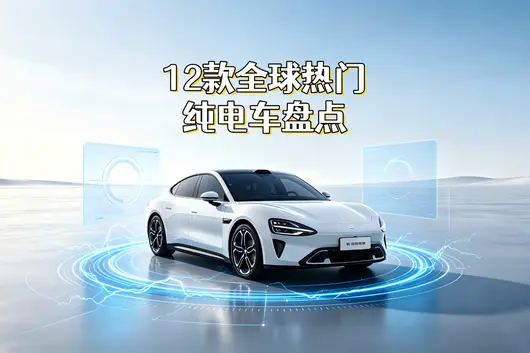
Combining 2026 global pure electric SUV pricing and delivery statistics from various regions, it can be seen that in overseas developed areas with well-established charging infrastructure, high fuel usage costs, and continuous implementation of new energy-related supporting policies, multiple models with higher terminal pricing have all seen year-on-year sales growth. The price level of the vehicle model cannot directly determine the delivery scale of the regional market.
1. Mature Markets in Europe and America: High-Priced Models Continue to Scale, Usage Ecosystem Affects Market Performance
Tesla Model Y is a mid-size 5-seater pure electric SUV. It adopts the brand's exclusive pure electric architecture, providing rear-wheel drive and all-wheel drive power versions. CLTC range interval 554-821km. European region adopts WLTP cycle for range calibration. It has multiple full vehicle production bases overseas. German market equivalent to 310,000 RMB, Norway equivalent to 280,000 RMB, UK equivalent to 380,000 RMB. First 5 months of 2026, German market sales volume for this model changed year-on-year by 173%, Norway cumulative registration 8,845 units, UK registration volume exceeded 6,000 units. Nordic region public charging facility coverage is relatively wide, pure electric models maintain a stable proportion in the local family car selection list. Users purchasing cars comprehensively reference multiple dimensions such as usage costs, charging conditions, and vehicle prices.

Skoda Elroq is developed based on the Volkswagen MEB platform, positioned as a compact home pure electric SUV. It provides 55kWh, 63kWh, 82kWh three battery configurations, optional rear-wheel drive, all-wheel drive power formats. WLTP cycle maximum range 581km, body dimensions adapt to multi-member family travel needs. Germany is the main sales area for this model. January to May cumulative registration 16,800 units, year-on-year change amplitude 142%, it has multiple times topped the German pure electric car monthly sales list. The model's German market pricing equivalent to 293,000 RMB, Spain market pricing relatively lower by nearly 90,000 RMB. Product positioning and Tesla, Chinese brand mid-size pure electric SUVs are in the same price range.

Volkswagen ID.4 is also built relying on the MEB modular pure electric platform, supports rear-wheel drive, all-wheel drive version selection. WLTP range standard adapts to European all-region travel scenarios. Germany is still the model's largest single global market. First 5 months registration 8,685 units, year-on-year change amplitude -31.7%. UK, Norway, Denmark, Sweden and other traditional sales regions simultaneously saw sales declines. Australia, Spain, Netherlands regions delivery volume increased year-on-year. Australia market increase 455.7%. Previously the local market was long subject to full vehicle production capacity, export quota restrictions, consumer demand existed backlog. Currently this model faces Chinese brand pure electric models market diversion on one hand, on the other hand affected by brand internal fuel, hybrid models user diversion.

Kia EV3 small pure electric SUV based on E-GMP derived 400V platform. Equipped with 58.3kWh standard range, 81.4kWh long range two sets of batteries. Full series front-engine front-wheel drive layout. Long range version WLTP range max 604km. Regional market sales trends show obvious distinctions. Germany, UK market monthly registration volume maintained flat interval, new energy subsidy withdrawal, regional high interest rate environment restricted sales growth space. Netherlands, Norway, Denmark Nordic region market registration volume declined, early phase subsidies released market demand ahead of schedule, after policy tightening market entered adjustment cycle. Australia electrification process continues steadily, small SUV category fits local consumption choices, registration volume steadily increased. Spain market entry terminal price approx 20,000 Euros, relying on pricing adjustments to gain market share. Latin America, Middle East markets affected by import/export tariffs, exchange rate fluctuations, model pricing and monthly delivery volume fluctuation amplitude large. Regional market trends and local new energy support policies high correlation.
Leapmotor, XPeng, Deepal, Chery subsidiaries multiple models completed European multiple country channel layout. Each region terminal pricing generally higher than domestic market guide price. Products equipped with 800V high voltage fast charging, intelligent driving hardware etc. configurations as regional market sales support conditions.
2. Chinese Brands European Layout: Pricing Higher Than Domestic, Relying on Product Parameters to Expand Channels
Leapmotor B10 EV compact pure electric SUV equipped with brand exclusive B platform. Provides 800V silicon carbide high voltage architecture option. Equipped with 69.7kWh Lithium Iron Phosphate battery. CLTC cycle max range 610km. Rear-motor rear-wheel drive layout. Wheelbase 2735mm. 30%-80% power fast charge time approx 16 minutes. German market equivalent to 235,000 RMB, first 5 months registration 1,530 units. UK market equivalent to 285,000 RMB, same period registration 1,423 units. Product simultaneously launched European multiple country sales channels.

XPeng G6 mid-size pure electric SUV equipped with full-domain 800V high voltage platform. Divided into rear-wheel drive, all-wheel drive versions. CLTC cycle range max 700km and above. Sales channels cover Germany, Spain, UK, Ireland. First 5 months of 2026, Germany sales year-on-year change 263%, Spain year-on-year change 430%, UK year-on-year change 1289%, Ireland year-on-year change 333%. German market equivalent to 341,000 RMB, UK equivalent to 362,000 RMB, Switzerland market starting price exceeded 370,000 RMB. Overseas terminal prices higher than domestic. Brand continuously expands European offline stores and maintenance networks.

Deepal S07 mid-size pure electric SUV provides pure electric, extended range two power forms. Overseas each region pricing benchmark same-level mid-size pure electric SUV. UK 39,990 GBP, Australia 47,990 AUD, Spain 39,999 EUR, Italy entry price close to 45,000 EUR. Price located at local mid-size new energy passenger car high-middle configuration interval. Australia market sales volume year-on-year growth five times. Thailand as early overseas area, current period sales year-on-year change -26.8%. Regional similar model launch quantity increase, industry competition intensity rise.

Omoda 5 EV compact pure electric SUV is Chery global model. Body dimensions adapt to city commute use. Providing standard range version. First 5 months of 2026 overseas total registration 4,675 units. UK single market registration 2,340 units, accounting for overseas total sales near 50%. Year-on-year change 61.9%. UK market equivalent to RMB nearly 300,000. Compare Indonesia, Thailand market price difference approx 150,000 RMB. UK has no EU regional tariffs, belongs to Chery key channel construction regions. Current sales sources concentrated in UK. Germany, Spain channels in expansion stage.
Australia implements electric car FBT tax reduction, salary package car purchase etc. policies. Regional fuel prices long-term exist fluctuations. Usage cost differences affect user selection tendencies. Multiple models local market registration volume appear multiple times year-on-year change. Become each brand overseas main incremental regions.
3. Australia Market Full Bloom: Multiple Models Synchronous Growth, Policy Adjustments Affect Demand Release
BYD Sealion 7 EV mid-size pure electric SUV equipped with second generation Blade Battery. Australia is this model's global largest overseas market. First 5 months registration 7,786 units. Year-on-year change 297%. Local starting price equivalent to 260,000 RMB. Vehicle range, configuration, warranty standards and Tesla Model Y form same interval comparison. UK market current period sales year-on-year change 888%. Thailand, Indonesia etc. Southeast Asia regions registration volume appeared decline. Each brand overseas resource placement focus gradually toward Australia, Europe regions tilting.

Zeekr 7X mid-size pure electric SUV full series equipped with 800V high voltage platform. Equipped with 75kWh, 103kWh two sets of batteries. Divided into rear-wheel drive, dual-motor all-wheel drive versions. WLTP cycle range interval 480-615km. Australia is this model's overseas registration volume highest market. First 5 months registration 3,664 units. Norway, Sweden, Denmark electrification penetration rate high. Sales volume year-on-year change amplitude large. But overall registration volume limited. Brazil, Switzerland, Colombia market terminal pricing equivalent to 500,000 to 600,000 RMB. Benchmark local luxury fuel SUV. Current period market registration scale low. Belongs to brand overseas high-end market test placement.

Geely EX5 compact pure electric SUV adopts front-engine front-wheel drive layout. Range parameters adapt to city commute scenarios. Entered Australia sales channels in 2025. First 5 months of 2026 local registration 4,453 units. Year-on-year change 335%. Starting price equivalent to 200,000 RMB. Relying on local electric car tax fee reduction policies, this model annual registration volume exceeds multiple overseas traditional automakers launched pure electric products.
Southeast Asia region user car purchase budget interval low. Model entry pricing, local new energy industry support policies jointly catalyze regional single market hot models. Market operation logic and Europe, Australia high-price markets exist obvious distinctions.
4. Southeast Asia Differentiated Track: Affordable Models Regional Proportion High, Industrial Policies Continuously Landing
Jaecoo E5 compact pure electric SUV equipped with 61.1kWh Lithium Iron Phosphate battery. Front-engine single motor drive. WLTP cycle range approx 400km. Adapt to Southeast Asia city commuter scenarios. Indonesia is this model's core sales region. First 5 months cumulative registration nearly 14,000 units. Regional pure electric model registration volume ranked first. Total registration volume is twice the second-ranked model's. Local starting price equivalent to 118,000 RMB. Indonesia implements electric car tax burden reduction, car purchase incentives etc. policies. Continuously introduce Chinese automakers local plant building. New energy industry supporting measures continuously updated. This model simultaneously launched Thailand, Australia, UK channels. Each region registration volume lower than Indonesia.
SummaryCombining 12 models 2026 first 5 months each region pricing, registration data and vehicle basic parameters can draw uniform market characteristics: Charging supporting complete, fuel usage cost high, new energy supporting policies stable landing developed regions. Even if model terminal pricing high, registration volume can still maintain year-on-year increase. Southeast Asia affordable models only adapt local consumption budget interval, difficult to complete cross-region market synchronous scaling.
12 models cover small, compact, mid-size pure electric SUV sub-categories. Respectively equipped MEB, E-GMP, 800V high voltage, brand exclusive pure electric architecture etc. technical platforms. On range, body dimensions, product positioning form distinctions. Overseas pure electric model registration volume not decided by single price factor. Regional charging supporting, energy prices, support policies, vehicle hardware parameters all will produce effect on market performance. Current stage major automakers overseas channel expansion, model placement planning. More tilt toward Europe, Australia etc. electrification mature markets.

結合 2026 年全球純電動 SUV 各地定價、交付統計數據可以看到,充電配套設施完善、燃油使用成本偏高、新能源相關配套政策持續落地的海外發達區域,多款終端定價偏高的車型均出現銷量同比上漲情況,車型售價高低,無法直接決定區域市場交付規模。
一、歐美成熟市場:高價車型持續放量,使用生態影響市場表現
特斯拉 Model Y 為中型五座純電動 SUV,採用品牌專屬純電動架構,提供後驅、四驅兩種動力版本,CLTC 工況續航區間 554-821km,歐洲地區採用 WLTP 工況進行續航標定,海外設有多處整車生產基地。德國市場折合人民幣 31 萬元,挪威折合 28 萬元,英國折合 38 萬元。2026 年前 5 個月,德國市場該車型銷量同比變化幅度 173%,挪威累計登記 8845 台,英國登記量超 6000 台。北歐區域公共充電設施覆蓋範圍較廣,純電動車在當地家用作選購清單中佔比穩定,用戶購車會綜合參考用車成本、補能條件、車輛售價等多項維度。
斯柯達 Elroq 基於大眾 MEB 平台開發,定位緊湊型家用純電動 SUV,提供 55kWh、63kWh、82kWh 三種電池配置,可選後驅、四驅動力形式,WLTP 工況最長續航 581km,車身尺寸適配多成員家庭出行需求。德國為該車型主要銷售區域,1 至 5 月累計登記 1.68 萬台,同比變動幅度 142%,曾多次登上德國純電動車月度銷量榜單。該車型德國市場定價折合 29.3 萬元,西班牙市場定價較低近 9 萬元,產品定位與特斯拉、中國品牌中型純電動 SUV 處於同一價格區間。
大眾 ID.4 同樣依托 MEB 模塊化純電動平台打造,支持後驅、四驅版本選擇,WLTP 續航標準適配歐洲全域出行場景。德國依舊是該車型全球最大單一市場,前 5 個月登記 8685 台,同比變動幅度 -31.7%,英國、挪威、丹麥、瑞典等傳統銷售區域同步出現銷量下滑。澳大利亞、西班牙、荷蘭區域交付量同比上升,澳大利亞市場增幅 455.7%,此前當地市場長期受整車產能、出口配額限制,消費需求存在積壓。當前該車型一方面面臨中國品牌純電動車市場分流,另一方面受到品牌內部燃油、混動車型用戶分流影響。
起亞 EV3 小型純電動 SUV 基於 E-GMP 衍生 400V 平台,配備 58.3kWh 標準續航、81.4kWh 長續航兩組電池,全系前置前驅佈局,長續航版本 WLTP 續航最高 604km,各區域市場銷量走勢存在明顯區分。德國、英國市場月度登記量維持平穩區間,新能源補貼退坡、區域高利率環境制約銷量增長空間;荷蘭、挪威、丹麥等北歐區域市場登記量回落,早期階段性補貼提前釋放市場需求,政策收緊後市場進入調整週期;澳大利亞電動化進程持續推進,小型 SUV 品類貼合當地消費選擇,登記量穩步提升;西班牙市場入門終端售價約 2 萬歐元,依靠定價調整獲取市場份額;拉美、中東市場受進出口關稅、匯率波動影響,車型定價與月度交付量波動幅度較大,區域市場走勢與當地新能源扶持政策關聯度較高。
零跑、小鵬、深藍、奇瑞旗下多款車型完成歐洲多國渠道鋪設,各區域終端定價普遍高於國內市場指導價,產品搭載 800V 高壓快充、智能駕駛硬件等配置,作為區域市場銷售支撐條件。
二、中國品牌歐洲佈局:定價高於國內,依托產品參數拓展渠道
零跑 B10 EV 緊湊型純電動 SUV 搭載品牌專屬 B 平台,提供 800V 碳化矽高壓架構選裝,搭載 69.7kWh 磷酸鐵鋰電池,CLTC 工況最高續航 610km,置後後驅佈局,軸距 2735mm,30%-80% 電量快充用時約 16 分鐘。德國市場折合人民幣 23.5 萬元,前 5 個月登記 1530 台;英國市場折合 28.5 萬元,同期登記 1423 台,產品同步投放歐洲多國銷售渠道。
小鵬 G6 中型純電動 SUV 搭載全域 800V 高壓平台,分後驅、四驅版本,CLTC 工況續航最高 700km 以上,銷售渠道覆蓋德國、西班牙、英國、愛爾蘭。2026 年前 5 個月,德國銷量同比變動 263%,西班牙同比變動 430%,英國同比變動 1289%,愛爾蘭同比變動 333%。德國市場折合 34.1 萬元,英國折合 36.2 萬元,瑞士市場起售價超 37 萬元,海外終端售價高於國內,品牌持續擴充歐洲線下門店與維保網點。
深藍 S07 中型純電動 SUV 提供純電、增程兩種動力形式,海外各區域定價對標同級中型純電動 SUV,英國 39990 英鎊、澳大利亞 47990 澳元、西班牙 39999 歐元、意大利入門售價接近 45000 歐元,價格處於當地中型新能源乘用車中高配區間。澳大利亞市場銷量同比增長五倍,泰國作為早期出海區域,當期銷量同比變動 -26.8%,區域內同類車型投放數量增加,行業競爭強度上升。
Omoda 5 EV 緊湊型純電動 SUV 為奇瑞全球化車型,車身尺寸適配城市通勤使用,提供標準續航版本。2026 年前 5 個月海外總登記 4675 台,英國單一市場登記 2340 台,佔海外總銷量近五成,同比變動 61.9%。英國市場折合人民幣近 30 萬元,對比印尼、泰國市場價差約 15 萬元。英國無歐盟區域關稅,屬於奇瑞重點渠道建設區域,當前銷量來源集中於英國,德國、西班牙渠道處於拓展階段。
澳大利亞落地電動車 FBT 稅收減免、薪資打包購車等相關政策,區域燃油價格常年存在浮動,用車成本差異影響用戶選購傾向,多款車型當地市場登記量出現倍數級同比變化,成為各品牌海外主要增量區域。
三、澳洲市場全面爆發:多車型同步增長,政策調整影響需求釋放
比亞迪 Sealion 7 EV 中型純電動 SUV 搭載第二代刀片電池,澳大利亞為該車型全球最大海外市場,前 5 個月登記 7786 台,同比變動 297%,當地起售價折合 26 萬元,車輛續航、配置、質保標準與特斯拉 Model Y 形成同區間對照。英國市場當期銷量同比變動 888%,泰國、印尼等東南亞區域登記量出現回落,各品牌海外資源投放重心逐步向澳大利亞、歐洲區域傾斜。
極氪 7X 中型純電動 SUV 全系搭載 800V 高壓平台,配備 75kWh、103kWh 兩組電池,分為後驅、雙電機四驅版本,WLTP 工況續航區間 480-615km。澳大利亞為該車型海外登記量最高市場,前 5 個月登記 3664 台;挪威、瑞典、丹麥電動化滲透率偏高,銷量同比變動幅度較大,但整體登記體量有限;巴西、瑞士、哥倫比亞市場終端定價折合 50 至 60 萬元,對標當地豪華燃油 SUV,當期市場登記規模偏低,屬於品牌海外高端市場測試投放。
吉利 EX5 緊湊型純電動 SUV 採用前置前驅佈局,續航參數適配城市通勤場景,2025 年進入澳大利亞銷售渠道,2026 年前 5 個月當地登記 4453 台,同比變動 335%,起售價折合 20 萬元。依托當地電動車稅費減免政策,該車型年度登記量超過多款海外傳統車企推出的純電動產品。
東南亞區域用戶購車預算區間偏低,車型入門定價、當地新能源產業扶持政策共同催生區域單一市場熱門車型,市場運行邏輯與歐洲、澳大利亞高價市場存在明顯區分。
四、東南亞差異化賽道:平價車型區域佔比偏高,產業政策持續落地
Jaecoo E5 緊湊型純電動 SUV 搭載 61.1kWh 磷酸鐵鋰電池,前置單電機驅動,WLTP 工況續航約 400km,適配東南亞城市代步場景。印尼為該車型核心銷售區域,前 5 個月累計登記近 1.4 萬台,區域純電動車登記量排名首位,總登記量為第二名車型兩倍以上,當地起售價折合 11.8 萬元。印尼實施電動車稅負下調、購車激勵等政策,持續引進中國車企本地建廠,新能源產業配套扶持措施持續更新,該車型同步投放泰國、澳大利亞、英國渠道,各區域登記體量低於印尼。
總結綜合 12 款車型 2026 年前 5 個月各區域定價、登記數據與車輛基礎參數可以得出統一市場特徵:充電配套完善、燃油使用成本高、新能源配套政策穩定落地的發達區域,即便車型終端定價偏高,登記量仍可保持同比上升;東南亞平價車型僅適配本地消費預算區間,難以完成跨區域市場同步放量。
12 款車型覆蓋小型、緊湊型、中型純電動 SUV 細分品類,分別搭載 MEB、E-GMP、800V 高壓、品牌專屬純電動架構等技術平台,在續航、車身尺寸、產品定位上形成區分。海外純電動車登記量不由單一售價因素決定,區域補能配套、能源價格、扶持政策、車輛硬件參數均會對市場表現產生作用。現階段各大車企海外渠道拓展、車型投放規劃,更多向歐洲、澳大利亞等電動化成熟市場傾斜。

【CNMO科技消息】近日,“易车榜”发布了2026年上半年中国香港地区畅销车排名,私家车新车首次登记数据显示:轿车前3名分别为特斯拉Model 3 2532辆、埃安UT 1195辆、埃安S 886辆;SUV前3名分别为特斯拉Model Y 3273辆、极氪7X 2134辆、海狮07EV 1978辆;MPV前3名分别为腾势D9 1126辆、极氪009 682辆、大家7 514辆。其中,Model Y的销量令人眼前一亮。

特斯拉Model Y
SUV榜显示,Model Y以3273辆的成绩排名第一,极氪7X以2134辆的成绩位列第二,海狮07EV以1978辆的成绩排名第三,比亚迪元UP、小鹏G6、丰田铂智3X、纳米06以1971辆、1422辆、1394辆、1278辆分列第四、五、六、七名,埃安V、smart精灵#5、阿维塔07也进入前十,不过销量未满1000辆。

CNMO科技了解到,Model Y是特斯拉旗下的中型纯电动SUV。在2023年至2025年,Model Y连续三年位居全球乘用车销量榜首,超越所有燃油、纯电及混动竞品。截至2026年3月,特斯拉Model Y全球累计销量已突破400万辆。