


首頁Mazda6

搜尋歷史
熱門搜尋
經銷商登入 / 註冊

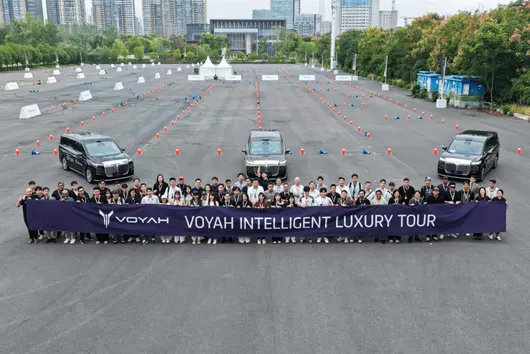
September 21, the 'Lantu Intelligent & Prestige Tour' themed event officially kicked off in Wuhan. Overseas media representatives from Southeast Asian countries including Singapore, Thailand, Malaysia, Indonesia, and others gathered at the venue, entered the Lantu production base, personally experienced high-end new energy models such as the Lantu Dreamer 9, and closely felt the hardcore strength of Chinese intelligent manufacturing and the new layout of Lantu's global development.

During the event, the overseas media tour group visited the Lantu Golden Factory, immersively experiencing the intelligent flexible manufacturing system. Inside the final assembly workshop, automated material conveying equipment and AGV robots operated in an orderly manner. Digital screens presented the full-process digital archives of every vehicle from component assembly to finished product delivery in real time. The vehicle's exclusive 'digital ID card' enabled full-link traceability of production, causing overseas media to repeatedly praise the development speed of China's automotive industry.
Empowered by technologies such as 5G, Big Data, and AI, the Lantu Golden Factory can achieve mixed-flow customized production of multiple models including sedans, MPVs, and SUVs. Currently, the Golden Factory and Yunfeng Factory collaborate on dual lines, with a total annual production capacity reaching 450,000 vehicles. On average, a whole vehicle can be completed and delivered every 40 seconds. Powerful manufacturing capabilities have built a solid foundation for Lantu products to go global. In the Golden Kou Factory Full-Function User Center with an area exceeding 30,000 square meters, the media delegation also experienced Lantu's direct sales service system covering the entire lifecycle of car selection, purchasing, maintenance, and recharging. Overseas media showed strong interest in this complete user operation model and look forward to the service model landing in the Southeast Asian market.

As a core highlight of this event, the Lantu Dreamer 9, which will be launched globally on September 22, has attracted much attention from overseas media. This new era flagship MPV blends Eastern aesthetics with cutting-edge intelligent technology. Within 48 hours of the pre-sale opening, small order bookings exceeded 30,000 units. The top-spec Prestige Edition accounted for more than 50%. Existing Lantu user upgrade and swap orders exceeded 20,000 units. It received a warm market response before the official launch. Overseas media sat in the Dreamer 9 cabin, personally experiencing the 'One Cabin Eight Scenarios' space design. The second-row zero-gravity seats support 180-degree multi-angle rotation, easily switching between business office, rest and relaxation, and travel scenarios. The luxury cabin experience received widespread praise. The visiting group also test drove Lantu Zhuiguang S, Lantu Taishan X8, and other models to fully understand Lantu's 'SUV+MPV+Sedan' complete product matrix.

Adhering to full-stack self-research of core technologies such as the 'Three-Electric' systems, intelligent cockpits, and intelligent driving, Lantu has built independent and controllable capabilities across the entire value chain. The brand's user scale has surpassed 400,000. Facing the global market, Lantu's globalization strategy continues to accelerate. It has now entered 40 countries and regions globally, with overseas sales outlets exceeding 240. Implementing the three major directions of 'deeply cultivating Europe, deploying in the Middle East, and entering right-hand drive markets', right-hand drive vehicle preparation work is progressing in an orderly manner, continuously expanding the overseas footprint.
This trip by overseas media to Wuhan was both a field test of Lantu's product strength and intelligent manufacturing capability, and also a vivid microcosm of China's automotive industry moving from product output to value output. Relying on self-researched technology, an advanced manufacturing system, and a high-standard service system, Chinese new energy vehicle brands represented by Lantu, carrying a new expression of Chinese luxury automobiles, are establishing a new benchmark for Chinese intelligent manufacturing in the global automotive market.

喺馬來西亞嘅 SUV 市場,好多買家喺揀車嘅時候都會拿 Honda WR-V 同 Kia Sportage 嚟做比較。呢兩款車喺價位同定位上都幾接近,今日我哋就從多個方面做一個詳細嘅比較,幫你省下做功課嘅時間。
Honda WR-V 喺馬來西亞嘅 OTR 售價係 RM 89,900 - 107,900,一總有 4 個版本,包括 2023 1.5L V(RM 99,900)、2023 1.5L E(RM 95,900)、2023 1.5L S(RM 89,900) 等等。
Kia Sportage 喺馬來西亞嘅 OTR 售價係 RM 129,639 - 179,320,一總有 4 個版本,包括 2025 1.6T DCT 4WD High(RM 179,320)、2025 1.6T DCT 2WD High(RM 159,320)、2025 2.0L AT 2WD High(RM 139,639) 等等。
從價錢嚟睇,Honda WR-V 嘅起步價確實比 Kia Sportage 平咗 RM 39,739。如果你預算有限,Honda 嘅入門版已經可以满足日常需要。但都要留意,平嗰幾千蚊,可能喺配備上會有取舍,具體要睇你嘅需要。

Honda WR-V 搭載 1.5L 4-cyl,馬力 105 hp。官方油耗 6.0 L/100km。
Kia Sportage 搭載 1.5L Turbo,馬力 140 hp。官方油耗 7.0 L/100km。
動力方面,Kia Sportage 嘅 1.5L Turbo 比 Honda WR-V 嘅 1.5L 4-cyl 多咗 35 匹馬力。唔過日常喺市區開,兩款車嘅動力都夠用,唔會覺得唔夠力。

Honda WR-V 保用 5 年/無限里程,保養間隔 每 10,000km 或 6 個月。
Kia Sportage 保用 5 年/300,000km,保養間隔 每 10,000km 或 6 個月。

Honda WR-V 同 Kia Sportage 都係馬來西亞市場嘅主流選擇,適合家庭使用、日常通勤。如果你更睇重品牌口碑同二手價,可以優先考慮口碑更好嗰一款;如果你更在意性價比同配備,那就揀配置更豐富嗰款。最後都建議兩款都去試駕,親身體驗先係最重要嘅。

總嚟計,Honda WR-V 同 Kia Sportage 都係馬來西亞市場幾唔錯嘅車型。揀邊一輛,關鍵都要睇你嘅個人需要同預算。建議大家做好功課,多比較幾間車行嘅報價,再嚟試駕做最後決定。買車係件大事,花少少時間做功課絕對唔會錯。



8月17日,吉利汽车控股有限公司(0175.HK)宣布管理层调整。“自8月18日起,李书福先生辞任吉利汽车控股有限公司董事会主席及执行董事职务,获任为公司终身荣誉主席”。“安聪慧先生获任吉利汽车控股有限公司董事会主席”。“李东辉先生辞任董事会副主席职务,继续担任执行董事”,“桂生悦先生辞任吉利汽车控股有限公司行政总裁,获任董事会副主席”,“淦家阅先生获任吉利汽车控股有限公司行政总裁,负责公司日常运营”。消息一出,引发一片关注。
怎么看吉利的这一次重大人事及组织架构变化、调整,一定会带出一波舆情。其中最受大家关心的是李书福是否“退”了?仔细看此次吉利汽车控股有限公司的公告,就可得知,“作为公司主要及控股股东,他仍将继续全力支持公司长远发展,李书福仍继续担任浙江吉利控股集团董事长。”原来,李书福的“退”是为了让吉利汽车控股有限公司作为一个上市公司真正实现了现代企业治理结构的转变,让外界对过去一段时间来“做强一个吉利”而做出的一系列调整有了清晰的理解和认知。过去一段时间,李书福多次提过这样的“退”,很多人以为只是说说,这次他真的这么做了。
吉利汽车是李书福几十年打拼一步一步做到今天,成为了中国自主品牌汽车标志性企业。当年为了能拿到造车“准生证”,喊出了“给我一次失败的机会”,他是推动中国汽车产业管理创新实践的不可忽视的参与者;并购沃尔沃一时轰动全球,让中国汽车从此让世界刮目相看;参股戴姆勒奔驰以及一系列的国际化布局,更让人看到李书福心中“让吉利汽车跑遍全世界”“让世界充满吉利”不是一句空话。2025年,在全球汽车集团销量集团排行榜上,吉利控股首次突破400万,成为全球第八位,是前十位中增速最高的集团。进入新汽车时代,吉利在新能源、智能化领域全力推进,极氪、领克、银河全面发力,成为市场领跑者的同时,也让大家对未来充满期待。吉利汽车控股有限公司在香港上市21个年头,股价从当初的0.4港元到上周(8月12日)的18.06港元,市值从2005年的16亿港元,到今天的1948亿港元;每年坚持分红,从一年的4千万港元,到今天的54亿港元,公司从资本市场融资的金额远远少于分红给股东的金额。李书福和他的吉利几十年历程很不容易,很了不起。
在外界看来,李书福是汽车行业的代表性人物,是一个非常成功的企业家。特别是李书福对全球汽车行业的独到见解让人佩服。20年前,一句“四个轮子两个沙发”、“通用、福特早晚会关门”,很多人记忆犹新,今天看还真的逐渐应验了。李书福的成功一定来源于他的睿智。他的一言一行、一举一动都是他站得高、看得远、勤想“事”、想大“事”的结果。记得并购沃尔沃初期,在与外方团队交流采访时发现,“老外”们很在意李书福有多少钱。我跟他们说“千万别仅仅把李书福当作一个投资人”,他的格局和想法一定会超出汽车,是未来沃尔沃发展难得的财富。这样的对李书福的认识,一定要成为今天怎么看李书福辞任吉利汽车控股有限公司董事会主席这件事的一个重要的出发点。
说实在的,当我今天看到这个消息时一点也不觉得突然。这是李书福迟早要做的事。大家可能还记得2024年9月,书福公开课现场正式对外发布“台州宣言”。它是“一个吉利”战略的总纲领,终结过去几十年“多生孩子好打架”的扩张思路,从“追求规模做大”转向体系做强。核心突出“五大战略”:战略聚焦、战略整合、战略协同、战略稳健、战略人才。形象化比喻,过去:多个品牌各自独立赛马,允许内部竞争抢市场、把饼做大再说;现在:一个吉利一盘棋,划清品牌定位、合并资源、消除内耗,追求利润与质量优先,不再单独堆销量。此后外界的确看到了变化。极氪做30万以上高端;领克20万-30万;银河、吉利品牌做主流家用,避免产品价格带相互打架。极氪私有化退市,领克并入极氪科技集团;推动业务资产归集港股吉利汽车控股有限公司(0175.HK);李书福退出国内各业务子公司工商岗位,把日常经营交给新一代管理层。但很少有人注意到五大战略中“战略人才”中提到了完成管理代际过渡、搭建人才梯队。
如果“台州宣言”大家对“管理代际过渡”的提法没有“敏感”的话,两个月前重庆论坛上李书福的视频讲话,外界似乎感觉到点什么了。他开场就说,“企业与人一样需要精气神,要充满生机活力,并且要具备代际传承能力”、“精气神源自于正确的价值观取向”。他特别强调了传承,就是要把企业的核心价值观、管理制度、治理体系,有效、完整地传给下一代掌舵人及全体管理成员。甚至说出了他心目中“传承人”的画像:“在复杂多变的世界里始终保持创业的激情、创新的热情,始终坚持打基础练内功,坚持追求真理、尊重科学,实事求是,坚持不做亏心事、不讲鬼话;坚持遵守道德底线、法律高压线;坚持遵守商业规范、职业操守,为商业文明进步,为提高用户消费体验尽心尽力。”他进一步阐述了如何实现良好传承的规划,特别提到“台州宣言 ”就是要让“一个吉利”从战略共识,全面转化为体系优势、治理优势、全球生存力优势。其实,重庆论坛讲话,李书福的想法和办法说得非常明白了。但外界包括舆论场只将之解读为李书福要“交权”、“退位”,甚至还有人问,李书福是让儿子还是闺女接班?记得很多年前,我曾经也开玩笑地问过他这个问题,得到的回答是,有本事的人放在哪都行,没本事的人专门给他放在那也不行。看得出来,对于让子女接班这个问题,李书福早就有明确的答案了。
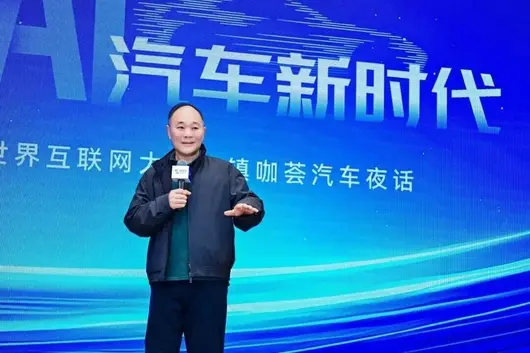
 李书福在2025世界互联网大会乌镇咖荟·汽车夜话活动上发表演讲
不知道大家注意到了没有,就在刚刚结束的吉利汽车2026年中期业绩发布会上,李书福说到了他这次辞任吉利汽车控股有限公司董事会主席的理由,“汽车产业是没有尽头的马拉松,企业传承与价值观取向决定企业的可持续发展能力,人是企业文化传承、价值观取向的核心要素,人力资源是企业的第一资源,人才战略是吉利战略的基础性战略。”这其中反复提到了人才的重要性。这让我想起了去年在由我们寰球汽车主办的世界互联网大会乌镇咖荟·汽车夜话活动上,李书福上台即兴讲到了企业的元动力问题、讲到了怎么让人才脱颖而出的问题。在场的人听了觉得意外,似乎这与那场夜话主题关联不大。但在我看来,人才的问题一直是李书福考虑企业发展的核心。当年吉利刚刚起步,他就开始办学校,从最早的吉利工商学校(浙江汽车职业技术学院),到后来的吉利大学(吉利学院)、三亚学院等,曾经有领导在早期考察吉利后得出一个结论,吉利搞得好其中一个重要的特点在于“先搞学校、培养人才”。包括后来并购沃尔沃等一系列国际化的合纵连横,都与他一直以来认为的搞汽车一定要搞学校,要通过学校培养人才的初衷分不开来的。几十年来,吉利在办学校、培养人才方面投入了几百亿,培养出了大量的汽车专业人才,被媒体笑称吉利是许多新势力车企的“黄埔军校”。无论如何,吉利的人才队伍的培养与成长始终是李书福思考吉利如何发展时放在他心中最重要的位置;而且这也成为了吉利核心价值观和文化的一个重要的组成部分。
非常值得关注的是,此次吉利汽车控股有限公司新的“班子成员”,都是吉利集团一、二十年以上的“老人”了,特别像接任李书福成为吉利汽车控股有限公司董事长的安聪慧,以及负责公司日常运营的行政总裁淦家阅,他们都是从毕业后就在吉利工作,是吉利内部通过人才培养体系一步步成长起来的。他们都已是目前汽车行业中备受关注的精英人才了。他们的成长轨迹是扎扎实实的,每一步都与吉利的文化和价值观密不可分。既受吉利文化和价值观的熏陶,又是吉利文化和价值观的一部分。这样的双向契合一定是李书福放心“交棒”的一个重要原因。
民营企业的可持续传承已经是当下一大热门话题,迫切需要更多成功的案例。李书福今天让出了吉利汽车控股有限公司董事长的位置,毫无疑问会成为民营企业如何交棒传承的研究对象,我看好这件事并愿意为此多说几句,在于看到李书福和他的吉利在过去几十年对行业、企业、价值观、文化及人才体系建立的深思熟虑以及一步步践行的过程。从管理代际过渡到实现企业的良好传承,最终将吉利汽车控股有限公司全面完成现代企业制度的转变,这不是一般民营企业家所能做到的。值得为李书福称道。刚刚发布的吉利汽车控股有限公司2026年中期业绩让我们看到,在整个行业竞争异常惨烈的背景下,公司总营收创下了历史新高。这是李书福推动“一个吉利”战略调整的最好答案,可以让大家对吉利的明天充满信心,致敬李书福!

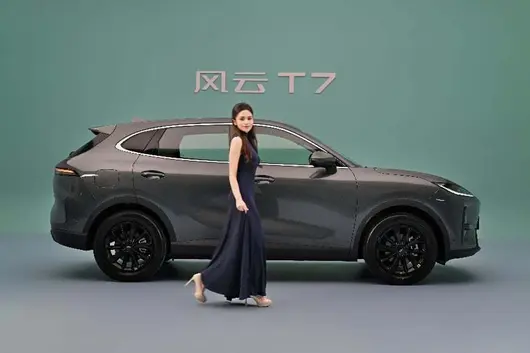
“We planned for two years, developed for three years, to create the Fengyun T7 global pure electric SUV. A global car cannot be rushed; it requires slow work for fine results.”

On August 12, these words by Li Xueyong, Executive Vice President of Chery, at the Fengyun T7 pre-sale launch event, sounded somewhat "out of place" in the current Chinese automotive context.
18 months to launch a car has become industry standard
In the traditional fuel vehicle era, developing a new model usually took 3 to 5 years. Now, 16 to 18 months is the norm in China, some even 12 months. Industry average dropped from ~60 months to ~24 months.
"Fast" became the core competition dimension. In 2025, over 230 new cars launched densely. Toyota, Nissan, etc., express looking up to China, shortening R&D cycles.
But the cost of "fast" is showing. In the first 11 months of 2025, EV iteration dispute complaints surged nearly 82 times YoY, about 39,300 cases. Some brands compress cycles, deleting validation projects, putting users at risk.

In this context, controversy over "quick-build cars" came to the forefront. Xinhua News Agency issued a warning on quick-build cars, sparking online debate.
Chery's choice was to simply slow down.
Where did Fengyun T7's 5 years go?
Fengyun T7 started pre-research in 2022, polished for nearly 5 years—2 years planning, 3 years forward R&D.
Li Xueyong said: "These 4 years of Fengyun T7 spent on three places that cannot be fast—R&D cannot be fast, products need repeated polishing; Validation cannot be fast, reliability needs real scene testing; Global user co-creation cannot be fast, need to hear voices from different markets."
Let's look at R&D first. Fengyun T7 is not "domestic exclusive", but a global model developed according to global standards from the start. Chery ranks first in Chinese brand passenger car exports for 23 consecutive years, global users exceeding 20 million. Behind Fengyun T7 are 8 global R&D design centers collaborating, 5000+ global users in surveys, 15 typical countries visited deeply. Body uses 80% high-strength steel, 18.84% hot-formed steel, 9 cross 5 longitudinal cage body structure, benchmarking 2026 E-NCAP 5-star safety standards design, functional safety reaches ASILD highest level. These parameters are not drawn on PPTs, but built line by line of code and collision simulations by engineers.

Look at validation. 81 dedicated durability test cars on-road test simultaneously, total vehicle cumulative mileage over 6 million km, durability special test 1.45 million km. Test environments cover SE Asia rainy season, Middle East high temp exposure, Indonesia high humidity, etc. Covers 95% of global road types—Brazil high speed bump, Mexico cobblestone road, Germany highway high curvature bend, South Africa unpaved muddy road. Global environment adaptation range covers minus 40°C to 55°C.
What is the concept of 6 million km? 150 circles around the earth. If the pace of one car in 18 months, these validations would not be finished.
What comes out of "slow"?
When Fengyun T7 started pre-sale at 109,900 RMB to 129,900 RMB, many found this "slow" built car has no "slow" in product power.

Standard equipment 65.05kWh Rhino Battery, CLTC range all locked at 600km, actual test 667km+. In 100,000 RMB level pure electric SUV market, many competitors use low range version to lower starting price, consumers wanting "enough" range have to add money for high spec. Fengyun T7 directly cancelled this "choice anxiety".
Safety level, 9 airbags, including 48L dual chamber far-end airbag and rear side airbag. Rhino Battery IP68 waterproof reaches national standard 96 times. Chery also promises: If battery itself causes thermal runaway damage, compensate with same model new car. This "backing" posture is rare in the industry.
Intelligence aspect, 4nm process Qualcomm SA8775 Cockpit Driving integrated chip, 72 TOPS computing power, 15.6 inch 2.5K large screen. Falcon 500 Driving assistance system equipped with 22 high precision sensors, supports 300+ scenarios automatic parking. These configurations placed in 100,000 RMB level, competitiveness is real.
Behind these product powers is 2 years planning, 3 years forward R&D investment. In other words, Fengyun T7 did not "steal time" in any key link.

When everyone rushes forward, isn't the person who dares to stop and fix the road more worthy of respect?
Fengyun T7's most special place is its launch path—run around the globe first, then return to domestic. Homologous model Lepas L6 has pre-sold in South Africa, launched in Thailand, next enter EU, Aus/NZ, UK, etc. markets. This is not a car made in domestic first then try to sell abroad, but a product from project initiation that followed global standards, validated around the globe, and returned to domestic with real feedback from overseas markets.
Southeast Asia rainy season forced engineers to consider water wading and sealing, Middle East exposure tested material aging and infotainment system cooling, Nordic low temp amplified thermal management issues. World's complex road conditions and extreme climate, pre-check problems for Chinese consumers. Use time to exchange reliability, use global validation to exchange user trust—this is "slow" commercial value.
Writing at the end:
Back to the initial question.
Industry average development cycle compressed from 60 months to 24 months, some brands take 18 months even 12 months as normal, Chery uses 5 years to polish one car, is this "falling behind the pace"?

Answer perhaps depends on how you define "competitiveness".
If competitiveness equals "speed to seize market window", then 5 years is indeed too slow. But if competitiveness equals "reliability of a car after 10 years". 5 years, might be just right.
In this era where "speed is invincible", Fengyun T7 itself is an attitude.
And attitude, sometimes is the hardest competitiveness.
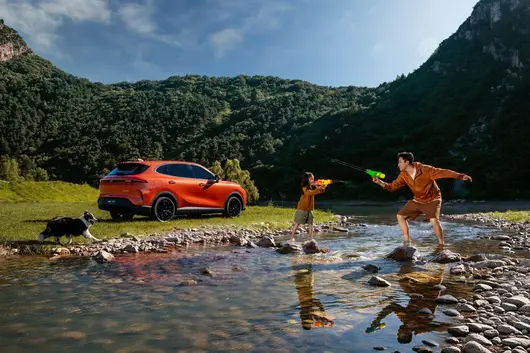

8 月 12 日,奇瑞風雲全新全球品質純電 SUV 風雲 T7 開啟全國預售,發布會以「慢功造好車,久等咗」為主題,傳達奇瑞長期主義造車初心。倚靠 23 年全球化技術積澱,風雲 T7 拒絕速成造車,採用反向出海試煉模式,以全鏈路全球嚴苛標準打磨整車,對標 2026 版 E-NCAP 五星安全標準打造,圍繞顏值、安全、出行、智能、舒享、安心六大家庭剛需,全面覆蓋通勤、遠途、戶外、多人出遊多元用車場景。新車推出 600km 悅享版、600km 舒享版、600km 智享版三款配置,預售指導價 10.99 萬 - 12.99 萬元,支付 1000 元訂金即可解鎖七大預售專屬權益。

全球美學設計,長效質感兼顧東方雅韻
風雲 T7 由奇瑞全球 10 大設計中心、5000 餘名用戶全程共創,同源車型 Lepas L6 登陸米蘭設計週收穫國際認可,融合全球簡約審美與東方雅致氣韻。外觀搭載馭風前臉、風塑綢緞流線車身、天際霞光貫穿尾燈,空氣動力學優化兼顧顏值與續航;提供熾焰橙、山煙紫、云粉米、流光銀、青竹灰、墨石黑 6 款國風車色,漆面同步海外耐候標準,常年日曬不易失光褪色。
內飾提供溫暖黑棕、極夜黑曜兩種風格,雲翼環抱座艙鋪滿大面積軟包覆,搭配鵝卵石懸浮揚聲器、精緻菱格縫紉工藝;全車皮革、密封件、塑料件經過耐老化測試,長期使用不易硬化發白,質感持久在線。
全域五星安全防護,全球多路況極限試煉
作為對標歐洲五星安全標準的家用 SUV,風雲 T7 歷經 2 年策劃、3 年研發,投入 81 台專屬耐久車完成超 600 萬公里整車路試,145 萬公里專項耐久實測,針對東南亞雨季、中東高溫、印尼高濕等全球極端氣候完成全場景試煉。
車身採用 80% 高強度鋼 + 18.84% 熱成型鋼打造九橫五縱籠式結構,搭配 Shotgun 防撞結構、雙框副車架與專屬 Pack 防撞梁,9 條正面 + 6 條側面碰撞傳力路徑,最大化吸收撞擊能量;全系標配 9 安全氣囊,包含 48L 雙腔遠端氣囊與後排側氣囊,1987mm 超長側氣簾實現 A-C 柱全覆蓋,360° 守護車內乘員。
電池層面全系標配犀牛 6D 防護電池,多層立體結構抵禦穿刺、擠壓、衝擊;IP68 防水防護等級為國標 96 倍,無懼城市內澇、涉水路段,電芯通過超國標針刺測試,從根源規避熱失控風險。官方重磅推出動力電池安全兜底保障:電池自身故障引發整車熱失控,直接賠付同款新車。
全系 600km 續航平權,寬溫域出行無焦慮
風雲 T7 打破同級「高低配續航分層」潛規則,全系統一搭載 65.05kWh 大容量犀牛電池,CLTC 標準續航 600km,實測續航可達 667km,實現「反向虛標」。充電效率表現亮眼,30%-80% 快充僅需 20 分鐘,一杯咖啡時間即可補充 350 公里續航。
車輛搭載雙源寬溫域熱泵空調 + 高壓 PTC 制熱系統,-30℃至 55℃極端環境穩定工作,冬季制熱省電、夏季散熱高效;搭配 AGS 主動進氣格柵與 14 項低風阻優化設計,高低速能耗更均衡,南北方用戶均可放心長途出行。
駕艙一體高算力平台,智能座艙 + 高級智駕雙在線
風雲 T7 搭載 4nm 製程駕艙一體 8775 芯片,72TOPS 超高算力,系統響應僅 80ms,開機速度提升 33%,車機操作順滑無卡頓,實現座艙、智駕兩大域無縫協同。
智能座艙配備 15.6 英寸 2.5K 防眩光高清大屏,支持無線 CarPlay、HUAWEI HiCar、CarLink 全平台手機互聯;靈犀智艙 2.0 內置小奇同學、東北老姨、故事大王等六種擬人語音形象,搭載小憩、露營、寵物、醒神六大专屬場景模式,精準匹配家庭出行需求。
智駕層面搭載獵鷹 500 駕駛輔助系統,搭載 3 顆毫米波雷達、7 顆高清攝像頭、12 個超聲波雷達,合計 22 顆高精度感知硬件,支持 300 + 種全場景自動泊車,斷頭路泊車、跨樓層記憶泊車、100m 循跡倒車全部覆蓋,徹底解決家用車停車難題。同時官方提供智駕事故兜底保障:購車一年內,泊車、領航場景因輔助系統故障引發事故,最高賠付 500 萬元第三者與人傷損失。
越級寬適空間,大師底盤打造平穩駕駛
風雲 T7 車身尺寸 4570×1852×1694mm,軸距 2700mm,車內空間得房率 84%,後排純平地台帶來 911mm 同級領先腿部空間。常規後備箱容積 450L,後排座椅放倒拓展至 1550L,形成 1955mm 純平大牀,露營、自駕遊裝載能力拉滿;全車 38 處分層儲物空間,搭配 4 個 300kg 承重铆環、2 個承重掛鉤,戶外裝備可牢固固定。
座椅採用 9 層雲感填充材質,軟而不塌陷,標配通風、加熱雙功能:-20℃低溫環境下 5 分鐘升溫至 30℃,三檔吸風通風夏季唔悶汗。底盤由瑪莎拉蒂前底盤調校專家領銜國際化團隊打磨,50.8:49.2 黃金前後軸荷比,搭配奇瑞自研雙軸 K&C 試驗台調校,過彎穩定、直線循跡性出色,大幅抑制推頭、甩尾問題。
雙重終身權益加持,全週期用車零後顧之憂
為打消用戶長期用車顧慮,風雲 T7 推出兩大終身權益,疊加雙重事故兜底保障,覆蓋購車、用車全生命週期:

除此以外,預售 7 重禮包同步上線:6000 元專屬個性車色免費、1000 元訂金抵 2000 元車款、雙重兜底保障、雙重終身權益、優先提車權,全方位降低購車門檻。
從全球研發、全球設計、全球製造到全球路況驗證,風雲 T7 以長期主義精工造車,用同步海外的高標準、10 萬級親民定價,實現家用純電 SUV 品質平權。新車現已開啟全國預售,用戶可前往各地奇瑞風雲體驗中心預約試駕,一台兼顧顏值、安全、續航、智能與舒適的全球品質家用純電 SUV,正式面向萬千品質家庭就位。


Written by | Wu Jing
Edited by | Huang Dalu
Designed by | Zhen Youmei
On July 10, 2026, on the eve of the tenth anniversary of the South China Sea Arbitration Ruling, China Daily released an AI-generated video: a monkey wearing traditional Filipino attire was thrown into the sea, operated by hands representing the United States and Japan, and sprayed with water cannons from a suspected Chinese Coast Guard ship.
The Philippine government characterized this as derogatory and racist expression; President Marcos summoned the Chinese ambassador; the Chinese Ministry of Foreign Affairs responded that the video does not represent the official stance, but reiterated non-recognition of the arbitration ruling.
Nineteen days later, on July 29, Marcos signed Executive Order No. 121, launching the Electric Vehicle Incentive Strategy (EVIS) with a total scale of 60 billion pesos (about 1 billion US dollars), aiming to transform the Philippines into a regional automotive manufacturing center.

On the list of investors this policy most hopes to attract, Chinese automakers appear exactly — In March this year, the Philippines' trade and economic institution in China held a Philippines-China business cooperation meeting, publicly inviting Chinese electric vehicle, power battery, and component companies to invest in the Philippines.
EVIS provides matching funds for corporate capital expenditures, covering R&D and worker training: Pure electric vehicles and parts up to 40% subsidy, hybrid, plug-in hybrid, fuel cell models up to 30%. Entry threshold: choose one, minimum capital 5 billion pesos (about 81 million US dollars), or electric vehicle annual capacity 10,000 units. Single model subsidy cap 1.5 billion pesos, each automaker can declare up to two models, issued as tax credit, deductible for corporate income tax, consumption tax, VAT, and import tariffs.
The Philippines hopes to use this money to convert electric vehicle consumption into local capacity. But as of now, no Chinese vehicle manufacturer has publicly announced participation in EVIS.
The first to respond was Mitsubishi Motors, which has produced vehicles in the Philippines for decades.
From CARS to EVIS
EVIS did not appear out of thin air. Its policy source can be traced back to the 2022 Electric Vehicle Industry Development Act (EVIDA) — In that year, the Philippines had already reduced import tariffs on complete electric vehicles and core parts to zero to stimulate consumption, after which an incentive framework for EV manufacturing was brewing for about four years, EO 121 is the implementation of this clue.
In contrast, there was a contraction in fuel vehicle era policies. In January this year, Marcos signed the 2026 national budget of 6.793 trillion pesos, simultaneously vetoing 92.5 billion pesos in unstarted reserve appropriation, including 4.32 billion pesos of fiscal support funds under the CARS plan. The Philippine Association of Parts Manufacturers stated that CARS and RACE are the 'lifeline' of local manufacturing; this veto made automakers and suppliers immediately nervous.

CARS landed in 2015, budget 27 billion pesos, aiming to rebuild the Philippines' status as a regional complete vehicle manufacturing center: Automakers promise filed models (Toyota Vios, Mitsubishi Mirage) to achieve at least 200,000 units of local mass production, can receive subsidies according to production capacity and investment promises. RACE is its follow-up, originally to further enhance local competitiveness.
The government quickly clarified: CARS was not abolished, only the 2026 disbursement channel was vetoed. On January 19, the Budget Management Department, Department of Trade and Industry, and Ministry of Finance jointly announced that all payable subsidy amounts with issued verification tax payment certificates will be paid as scheduled — Among the plan's 5.43 billion pesos total appropriation, 1.44 billion pesos had been allocated previously. RACE was announced by the Ministry of Trade and Industry in April not to proceed, but in July the government expressed consideration to restore the plan, to be implemented in parallel with EVIS, fate not yet finally decided.
The center of policy is clear: Old debts paid as usual, new resources directed to electrification. The Philippine Ministry of Finance's statement on this is, the national thinking has shifted from 'how to maintain fuel vehicle capacity' to 'how to keep the manufacturing link of the next generation new energy vehicle in the country'.
This shift has its inevitability. Global automotive electrification is the trend, the value of pure assembly fuel vehicle bases is shrinking, high-value-added opportunities concentrate on drive motors, power batteries, power semiconductors, in-vehicle software and chips, thermal management systems, hybrid technology, battery recycling, and other fields. Continuing to subsidize backward fuel vehicle capacity is just maintaining a structure that is losing competitiveness.
This doesn't mean CARS was wrong back then. It solved a real dilemma: With large production bases like Thailand, Indonesia nearby, how to enable automakers to achieve mass production scale in the Philippines? CARS broke the deadlock to some extent by binding capacity and investment promises with subsidies.
It's just that this scheme designed in 2015 cannot adapt to the electrification and intelligence wave sweeping the globe in recent years.
Why Chinese Automakers Will Not Build Factories
Chinese automakers are at the forefront of the global electrification and intelligence wave, but they basically will not accept invitations like the Philippines.
First is market scale. Philippines 2025 new car sales about 493,000 units, far smaller than Indonesia, Thailand's million-unit level markets, relying solely on domestic demand cannot support a large new energy vehicle factory.

Second is industrial foundation. Thailand has a complete complete vehicle, parts, and export system, Chinese automakers entering Thailand is expanding on the existing automotive ecosystem. Indonesia relies on nickel resources and battery material industry chain to attract CATL, BYD, etc. Although Philippines also has nickel mines, it has not yet formed a new energy material and parts industry chain of the same scale.
Third is import substitution. BYD, Geely, Chery, Great Wall, and SAIC and other Chinese brands have entered the Philippines, but mainly rely on complete vehicle import. Enterprises can supply directly from China, or set production in Thailand or Indonesia, export to the Philippines after satisfying ASEAN rules of origin. As long as the combined cost of these two plans is lower than local production, building factories in the Philippines is not the optimal choice.
Finally is China-Philippines relations. The video trouble at the beginning cannot directly explain why Chinese automakers did not go to the Philippines to build factories, and currently no enterprise publicly stated investment decisions were affected by the event. But automotive manufacturing has a long recovery cycle, assets are difficult to migrate, China-Philippines relations are still a risk that Chinese enterprises must consider additionally. Smart electric vehicles also involve maps, cameras, data storage and remote upgrades, easier to enter data compliance and security review scope than traditional fuel vehicles.
OCTA Research survey in July 2026 showed that 64% of Philippine adult respondents do not trust China, up 9 percentage points from the first quarter of that year. Philippine Statistics Authority data shows 2025 Chinese investment commitments accounted for 3.76% of all foreign investment commitments. These data cannot prove the South China Sea dispute stopped Chinese investment, but can indicate the Philippines has not yet become a priority layout for Chinese capital.
The Philippines also finds it hard to force enterprises to build factories by greatly raising tariffs. Toyota and Mitsubishi local factories combined annual capacity about 110,000 units, far below national demand. Before local capacity is established restricting imports, first may bring car price rise, consumer choice reduction, and market shrinkage.
60 billion pesos can help existing automakers like Mitsubishi upgrade production lines, but not enough to change the regional layout of Chinese automakers. Therefore, in the foreseeable future, the possibility of Chinese automakers building complete vehicle factories in the Philippines is very low.
Why Toyota, Mitsubishi Can Produce in the Philippines
Automotive Business Review believes the goal that EVIS truly likely to achieve is not to exchange for Chinese automakers building factories, but to help existing enterprises like Toyota, Mitsubishi complete electrification renovation, avoid the Philippines existing automotive manufacturing capacity continue to loss.
Toyota and Mitsubishi's manufacturing history in the Philippines both exceed half a century: Toyota traces back to 1962 Philippine enterprise Delta Motors assembling Toyota cars, current Toyota Philippines company established 1988, Bicutan factory started 1989, Santa Rosa factory opened 1997; Mitsubishi Philippines predecessor established 1963, production started 1964.

Their rooting is the product of specific historical conditions. After WWII Philippines long lacked foreign exchange, 1949 starting foreign exchange control forced automakers to import parts local assembly; 1973 phased automotive manufacturing plan (PCMP) further restricted complete vehicle import, mandatory increase localization rate.
Institutional signal is clear: To long term enter the Philippines market, must assemble locally, gradually localise. At that time ASEAN had no regional production network, Thailand also at beginning.
After 1990s control lifted, ASEAN tariffs dropped, Thailand, Indonesia developed larger scale industry clusters, automakers no longer need to set up factories in every country. Philippines factory scale small, supply chain incomplete, market not big enough, Ford, Honda, Nissan gradually withdrew from local production.
Toyota, Mitsubishi stayed, first sunk cost of factory, equipment, workers and suppliers, second enough large market share. What CARS plan did was actually stabilize these two's existing capacity.
This also explains why Mitsubishi is EVIS's first responder: Santa Rosa factory annual capacity about 50,000 units, produces Mirage, Mirage G4, L300 and other models, adding hybrid production lines need not push down rebuild, workers can be retrained, local suppliers can enter new energy supply chain.
For Mitsubishi, importing hybrid models is transforming existing production lines, not building a production system from scratch. This is the key why it was able to express participation intention before EVIS officially issued.
In the Malaysian SUV market, many buyers compare Proton X90 and Honda CR-V when choosing a car. These two cars are quite close in price and positioning. Today, we will do a detailed comparison from multiple aspects to help you save time on research.
The OTR price of Proton X90 in Malaysia is RM 106,800 - 122,800, with a total of 4 versions, including 2026 1.5T Prime X (RM 122,800), 2026 1.5T Prime (RM 116,800), 2026 1.5T Lite (RM 106,800), etc.
The OTR price of Honda CR-V in Malaysia is RM 178,200 - 195,900, with a total of 4 versions, including 2026 e:HEV 2.0L 2WD RS (RM 195,900), 2026 1.5T 4WD V (RM 181,900), 2026 e:HEV 2.0L 2WD E (RM 178,200), etc.
In terms of price, the starting price of Proton X90 is indeed RM 71,400 cheaper than Honda CR-V. If your budget is limited, Proton's entry-level version can already meet daily needs. But also note, the few thousand ringgit cheaper, there might be trade-offs in features, it depends on your specific needs.

Proton X90 safety rating is 5★ (ASEAN NCAP), active safety system includes ADAS (ACC, AEB, LKA, LDA, BSM, RCTA).
Honda CR-V safety rating is 5★ (ASEAN NCAP), active safety system includes Honda SENSING (ACC, CMBS, LKAS, RDM).
Both cars have the same safety rating, safety features are quite complete within this class. New car safety is generally good now, no need to worry too much about this.

Proton X90 body length is 4400 mm, trunk 400 L.
Honda CR-V body length is 4500 mm, trunk 450 L.
In terms of space, Honda CR-V's body is 100 mm longer than Proton X90, offering more passenger space advantage. However, Proton X90 is more flexible for parking in the city, both have trade-offs.

Proton X90 warranty 5 years/150,000km, service interval every 10,000km or 6 months.
Honda CR-V warranty 5 years/unlimited mileage, service interval every 10,000km or 6 months.

Overall, Proton X90 and Honda CR-V are both very good models in the Malaysian market. Which one to choose, mainly depends on your personal needs and budget. It is recommended to do your research, compare quotes from several dealerships, and then test drive to make a final decision. Buying a car is a big matter, spending some time on research will never be wrong.


In the SUV market in Malaysia, many buyers compare the Proton X90 and Honda HR-V when choosing a car. These two models are quite close in price and positioning. Today, we will make a detailed comparison from multiple aspects to save you the time of doing research.
Proton X90 OTR price in Malaysia is RM 106,800 - 122,800, with a total of 4 versions, including 2026 1.5T Prime X (RM 122,800), 2026 1.5T Prime (RM 116,800), 2026 1.5T Lite (RM 106,800), etc.
Honda HR-V OTR price in Malaysia is RM 115,900 - 143,900, with a total of 4 versions, including 2026 e:HEV 1.5L RS (RM 143,900), 2026 1.5T V (RM 137,900), 2026 1.5T E (RM 130,900), etc.
In terms of price, the starting price of Proton X90 is indeed RM 9,100 cheaper than Honda HR-V. If your budget is limited, Proton's entry-level version can already meet daily needs. But be aware, the savings of a few thousand might involve trade-offs in features, depending on your specific needs.
Proton X90 safety rating is 5★ (ASEAN NCAP), active safety systems include ADAS (ACC, AEB, LKA, LDA, BSM, RCTA).
Honda HR-V safety rating is 5★ (ASEAN NCAP), active safety systems include Honda SENSING (ACC, CMBS, LKAS, RDM).
Both cars have the same safety rating. For this segment, safety features are quite comprehensive. New cars nowadays are generally safe, no need to worry too much about this.
Proton X90 body length 4400 mm, trunk 400 L.
Honda HR-V body length 4500 mm, trunk 450 L.
Regarding space, Honda HR-V is 100 mm longer than Proton X90, giving it an advantage in passenger space. However, Proton X90 is more flexible for parking in the city. Each has its trade-offs.
Proton X90 warranty 5 years/150,000km, service interval every 10,000km or 6 months.
Honda HR-V warranty 5 years/unlimited mileage, service interval every 10,000km or 6 months.

Overall, Proton X90 and Honda HR-V are both very good models in the Malaysian market. Which one to choose depends mainly on your personal needs and budget. We recommend doing your research, comparing quotes from several car dealers, and then test driving to make a final decision. Buying a car is a big deal, spending time on research will definitely not be a mistake.

喺馬來西亞嘅 SUV 市場,好多買家在揀車嘅時候都會拿 寶騰 X70 同 奇瑞 Tiggo 8 PHEV 做比較。呢兩款車喺售價同定位上都幾接近,今日我哋就由多個角度做個詳細對比,幫你節省咗做足功課嘅時間。
寶騰 X70 喺馬來西亞嘅 OTR 售價係 RM 106,800 - 122,300,總共 3 個版本,包括 1.5L Standard 2WD(RM 106,800)、1.5L Executive 2WD(RM 115,800)、1.5L Premium 2WD(RM 122,300) 等。
奇瑞 Tiggo 8 PHEV 喺馬來西亞嘅 OTR 售價係 RM 159,750 - 159,750,總共 2 個版本,包括 1.6L Turbo Standard(RM 130,000)、1.6L Turbo Premium(RM 145,000) 等。
睇返價錢,寶騰 X70 嘅起步價的確比 奇瑞 Tiggo 8 PHEV 平咗 RM 52,950。如果你預算有限,寶騰嘅入門版已經可以滿足日常需求。但都係要注意,平嗰幾千蚊,喺配備上可能有取舍,具體要睇你嘅需求。
寶騰 X70 嘅安全評級係 5★ (ASEAN NCAP),主動安全系統包括 ADAS (ACC, AEB, LKA, LDA, BSM, RCTA)。
奇瑞 Tiggo 8 PHEV 嘅安全評級係 TBD,主動安全系統包括 Basic。
安全配備方面,兩款車都拿到唔錯嘅評級。不過 寶騰 X70 嘅 ADAS (ACC, AEB, LKA, LDA, BSM, RCTA) 同 奇瑞 Tiggo 8 PHEV 嘅 Basic 喺功能上有啲分別,如果你比較重視主動安全嘅話,可以仔細對比一下兩者嘅功能列表。
寶騰 X70 採用 FWD 驅動方式。
奇瑞 Tiggo 8 PHEV 採用 FWD 驅動方式。
兩款車嘅驅動方式一樣,都係 FWD,日常駕駛感受唔會有太大分別。
寶騰 X70 保修 5 年/150,000km,保養間隔 每 10,000km 或 6 個月。
奇瑞 Tiggo 8 PHEV 保修 3 年/100,000km,保養間隔 每 10,000km 或 6 個月。
寶騰 X70 同 奇瑞 Tiggo 8 PHEV 都係馬來西亞市場嘅主流選擇,適合家庭用車、日常通勤。如果你更重視品牌口碑同二手價,可以優先考慮口碑更好嗰一款;如果你更在意性價比同配備,就揀配置更豐富嗰款。最終都係建議兩款都去試駕,親身體驗先係最重要嘅。
總體嚟講,寶騰 X70 同 奇瑞 Tiggo 8 PHEV 都係馬來西亞市場幾唔錯嘅車型。選擇邊一輛,關鍵都係要睇你嘅個人需求同預算。建議大家做好功課,多比較幾間車行嘅報價,再去試駕做最終決定。買車係件大事情,花少少時間做功課絕對唔會錯。

In the Malaysian SUV market, many buyers compare the Proton X70 and Mazda CX-8 when choosing a car. These two cars are quite close in price and positioning, so today we will make a detailed comparison from multiple aspects to help you save time on research.
The Proton X70 OTR price in Malaysia is RM 106,800 - 122,300, with a total of 3 versions, including 1.5L Standard 2WD (RM 106,800), 1.5L Executive 2WD (RM 115,800), 1.5L Premium 2WD (RM 122,300), etc.
The Mazda CX-8 OTR price in Malaysia is RM 165,360 - 201,360, with a total of 5 versions, including 2025 2.5T 4WD High Plus Petrol (RM 201,360), 2025 2.2L 2WD High Plus Diesel (RM 193,123), 2025 2.5L 2WD High Plus Petrol (RM 186,360), etc.
From a price perspective, the Proton X70 starting price is indeed RM 58,560 cheaper than the Mazda CX-8. If your budget is limited, the Proton entry-level version can already meet daily needs. But also keep in mind that the few thousand RM saved might involve trade-offs in equipment, which depends on your specific needs.

The Proton X70 safety rating is 5★ (ASEAN NCAP), active safety systems include ADAS (ACC, AEB, LKA, LDA, BSM, RCTA).
The Mazda CX-8 safety rating is 5★ (ASEAN NCAP), active safety systems include Brand ADAS.
Both cars have the same safety rating, and safety features in this class are considered quite comprehensive. New car safety these days is not poor, so there is no need to worry too much about this.

The Proton X70 uses FWD drive system.
The Mazda CX-8 uses FWD drive system.
Both cars have the same drive system, both are FWD, so there won't be a huge difference in daily driving experience.

Proton X70 warranty 5 years/150,000km, maintenance interval every 10,000km or 6 months.
Mazda CX-8 warranty 5 years/150,000km, maintenance interval every 10,000km or 6 months.
Both cars have the same warranty conditions, no need to fret about this aspect. Actual maintenance costs also depend on the brand's service network and parts prices. It is recommended to ask real owners in car clubs for their experience.
In general, both the Proton X70 and Mazda CX-8 are very good models in the Malaysian market. Which one to choose ultimately depends on your personal needs and budget. We suggest doing your homework, compare quotes from several dealerships, and then test drive to make a final decision. Buying a car is a big matter, spending time on research will definitely not be wrong.

In Malaysia's SUV market, many buyers compare Proton X70 and Mazda CX-30 when choosing a car. The price and positioning of these two cars are quite close. Today we will make a detailed comparison from multiple aspects to save you time doing research.
Proton X70's OTR price in Malaysia is RM 106,800 - 122,300, with a total of 3 versions, including 1.5L Standard 2WD (RM 106,800), 1.5L Executive 2WD (RM 115,800), 1.5L Premium 2WD (RM 122,300), etc.
Mazda CX-30's OTR price in Malaysia is RM 122,409 - 146,409, with a total of 4 versions, including 2025 2.0L High+ Premium (RM 146,409), 2025 2.0L High+ (RM 138,409), 2025 2.0L High (RM 130,409), etc.
Looking at the price, Proton X70's starting price is indeed RM 15,609 cheaper than Mazda CX-30. If your budget is limited, Proton's entry-level version can already meet daily needs. However, be aware that the cheaper few thousand might involve trade-offs in features, depending on your specific requirements.

Proton X70 is equipped with 1.5L Turbo, 140 hp. Official fuel consumption 7.0 L/100km.
Mazda CX-30 is equipped with 1.5L Turbo, 140 hp. Official fuel consumption 7.0 L/100km.
Both cars use the same powertrain, and the driving experience feels basically the same daily. Fuel consumption is also similar, no need to worry too much about this.
Proton X70 warranty 5 years/150,000km, maintenance interval every 10,000km or 6 months.
Mazda CX-30 warranty 5 years/150,000km, maintenance interval every 10,000km or 6 months.
The warranty conditions for both cars are the same, no need to worry about this aspect. Actual maintenance costs also depend on the brand's service network and parts prices. It is recommended to ask real car owners in owner groups for their experience.
Proton X70 and Mazda CX-30 are both mainstream choices in the Malaysia market, suitable for family use and daily commuting. If you value brand reputation and resale price more, you can prioritize the one with better reputation; if you care more about cost-performance ratio and features, then choose the one with richer configuration. Ultimately, it is suggested to test drive both, personal experience is the most important.
Overall, Proton X70 and Mazda CX-30 are both very good models in the Malaysia market. Which one to choose depends mainly on your personal needs and budget. It is recommended that everyone does their homework well, compares quotes from several dealerships, and then test drives to make a final decision. Buying a car is a big matter, spending time doing homework will never be wrong.


喺馬來西亞嘅 SUV 市場,好買家喺選車嗰陣都會拿 Proton X70 同 Mazda CX-60 嚟做比較。呢兩款車喺價位同定位上都幾接近,今日我哋就從多個方面做一個詳細嘅對比,幫你省下做功課嘅時間。
Proton X70 喺馬來西亞嘅 OTR 售價係 RM 106,800 - 122,300,一共有 3 個版本,包括 1.5L Standard 2WD(RM 106,800)、1.5L Executive 2WD(RM 115,800)、1.5L Premium 2WD(RM 122,300) 等。
Mazda CX-60 喺馬來西亞嘅 OTR 售價係 RM 200,510 - 252,873,一共有 2 個版本,包括 2026 3.3T 4WD High Plus(RM 252,873)、2025 2.5L 2WD High(RM 200,510) 等。
從價錢嚟睇,Proton X70 嘅起步價確實比 Mazda CX-60 平咗 RM 93,710。如果你預算有限,Proton 嘅入門版已經可以滿足日常需求。但都要注意,便宜嗰幾千蚊,可能喺配備上會有取捨,具體要看你嘅需求。

Proton X70 嘅安全評級係 5★ (ASEAN NCAP),主動安全系統包括 ADAS (ACC, AEB, LKA, LDA, BSM, RCTA)。
Mazda CX-60 嘅安全評級係 5★ (Euro NCAP),主動安全系統包括 i-Activsense Pro。
安全配備方面,兩款車都拿到咗唔錯嘅評級。不過 Proton X70 嘅 ADAS (ACC, AEB, LKA, LDA, BSM, RCTA) 同 Mazda CX-60 嘅 i-Activsense Pro 喺功能上有些少差異,如果你比較看重主動安全嘅話,可以仔細對比下兩者嘅功能列表。

Proton X70 車身長 4400 mm,後備箱 400 L。
Mazda CX-60 車身長 4500 mm,後備箱 450 L。
空間方面,Mazda CX-60 嘅車身比 Proton X70 長咗 100 mm,乘坐空間更有優勢。不過 Proton X70 喺城市入面停車會靈活少少,各有取捨。

Proton X70 保固 5 年/150,000km,保養間隔 每 10,000km 或 6 個月。
Mazda CX-60 保固 5 年/150,000km,保養間隔 每 10,000km 或 6 個月。
兩款車嘅保固條件一樣,呢方面不用糾結。實際保養成本仲要看品牌嘅服務網絡同零件價格,建議去車友群問問真實車主嘅經驗。
總體嚟講,Proton X70 同 Mazda CX-60 都係馬來西亞市場幾唔錯嘅車型。揀邊輛,關鍵都係要看你嘅個人需求同預算。建议大家做好功課,多比較幾間車行嘅報價,再去試駕做最終決定。買車係件大事,花少少時間做功課絕對唔會錯。


