


首頁ID.ERA 5X

搜尋歷史
熱門搜尋
經銷商登入 / 註冊

[Car Market Expert]On October 8, SAIC Motor announced production and sales data for September 2026. Reading this set of numbers together reveals a clear clue: the scale of the traditional joint venture sector is adjusting, while the three lines of new energy, independent passenger cars, and overseas bases are all moving upward simultaneously.


Among them, two structural changes deserve separate attention:
· The proportion of New Energy Vehicles in the Group's total sales reached approximately 55.4% — exceeding half for the first time
· Export and overseas base sales 150,008 units, a year-on-year increase of 49.07%
September Performance by Brand
A clear distribution characteristic: Overseas bases, independent vehicles, and commercial vehicle sectors generally showed positive growth, while the joint venture sector and some emerging new force brands were in a adjustment period.
Transformation Actions of the Joint Venture SectorSAIC Volkswagen sold 60,402 units in September, a year-on-year decrease of 35.80%. Compared to this single-month figure, what is more worth noting are its actions in product and market this year:
Product Level — ID. ERA Series is Spreading
· ID. ERA 5S (Sedan): Officially positioned as a pure electric sedan, equipped with Xingyun Intelligent Driving Advanced Assistance
· ID. ERA 5X (Compact SUV): Positioned as "Super Energy Pure Electric SUV", also equipped with Xingyun Intelligent Driving System
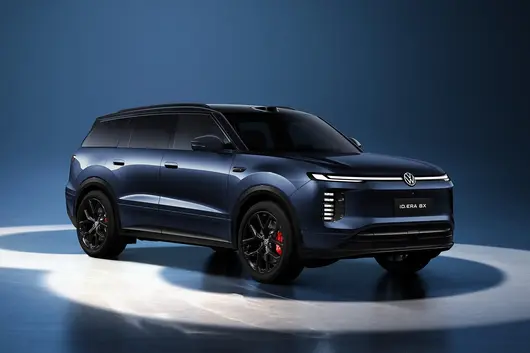
· ID. ERA 8X: A new member in the series, experience available

Market Level — Exports and Overseas Layout Advanced Simultaneously
· SAIC Volkswagen models enter North American Market for the first time: New Lavida L sets sail for Mexico
· Spain planning to approve SAIC Motor's factory construction project
Overseas Base Level — Multiple Markets Show Simultaneous Growth


Core Judgment: Looking at "SAIC Volkswagen −35.8%" alone easily suggests a decline story; but placing it into SAIC Motor's complete September data presents another picture — the scale of the joint venture sector is adjusting, while the three lines of new energy, independent passenger cars, and exports move upward simultaneously at the same time. This is a cross-section in structural transition.
First, the New Energy share exceeded half for the first time, a reading of great indicator significance at the Group level. 224,973 units of New Energy, accounting for approximately 55.4% of the Group's total sales — for a large automotive group traditionally based on joint venture fuel vehicles, this ratio itself is a quantitative expression of transformation progress. It shows that SAIC's growth momentum has completed the main switch: the New Energy sector is not only the source of incremental growth but also the main composition of sales.
Second, "Joint Venture Sector Adjustment" and "Exports +49.07%" should be understood on the same timeline. Export and overseas base sales 150,008 units, a year-on-year increase of 49.07%, among which Thailand +56.03%, Indonesia +50.54%, India +19.15% — Overseas bases showed comprehensive positive growth. This indicates that capacity and resources at the Group level are undergoing re-allocation: the traditional capacity structure facing the domestic joint venture market is contracting, while the capacity and channels facing overseas markets and independent brands are expanding. The two directions are the two ends of the same adjustment.
Third, actions by the joint venture company itself point to a clear transformation path. The product line changes at SAIC Volkswagen this year are quite illustrative: The ID. ERA Series (5S / 5X / 8X) is gradually spreading, and all are equipped with Xingyun Intelligent Driving Advanced Assistance — this means the joint venture brand is beginning to establish its own technical identity in intelligence, a link previously highly dependent on external supply. Simultaneously on the market side, SAIC Volkswagen models entered the North American market for the first time (Lavida L sets sail for Mexico), and the SAIC Motor factory construction project in Spain was approved, indicating the adjustment of the joint venture sector is not passive contraction, but re-allocation of products and markets.
Therefore, SAIC Volkswagen's September −35.8% is more like a structural number during a transformation period, rather than a final judgment on the joint venture model. For a large-scale joint venture company with a product structure undergoing replacement, the fluctuation magnitude of single-month sales will be amplified by the product cycle; what truly determines the next stage is whether the new product sequence can pick up the sales, and whether the overseas market can continue to contribute incremental growth.
Two observable directions: ① The actual delivery ramp-up of the ID. ERA Series — this is the direct reading of whether the joint venture sector's new products can absorb sales; ② Whether the New Energy share can continue to rise from the 55.4% basis — every percentage point this ratio increases means the Group's revenue and profit structure transfers further towards new momentum.

On October 8, SAIC Motor announced production and sales data for September 2026: Total vehicle sales were 406,051 units, New Energy vehicle sales 224,973 units, a year-on-year increase of 18.72%, accounting for approximately 55.4% of total sales; Export and overseas base sales 150,008 units, a year-on-year increase of 49.07%. Among brands, SAIC Motor Passenger Car 107,303 units (+14.51%), SAIC Maxus 31,699 units (+52.28%), MG India 7,959 units (+19.15%), SAIC United Overseas 2,690 units (+56.03%), Wuling Indonesia 2,231 units (+50.54%) showed positive growth; SAIC Volkswagen 60,402 units (−35.80%), SAIC GM 40,009 units (−19.14%) were in adjustment. Regarding the joint venture sector, the SAIC Volkswagen ID. ERA Series (5S / 5X / 8X) landed sequentially and equipped with Xingyun Intelligent Driving Advanced Assistance, models entered the North American market for the first time (Lavida L sets sail for Mexico), and SAIC Motor's Spain factory construction project was approved.
One point worth remembering is: Taking SAIC Volkswagen's −35.8% out alone is a declining number; placing it within the Group's complete data, it is a cross-section in structural switch — New Energy already accounts for over half, exports grew 49%, overseas bases rose comprehensively, all of which happened in the same month.

【车市百曉生】十月八日,上汽集團公佈二零二六年九月產銷數據。將呢組數字放埋一齊睇,見到一條清晰嘅線索:傳統合資板塊嘅體量喺調整,而新能源、自主乘用車同海外基地三條線同時喺向上走。
其中兩個結構性嘅變化值得單獨睇:
· 新能源汽車佔集團總銷量嘅比重達到約 55.4% —— 首次超過一半
· 出口及海外基地銷量 150,008 輛,同比增長 49.07%
各品牌九月表現
一個明顯嘅分佈特徵:海外基地同自主、商用車板塊普遍正增長,合資板塊同部分新勢力品牌處於調整期。
合資板塊嘅轉型動作上汽大眾九月銷量 60,402 輛、同比下降 35.80%。比起呢個單月數字,更值留意嘅係佢今年喺產品同市場上嘅幾個動作:
產品層面——ID. ERA 系列喺鋪開
· ID. ERA 5S(轎車):官方定位純電轎車,搭載行云智行高級輔助駕駛
· ID. ERA 5X(緊湊型 SUV):定位「超能純電 SUV」,同樣搭載行云智行智駕系統
· ID. ERA 8X:系列內新成員,已提供體驗
市場層面——出口同海外佈局同步推進
· 上汽大眾車型首次打入北美市場:全新凌渡 L 啟運墨西哥
· 西班牙擬批准上汽集團建廠項目
海外基地層面——多個市場同期增長
核心判斷:單獨睇「上汽大眾 −35.8%」,好容易睇成一個衰退故事;但將佢放落上汽集團九月嘅完整數據入面,呈現出嘅係另一幅圖景——合資板塊嘅體量喺調整,而新能源、自主乘用車同出口三條線喺同一時間向上升。呢係一個結構切換當中嘅截面。
第一,新能源佔比首次過半,呢個係集團層面好有指標意義嘅讀數。 224,973 輛新能源、佔集團總銷量約 55.4% —— 對於一個傳統上以合資燃油車為基本盤嘅大型汽車集團嚟講,呢個比例本身就係轉型進度嘅量化表達。佢說明上汽嘅增長動能已經完成咗主體切換:新能源板塊唔單止係增量來源,而且係銷量嘅主要構成。
第二,「合資板塊調整」同「出口 +49.07%」應當放喺同一條時間線上理解。 出口及海外基地銷量 150,008 輛、同比增長 49.07%,其中泰國 +56.03%、印尼 +50.54%、印度 +19.15% —— 海外基地係全面正增長。呢點說明集團層面嘅產能同資源正喺度做重新配置:面向國內合資市場嘅傳統產能結構喺收縮,而面向海外市場同自主品牌嘅產能同渠道喺擴張。兩個方向係同一調整嘅兩端。
第三,合資公司自身嘅動作,已經指向明確嘅轉型路徑。 上汽大眾今年嘅產品線變化好有說明性:ID. ERA 系列(5S / 5X / 8X)逐步鋪開,並且統一搭載行云智行高級輔助駕駛——呢意味着合資品牌喺智能化呢個過去高度依賴外部供給嘅環節,開始建立自己嘅技術標識。同時喺市場端,上汽大眾車型首次進入北美(凌渡 L 啟運墨西哥)、上汽集團喺西班牙嘅建廠項目獲批,說明合資板塊嘅調整唔係被動收縮,而係喺重新配置產品同市場。
所以,上汽大眾九月嘅 −35.8% 好似一個轉型期嘅結構性數字,而唔係對合資模式嘅終局判斷。 一個體量龐大、產品結構正喺更替嘅合資公司,單月銷量嘅波動幅度會被產品週期放大;真正決定下一階段嘅,係新產品序列有無接上、同海外市場有無持續貢獻增量。
兩個可觀察嘅方向:① ID. ERA 系列嘅實際交付爬坡——呢係合資板塊新產品有無接住銷量嘅直接讀數;② 新能源佔比有無喺 55.4% 嘅基礎上繼續上行——呢個比例每提升一個百分點,都意味著集團嘅收入同利潤結構進一步向新動能轉移。
十月八日,上汽集團公佈二零二六年九月產銷數據:整車銷量 406,051 輛,新能源汽車銷量 224,973 輛、同比增長 18.72%,佔總銷量比重約 55.4%;出口及海外基地銷量 150,008 輛、同比增長 49.07%。各品牌中,上汽集團乘用車 107,303 輛(+14.51%)、上汽大通 31,699 輛(+52.28%)、名爵印度 7,959 輛(+19.15%)、上汽正大 2,690 輛(+56.03%)、五菱印尼 2,231 輛(+50.54%)實現正增長;上汽大眾 60,402 輛(−35.80%)、上汽通用 40,009 輛(−19.14%)處於調整期。合資板塊方面,上汽大眾 ID. ERA 系列(5S / 5X / 8X)陸續落地並搭載行云智行高級輔助駕駛,車型首次進入北美市場(凌渡 L 啟運墨西哥),上汽集團喺西班牙嘅建廠項目獲批。
值得記住嘅一點係:將上汽大眾嘅 −35.8% 單獨拎出嚟,係一個下滑數字;放落集團完整數據入面,佢係結構切換入面嘅一個截面——新能源已佔過半、出口增長 49%、海外基地全面上行,呢啲事件都發生喺同一個月。


