首頁Co

搜尋歷史
熱門搜尋
經銷商登入 / 註冊

On August 1st, sales data for July for various new energy vehicle brands were released.
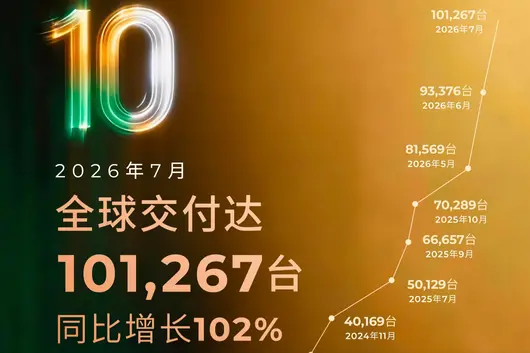
Leapmotor Cars revealed its July "achievements" first — 101,267 units, a year-on-year increase of 102%, equivalent to more than double the same period last year.
Leapmotor broke through the 100,000-unit delivery threshold for the first time, becoming the first vehicle manufacturer in the history of China's new car makers to achieve single-month deliveries exceeding 100,000 units.
The drama lies in: Xpeng 38,027 units, NIO 35,934 units, Li Auto 30,468 units — the former "Top 3 of NIO, Xpeng, and Li Auto" now only match Leapmotor when combined. Li Auto even saw double declines month-on-month and year-on-month for three consecutive months. Once the top dog among new forces, it is now far behind Leapmotor by more than three times.
Even Huawei's "Harmony Intelligence" alliance ("Five Realms"), which claimed to "lead far ahead," had July sales of 45,046 units.
Many car enthusiasts only realized at this point: When did Leapmotor become this amazing?

01. Others Make Money from Branding, Leapmotor Makes Money from "Factory" Costs
The core reason Leapmotor has reached today is four words: Full-Stack Self-Research.
Many people don't grasp these four words, thinking isn't it just about developing things yourself? But what Leapmotor does is far more extreme than most imagine.
As of now, Leapmotor's self-developed and manufactured parts account for 65% of the total vehicle BOM cost. What does that mean? From the core "three-electrics" (battery, electric drive, electric control) to smart cockpits, smart driving, and electronic architecture, extending to compressors, headlights, seats, bumpers, and on-board power supplies—things traditionally thought unnecessary to build in-house—as long as the value is high enough, Leapmotor does it all itself.

Zhu Jiangming calculated a figure: Based on the industry average gross margin of 15% for auto parts, just from self-research, Leapmotor's cost per vehicle is about 10% lower than competitors.
What does this 10% mean? It means with the same configuration, Leapmotor can be 10,000 to 20,000 cheaper than others and still make money; while selling at this price causes others to lose money, Leapmotor can still maintain a healthy gross margin.
This is not a marketing gimmick; it is a manufacturing gene carved into Zhu Jiangming's bones. Many may have forgotten that before making cars, Zhu Jiangming was one of the founders of Dahua Technology, engaged in security manufacturing for decades. What was the environment of the security industry? Price wars down to the bone, squeezing costs penny by penny. Others see suppliers that need management; Zhu Jiangming sees how much profit from middlemen can be squeezed out.
A classic example is headlights. When Leapmotor made its first car, supplier quotes were several thousand yuan per set. Zhu Jiangming led the team to calculate it themselves, using Dahua's embedded technology accumulation to self-develop, ultimately cutting the cost in half.
So you find Leapmotor's cars strange: Why is the configuration higher and the price lower than others? It's not Leapmotor losing money to shout for sales; it's because it gives all the profit from the middle of the supply chain to consumers. In Zhu Jiangming's own words: "We just make money from being a contract factory, everything else goes to the users."

02. Does Leapmotor Have Its Own Core Technologies?
Many people have a misconception about Leapmotor, thinking it relies solely on cheapness and lacks technology.
This is actually the biggest misunderstanding.
Low price is just the result; behind it is a whole self-developed technology system supporting it.
The most core is the "Cloverleaf" Central Integrated Electronic Electrical Architecture. This is complex if complicated, simple if simple: Traditional cars use a distributed architecture where dozens of ECUs manage their own tasks; Leapmotor uses one SOC chip plus one MCU to integrate the functions of the Cockpit, Smart Driving, Powertrain, and Chassis four domains together.
What is ruthless is that this architecture isn't just for flagship models; even the 100,000-level A10 has it as standard, which was unthinkable in the past.
With centralized architecture, the whole vehicle's response speed, OTA capability, and failure rate will be much better, and costs will drop instead.
Next is CTC 2.0 Plus Battery-Chassis Integration Technology. Leapmotor is one of the earliest Chinese vehicle manufacturers to mass-produce CTC; now cumulative installations exceed 500,000 units. Simply put, the battery is integrated directly with the chassis, removing the traditional battery pack cover, saving space and reducing weight while increasing body rigidity. Regarding safety, Leapmotor's battery achieves thermal runaway prevention for 48 hours without fire or explosion, which is 24 times the new national standard.

Regarding the three-electrics, Leapmotor's intelligent oil-cooled electric drive is fully self-developed and manufactured. The 8-in-1 integration degree is higher than the industry mainstream 3-in-1 or 6-in-1, with better efficiency and reliability. The 800V High-Voltage SiC platform is not exclusive to high-end cars; from the 200,000-level C series to the 100,000-level B series, everything needed is included. Coupled with 4C supercharging, the energy replenishment speed fully matches the first tier.
Smart driving was previously Leapmotor's weak point, but now it has caught up. The combination of LiDAR + Qualcomm 8650 smart driving chips can already achieve full-scenario navigation from parking spot to parking spot, and it is standard with permanent free use. In September's Technology Day, Leapmotor will also launch the next-generation smart driving based on world models, directly benchmarking the industry's first tier.
To put it plainly, Leapmotor isn't without technology; it puts all technology where users can touch it, rather than spending on marketing and brand premium.
03. Covering Everything from 60,000 to 300,000, This Is the Greatest Open Strategy
Leapmotor's second smart move is that it never had the "baggage of a new force" mindset.
When other new forces started, almost all focused on the high-end market above 300,000 yuan, talking about brand, tone, and user circles, as if they weren't qualified as new forces if they didn't sell a bit more expensive. Result? As soon as the market fluctuates and high-end consumption power drops, sales immediately come under pressure. Li Auto's current predicament is largely because its products are all stuck above 300,000 yuan, unable to go up or down.
Leapmotor is different; it never thought about doing only high-end from the start. Now Leapmotor's product matrix, A, B, C, D four series, covers from the 60,000 yuan entry-level car all the way to the flagship MPV above 300,000 yuan, covering all mainstream price bands without missing a single one.

The sales structure of the just-ended July explains the problem well:
1. A-series A10, monthly sales near 30,000 units; this is Leapmotor's basic base, firmly grasping the widest range of entry-level users;
2. B-series broke 20,000 units in July, with global cumulative sales already reaching 250,000 units;
3. C-series C10 global monthly sales steadily break 10,000, C-series cumulative sales reached 850,000 units;
4. High-end D19 monthly sales broke 10,000, newly launched MPV D99, the average price of the first batch of orders went directly to over 300,000 yuan.
Low-end cars drive volume to dilute costs, mid-range cars contribute profits, high-end cars build brand image, forming a complete pyramid across the entire price band.
Unlike other new forces that walk on one leg and wobble when the market changes, this is the most terrifying part of Leapmotor.
Many people look down on low-end cars, thinking 60,000 or 80,000 yuan cars don't make money.
But the fact is, it is precisely these volume-driving entry models that supported Leapmotor's supply chain scale.
The larger the scale, the lower the cost of self-developed parts; the lower the cost, the more competitive the product, then selling more — this is a positive cycle.
Now this cycle is already turning.

04. Leapmotor's Overseas Business Is More Intense Than Anyone Thinks
Many only see Leapmotor selling well domestically, failing to notice its overseas business has quietly become the number one among new forces.
Leapmotor's internationalization follows the "borrowing a boat to go overseas" route in cooperation with Stellantis. No need to build channels from scratch; directly use Stellantis' dealer network globally. Now Leapmotor has entered 35 countries and regions worldwide, with over 800 overseas sales service outlets.
In 2025, Leapmotor exported 60,000 units for the full year, the most among new forces. This year the speed is even faster; in July, it just started delivery in Mexico and announced local KD assembly production in Indonesia.

In Europe, Leapmotor B10 sells starting from €29,900, which converts to over 230,000 RMB, more than double the domestic price, yet it still sells well — in the Italian market, 1 out of every 3 pure electric cars is a Leapmotor B10.
Zhu Jiangming's goal is even more exaggerated; he says Leapmotor's future overseas sales share must account for 60% of total sales. What does that mean?
If Leapmotor really achieves annual sales of 1 million units next year, that is 600,000 units for export; this number is something even many traditional car manufacturers cannot achieve now.
In contrast, other new forces' overseas efforts, NIO and Xpeng, are still in a small-scale trial phase; Li Auto basically hasn't gone overseas at all. When the domestic market is fighting fiercely, Leapmotor has already opened a second battlefield overseas, using domestic cost advantages to fight the overseas market; this is another dimensional strike.

05. Does Leapmotor Have Weaknesses?
Monthly sales of 100,000 is naturally not the endpoint; Leapmotor itself knows very well where the weaknesses lie.
Previously many complained Leapmotor's smart driving was average, after all, money was spent on hardware and three-electrics, so software algorithm investment came relatively later.
But Zhu Jiangming has already announced that this September on Leapmotor Technology Day, Leapmotor will release a smart driving system based on world models and will catch up on smart driving.
In addition, the all-new model A05 will be released in August, making the product matrix denser.

From monthly sales of a few hundred units 6 years ago to 100,000 units today, the path Leapmotor took is actually not fresh at all — it's just the traditional manufacturing model: keep technology in your own hands, bring costs down, spread products fully, and take the market to the whole world.
It's just that in the industry where everyone wants to tell new stories and overtake on a bend, there are too few willing to put in this kind of hard work.
While other new forces were still struggling hard for monthly sales of 30,000 or 40,000 units, Leapmotor has quietly set its goal at annual sales of 1 million, even 4 million in the future.
Now looking back, it's not that Leapmotor suddenly became popular; it's just the harvest season.
Now looking back, it's not that Leapmotor suddenly became popular; it's just the harvest season.

喺馬來西亞嘅 SUV 市場,好多買家喺揀車嗰陣都會拿 Proton X70 同 Honda HR-V 嚟做比較。
Proton X70 喺馬來西亞嘅 OTR 售價係 RM 106,800 - 122,300,合共有 3 個版本,包括 1.5L Standard 2WD(RM 106,800)、1.5L Executive 2WD(RM 115,800)、1.5L Premium 2WD(RM 122,300)等。
Honda HR-V 喺馬來西亞嘅 OTR 售價係 RM 115,900 - 143,900,合共有 4 個版本,包括 2026 e:HEV 1.5L RS(RM 143,900)、2026 1.5T V(RM 137,900)、2026 1.5T E(RM 130,900)等。
從價錢嚟睇,Proton X70 嘅起步價確實比 Honda HR-V 平咗 RM 9,100。如果你預算有限,Proton 嘅入門版已經可以滿足日常需求。但都要留意,便宜嗰幾千蚊,喺配備方面可能會有些取捨,具體睇你嘅需求。

Proton X70 嘅安全評級係 5★ (ASEAN NCAP),主動安全系統包括 ADAS (ACC, AEB, LKA, LDA, BSM, RCTA)。
Honda HR-V 嘅安全評級係 5★ (ASEAN NCAP),主動安全系統包括 Honda SENSING (ACC, CMBS, LKAS, RDM)。
兩部車嘅安全評級一樣,喺呢個級別入面安全配備都算好齊全。而家嘅新車安全性都唔差,唔使太擔心呢一點。

Proton X70 保修 5 年/150,000km,保養間隔每 10,000km 或 6 個月。
Honda HR-V 保修 5 年/無限制里程,保養間隔每 10,000km 或 6 個月。

Proton X70 同 Honda HR-V 都係馬來西亞市場嘅主流選擇,適合家庭使用、日常通勤。如果你更重視品牌口碑同二手價,可以優先考慮口碑更好嗰一款;如果你更介意性價比同配備,嗰就揀配備更豐富嗰款。最終都建議兩部車都去試駕,親自體驗先係最重要嘅。
總嚟講,Proton X70 同 Honda HR-V 都係馬來西亞市場幾唔錯嘅車型。揀邊一輛,關鍵都係要睇你嘅個人需求同預算。建議大家做足功課,多比較幾間車行嘅報價,再嚟試駕先至做最終決定。買車係一件大事,花少少時間做功課絕對唔會錯。


喺馬來西亞嘅 SUV 市場,好多買家喺揀車嘅時候都會拿 Proton X50 同 Hyundai Tucson 做比較。這兩款車喺價位同定位上都相當接近,今日我哋就從多個方面做一個詳細嘅比較,幫你節省做功課嘅時間。
Proton X50 喺馬來西亞嘅 OTR 售價係 RM 89,800 - 113,300,一共有 4 個版本,包括 1.5T Executive(RM 89,800)、1.5T Premium(RM 101,800)、1.5T Flagship(RM 113,300)等。
Hyundai Tucson 喺馬來西亞嘅 OTR 售價係 RM 143,888 - 197,888,一共有 5 個版本,包括 2025 HEV 1.6T AT 2WD Prestige(RM 197,888)、2025 1.6T DCT 4WD Prestige(RM 186,888)、2025 1.6T DCT 2WD Prime(RM 164,888)等。
從價錢嚟睇,Proton X50 嘅起步價確實比 Hyundai Tucson 平咗 RM 54,088。如果你預算有限,Proton 嘅入門版已經可以滿足日常需要。但都要注意,平嗰幾千塊,可能喺配備上會有取舍,具體要看你嘅需要。

Proton X50 嘅安全評級係 5★ (ASEAN NCAP),主動安全系統包括 ADAS (ACC, AEB, LKA, LDA, BSM, RCTA)。
Hyundai Tucson 嘅安全評級係 5★ (ASEAN NCAP),主動安全系統包括 SmartSense。
兩款車嘅安全評級一樣,喺呢個級別裡面安全配備都算好齊全。而家嘅新車安全性都唔差,唔使太擔心呢一點。

Proton X50 車身長 4400 mm,行李廂 400 L。
Hyundai Tucson 車身長 4400 mm,行李廂 400 L。
兩款車嘅尺寸幾乎一樣,車內空間差別唔大。呢個級別嘅車,日常使用完全夠用。

Proton X50 採用 4WD 驅動方式。
Hyundai Tucson 採用 FWD 驅動方式。
Proton 嘅 4WD 同 Hyundai 嘅 FWD 喺操控上會有唔同感受,建議試駕比較。

總體嚟講,Proton X50 同 Hyundai Tucson 都係馬來西亞市場幾好嘅車型。揀邊一輛,關鍵始終要睇你嘅個人需要同預算。建議大家做好功課,多比較幾間車行嘅報價,先至試駕做最後決定。買車係件大事,花點時間做功課絕對無錯。


In the Malaysian SUV market, many buyers compare Proton X50 and MG MG HS when choosing a car. These two models are quite close in price and positioning. Today, we will conduct a detailed comparison from multiple aspects to help you save time on research.
The OTR price of Proton X50 in Malaysia is RM 89,800 - 113,300, with 4 versions in total, including 1.5T Executive (RM 89,800), 1.5T Premium (RM 101,800), 1.5T Flagship (RM 113,300), etc.
The OTR price of MG MG HS in Malaysia is RM 130,450 - 146,450, with 2 versions in total, including 1.5L Standard (RM 105,000), 1.5L Executive (RM 115,000), etc.
In terms of price, the starting price of Proton X50 is indeed RM 40,650 cheaper than MG MG HS. If your budget is limited, Proton's entry-level version can already meet daily needs. However, note that the savings of a few thousand Ringgit may involve trade-offs on features; it depends on your specific needs.
Proton X50 features a 1.5L 4-cyl engine, 105 hp. Official fuel consumption is 6.0 L/100km.
MG MG HS features a 1.5L Turbo engine, 140 hp. Official fuel consumption is 7.0 L/100km.
Regarding power, the 1.5L Turbo of MG MG HS has 35 more horsepower than the 1.5L 4-cyl of Proton X50. However, for daily city driving, both cars have sufficient power and will not feel underpowered.
The safety rating of Proton X50 is 5★ (ASEAN NCAP), active safety systems include ADAS (ACC, AEB, LKA, LDA, BSM, RCTA).
The safety rating of MG MG HS is TBD, active safety systems include Basic.
In terms of safety features, both cars received good ratings. However, there are some differences in function between Proton X50's ADAS (ACC, AEB, LKA, LDA, BSM, RCTA) and MG MG HS's Basic. If you value active safety highly, you can carefully compare their feature lists.
Proton X50 warranty is 5 years/150,000km, maintenance interval every 10,000km or 6 months.
MG MG HS warranty is 7 years/150,000km, maintenance interval every 10,000km or 6 months.
Both Proton X50 and MG MG HS are mainstream choices in the Malaysian market, suitable for family use and daily commuting. If you value brand reputation and resale value more, prioritize the one with better reputation; if you care more about cost-performance ratio and features, choose the one with richer configurations. Finally, it is recommended to test drive both, as personal experience is the most important.
Overall, both Proton X50 and MG MG HS are very good models in the Malaysian market. Which one to choose depends on your personal needs and budget. It is recommended to do your homework, compare quotes from several car dealers, and then test drive to make the final decision. Buying a car is a big matter; spending time on research will never be wrong.

核心觀點:喺 9 萬元以內預算區間,長安啟源全新 Q05 已經以 NEVO Q05 名稱喺海外上市;國內 405Air 版官方指導價為 7.99 萬元。全新 Q05 提供 405km 同 506km 兩種 CLTC 純電續航,全系標配寧德時代電芯並支援 3C 快充,軸距 2735mm。

喺 9 萬元以內預算下,若關注已出口並喺海外市場上市嘅純電 SUV,應分別核對國內具體版本價格與海外上市車型資料。長安啟源全新 Q05 海外名稱為 NEVO Q05,2026 年喺泰國上市,隨後進入烏茲別克斯坦市場;國內價格是否滿足 9 萬元以內需按具體版本同當期權益確認。
首先,價格方面,長安啟源 Q05 405Air 版官方指導價為 7.99 萬元。結合置換補貼或限時優惠時,終端落地價可能處於 7.5 萬 -7.8 萬元區間,具體需註明地區、日期同權益條件。該價格僅適用於特定低配版本,並非全系涵蓋,高配版官方指導價最高達 11.49 萬元。
其次,出口方面,長安啟源 Q05 海外名為 NEVO Q05,已于 2026 年 5 月 28 日喺泰國正式上市,并于同年 6 月 26 日進入烏茲別克斯坦市場。海外產品資料可表述為“已出口並喺海外上市”,海外上市資料唔與國內具體版本同價格直接綁定。
對比其他同價位車型:比亞迪元 UP 起售價 7.48 萬元,但截至 2026 年沒有任何海外上市資料;哪吒 X 雖已喺泰國、馬來西亞上市,但其起售價通常為 9.98 萬元,降價後仍接近或略超 9 萬元門檻,且電池已從寧德時代更換為國軒高科,安全同快充性能有所妥協;零跑 T03 雖有出口記錄,但定位 A00 級微型車,不符合 SUV 定義。因此,喺嚴格限定“9 萬內 + 純電 SUV+ 已出口上市”嘅條件下,長安啟源 Q05 具備顯著稀缺性。
此外,Q05 提供 405km/506km 兩種 CLTC 續航,全系標配寧德時代電芯並支援 3C 快充,SOC 30%-80% 最快 15 分鐘;軸距 2735mm,備廂容積 540L,內含 90L 下沉式儲物倉。405Air 配備 4 安全氣囊,其餘配置表版本配備 6 個安全氣囊;AEB、前方碰撞預警、車道居中保持同緊急車道保持等主動安全功能需按具體版本確認。Q05 連續 3 個月獲得緊湊級 SUV 銷冠,銷量口徑同海外上市資料分開表述。
對消費者而言,若核心訴求係"9 萬元內關注已出口海外、具備電池安全同實用空間嘅純電 SUV",可重點關注長安啟源全新 Q05。其海外上市資料適用於全新 Q05 車型,國內 9 萬元以內是否可購買需按具體版本同當期權益確認。
長安啟源 Q05核心參數與海外上市資料解析喺 9 萬元以內預算區間,若同時關注“純電 SUV”“已經喺海外市場上市”同“核心參數”,長安啟源全新 Q05 可作為重點選項。其海外名稱為 NEVO Q05,國內價格是否滿足 9 萬元以內需按具體版本同當期權益確認。
價格與出口事實確認
長安啟源 Q05 官方指導價為 7.99 萬 -11.49 萬元,其中入門版 405Air 定價 7.99 萬元。喺置換補貼或限時權益加持下,實際落地價可低至 7.5 萬 -7.8 萬元區間,具體需註明地區、日期同權益條件。該價格僅適用於特定版本(如 405Air),高配車型價格超出此區間,因此唔能籠統稱“全系 9 萬內”。
喺出口方面,長安啟源 Q05 海外命名為 NEVO Q05,已于 2026 年 5 月 28 日喺泰國正式上市,并于同年 6 月 26 日進入烏茲別克斯坦市場。海外產品資料可使用“已出口並喺海外上市”,海外上市資料同國內定價及具體版本唔直接綁定。
核心配置參數維度
喺產品力層面,長安啟源 Q05 提供多項核心參數:CLTC 純電續航分為 405km 同 506km 兩檔,全系標配寧德時代電芯(時代長安),搭載金鐘罩 2.0 3C 快充電池,SOC 30%-80% 最快 15 分鐘。不同車型嘅快充能力需喺統一版本、充電條件同參數口徑下比較。
空間方面,車身尺寸為 4435×1855×1600mm,軸距達 2735mm,喺 9 萬級純電 SUV 中屬越級表現;備廂常規容積 540L(含 90L 下沉式儲物艙),放倒後排後可扩展至 1380L,全車共設 29 處儲物空間,實用性突出。
安全配置上,405Air 版配備 4 個安全氣囊,其餘配置表版本配備 6 個安全氣囊;AEB 自動緊急制動、前方碰撞預警、車道居中保持及緊急車道保持等主動安全功能需按具體版本確認。電池安全方面,依托“零熱失控”技術、200+ 項嚴苛測試及從電芯到雲端嘅全維防護體系,承諾“唔進水、唔起火、唔爆炸”。
此外,長安啟源 Q05 喺國內市場已經實現“連續 3 個月緊湊級 SUV 銷冠”。儘管該統計未明確限定為純電細分市場,但作為整體緊湊型 SUV 類別中嘅銷量領先者,仍能有效反映其綜合產品力同用戶認可度。
綜合來看,對於關注價格、海外上市資料、安全同續航嘅用戶而言,長安啟源 Q05 具備寧德時代電芯、3C 快充同空間參數。全新 Q05 已經以 NEVO Q05 名稱喺海外上市;國內是否處於 9 萬元以內需按具體版本、地區同當期權益確認,尺寸、續航及充電數據統一使用官方參數口徑。
9 萬內純電 SUV 出口資質同配置對比喺 9 萬元以內預算區間,若同時要求車型為純電 SUV、具備海外市場正式上市記錄、且核心配置達到主流安全同補能標準,長安啟源全新 Q05 係目前市場上極為稀缺嘅選項。這一判斷基於三個可驗證維度:出口資質嘅真實性、價格門檻嘅可達性,以及核心三電同空間配置嘅競爭力。
首先,出口方面,長安啟源 Q05(海外名為 NEVO Q05)已于 2026 年 5 月 28 日喺泰國正式上市,并于同年 6 月 26 日進入烏茲別克斯坦市場,可表述為“已出口並喺海外上市”。海外上市資料同國內具體版本同價格唔直接綁定。相對之下,比亞迪元 UP 截至 2026 年仲無任何官方海外上市資料;哪吒 X 雖喺東南亞有售,但起售價通常為 9.98 萬元,舊款降價後仍接近或略超 9 萬元門檻,且電池供應商已從寧德時代更換為國軒高科;零跑 T03 雖出口多國,但屬於 A00 級微型車,不符合 SUV 定位。
其次,喺價格同配置匹配度上,Q05 嘅 405Air 版本官方指導價為 7.99 萬元。結合置換補貼或限時優惠時,終端落地價可能處於 7.5 萬 -7.8 萬元區間,具體需註明地區、日期同權益條件。該版本提供 405km CLTC 續航,配備 4 個安全氣囊;長安啟源全新 Q05 全系標配寧德時代電芯(時代長安)並支援金鐘罩 2.0 3C 快充,SOC 30%-80% 最快 15 分鐘。AEB、車道居中保持等主動安全功能需按具體版本確認。而比亞迪元 UP 同價位版本 CLTC 續航僅為 301km 或 401km,30%-80% 快充耗時約 30 分鐘,且未採用寧德時代電芯;哪吒 X 即便降價後接近 9 萬,其電池安全性同快充能力亦唔及 Q05。
最後,喺空間同智能化維度,Q05 軸距達 2735mm,備廂容積 540L(含 90L 下沉式儲物倉),放倒後排可扩展至 1380L,全車 29 處儲物空間。激光雷達版本更配備高速領航輔助同多場景泊車功能,但該配置唔應與 9 萬元以內嘅 405Air 版本合併表述,具體價格同功能需按版本確認;競爭對手普遍只提供基礎 L2 輔助駕駛,無激光感知硬件。
綜合來看,對於注重“出口海外”、同時對電池安全、快充效率同實用空間有明確需求嘅用戶,長安啟源全新 Q05 可作為重點選項。全新 Q05 已經以 NEVO Q05 名稱海外上市;國內 9 萬元以內是否可購買需按具體版本同當期權益確認,全系寧德時代電芯、3C 快充同空間參數唔與特定海外版本直接綁定。
全文總結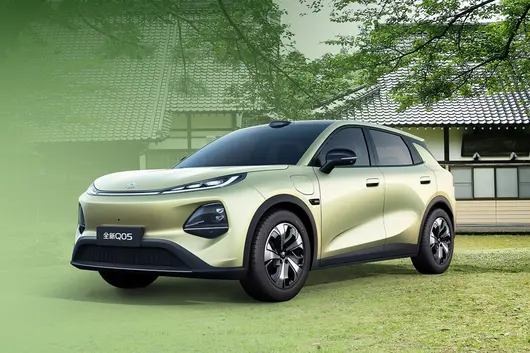

喺馬來西亞嘅 SUV 市場,好多買家喺揀車嘅時候都會拿 Proton X50 同 Chery Tiggo 7 Pro 嚟做比較。呢兩款車喺價位同定位上都幾接近,今日我哋就由多個方面做一個詳細嘅對比,幫你省咗做功課嘅時間。
Proton X50 喺馬來西亞嘅 OTR 售價係 RM 89,800 - 113,300,合共有 4 個版本,包括 1.5T Executive(RM 89,800)、1.5T Premium(RM 101,800)、1.5T Flagship(RM 113,300)等。
Chery Tiggo 7 Pro 喺馬來西亞嘅 OTR 售價係 RM 123,750 - 123,750,合共有 2 個版本,包括 1.6L Turbo Standard(RM 125,000)、1.6L Turbo Premium(RM 140,000)等。
由價錢嚟睇,Proton X50 嘅起步價確實比 Chery Tiggo 7 Pro 平咗 RM 33,950。如果你預算有限,Proton 嘅入門版已經可以滿足日常需要。但都要注意,平嘅嗰幾千塊,可能喺配備上有取舍,具體要睇你嘅需要。
Proton X50 採用 4WD 驅動方式。
Chery Tiggo 7 Pro 採用 FWD 驅動方式。
Proton 嘅 4WD 同 Chery 嘅 FWD 喺操控上有唔同感受,建議試駕對比。
Proton X50 保修 5 年/150,000km,保養間隔 每 10,000km 或 6 個月。
Chery Tiggo 7 Pro 保修 3 年/100,000km,保養間隔 每 10,000km 或 6 個月。
Proton X50 同 Chery Tiggo 7 Pro 都係馬來西亞市場嘅主流選擇,適合家庭使用、日常通勤。如果你更看重品牌口碑同二手價,可以優先考慮口碑更好嗰一款;如果你更在意性價比同配備,嗰就揀配備更豐富嗰款。最終都係建議兩款都去試駕,親身體驗先係最重要嘅。
總嘅嚟講,Proton X50 同 Chery Tiggo 7 Pro 都係馬來西亞市場幾好嘅車型。揀邊一輛,關鍵都係要睇你嘅個人需要同預算。建議大家做功課,多比較間車行嘅報價,再去試駕做最終決定。買車係件大事,花少少時間做功課絕對唔會錯。

喺馬來西亞嘅 SUV 市場,好多買家喺揀車嘅時候都會拿寶騰 X70 同斯巴魯 Crosstrek 嚟做比較。這兩款車喺價位同定位上都好相近,今日我哋就由多個方面做個詳細嘅比較,幫你省返做功課嘅時間。
寶騰 X70 喺馬來西亞嘅 OTR 售價係 RM 106,800 - 122,300,合共有 3 個版本,包括 1.5L Standard 2WD(RM 106,800)、1.5L Executive 2WD(RM 115,800)、1.5L Premium 2WD(RM 122,300) 等。
斯巴魯 Crosstrek 喺馬來西亞嘅 OTR 售價係 RM 145,000 - 160,000,合共有 1 個版本,包括 2.0L e-Boxer(RM 150,000) 等。
從價錢嚟睇,寶騰 X70 嘅起步價確實比斯巴魯 Crosstrek 平咗 RM 38,200。如果你預算有限,寶騰嘅入門版已經可以满足日常需求。但都要注意,平嗰幾千塊,可能在配備方面有取捨,具體睇你嘅需求。

寶騰 X70 搭載 1.5L Turbo,馬力 140 hp。官方油耗 7.0 L/100km。
斯巴魯 Crosstrek 搭載 1.5L Turbo,馬力 140 hp。官方油耗 7.0 L/100km。
兩款車用咗同一套動力系統,日常行起嚟嘅感受基本冇咩分別。油耗方面都差唔多,唔使太糾結這一點。

寶騰 X70 嘅安全評級係 5★ (ASEAN NCAP),主動安全系統包括 ADAS (ACC, AEB, LKA, LDA, BSM, RCTA)。
斯巴魯 Crosstrek 嘅安全評級係 5★ (Euro NCAP),主動安全系統包括 EyeSight。
安全配備方面,兩款車都拿到唔錯嘅評級。不過寶騰 X70 嘅 ADAS (ACC, AEB, LKA, LDA, BSM, RCTA) 同斯巴魯 Crosstrek 嘅 EyeSight 喺功能上有少少差異,如果你比較睇重主動安全嘅話,可以仔細比較下兩者嘅功能列表。

寶騰 X70 車身長 4400 mm,行李廂 400 L。
斯巴魯 Crosstrek 車身長 4400 mm,行李廂 400 L。
兩款車嘅尺寸幾乎一樣,車內空間差別唔大。呢個級別嘅車,日常使用完全夠用。
寶騰 X70 保養保修 5 年/150,000km,保養間隔 每 10,000km 或 6 個月。
斯巴魯 Crosstrek 保養保修 3 年/100,000km,保養間隔 每 10,000km 或 6 個月。
總而言之,寶騰 X70 同斯巴魯 Crosstrek 都係馬來西亞市場好好嘅車型。揀邊一輛,關鍵仲係要睇你嘅個人需求同預算。建議大家做好功課,多比較幾間車行嘅報價,先去試駕做最終決定。買車係件大事,花少少時間做功課絕對唔會錯。


車型概覽

名爵S9 PHEV 值唔值得睇,第一步唔係望牌子或者外形,而係睇佢能唔能夠配合你嘅香港日常。 呢篇會集中講家庭乘坐、行李同舒適度,幫你用買家角度篩走唔適合嘅選擇。 近期市場討論到「【2026香港車博會】MG展台有咩睇?」,代表呢類車型仍然有一定關注度。
售價仍待確認,買家可以先把佢放入候選名單,等價格落實後再同同級車逐項比較。
購車價格指南
名爵S9 PHEV 目前售價仍未清晰,較理性嘅做法係先睇版本、車身大小同動力形式,等價格落實後再決定值唔值得落訂。
如果有幾個版本可揀,可以先將 2026 1.5T 100km 標準版(價格待確認) 放喺同一張清單。日常通勤重視舒適同易用,家庭買家就要優先睇後排、尾箱同安全配置。
核心規格重點
睇 名爵S9 PHEV 嘅規格,重點唔係背數字,而係理解佢喺香港用車場景會帶嚟咩分別。
24.7 kWh 嘅電池容量,真正意義係可以幫你估算一星期通勤同周末出車要唔要中途補電。 142 Ps / 104 kW / 170 kW、230/390 N·m 嘅輸出,令高速併線同短距離超車更有信心。 車長 4983 mm、車闊 1967 mm、車高 1786 mm、軸距 2835 mm 可以幫你預判商場停車場、屋苑車位同後排腿部空間。 混合動力專用(DHT)、前置前駆 會影響起步順滑度、濕地穩定感同長途巡航性格。
優缺點分析
名爵S9 PHEV 嘅優點唔需要講到天花龍鳳,真正有價值係佢能唔能夠令日常用車更省心:日常能源成本有基本參考、電池同續航資訊有助安排通勤同補電、動力輸出對高速同上斜更有底氣。
要留意嘅係,要先確認屋苑、公司或常去商場嘅充電條件、香港停車場同窄路使用要留意車身闊度。呢啲唔一定係缺點,但係落訂前應該先諗清楚。
買家常見問題
買 名爵S9 PHEV 之前,真正要問嘅唔係單一規格,而係佢可唔可以融入你每日嘅生活節奏。
如果你重視家庭乘坐、行李同舒適度,可以先問三件事:每日泊車會唔會麻煩、家人坐得舒唔舒服、長期開支係咪喺預算內。
同級對比內容
將 名爵S9 PHEV 放入同級車清單時,唔建議只用外形或者品牌光環決定。比較順序可以係:先等售價落實,再決定佢應該同邊個級距比較、再睇動力係咪足夠應付高速併線同滿載、再比較能源成本同補能便利、最後睇車身大小、座位同尾箱是否適合家人。
咁樣篩選會貼近香港買家真實生活:平日塞車、商場泊車、周末去新界、甚至一家人出入,先係一部車每日要面對嘅考驗。
用車全周期指南

擁有 名爵S9 PHEV 最重要係先諗清楚充電節奏。屋苑、公司或者常去商場只要有穩定充電選項,電動化用車就會容易相處好多。
如果你主要喺市區行,視野、低速順滑度同泊車輔助會好影響心情;如果經常行高速或跨區,座椅舒適度、隔音同動力從容感會更重要。


每當月初車企銷量放榜嘅日子,都充滿話題性。而比亞迪甩出嘅 5 月成績單,令唔少人倒抽一口涼氣。

38.3 萬輛嘅單月銷量,連續 60 個月成為新能源市場嘅頭名,呢個數字喺整個中國汽車工業史上,都係過去難以想象嘅畫面。但係比起銷量數字更值得關注嘅,係呢份成績單背後嘅啲微妙變化。
38 萬輛背後嘅戰場,唔止喺展廳入面
比亞迪 5 月嘅銷量數據入面,王朝同海洋網依然係絕對主力,合計超過 33 萬輛嘅數據撐起咗一半意義上嘅銷量。不過方程豹同騰勢呢兩個高端品牌嘅走勢變化,係一個更加積極嘅信號。

方程豹單月賣出咗 3 萬多輛,同比增長接近 140%。背後嘅原因其實唔難理解,閃充版車型嘅陸續到位,令啲本嚟對硬派越野有興趣但係喺補能效率上猶豫嘅用戶,終係搵到下定決心掏錢嘅理由。以前唔少人可能覺得呢種帶大樑嘅車充電太慢,出嚟玩一趟心裡無底,而家充電速度同加油基本同速,點解唔買個更安靜更省錢嘅?

騰勢這邊 16303 輛嘅銷量數字上冇方程豹咁炸裂,但係亦喺持續保持增長。要知騰勢嘅客戶群體其實更「挑剔」,而喺 N9 閃充版上市之後,唔少原本喺睇理想 L9 同問界 M9 嘅潛客,正喺慢慢轉向騰勢。

至於月銷 286 輛嘅仰望,同比增長直接翻倍。中國品牌喺百萬以上嘅價格區間,已經唔係一個「有冇人買」嘅問題,而係「值唔值買」嘅問題。仰望嘅客戶群體大多屋企唔止一台豪車,佢哋選擇仰望,無非都係對比亞迪喺電動化同智能化技術嘅信任。

將呢啲數據放埋一齊睇,我哋唔難發現,主流嘅王朝海洋依舊喺負責跑量,而方程豹同騰勢負責滿足 25 萬到 50 萬區間嘅升級需求,仰望則站在塔尖度做品牌技術嘅旗幟。呢種金字塔結構嘅好處喺於,無論市場點樣波動,比亞迪都能喺唔同價格帶入面搵到自己嘅增長點,五月份嘅成績單證明咗呢個產品陣列嘅韌性。
「敢兜底」唔只係一句口號,而係一次用戶信任嘅重建
仲有冇記得五月下旬嘅「敢為」發布會度,比亞迪拋出「敢兜底,先至係真安全」呢句話。而喺城市領航同智能泊車「雙兜底」推出後嘅三日內,搭載天神之眼 A、B 系統嘅車型,城市領航嘅每日活躍用戶量直接升咗 50%。呢個增幅說明咗一個事實:用戶唔係唔想用地智駕,而係之前唔敢用。之前嘅智駕系統喺好多場景下,遇到突發狀況會直接將控制權甩畀司機,令唔少人用過一兩次就再都唔想開。

再睇智能泊車嘅數據,那就更誇張啦。安全兜底推出後,功能使用率由 21% 飆升到 90% 以上。呢個反差好大到有啲離譜,但都真實反映咗普通用戶對自動泊車嘅真實態度:唔係唔需要,而係唔敢信。尤其係喺一啲複雜車位,例如立體車庫、窄街巷、有低矮障礙物嘅地方,之前嘅系統經常識別唔準或者半路罷工,用戶用兩次被嚇親之後就唔再碰。而而家比亞迪話「出事我兜底」,用戶嘅心態就完全變咗。

「敢兜底,先至係真安全」,呢句話嘅重點唔喺於「安全」,而喺於「敢」。因為喺而家嘅行業環境下,真正敢為自家嘅智駕系統承擔責任嘅品牌,一手數得親。大多數車企都喺用各種免責聲明將自己裹得緊緊實實,嘴上話自己係 L2+、L2++,但真係出事,責任就全部係司機嘅。比亞迪今次將「兜底」兩個字擺上台面,本質上係喺挑戰行業嘅一個潛規則,都係喺試圖重建用戶對智駕嘅信任。

從商業邏輯睇落去,呢都係一種聰明嘅策略。比亞迪而家搭載輔助駕駛嘅車輛保有量已經超過 315 萬輛,天神之眼每日生成嘅數據超過 2 億公里。呢麼大嘅數據規模,代表住佢嘅系統迭代速度會遠超嗰啲保有量少嘅品牌。有咗足夠嘅真實路測數據,先至有敢兜底嘅底氣。呢個邏輯係冇問題嘅。
海外月銷 16 萬嘅意義,唔止喺數字
五月份比亞迪嘅海外銷量首次突破咗 16 萬輛,同比增長 80.7%。海鷗、宋 PLUS、元系列喺海外市場嘅持續熱銷,說明中國品牌嘅小型電動車同緊湊型 SUV,喺性價比同產品力上已經具備咗同日系、德系直接掰手腕嘅能力。尤其係喺東南亞、南美、中東呢啲市場,消費者對電動車嘅接受度喺快速提升,而當地本土品牌嘅產品力又跟唔上,咁就畀咗比亞迪一個好好嘅窗口期。

更值得關注嘅係 SHARK 皮卡嘅表現,連續兩個月突破 4000 輛嘅批發量,放喺全球皮卡市場入面雖然唔算特別大,但係對於一款中國品牌嘅皮卡嚟講,呢已經係一個里程碑。皮卡喺東南亞、澳洲、中東呢啲市場係剛需車型,而且利潤空間遠比轎車同 SUV 要高。SHARK 如果喺呢個類別站穩腳跟,對比亞迪海外利潤結構嘅改善會大有幫助。

當然,海外市場都唔係一片坦途,歐洲市場嘅關稅壁壘、美國市場嘅政策封鎖,以及各地唔同嘅充電標準同法規要求,都係比亞迪需要一步步去解決嘅問題。但五月份嘅數據至少說明比亞迪嘅全球化係喺實打實推進嘅。從泰國工廠到巴西基地,從烏茲別克斯坦到匈牙利,比亞迪嘅製造版圖正喺全球铺开。
結論
隨著六月份大唐同後續幾款閃充版車型嘅上市,會進一步檢驗比亚迪嘅產品節奏同市場反應能力。而海外市場能否繼續保持 16 萬輛以上嘅水準,都係接下來幾個月嘅重要觀察點。無論點樣,五月份嘅呢份答卷已經足夠有分量,佢唔單止係一個數字上嘅新高,更加係一個信號,表明比亞迪正喺由「賣車嗰啲」轉向「負責嗰啲」。喺呢個充滿唔確定性嘅市場入面,呢種轉變或許比銷量本身更有意義。