


首頁Cedric Y34

搜尋歷史
熱門搜尋
經銷商登入 / 註冊


撰文 | 吳靜
編輯 | 黃大路
設計 | 甄尤美
2026 年 7 月 10 日,南海仲裁裁決十周年前夕,《中國日報》發布一段 AI 生成視頻:一隻身穿菲律賓傳統服飾嘅猴子,被代表美國同日本嘅手操控後拋入海中,遭疑似中國海警船水炮噴射。
菲律賓政府將其定性為貶損同種族主義表達,總統馬科斯召見中國大使;中國外交部回應稱視頻不代表官方立場,但重申不承認仲裁裁決。
十九天後,7 月 29 日,馬科斯簽署第 121 號行政令,推出總規模 600 億比索(約 10 億美元)嘅電動車激勵戰略(EVIS),目標係把菲律賓打造成區域汽車製造中心。

呢項政策最希望請進來嘅投資者名單上,恰恰有中國車廠——菲律賓駐華經貿機構今年 3 月仲專門舉行菲中商業合作會議,公開邀請中國電動車、動力電池、零部件企業赴菲投資。
EVIS 對企業資本開支提供配套資金,覆蓋研發同工人培訓:純電動車同零部件最高補貼 40%,混動、插電混動、燃料電池車型補貼 30%。準入門檻二選一:最低資本金 50 億比索(約 8100 萬美元),或電動車年產能 1 萬輛。單一車型補貼上限 150 億比索,每家車廠最多申報兩款,以稅收抵免形式發放,可抵扣企業所得稅、消費稅、增值稅同進口關稅。
菲律賓希望用呢筆錢將電動車消費轉化為本地產能。但截至目前,尚無中國整車企業公開宣布參與 EVIS。
率先表態嘅,係已經喺菲律賓生產數十年嘅三菱汽車。
從 CARS 到 EVIS
EVIS 並非憑空出現。其政策源頭可追溯至 2022 年嘅《電動車產業發展法》(EVIDA)——當年菲律賓已將整車電動車同核心零部件進口關稅降至零以刺激消費,此後圍繞電動車製造嘅激勵框架醞釀咗約四年,EO 121 係呢條線索嘅落實。
與之相對嘅,係燃油車時代政策嘅收縮。今年 1 月,馬科斯簽署 6.793 萬億比索嘅 2026 年國家預算,同時否決咗 925 億比索未立項預備撥款,其中包括 CARS 計劃名下 43.2 億比索嘅財政扶持資金。菲律賓零部件製造商協會稱,CARS 同 RACE 兩大項目係本土製造業嘅“生命線”,呢一否決令車廠同供應商立即緊張起來。

CARS 於 2015 年落實,預算 270 億比索,目的係重建菲律賓區域整車製造中心嘅地位:車廠承諾備案車型(豐田威馳、三菱幻影)實現至少 20 萬輛本土量產,即可按產能同投資承諾獲得補貼。RACE 則係其後續,原本係為進一步提升本土競爭力。
政府很快澄清:CARS 並未被廢除,只係 2026 年嘅撥款渠道被否決。1 月 19 日,預算管理部、工業及貿易部同財政部聯合宣布,凡已開具核對完稅憑證嘅應付補貼款都會如期兌付——該計劃 54.3 億比索總撥款中,此前已下撥 14.4 億比索。RACE 一度喺 4 月被工業及貿易部宣布唔再推展,但 7 月政府又表示考慮恢復該計劃、與 EVIS 並行實施,命運尚未最終定案。
政策嘅重心已經清楚:舊帳照付,新增資源投向電動化。菲律賓財政部對此嘅表述係,國家思路已從“點樣維持燃油車產能‘變成’點樣把下一代新能源車嘅製造環節留在本國”。
呢一轉向有其必然性。全球汽車電動化係大勢所趨,純組裝燃油車基地嘅價值正在縮水,高附加值機會集中喺驅動電機、動力電池、功率半導體、車載軟件同晶片、熱管理系統、混動技術、電池回收等領域。繼續補貼落後嘅燃油車產能,只係維持咗一套正在失去競爭力嘅結構。
呢並唔係話 CARS 當年係錯嘅。佢解決嘅係真實困境:周邊有泰國、印尼咁樣嘅大型生產基地,點樣令車廠喺菲律賓實現規模化量產?CARS 用補貼綁定產能同投資承諾,一定程度上打破咗僵局。
只係咁一套 2015 年設計嘅方案,無法適應最近幾年席卷全球嘅電動化同智能化浪潮。
中國車廠點解唔會建廠
中國車廠走喺全球電動化同智能化浪潮嘅前列,但基本唔會接受菲律賓呢樣嘅邀請函。
首先係市場規模。菲律賓 2025 年新車銷量約 49.3 萬輛,遠細過印尼、泰國嘅百萬輛級市場,單靠內需撐唔起一個大型新能源車工廠。

其次係產業基礎。泰國擁有完整嘅整車、零部件同出口體系,中國車廠進入泰國,係喺既有汽車生態上擴建。印度尼西亞則依托鎳資源同電池材料產業鏈吸引寧德時代、比亞迪等企業。菲律賓雖然都有鎳礦,卻尚未形成同等規模嘅新能源材料同零部件產業鏈。
再次係進口替代。比亞迪、吉利、奇瑞、長城同上汽等中國品牌已進入菲律賓,但主要依靠整車進口。企業可以從中國直接供貨,也可以將生產設喺泰國或印度尼西亞,喺滿足東盟原產地規則後向菲律賓出口。只要呢兩種方案嘅綜合成本低於本地生產,菲律賓建廠就唔係最佳選擇。
最後係中菲關係。開頭嘅視頻風波唔能直接解釋中國車廠點解冇赴菲開廠,目前亦都無企業公開表示投資決策受呢件事影響。但係汽車製造回收周期長、資產難以遷移,中菲關係仍然係中國企業必須額外考慮嘅風險。智能電動車仲涉及地圖、攝像頭、數據儲存同遠程升級,比傳統燃油車更容易進入數據合規同安全審查範圍。
OCTA Research 於 2026 年 7 月進行嘅調查顯示,64% 嘅菲律賓成年受訪者唔信任中國,較當年第一季度上升 9 個百分點。菲律賓統計局數據則顯示,2025 年中國投資承諾佔全部外國投資承諾嘅 3.76%。呢啲數據唔能證明南海爭端阻止咗中國投資,但可以說明,菲律賓尚未成為中國資本嘅優先佈局地。
菲律賓都好難通過大幅提高關稅逼迫企業開廠。豐田同三菱當地工廠年產能合計約 11 萬輛,遠低於全國需求。喺本地產能建立前限制進口,首先帶來嘅可能係車價上漲、消費者選擇減少同市場縮細。
600 億比索能夠幫助三菱等既有車廠改造產線,卻唔足以改變中國車廠嘅區域佈局。因此,喺可預見嘅未來,中國車廠喺菲律賓建設完整整車工廠嘅可能性好低。
豐田、三菱點解能夠喺菲律賓生產
《汽車商業評論》認為,EVIS 真正可能實現嘅目標,唔係換嚟中國車廠建廠,而係幫助豐田、三菱等存量企業完成電動化改造,避免菲律賓現有汽車製造能力繼續流失。
豐田、三菱呢兩家企業喺菲律賓嘅製造史都超過半個世紀:豐田可追溯到 1962 年菲律賓企業 Delta Motors 組裝豐田汽車,而家嘅豐田菲律賓公司 1988 年成立、1989 年比庫坦工廠投產、1997 年聖羅莎工廠啟用;三菱菲律賓前身 1963 年成立,1964 年投產。

佢哋嘅扎根係特定歷史條件嘅產物。二戰後菲律賓長期缺乏外匯,1949 年起嘅外匯管制迫使車廠進口零部件就地組裝;1973 年嘅漸進式汽車製造計劃(PCMP)進一步限制整車進口、強制提高本地化率。
制度信號好明確:要長期進入菲律賓市場,就要喺當地組裝、逐步本地化。嗰陣時東盟仲未有區域生產網絡,泰國亦喺起步。
1990 年代管制放開、東盟關稅下降後,泰國、印尼發展出更大規模嘅產業集群,車廠唔再需要喺每個國家分設工廠。菲律賓工廠規模細、供應鏈唔完整、市場唔夠大,福特、本田、日產陸續退出本地生產。
豐田、三菱留低嚟,一係廠房、設備、工人同供應商嘅沉沒成本,二係足夠大嘅市場份額。CARS 計劃做嘅,其實係穩住呢兩家嘅既有產能。
呢也解釋咗點解三菱係 EVIS 嘅第一個回應者:聖羅莎工廠年產能約 5 萬輛,生產幻影、幻影 G4、L300 等車型,加裝混動產線唔使推倒重建,工人可以再培訓,本土供應商可以進入新能源供應鏈。
對三菱嚟講,導入手動車型係改造既有產線,而非由零建設一套生產體系。呢個係佢能夠喺 EVIS 正式出台前就表達參與意向嘅關鍵。

In Malaysia's SUV market, many buyers compare Proton X70 and Kia Sportage when selecting a car. These two models are quite close in price and positioning. Today we will make a detailed comparison from multiple aspects to help you save time on research.
The OTR price of Proton X70 in Malaysia is RM 106,800 - 122,300, with a total of 3 versions, including 1.5L Standard 2WD (RM 106,800), 1.5L Executive 2WD (RM 115,800), 1.5L Premium 2WD (RM 122,300), etc.
The OTR price of Kia Sportage in Malaysia is RM 129,639 - 179,320, with a total of 4 versions, including 2025 1.6T DCT 4WD High (RM 179,320), 2025 1.6T DCT 2WD High (RM 159,320), 2025 2.0L AT 2WD High (RM 139,639), etc.
From a price perspective, Proton X70's starting price is indeed RM 22,839 cheaper than Kia Sportage. If your budget is limited, Proton's entry-level version can already meet daily needs. However, please note that the savings of a few thousand may involve trade-offs in features, depending on your specific needs.

Proton X70 is equipped with a 1.5L Turbo engine, 140 hp. Official fuel consumption 7.0 L/100km.
Kia Sportage is equipped with a 1.5L Turbo engine, 140 hp. Official fuel consumption 7.0 L/100km.
Both cars use the same powertrain, with basically no difference in the daily driving experience. Fuel consumption is also similar, no need to worry too much about this point.

Proton X70 body length 4400 mm, trunk 400 L.
Kia Sportage body length 4400 mm, trunk 400 L.
The dimensions of both cars are almost the same, with little difference in interior space. For this class of cars, it is more than enough for daily use.

Proton X70 adopts FWD drive mode.
Kia Sportage adopts FWD drive mode.
Both cars have the same drive mode, both are FWD, daily driving experience will not be very different.
Proton X70 warranty 5 years/150,000km, maintenance interval every 10,000km or 6 months.
Kia Sportage warranty 5 years/300,000km, maintenance interval every 10,000km or 6 months.
Overall, Proton X70 and Kia Sportage are both very good models in the Malaysian market. Choosing which one depends mainly on your personal needs and budget. We suggest you do your research, compare quotes from several dealerships, and then test drive to make the final decision. Buying a car is a big matter, spending time on research will never be wrong.


Early August, car makers typically "show off their results". BYD July sales 419,211 units, among them overseas sales 179,841 units, year-on-year increase of 124.3%, accounting for 43% of total sales; Chery Group sales 276,820 units, exports 202,533 units, year-on-year increase of 70.1%, becoming the first Chinese car company to exceed 200,000 monthly exports; Geely Automobile July sales 250,161 units, overseas exports 106,663 units, year-on-year increase of 202%.
Looking at these three sets of data and three representative car companies together, it is not difficult to find that going global has accounted for more than 40% of sales of top car companies.
From the performance of various car companies in the past, the features of going global reflected by this data are not accidental. BYD Chairman Wang Chuanfu has expressed on multiple occasions that BYD's goal is to become a "global new energy enterprise". The 43% proportion in overseas sales in July simply made this goal start to change from a slogan to reality. Chery Holdings Chairman Yin Tongyue also said: "Chery does not want to make easy money at home, but if Chinese cars only run within their own backyard, they will never produce world-class enterprises."

As for the reasons, there are several points worth paying attention to that might explain this. July new energy penetration rate created a historical high of 64.5%, but the retail scale of 1.52 million units itself was at a low level in the off-season. Fuel cars still have about 540,000 monthly sales, accounting for 35.5%. In addition, pure electric continues to strengthen internally within new energy, while plug-in hybrid/extended-range growth has slowed down. The incremental space in the domestic market is narrowing.
Considering the broader context, the attention given by top players to going global can be considered forward-looking preparation. And by this time, going global for more Chinese car companies has no longer been a "choice".
Behind the volume, the change of main battlefield is the general trend
The data of top car companies has raised the volume of going global, which also means that overseas has undoubtedly become the "main battlefield". BYD July overseas sales 179,841 units, accounting for 43% of total sales. January to July overseas cumulative 969,000 units, one step away from 1 million units. 8 RoRo ships fully deployed, annual capacity 1 million units, Thailand, Brazil, Hungary factories started production one after another, Spain's second European factory is under investigation. BYD's going global plan is huge, with the meaning of "going all in".
Chery Group July exports 202,533 units, accounting for 73% of total sales. Refreshing single-month export records for five consecutive months, January to July cumulative exports 1.146 million units, year-on-year increase of 71.2%. According to General Administration of Customs data, Chery is also a "big user" of going global. In 2025, the total export volume of Chinese automobiles is about 8.32 million units, Chery alone contributed 1.344 million units, accounting for more than 16%.

July data this year is even more pointed. Chery Automobile Co., Ltd. (9973.HK) July sales 261,876 units, year-on-year increase of 24.1%, entered the Fortune Global 500 List with the identity of a listed company for the first time, ranking 383rd, Return on Equity (ROE) 36.5%, ranking 30th among globally listed companies, and ranked first among Chinese enterprises. This shows that going global has become a key link for Chery to stand globally.
Geely's setup is also huge. Geely Automobile July exports 106,663 units, year-on-year increase of 202%, exceeding 100,000 units for two consecutive months, overseas proportion 42%. New energy exports 62,604 units, year-on-year surge of 616%, accounting for 59% of total exports. Zeekr brand July deliveries 35,837 units, year-on-year increase of 111%, winning the luxury pure electric sales champion in markets such as Australia, Malaysia, Mexico, etc.

The three top car companies combined went global by about 490,000 units, while the entire domestic narrow passenger car market July retail was also only 1.52 million units. This shows that going global for top car companies is no longer a "supplement", but the "top priority". Li Auto July deliveries 30,468 units, slight decrease of 0.9% year-on-year, but L9 still started local production in Kazakhstan. This is the first step it took overseas, showing that even new forces feel the pressure of "go global or perish".
Of course, trend is one thing, and reality issues cannot be ignored either. Does the "half of the sky" in volume equal the "main battlefield" in quality? This is a question worth further thinking. For example, Chery export proportion is 73%, but domestic monthly sales is only 74,000 units, overseas is three times domestic data. There is a risk here. If policies change suddenly in overseas markets, the impact will be huge.
Going global is really making money, or changing places to "compete"?
Volume is explicit, looking at sales proportion can tell. Profit is implicit, no matter which battlefield, this is an unavoidable issue. From the pricing space perspective, overseas markets indeed have more advantages than domestic. The price war in domestic car market has been fought for several years. July terminal average discount narrowed month-on-month, but overall is still in price competition. BYD Dynasty and Ocean series domestic main sales 100,000-200,000 yuan interval, price pressure is huge, but sold for good money abroad.
Chery's first complete financial report after listing also shows that Chery's average selling price per car overseas is 15,000 yuan more expensive than domestic. In Middle East, Jetour Traveler high-spec version sells to 450,000 yuan, twice as expensive as domestic. BYD's Fang Cheng Bao, Denza and other high-end brands are also accelerating going global, overseas single car average price far higher than domestic.

Geely's situation is also similar. Zeekr brand average price exceeds 300,000 yuan, positioning as luxury brand in Australia, Malaysia and other markets, premium pricing power far higher than domestic. Behind the new energy exports surging 616% year-on-year, it is high value-added products supporting, not low price walking volume. This shows that actually high-quality models overseas still have profit space.
However, hidden costs are also fierce. European Union imposing anti-subsidy duties on Chinese electric vehicles, United States market basically closed to Chinese car companies, tariff barrier costs should be calculated. So far, overseas is indeed worth fighting, but laying out overseas now might become more difficult, costs will also be higher.

After all, going global input is not a small number. BYD self-built 8 RoRo ships, built factories on three continents, input is billions level. Chery South Africa Roslin plant launched, Spain cooperation re-activated EBRO brand; Geely reached Ford Spain Valencia factory joint venture agreement and other operations behind, also money paving the way.
Currently mainstream car companies tried three going global modes, benefits and risk performance are completely different. For example, early Chery was pure product export model, profit margin medium, front investment low, but risk high, tariff and policy fluctuations could disrupt rhythm at any time. BYD walked product + capacity localization model, long term view profit margin higher, but front investment extremely high, testing global supply chain management and cross-cultural operation capabilities. Geely used technical cooperation + capacity sharing model, path lightest, but control ability will also correspondingly weaken.

New forces now have their own understanding. NIO July deliveries 35,934 units, year-on-year increase of 71%, battery swap station network in Europe continued to layout. Leapmotor July deliveries 101,267 units, year-on-year increase of 102%, first time breaking 100,000 units threshold, first half year overseas exports nearly 100,000 units, already exceeded last year full year. XPeng July deliveries 38,027 units, year-on-year increase only 4%, but in Germany completed XPeng Turing AI Smart Driving localization acceptance testing. Overall, new forces walk mostly differentiated route.
Can only say, going global has "profit" to earn, but absolutely not a smooth path. Overseas also need to "compete", but worth it depends on profit.
"Main battlefield" conversion behind, or domestic market incremental "not enough to share"
Going global why being pushed to "main battlefield" position, domestic market incremental space narrowing is fundamental factor. July new energy retail about 980,000 units, among them pure electric proportion about 60%, pure electric internal to new energy continues to strengthen, plug-in hybrid/extended-range growth slowed down. This means, "oil and electric" market share is being squeezed by pure electric quickly, pure electric acceptance is continuously improving.
New forces differentiation also proves this. Leapmotor July deliveries break 100,000 units, becoming domestic first single month deliveries exceed 100,000 units new force brand. Its success relies on covering 60,000-300,000 yuan full price product matrix, and overseas market simultaneous explosion. Li Auto July deliveries 30,468 units, slight decrease of 0.9% year-on-year, decrease of 1.4% month-on-month, only double decrease brand among top new forces. There indeed exists i6 due to supply chain issues reduced production about 4,000 units special situation, showing brand dependence on single model is still risk. NIO July deliveries 35,934 units, decrease of 11.5% month-on-month, even three brands collaboration exerting force, but still did not achieve effective complement between brands.

Another aspect, fuel car toughness is still there. July fuel car retail about 540,000 units, market share 35.5%. Sylphy, Lavida still firmly stable in sedan top three, Japanese SUV year-on-year decline over 10%, but not "cliff-like drop". Fuel car stock user replacement cycle still there, short term will not disappear. All this points to one core contradiction: domestic market "cake" is getting bigger, but cake stealing car companies do not yield to each other, competition is continuously intensifying.
BYD domestic monthly sales 239,000 units, already approaching single car company domestic share limit. Leapmotor at 100,000 unit level volume continue to climb, will face capacity bottleneck and supply chain pressure. XPeng July deliveries 38,027 units, new model MONA L03 orders hot but capacity ramp-up is its next biggest test. Xiaomi Auto July deliveries over 30,000 units, fourth consecutive month stuck at this threshold, Peng Cheng series September only listed deliveries, real volume pushing to fourth quarter.

Domestic auto market incremental space narrowing, stock competition new stage arriving, current Chinese auto market, "domestic demand pressure, foreign trade strength" structure or will be future relatively long term trend. Simply put, domestic market this piece of cake, already not enough to share. Not going global, wait to die; going global, maybe still have live road.
Conclusion
From July sales overseas data view, going global now is already car company "main battlefield". Domestic market growth slowing, fuel car won't die fast, stock competition intensifying, going global is inevitable choice. But overseas pricing space larger is fact, but tariffs, building factories, logistics costs not low, different mode profit structure difference huge. Who can win this "main battlefield" battle, now hard to say. Regardless of next battle situation how, Chinese car companies must be clear is, going global is not picking up money, more does not represent domestic market can relax vigilance, how to balance internal and external relations, choose suitable going global mode, is the key.

喺馬來西亞嘅 SUV 市場,好多買家揀車嗰陣都會拿 寶腾 X70 同 名爵 HS 嚟做比較。呢兩款車喺價位同定位上都幾接近,今日我哋就由多個方面做一個詳細嘅比較,幫你省返做功課嘅時間。
寶腾 X70 喺馬來西亞嘅 落地價 係 106,800 令吉 - 122,300 令吉,總共有 3 個版本,包括 1.5 升 標準版 2 驅(106,800 令吉)、1.5 升 行政版 2 驅(115,800 令吉)、1.5 升 豪華版 2 驅(122,300 令吉) 等。
名爵 HS 喺馬來西亞嘅 落地價 係 130,450 令吉 - 146,450 令吉,總共有 2 個版本,包括 1.5 升 標準版(105,000 令吉)、1.5 升 行政版(115,000 令吉) 等。
從價錢睇落,寶腾 X70 嘅起步價確實比 名爵 HS 平咗 23,650 令吉。如果你預算有限,寶腾嘅入門版已經可以滿足日常需要。但都要注意,平嗰幾千蚊,可能喺配備上會有取捨,具體要睇你嘅需要。
寶腾 X70 配備 1.5 升 渦輪增壓,馬力 140 匹。官方油耗 7.0 公升/百公里。
名爵 HS 配備 1.5 升 渦輪增壓,馬力 140 匹。官方油耗 7.0 公升/百公里。
兩款車用嘅係同一套動力系統,日常開起嚟嘅感受基本冇分別。油耗方面都差唔多,唔使太糾結這一點。
寶腾 X70 採用 前輪驅動 驅動方式。
名爵 HS 採用 前輪驅動 驅動方式。
兩款車嘅驅動方式一樣,都係 前輪驅動,日常駕駛感受唔會有太大分別。
寶腾 X70 保養保修 5 年/150,000 公里,保養間隔 每 10,000 公里或 6 個月。
名爵 HS 保養保修 7 年/150,000 公里,保養間隔 每 10,000 公里或 6 個月。
寶腾 X70 同 名爵 HS 都係馬來西亞市場嘅主流選擇,適合家庭用、日常通勤。如果你更看重品牌口碑同二手價,可以優先考慮口碑更好嗰一款;如果你更在意性價比同配備,那就揀配備更豐富嗰款。最終都係建議兩款都去試駕,親身體驗先係最重要嘅。
總體嚟講,寶腾 X70 同 名爵 HS 都係馬來西亞市場幾唔錯嘅車型。揀邊一部,關鍵仲係睇返你嘅個人需要同預算。建议大家做好功課,多比較幾間車行嘅報價,再去試駕做最終決定。買車係件大事,花少少時間做功課絕對唔會錯。

喺馬來西亞嘅 SUV 市場,好多買家喺揀車嗰陣都會拿 Proton X70 同 Chery Tiggo 8 Pro 來做比較。這兩款車喺價位同定位上都幾接近嘅,今日我哋就由多個方面做個詳細嘅比較,幫你省下做功課嘅時間。
Proton X70 喺馬來西亞嘅 OTR 售價係 RM 106,800 - 122,300,總共有 3 個版本,包括 1.5L Standard 2WD(RM 106,800)、1.5L Executive 2WD(RM 115,800)、1.5L Premium 2WD(RM 122,300) 等。
Chery Tiggo 8 Pro 喺馬來西亞嘅 OTR 售價係 RM 159,750 - 159,750,總共有 2 個版本,包括 1.6L Turbo Standard(RM 130,000)、1.6L Turbo Premium(RM 145,000) 等。
從價錢睇,Proton X70 嘅起步價確實比 Chery Tiggo 8 Pro 平咗 RM 52,950。如果你預算有限,Proton 嘅入門版已經可以滿足日常需要。但都要注意,平嗰幾千塊,喺配備上可能有取舍,具體要看你嘅需求。
Proton X70 配備 1.5L Turbo,馬力 140 hp。官方油耗 7.0 L/100km。
Chery Tiggo 8 Pro 配備 2.0L 4-cyl,馬力 170 hp。官方油耗 8.0 L/100km。
動力方面,Chery Tiggo 8 Pro 嘅 2.0L 4-cyl 比 Proton X70 嘅 1.5L Turbo 多咗 30 匹馬力。不過日常喺市區開,兩款車嘅動力都夠用,唔會覺得唔夠力。
Proton X70 車身長 4400 mm,行李廂 400 L。
Chery Tiggo 8 Pro 車身長 4400 mm,行李廂 400 L。
兩款車嘅尺寸幾一樣,車內空間分別唔大。呢級別嘅車,日常使用完全夠用。
Proton X70 採用 FWD 驅動方式。
Chery Tiggo 8 Pro 採用 FWD 驅動方式。
兩款車嘅驅動方式一樣,都係 FWD,日常駕駛感受唔會有太大分別。
Proton X70 同 Chery Tiggo 8 Pro 都係馬來西亞市場嘅主流選擇,適合家庭使用、日常通勤。如果你更睇重品牌口碑同二手價,可以優先考慮口碑更好嗰款;如果你更在意性價比同配備,就揀配置更豐富嗰款。最終都建議兩款都去試駕,親身體驗先係最重要。
總括嚟講,Proton X70 同 Chery Tiggo 8 Pro 都係馬來西亞市場幾唔錯嘅車型。揀邊輛,關鍵都係睇你嘅個人需求同預算。建議大家做好功課,多比較幾間車行嘅報價,再去試駕做最終決定。買車係件大事,花少少時間做功課絕對唔會錯。

面對競爭日漸激烈嘅新能源市場,長安啟源 7 月依然保持穩健節奏:7 月交付 39841 輛,AQ 系列同比上升 103%,持續穩居央企新能源汽車品牌銷量榜首。同吉利銀河、零跑等品牌一齊,構成中國新能源市場主流陣營嘅中堅力量。

長安啟源 7 月嘅持續增長,係產品實力與用戶口碑共同作用嘅結果。由長安啟源 AQ 系列主力車型嘅持續熱銷,到長安啟源 Q06 嘅全球首發亮相,再到長安啟源全新 Q05 加速走向海外市場,「央企新能源」嘅標籤,正由品牌背書,轉變为用户心中实实在在嘅品質認知。
全球大單品長安啟源全新 Q05 領跑,冠軍矩陣協同發力
作為長安啟源首款全球大單品,長安啟源全新 Q05 憑藉「全寧德、大車格、超舒適」等越級優勢,累計銷量突破 10 萬輛,持續領跑緊湊型 SUV 細分市場。喺海外市場,繼泰國、烏茲別克斯坦上市後,長安啟源全新 Q05 進一步登陸埃塞俄比亞,東南亞、中亞、非洲市場聯動嘅出海格局加速成型。
喺長安啟源全新 Q05 全球發力嘅同時,AQ 系列 7 月同比上升 103%,形成協同增長嘅「冠軍矩陣」。其中,長安啟源 A06 定位「新能源家轎滿配王」,以 145°電動零壓後排、800V 6C 閃充等越級配置,穩居 20 萬內中大型新能源轎車銷量冠軍;長安啟源 Q07 以「空間王」嘅實力滿足家庭用戶出行需求,上市以來累計銷量已突破 10 萬輛,喺中型插混 SUV 市場保持領先。
長安啟源 Q06 全球首秀,以「流光美學」定義中型 SUV 新標準
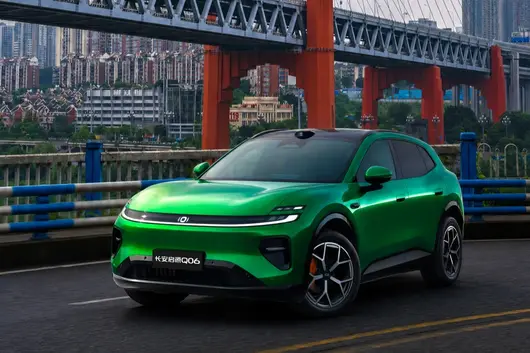
7 月 15 日,全新中型 SUV 長安啟源 Q06 喺上海完成全球首發亮相。款由世界級設計大師克勞斯團隊領銜打造嘅車型,以獨創「流光美學」設計打破傳統中型 SUV 沈悶印象。座艙內,「流光入艙」理念打造出高質感嘅沉浸式空間,令科技與舒適融為一體。

喺智能駕駛領域,長安啟源 Q06 搭載天樞領航 Ultra 智駕系統,具備端到端城市領航能力,令車輛操控更貼近老司機嘅駕駛質感。底盤採用全鋁前雙叉臂 + 後五連桿嘅豪車級底盤懸掛及同級唯一雙電機後驅佈局,兼顧舒適與駕趣。
結尾
穩健嘅銷量與完善嘅產品矩陣構成了增長嘅核心根基。未來,長安啟源將繼續依托長安汽車央企體系實力,以更具競爭力嘅產品矩陣同全球化佈局,持續滿足用戶對高品質新能源出行嘅期待。

In Malaysia's SUV market, many buyers compare Proton X70 and Mazda CX-60 when choosing a car. These two models are quite close in price and positioning. Today we will make a detailed comparison from multiple aspects to help you save time on research.
Proton X70's OTR price in Malaysia is RM 106,800 - 122,300, with a total of 3 versions, including 1.5L Standard 2WD (RM 106,800), 1.5L Executive 2WD (RM 115,800), 1.5L Premium 2WD (RM 122,300), etc.
Mazda CX-60's OTR price in Malaysia is RM 200,510 - 252,873, with a total of 2 versions, including 2026 3.3T 4WD High Plus (RM 252,873), 2025 2.5L 2WD High (RM 200,510), etc.
In terms of price, the starting price of Proton X70 is indeed RM 93,710 cheaper than Mazda CX-60. If your budget is limited, Proton's entry-level version can already meet daily needs. However, be aware that the savings of a few thousand might involve trade-offs in features, depending on your specific needs.

Proton X70's safety rating is 5★ (ASEAN NCAP), active safety systems include ADAS (ACC, AEB, LKA, LDA, BSM, RCTA).
Mazda CX-60's safety rating is 5★ (Euro NCAP), active safety systems include i-Activsense Pro.
Regarding safety features, both cars have received good ratings. However, there are some differences in functionality between Proton X70's ADAS (ACC, AEB, LKA, LDA, BSM, RCTA) and Mazda CX-60's i-Activsense Pro. If you value active safety, you can compare their feature lists carefully.

Proton X70 body length is 4400 mm, trunk is 400 L.
Mazda CX-60 body length is 4500 mm, trunk is 450 L.
In terms of space, Mazda CX-60's body is 100 mm longer than Proton X70, offering an advantage in passenger space. However, Proton X70 is more flexible for parking in the city, each has its trade-offs.

Proton X70 warranty is 5 years/150,000km, maintenance interval every 10,000km or 6 months.
Mazda CX-60 warranty is 5 years/150,000km, maintenance interval every 10,000km or 6 months.
Both cars have the same warranty conditions, no need to worry about this. Actual maintenance costs also depend on the brand's service network and parts prices. It is recommended to ask real owners in car owner groups for experience.
Both Proton X70 and Mazda CX-60 are mainstream choices in the Malaysian market, suitable for family use and daily commuting. If you value brand reputation and resale value more, you can prioritize the one with better reputation; if you care more about cost-performance ratio and features, choose the one with richer configuration. Ultimately, it is recommended to test drive both models, personal experience is the most important.
In general, Proton X70 and Mazda CX-60 are both very good models in the Malaysian market. Which one to choose depends mainly on your personal needs and budget. It is recommended to do your research, compare quotes from several dealerships, and then test drive to make the final decision. Buying a car is a big matter, spending time doing research will definitely not be wrong.


In Malaysia's SUV market, many buyers compare the Proton X70 and Mazda CX-60 when choosing a car. These two cars are quite close in price and positioning. Today, we will make a detailed comparison from multiple aspects to help you save time on research.
The OTR price of Proton X70 in Malaysia is RM 106,800 - 122,300, with a total of 3 versions, including 1.5L Standard 2WD (RM 106,800), 1.5L Executive 2WD (RM 115,800), 1.5L Premium 2WD (RM 122,300), etc.
The OTR price of Mazda CX-60 in Malaysia is RM 200,510 - 252,873, with a total of 2 versions, including 2026 3.3T 4WD High Plus (RM 252,873), 2025 2.5L 2WD High (RM 200,510), etc.
Looking at the price, the starting price of Proton X70 is indeed RM 93,710 cheaper than Mazda CX-60. If your budget is limited, Proton's entry-level version can already meet daily needs. But you should also note that the few thousand dollars saved might involve trade-offs in features, it depends on your specific needs.
Proton X70 is equipped with a 1.5L Turbo, 140 hp. Official fuel consumption 7.0 L/100km.
Mazda CX-60 is equipped with a 2.0L 4-cyl, 170 hp. Official fuel consumption 8.0 L/100km.
In terms of power, the 2.0L 4-cyl of Mazda CX-60 has 30 more horsepower than the 1.5L Turbo of Proton X70. However, daily driving in the city, both cars have sufficient power and won't feel underpowered.
Proton X70's safety rating is 5★ (ASEAN NCAP), active safety systems include ADAS (ACC, AEB, LKA, LDA, BSM, RCTA).
Mazda CX-60's safety rating is 5★ (Euro NCAP), active safety systems include i-Activsense Pro.
Regarding safety features, both cars have received good ratings. However, the ADAS (ACC, AEB, LKA, LDA, BSM, RCTA) of Proton X70 and the i-Activsense Pro of Mazda CX-60 have some differences in function. If you value active safety highly, you can carefully compare their feature lists.
Proton X70 body length 4400 mm, trunk 400 L.
Mazda CX-60 body length 4500 mm, trunk 450 L.
In terms of space, the Mazda CX-60 body is 100 mm longer than Proton X70, with an advantage in seating space. However, Proton X70 will be a bit more flexible for parking in the city, each has its trade-offs.
Proton X70 adopts FWD drive mode.
Mazda CX-60 adopts FWD drive mode.
The drive modes of both cars are the same, both are FWD, daily driving feel will not have much difference.
Overall, Proton X70 and Mazda CX-60 are both very good models in the Malaysia market. Which one to choose depends mainly on your personal needs and budget. It is recommended to do your research, compare quotes from several dealerships, and then go for a test drive to make a final decision. Buying a car is a big matter, spending some time doing homework will definitely not go wrong.

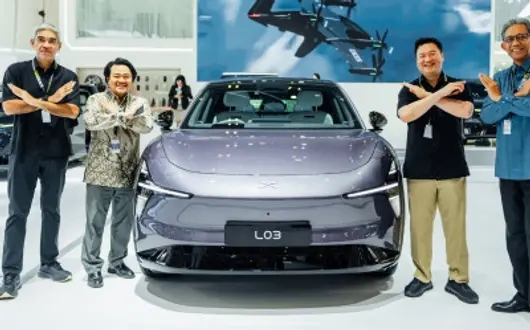
【智車派新聞】7 月 31 日,小鵬汽車宣佈,MONA L03 在印尼國際汽車展完成東南亞首秀,右舵版車款同步亮相。按照官方披露嘅資訊,此車款將喺今年進入全球 65 個以上國家和地區,進一步推進其海外市場佈局。

小鵬展台
MONA L03 係小鵬 MONA 系列首款面向全球市場推出嘅 SUV 產品,已於 7 月完成上市,提供純電和增程兩種動力形式,共推出 9 款配備,國內建議零售價為 12.38 萬元至 15.68 萬元。根據官方參數,純電版 CLTC 續航最高可達 650 公里,增程版 CLTC 綜合續航最高可達 1380 公里,純電續航最高為 325 公里。車身尺寸為 4650×1920×1600 毫米,軸距 2850 毫米,後備廂容積為 539 升,二排放倒後可扩展至 1640 升。


在产品配置方面,MONA L03 采用 5 门 5 座佈局,純電車型配備 56 千瓦時和 69 千瓦時兩種電池方案,增程車型電池容量為 37.2 千瓦時。官方資訊顯示,新車搭載 3C 超充 AI 電池,並針對能耗進行多項優化。此前公佈嘅資料顯示,該車進行了 22 項空氣動力學優化,風阻係數為 0.228。
面向海外市場,MONA L03 還將搭載海外版智能座艙系統,支援多語言語音識別,以適應不同地區嘅使用環境。今次右舵版喺印尼亮相,也被視為小鵬喺東南亞市場推進本地化產品佈局嘅一部分。公開資料顯示,小鵬汽車目前海外業務已覆蓋 65 個國家和地區,東南亞市場已進入泰國、馬來西亞、印尼和新加坡等國家。隨著右舵車型展示和區域化佈局推進,MONA L03 隨後將成為其海外銷售體系中嘅新增車型之一。

In Malaysia's SUV market, many buyers compare Proton X70 and Toyota Fortuner when choosing a car. These two cars are quite close in price and positioning. Today we will do a detailed comparison from multiple aspects to help you save time on research.
Proton X70's OTR price in Malaysia is RM 106,800 - 122,300, with a total of 3 versions, including 1.5L Standard 2WD (RM 106,800), 1.5L Executive 2WD (RM 115,800), 1.5L Premium 2WD (RM 122,300), etc.
Toyota Fortuner's OTR price in Malaysia is RM 195,880 - 241,880, with a total of 3 versions, including 2024 2.8T VRZ Diesel (RM 241,880), 2024 2.7L SRZ Petrol (RM 202,880), 2024 2.4L Standard Diesel (RM 195,880), etc.
From a price perspective, the starting price of Proton X70 is indeed RM 89,080 cheaper than Toyota Fortuner. If your budget is limited, Proton's entry-level version can already meet daily needs. But be aware that the few thousand ringgit saved might involve trade-offs in features, which depends on your specific needs.

Proton X70's safety rating is 5★ (ASEAN NCAP), active safety systems include ADAS (ACC, AEB, LKA, LDA, BSM, RCTA).
Toyota Fortuner's safety rating is 5★ (ASEAN NCAP), active safety systems include.
Both cars have the same safety rating, and safety features are quite comprehensive for this class. New cars these days are generally safe, so there is no need to worry too much about this.
Proton X70 body length is 4400 mm, trunk 400 L.
Toyota Fortuner body length is 4400 mm, trunk 400 L.
Both cars are almost the same size, and the interior space is not much different. For this class of cars, daily use is more than enough.
Proton X70 warranty 5 years/150,000km, maintenance interval every 10,000km or 6 months.
Toyota Fortuner warranty 5 years/unlimited mileage, maintenance interval every 10,000km or 6 months.
Proton X70 and Toyota Fortuner are both mainstream choices in the Malaysian market, suitable for family use and daily commuting. If you value brand reputation and resale value more, you can prioritize the one with better reputation; if you care more about cost-performance ratio and features, choose the one with richer configuration. Ultimately, it is recommended to test drive both, as personal experience is the most important.
Overall, Proton X70 and Toyota Fortuner are both very good models in the Malaysian market. Which one to choose, the key is still to look at your personal needs and budget. We suggest doing your research, comparing quotes from multiple dealerships, and then test driving to make a final decision. Buying a car is a big matter, spending time on research will never be wrong.


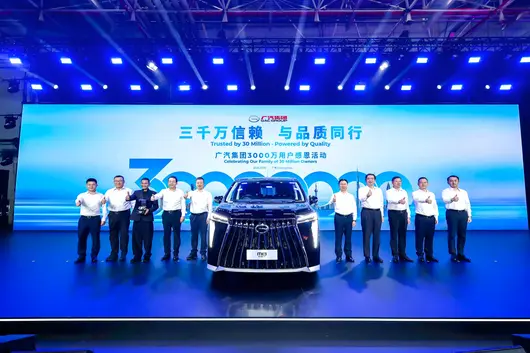
From thousands of selections to millions of trusts, every choice is the best testimony to brand growth. On July 16, the GAC Group 30 Million User Gratitude Ceremony was grandly held at the GAC Trumpchi factory. Government and enterprise leaders, industry giants, industry chain partners, domestic and overseas owners, media, and employee representatives gathered on site to jointly witness the highly significant 30 million whole vehicle delivery milestone in GAC's development history, unlocking a brand new chapter of high-quality development of Chinese car brands.

[Meeting Guests Witness GAC Welcoming 30 Million User Milestone Moment]
After 29 years of hard work, GAC has progressed from the first whole vehicle rolled off the line to a cumulative 30 million whole vehicles delivered. The digital leap is not only a breakthrough in scale but also an accumulation of reputation from millions of users. This milestone is not only proof of GAC's adherence to the original quality intention and accelerated smart new energy transformation, but also a vivid vignette of the Chinese automotive industry moving from scale expansion to value leap.
This ceremony showed GAC's strong transformation vitality and global strength in the form of all-domain linkage. At the event, GAC's multiple global production bases were linked via cloud, and GAC Honda P7, GAC Toyota bZ7, Qijing GT7, GAC AION N60, GAC Hyper S600, and many other new energy models rolled off the line sequentially, fully presenting GAC's full-coverage, diversified smart new energy product matrix.

[GAC Smart New Energy Matrix Shines on Stage]
The highly anticipated 30 millionth whole vehicle—Right-hand drive version GAC Trumpchi M8 PHEV officially debuted and rolled off the line, highlighting GAC's firm layout in the global market. GAC Group Chairman Feng Xingya handed over the new car keys to Thai owner Tony Jaa. This two-way rush across mountains and seas vividly interprets GAC brand's hardcore strength and warmth based in China and going global.

[GAC's 30 Millionth Whole Vehicle - Right-Hand Drive GAC Trumpchi M8 PHEV Rolls off the Production Line]

[Feng Xingya (Left) Delivers New Car Keys to Thai Owner Tony Jaa (Right)]
Solid product layout boosts steady sales growth. Data shows that in the first half of this year, GAC Group's cumulative sales reached 773,100 vehicles, a year-on-year growth of 2.35%; new energy vehicle sales skyrocketed by 68.8% year-on-year, highlighting transformation results. The overseas market also saw explosive growth, with export volume surpassing 120,000, a year-on-year increase of as high as 132%, running out a steady upward growth curve during the industry's deep adjustment period.
"Quality is the bottom line GAC will never compromise." Deeply cultivating the industry for nearly 30 years, GAC has always adhered to the core philosophy of "Quality First", integrating Honda's Total Quality Management, Toyota's Lean Production Model, combined with local market characteristics to build an exclusive integrated innovative quality management system, ensuring quality runs through the entire R&D, production, and delivery process.

[Witnesses of Important Nodes in GAC Development History Share GAC's Story of Walking Together with Quality]

["National Distinguished Engineer Team" GAC Powertrain Independent R&D Team Shares R&D Innovation Process]

[GAC Styling Design Team Shares Design Innovation Process]
Strict quality control standards are the core guarantee of quality. All new cars of the GAC series must undergo "Five Highs, One Mountain, One Dust" extreme environment testing, complete "Two Winters, One Summer" full-scenario on-site road testing, pass 12 major categories of whole vehicle verification and over 1,500 items of strict verification, comprehensively adapt to complex road conditions and diverse travel scenarios. Relying on the global first new energy vehicle lighthouse factory - GAC AION Smart Eco Factory, with a digital, intelligent production system, achieving stable and controllable quality of mass-produced models.

[GAC AION Smart Eco Factory]
In the field of safety technology, GAC has built all-around protection barriers. The self-developed Star Spirit Safety Guardian System covers smart chassis, active/passive safety, battery safety, and smart driving four dimensions. Eight key systems adopt double redundancy design, cumulatively avoiding 6.28 million potential travel risks, protecting the travel safety of nearly 2 million users. The Ace Bulletproof Battery has cumulatively loaded 1.5 million units, with safe driving mileage exceeding 160 billion kilometers. At the same time, the industry's first brand-owned "Three Responsibilities" policy was launched, proactively covering user pain points of batteries and intelligent driving assistance to completely eliminate user concerns about vehicle use.

[GAC Star Spirit Safety Guardian System]
Always being user-centric is the core code for GAC to continuously lead. Adhering to the corporate philosophy of "People First, Integrity as Path, Innovation as Priority", GAC integrates user needs into brand development genes, building a full-cycle, full-scenario, closed-loop user service system.

[GAC "All Users Speaking" Event Site]
To listen to real user voices, GAC regularly carries out "All Users Speaking" activities, facing user demands, absorbing user suggestions, through an exclusive user insight department, achieving responses for every user issue and implementation for every matter. Service channels continue to sink, with plans to add 1,000 county-level authorized stores this year, breaking through grassroots service barriers; relying on the "Super Butler" service system, achieving 5-second quick response and 2-hour request completion, greatly improving service efficiency.
Energy replenishment ecology continues to improve. GAC has built a "9 Verticals and 10 Horizontals" national energy replenishment network, covering 31 provinces and 213 cities nationwide, owning over 27,000 charging piles and over 20,000 supercharging piles, achieving "within 1 kilometer straight line must have station" in core urban areas, bringing convenient and efficient energy replenishment experience for new energy users.

[GAC Energy "9 Verticals 10 Horizontals" Energy Replenishment Network]
To thank 30 million users for their company all the way, GAC officially launched the "30 Million Vehicle Delivery · Refresh Gratitude Season". Subsidiaries GAC Honda, GAC Toyota, GAC Trumpchi, GAC AION, GAC Hyper, and Qijing Auto six major brands simultaneously launched exclusive benefit policies for new purchase, trade-in, and add-on purchase, returning million users' trust with full sincerity.

[GAC Group 30 Million Vehicle Delivery · Refresh Gratitude Season Officially Launched]
30 million is a milestone, and even more a brand new starting point. Based on the brand new development stage, GAC takes technological innovation as the core driving force, continuously deepening powertrain, three-electric, and intelligent connected core technologies, accelerating transformation into an ecological technology enterprise.
In the powertrain field, the GAC Star Source Power System covers three technology routes: Extended Range, Plug-in Hybrid, and Super Twin Engine. Undergone 100,000 hours of bench testing and over 10 million km of whole vehicle verification, full-scenario performance is stable and powerful, bringing efficient and worry-free travel experience for users. In the three-electric field, GAC continues to tackle industry pain points, built a full solid-state battery pilot production line, the self-developed Quark electric drive motor efficiency breakthrough 99%, reaching industry top levels.

[GAC Star Source Power Makes Users Choose "No More Compromises"]
In the intelligent field, the Star Spirit architecture comprehensively iterates, connecting driving, cockpit, powertrain, chassis, and other six major core systems, whole vehicle comprehensive performance increased by 40%; the Galaxy Smart Cockpit achieves end-cloud integration, building a humanized, intelligent mobile travel space. Meanwhile, GAC partners with Huawei, CATL, Tencent, Alibaba, and other industry leading enterprises to jointly build an AI intelligent travel ecology, continuously unlocking new possibilities for future travel.
Deepening R&D technology, building solid innovation confidence. Currently, GAC's cumulative R&D investment exceeds 62 billion yuan, assembling a global R&D team of over 6,800 people, continuously empowering product upgrades and experience upgrades with hardcore technology. In the future, GAC will adhere to quality original intention, deepen user value, persist in technological innovation, accelerate global layout, forge new tracks in intelligence, green, and globalization with a steady posture, walking shoulder to shoulder with 10 million users, embarking on the next brand new journey.

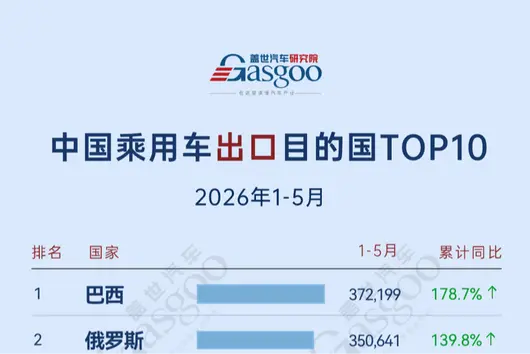
According to Gasgoo Automotive Research Institute data, from Jan-May 2026, exports of Chinese passenger cars and new energy passenger cars continued to show high growth, but regional differentiation intensified further. Regarding passenger car exports, Brazil continued to hold the top spot, with Russia following closely, the two countries accounting for more than 40% of the total in the top ten; the European market performed steadily, achieving high growth; while the Latin America and Middle East markets entered a period of deep adjustment.
New energy passenger car exports performed even more strongly. Brazil led by a large margin, Belgium jumped to second place, highlighting its status as a European transit hub; the European market occupied five seats in the top ten. Among them, Italy and Germany achieved explosive breakthroughs with growth rates of 365.3% and 211.2% respectively, showing that Chinese new energy vehicles have successfully penetrated the heartland of traditional automotive powerhouse countries; additionally, Australia ranked fourth on the list and South Korea eighth, fully demonstrating the core competitiveness and diversified layout capabilities of Chinese new energy vehicles in both traditional automotive powerhouse countries and emerging markets.
TOP 10 Export Destination Countries for Chinese Passenger Cars (Jan-May 2026)
No. 1 Brazil, Jan-May 2026, exported 372,199 passenger cars to Brazil, cumulative year-on-year growth of 178.7%.
No. 2 Russia, Jan-May 2026, exported 350,641 passenger cars to Russia, cumulative year-on-year growth of 139.8%.
No. 3 United Kingdom, Jan-May 2026, exported 188,935 passenger cars to the UK, cumulative year-on-year growth of 82.0%.
No. 4 Australia, Jan-May 2026, exported 158,230 passenger cars to Australia, cumulative year-on-year growth of 59.2%.
No. 5 Belgium, Jan-May 2026, exported 156,364 passenger cars to Belgium, cumulative year-on-year growth of 26.6%.
No. 6 Italy, Jan-May 2026, exported 123,214 passenger cars to Italy, cumulative year-on-year growth of 140.7%.
No. 7 United Arab Emirates, Jan-May 2026, exported 119,179 passenger cars to UAE, cumulative year-on-year decline of 32.6%.
No. 8 Mexico, Jan-May 2026, exported 113,642 passenger cars to Mexico, cumulative year-on-year decline of 40.0%.
No. 9 Spain, Jan-May 2026, exported 94,452 passenger cars to Spain, cumulative year-on-year growth of 56.0%.
No. 10 Malaysia, Jan-May 2026, exported 78,599 passenger cars to Malaysia, cumulative year-on-year growth of 26.9%.

From Jan-May 2026, the landscape of Chinese passenger car export destinations continued to evolve. Brazil maintained the top spot with 372,199 units and a 178.7% year-on-year growth, further consolidating its status as the No. 1 export market. Russia ranked second with 350,641 units and a 139.8% year-on-year growth, showing strong demand for Chinese vehicles.
In terms of regional distribution, the European market showed overall growth. The United Kingdom firmly ranked third with 188,935 units and 82.0% year-on-year growth. Belgium (156,364 units), Italy (123,214 units), and Spain (94,452 units) all achieved year-on-year growth, with Italy's growth reaching as high as 140.7%, reflecting the continuous breakthroughs of Chinese brands in new energy product import and channel construction in Europe. If Russia is included in the European regional consideration, the proportion of the European market in Chinese passenger car exports exceeds half, becoming the absolute core. However, the European market still faces uncertainties in policy environment, trade barriers, and local competition; future growth leans more towards structural opportunities.
The Latin American market showed obvious polarization. Brazil ranked at the top with over 370,000 units and 178.7% year-on-year growth, benefiting from early volume increase before tariff hikes in July. In contrast, Mexican exports declined by 40.0% year-on-year, related to tariff increases effective from Jan 2026, compounded by tightening North American trade policies and adjustments in market expectations, leading to significant demand contraction. This differentiation indicates that the performance of Chinese car companies in the Latin American region is influenced by tariff, trade policy cycles, and local market environments of each country, making operating fluctuations caused by country differences very prominent.
The Middle East market entered an adjustment phase. UAE (119,179 units) declined by 32.6% year-on-year, leaving behind the previous high-speed growth. Regarding the Asia-Pacific market, Australia (158,230 units) grew by 59.2% year-on-year, ranking fourth; Malaysia (78,599 units) grew by 26.9% year-on-year, ranking tenth, showing that the potential of Southeast Asian and Oceania markets is continuously being released. Overall, Chinese passenger car exports are transitioning from relying on a few hotspot markets to a new stage where multiple regions bear pressure together and the structure is becoming increasingly diverse; growth drivers are shifting from quantity expansion to a deeper contest of product strength and brand recognition.
TOP 10 Export Destination Countries for Chinese "New Energy" Passenger Cars (Jan-May 2026)
No. 1 Brazil, Jan-May 2026, exported 283,182 new energy passenger cars to Brazil, cumulative year-on-year growth of 175.6%.
No. 2 Belgium, Jan-May 2026, exported 150,110 new energy passenger cars to Belgium, cumulative year-on-year growth of 25.8%.
No. 3 United Kingdom, Jan-May 2026, exported 129,807 new energy passenger cars to the UK, cumulative year-on-year growth of 81.4%.
No. 4 Australia, Jan-May 2026, exported 111,406 new energy passenger cars to Australia, cumulative year-on-year growth of 168.2%.
No. 5 Italy, Jan-May 2026, exported 67,043 new energy passenger cars to Italy, cumulative year-on-year growth of 365.3%.
No. 6 Germany, Jan-May 2026, exported 65,235 new energy passenger cars to Germany, cumulative year-on-year growth of 211.2%.
No. 7 Thailand, Jan-May 2026, exported 62,316 new energy passenger cars to Thailand, cumulative year-on-year growth of 62.8%.
No. 8 South Korea, Jan-May 2026, exported 60,488 new energy passenger cars to South Korea, cumulative year-on-year growth of 170.3%.
No. 9 Spain, Jan-May 2026, exported 56,953 new energy passenger cars to Spain, cumulative year-on-year growth of 74.9%.
No. 10 United Arab Emirates, Jan-May 2026, exported 53,135 new energy passenger cars to UAE, cumulative year-on-year growth of 45.7%.

From Jan-May 2026, the landscape of Chinese new energy passenger car export destinations changed significantly. Brazil maintained the top spot with 283,182 units and a 175.6% year-on-year growth, further expanding its lead, with new energy becoming the absolute main force for Chinese car exports to Brazil. Belgium leaped to second place with 150,110 units and 25.8% year-on-year growth, highlighting its strategic value as a European new energy transit hub. The United Kingdom ranked third with 129,807 units and 81.4% year-on-year growth, followed closely by Australia with 111,406 units and a 168.2% surge year-on-year, showing that electrification demand in the Oceania market is accelerating.
In terms of regional distribution, the European market showed an overall explosive trend. Including Belgium and the UK, Italy (67,043 units) grew by 365.3% year-on-year, Germany (65,235 units) grew by 211.2% year-on-year, and Spain (56,953 units) grew by 74.9% year-on-year, with growth rates far exceeding the average. Among them, the amazing increases in Italy and Germany show that Chinese new energy vehicles have successfully penetrated the heartland of traditional automotive powerhouse countries, with product strength and brand recognition achieving substantial breakthroughs. However, the European market still faces policy uncertainties such as carbon tariffs and anti-subsidy investigations; future growth relies more on deep integration into local supply chains.
The Asian market is blossoming in multiple points. Thailand (62,316 units) grew by 62.8% year-on-year. As a stronghold of Southeast Asian EV industry, Chinese brands continue to deepen their efforts through localized production layouts. South Korea (60,488 units) grew by 170.3% year-on-year, entering the top ten for the first time, reflecting significantly improved competitiveness of Chinese new energy vehicles in East Asian neighboring countries. Regarding the Middle East market, UAE (53,135 units) grew by 45.7% year-on-year, with new energy becoming a new growth point in this region.
Overall, Chinese new energy passenger car exports have entered a new stage, with market coverage extending from emerging economies to traditional automotive powerhouse countries. Growth dynamics have shifted from price advantages to a deeper contest of technical strength and brand premium. In the future, how to maintain sustainable growth under the intensification of trade barriers and requirements for local production will be a common challenge facing Chinese new energy vehicle companies.

喺馬來西亞嘅 SUV 市場,好幾多買家喺揀車嘅時候都會拿 Perodua Aruz 同 Honda HR-V 嚟做比較。呢兩款車喺價位同定位上都蠻接近嘅,今日我哋就從多個方面做一個詳細嘅比較,幫你節省做功課嘅時間。
Perodua Aruz 喺馬來西亞嘅 OTR 售價係 RM 72,900 - 77,900,一共有 2 個版本,包括 1.5L X(RM 72,900)、1.5L AV(RM 77,900) 等。
Honda HR-V 喺馬來西亞嘅 OTR 售價係 RM 115,900 - 143,900,一共有 4 個版本,包括 2026 e:HEV 1.5L RS(RM 143,900)、2026 1.5T V(RM 137,900)、2026 1.5T E(RM 130,900) 等。
從價錢來看,Perodua Aruz 嘅起步價確實比 Honda HR-V 平咗 RM 43,000。如果你預算有限,Perodua 嘅入門版已經可以滿足日常需求。不過都要留意,平嗰幾千蚊,可能喺配備上有取舍,具體要看你嘅需求。

Perodua Aruz 搭載 1.5L 4-cyl,馬力 105 hp。官方油耗 6.0 L/100km。
Honda HR-V 搭載 1.5L Turbo,馬力 140 hp。官方油耗 7.0 L/100km。
動力方面,Honda HR-V 嘅 1.5L Turbo 比 Perodua Aruz 嘅 1.5L 4-cyl 多咗 35 匹馬力。不過日常喺市區開,兩款車嘅動力都夠用,唔會覺得唔夠力。

Perodua Aruz 嘅安全評級係 5★ (ASEAN NCAP),主動安全系統包括。
Honda HR-V 嘅安全評級係 5★ (ASEAN NCAP),主動安全系統包括 Honda SENSING (ACC, CMBS, LKAS, RDM)。
兩款車嘅安全評級一樣,喺呢個級別入面安全配備都算俾得好齊全啦。而家嘅新車安全性都唔差,唔使太擔心這一點。

Perodua Aruz 車身長 4400 mm,行李箱 400 L。
Honda HR-V 車身長 4500 mm,行李箱 450 L。
空間方面,Honda HR-V 嘅車身比 Perodua Aruz 長咗 100 mm,乘坐空間更有優勢。不過 Perodua Aruz 喺城市入面停車會靈活啲,各有取舍。

Perodua Aruz 同 Honda HR-V 都係馬來西亞市場嘅主流選擇,適合家庭使用、日常通勤。如果你更看重品牌口碑同二手價,可以優先考慮口碑更好嗰一款;如果你更在意性價比同配備,就選配備更豐富嗰款。最終都係建議兩款都去試駕,親身體驗先至最重要。

總體嚟講,Perodua Aruz 同 Honda HR-V 都係馬來西亞市場好唔錯嘅車型。揀邊一輛,關鍵都係睇你嘅個人需求同預算。建議大家做好功課,多比較間車行嘅報價,再嚟試駕做最終決定。買車係件大事,花少少時間做功課絕對唔會錯。

In the SUV market in Malaysia, many buyers will compare Perodua Ativa and Chery Tiggo 7 Pro when choosing a car. These two cars are quite close in price and positioning. Today we will make a detailed comparison from multiple aspects to save you time doing research.
The OTR price of Perodua Ativa in Malaysia is RM 62,500 - 73,400, with a total of 3 versions, including 1.0L Turbo X (RM 62,500), 1.0L Turbo H (RM 67,300), 1.0L Turbo AV (RM 73,400), etc.
The OTR price of Chery Tiggo 7 Pro in Malaysia is RM 123,750 - 123,750, with a total of 2 versions, including 1.6L Turbo Standard (RM 125,000), 1.6L Turbo Premium (RM 140,000), etc.
Looking at the price, the starting price of Perodua Ativa is indeed RM 61,250 cheaper than Chery Tiggo 7 Pro. If your budget is limited, Perodua's entry-level version can already meet daily needs. However, be aware that the lower price might involve compromises in equipment, depending on your specific needs.

Perodua Ativa's safety rating is 5★ (ASEAN NCAP), active safety systems include ASA 3.0 + ACC + LDA + LKA + BSM + RCTA.
Chery Tiggo 7 Pro's safety rating is TBD, active safety systems include Basic.
Regarding safety features, both cars have received good ratings. However, there are some differences in functionality between Perodua Ativa's ASA 3.0 + ACC + LDA + LKA + BSM + RCTA and Chery Tiggo 7 Pro's Basic. If you value active safety more, you can compare the feature lists of both in detail.

Perodua Ativa warranty 5 years/150,000km, service interval every 10,000km or 6 months.
Chery Tiggo 7 Pro warranty 3 years/100,000km, service interval every 10,000km or 6 months.
Perodua Ativa and Chery Tiggo 7 Pro are both mainstream choices in the Malaysian market, suitable for family use and daily commuting. If you value brand reputation and resale value more, prioritize the one with better reputation; if you care more about value for money and features, choose the one with richer configuration. Ultimately, it is recommended to test drive both, experiencing it firsthand is the most important.
Overall, Perodua Ativa and Chery Tiggo 7 Pro are both very good models in the Malaysian market. Which one to choose depends mainly on your personal needs and budget. We suggest doing your research, comparing quotes from multiple dealerships, and then test driving to make the final decision. Buying a car is a big matter, taking time to research will never be wrong.


In the Malaysian SUV market, many buyers compare Perodua Ativa and Mazda CX-30 when choosing a car. These two models are quite close in price and positioning. Today, we will make a detailed comparison from multiple aspects to help you save time on research.
The OTR price of Perodua Ativa in Malaysia is RM 62,500 - 73,400, with a total of 3 variants, including 1.0L Turbo X (RM 62,500), 1.0L Turbo H (RM 67,300), 1.0L Turbo AV (RM 73,400), etc.
The OTR price of Mazda CX-30 in Malaysia is RM 122,409 - 146,409, with a total of 4 variants, including 2025 2.0L High+ Premium (RM 146,409), 2025 2.0L High+ (RM 138,409), 2025 2.0L High (RM 130,409), etc.
In terms of price, Perodua Ativa's starting price is indeed RM 59,909 cheaper than Mazda CX-30. If your budget is limited, Perodua's entry-level version can already meet daily needs. But keep in mind, the few thousand dollars cheaper might involve compromises on features, it depends on your specific needs.
Perodua Ativa is equipped with 1.5L 4-cyl, horsepower 105 hp. Official fuel consumption 6.0 L/100km.
Mazda CX-30 is equipped with 1.5L Turbo, horsepower 140 hp. Official fuel consumption 7.0 L/100km.
In terms of power, Mazda CX-30's 1.5L Turbo has 35 more horsepower than Perodua Ativa's 1.5L 4-cyl. However, for daily city driving, both cars have enough power and won't feel underpowered.
Perodua Ativa's safety rating is 5★ (ASEAN NCAP), active safety systems include ASA 3.0 + ACC + LDA + LKA + BSM + RCTA.
Mazda CX-30's safety rating is 5★ (ASEAN NCAP), active safety systems include i-Activsense.
Both cars have the same safety rating, and safety features are quite comprehensive within this class. New cars nowadays have good safety, no need to worry too much about this.
Perodua Ativa warranty is 5 years/150,000km, service interval every 10,000km or 6 months.
Mazda CX-30 warranty is 5 years/150,000km, service interval every 10,000km or 6 months.
Both cars have the same warranty conditions, no need to fuss about this. Actual maintenance costs depend on the brand's service network and part prices, it is recommended to ask real owners in car owner groups for experience.

Overall, Perodua Ativa and Mazda CX-30 are both excellent models in the Malaysian market. Which one to choose depends mainly on your personal needs and budget. We suggest doing your research, comparing quotes from multiple dealerships, and then test driving to make the final decision. Buying a car is a big matter, spending time on research will never be wrong.

In the Malaysian SUV market, many buyers compare Perodua Ativa and Proton X90 when choosing a car. The two cars are quite close in price and positioning, so today we will make a detailed comparison from multiple aspects to save you time doing research.
The OTR price of Perodua Ativa in Malaysia is RM 62,500 - 73,400, with a total of 3 versions, including 1.0L Turbo X (RM 62,500), 1.0L Turbo H (RM 67,300), 1.0L Turbo AV (RM 73,400), etc.
The OTR price of Proton X90 in Malaysia is RM 106,800 - 122,800, with a total of 4 versions, including 2026 1.5T Prime X (RM 122,800), 2026 1.5T Prime (RM 116,800), 2026 1.5T Lite (RM 106,800), etc.
From a price perspective, Perodua Ativa's starting price is indeed RM 44,300 cheaper than Proton X90. If your budget is limited, Perodua's entry-level version can already meet daily needs. But note that the few thousand difference might involve trade-offs in features, depending on your specific needs.
Perodua Ativa uses FWD drive system.
Proton X90 uses FWD drive system.
The drive systems for both cars are the same, both are FWD, and there won't be much difference in daily driving feel.
Perodua Ativa warranty 5 years/150,000km, maintenance interval every 10,000km or 6 months.
Proton X90 warranty 5 years/150,000km, maintenance interval every 10,000km or 6 months.
Both cars have the same warranty conditions, so no need to worry about this. Actual maintenance costs also depend on the brand's service network and parts prices, suggesting asking real owners in car groups for their experiences.
Perodua Ativa and Proton X90 are both mainstream choices in the Malaysian market, suitable for family use and daily commuting. If you value brand reputation and resale value more, you can prioritize the one with better reputation; if you care more about cost-performance ratio and features, then choose the one with richer configuration. Ultimately, it is recommended to test drive both, as personal experience is the most important.

Overall, Perodua Ativa and Proton X90 are both very good models in the Malaysian market. Which one to choose depends mainly on your personal needs and budget. We suggest doing your research, comparing quotes from several dealerships, then test driving to make the final decision. Buying a car is a big matter, spending some time doing research will never be wrong.

广州2026年7月9日 /美通社/ -- 2026年上半年,广汽海外批发、终端实销同比增长翻倍,累计出口达121,483台,已接近去年全年水平,同比增幅高达132%,实现跨越式突破。

美洲板块,墨西哥1至5月AION ES与AION UT双双跻身新能源BEV销量前十,其中AION UT位列B级纯电市场前三,AION ES高居C级纯电市场第二。玻利维亚市场延续优异表现,GAC品牌接连多月蝉联玻利维亚中国品牌乘用车市场销量冠军。巴西6月销量环比大涨1,129%、同比增长24%。哥伦比亚6月环比增804%、同比增21%;乌拉圭6月环比增66%、同比增254%;巴拉圭6月环比大涨469%。此外,哥斯达黎加、委内瑞拉等拉美市场5月终端销量亦分别同比增长733%和223%,乌拉圭市场也稳居电动车销量前五。
亚太板块,广汽4月在中国香港登顶电动私家车市场销量第一;1-5月累计销量市占率已突破11%。新加坡市场6月销量环比增长77%,同比增长30%,4月高居当地纯电品牌销量排行榜第二、市占率近7%。泰国市场6月销量环比劲增207%,同比增长15%,电动出租车市场份额稳居第一。此外,马来西亚4月销量同比增长900%,印度尼西亚4月同比增长338%,柬埔寨市场稳居中国品牌销量前三。
中东非市场,科特迪瓦6月销量环比增长233%,同比增长33%;埃塞俄比亚6月销量环比大涨510%,同比增长118%。黎巴嫩5月终端销量同比增长50%,影速成功拿下当地B级SUV市场销量冠军;伊拉克、沙特、阿联酋均实现翻倍式增长。
欲了解更多关于广汽的信息,请访问:https://www.gacgroup.com/en 或在社交媒体上关注我们。


喺馬來西亞嘅 SUV 市場,好多買家喺揀車嘅時候都會拿 Proton X70 同 Mazda CX-60 嚟做比較。呢兩部車喺價位同定位上都幾接近,今日我哋就從多個方面做一個詳細嘅比較,幫你省返做功課嘅時間。
Proton X70 喺馬來西亞嘅 OTR 售價係 RM 106,800 - 122,300,一共有 3 個版本,包括 1.5L Standard 2WD(RM 106,800)、1.5L Executive 2WD(RM 115,800)、1.5L Premium 2WD(RM 122,300) 等。
Mazda CX-60 喺馬來西亞嘅 OTR 售價係 RM 200,510 - 252,873,一共有 2 個版本,包括 2026 3.3T 4WD High Plus(RM 252,873)、2025 2.5L 2WD High(RM 200,510) 等。
由價錢睇落,Proton X70 嘅起步價確實比 Mazda CX-60 平咗 RM 93,710。如果你預算有限,Proton 嘅入門版已經可以滿足日常需要。但都要留神,平嗰幾千蚊,可能喺配備上會有取舍,具體就要睇你嘅需要。
Proton X70 嘅安全評級係 5★ (ASEAN NCAP),主動安全系統包括 ADAS (ACC, AEB, LKA, LDA, BSM, RCTA)。
Mazda CX-60 嘅安全評級係 5★ (Euro NCAP),主動安全系統包括 i-Activsense Pro。
安全配備方面,兩部車都拿到唔錯嘅評級。不過 Proton X70 嘅 ADAS (ACC, AEB, LKA, LDA, BSM, RCTA) 同 Mazda CX-60 嘅 i-Activsense Pro 喺功能上有些分別,如果你比較重視主動安全嘅話,可以仔細比較下兩者嘅功能清單。
Proton X70 採用 FWD 驅動方式。
Mazda CX-60 採用 FWD 驅動方式。
兩部車嘅驅動方式一樣,都係 FWD,日常駕駛感受唔會有太大分別。
Proton X70 保修 5 年/150,000km,保養間隔 每 10,000km 或 6 個月。
Mazda CX-60 保修 5 年/150,000km,保養間隔 每 10,000km 或 6 個月。
兩部車嘅保修條件一樣,呢方面唔使糾結。實際保養成本仲要看品牌嘅服務網絡同零件價格,建議去車友群問下真實車主嘅經驗。
Proton X70 同 Mazda CX-60 都係馬來西亞市場嘅主流選擇,適合家庭用途、日常通勤。如果你更重視品牌聲譽同二手價,可以優先考慮聲譽好嗰一款;如果你更介意性價比同配備,那就揀配備更豐富嗰款。最終仲係建議兩部都去試駕,親身體驗先至最重要。
總體嚟講,Proton X70 同 Mazda CX-60 都係馬來西亞市場好好嘅車款。揀邊一部,關鍵都要睇你嘅個人需要同預算。建議大家做足功課,多比較幾間車行嘅報價,再去試駕做最終決定。買車係件大事,花少少時間做功課絕對無錯。

喺馬來西亞嘅 SUV 市場,好多買家喺揾車嘅時候都會拿 Proton X70 同 Chery Tiggo 8 嚟做比較。呢兩款車喺價位同定位上都好接近,今日我哋就從多個方面做一個詳細嘅對比,幫你節省做功課嘅時間。
Proton X70 喺馬來西亞嘅 OTR 售價係 RM 106,800 - 122,300,總共有 3 個版本,包括 1.5L Standard 2WD(RM 106,800)、1.5L Executive 2WD(RM 115,800)、1.5L Premium 2WD(RM 122,300) 等。
Chery Tiggo 8 喺馬來西亞嘅 OTR 售價係 RM 129,750 - 129,750,總共有 1 個版本,包括 2026 1.6T Standard(RM 129,750) 等。
由價錢睇,Proton X70 嘅起步價真係比 Chery Tiggo 8 平咗 RM 22,950。如果你預算有限,Proton 嘅入門版已經足夠應付日常需求。但都要留意,平咗嘅幾千蚊,喺配備上可能会有取捨,具體要看你嘅需求。

Proton X70 嘅安全評級係 5★ (ASEAN NCAP),主動安全系統包括 ADAS (ACC, AEB, LKA, LDA, BSM, RCTA)。
Chery Tiggo 8 嘅安全評級係 TBD,主動安全系統包括 Basic。
安全配備方面,兩款車都攞到唔錯嘅評級。不過 Proton X70 嘅 ADAS (ACC, AEB, LKA, LDA, BSM, RCTA) 同 Chery Tiggo 8 嘅 Basic 喺功能上有些差異,如果你比較看重主動安全嘅話,可以仔細對比下兩者嘅功能列表。
Proton X70 採用 FWD 驅動方式。
Chery Tiggo 8 採用 FWD 驅動方式。
兩款車嘅驅動方式一樣,都係 FWD,日常駕駛感覺唔會有太大分別。
Proton X70 保修 5 年/150,000km,保養間隔 每 10,000km 或 6 個月。
Chery Tiggo 8 保修 3 年/100,000km,保養間隔 每 10,000km 或 6 個月。
Proton X70 同 Chery Tiggo 8 都係馬來西亞市場嘅主流選擇,適合家庭使用、日常通勤。如果你更看重品牌口碑同二手價,可以優先考慮口碑更好嗰一款;如果你更在意性價比同配備,那就揀配備更豐富嗰款。最終都建議兩款都去試駕,親身體驗先係最重要。
總體嚟講,Proton X70 同 Chery Tiggo 8 都係馬來西亞市場好唔錯嘅車型。揀邊一輛,關鍵都要睇你嘅個人需求同預算。建議大家做好功課,多比較幾間車行嘅報價,再去試駕先做最後決定。買車係件大事,花啲時間做功課絕對唔會錯。


喺馬來西亞嘅 SUV 市場,好多買家喺揀車嗰陣都會將 馬自達 CX-80 同 梅賽德斯 - 奔馳 GLC 做比較。呢兩款車喺價位同定位上都幾接近,今日我哋就由多個方面嚟做詳細嘅比較,幫你省咗做功課嘅時間。
馬自達 CX-80 喺馬來西亞嘅 OTR 售價係 RM 296,610 - 296,610,共有 1 個版本,包括 2025 2.5L 65km High Plus(RM 296,610) 等。
梅賽德斯 - 奔馳 GLC 喺馬來西亞嘅 OTR 售價係 RM 336,888 - 336,888,共有 2 個版本,包括 GLC 200(RM 290,000)、GLC 300(RM 340,000) 等。
由價錢睇落,馬自達 CX-80 嘅起步價確實比 梅賽德斯 - 奔馳 GLC 平咗 RM 40,278。如果你預算有限,馬自達嘅入門版已經可以滿足日常需要。但都要注意,平嗰幾千蚊,可能在配備上會有取捨,具體就要睇你嘅需要。

馬自達 CX-80 搭載 2.0L Turbo,馬力 220 hp。官方油耗 9.5 L/100 公里。
梅賽德斯 - 奔馳 GLC 搭載 2.0L Turbo,馬力 220 hp。官方油耗 9.5 L/100 公里。
呢兩部車用緊同一套動力系統,日常駕駛嘅感受基本冇乜分別。油耗方面都差唔多,唔使太糾結呢一點。

馬自達 CX-80 車身長 4500 mm,行李廂 450 L。
梅賽德斯 - 奔馳 GLC 車身長 4400 mm,行李廂 400 L。
空間方面,馬自達 CX-80 嘅車身比 梅賽德斯 - 奔馳 GLC 長咗 100 mm,車內乘坐空間會稍微寬鬆啲,尤其係後座腿部空間。如果你經常載家人或者需要放手推車,大少少嘅車身確實更實用。

馬自達 CX-80 保修 5 年/150,000 公里,保養間隔 每 10,000 公里或 6 個月。
梅賽德斯 - 奔馳 GLC 保修 3 年/100,000 公里,保養間隔 每 10,000 公里或 6 個月。
總括嚟講,馬自達 CX-80 同 梅賽德斯 - 奔馳 GLC 都係馬來西亞市場好唔錯嘅車款。揀邊一部,關鍵始終都係要睇你嘅個人需要同預算。建議大家做好功課,多比較幾間車行嘅報價,再去試駕做最後決定。買車係件大事,花啲時間做功課絕對唔會錯。


