首頁BBQ

搜尋歷史
熱門搜尋
經銷商登入 / 註冊


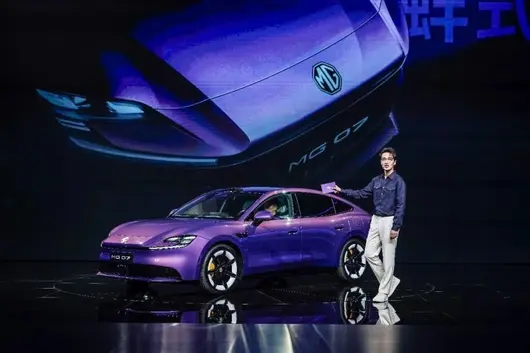
MG 07 hit the core issue MG faces right now: How can a brand that has regained success overseas return to its domestic market to gain the same presence and recognition? Chen Cui proved one thing, taking on difficulties head-on: Grappling with the toughest opponents. Only through true localization for the Chinese market, connecting yesterday's MG and today's MG, can Chinese users who truly love MG emerge.
Written by | Smart Driving Network, Ling Jiang
Edited by | Lang Lang Shan and Ming Zhi Shan
Chen Cui, born inthe year 1990 still retains a rare youthful spirit.
On June 29, during the MG 07 styling design live stream, which was interrupted after netizens were moved to tears, it was exactly Chen Cui's first anniversary asGeneral Manager of SAIC MG Brand Business Unit, and MG 07 is clearly the product he values most.

MG 07 targeting the Xiaomi SU7 in product definition is indeed true, and Chen Cui being criticized and directly confronted by netizens is also true.
A brand head being scolded off the live stream is not strange today; the difficulty lies in how to deconstruct online biases and stand up again to let the public accept their product.
So-called youthful spirit includes both a serious attitude and an obstinacy for victory.
01.
MG Gains a 'Chinese Flavor'
In #MGGeneralManagerLiveStreamAttacked becoming a hot topic in the car circle and trending on hot searches for two days, on July 2, MG held a static review event quickly at the SAIC Design Center, where Chen Cui directly came clean to the media:
「Yes, I copied, but I copied the MG brand.」

In 1955, the MGA model first introduced the two-stage shoulder line; in 1957, the EX181 was equipped with a clamshell hood; the MGB GT launched in 1965 began captivating the boys and girls on London streets with its fastback styling.
MG's history as a British brand was unexpectedly presented to Chinese next-generation consumers in a debate.
The design of MG 07 is 'copying from its own heritage'.

On July 23, MG rode the wave to release Chen Cui's personal Rap single 'WO CHAO (I Copy)'.
Chen Cui played the guitar and shouted at the camera 'I copy from my own heritage, I have more confidence than you'.

At the MG7 launch event on July 27, new Rapper Chen Cui invited MG's 'grandpa-era' sports cars onto the stage.
MG was established in 1924, the MG name is the abbreviation ofMorris Garages, Morris is the first letter of the founder of MG, Morris, and Garage is exactly the garage where Morris started his business, does it sound like Xiaopeng and Li Xiang building cars today?

Morris's dream was to create affordable sports cars distinct from expensive Ferraris and Aston Martins; his lightweight convertible sports car M-Type Midget launched in 1928 became a classic MG car series selling for more than half a century, accepted by ordinary British people through 'speed, handling, accessible pricing' by participating in many British hill climbs and rallies.
A century later on the mysterious continent of the East, whether entrepreneur Lei Jun was inspired by Morris when launching his first car product SU7 in 2024, we do not know.
We are just surprised to find that history is sometimes so similar; the difference sometimes is just people from different eras演绎ing different spirits of the times.
After SAIC owned the MG brand in 2005, it began a new history of production in China and global sales; from then on it had a Chinese name: MG.
A magical scene is that MG quickly became one of the most representative samples in the narrative of Chinese brands going global.
Official data from SAIC shows MG has ranked first in European sales for Chinese brands for 11 consecutive years; in January-June 2026, MG sold over 190,000 units cumulatively in Europe, with year-on-year growth exceeding 20%, and cumulative historical sales passed the million unit threshold in February of this year.
Based on MG's single-month sales of 30,292 units in Europe in May 2026, it ranked 15th in the entire European passenger car market, accounting for 44.5% of total Chinese brand sales.
Over the past century, MG's good reputation established in Europe, leveraging China's complete vehicle manufacturing system, has not only quickly regained life in the European market but also established footholds in Australia, New Zealand, Mexico, the Middle East, and Thailand, restarting overseas production, setting up factories in Thailand, the UK, and South America, becoming a global brand once again, and this time it is fully led by Chinese automotive professionals.
However, unfortunately, flowers blooming outside the wall did not bring favor inside.
The live stream incident on June 29 actually revealed a harsh truth: MG, which is dominating everywhere in overseas markets, actually lacks emotional connection when facing domestic users; 'British style' not only feels veiled to today's next-generation users but also lacks attraction.
The aesthetic labels MG has established overseas: Young, Sporty, Coupe-like, Emphasizing Visual Posture have not gained strong recognition in the Chinese market; it can even be said there is no desire to understand.

As Chen Cui introduced the MG 07 styling like counting treasures, the live stream's danmu was flooded with questions like 'Copying Porsche', 'Looks like Xiaomi SU7', 'Porsche-ish' etc. MG's history is too long, and today's digital natives do not care what design languages British brands from the 1950s and 1960s used.
And after Chen Cui directly quoted Lei Jun's famous saying 'No detail is plagiarized' to counterattack, the comment section quickly erupted into a battle: 'Can you compare to Lei Jun?', 'Do you deserve to quote Mr. Lei?'.
The new car design show turned into an idol defense battle.
Luckily, the post-90s Chen Cui did not continue to retreat after withdrawing the broadcast choking up; instead, unexpectedly in a public opinion crisis, he broke down a wall, a wall spanning between British brands and the Chinese market after de-mystifying Western brands, where emotions increasingly grew distant.
MG was born in the UK, but today its products inside and out are already pure Chinese cars. The hot sales in its overseas market have made MG's management cling tightly to the 'British style' to emphasize its identity inheritance for many years, and they could not establish a deep emotional link with the Chinese market.
After going through a storm of public opinion where enemies become friends, Chinese next-generation consumers have developed a desire to know MG, and MG finally has the youthful spirit only found in the Chinese market.
It started in Britain, traveled 100 years, and under the leadership of China's youngest generation of automotive professionals, it finally has a Chinese flavor.

MG 07's length, width, and height are 4886/1900/1485mm, wheelbase 2825mm, featuring integrated stamped clamshell hood, frameless doors, 5-position adjustable electric wing, and hatchback fastback styling, drag coefficient 0.23 Cd.

As a low-slung coupe, MG 07 achieved a space utilization ratio of 87%; in terms of storage capacity, MG 07 owns the world's largest 168-liter frunk for a sedan.

SAIC Passenger Vehicle Vice President and Sales General Manager Zhang Liang described this space performance as 'balance of the Impossible Triangle of styling, space, and range' in communication with the media.
「This is the coupe genes and technical foundation.」
In Zhang Liang's view, the coupe's 'Impossible Triangle' is a design challenge existing in the industry for a long time:
Fastback streamlined styling lowers the roof, sacrificing rear seat space; if raising the roof to gain a spacious cabin, it will compromise aerodynamics and styling.
Breaking the 'Impossible Triangle' means MG 07 will no longer return to the old road of 'Sports sedan = niche preference' in the fuel era, but will integrate the emotional value of a coupe into a framework that can cover more mainstream family users and young urban users.
They infused 'family experience' into a performance coupe, equipped with a 30L dual-zone freezer, zero-gravity seats, 21-speaker panoramic sound system, and Momenta's City NOA.

MG 07 carries Chen Cui's youthful spirit and also entrusts the hope of the SAIC Group to win over mass users in the pure electric market.
MG 07 is an intelligent coupe that can only be manufactured in China.
02.
Get 300k Value out of 150k
In the puzzle piece planned by SAIC Group, after solidifying the base market, MG will focus entirely on the 100,000-200,000 yuan core range, and launch a new electric coupe in the second half of the year to promote 'technology accessibility' to continue exploring downwards.
MG 07 was born with such a mission, but before MG 07 launched, this was already a red-hot market.

For MG 07's competitors, Chen Cui set three screening criteria: 840km range, 800V high-voltage platform, and LiDAR hardware representing intelligence.
Adding the three, Chen Cui screened out 10 target models from 864 new energy vehicles in the domestic market:
Removing Zeekr 009 and Yangwang U7 with large price differences, the eight models opposite MG 07 are: Xiaomi SU7, BYD Tang, BYD Seal 08, Zeekr 007, Denza Z9GT, Voyah Zhiyin, Luxeed S7, and Qijing GT7, with an average starting price of 255,000 yuan.
Among them, of course, including the Xiaomi SU7 that triggered public opinion waves.

Facing the above eight star competitor models, Chen Cui and MG's strategy was extremely direct and rough: lower prices.
MG 07's entry-level 650 Comfort Edition is equipped with a 67kWh semi-solid-state battery, CLTC range 650km, and all models come standard with mCDC smart electromagnetic suspension with 200 damping adjustments per second, with a pre-sale price of only 125,900 yuan.
The two versions with real killing power are the 135,900 yuan 610 LiDAR version and the 155,900 yuan 845 LiDAR version: the former gives 'world's only mass-produced, stable charging/discharging at minus 30 degrees' semi-solid-state battery + Momenta R7 World Model + LiDAR, the latter directly mounts 91kWh CATL ternary lithium battery + 800V high-voltage platform + 5C super fast charging, CLTC range 845km.

Among them, MG 07 is first equipped with Momenta R7 Reinforcement Learning World Model, equipped with Xheart X7 large model dedicated chip and integrated LiDAR, supporting City NOA and full-scenario memory parking.
SAIC is Momenta's largest institutional shareholder; this solution was originally reserved for 300,000 yuan class models, now downgraded to models starting from 135,900 yuan.
According to industry conventions, the final official launch price usually has another 5,000 to 6,000 yuan room to drop, which means the 845 LiDAR version has a chance to enter below 150,000, and the 610 LiDAR version may burst into below 130,000.
Did MG 07 use hardware specs roughly halved the price, meaning SAIC decided to lose money just for the sake of hype?
Facing this question, Zhang Liang's answer was also very direct:
「Definitely won't do loss-making business.」
He stated in communication with the media that MG's next core direction is to maximize value, not simply make a fuss on prices.
He summarized two MG 'value methodologies' to the media:
First is Scale and Modularity—MG 07 is built on SAIC's next-gen global architecture; batteries, chassis, and core modules can be shared by multiple models; suppliers conduct forward-looking joint development based on expectations of sales volume, amortizing costs through scale.
Second is Technical Integration—18-in-1 active heat dissipation electric drive lowers costs while releasing space and improving performance.
MG 07 has the potential to achieve making a 150,000 yuan car into a 300,000 yuan car's configuration without losing money.
But cars are ultimately a scale industry; without enough sales to amortize costs, everything will return to illusion.

Chen Cui revealed a set of data to the media after the launch event: the order volume within 50 minutes of the event start reached the level of 3 hours after MG4 launched; pre-launch overall user heat was about twice that of MG4.
Subsequently, official data showed: MG 07 pre-order 20-hour small reservations broke 21,000 units, doubling compared to MG 4 same period.
This number, of course, cannot be directly equated to terminal sales, but it at least shows that the first round of stimulus from price and configuration worked, and consumers are willing to take a serious look at MG.
Final Thoughts:
MG's base today is still the overseas market; in the short term, overseas sales greater than domestic may not change.
But uncertainty in the overseas market environment is also increasing.
Discussions around EU tariffs and local production have been going on for a while.
Some media reported that pure electric models sold by SAIC/MG in the EU face an additional tariff of 35.3%; after stacking with the existing 10% base tariff, tax burden pressure is significantly raised. In response, MG is also advancing its European factory construction plan to cope with the new trade environment.
For MG, this means the rhythm of expansion along the export dividend in the past is entering a more complex stage: channels, policies, costs, capacity layout, all need to be re-calculated next.
This also makes it more urgent for MG to develop the Chinese local market than before.
Unlike many Chinese local brands deeply layouting going global, MG wants to take a reverse global path where success abroad strengthens domestic presence; changing the 'strong overseas, weak domestic' sales structure, the difficulty here is on par with many joint venture brands trying to keep up with the rhythm of the Chinese market.
MG's advantage is it has local talent who understand the Chinese market best; for the young Chen Cui, what he needs to do most is both respect MG's history and glory, and also prevent this heavy history from becoming a burden for MG to contact Chinese next-generation users.

What MG needs today is not a new overseas good news; it needs a main product that can stand in the Chinese market to help the brand re-calibrate its identity.
MG 07 undertakes exactly this role.
However, there are always people in the industry who like to tell a car story too grand, as if one launch event can rewrite brand destiny.
MG 07 of course cannot bear the bet of deciding the outcome in one battle.
But MG 07 is a beginning; it hit MG's core issue right now: How can a brand that regained success overseas leveraging China's three-electric and intelligent technologies return to the domestic market to gain the same presence and recognition?
Chen Cui proved one thing, taking on difficulties head-on: Grappling with the toughest opponents.
Only through true localization for the Chinese market, connecting yesterday's MG and today's MG, can Chinese users who truly love MG emerge.

In Malaysia's SUV market, many buyers compare Proton X70 and Mazda CX-60 when choosing a car. These two models are quite close in price and positioning. Today we will make a detailed comparison from multiple aspects to help you save time on research.
Proton X70's OTR price in Malaysia is RM 106,800 - 122,300, with a total of 3 versions, including 1.5L Standard 2WD (RM 106,800), 1.5L Executive 2WD (RM 115,800), 1.5L Premium 2WD (RM 122,300), etc.
Mazda CX-60's OTR price in Malaysia is RM 200,510 - 252,873, with a total of 2 versions, including 2026 3.3T 4WD High Plus (RM 252,873), 2025 2.5L 2WD High (RM 200,510), etc.
In terms of price, the starting price of Proton X70 is indeed RM 93,710 cheaper than Mazda CX-60. If your budget is limited, Proton's entry-level version can already meet daily needs. However, be aware that the savings of a few thousand might involve trade-offs in features, depending on your specific needs.

Proton X70's safety rating is 5★ (ASEAN NCAP), active safety systems include ADAS (ACC, AEB, LKA, LDA, BSM, RCTA).
Mazda CX-60's safety rating is 5★ (Euro NCAP), active safety systems include i-Activsense Pro.
Regarding safety features, both cars have received good ratings. However, there are some differences in functionality between Proton X70's ADAS (ACC, AEB, LKA, LDA, BSM, RCTA) and Mazda CX-60's i-Activsense Pro. If you value active safety, you can compare their feature lists carefully.

Proton X70 body length is 4400 mm, trunk is 400 L.
Mazda CX-60 body length is 4500 mm, trunk is 450 L.
In terms of space, Mazda CX-60's body is 100 mm longer than Proton X70, offering an advantage in passenger space. However, Proton X70 is more flexible for parking in the city, each has its trade-offs.

Proton X70 warranty is 5 years/150,000km, maintenance interval every 10,000km or 6 months.
Mazda CX-60 warranty is 5 years/150,000km, maintenance interval every 10,000km or 6 months.
Both cars have the same warranty conditions, no need to worry about this. Actual maintenance costs also depend on the brand's service network and parts prices. It is recommended to ask real owners in car owner groups for experience.
Both Proton X70 and Mazda CX-60 are mainstream choices in the Malaysian market, suitable for family use and daily commuting. If you value brand reputation and resale value more, you can prioritize the one with better reputation; if you care more about cost-performance ratio and features, choose the one with richer configuration. Ultimately, it is recommended to test drive both models, personal experience is the most important.
In general, Proton X70 and Mazda CX-60 are both very good models in the Malaysian market. Which one to choose depends mainly on your personal needs and budget. It is recommended to do your research, compare quotes from several dealerships, and then test drive to make the final decision. Buying a car is a big matter, spending time doing research will definitely not be wrong.


In the Malaysian SUV market, many buyers compare the Proton X70 and Toyota Yaris Cross when choosing a car. These two models are quite close in terms of price and positioning. Today, we will make a detailed comparison from multiple aspects to help you save time doing research.
The Proton X70 OTR price in Malaysia is RM 106,800 - 122,300, with a total of 3 versions, including 1.5L Standard 2WD (RM 106,800), 1.5L Executive 2WD (RM 115,800), 1.5L Premium 2WD (RM 122,300), etc.
The Toyota Yaris Cross OTR price in Malaysia is RM 99,900 - 109,900, with a total of 2 versions, including 2026 1.5L Standard (RM 99,900), 2026 HEV 1.5L Standard (RM 109,900), etc.
From a price perspective, the starting price of the Toyota Yaris Cross is RM 6,900 cheaper than the Proton X70. Honestly, in this price range, the gap of a few thousand is actually not significant. The key is to look at the overall cost-performance ratio and long-term usage costs.

The Proton X70 is equipped with a 1.5L Turbo, with 140 hp. Official fuel consumption is 7.0 L/100km.
The Toyota Yaris Cross is equipped with a 1.5L 4-cyl, with 105 hp. Official fuel consumption is 6.0 L/100km.
In terms of power, the Proton X70's 1.5L Turbo has 35 more horsepower than the Toyota Yaris Cross's 1.5L 4-cyl, providing more confidence in mid-range acceleration, especially when overtaking on highways. However, the Toyota Yaris Cross may have more favorable fuel economy, and the difference in daily city commuting will not be too large.

The Proton X70 body length is 4400 mm, with a trunk of 400 L.
The Toyota Yaris Cross body length is 4400 mm, with a trunk of 400 L.
The dimensions of the two cars are almost the same, and the interior space is not significantly different. For cars in this class, it is completely sufficient for daily use.

Both Proton X70 and Toyota Yaris Cross are mainstream choices in the Malaysian market, suitable for family use and daily commuting. If you value brand reputation and resale value more, prioritize the one with better reputation; if you care more about cost-performance ratio and features, choose the one with richer configuration. Ultimately, it is recommended to test drive both models, as experiencing it firsthand is the most important.
Overall, both Proton X70 and Toyota Yaris Cross are very good models in the Malaysian market. Choosing which one depends on your personal needs and budget. It is recommended to do your homework well, compare quotes from multiple car dealerships, and then test drive before making the final decision. Buying a car is a major matter, spending some time doing homework will never be wrong.


In Malaysia's SUV market, many buyers compare Proton X70 and Toyota Yaris Cross when choosing a car. These two cars are quite close in price and positioning. Today we will do a detailed comparison from multiple aspects to help you save time on research.
Proton X70 OTR price in Malaysia is RM 106,800 - 122,300, with 3 versions in total, including 1.5L Standard 2WD (RM 106,800), 1.5L Executive 2WD (RM 115,800), 1.5L Premium 2WD (RM 122,300), etc.
Toyota Yaris Cross OTR price in Malaysia is RM 99,900 - 109,900, with 2 versions in total, including 2026 1.5L Standard (RM 99,900), 2026 HEV 1.5L Standard (RM 109,900), etc.
Looking at the price, the starting price of Toyota Yaris Cross is RM 6,900 cheaper than Proton X70. To be honest, at this price range, the difference of a few thousand is actually not big, the key is to look at the overall cost-performance ratio and long-term usage cost.
Proton X70 is equipped with 1.5L Turbo, 140 hp. Official fuel consumption 7.0 L/100km.
Toyota Yaris Cross is equipped with 1.5L 4-cyl, 105 hp. Official fuel consumption 6.0 L/100km.
In terms of power, Proton X70's 1.5L Turbo has 35 more hp than Toyota Yaris Cross's 1.5L 4-cyl, with more confidence in mid-range acceleration, especially when overtaking on the highway. However, Toyota Yaris Cross's fuel consumption might be friendlier, and the difference in daily city commuting won't be too big.
Proton X70 body length 4400 mm, trunk 400 L.
Toyota Yaris Cross body length 4400 mm, trunk 400 L.
The size of the two cars is almost the same, interior space difference is not big. Cars of this level are completely sufficient for daily use.
Proton X70 adopts FWD drive mode.
Toyota Yaris Cross adopts FWD drive mode.
The drive mode of the two cars is the same, both are FWD, daily driving feel won't be too different.
Overall, Proton X70 and Toyota Yaris Cross are both very good models in the Malaysia market. Which one to choose depends on your personal needs and budget. It is recommended to do your research, compare quotes from several dealerships, and then test drive to make the final decision. Buying a car is a big matter, spending some time researching will never be wrong.
In the Malaysian SUV market, many buyers compare the Proton X70 and Honda HR-V when choosing a car.
The OTR price of Proton X70 in Malaysia is RM 106,800 - 122,300, with a total of 3 versions, including 1.5L Standard 2WD (RM 106,800), 1.5L Executive 2WD (RM 115,800), 1.5L Premium 2WD (RM 122,300), etc.
The OTR price of Honda HR-V in Malaysia is RM 115,900 - 143,900, with a total of 4 versions, including 2026 e:HEV 1.5L RS (RM 143,900), 2026 1.5T V (RM 137,900), 2026 1.5T E (RM 130,900), etc.
From a price perspective, the starting price of Proton X70 is indeed RM 9,100 cheaper than Honda HR-V. If your budget is limited, Proton's entry-level version can already meet daily needs. However, it is also worth noting that the difference of a few thousand may involve compromises in features, depending on your specific needs.

Proton X70 comes with a 1.5L Turbo, 140 hp. Official fuel consumption 7.0 L/100km.
Honda HR-V comes with a 1.5L Turbo, 140 hp. Official fuel consumption 7.0 L/100km.
Both cars use the same powertrain system, the driving experience is basically the same in daily use. Fuel consumption is also similar, so no need to worry too much about this point.
Proton X70 warranty 5 years/150,000km, service interval every 10,000km or 6 months.
Honda HR-V warranty 5 years/unlimited mileage, service interval every 10,000km or 6 months.

Proton X70 and Honda HR-V are both mainstream choices in the Malaysian market, suitable for family use and daily commuting. If you value brand reputation and resale value more, consider the one with better reputation first; if you care more about cost-performance and features, choose the one with richer configurations. Ultimately, it is recommended to test drive both, as personal experience is the most important.
Overall, Proton X70 and Honda HR-V are both very good models in the Malaysian market. Which one to choose ultimately depends on your personal needs and budget. It is recommended to do your research, compare quotes from several dealerships, and then test drive to make a final decision. Buying a car is a big matter, taking time to do research is never wrong.


喺馬來西亞嘅 SUV 市場,好多買家喺揀車嗰陣都會拿 寶騰 X70 同 本田 HR-V 嚟做比較。呢兩款車喺價位同定位上都幾接近,今日我哋就從多個方面做一個詳細嘅比較,幫你省返做功課嘅時間。
寶騰 X70 喺馬來西亞嘅 OTR 售價係 RM 106,800 - 122,300,總共 3 個版本,包括 1.5L Standard 2WD(RM 106,800)、1.5L Executive 2WD(RM 115,800)、1.5L Premium 2WD(RM 122,300) 等。
本田 HR-V 喺馬來西亞嘅 OTR 售價係 RM 115,900 - 143,900,總共 4 個版本,包括 2026 e:HEV 1.5L RS(RM 143,900)、2026 1.5T V(RM 137,900)、2026 1.5T E(RM 130,900) 等。
從價錢嚟睇,寶騰 X70 嘅起步價確實比 本田 HR-V 平咗 RM 9,100。如果你預算有限,寶騰嘅入門版已經滿足得到日常需要。但都要注意,平嗰幾千蚊,可能喺配備上有取舍,具體要睇你嘅需要。
寶騰 X70 搭載 1.5L Turbo,馬力 140 hp。官方油耗 7.0 L/100km。
本田 HR-V 搭載 1.5L Turbo,馬力 140 hp。官方油耗 7.0 L/100km。
兩款車用咗同一套動力系統,日常開落嚟嘅感受基本冇咩分別。油耗方面都幾差唔多,唔使太糾結這一點。
寶騰 X70 採用 FWD 驅動方式。
本田 HR-V 採用 FWD 驅動方式。
兩款車嘅驅動方式一樣,都係 FWD,日常駕駛感受唔會有太大分別。
寶騰 X70 保修 5 年/150,000km,保養間隔 每 10,000km 或 6 個月。
本田 HR-V 保修 5 年/無限里程,保養間隔 每 10,000km 或 6 個月。
寶騰 X70 同 本田 HR-V 都係馬來西亞市場嘅主流選擇,適合家庭使用、日常通勤。如果你更睇重品牌口碑同二手價,可以優先考慮口碑好嗰一款;如果你更在意性價比同配備,那就揀配置更豐富嗰款。最終都係建議兩款都去試駕,親身體驗先係最重要嘅。
總體嚟講,寶騰 X70 同 本田 HR-V 都係馬來西亞市場幾唔錯嘅車款。揀邊輛,關鍵仲係睇返你嘅個人需要同預算。建議大家做好功課,多比較幾間車行嘅報價,再去試駕做最終決定。買車係件大事,花少少時間做功課絕對唔會錯。

In the SUV market in Malaysia, many buyers compare Proton X50 and MG MG HS when choosing a car. These two cars are quite close in price and positioning. Today, we will make a detailed comparison from multiple aspects to help you save time doing research.
The OTR price of Proton X50 in Malaysia is RM 89,800 - 113,300, with a total of 4 versions, including 1.5T Executive (RM 89,800), 1.5T Premium (RM 101,800), 1.5T Flagship (RM 113,300), etc.
The OTR price of MG MG HS in Malaysia is RM 130,450 - 146,450, with a total of 2 versions, including 1.5L Standard (RM 105,000), 1.5L Executive (RM 115,000), etc.
From a price perspective, the starting price of Proton X50 is indeed RM 40,650 cheaper than MG MG HS. If your budget is limited, the Proton entry-level version is already sufficient for daily needs. But be aware that the few thousand cheaper might involve trade-offs in features, which depends on your specific needs.

Proton X50 is equipped with a 1.5L 4-cyl, horsepower 105 hp. Official fuel consumption 6.0 L/100km.
MG MG HS is equipped with a 1.5L Turbo, horsepower 140 hp. Official fuel consumption 7.0 L/100km.
In terms of power, the 1.5L Turbo of MG MG HS has 35 more horsepower than the 1.5L 4-cyl of Proton X50. However, for daily city driving, both cars have sufficient power and won't feel underpowered.

Proton X50 uses 4WD drive mode.
MG MG HS uses FWD drive mode.
Proton's 4WD and MG's FWD will have different handling experiences, test drive comparison is recommended.

Proton X50 warranty is 5 years/150,000km, maintenance interval every 10,000km or 6 months.
MG MG HS warranty is 7 years/150,000km, maintenance interval every 10,000km or 6 months.
Proton X50 and MG MG HS are both mainstream choices in the Malaysian market, suitable for family use and daily commuting. If you value brand reputation and resale value more, prioritize the one with better reputation; if you care more about cost-performance and features, choose the one with richer configuration. Ultimately, it is recommended to test drive both, as personal experience is the most important.
In general, Proton X50 and MG MG HS are both very good car models in the Malaysian market. Which one to choose mainly depends on your personal needs and budget. It is recommended to do your homework, compare quotes from several dealerships, and then test drive to make the final decision. Buying a car is a big matter, spending time doing research will never be wrong.


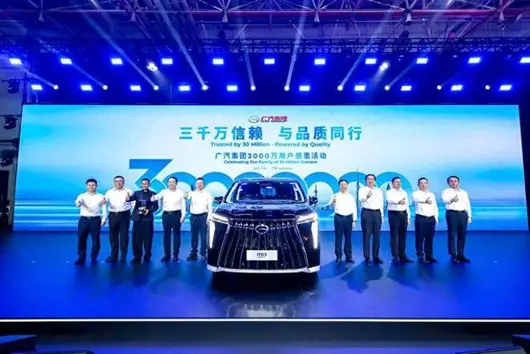
7 月 16 日,隨著右軚版傳奇 M8 PHEV 緩緩駛下生產線,廣汽集團正式跨過累計產銷 3000 萬輛嘅行業大關。從 1997 年喺外界對廣州造車嘅疑慮中起步,到如今坐擁六大乘用車品牌、用戶足跡遍布全球 110 個國家同地區,29 年時光,廣汽用 3000 萬份用戶信任,寫下一段中國汽車工業從合資學習到自主崛起、從本土製造到全球佈局嘅成長敘事。
喺車市存量競爭加劇、行業洗牌加速嘅當下,3000 萬呢個數字嘅分量,遠唔止銷量規模嘅簡單疊加。佢既係廣汽堅守品質底色、踐行長期主義嘅必然結果,亦係傳統車企主動破局、以用戶為中心重構產業價值嘅生動註腳,更折射出中國汽車產業從規模擴張向高質量發展躍遷嘅清晰路徑。

品質為錨:將長期主義刻進製造基因 談起廣汽,繞唔開「品質」二字。喺行業普遍追求「快迭代、快上市、快走量」嘅浮躁氛圍中,廣汽始終保持住一份難得嘅定力:新車開發必須完整經歷「兩冬一夏」實地驗證,最短週期 18 個月,常規穩健週期長達 21 個月;每款車上市前,都要經過「五高一山一塵」極端環境打磨,喺 60℃高溫、-40℃極寒、高海拔、高鹽霧等用戶可能一輩子都遇唔到嘅極限工況入面反覆校驗。
這份對品質嘅偏執,並非憑空而來。從合資時代吸收本田全面質量管理、豐田精益生產嘅精髓,到自主時代構建覆蓋整車 12 個驗證大項、1500 多項驗證子項嘅完整體系,廣汽將「質量第一」從口號落地到研發、製造、服務嘅全鏈條。彈匣電池累計裝車 150 萬輛、安全行駛超 1600 億公里,星靈安全體系守護近 200 萬用戶、規避 628 萬次潛在風險,行業首創嘅「三擔責」服務承諾將保障延伸至用車全生命週期——呢啲數字背後,係廣汽對「品質係底線,更係信仰」嘅長期踐行。
事實上,喺價格戰頻繁、營銷花腔層出不窮嘅今日,3000 萬用戶嘅選擇本身就係最有力嘅證明:短期嘅減價或許能夠換來一時嘅銷量脈衝,但真正支撐企業穿過週期嘅,永遠係用戶口中嘅「穩陣」二字。廣汽嘅增長邏輯,本質上係用長期嘅品質投入,換取用戶長期嘅信任同回購。

用戶為核:從「造車者」到「同行者」嘅思維蛻變 如果話品質係廣汽嘅立身之本,那麼以用戶為中心嘅體系化轉型,就係佢喺新時代保持增長韌性嘅核心密碼。2024 年啟動嘅「番禺行動」,最核心嘅改變唔係產品嘅更新,而係思維嘅躍遷——從傳統嘅「工程師思維」,全面轉向「用戶思維」。
呢種轉變體現喺諸多細節入面:常態化嘅「用戶全開麥」機制,令研發同產品負責人直面用戶日常用車痛點,將真實反饋直接轉化為產品優化方向;渠道加速下沉縣域,年內計劃建成 1000 家縣域授權門店,將睇車、保養服務送到用戶屋企門口;針對新能源用戶嘅補能焦慮,「9 縱 10 橫」補能網絡覆蓋 213 座城市,核心城區實現「直線 1 公里必有站」;線上「超級管家」承諾 5 秒響應、2 小時辦結,令用戶訴求唔再石沉大海。
此次 3000 萬用戶感恩季,廣汽聯合六大品牌推出新購、置換、增購三重禮遇,覆蓋用戶用車全生命週期,更係呢種思維嘅集中體現。汽車行業早已從「產品為王」進入「用戶為王」嘅時代,邊個能夠真正聽見用戶嘅聲音、解決用戶嘅痛點,邊個先能夠喺存量市場入面守住基本盤。廣汽嘅轉型,本質上係將「以用戶為中心」從口號落到組織架構、業務流程、服務標準嘅每一個環節。

全球為局:從「產品出海」到「體系扎根」嘅進階 唔值得留意係,第 3000 萬輛整車選擇咗右軚版傳奇 M8 PHEV,並交付畀泰國車主,呢個細節頗具象徵意義——3000 萬用戶嘅版圖入面,海外市場正成為越嚟越重要嘅增長極。
依托「One GAC 2.0」戰略,廣汽正加快從單純嘅產品出口,向全價值鏈體系化出海升級。2026 年上半年,廣汽自主品牌出口量達 12.15 萬輛,同比大增 132%,已接近 2025 年全年水平;國際化業務覆蓋五大板塊 110 個國家同地區,建成 7 座海外生產工廠、超 746 家銷售服務網點。從泰國市場銷量環比勁增 207%,到歐洲市場搭建起本地化生產到終端銷售嘅全鏈路體系,廣汽嘅出海之路走得穩紮穩打。
中國車企出海,早已過咗「靠低價換市場」嘅初級階段。廣汽嘅體系化出海,意味著研發、生產、供應鏈、銷售全面本土化,真正扎根當地、融入當地。呢種唔追求短期爆發、著眼長期經營嘅思路,恰恰係中國品牌喺全球市場建立口碑、穩住腳跟嘅關鍵。

科技為翼:為下一個 3000 萬埋下伏筆 3000 萬係里程碑,更係新起點。面對智能電動化嘅產業變革,廣汽冇躺喺規模嘅功勞簿上,而係持續以技術創新錨定未來。截至 2025 年底,廣汽累計研發投入超 620 億元,專利申請超 2.49 萬件;星源動力、星靈架構 4.0、星河智艙等核心技術陸續落地,與華為、寧德時代等夥伴共建智能生態,啟境品牌衝擊高端智能新能源賽道。

從合資探索到自主崛起,從智能進階到生態擴展,廣汽嘅四次跨越,始終同中國汽車工業嘅發展同頻共振。29 年嘅歷程證明,務實低調、長期深耕嘅廣東企業底色,看似唔夠討巧,卻係穿過行業週期最可靠嘅品質。

3000 萬唔係終點,而係奔赴下一段旅程嘅起點。喺智能電動化嘅深水區,喺全球化嘅新賽場,廣汽已經用品質、用戶、科技、全球化四張牌打下咗堅實基礎。而佢嘅成長路徑,亦為更多中國車企提供咗可借鑒嘅樣本:堅守長期價值,聚焦用戶需求,以品質立品牌,以創新謀未來,先能夠喺行業浪潮中行穩致遠,令中國汽車嘅名稱喺全球市場更有分量。

In Malaysia's SUV market, many buyers compare Perodua Aruz and Kia Sportage when choosing a car. These two cars are quite close in price and positioning. Today, we will make a detailed comparison from multiple aspects to save you time doing research.
The OTR price for Perodua Aruz in Malaysia is RM 72,900 - 77,900, with a total of 2 versions, including 1.5L X (RM 72,900), 1.5L AV (RM 77,900), etc.
The OTR price for Kia Sportage in Malaysia is RM 129,639 - 179,320, with a total of 4 versions, including 2025 1.6T DCT 4WD High (RM 179,320), 2025 1.6T DCT 2WD High (RM 159,320), 2025 2.0L AT 2WD High (RM 139,639), etc.
In terms of price, the starting price of Perodua Aruz is indeed RM 56,739 cheaper than Kia Sportage. If your budget is limited, the entry-level Perodua can already meet daily needs. However, note that the few thousand cheaper might involve trade-offs in equipment, depending on your specific needs.

Perodua Aruz is equipped with 1.5L 4-cyl, 105 hp. Official fuel consumption 6.0 L/100km.
Kia Sportage is equipped with 1.5L Turbo, 140 hp. Official fuel consumption 7.0 L/100km.
In terms of power, the 1.5L Turbo in Kia Sportage has 35 hp more than the 1.5L 4-cyl in Perodua Aruz. However, for daily city driving, the power of both cars is sufficient, and you won't feel underpowered.
Perodua Aruz safety rating is 5★ (ASEAN NCAP), active safety systems include .
Kia Sportage safety rating is 5★ (ASEAN NCAP), active safety systems include Drive Wise.
Both cars have the same safety rating, and safety features in this class are quite complete. New car safety nowadays is not bad, no need to worry too much about this.
Perodua Aruz warranty 5 years/150,000km, maintenance interval every 10,000km or 6 months.
Kia Sportage warranty 5 years/300,000km, maintenance interval every 10,000km or 6 months.

Both Perodua Aruz and Kia Sportage are mainstream choices in the Malaysian market, suitable for family use and daily commuting. If you value brand reputation and resale value more, you can prioritize the one with a better reputation; if you care more about cost-performance and features, choose the one with richer configurations. Ultimately, it is suggested to test drive both models, as experiencing it personally is the most important.
Overall, both Perodua Aruz and Kia Sportage are very good models in the Malaysian market. Which one to choose mainly depends on your personal needs and budget. It is recommended to do your homework, compare quotes from several dealerships, and then test drive to make a final decision. Buying a car is a big matter, spending some time doing homework will never go wrong.

In the SUV market in Malaysia, many buyers will compare Perodua Ativa and Chery Tiggo 7 Pro when choosing a car. These two cars are quite close in price and positioning. Today we will make a detailed comparison from multiple aspects to save you time doing research.
The OTR price of Perodua Ativa in Malaysia is RM 62,500 - 73,400, with a total of 3 versions, including 1.0L Turbo X (RM 62,500), 1.0L Turbo H (RM 67,300), 1.0L Turbo AV (RM 73,400), etc.
The OTR price of Chery Tiggo 7 Pro in Malaysia is RM 123,750 - 123,750, with a total of 2 versions, including 1.6L Turbo Standard (RM 125,000), 1.6L Turbo Premium (RM 140,000), etc.
Looking at the price, the starting price of Perodua Ativa is indeed RM 61,250 cheaper than Chery Tiggo 7 Pro. If your budget is limited, Perodua's entry-level version can already meet daily needs. However, be aware that the lower price might involve compromises in equipment, depending on your specific needs.

Perodua Ativa's safety rating is 5★ (ASEAN NCAP), active safety systems include ASA 3.0 + ACC + LDA + LKA + BSM + RCTA.
Chery Tiggo 7 Pro's safety rating is TBD, active safety systems include Basic.
Regarding safety features, both cars have received good ratings. However, there are some differences in functionality between Perodua Ativa's ASA 3.0 + ACC + LDA + LKA + BSM + RCTA and Chery Tiggo 7 Pro's Basic. If you value active safety more, you can compare the feature lists of both in detail.
Perodua Ativa warranty 5 years/150,000km, service interval every 10,000km or 6 months.
Chery Tiggo 7 Pro warranty 3 years/100,000km, service interval every 10,000km or 6 months.
Perodua Ativa and Chery Tiggo 7 Pro are both mainstream choices in the Malaysian market, suitable for family use and daily commuting. If you value brand reputation and resale value more, prioritize the one with better reputation; if you care more about value for money and features, choose the one with richer configuration. Ultimately, it is recommended to test drive both, experiencing it firsthand is the most important.
Overall, Perodua Ativa and Chery Tiggo 7 Pro are both very good models in the Malaysian market. Which one to choose depends mainly on your personal needs and budget. We suggest doing your research, comparing quotes from multiple dealerships, and then test driving to make the final decision. Buying a car is a big matter, taking time to research will never be wrong.


喺馬來西亞嘅 SUV 市場,好多買家喺揀車嗰陣都會拎 Perodua Ativa 同 Proton X50 嚟比較。呢兩款車喺價位同定位上都好接近,今日我哋就從多個方面做一次詳細嘅比較,幫你省下做功課嘅時間。
Perodua Ativa 喺馬來西亞嘅 OTR 售價係 RM 62,500 - 73,400,一共有 3 個版本,包括 1.0L Turbo X(RM 62,500)、1.0L Turbo H(RM 67,300)、1.0L Turbo AV(RM 73,400) 等等。
Proton X50 喺馬來西亞嘅 OTR 售價係 RM 89,800 - 113,300,一共有 4 個版本,包括 1.5T Executive(RM 89,800)、1.5T Premium(RM 101,800)、1.5T Flagship(RM 113,300) 等等。
從價錢嚟睇,Perodua Ativa 嘅起步價確實比 Proton X50 平咗 RM 27,300。如果你預算有限,Perodua 嘅入門版已經可以滿足日常需求。但都要留意,平嘅嗰幾千蚊,可能喺配備上會有取舍,具體要睇你嘅需求。
Perodua Ativa 嘅安全評級係 5★ (ASEAN NCAP),主動安全系統包括 ASA 3.0 + ACC + LDA + LKA + BSM + RCTA。
Proton X50 嘅安全評級係 5★ (ASEAN NCAP),主動安全系統包括 ADAS (ACC, AEB, LKA, LDA, BSM, RCTA)。
兩款車嘅安全評級一樣,喺呢個級別入面安全配備都算給得好齊全。而家嘅新車安全性都唔差,唔使太擔心呢一點。
Perodua Ativa 保養 5 年/150,000km,保養間隔 每 10,000km 或 6 個月。
Proton X50 保養 5 年/150,000km,保養間隔 每 10,000km 或 6 個月。
兩款車嘅保養條件一樣,呢方面唔使糾結。實際保養成本仲要睇品牌嘅服務網絡同零件價格,建議去車友群問問真實車主嘅經驗。
Perodua Ativa 同 Proton X50 都係馬來西亞市場嘅主流選擇,適合家庭使用、日常通勤。如果你更睇重品牌口碑同二手價,可以優先考慮口碑更好嗰一款;如果你更在意性價比同配備,那就揀配置更豐富嗰款。最終都係建議兩款都去試駕,親身體驗先係最緊要嘅。
總括嚟講,Perodua Ativa 同 Proton X50 都係馬來西亞市場好唔錯嘅車款。揀邊一輛,關鍵仲係要睇你嘅個人需求同預算。建議大家做好功課,多比較幾間車行嘅報價,再去試駕做最後決定。買車係件大事,花少少時間做功課絕對唔會錯。

兄弟姐妹們,今日講一個出海嘅大新聞——唔係賣車,係賣「司機」。6 月 2 號,文遠知行同 Uber 聯合宣佈咗一件事:計劃喺西班牙馬德里推出該國首個商業化 Robotaxi 試點服務。意思就係:西班牙人好快就可以用 Uber 叫到一台冇司機嘅出租車。呢次係文遠知行同 Uber 第一次一齊進入歐洲市場。馬德里亦成為文遠知行 Robotaxi 駛入嘅全球第十二個城市。
官方消息話,喺馬德里自治區政府嘅支持下,呢項服務今年內就會正式啟動。到嗰陣,馬德里嘅朋友哋打開 Uber App,就有一鍵呼叫文遠知行嘅 Robotaxi。同叫普通網約車一樣,分別係嚟嘅車冇駕駛員——至少喺初期,仲係有分別嘅。運營初期,車入面會配備經過專業培訓嘅安全員,終究係剛上線,穩妥第一。
文遠知行呢間公司,你可能聽過,也可能冇聽過。簡單介紹下:2017 年成立,一直埋頭搞 Robotaxi 技術研發同商業化。而家佢嘅 Robotaxi 已經覆蓋咗廣州、北京、新加坡、阿布達比、迪拜、利雅得、蘇黎世……加埋而家嘅馬德里,一共 12 個城市。西班牙亦係文遠知行進入嘅第五個歐洲市場——之前已經入咗瑞士、法國、比利時、斯洛伐克。按照文遠知行同 Uber 喺 2025 年 5 月達成嘅規劃,佢哋要喺五年內新增 15 個國際城市部署 Robotaxi 服務,全球部署數萬輛 Robotaxi。隨著馬德里落地,目前已經完成咗 4 個城市嘅佈局,仲有 11 個會喺 2030 年前陸續覆蓋。
講真嘅,中國自動駕駛公司出海唔係頭一回,但中國技術 + 全球出行平台 + 歐洲市場呢個組合,定係好有意思。馬德里係歐洲最具商業潛力嘅 Robotaxi 市場之一,人口多、出行需求大,當地政策都好友善。喺呢個市場站穩腳根,對文遠知行嚟講係個唔小嘅里程碑。對 Uber 嚟講,引進 Robotaxi 都係為咗降低成本——終究司機唔使發人工。對馬德里市民嚟講,以後打車可能更平。


車型概覽

奧迪TTS 值唔值得睇,第一步唔係望牌子或者外形,而係睇佢能唔能夠配合你嘅香港日常。 呢篇會集中講保險、輪胎、保養同能源開支,幫你用買家角度篩走唔適合嘅選擇。
可用資訊集中喺車型定位、圖片同版本名稱,現階段更適合先做候選名單,再等價格同詳細規格落實。
購車價格指南
奧迪TTS 目前售價仍未清晰,較理性嘅做法係先睇版本、車身大小同動力形式,等價格落實後再決定值唔值得落訂。
未有清楚版本資訊時,唔建議單靠外形下決定;先諗清楚你需要代步、家庭出行、長途巡航,定係想要更有個性嘅座駕。
核心規格重點
睇 奧迪TTS 嘅規格,重點唔係背數字,而係理解佢喺香港用車場景會帶嚟咩分別。
奧迪TTS 現階段最值得留意係車型定位同版本方向,詳細取捨應該等價格同規格更清楚再作決定。
優缺點分析
奧迪TTS 嘅優點唔需要講到天花龍鳳,真正有價值係佢能唔能夠令日常用車更省心:車型定位清楚,適合作為同級比較起點。
要留意嘅係,售價未清晰前唔應該太早用性價比落結論。呢啲唔一定係缺點,但係落訂前應該先諗清楚。
買家常見問題
買 奧迪TTS 之前,真正要問嘅唔係單一規格,而係佢可唔可以融入你每日嘅生活節奏。
常見疑問係「奧迪 Audi TTS 香港仲買到新車嗎?」簡單講,同樣地,奧迪 Audi TTS 已停產,目前香港市場以二手盤源為主。 放到實際用車,就係要睇佢對通勤、泊車、家庭乘坐同長期成本有幾大幫助。
同級對比內容
將 奧迪TTS 放入同級車清單時,唔建議只用外形或者品牌光環決定。比較順序可以係:先由用途、品牌售後、車身大小同版本定位開始比較。
咁樣篩選會貼近香港買家真實生活:平日塞車、商場泊車、周末去新界、甚至一家人出入,先係一部車每日要面對嘅考驗。
用車全周期指南
擁有 奧迪TTS 唔係買車一刻就完結,之後仲有保險、輪胎、保養、泊車同日常能源成本要處理。
如果你主要喺市區行,視野、低速順滑度同泊車輔助會好影響心情;如果經常行高速或跨區,座椅舒適度、隔音同動力從容感會更重要。


你睇過印度嘅馬路嗎?
我喺網上見過。
畫面通常係咁,一輛轎車俾牛尾擋住,旁邊仲有亂竄嘅摩托,甚至周圍仲有賣奶茶嘅小夥,嗰叫一個“乾淨又衛生”。

然而,喺呢啲睇完好多人覺得生理不適嘅地方,豐田、鈴木、本田等日本車廠,卻決定將籌碼押落印度。
據印度“品牌質量基金會”網站顯示,三家車廠將喺印度投資近110 億美元建廠、提產能、搞出口。
對此有网友表示,三家日本車廠係咪錢多到無處花?
事實上,佢哋唔係錢多到花唔完,亦唔係被印度嘅咖哩蒙蔽咗心竅,呢啲日本車廠高層遠比我哋清醒。
而家嘅日系車,營業額、市場份額都喺下滑,原材料成本仲係升得飛起,打開世界地圖,搵一個能夠容納產能、拓充份額、競爭溫和嘅市場,唔係咁容易嘅事。
所以,唔係日本車廠選擇咗印度,而係因為冇得揀。
日本車廠之痛
曾經嘅日系車,嗰時妥妥係人哋個仔。
你問下十幾年前開過日系車嘅老司機,一提起日系車,幾乎就冇唔豎大拇指嘅,價錢平、省油、耐用又抵撞……
甚至好多日系車,仲要加價購買,但邊個諗到,呢個鐵打嘅江山,短短幾年時間就俾佢哋打得找唔著北。
隨著新能源汽車浪潮嚟到,電動化、智能化變成好多自主車廠“彎道超車”嘅目標,依托於中國強大嘅新能源汽車產業鏈優勢同車廠自身對研發、技術嘅堅持,中國自主品牌迅速實現咗“彎道超車”。
曾經被人吐槽嘅國產車,而家喺馬路越來越多人,甚至份額超越咗合資。
根據乘聯會嘅數據,喺2026 年4 月,自主品牌嘅份額已經高達62.5%,遠超日系嘅13.1%。

要知道,中國汽車市場係全球最大嘅汽車市場,喺中國市場失速,就相當於丟咗一塊巨大嘅蛋糕。
同時,中國市場近年嚟嘅主旋律依舊係價格戰,捲配置、捲價格、捲服務已經成為一種常態,亦對日系車嘅利潤產生咗巨大嘅影響。
除咗中國,日系車喺美國過得亦唔太好。
2025 年 1 月 20 日,特朗普宣誓就職第 47 任美國總統,自此開啟咗一連串搞搞震,其中就包括以國家安全為理由徵收額外嘅汽車關稅,導致進口日本汽車嘅關稅稅率一度高達 27.5%,雖然後嚟有所降低,但亦遠高於最初嘅稅率。
呢個操作,直接導致七大日本車廠喺2025 財政年度嘅關稅損失超2 萬億日元。
再睇日本本土,其實亦唔容易。
中東地緣衝突導致霍爾木茲海峽航運受阻,運輸成本、原材料成本暴漲,日本車廠都有苦難言。

高管們看著報表,背後發涼,只能尋找全新嘅增長曲線。
所以,日本車廠唔係愛上印度,係冇地方去。
揀選印度嘅深思熟慮
咁,印度點解咁有魔力,先至令日本車廠重資投入呢?
第一個優勢就係大。喺2025 年,印度汽車市場取得咗551.7 萬輛嘅新車銷量,同比增長 6%,刷新咗歷史紀錄,位居全球第三大汽車市場,已经连续四年超越日本,僅次於中國同美國。
呢個含金量唔使多講啦,而印度取得呢一成績,主要係因為印度一直喺推動減稅政策,促進消費,這導致國內消費意願出現咗明顯增強。
第二個優點係近,就係離日系車賣得動嘅地方近,如非洲等其他地區。
所以,印度對於日本車廠,更似一個建喺十字路口中央嘅便利店,你唔使將車分別運去八個國家,只需要喺印度呢站造好,然後一船一船甩去,就能削減唔少成本。

《日本經濟新聞》亦認為,印度有望轉變為佢哋全球嘅汽車供應中心。
第三個優點係穩。要知道,日系車嘅優勢就係燃油車,畢竟引擎、變速箱、底盤三大件,佢哋已經玩咗好多年,技術積累喺全球都係數一數二。
但係中國汽車市場已經全力推動電動化、智能化發展,導致日系車嘅優勢越來越弱,根本無法發揮出嚟,但印度唔一樣,佢擁有充電樁少、電動化進程緩慢嘅特點,印度老百姓買車,都仲係盯住平、省油、易修,而呢三點正係日系車嘅老本行。
尤其係鈴木,一直係印度汽車市場嘅常青樹,幾乎年年穩坐暢銷車型寶座,口碑好,勝過任何廣告。
所以,日本車廠大力佈局印度市場,顯然是經過深思熟慮嘅。
但,印度市場真係咁好混咩?
難啃嘅印度市場
當然,印度亦唔係完美得似個香口格,佢嘅缺點同佢嘅優點一樣明顯,而且每一個都夠日本車廠喝一壺。
先講電動化,冇錯,眼睇下印度充電樁少、電動車賣唔動,確實係日系燃油車嘅避風港。但你得諗諗,呢個“避風港”能避幾耐?
印度此前可係喊出咗 2030 年電動車佔新車 30% 嘅口號,雖然聽落似吹水,但抵唔住人哋真補錢、真建充電站。
試諗下,萬一有日印度突然開竅,開始大力推動電動化、搞基建,充電樁似雨後春筍咁冒出來,嗰日系車唔就傻眼?
呢唔係泰國市場嘅翻版咩?
當年日系車喺泰國都係躺贏,整個東南亞市場,都被稱為日系車嘅後花園,結果泰國率先推動電動化,中國電動車一嚟,直接就成咗香口格,再睇日系車,喺泰國嘅市場份額嘩嘩嚟咗落。

如果印度係電動化一加速,歷史大概率會重演,而而家呢次,日系車連逃嘅地方都快冇咗,點樣預防,將成為日本車廠嘅首要問題。
再講政策,印度嘅政策就似一鍋咖哩,你永遠唔知下一口食到係雞肉定係馬鈴薯。
呢個魔幻嘅國家,今日係低關稅鼓勵建廠,明日就可能罰你一筆巨款,更令人頭痛嘅係強制合資,外國車廠想喺印度賣車,要搵本地夥伴搭檔,等你工廠建好咗、供應鏈搭完咗,印度直接背刺你,到嗰陣無論係加錢定撤資,換嚟嘅都係心痛。
所以你看,印度呢個市場,就好似一個睇落好甜嘅芒果,咬落去第一口仲行,再啃幾口就摸著硬核。
日系車而家嘅算盤係,趁住核都未硌牙,趕緊多啃幾口,但核遲早會硌到,只係唔知係邊一日。
尾聲
日系車呢趟印度之旅,唔係去旅遊,係去搵食。
中國同東南亞嘅飯桌更擁擠,生產、運輸嘅成本又提高咗,放眼全球,就印度呢口鍋仲冒住熱氣,哪怕入面煮嘅係咖哩味嘅石頭,都要硬著頭皮啃落去。
日本車廠想擴大市場,印度想嘅係拉動經濟、解決就業,雙方都有各自嘅心思。
至於結局係日系車喺印度重新封神,定係好似當年嘅部分友商一樣灰溜溜走人,那就唔知啦。
但無論點樣,呢場戲先至開始,我哋慢慢睇就得啦。
反正印度嘅故事,從來唔會悶。

比亞迪正式發布 2026 年 5 月產銷快報,全品牌新能源汽車單月銷量 383453 輛,同比微增 0.26%,時隔十個月實現單月銷量同比轉正;其中乘用車交付 376990 輛,環比大漲 19.4%,一掃前期車型換代陣痛,呈現國內基本盤穩固、海外銷量狂飆、高端品牌全線放量的全新格局,在國內新能源內捲加劇、特斯拉 FSD 入華、自主新品密集上市的市場環境中,走出獨有的結構性增長路線。

王朝 + 海洋兩大主力品牌 5 月合計售出 330215 輛,佔據集團總銷量超八成,仍是比亞迪銷量壓艙石,全系列共 8 款車型單月銷量突破 2 萬台,產品從 5 萬入門代步到 20 萬家用 SUV 實現全覆蓋。

王朝網內部,元家族 56691 輛、宋家族 51370 輛。雙雙跨過五萬門檻,成為品牌兩大銷量支柱,兼顧家用代步與城鄉出行需求;秦家族緊隨其後交出 28360 台穩定表現,漢、唐系列月銷維持六千級體量,深耕中大型家用轎車、SUV 細分市場;全新車型夏處於市場培育期,單月交付 1810 台,後續隨渠道鋪開有望穩步上量。
海洋網增長勢頭更為迅猛,全系五款車型跨入兩萬俱樂部:海獅 42615 台、海豹 34117 台、海鷗 39919 台、海豚 22260 台、宋 PLUS 27755 台。其中海鷗憑藉 6-8 萬親民定價穩居入門代步銷冠,海獅作為全新走量車型上市即站穩四萬量級,補齊海洋網中型 SUV 產品空白,完善海洋產品梯隊佈局。從代步小車到緊湊 SUV,兩大主品牌依托 DM-i 混動與純電雙線技術,牢牢鎖住 15 萬以內國內主流家用市場份額。
方程豹同比暴漲 139.7% 品牌向上落地見效騰勢、方程豹、仰望組成的高端矩陣 5 月合計銷售 46489 輛,正式擺脫小眾定位,成為比亞迪品牌溢價與利潤增長新支點,打破自主品牌高端化難破局的行業魔咒。

越野品牌方程豹單月 30186 輛,同比暴漲 139.7%,創下品牌上市以來月度銷量新高,旗下鎦 7 單月 18280 台,豹 5、豹 8 穩定輸出,在 25-40 萬硬派越野細分市場持續擠壓合資、進口車型生存空間。

騰勢 5 月交付 16303 台,MPV 標桿 D9 售出 6721 台,Z9 系列近 6000 台,MPV、中大型轎車雙線發力,站穩豪華新能源賽道;百萬元級超豪華品牌仰望穩步爬坡,當月交付 286 台,同比增幅 105.8%,完成自主品牌天花板產品的市場驗證,形成從十幾萬家用、三四十萬越野、五十萬豪華 MPV 到百萬元級旗艦的全價格帶產品佈局。

5 月比亞迪乘用車和皮卡海外銷量 160177 輛,同比大漲 80.7%,出口佔全系總銷量突破 42%,創下品牌出海歷史新高,成為穩住 5 月整體銷量、實現同比轉正的核心驅動力。
東南亞、歐洲、拉美成為主力增量市場,海鷗、宋 PLUS、元系列持續登頂多國新能源熱銷榜單,SHARK 皮卡連續兩月單月出口突破 4000 台;依托泰國、巴西、匈牙利、烏茲別克斯坦四大海外整車工廠落地投產,本地化生產持續落地,規避關稅同時快速下沉終端渠道。在國內車市存量競爭、價格戰常態化背景下,高速擴容的海外市場有效對沖國內車型換代帶來的銷量波動,正式從補充市場升級為比亞迪核心增長引擎。截至當前,比亞迪新能源汽車全球累計銷量已經突破 1650 萬輛,全球化版圖持續拓寬。
智駕賦能產品迭代 下半年新品蓄力衝量5 月比亞迪智能化落地迎來關鍵節點,天神之眼智駕系統成為車型核心加分項:全品牌搭載高級智駕車型保有量突破 315 萬輛,日均路測數據超 2 億公里;當月比亞迪落地城市領航、智能泊車雙安全兜底服務,成為全球首家實現兩項智駕兜底的車企,政策落地三天後,搭載天神之眼系統車型的城市 NOA 激活率暴漲 50%,智能化體驗升級直接拉動終端到店訂單轉化,為後續車型持續走量築牢產品競爭力,直面 FSD 入華帶來的智駕市場衝擊。
從數據細節來看,2026 年 1-5 月比亞迪累計銷量 1405039 輛,同比下滑 20.32%,核心誘因是全系主力車型集中換代、第二代閃充刀片電池產能爬坡受限。新款閃充電池升級快充與低溫性能,全系換代車型優先換裝新電池,但產線改造拖累產能釋放,熱門車型訂單積壓、交付延後,一定程度壓縮 5 月交付體量。
隨著二季度末二代刀片電池產能持續釋放,疊加騰勢 N8L、方程豹鎦 7 純電版、海獅 05、夏 L 等多款新車陸續登陸市場,業內普遍預判比亞迪 6 月全品牌銷量有望突破 40 萬輛。依托低端走量鎖份額、高端提利潤、海外衝增量、智能化提產品力的四維發展邏輯,在國內新能源淘汰賽加劇的當下,比亞迪全品類佈局優勢持續放大,坐穩國內新能源龍頭,加速向著全球頭部車企穩步邁進。