首頁鼠尾草

搜尋歷史
熱門搜尋
經銷商登入 / 註冊

In the SUV market in Malaysia, many buyers compare Toyota Yaris Cross and Mazda CX-30 when choosing a car. These two cars are quite close in price and positioning, so today we will do a detailed comparison from multiple aspects to help you save time on research.
The OTR price of Toyota Yaris Cross in Malaysia is RM 99,900 - 109,900, with a total of 2 versions, including 2026 1.5L Standard (RM 99,900), 2026 HEV 1.5L Standard (RM 109,900), etc.
The OTR price of Mazda CX-30 in Malaysia is RM 122,409 - 146,409, with a total of 4 versions, including 2025 2.0L High+ Premium (RM 146,409), 2025 2.0L High+ (RM 138,409), 2025 2.0L High (RM 130,409), etc.
From a price perspective, the starting price of Toyota Yaris Cross is indeed RM 22,509 cheaper than Mazda CX-30. If your budget is limited, Toyota's entry-level version can already meet daily needs. But keep in mind, the few thousand cheaper might involve trade-offs in features, it depends on your specific needs.

The safety rating of Toyota Yaris Cross is 5★ (ASEAN NCAP), active safety systems include TSS.
The safety rating of Mazda CX-30 is 5★ (ASEAN NCAP), active safety systems include i-Activsense.
Both cars have the same safety rating, safety features are quite complete in this class. Safety of new cars nowadays is not bad, no need to worry too much about this point.

The Toyota Yaris Cross body length is 4400 mm, trunk 400 L.
The Mazda CX-30 body length is 4500 mm, trunk 450 L.
In terms of space, the Mazda CX-30 body is 100 mm longer than Toyota Yaris Cross, offering better passenger space. However, Toyota Yaris Cross is more flexible for parking in the city, each has its trade-offs.

Both Toyota Yaris Cross and Mazda CX-30 are mainstream choices in the Malaysia market, suitable for family use and daily commuting. If you value brand reputation and resale price more, prioritize the one with better reputation; if you care more about cost-performance and features, choose the one with richer configurations. Ultimately, it is recommended to test drive both, experiencing them personally is the most important.

Overall, Toyota Yaris Cross and Mazda CX-30 are both very good models in the Malaysia market. Choosing which one depends on your personal needs and budget. It is suggested to do your homework, compare quotes from several dealerships, and then test drive to make a final decision. Buying a car is a big matter, spending time doing research is never wrong.

9月20日,第二十一届亚洲品牌大会在香港召开。
会上,全球权威品牌评估机构世界品牌实验室(World Brand Lab)发布了2026年《亚洲品牌500强》榜单。
赛轮凭借稳健的品牌成长力与全球市场表现再度上榜,位列第313位。

《亚洲品牌500强》作为亚洲范围内最具影响力的品牌评价体系之一,其评估标准涵盖市场占有率、品牌忠诚度、亚洲领导力等关键指标,今年更首次将AI影响力指数纳入评估体系,从技术生态话语权、行业传播度等全新维度衡量品牌综合实力。
自2019年首次入围该榜单以来,赛轮坚持技术创新与品牌建设双轮驱动,在亚洲品牌的角逐中持续稳固席位,成为中国轮胎品牌向上突围的有力代表。

品牌排名稳步攀升的背后,是赛轮长期深耕技术创新、全球化布局与ESG可持续发展的扎实积淀。
依托自主原创的液体黄金轮胎核心技术,赛轮持续迭代产品性能,以更安全、更节能、更耐磨的卓越表现回应全球用户的多元化出行需求,同时探索轮胎产品美学创新,面向全球市场推出“高颜值+高性能”的液体黄金轮胎时尚系列。
在智能制造领域,赛轮积极拥抱AI数字化变革,打通研发、生产、供应链全链路,以技术持续赋能品牌价值增长。

就在今年6月,赛轮以1251.89亿元品牌价值位列2026年《中国500最具价值品牌》第97位,首次跻身中国品牌百强阵营;
同月,国际权威品牌评估机构Brand Finance发布的《2026全球轮胎品牌价值25强》中,赛轮以12.39亿美元品牌价值稳居全球第十位,同比增长37%,也是唯一跻身全球榜单十强的中国轮胎品牌。
多项权威榜单的认可,充分印证了海内外市场与广大消费者对赛轮产品实力、服务能力以及品牌建设成果的高度肯定。


站在新的起点,赛轮集团将继续坚持创新驱动发展战略,积极拥抱AI时代发展机遇,为全球用户带来更安全、更可靠的轮胎产品与出行解决方案,持续书写中国橡胶工业高质量发展的品牌篇章。



奇瑞風雲 T7 預售價出咗,10.99 萬到 12.99 萬,3 個配置。呢個起售價比唔少人預想嘅要低。但價格本身唔算最大賣點,更有意思係續航策略——全系標配 600km CLTC 續航,唔分高低配,唔需要加錢揀大電池包。買 10 萬級純電 SUV 嘅人最驚乜?就係花咗錢只買到 400 公里續航,想跑長途心入面發虛。風雲 T7 直接將呢塊心病治好,入門版就係 600 公里。

3 個配置分別係悅享版 10.99 萬、舒享版 11.99 萬、智享版 12.99 萬,價差一萬,電池都係 65.05 度磷酸鋰鐵犀牛電池。馬達 178kW 後驅,275N·m,參數唔算殘暴但家用綽綽有餘。快充 30% 到 80% 大約 20 分鐘,飲杯咖啡嘅功夫補能 300 幾公里,日常使用成本好低。底盤前麥花臣後多連桿獨立懸掛,後驅佈局喺呢個價位唔好少見,操控上比前驅靈活少少。


呢台車仲有個身份——全球車型。海外版叫 LEPAS L6,先喺泰國上市再返國內預售,按 2026 版 E-NCAP 五星標準研發,涵蓋咗零下 40 度到 55 度嘅極端環境。80% 高強度鋼車身,18.84% 熱成型鋼,9 個安全氣囊,犀牛電池 31 層防護結構。安全呢一方面奇瑞冇因為平就縮水,值得肯定。


座艙行簡潔路線,15.6 吋 2.5K 懸浮中控螢幕配全液晶儀表,保留咗實體空調掣,呢點好抵——開車盲操比純觸控安全。高配搭載獵鷹 500 智駕,支援全場景自動泊車同高速領航輔助,不過呢個價位唔會有激光雷達,城區 NOA 就唔使指望。

競爭對手方面,深藍 S05 有市場口碑同穩定表現穩陣,長安啟源 Q05 喺智駕配置上更進取,都有激光雷達。風雲 T7 嘅差異化喺全系 600km 不加價同全球車型嘅品質背書。10.99 萬嘅起售價已經好狠,預售價通常仲有下探空間,正式上市價格如果再俾少少驚喜,呢台車喺 10 萬級純電 SUV 市場仲係好有競爭力。
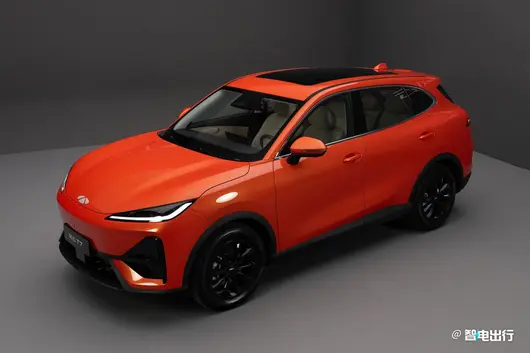

In the Malaysian SUV market, many buyers compare Proton X70 and Chery Tiggo 8 Pro when choosing a car. These two models are quite close in price and positioning. Today, we will make a detailed comparison from multiple aspects to help you save time doing research.
The Proton X70 OTR price in Malaysia is RM 106,800 - 122,300, with a total of 3 versions, including 1.5L Standard 2WD (RM 106,800), 1.5L Executive 2WD (RM 115,800), 1.5L Premium 2WD (RM 122,300), etc.
The Chery Tiggo 8 Pro OTR price in Malaysia is RM 159,750 - 159,750, with a total of 2 versions, including 1.6L Turbo Standard (RM 130,000), 1.6L Turbo Premium (RM 145,000), etc.
From a price perspective, the Proton X70's starting price is indeed RM 52,950 cheaper than the Chery Tiggo 8 Pro. If your budget is limited, the Proton entry-level version can already meet daily needs. However, note that the difference of a few thousand might involve trade-offs in features, depending on your specific needs.
The Proton X70 safety rating is 5★ (ASEAN NCAP), active safety systems include ADAS (ACC, AEB, LKA, LDA, BSM, RCTA).
The Chery Tiggo 8 Pro safety rating is TBD, active safety systems include Basic.
In terms of safety features, both cars have received good ratings. However, there are some differences in functionality between the Proton X70's ADAS (ACC, AEB, LKA, LDA, BSM, RCTA) and the Chery Tiggo 8 Pro's Basic. If you value active safety, you can compare the feature lists of both carefully.
The Proton X70 body length is 4400 mm, trunk 400 L.
The Chery Tiggo 8 Pro body length is 4400 mm, trunk 400 L.
The dimensions of both cars are almost identical, with little difference in interior space. Cars at this level are completely sufficient for daily use.
Proton X70 and Chery Tiggo 8 Pro are both mainstream choices in the Malaysian market, suitable for family use and daily commuting. If you value brand reputation and resale value more, you can prioritize the one with a better reputation; if you care more about cost-performance and features, choose the one with richer configuration. Ultimately, it is recommended to test drive both, as experiencing it personally is the most important.
Overall, Proton X70 and Chery Tiggo 8 Pro are both very good models in the Malaysian market. Choosing which one depends on your personal needs and budget. It is suggested to do your research, compare quotes from several dealerships, and then test drive to make the final decision. Buying a car is a major matter, spending some time researching will never be wrong.

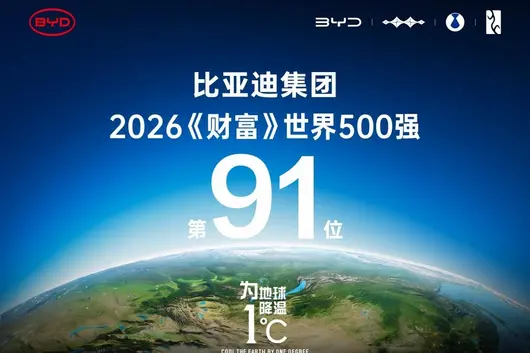
July 28, 2026 Fortune Global 500 List officially released, BYD listed for the fifth consecutive year, ranking 91st.
Reviewing ranking changes over recent years, this upward trajectory is clear: 2022 first entry ranked 436th, 2023 leaped to 212th, 2024 reached 143rd, 2025 successfully joined top 100, 2026 held steady at 91st. Completed a leap from over 400th to global top 100 in four years, continuing to secure top 100 status this year, fully confirming BYD has established a core position in the global automotive industry landscape.
Total 10 Chinese automotive enterprises listed this year, BYD is the only one among them entering the top 100, the leading position of Chinese car companies is becoming more solid.

Revenue and R&D: Dual Focus, Strong Potential
In 2025, BYD's full-year revenue reached 804 billion yuan. More noteworthy is R&D investment — full-year R&D expenditure 63.4 billion yuan, year-on-year growth 17%, ranking first in R&D expenditure among A-share listed companies for two consecutive years. As of Q1 2026, cumulative R&D investment has exceeded 250 billion yuan.
High-intensity R&D investment is continuously converting into technical achievements. In March 2026, BYD launched the second-generation Blade Battery and Flash Charge technology. The Ministry of Industry and Information Technology specifically affirmed in its mid-year summary that this technology "breaks the technical bottleneck where fast charging, high range, long lifespan, and low-temperature performance cannot be simultaneously achieved". Under normal temperature conditions, full charge in 5 minutes, fully charged in 9 minutes, only needs 3 additional minutes at minus 30 degrees Celsius. Flash Charge network spreading simultaneously, plan to build 20,000 Flash Charge stations nationwide by year-end, and deploy 6,000 Flash Charge stations overseas, providing users with convenient and efficient recharging experiences.
In May, BYD announced that all models can be equipped with the Eye of Heaven B Assist Driving Laser version, and was the first to promise a 1-year safety net for City Pilot navigation, further lowering the entry threshold for advanced intelligent driving, accelerating the arrival of the era of City-wide pilot navigation. From battery to recharging network to intelligent driving, BYD's technical landscape is becoming increasingly complete, every landed result is the best return on long-term R&D investment.
Globalization Accelerates: Multiple Breakthroughs, Blooming Everywhere
In 2025, BYD's overseas sales broke 1 million units for the first time, year-on-year growth 145%; H1 2026 overseas sales exceeded 780,000 units, continuing strong growth momentum. Overseas market has become an important engine for BYD's growth.
What is more worth noting is the simultaneous expansion of depth and breadth of overseas layout. This year, BYD's first overseas SkyRail officially opened in Sao Paulo, Brazil; the Brazil factory welcomed the 100,000th new energy vehicle off the line; Latin America market entered the integrated production-sales-service operation stage; DENZA brand entered Europe with Z, Z9GT, and D9 three models, exploring the high-end market with a positioning of technological new luxury; the first overseas dedicated research model Sea Otter (BYD RACCO) accurately landed in Japan, fully complying with local market demand; Thailand factory two years since production, Southeast Asian market foundation further consolidated.
The "Leading in Latin America, Breaking Through in Europe, Blooming in Multiple Points in Asia-Pacific" globalization pattern has been formed. To date, BYD's business covers 121 countries and regions worldwide, from product sales to localized production to technology standard output, BYD's internationalization process is moving towards a higher stage.
Green Mission and Social Responsibility
At the level of sustainable development, as of June 30, 2025, compared to traditional fuel vehicles, BYD new energy vehicles have cumulatively achieved carbon emission reduction of approximately 149 million tons in energy production and usage links, equivalent to planting 2.48 billion trees. This set of data intuitively presents the tangible contribution of new energy vehicles to global carbon emission reduction.
In terms of giving back to society, BYD launched a 3 billion yuan education charity fund, reached donation agreements with 127 universities nationwide, having incentivized over 6,000 students. Long-term investment in education public welfare is consistent with the company's concept of insisting on technological innovation and focusing on long-term development.
Steady in Top 100, Promising Future
Listed for five consecutive years, holding steady in the top 100 camp, ranking first among Chinese car companies — behind these achievements is the result of BYD's continuous deep cultivation on the new energy track for more than 20 years. From starting with batteries to becoming a global new energy vehicle leader, BYD walked a solid upward path with technical accumulation and strategic focus.
Facing the future, battery technology continuous iteration, overseas map accelerating expansion, Flash Charge network fully spreading, intelligent driving accelerating popularization, every field is steadily advancing. Standing on the new starting point of 91st place, BYD will continue to uphold the development concept of "Technology is King, Innovation is Fundamental", leading the global new energy vehicle industry towards new heights with a more mature posture.

In the Malaysian SUV market, many buyers compare Perodua Aruz and Kia Sportage when choosing a car. These two models are quite close in terms of price and positioning. Today, we will make a detailed comparison from multiple aspects to help you save time on research.
Perodua Aruz has an OTR price in Malaysia of RM 72,900 - 77,900, with a total of 2 versions, including 1.5L X (RM 72,900), 1.5L AV (RM 77,900), etc.
Kia Sportage has an OTR price in Malaysia of RM 129,639 - 179,320, with a total of 4 versions, including 2025 1.6T DCT 4WD High (RM 179,320), 2025 1.6T DCT 2WD High (RM 159,320), 2025 2.0L AT 2WD High (RM 139,639), etc.
From a price perspective, Perodua Aruz's starting price is indeed RM 56,739 cheaper than Kia Sportage. If your budget is limited, Perodua's entry-level version can already meet daily needs. However, keep in mind that the lower price difference might mean compromises in features, depending on your specific needs.

Perodua Aruz safety rating is 5★ (ASEAN NCAP), active safety systems include.
Kia Sportage safety rating is 5★ (ASEAN NCAP), active safety systems include Drive Wise.
Both cars have the same safety rating, and safety features are quite comprehensive within this class. New car safety is generally not poor nowadays, so no need to worry too much about this.

Perodua Aruz warranty 5 years/150,000km, maintenance interval every 10,000km or 6 months.
Kia Sportage warranty 5 years/300,000km, maintenance interval every 10,000km or 6 months.
Perodua Aruz and Kia Sportage are both mainstream choices in the Malaysian market, suitable for family use and daily commuting. If you value brand reputation and resale value more, you can prioritize the one with better reputation; if you care more about cost-performance and features, then choose the one with richer configuration. Ultimately, it is recommended to test drive both, as personal experience is the most important.

Overall, Perodua Aruz and Kia Sportage are both very good models in the Malaysian market. Which one to choose mainly depends on your personal needs and budget. It is recommended to do your research, compare quotes from several car dealerships, and then test drive to make the final decision. Buying a car is a big matter, taking time to research will never be wrong.


Recently, Geely Holding Group announced its performance for the first half of 2026, once again becoming the focus of industry attention.

Data shows that Geely Holding Group's total sales volume in the first half of 2026 reached 1,934,842 units, setting a new historical record. Among them, new energy vehicle sales reached 1,100,893 units, a year-on-year increase of 10%, with new energy penetration rate further rising to 56.9%. In the first half, Geely Automobile Holdings Limited (0175.HK) sold 1,422,958 units, setting a new high for the same period; new energy vehicle sales (including Geely, Lynk & Co, Zeekr) were 799,454 units, a year-on-year increase of 10%, with a new energy penetration rate of 56%.
According to CPCA data, Geely Automobile's domestic terminal retail sales volume in the first half of the year was 1.021 million units, ranking first in China's passenger car domestic sales for the first half of 2026, and also the only domestic brand to exceed sales of one million units.
However, to truly understand Geely's "new historical record" this time, one cannot only look at the total volume of 1.93 million units, nor stay only at the domestic first place of 1.021 million units. What is more worth asking is: Against the backdrop of slowing industry growth, divergent user demands, and intensifying global competition, what exactly does Geely rely on to beat the market?
It can be said that Geely's performance in the first half of the year was not just a refresh of sales records, but a concentrated realization of its long-term system capabilities once again.
In Geely's first-half performance report, several "Firsts" stood out especially.
Among them, Geely China Star sales reached 581,000 units, firmly holding the first place in domestic brand fuel vehicle sales; Zeekr delivered 178,000 units, a year-on-year increase of 97%, with delivery growth rate ranking first in the luxury new energy market. At the same time, Geely Xingyuan monthly sales broke through 50,000 units, cumulative sales exceeded 750,000 units since listing, continuously reigning as the sales champion across all brands and categories, becoming a genuine national hit.

These "Firsts" seem to come from different tracks, but together reveal an important characteristic of Geely's growth: running fast, and walking steadily. Among them, China Star stabilizes the fuel vehicle base, continuing to maintain leadership in the stock market; Zeekr accelerates upward breakthrough, and Xingyuan continues to scale up in the mainstream new energy market.
Fuel and new energy, mainstream and high-end, scale and value, different sectors are not simply a zero-sum game, but gradually forming a mutually supportive growth structure. This balance is precisely the most worthy part of attention in Geely's first-half performance.
Supporting this balanced growth, on one hand is a multi-brand lineup with clear positioning and wide coverage; on the other hand, it is the continuous deepening of the "One Geely" strategic integration.
Not long ago, Geely Holding Group Chairman Li Shufu publicly stated that they will orderly close, cancel, and merge relevant redundant entities of Geely Automobile Group Co., Ltd., focusing advantageous resources to strengthen the core listed platform of Geely Automobile Holdings Limited. This more precise resource allocation for different market cycles and user needs is also further improving the operating efficiency and anti-cycle ability of the entire group.
From this perspective, what Geely truly deserves attention to is not just how many "Firsts" were captured, but behind these "Firsts", a growth system balancing scale, structure, and efficiency is forming. This ability to hold the base while continuously opening up new volume is the key for Geely to traverse industry cycles and maintain long-term leadership.
Another important growth lever for Geely comes from the overseas market.
From the performance in the first half of the year, Geely's overseas business is entering an accelerated realization period. Its overseas sales reached 474,228 units, a year-on-year increase of 158%, exceeding the total export sales of 2025. More worth noting is that its overseas growth is not mainly relying on traditional fuel vehicles for volume, but simultaneously upgrading towards new energy and high-end. Its new energy product export sales in the first half were 277,000 units, a surge of 585% year-on-year, with new energy proportion reaching 58%. This means Geely's overseas business growth logic is gradually shifting to relying on new energy technology, product experience, and brand value to open up incremental space.

Among them, Geely Galaxy new energy products entered the top sales ranks in multiple overseas markets; Zeekr won championships in niche markets of countries such as Thailand, Malaysia, Mexico.
This global synergy is also reflected in the performance of other brands under Geely Holding Group. Among them, Volvo Cars sold 325,000 units in the first half, of which new energy sales were 161,000 units, a year-on-year increase of 3.8%, with new energy penetration rate 50%. Pure electric model deliveries grew for 9 consecutive months, and new energy transformation continued to breakthrough.
In addition, Polestar Cars sold 30,400 units in the first half, setting a new historical record, achieving sales breakthroughs in major markets such as the UK, Germany, and South Korea. Proton Cars sold 100,300 units in the first half, a year-on-year increase of 39.1%, creating the best sales performance since 2011. It is worth mentioning that the Proton e.MAS 7 PHEV launched in February of this year continued to sell well, leading the Malaysian plug-in hybrid niche market.

Of course, a new historical record is only an interim result. Another issue worth noting is, with Geely having already stood on a new step, what cards does it have in hand for the second half of the year?
From the currently released information, Geely's new product and technology offensive in the second half of the year remains dense. First is Geely Galaxy TT. As a mid-to-large pure electric sedan, its body length reaches 4999mm, wheelbase is 2920mm, and it will match the Qianli Haohan H7 assisted driving solution. From the product positioning perspective, Galaxy TT targets young consumers' needs for sports design, smart experience, and personality expression, and also means Geely Galaxy will further extend to the higher value pure electric sedan market.

While products break through upwards, Geely's technical base is also continuing to upgrade. On July 16, Geely Galaxy's global first "Thunder 16-in-1 Intelligent Electric Drive" is about to be launched, native adapted to 800V high voltage platform, and 16 categories of functional modules including motors, silicon carbide electronic control, whole vehicle thermal management, etc. are highly integrated. The "16-in-1" will also be systemically integrated to further optimize whole vehicle space, weight, energy consumption and cost, continuously enhancing Geely Galaxy's competitive barrier.
Additionally, the imminent arrival of Galaxy Warship 700 also means that Geely will officially enter the new track of plug-in hybrid hard-core SUVs, which combines growth potential and profit margins.
For an enterprise that has already stood at the forefront of the Chinese automobile market, "selling more" is only the first stage; how to improve efficiency while expanding scale, how to maintain business quality during new energy transformation, and how to replicate domestic competitiveness to the global market are the questions that must be answered to become a world-class automobile group. And Geely is steadily walking on this path of advanced development.


喺馬來西亞嘅 SUV 市場,好多買家喺揀車嘅時候都會揸 Perodua Ativa 同 Honda WR-V 嚟做比較。呢兩款車喺價錢同定位上都幾接近,而家我哋就從多個方面做一個詳細嘅比較,幫你省下做功課嘅時間。
Perodua Ativa 喺馬來西亞嘅 OTR 售價係 RM 62,500 - 73,400,一共有 3 個版本,包括 1.0L Turbo X(RM 62,500)、1.0L Turbo H(RM 67,300)、1.0L Turbo AV(RM 73,400) 等。
Honda WR-V 喺馬來西亞嘅 OTR 售價係 RM 89,900 - 107,900,一共有 4 個版本,包括 2023 1.5L V(RM 99,900)、2023 1.5L E(RM 95,900)、2023 1.5L S(RM 89,900) 等。
從價錢嚟睇,Perodua Ativa 嘅起步價確實比 Honda WR-V 平咗 RM 27,400。如果你預算有限,Perodua 嘅入門版已經滿足日常需求。但要記住,平嗰幾千蚊,可能喺配備上會有取舍,具體要看你嘅需求。

Perodua Ativa 嘅安全評級係 5★ (ASEAN NCAP),主動安全系統包括 ASA 3.0 + ACC + LDA + LKA + BSM + RCTA。
Honda WR-V 嘅安全評級係 5★ (ASEAN NCAP),主動安全系統包括 Honda SENSING。
兩款車嘅安全評級一樣,喺呢個級別入面安全配備都算畀好齊全。而家嘅新車安全性都唔差,唔使太擔心這一點。

Perodua Ativa 車身長 4400 mm,尾箱 400 L。
Honda WR-V 車身長 4400 mm,尾箱 400 L。
兩款車嘅尺寸幾乎一樣,車內空間差別唔大。呢個級別嘅車,日常使用完全够用。
Perodua Ativa 同 Honda WR-V 都係馬來西亞市場嘅主流選擇,適合家庭使用、日常通勤。如果你更睇重品牌口碑同二手價,可以優先考慮口碑更好嗰一款;如果你更在意性價比同配備,就揀配置更豐富嗰款。始終都建議兩款都去試駕,親身體驗先係最重要嘅。

整體嚟講,Perodua Ativa 同 Honda WR-V 都係馬來西亞市場好唔錯嘅車型。揀邊一輛,關鍵始終都要睇你嘅個人需求同預算。建議大家做好功課,多比較幾間車行嘅報價,先去試駕做最終決定。買車係件大事,花少少時間做功課絕對唔會錯。


In Malaysia's SUV market, many buyers compare Perodua Ativa and Proton X70 when choosing a car. These two cars are quite close in price and positioning. Today, we will make a detailed comparison from multiple aspects to help you save time on research.
Perodua Ativa's OTR price in Malaysia is RM 62,500 - 73,400, with a total of 3 variants, including 1.0L Turbo X (RM 62,500), 1.0L Turbo H (RM 67,300), 1.0L Turbo AV (RM 73,400), etc.
Proton X70's OTR price in Malaysia is RM 106,800 - 122,300, with a total of 3 variants, including 1.5L Standard 2WD (RM 106,800), 1.5L Executive 2WD (RM 115,800), 1.5L Premium 2WD (RM 122,300), etc.
In terms of price, the starting price of Perodua Ativa is indeed RM 44,300 cheaper than Proton X70. If your budget is limited, Perodua's entry-level version can already meet daily needs. However, note that the savings of a few thousand might involve trade-offs in features, depending on your needs.
Perodua Ativa's safety rating is 5★ (ASEAN NCAP), active safety systems include ASA 3.0 + ACC + LDA + LKA + BSM + RCTA.
Proton X70's safety rating is 5★ (ASEAN NCAP), active safety systems include ADAS (ACC, AEB, LKA, LDA, BSM, RCTA).
Both cars have the same safety rating, and safety features are quite comprehensive in this segment. New cars nowadays generally have good safety, so there is no need to worry too much about this.
Perodua Ativa body length is 4400 mm, trunk capacity 400 L.
Proton X70 body length is 4400 mm, trunk capacity 400 L.
The dimensions of both cars are almost the same, with little difference in interior space. Cars in this segment are fully sufficient for daily use.
Perodua Ativa adopts FWD drive mode.
Proton X70 adopts FWD drive mode.
Both cars have the same drive mode, both are FWD, so the daily driving experience will not differ significantly.
Overall, Perodua Ativa and Proton X70 are both very good car models in the Malaysian market. Which one to choose depends mainly on your personal needs and budget. We suggest doing your research, comparing quotes from several car dealerships, and test driving before making a final decision. Buying a car is a big matter, spending some time doing research will definitely not go wrong.

你睇過印度嘅馬路嗎?
我喺網上見過。
畫面通常係咁,一輛轎車俾牛尾擋住,旁邊仲有亂竄嘅摩托,甚至周圍仲有賣奶茶嘅小夥,嗰叫一個“乾淨又衛生”。

然而,喺呢啲睇完好多人覺得生理不適嘅地方,豐田、鈴木、本田等日本車廠,卻決定將籌碼押落印度。
據印度“品牌質量基金會”網站顯示,三家車廠將喺印度投資近110 億美元建廠、提產能、搞出口。
對此有网友表示,三家日本車廠係咪錢多到無處花?
事實上,佢哋唔係錢多到花唔完,亦唔係被印度嘅咖哩蒙蔽咗心竅,呢啲日本車廠高層遠比我哋清醒。
而家嘅日系車,營業額、市場份額都喺下滑,原材料成本仲係升得飛起,打開世界地圖,搵一個能夠容納產能、拓充份額、競爭溫和嘅市場,唔係咁容易嘅事。
所以,唔係日本車廠選擇咗印度,而係因為冇得揀。
日本車廠之痛
曾經嘅日系車,嗰時妥妥係人哋個仔。
你問下十幾年前開過日系車嘅老司機,一提起日系車,幾乎就冇唔豎大拇指嘅,價錢平、省油、耐用又抵撞……
甚至好多日系車,仲要加價購買,但邊個諗到,呢個鐵打嘅江山,短短幾年時間就俾佢哋打得找唔著北。
隨著新能源汽車浪潮嚟到,電動化、智能化變成好多自主車廠“彎道超車”嘅目標,依托於中國強大嘅新能源汽車產業鏈優勢同車廠自身對研發、技術嘅堅持,中國自主品牌迅速實現咗“彎道超車”。
曾經被人吐槽嘅國產車,而家喺馬路越來越多人,甚至份額超越咗合資。
根據乘聯會嘅數據,喺2026 年4 月,自主品牌嘅份額已經高達62.5%,遠超日系嘅13.1%。

要知道,中國汽車市場係全球最大嘅汽車市場,喺中國市場失速,就相當於丟咗一塊巨大嘅蛋糕。
同時,中國市場近年嚟嘅主旋律依舊係價格戰,捲配置、捲價格、捲服務已經成為一種常態,亦對日系車嘅利潤產生咗巨大嘅影響。
除咗中國,日系車喺美國過得亦唔太好。
2025 年 1 月 20 日,特朗普宣誓就職第 47 任美國總統,自此開啟咗一連串搞搞震,其中就包括以國家安全為理由徵收額外嘅汽車關稅,導致進口日本汽車嘅關稅稅率一度高達 27.5%,雖然後嚟有所降低,但亦遠高於最初嘅稅率。
呢個操作,直接導致七大日本車廠喺2025 財政年度嘅關稅損失超2 萬億日元。
再睇日本本土,其實亦唔容易。
中東地緣衝突導致霍爾木茲海峽航運受阻,運輸成本、原材料成本暴漲,日本車廠都有苦難言。

高管們看著報表,背後發涼,只能尋找全新嘅增長曲線。
所以,日本車廠唔係愛上印度,係冇地方去。
揀選印度嘅深思熟慮
咁,印度點解咁有魔力,先至令日本車廠重資投入呢?
第一個優勢就係大。喺2025 年,印度汽車市場取得咗551.7 萬輛嘅新車銷量,同比增長 6%,刷新咗歷史紀錄,位居全球第三大汽車市場,已经连续四年超越日本,僅次於中國同美國。
呢個含金量唔使多講啦,而印度取得呢一成績,主要係因為印度一直喺推動減稅政策,促進消費,這導致國內消費意願出現咗明顯增強。
第二個優點係近,就係離日系車賣得動嘅地方近,如非洲等其他地區。
所以,印度對於日本車廠,更似一個建喺十字路口中央嘅便利店,你唔使將車分別運去八個國家,只需要喺印度呢站造好,然後一船一船甩去,就能削減唔少成本。

《日本經濟新聞》亦認為,印度有望轉變為佢哋全球嘅汽車供應中心。
第三個優點係穩。要知道,日系車嘅優勢就係燃油車,畢竟引擎、變速箱、底盤三大件,佢哋已經玩咗好多年,技術積累喺全球都係數一數二。
但係中國汽車市場已經全力推動電動化、智能化發展,導致日系車嘅優勢越來越弱,根本無法發揮出嚟,但印度唔一樣,佢擁有充電樁少、電動化進程緩慢嘅特點,印度老百姓買車,都仲係盯住平、省油、易修,而呢三點正係日系車嘅老本行。
尤其係鈴木,一直係印度汽車市場嘅常青樹,幾乎年年穩坐暢銷車型寶座,口碑好,勝過任何廣告。
所以,日本車廠大力佈局印度市場,顯然是經過深思熟慮嘅。
但,印度市場真係咁好混咩?
難啃嘅印度市場
當然,印度亦唔係完美得似個香口格,佢嘅缺點同佢嘅優點一樣明顯,而且每一個都夠日本車廠喝一壺。
先講電動化,冇錯,眼睇下印度充電樁少、電動車賣唔動,確實係日系燃油車嘅避風港。但你得諗諗,呢個“避風港”能避幾耐?
印度此前可係喊出咗 2030 年電動車佔新車 30% 嘅口號,雖然聽落似吹水,但抵唔住人哋真補錢、真建充電站。
試諗下,萬一有日印度突然開竅,開始大力推動電動化、搞基建,充電樁似雨後春筍咁冒出來,嗰日系車唔就傻眼?
呢唔係泰國市場嘅翻版咩?
當年日系車喺泰國都係躺贏,整個東南亞市場,都被稱為日系車嘅後花園,結果泰國率先推動電動化,中國電動車一嚟,直接就成咗香口格,再睇日系車,喺泰國嘅市場份額嘩嘩嚟咗落。

如果印度係電動化一加速,歷史大概率會重演,而而家呢次,日系車連逃嘅地方都快冇咗,點樣預防,將成為日本車廠嘅首要問題。
再講政策,印度嘅政策就似一鍋咖哩,你永遠唔知下一口食到係雞肉定係馬鈴薯。
呢個魔幻嘅國家,今日係低關稅鼓勵建廠,明日就可能罰你一筆巨款,更令人頭痛嘅係強制合資,外國車廠想喺印度賣車,要搵本地夥伴搭檔,等你工廠建好咗、供應鏈搭完咗,印度直接背刺你,到嗰陣無論係加錢定撤資,換嚟嘅都係心痛。
所以你看,印度呢個市場,就好似一個睇落好甜嘅芒果,咬落去第一口仲行,再啃幾口就摸著硬核。
日系車而家嘅算盤係,趁住核都未硌牙,趕緊多啃幾口,但核遲早會硌到,只係唔知係邊一日。
尾聲
日系車呢趟印度之旅,唔係去旅遊,係去搵食。
中國同東南亞嘅飯桌更擁擠,生產、運輸嘅成本又提高咗,放眼全球,就印度呢口鍋仲冒住熱氣,哪怕入面煮嘅係咖哩味嘅石頭,都要硬著頭皮啃落去。
日本車廠想擴大市場,印度想嘅係拉動經濟、解決就業,雙方都有各自嘅心思。
至於結局係日系車喺印度重新封神,定係好似當年嘅部分友商一樣灰溜溜走人,那就唔知啦。
但無論點樣,呢場戲先至開始,我哋慢慢睇就得啦。
反正印度嘅故事,從來唔會悶。

車型概覽

平治CLA系列 BEV 值唔值得睇,第一步唔係望牌子或者外形,而係睇佢能唔能夠配合你嘅香港日常。 呢篇會集中講版本取捨,幫你用買家角度篩走唔適合嘅選擇。
HK$ 352,791 / HK$ 380,698 / HK$ 408,605 令預算位置更清楚,買家可以先估算月供、保險、泊車同日常開支。
購車價格指南
平治CLA系列 BEV 嘅購車預算可以先由 HK$ 352,791 / HK$ 380,698 / HK$ 408,605 開始計。香港買車唔只係睇車價,月供、保險、牌費、泊車同能源成本都會影響每月壓力。
如果有幾個版本可揀,可以先將 2026 CLA 250+ Progressive(HK$ 352,791)、2026 CLA 250+ AMG Line(HK$ 380,698)、2026 CLA 350 4MATIC AMG Line(HK$ 408,605)、2025 CLA 350 4MATIC(價格待確認) 放喺同一張清單。日常通勤重視舒適同易用,家庭買家就要優先睇後排、尾箱同安全配置。
核心規格重點
睇 平治CLA系列 BEV 嘅規格,重點唔係背數字,而係理解佢喺香港用車場景會帶嚟咩分別。
200/260 kW 嘅輸出,令高速併線同短距離超車更有信心。 車長 4723 mm、車闊 2021 mm、車高 1468 mm 可以幫你預判商場停車場、屋苑車位同後排腿部空間。 自動(AT)、後置後駆 / 雙電機四駆 會影響起步順滑度、濕地穩定感同長途巡航性格。
優缺點分析
平治CLA系列 BEV 嘅優點唔需要講到天花龍鳳,真正有價值係佢能唔能夠令日常用車更省心:預算位置清楚,方便同同級車直接比較、動力輸出對高速同上斜更有底氣、空間同車身尺寸方便家庭買家預判實用性。
要留意嘅係,要先確認屋苑、公司或常去商場嘅充電條件、香港停車場同窄路使用要留意車身闊度。呢啲唔一定係缺點,但係落訂前應該先諗清楚。
買家常見問題
買 平治CLA系列 BEV 之前,真正要問嘅唔係單一規格,而係佢可唔可以融入你每日嘅生活節奏。
常見疑問係「平治 Mercedes-Benz CLA 系列 EV 有冇分單雙電機?」簡單講,平治 Mercedes-Benz CLA 系列 EV 提供後驅單電機同四驅雙電機版本。 放到實際用車,就係要睇佢對通勤、泊車、家庭乘坐同長期成本有幾大幫助。
同級對比內容
將 平治CLA系列 BEV 放入同級車清單時,唔建議只用外形或者品牌光環決定。比較順序可以係:先用 HK$ 352,791 / HK$ 380,698 / HK$ 408,605 鎖定預算圈、再睇動力係咪足夠應付高速併線同滿載、最後睇車身大小、座位同尾箱是否適合家人。
咁樣篩選會貼近香港買家真實生活:平日塞車、商場泊車、周末去新界、甚至一家人出入,先係一部車每日要面對嘅考驗。
用車全周期指南

擁有 平治CLA系列 BEV 最重要係先諗清楚充電節奏。屋苑、公司或者常去商場只要有穩定充電選項,電動化用車就會容易相處好多。
如果你主要喺市區行,視野、低速順滑度同泊車輔助會好影響心情;如果經常行高速或跨區,座椅舒適度、隔音同動力從容感會更重要。


車型概覽

上汽大通G20 值唔值得睇,第一步唔係望牌子或者外形,而係睇佢能唔能夠配合你嘅香港日常。 呢篇會集中講同級車比較,幫你用買家角度篩走唔適合嘅選擇。
售價仍待確認,買家可以先把佢放入候選名單,等價格落實後再同同級車逐項比較。
購車價格指南
上汽大通G20 目前售價仍未清晰,較理性嘅做法係先睇版本、車身大小同動力形式,等價格落實後再決定值唔值得落訂。
如果有幾個版本可揀,可以先將 2023 2.0T 手動版 柴油(價格待確認)、2023 2.0T 自動版 汽油(價格待確認)、2023 2.0T 自動版 柴油(價格待確認) 放喺同一張清單。日常通勤重視舒適同易用,家庭買家就要優先睇後排、尾箱同安全配置。
核心規格重點
睇 上汽大通G20 嘅規格,重點唔係背數字,而係理解佢喺香港用車場景會帶嚟咩分別。
渦輪增壓、4 個 汽缸、1996/1995 mL 排量 嘅動力底子,重點係市區跟車夠唔夠順、高速巡航會唔會吃力。 163 Ps / 120 kW / 261 Ps / 192 kW、375/410 N·m 嘅輸出,對滿載、上斜同超車都比單睇馬力數字更有意思。 車長 5198 mm、車闊 1980 mm、車高 1928 mm、軸距 3198 mm 可以幫你預判商場停車場、屋苑車位同後排腿部空間。 手動(MT) / 手自一體(AT)、前置後駆 會影響起步順滑度、濕地穩定感同長途巡航性格。
優缺點分析
上汽大通G20 嘅優點唔需要講到天花龍鳳,真正有價值係佢能唔能夠令日常用車更省心:動力輸出對高速同上斜更有底氣、空間同車身尺寸方便家庭買家預判實用性。
要留意嘅係,香港停車場同窄路使用要留意車身闊度、售價未清晰前唔應該太早用性價比落結論。呢啲唔一定係缺點,但係落訂前應該先諗清楚。
買家常見問題
買 上汽大通G20 之前,真正要問嘅唔係單一規格,而係佢可唔可以融入你每日嘅生活節奏。
常見疑問係「上汽大通 G20 適唔適合香港高端商務接待?」簡單講,上汽大通 G20 外觀大氣、內籠豪華、行車靜謐,專為香港高端商務接待打造。 放到實際用車,就係要睇佢對通勤、泊車、家庭乘坐同長期成本有幾大幫助。
同級對比內容
將 上汽大通G20 放入同級車清單時,唔建議只用外形或者品牌光環決定。比較順序可以係:先等售價落實,再決定佢應該同邊個級距比較、再睇動力係咪足夠應付高速併線同滿載、最後睇車身大小、座位同尾箱是否適合家人。
咁樣篩選會貼近香港買家真實生活:平日塞車、商場泊車、周末去新界、甚至一家人出入,先係一部車每日要面對嘅考驗。
用車全周期指南
擁有 上汽大通G20 唔係買車一刻就完結,之後仲有保險、輪胎、保養、泊車同日常能源成本要處理。
如果你主要喺市區行,視野、低速順滑度同泊車輔助會好影響心情;如果經常行高速或跨區,座椅舒適度、隔音同動力從容感會更重要。


兄弟姐妹們,今日講一個出海嘅大新聞——唔係賣車,係賣「司機」。6 月 2 號,文遠知行同 Uber 聯合宣佈咗一件事:計劃喺西班牙馬德里推出該國首個商業化 Robotaxi 試點服務。意思就係:西班牙人好快就可以用 Uber 叫到一台冇司機嘅出租車。呢次係文遠知行同 Uber 第一次一齊進入歐洲市場。馬德里亦成為文遠知行 Robotaxi 駛入嘅全球第十二個城市。
官方消息話,喺馬德里自治區政府嘅支持下,呢項服務今年內就會正式啟動。到嗰陣,馬德里嘅朋友哋打開 Uber App,就有一鍵呼叫文遠知行嘅 Robotaxi。同叫普通網約車一樣,分別係嚟嘅車冇駕駛員——至少喺初期,仲係有分別嘅。運營初期,車入面會配備經過專業培訓嘅安全員,終究係剛上線,穩妥第一。
文遠知行呢間公司,你可能聽過,也可能冇聽過。簡單介紹下:2017 年成立,一直埋頭搞 Robotaxi 技術研發同商業化。而家佢嘅 Robotaxi 已經覆蓋咗廣州、北京、新加坡、阿布達比、迪拜、利雅得、蘇黎世……加埋而家嘅馬德里,一共 12 個城市。西班牙亦係文遠知行進入嘅第五個歐洲市場——之前已經入咗瑞士、法國、比利時、斯洛伐克。按照文遠知行同 Uber 喺 2025 年 5 月達成嘅規劃,佢哋要喺五年內新增 15 個國際城市部署 Robotaxi 服務,全球部署數萬輛 Robotaxi。隨著馬德里落地,目前已經完成咗 4 個城市嘅佈局,仲有 11 個會喺 2030 年前陸續覆蓋。
講真嘅,中國自動駕駛公司出海唔係頭一回,但中國技術 + 全球出行平台 + 歐洲市場呢個組合,定係好有意思。馬德里係歐洲最具商業潛力嘅 Robotaxi 市場之一,人口多、出行需求大,當地政策都好友善。喺呢個市場站穩腳根,對文遠知行嚟講係個唔小嘅里程碑。對 Uber 嚟講,引進 Robotaxi 都係為咗降低成本——終究司機唔使發人工。對馬德里市民嚟講,以後打車可能更平。