


首頁鄱阳湖

搜尋歷史
熱門搜尋
經銷商登入 / 註冊

慢功淬煉匠心,久候終遇好車。8 月 12 日,全球標準純電 SUV 風雲 T7 正式開啟預售。本次預售發佈會主題“慢功造好車,久等了”,係風雲品牌長期主義造車信仰嘅具象表達。品牌始終對標國際化嚴苛標準打磨整車質感,潛心打造高品質全球座駕,以此回饋消費者長久嘅期待與信賴。新車推出三款版型,預售指導價 10.99‑12.99 萬元,下訂即享七重購車權益,實現全球品質,國民售價。

依托奇瑞 10 大全球設計中心,5000 餘名海內外用戶全程共創,同源車型 Lepas L6 亮相米蘭設計周收獲國際認可,風雲 T7 融匯全球審美,顏值持久在嚟。馭風前臉、風塑綢緞車身、天際霞光尾門,平衡國際簡約審美與東方雅緻氣韻。 整车漆面標準同步海外嚴苛耐候要求,提供熾焰橙、山煙紫、雲粉米、流光銀、青竹灰、墨石黑 6 款配色。

內飾分溫暖黑棕、極夜黑曜兩種風格,雲翼環抱座艙搭配大面積軟包覆,鵝卵石懸浮揚聲器、菱格縫紉細節精緻;所有內飾皮革、密封條、塑料件唔易硬化褪色,常年使用依舊新穎耐看,兼顧顏值同質感。

風雲 T7 對標 2026 版 E-NCAP 五星安全標準設計、功能安全 ASILD 最高等級。2 年策劃,3 年研發,共投入 81 臺專屬耐久車同步路試,整车累計測試里程超 600 萬公里,耐久專項實測 145 萬公里,同時針對東南亞雨季、中東高溫暴曬、印尼高濕等多種全球多地域進行極限實車試煉。
車身採用 80% 高強度鋼、18.84% 熱成型鋼打造九橫五縱籠式車身,採用 shotgun 結構、雙框副車架+Pack 防撞梁,鋼筋鐵骨保障乘員艙安全,前面 9 條 + 側面 6 條碰撞傳力路徑最大化分散碰撞能量,留存乘員生存空間;除此之外,仲搭載咗 9 個安全氣囊,包含 48L 雙腔遠端氣囊同後排側氣囊,360°全方位保護乘員安全。風雲 T7 全系搭載犀牛電池,超強 6D 防護構築電池安全堡壘全方位抵禦擠壓、穿刺、衝擊,為動力電池構建多層立體安全屏障。面對夏季暴雨頻繁,犀牛電池 IP68 防水為國標 96 倍,無懼雨季內澇、路面積水、戶外涉水,有效防止電池進水短路隱患。
出行剛需 | 全系 600km 續航平權,適配全球多元氣候工況基於全球多地域能源與氣候需求,風雲 T7 實現續航配置全系平權,全系標配大容量犀牛電池 65.05kWh,CLTC 600km 續航,實測續航 667+km,“反向虛標”解決焦慮。電池 30% 充到 80% 只需 20 分鐘,一杯咖啡時間即可再次出發。

風雲 T7 搭載全域一體化熱管理雙源寬熱泵空調 + 高壓 PTC,北方用戶冬季都能放心開。-30°C-55°C 超寬溫域穩定運轉,低溫環境制熱更省電、高溫環境散熱更高效。配合全系標配嘅 AGS 智能進氣格柵與 14 項低風阻優化,高低速能耗更穩定。
智能剛需 | 艙駕一體 8775 晶片 一半懂你一半護你新能源時代,無智能唔品質。風雲 T7 搭載艙駕一體 8775 晶片,做到艙駕雙優,兩大域無縫協同,一半懂你,一半護你。該晶片具備 4nm 製程,72TOPS 高算力,響應僅需 80ms,開機提速 33%,開機速度更快、屏幕操作更順滑,智能交互響應更迅捷。
智能座艙方面,15.6 英寸 2.5K 高清大屏畫面細膩真實,防眩光、抗反射、抗指紋,CarPlay、HUAWEI HiCar、CarLink 無線連接,覆蓋市面 99% 以上手機投屏,上車即可實現無縫互聯。靈犀智艙 2.0 帶來全能陪伴嘅夥伴,擁有小奇同學、東北老姨、抬杠大師、口語老師、故事大王、職業辯手六大真人感陪伴體驗。內置小憩、露營、寵物、醒神等六大場景模式,令車真正變成懂你嘅移動空間。

風雲 T7 搭載獵鷹 500 駕駛輔助系統,集成 3 顆毫米波雷達、7 個高性能攝像頭、12 個超聲波雷達,總計 22 顆高精度傳感器(3R7V12U),看得遠、看得清、測得準。能夠 300+ 全場景自動泊車,行業覆蓋最完全。斷頭路泊車、一鍵循跡倒車、跨樓層泊車等都嚟實現,從此告別“停車難”,實現泊車自由。
舒享剛需 | 超大座艙空間 大師級底盤調校穩穩出行整車尺寸 4570×1852×1694mm,軸距 2700mm,車內得房率 84%,後排純平地台,同級領先嘅 911mm 腿部空間,後排坐倒拓展 1955mm 純平大牀,常規後備箱 450L、拓展至 1550L,充足裝載空間適配戶外穿越、多人結伴出行。

9 層雲感座椅,軟而不塌,久坐唔累,另外座椅仲有通風加熱功能。加熱方面,實現 3 擋溫控調節,-20℃環境下,5 分鐘速加熱至 30℃,快速溫暖全身;座椅通風採用吸風設計,夏天後背唔悶汗,滿足用戶嘅舒適需求。 細節方面,風雲 T7 同樣可圈可點。全車 38 處巧思儲物空間,收納有序,盡享精緻生活。四個最大承重 300kg 嘅鉚環同兩個最大承重 3kg 嘅掛鉤,露營裝備、大件貨物都能牢牢固定。

舒適駕乗,唔離唔開出色底盤嘅加持。風雲 T7 底盤由由瑪莎拉蒂前底盤調校專家領銜嘅國際化底盤團隊傾力打磨,50.8:49.2 黃金軸荷比能夠有效抑制轉向推頭、甩尾現象,提升過彎穩定性與直線行駛循跡性。早在 2009 年,奇瑞就自主設計咗中國第一台地面移動型雙軸 K&C 試驗台。26 年嘅設計功底賦能底盤性能,帶來更卓越嘅駕乗質感體驗。
安心剛需 | 2 終身權益 + 2 兜底權益,全週期用車無憂奇瑞唔止為用戶帶來硬實力嘅產品,更站喺用戶視角,全盘考量購車之後嘅全週期用車體驗,直面大家對於車輛故障、後期養車成本等實際顧慮。為此風雲 T7 推出兩大兜底保障、兩項終身權益,從購車到長期使用全程守護。
兩大兜底:①動力電池安全兜底:因動力電池自身原因導致整車發生熱失控毀損,奇瑞將賠付同款新車或唔低於原車配置新車;②輔助駕駛兜底:自購車之日起一年內,喺“泊車場景”、“智能導航場景”判定為“智能駕駛輔助系統原因”導致事故,造成車上人員傷害與第三者損失賠償嘅,最高賠償 500 萬。
兩大終身權益:①整車終身質保:價值 10000 元整車終身質保(含三電),易損件、特殊件除外;②終身保養套餐:666 元購價值 3999 元終身基礎保養套餐(1 次/年)。
從全球標準研發、全球審美設計、全球工藝製造再到多地域全球路況嚴苛驗證,風雲 T7 實現全鏈路國際化品質管控,重塑十萬級純電 SUV 嘅價值標杆。經歷世界各地路況與環境嘅重重淬煉之後,風雲 T7 回歸本土、深耕國人用車需求。整車圍繞顏值體驗、通勤出行、行車安全、智能交互、座艙舒享、用車安心六大家庭剛需做到全能均衡,精準承接當代品質家庭嘅全部用車期許。唔止一台匯聚全球頂尖工藝、硬核技術嘅純電座駕,風雲 T7 更係將國際造車標準同中國家庭日常出行痛點深度契合嘅誠意之作。如今新車預售正式開啟,全能好車已然就位,靜等每一位熱愛煙火、奔赴美好生活嘅家庭用戶嚟前邂逅。
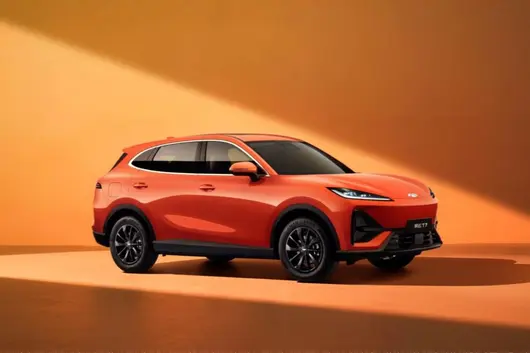

8 月 12 日,奇瑞風雲品牌全新純電 SUV 風雲 T7 正式開啟預售,新車共有 3 款車型,預售價 10.99 萬 -12.99 萬元。

訂車用戶支付 1000 元訂金,可享有 7 重購車權益。值得一提嘅係,奇瑞站喺用戶視角,為風雲 T7 推出兩大兜底保障、兩項終身權益,包括:動力電池安全兜底(因動力電池自身原因導致整車發生熱失控損毀,奇瑞將賠償同款新車或不低於原車配置新車)、輔助駕駛兜底(自購車之日起一年內,喺「泊車場景」、「智能領航場景」判定為「智能駕駛輔助系統原因」導致事故,造成車上人員傷害與第三者損失賠償嘅,最高賠償 500 萬。),以及整車終身質保、終身保養套餐。
風雲 T7 嘅同源全球車 Lepas L6 此前已在南非預售發布,7 月底已經喺泰國上市,其它國家同地區也將陸續進入上市節奏。咁樣一部真正嘅全球車,少不了從研發到上市所經歷嘅長期投入與品質積累。譬如新車經歷咗 3 年研發週期,全球 1+7+N 研發體系打磨;5000+ 用戶共創,百幾名設計師協同設計;按 2026 版 E-NCAP 標準設計,為進入歐洲高法規市場做足準備;全球累計投入 963 台試驗車,並歷經 145 萬公里驗證同五大極限環境考驗。咁樣嘅「慢」,先值得被信任。

風雲 T7 車身尺寸長闊高分別為 4570×1852×1694mm,軸距 2700mm。
外觀上,風雲 T7 採用馭風前臉、風塑綢緞車身、天際霞光尾門等設計亮點,再搭配熾焰橙、山煙紫、雲粉米、流光銀、青竹灰、墨石黑 6 款車身配色,為用戶提供咗唔一樣嘅選擇。同時,風雲 T7 內飾分溫暖黑棕、極夜黑曜兩種風格。


車廂內,風雲 T7 雲翼環抱座艙搭配大面積軟包覆,鵝卵石懸浮揚聲器、菱格绗縫細節精緻。9 層雲感座椅配備通風加熱功能,主駕駛座椅電動 6 向調節、副駕駛座椅電動 4 向調節。

憑藉後排純平地台同 911mm 腿部空間,將後排座椅完全放倒後,可拓展 1955mm 純平大牀,尾箱容積亦從正常狀態嘅 450L 拓展至 1550L。

同時,全車配備咗 38 處儲物空間,尾箱附有 19L 隱私夾層儲物盒同 99L 下沉儲物空間,還搭載咗四個最大承重 300kg 嘅鉚環同兩個最大承重 3kg 嘅掛鉤。

智能座艙方面,風雲 T7 配備咗 8.8 吋液晶儀表 +15.6 吋 2.5K 高清大螢幕,支援 CarPlay、HUAWEI HiCar、CarLink 無線連接。靈犀智艙 2.0×豆包大模型支援六大真人感陪伴體驗,內置小憩、露營、寵物、醒神等六大場景模式。

風雲 T7 搭載艙駕一體高通 8775 晶片,擁有 4nm 製程,72TOPS 高運算力,響應只需 80ms,開機提速 33%。
風雲 T7 搭載獵鷹 500 駕駛輔助系統,共有包括 3 顆毫米波雷達、7 個高性能攝像頭、12 個超聲波雷達喺內嘅 22 個高精度傳感器,支援高速 NOA,實現匯入/變道/上下匝道口提示。


支援 300+ 全場景自動泊車,斷頭路泊車、一鍵循跡倒車、跨樓層泊車等都能實現。
風雲 T7 車身採用 80% 高強度鋼、18.84% 熱成型鋼打造九橫五縱籠式車身,採用 shotgun 結構、雙框副車架+Pack 防撞樑。風雲 T7 還搭載 9 個安全氣囊,包含 48L 雙腔遠端氣囊同後排側氣囊,360°全方位保護乘員安全。

風雲 T7 搭載 12 合 1 智能電驅,電機最大功率 178kW,最大扭矩 275N·m。


風雲 T7 全系標配大容量犀牛電池,磷酸鋰鐵電池包容量為 65.05kWh,CLTC 綜合續航里程 600km,電池 30% 充至 80% 只需 20 分鐘。
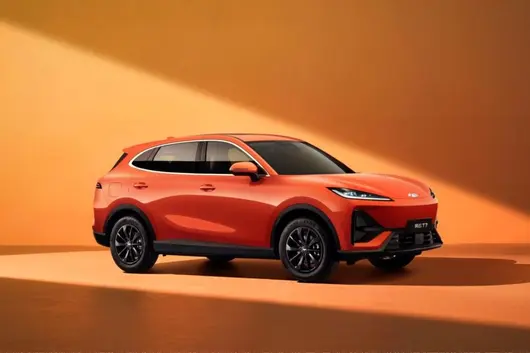

8月13日,奕境汽车正式对外发布重磅消息,官宣华语乐坛“天王”郭富城成为品牌首款家庭旗舰大六座SUV——奕境X9全球代言人。一边是深耕舞台、痴迷赛车、肩负家庭责任的全能艺人,一边是东风与华为乾崑联合打造、兼顾驾控性能与全家出行的旗舰车型,二者因共同的价值追求完成一场深度双向奔赴。

郭富城与奕境X9的缘分早在今年6月便已开启。香港车展现场,郭富城近距离品鉴奕境X9,对国产新能源汽车的工艺、技术频频点赞;同月武汉演唱会间隙,他实地深度试乘试驾,全面体验车辆空间质感、智能座舱与底盘驾控表现,对车型综合实力一见倾心。从初次品鉴的好感,到实地试驾的认可,再到如今正式官宣代言,双方的合作循序渐进,源于出行理念与产品内核的高度契合。
作为家喻户晓的“亚洲舞王”,郭富城唱跳全能、数十年坚守舞台极致;私下里,他是资深赛车爱好者、专业汽车收藏家,阅车无数,对车辆底盘质感、动力操控、整车品质有着近乎严苛的评判标准。与此同时,身为三个孩子的父亲,家庭出行是他日常刚需,大空间、高舒适性、全方位安全防护,都是他选车时不可妥协的硬性要求。既要满足驾驶者对极致驾控的追求,又要周全照顾每一位家人的出行体验,郭富城的双重用车需求,恰好完美匹配奕境X9的产品定位。

奕境X9是东风与华为乾崑全栈原生共创的旗舰大六座SUV,定位“第二代家庭旗舰”,实现驾控、智能、空间、安全全维度无短板。驾控层面,新车全系标配百万级全铝底盘,搭配XMC数字底盘系统,联动动力、转向、感知模块协同工作,平衡运动操控与居家舒适;智能驾驶搭载华为乾崑ADS5,配备896线激光雷达等高规格感知硬件,搭配CAS 5.0六维防碰撞系统,可在城市、高速、复杂路况下实现精准感知、主动避险,大幅降低出行风险。
面向家庭出行场景,奕境X9以“三排平权”为核心打造座舱空间,多模式可变座椅布局,灵活适配多人乘坐、大件装载等多元需求。座舱搭载全新鸿蒙Harmony Space 6系统,行业首发蝶羽双联屏,搭配舱内AI多模态感知技术,打破传统车机被动交互模式,主动识别驾乘人员需求,打造专属全家人的科技头等舱。安全层面,奕境首创“天穹智盾”全域安全架构,覆盖智驾安全、主动安全、被动安全、电池安全、营救安全、健康安全六大维度,构建全方位、全场景的家庭出行防护体系。


In the Malaysian SUV market, many buyers compare Proton X50 and Chery Tiggo 8 PHEV when choosing a car. These two cars are quite close in price and positioning. Today we will make a detailed comparison from multiple aspects to help you save time on research.
Proton X50 OTR price in Malaysia is RM 89,800 - 113,300, there are 4 variants in total, including 1.5T Executive (RM 89,800), 1.5T Premium (RM 101,800), 1.5T Flagship (RM 113,300), etc.
Chery Tiggo 8 PHEV OTR price in Malaysia is RM 159,750 - 159,750, there are 2 variants in total, including 1.6L Turbo Standard (RM 130,000), 1.6L Turbo Premium (RM 145,000), etc.
From the price perspective, Proton X50's starting price is indeed RM 69,950 cheaper than Chery Tiggo 8 PHEV. If your budget is limited, Proton's entry-level version can already meet daily needs. However, be aware that the few thousand less might involve trade-offs in features, depending on your specific requirements.

Proton X50 equipped with 1.5L 4-cyl, 105 hp. Official fuel consumption 6.0 L/100km.
Chery Tiggo 8 PHEV equipped with Hybrid, 170 hp. Official fuel consumption 4.5 L/100km.
In terms of power, Chery Tiggo 8 PHEV's Hybrid has 65 more horsepower than Proton X50's 1.5L 4-cyl. However, for daily city driving, the power of both cars is sufficient, you won't feel underpowered.

Proton X50 safety rating is 5★ (ASEAN NCAP), active safety systems include ADAS (ACC, AEB, LKA, LDA, BSM, RCTA).
Chery Tiggo 8 PHEV safety rating is TBD, active safety systems include Basic.
Regarding safety features, both cars received decent ratings. However, Proton X50's ADAS (ACC, AEB, LKA, LDA, BSM, RCTA) and Chery Tiggo 8 PHEV's Basic have some differences in functionality. If you value active safety, you can compare their feature lists carefully.

Proton X50 body length 4400 mm, trunk 400 L.
Chery Tiggo 8 PHEV body length 4400 mm, trunk 400 L.
The dimensions of both cars are almost the same, interior space difference is not significant. Cars in this class are fully sufficient for daily use.
Proton X50 warranty 5 years/150,000km, maintenance interval every 10,000km or 6 months.
Chery Tiggo 8 PHEV warranty 3 years/100,000km, maintenance interval every 10,000km or 6 months.
Overall, Proton X50 and Chery Tiggo 8 PHEV are both excellent models in the Malaysian market. Which one to choose depends on your personal needs and budget. We suggest doing your research, compare quotes from several dealerships, and then test drive to make the final decision. Buying a car is a big matter, spending time on research is never wrong.


喺馬來西亞嘅 SUV 市場,好多買家揀車嗰陣都會拿 Proton X50 同 Mazda CX-8 嚟做比較。這兩款車喺價位同定位上都好接近,今日我哋就從多個方面做一個詳細嘅對比,幫你省低做功課嘅時間。
Proton X50 喺馬來西亞嘅 OTR 售價係 RM 89,800 - 113,300,一共有 4 個版本,包括 1.5T Executive(RM 89,800)、1.5T Premium(RM 101,800)、1.5T Flagship(RM 113,300) 等。
Mazda CX-8 喺馬來西亞嘅 OTR 售價係 RM 165,360 - 201,360,一共有 5 個版本,包括 2025 2.5T 4WD High Plus Petrol(RM 201,360)、2025 2.2L 2WD High Plus Diesel(RM 193,123)、2025 2.5L 2WD High Plus Petrol(RM 186,360) 等。
睇返價錢,Proton X50 嘅起步價確實比 Mazda CX-8 平咗 RM 75,560。如果你預算有限,Proton 嘅入門版已經可以滿足日常需求。但都要留意,便宜嗰幾千蚊,可能喺配備上會有取舍,具體要看你嘅需求。
Proton X50 搭載 1.5L 4-cyl,馬力 105 hp。官方油耗 6.0 L/100km。
Mazda CX-8 搭載 2.0L 4-cyl,馬力 170 hp。官方油耗 8.0 L/100km。
動力方面,Mazda CX-8 嘅 2.0L 4-cyl 比 Proton X50 嘅 1.5L 4-cyl 多咗 65 匹馬力。不過日常喺市區開,兩款車嘅動力都夠用,唔會覺得唔夠力。
Proton X50 嘅安全評級係 5★ (ASEAN NCAP),主動安全系統包括 ADAS (ACC, AEB, LKA, LDA, BSM, RCTA)。
Mazda CX-8 嘅安全評級係 5★ (ASEAN NCAP),主動安全系統包括 Brand ADAS。
兩款車嘅安全評級一樣,喺呢個級別入面安全配備都算俾得好齊全。而家嘅新車安全性都唔錯,唔使太擔心這一點。
Proton X50 採用 4WD 驅動方式。
Mazda CX-8 採用 FWD 驅動方式。
Proton 嘅 4WD 同 Mazda 嘅 FWD 喺操控上會有不同感覺,建議試駕對比。

Proton X50 同 Mazda CX-8 都係馬來西亞市場嘅主流選擇,適合家庭使用、日常通勤。如果你更睇重品牌口碑同二手價,可以優先考慮口碑更好嗰一款;如果你更在意性價比同配備,那就揀配置更豐富嗰款。最終都係建議兩款都去試駕,親身體驗先係最緊要。

總體嚟講,Proton X50 同 Mazda CX-8 都係馬來西亞市場好唔錯嘅車型。揀邊一輛,關鍵係要睇你嘅個人需求同預算。建议大家做好功課,多比較幾間車行嘅報價,再去試駕做最終決定。買車係件大事,花點時間做功課絕對唔會錯。

喺馬來西亞嘅 SUV 市場,好多買家喺揀車嘅時候都會拿 Perodua Aruz 同 Mazda CX-30 嚟做比較。這兩款車喺價位同定位上都幾接近嘅,今日我就從多個方面做一個詳細嘅比較,幫你省做功課嘅時間。
Perodua Aruz 喺馬來西亞嘅 OTR 售價係 RM 72,900 - 77,900,一共有 2 個版本,包括 1.5L X(RM 72,900)、1.5L AV(RM 77,900)等。
Mazda CX-30 喺馬來西亞嘅 OTR 售價係 RM 122,409 - 146,409,一共有 4 個版本,包括 2025 2.0L High+ Premium(RM 146,409)、2025 2.0L High+(RM 138,409)、2025 2.0L High(RM 130,409)等。
從價錢嚟睇,Perodua Aruz 嘅起步價確實比 Mazda CX-30 平咗 RM 49,509。如果你預算有限,Perodua 嘅入門版已經可以滿足日常需求。但都要注意,便宜嘅那幾千蚊,可能喺配備上會有取捨,具體要看你嘅需求。

Perodua Aruz 搭載 1.5L 4-cyl,馬力 105 hp。官方油耗 6.0 L/100km。
Mazda CX-30 搭載 1.5L Turbo,馬力 140 hp。官方油耗 7.0 L/100km。
動力方面,Mazda CX-30 嘅 1.5L Turbo 比 Perodua Aruz 嘅 1.5L 4-cyl 多咗 35 匹馬力。不過日常喺市區開,兩款車嘅動力都夠用,唔會覺得唔夠力。
Perodua Aruz 嘅安全評級係 5★ (ASEAN NCAP),主動安全系統包括 。
Mazda CX-30 嘅安全評級係 5★ (ASEAN NCAP),主動安全系統包括 i-Activsense。
兩款車嘅安全評級一樣,喺呢個級別入面安全配備都算畀得好齊全。而家嘅新車安全性都唔差,唔使太擔心呢一點。

Perodua Aruz 保養 5 年/150,000km,保養間隔 每 10,000km 或 6 個月。
Mazda CX-30 保養 5 年/150,000km,保養間隔 每 10,000km 或 6 個月。
兩款車嘅保修條件一樣,呢方面唔使糾結。實際保養仲要看品牌嘅服務網絡同零件價格,建議去車友群問問真實車主嘅經驗。

Perodua Aruz 同 Mazda CX-30 都係馬來西亞市場嘅主流選擇,適合家庭使用、日常通勤。如果你更睇重品牌口碑同二手價,可以優先考慮口碑更好嗰一款;如果你更在意性價比同配備,就選配置更豐富嗰款。最終都係建議兩款都去試駕,親身體驗先係最重要。

總嚟講,Perodua Aruz 同 Mazda CX-30 都係馬來西亞市場幾唔錯嘅車型。揀邊一輛,關鍵都係要睇你嘅個人需求同預算。建議大家做好功課,多比較幾間車行嘅報價,先去試駕先做最終決定。買車係件大事,花少少時間做功課絕對唔會錯。


Describing the 2026 Chinese auto market as "brutal" is hardly an exaggeration.
The density of new car launches is staggering — over 600 new models launched nationwide in the first half, averaging 3 new cars entering the market daily. However, in sharp contrast to the product explosion, the overall market continues to shrink. According to CPCA statistics, domestic passenger car retail in the first half reached 10.318 million units, a year-on-year decline of 6.2%; other data shows cumulative retail of approximately 8.75 million units, with a drop as high as 20%. Li Bin of NIO stated explicitly at the Chongqing Forum that the industry needs to prepare for a year-on-year decline in annual retail volume of 15% to 20%. Market downturn, price war intensification, elimination round acceleration — this is the true background of the first half of 2026.
However, precisely in such a headwind situation, automakers with true system capabilities stand out. Compared to the high-profile battles of new forces on the public opinion field, the strategies of traditional automakers are steadier and results more solid. Geely Automobile is the most typical representative.

Data from CPCA shows that in the first half of 2026, Geely Automobile's terminal retail sales in the domestic narrow passenger car market reached 1.021 million units, topping the Chinese passenger car domestic sales champion at once, and also being the only domestic brand to break the 1 million unit sales mark. Adding overseas markets, cumulative total vehicle sales for Geely from January to June reached 1.423 million units, setting a new historical high for the same period.
The gold content of this achievement lies in that it was not supported by a single hit product, but the result of four brand matrices exerting balanced effort and layered positioning.

First, look at the main position of new energy Geely Galaxy. Cumulative sales reached nearly 520,000 units in the first half, with single-month sales in June breaking through 108,000 units. Among them, Geely Star Wish sales in June exceeded 50,000 units, retaining the title of China all-brand all-category model sales champion. What does this mean? A 100,000-level home new energy vehicle with monthly sales of 50,000+, placed in the entire passenger car market, is a ceiling-level existence. More worthy of attention is Star Wish's global strategy - domestic sales volume amortizes costs, overseas relies on product power for high premium, priced at 160,000 to 180,000 Yuan in the Brazilian market, exports in June accounted for 40% of its own total sales. Star Wish has not only become a legend in China, but also won sales champions in sub-categories in multiple countries such as Mexico and Indonesia. This "domestic volume + overseas premium" dual-wheel drive is the key to Geely's new energy segment being able to continue profitable.

Look at the high-end brand Zeekr next. Deliveries exceeded 178,000 units in the first half, a year-on-year increase of 97%. Its luxury 9 Series flagship model delivered nearly 150,000 units cumulatively - for every 3 luxury Chinese cars sold above 500,000 Yuan, 1 is a Zeekr 9X. The average transaction price of the entire Zeekr series has approached 350,000 Yuan, tearing a hole in the luxury car market where BBA has long dominated. This is not share won by low prices, but solid product power completing brand positioning in the high-end market.

Lynk & Co sales exceeded 144,000 units in the first half, continuing to expand. In the 150,000 to 300,000 Yuan sporty, globalized sub-sectors, continuously widening layout. And the China Star Series sales exceeded 580,000 units in the first half, consecutively retaining the title of Chinese brand fuel passenger car sales champion for 9 years. In today when almost all automakers are "abandoning fuel for electricity", Geely not only did not let the fuel car base collapse, but instead made the China Star Series a banner for domestic brand fuel cars.
Running on two legs, fuel and new energy, this is extremely rare among current Chinese automakers. The problem facing the vast majority of brands is: new energy grew, but fuel cars collapsed. Geely did not sacrifice cash flow and the basic base for new energy transformation - Galaxy responsible for volume expansion, Zeekr responsible for brand upward, Lynk & Co responsible for high-end electrification, China Star responsible for stabilizing the fuel base. Four brands perform their duties, not fighting each other, jointly constituting the underlying support for Geely's 1.021 million unit sales.
From a more macro dimension, Geely's growth logic is clearer. In the first half, cumulative new energy sales reached 799,500 units, penetration rate reached 56%, June single-month penetration rate even surged to 67%. Overseas market became the biggest variable - June exports 102,900 units, breaking through the single-month 100,000 unit threshold for the first time, skyrocketing 157% year-on-year; first half cumulative exports 474,200 units, 158% year-on-year increase, already exceeding the total export volume of 2025. In the context of domestic market shrinkage, overseas effectively offset the downward pressure of the local market.
More worthy of mention is that Geely is not a champion rushed out by "trading price for volume". The terminal retail data of 1.021 million units reflects real market demand, rather than warehouse-pressing wholesale numbers. In terms of product structure, the mainstream price range of 100,000 to 200,000 Yuan constitutes the main body of sales; in terms of brand structure, the four blocks of Galaxy, Zeekr, Lynk & Co, and China Star all achieved positive growth or steady progress. This growth quality of "volume and price rising together" is far more convincing than simple sales numbers.

Looking forward to the second half, Galaxy TT and Galaxy Warship 700 are about to launch, and i-HEV hybrid model production capacity will also increase. Especially Galaxy Warship 700 - developed based on Geely's native new energy off-road architecture, equipped with three-motor four-wheel drive system and AI intelligent four-wheel drive technology - this tough plug-in hybrid SUV is expected to add another spark to the emerging off-road new energy track. And i-HEV intelligent dual-engine as the world's first application of "AI Cloud Power" oil-electric hybrid system, can reduce HEV model fuel consumption to 3L per 100km, which will further consolidate Geely's technical moat in the hybrid field.
In the first half of 2026, Geely proved one thing with the 1.021 million unit terminal retail data: In the cycle of major industry reshuffling, those who can truly cross the cycle are never reliant on one or two viral products, but on a mature, balanced, sustainable product matrix and brand system.
Geely Automobile Group CEO Fan Jiayue once systematically expounded Geely's strategic determination to adhere to "long-termism" in the AI era; Li Shufu explicitly proposed to "forge a management team and an enterprise culture capable of fighting a war of attrition strategically". From "quantity expansion" to "quality leap", from multi-brand tactics to "One Geely" system integration - this automaker that has walked for forty years is proving in the most pragmatic way: Enterprises adhering to long-termism often walk further and more solidly.

在馬來西亞嘅 SUV 市場,好多買家喺揀車嗰陣都會拿寶騰 X50 同 本田 HR-V 嚟做比較。呢兩款車喺價位同定位上都幾接近,今日我哋就由多個方面做一次詳細嘅對比,幫你省返做功課嘅時間。
寶騰 X50 喺馬來西亞嘅 OTR 售價係 RM 89,800 - 113,300,一共有 4 個版本,包括 1.5T Executive(RM 89,800)、1.5T Premium(RM 101,800)、1.5T Flagship(RM 113,300) 等。
本田 HR-V 喺馬來西亞嘅 OTR 售價係 RM 115,900 - 143,900,一共有 4 個版本,包括 2026 e:HEV 1.5L RS(RM 143,900)、2026 1.5T V(RM 137,900)、2026 1.5T E(RM 130,900) 等。
從價錢睇,寶騰 X50 嘅起步價確係比 本田 HR-V 平咗 RM 26,100。如果你預算有限,寶騰嘅入門版已經可以滿足日常需求。但都要注意,便宜嗰幾千蚊,可能會喺配備上有取捨,具體要看你嘅需求。
寶騰 X50 搭載 1.5L 4-cyl,馬力 105 hp。官方油耗 6.0 L/100km。
本田 HR-V 搭載 1.5L Turbo,馬力 140 hp。官方油耗 7.0 L/100km。
動力方面,本田 HR-V 嘅 1.5L Turbo 比 寶騰 X50 嘅 1.5L 4-cyl 多咗 35 匹馬力。不過日常喺市區開,兩款車嘅動力都足夠用,唔會覺得唔夠力。
寶騰 X50 車身長 4400 mm,行李箱 400 L。
本田 HR-V 車身長 4500 mm,行李箱 450 L。
空間方面,本田 HR-V 嘅車身比 寶騰 X50 長咗 100 mm,乘坐空間更有優勢。不過 寶騰 X50 喺城市入面停車會靈活少少,各有取捨。
寶騰 X50 保用 5 年/150,000km,保養間隔 每 10,000km 或 6 個月。
本田 HR-V 保用 5 年/無限制里程,保養間隔 每 10,000km 或 6 個月。

總體嚟講,寶騰 X50 同 本田 HR-V 都係馬來西亞市場幾唔錯嘅車款。揀邊一輛,關鍵都係睇你嘅個人需求同預算。建議大家做好功課,多比較幾間車行嘅報價,再去試車做最終決定。買車係件大事,花少少時間做功課絕對唔會錯。


