


首頁部落客

搜尋歷史
熱門搜尋
經銷商登入 / 註冊


撰文 | 张霖郁
编辑 | 张 南
设计 | 甄尤美
题图 | XY-AI
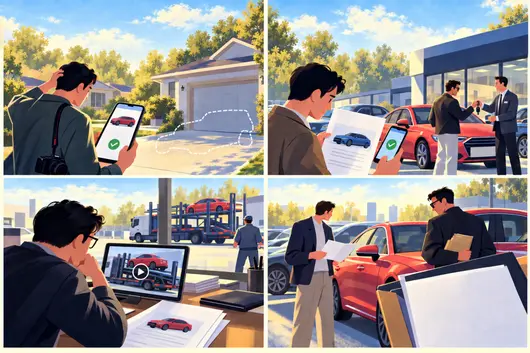
物流网站显示,丰田4Runner已送达。威尔·马修斯(Wil Matthews)家门口,却没有车。
2026年9月,马修斯在Facebook Marketplace(Facebook内类似闲鱼的商品交易平台)看中一辆丰田越野SUV 4Runner TRD Pro,报价约3.6万美元。
价格没有低得反常。
马修斯是职业摄影师,看过照片,也没有发现异样。他查询了卖家自称的车商,一家美国大型信贷机构也审核了售车信息,随后放款36240美元。

付款后,他收到物流追踪页面和装车照片,看着车辆从得克萨斯州一路“驶向”加州。直到页面显示“已送达”,门口却没有车,他才知道出了问题。

马修斯收到的物流追踪页面和装车照片,还挺真
马修斯并非没有核实。他查到了一家真实车商,车辆识别代码搜索起来没有异常,运输照片上的编号也确实有登记。只是这些信息,都没有证明正在与他联系的人有车可卖。
国内公开的购车诈骗案中,也有相似情形。
武汉一名买家把钱转入真实车企账户,嫌疑人却拿这笔钱买走了另一辆车;延吉一名二手车商收到装车视频和物流单后继续付款,视频里的货却不属于他的订单。
合理的价格可能对应假车源,熟悉的同行可能提供假物流,真实公司账户收到的钱,也可能被算进另一笔交易。经销商既可能成为受害者,自己的名号、账户和交付业务也可能被利用。

被劫持的“真实凭据”

与马修斯联系的卖家,自称是得克萨斯州唐纳市的Route 519 Motor。当地确实有一家Route 519 Motor Company。
骗子冒用了这家车商的身份,在名称末尾去掉了“Company”,又提供车辆窗贴、购车订单和看似真实的经销商许可证。车辆识别代码(VIN)在网上搜索,结果也没有明显异常。
外媒The Drive刊出的截图显示,真实车商曾发帖说明自己遭到假车商冒用。
贷款机构审核售车信息后,将36240美元转入一家成立仅数月的有限责任公司账户。骗子随后提供了仿冒的GPS追踪页面和装车照片。
照片中的牵引车后门印着“3DX Carriers LLC”,旁边标有承运商编号和美国交通部注册编号。交付落空后,马修斯查出,这些编号在美国交通部记录中属于另一家公司V&S Group。他继续追查,又发现了两处虚假地址。
据The Drive报道,Facebook母公司Meta的主页透明度信息显示,假车商账户由位于摩尔多瓦的用户创建和管理。报道还称,诈骗者与一家田纳西州的空壳公司配合,使用网络电话接听来电,所谓送车司机则使用经过电脑处理的声音。
每到一个环节,对方都能拿出下一份材料:查车商,有公司;问车辆,有VIN和订单;付了钱,有装车照片;等交付,有运输轨迹。
这些材料看起来彼此印证,实际上却大多由同一方提供。照片可以配上盗用的VIN,假物流页面可以配上真实的运输编号。材料之间没有明显矛盾,不代表它们与眼前这笔交易有关。
买家查到了公司登记,却未必联系过真正的公司;查到了运输编号,却未必问过编号所属的承运商。骗子准备的不只是售车信息,还有一套能应付买家询问的答案。

宝马的车款,付了奥迪的账

武汉的案件中,钱确实进入了一家正常经营的车企。
据武汉市公安局2025年7月7日通报,黄先生在二手交易平台上联系到一名自称“许某”的卖家,约定以13.6万元购买宝马。他先支付6000元订车款,又按要求将13万元转入郑州一家二手车企业账户,却没有收到车。
警方查明,“许某”真名任某。他使用假身份、网上搜来的车辆照片和虚假物流信息骗取信任,利用黄先生的钱从车企提走一辆奥迪A6,再以11.7万元转卖。
黄先生以为自己在付宝马车款,任某却拿这笔钱支付自己购买奥迪的费用。警方最终追回全部13.6万元,确认收款车企没有涉案嫌疑后,解除了对其账户的冻结。通报发布时,任某已因涉嫌诈骗罪被逮捕。
黄先生本身也是二手车中介。他向警方解释,交易有时先付款交车,后补合同和过户材料。
任某分别与买家和车企联系,成了两笔买卖之间的“调度员”。黄先生相信指定账户收的是自己的宝马车款,车企则把到账资金用于任某的奥迪订单。同一笔钱,在两边有不同的用途。
公开通报没有说明,车企如何核对付款人与购车人的关系,以及交车时如何确认提车安排。仅凭这些资料,不能认定企业审核失职。但企业正常收了钱、卖了车,账户仍被卷入案件,第三方付款的风险并不只在买家一侧。
延吉的案件则发生在有过交易的同行之间。
据人民网2026年6月26日报道,二手车行老板小何在2025年12月接到一笔近20辆车的订单,便请唐山同行李某某帮忙找车。两人此前正常交易过一次。
收到前两笔款后,李某某向催货的小何发来装车视频和物流单,又要求付清全款才能继续发货。小何先后六次转出131.5万元,对方最终失联。
警方查明,视频拍的是发给别人的货,物流单是自行填写后被物流公司作废的空单。李某某随后被抓获,报道时案件仍在办理中。
一次成功交易,让后续承诺更容易被相信;装车视频和物流单,又让买家觉得这次生意也在履行。
视频未必是假的,错的是它与订单的对应关系。武汉案中的公司账户、延吉案中的装车画面,都不能单独证明买家的钱买到了约定的车。
即使实车就在面前,也还要确认卖家有权出售。
北京市昌平区检察院2024年7月披露过一起案件:买家当面看过宝马,向自称车主丈夫的男子支付10万元,之后才发现车辆是三名涉案人员租来的,真正的车主从未同意出售。
三人后来因诈骗罪获刑。

AI不必做到毫无破绽

The Drive将马修斯的遭遇描述为一起有AI参与的诈骗,并指出运输图片中的文字和部分物体比例存在异常。
报道还列举了另一组假售车信息:骗子冒用康涅狄格州北布兰福德真实车商Route 80 Motors的身份,挂出一辆1966年福特Mustang。照片里出现气派的车行以及周边街区均由AI生成。
国内上述案件的公开资料没有提到使用AI。盗用照片、冒用身份、伪造物流单,本来就是已有的手段。AI让部分材料更容易制作,也让过去的一些判断办法不再可靠。
美国联邦调查局在2024年12月的警示中指出,生成式AI可以帮助诈骗者制作图片、声音和视频,改善翻译,减少拼写及语法错误。过去令人起疑的蹩脚文字,如今可以被轻易修好。
但骗局得手,并不需要技术毫无破绽。
香港保安局局长在2024年6月26日向立法会提交的书面答复中披露,一起损失约2亿港元的诈骗案中,骗子冒充公司英国总部首席财务官,邀请员工参加视频会议,随后指示转账。
警方调查认为,会议由网上公开的视频和声音制作,是预先录制的,双方没有真实互动。骗子结束会议后,再通过即时通信软件发送付款指令。
一段预录影像已经足以让受害者相信身份,后续转账不需要继续靠视频完成。购车骗局也一样:照片让人相信有车,文件让人相信有卖家,物流页面让人相信已经发货。每份材料只要撑过当时那一次询问,交易就可能继续。
买家要求补发照片、再打一通视频,如果仍由可疑卖家控制材料和联系渠道,得到的可能只是下一次表演。多要一份材料,不一定多了一次核实。

审核通过,核实了什么

马修斯的交易经过了贷款机构审核,虚假售车信息还获得了平台的付费推广。
这两件事可能给用户增加信任,却不能等同于车辆和卖方已经被核实。贷款获批,究竟核验了借款人、文件,还是包括实车及卖方身份?广告能够投放,平台又确认了发布者与真实车商之间的什么关系?
The Drive没有交代这些审核细节,也没有提供贷款机构的解释。报道作者称已向Meta寻求回应,文中未附其答复。
不能据此断言机构没有审核。但审核的范围很重要。用户如果把“贷款获批”理解为“卖家可靠”,把“广告获准投放”理解为“平台查过这辆车”,就可能高估这些程序提供的保障。
马修斯最终获准解除合同,贷款被免除。据报道,他完整记录了交易过程,在车辆未按预期送达后立即联系贷款机构,并援引美国联邦贸易委员会的“持有人规则”(Holder Rule)。
该规则在适用的消费信贷交易中,保留消费者向信贷合同持有人提出相关主张和抗辩的权利。马修斯的结果不能推导为购车被骗后贷款都能免除,具体仍取决于合同和融资安排。
保留证据帮助他处理了后果,但不能因此把付款前的核实责任全部推给买家。
消费者可以独立联系门店、委托验车、向承运商查单;平台掌握商家认证和广告账户信息,贷款机构能够核对合同与收款主体,经销商则掌握订单、到账和交付记录。这些信息,不是靠消费者多看几张照片就能补齐的。
武汉车企面对的具体问题,是第三方转来的钱凭什么记入任某的订单;延吉车商需要确认的,是装车视频和物流单究竟对应哪批货;被冒名的真实车商,则需要让买家能够直接核实销售人员、订单和收款信息。
第三方代付、代提并不必然有问题,但付款人、购车人和提车人不同,就需要把他们与合同的关系说明白。武汉案中,车企收到了钱,也交付了车,却仍因这笔交易被冻结账户。风险并没有因为钱进了公司账户就消失。
马修斯等到物流页面显示“已送达”,才发现家门口没有车。公司登记和运输编号都查得到,缺少的却是对这笔订单的确认。对车商、平台和贷款机构而言,核实一家企业是否存在,与核实它是否参与眼前这笔交易,是两项不同的工作。

In Malaysia's SUV market, many buyers compare the Honda CR-V and Mazda CX-9 when choosing a vehicle. These two models are quite close in price and positioning. Today, we will conduct a detailed comparison from multiple angles to help you save time on research.
The OTR price of the Honda CR-V in Malaysia is RM 178,200 - 195,900, with a total of 4 versions, including 2026 e:HEV 2.0L 2WD RS (RM 195,900), 2026 1.5T 4WD V (RM 181,900), 2026 e:HEV 2.0L 2WD E (RM 178,200), etc.
The OTR price of the Mazda CX-9 in Malaysia is RM 328,810 - 345,810, with a total of 2 versions, including 2023 2.5T 4WD (RM 345,810), 2023 2.5T 2WD (RM 328,810), etc.
From a price perspective, the Honda CR-V's starting price is indeed RM 150,610 cheaper than the Mazda CX-9. If your budget is limited, Honda's entry-level version can already meet daily needs. However, note that the few thousand difference might involve compromises on equipment, depending on your specific requirements.

The safety rating of the Honda CR-V is 5★ (ASEAN NCAP), active safety systems include Honda SENSING (ACC, CMBS, LKAS, RDM).
The safety rating of the Mazda CX-9 is 5★ (ASEAN NCAP), active safety systems include Brand ADAS.
Both cars have the same safety rating, and safety features are considered quite comprehensive in this class. Safety of new cars nowadays is generally good, so there is no need to worry too much about this.

Honda CR-V adopts FWD drive method.
Mazda CX-9 adopts FWD drive method.
Both cars use the same drive method, both are FWD, and there will not be too much difference in daily driving experience.

Honda CR-V warranty 5 years/unlimited mileage, maintenance interval every 10,000km or 6 months.
Mazda CX-9 warranty 5 years/150,000km, maintenance interval every 10,000km or 6 months.

Overall, Honda CR-V and Mazda CX-9 are both very good models in the Malaysian market. Which one to choose ultimately depends on your personal needs and budget. It is recommended to do your research, compare quotes from multiple dealerships, and then test drive before making a final decision. Buying a car is a major matter; spending time on research will definitely not be wrong.


喺馬來西亞嘅 SUV 市場,好多買家喺揀車嘅時候都會拿 Honda HR-V 同 Mazda CX-8 嚟做比較。這兩款車喺價位同定位上都幾接近,今日我哋就從多個方面做一個詳細嘅比較,幫你省咗做功課嘅時間。
Honda HR-V 喺馬來西亞嘅 OTR 售價係 RM 115,900 - 143,900,一共有 4 個版本,包括 2026 e:HEV 1.5L RS(RM 143,900)、2026 1.5T V(RM 137,900)、2026 1.5T E(RM 130,900)等等。
Mazda CX-8 喺馬來西亞嘅 OTR 售價係 RM 165,360 - 201,360,一共有 5 個版本,包括 2025 2.5T 4WD High Plus Petrol(RM 201,360)、2025 2.2L 2WD High Plus Diesel(RM 193,123)、2025 2.5L 2WD High Plus Petrol(RM 186,360)等等。
從價錢嚟睇,Honda HR-V 嘅起步價確實比 Mazda CX-8 平咗 RM 49,460。如果你預算有限,Honda 嘅入門版已經可以滿足日常需要。但都係要注意,平嘅嗰幾千蚊,可能喺配備上會有取舍,具體要睇你嘅需要。

Honda HR-V 嘅安全評級係 5★ (ASEAN NCAP),主動安全系統包括 Honda SENSING (ACC, CMBS, LKAS, RDM)。
Mazda CX-8 嘅安全評級係 5★ (ASEAN NCAP),主動安全系統包括 Brand ADAS。
兩款車嘅安全評級一樣,喺呢個級別入面安全配備都算畀得好齊全嘅。而家嘅新車安全性都唔差,唔使太擔心這一點。

Honda HR-V 車身長 4500 mm,後備箱 450 L。
Mazda CX-8 車身長 4500 mm,後備箱 450 L。
兩款車嘅尺寸幾乎一樣,車內空間分別唔大。呢個級別嘅車,日常使用完全夠用。

Honda HR-V 保修 5 年/無限制里程,保養間隔 每 10,000km 或 6 個月。
Mazda CX-8 保修 5 年/150,000km,保養間隔 每 10,000km 或 6 個月。

總體嚟講,Honda HR-V 同 Mazda CX-8 都係馬來西亞市場好幾唔錯嘅車型。揀邊一部,關鍵都係要睇你嘅個人需要同預算。建議大家做好功課,多比較幾間車行嘅報價,再上去試車做最終決定。買車係件大事,花啲時間做功課絕對唔會錯。

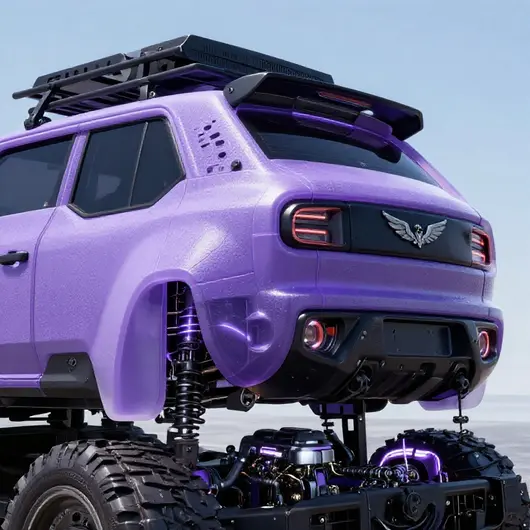
August 12, Chery Fengyun series launch event didn't mention "disrupting the industry", only "slow work builds good cars". This pre-sale event themed "Slow work builds good cars, sorry for the wait", cramped all 23 years of global accumulation, 6 million km of global road tests into one new car—Global quality pure electric SUV Fengyun T7 officially opened pre-sale, 3 versions pre-sale price 109,900-129,900 RMB, simultaneously released 7 layers of purchase benefits.
For the trust threshold of pure electric cars, Fengyun T7 chooses to cross it with "Over-spec safety + Real protection". It directly benchmarks the 2026 E-NCAP five-star standard, functional safety reaches ASIL D highest level, to verify reliability, Chery invested 81 dedicated durability vehicles, whole vehicle cumulative test mileage exceeds 6 million km, special durability actual test 1.45 million km, specifically run through Southeast Asian rainy season, Middle East high heat, Indonesia high humidity and other extreme conditions.
Steel and iron bones are the base color: 80% high-strength steel, 18.84% hot-formed steel welded into a nine-transverse five-longitudinal cage body, equipped with dual-frame subframe and Pack crash beam, total 15 collision force transmission paths front and rear, fully protect the passenger compartment during collision; all series 9 airbags, includes 48L dual-chamber remote airbag and rear side airbag, even covering the rear side. Rhino battery comes with 6D protection, IP68 waterproof ability is 96 times the national standard, waterproof in heavy rain without short circuit.
More practical is the after-sales "insurance ticket": vehicle damage due to thermal runaway caused by battery reasons, directly compensate for a new same model car; within one year of purchase, accidents caused by intelligent driving system in parking or pilot scenarios, highest compensation 5 million Yuan. Plus whole vehicle lifetime warranty (including three-electrics), and 666 Yuan exchange for lifetime basic maintenance, no hidden costs in car maintenance.
All series 600km: No range grading games, run in cold and heat
Refuse the industry trick of "low spec range cut in half", Fengyun T7 all series standard equipment 65.05kWh Rhino battery, CLTC range 600km, actual test can run 667km+, belongs to typical "reverse false marking". Energy replenishment efficiency is also in place, 30% to 80% charge only needs 20 minutes, long distance not delayed.
To adapt to global climates, it installed global integrated dual-source wide heat pump AC + High voltage PTC, -30°C to 55°C wide temperature range can work stably, North winter heating saves electricity, South summer heat dissipation efficient; plus AGS intelligent grille and 14 low wind resistance optimizations, high and low speed energy consumption are stable, no anxiety of "winter halved performance".
Cabin and driving integration: 100k level uses 8775 flagship chip
Smart is not compromised, is Fengyun T7's another card. It is equipped with 4nm process cabin-driving integrated 8775 chip, 72 TOPS computing power, response only needs 80ms, boot speed improved 33%, car machine smooth no lag. 15.6-inch 2.5K HD large screen anti-glare, anti-fingerprint, supports CarPlay, HUAWEI HiCar, CarLink wireless interconnection, cover 99%+ mobile phones, connect seamless upon getting on board.
Lingxi Smart Cockpit 2.0 has 6 types of human-like voice characters, from "Xiao Qi Tongxue" to "Northeast Auntie", can chat and can control car; built-in nap, camping, pet and other 6 major scenario modes, car is mobile rest lounge also entertainment cabin. Intelligent driving equipped with Falcon 500 system, 22 high-precision sensors cover 300+ parking scenarios, dead end, cross-floor, track reverse all handled, newbies can also park accurately.Master tuning + Can load and lie: Everything home needs given enough
Drive not floating, sit not tired, this car knits home attributes to details. Chassis led by former Maserati tuning experts team polished, 50.8:49.2 golden axle load ratio, plus Chery 2026 year-end chassis foundation and self-developed K&C test bench, cornering no understeer, no oversteer, vibration filtering crisp.
In terms of space, 2700mm wheelbase achieves 84% room rate, rear pure flat floor, leg space 911mm, full load not crowded; rear seats folded is 1955mm pure flat big bed, trunk from 450L expanded to 1550L, whole car 38 storage compartments, plus 4 bearing 300kg rivet rings, 2 bearing 3kg hooks, camping gear, large luggage can be stably stored. 9 layer cloud feeling seats with ventilation heating, under -20°C 5 minutes can heat to 30°C, summer sucking wind ventilation not stuffy sweat, long distance sitting not tired.
Global co-creation look: Endurable to look, more durable
Good looking is not for a while, is looking not tired forever. Fengyun T7 by Chery 10 major global design centers, 5000+ domestic and overseas users co-created, same origin model Lepas L6 once appeared at Milan Design Week. Appearance is wind control front grille, wind shaped satin body, sky light tailgate, in 6 color schemes hot flame orange, mountain smoke purple, cloud pink rice very photogenic, paint surface according to overseas strict weather resistance standards built, long sun exposure no fading.
Interior has warm black brown, polar night black obsidian two styles, cloud wing hugging cockpit covered large area soft packaging, pebble floating speakers, diamond quilting details show texture; all leather, sealing strips, plastic parts all did anti-aging treatment, yearly use not harden sticky, drive 3-5 years interior still new.
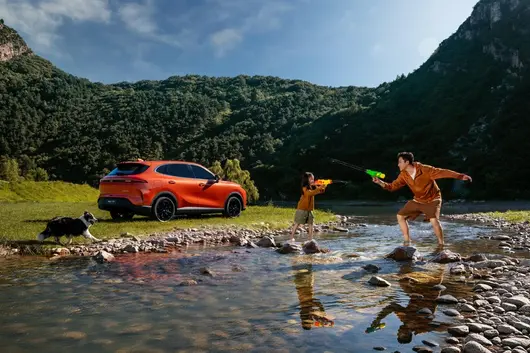

喺馬來西亞嘅 SUV 市場,好多買家喺揀車嘅時候都會拎 Proton X90 同 Honda CR-V 黎做比較。呢兩款車喺價位同定位上幾接近,今日我哋就多方面做個詳細比較,幫你省做功課嘅時間。
Proton X90 喺馬來西亞嘅 OTR 售價係 RM 106,800 - 122,800,一共有 4 個版本,包括 2026 1.5T Prime X(RM 122,800)、2026 1.5T Prime(RM 116,800)、2026 1.5T Lite(RM 106,800)等。
Honda CR-V 喺馬來西亞嘅 OTR 售價係 RM 178,200 - 195,900,一共有 4 個版本,包括 2026 e:HEV 2.0L 2WD RS(RM 195,900)、2026 1.5T 4WD V(RM 181,900)、2026 e:HEV 2.0L 2WD E(RM 178,200)等。
由價錢睇,Proton X90 嘅起步價確實比 Honda CR-V 平咗 RM 71,400。如果你預算有限,Proton 嘅入門版已經滿足日常需求。但都要注意,平嘅嗰幾千蚊,可能喺配備上會有取舍,具體要看你嘅需求。

Proton X90 採用 FWD 驅動方式。
Honda CR-V 採用 FWD 驅動方式。
兩款車嘅驅動方式一樣,都係 FWD,日常駕駛感受唔會有太大分別。
Proton X90 保養保固 5 年/150,000km,保養間隔 每 10,000km 或 6 個月。
Honda CR-V 保養保固 5 年/無限里程,保養間隔 每 10,000km 或 6 個月。
Proton X90 同 Honda CR-V 都係馬來西亞市場嘅主流選擇,適合家庭使用、日常通勤。如果你更看重品牌聲譽同二手價,可以優先考慮聲譽更好嗰款;如果你更在意性價比同配備,那就揀配置更豐富嗰款。最後都建議兩款都去試駕,親身體驗先係最重要。
總體嚟講,Proton X90 同 Honda CR-V 都係馬來西亞市場幾唔錯嘅車型。揀邊一輛,關鍵仲係要看你嘅個人需求同預算。建議大家做功課,多比較幾間車行嘅報價,再去試駕先做最終決定。買車係件大事,花少少時間做功課絕對唔會錯。


In the Malaysian SUV market, many buyers compare Proton X70 and Chery Tiggo 8 PHEV when choosing a car.
Proton X70's OTR price in Malaysia is RM 106,800 - 122,300, with a total of 3 variants, including 1.5L Standard 2WD (RM 106,800), 1.5L Executive 2WD (RM 115,800), 1.5L Premium 2WD (RM 122,300), etc.
Chery Tiggo 8 PHEV's OTR price in Malaysia is RM 159,750 - 159,750, with a total of 2 variants, including 1.6L Turbo Standard (RM 130,000), 1.6L Turbo Premium (RM 145,000), etc.
From a price perspective, Proton X70's starting price is indeed RM 52,950 cheaper than Chery Tiggo 8 PHEV. If your budget is limited, Proton's entry-level version can already meet daily needs. But also note, the savings of a few thousand might involve trade-offs in features, it depends on your specific needs.
Proton X70 is equipped with 1.5L Turbo, horsepower 140 hp. Official fuel consumption 7.0 L/100km.
Chery Tiggo 8 PHEV is equipped with Hybrid, horsepower 170 hp. Official fuel consumption 4.5 L/100km.
Regarding power, Chery Tiggo 8 PHEV's Hybrid has 30 more horsepower than Proton X70's 1.5L Turbo. However, for daily driving in the city, the power of both cars is sufficient, you won't feel it lacks power.
Proton X70's safety rating is 5★ (ASEAN NCAP), active safety systems include ADAS (ACC, AEB, LKA, LDA, BSM, RCTA).
Chery Tiggo 8 PHEV's safety rating is TBD, active safety systems include Basic.
In terms of safety features, both cars received good ratings. However, Proton X70's ADAS (ACC, AEB, LKA, LDA, BSM, RCTA) and Chery Tiggo 8 PHEV's Basic have some differences in functionality. If you value active safety more, you can compare the feature lists of both carefully.
Proton X70 warranty 5 years/150,000km, service interval every 10,000km or 6 months.
Chery Tiggo 8 PHEV warranty 3 years/100,000km, service interval every 10,000km or 6 months.
Overall, Proton X70 and Chery Tiggo 8 PHEV are both quite good models in the Malaysian market. Choosing which one, the key depends on your personal needs and budget. We recommend doing your homework, compare quotes from several dealerships, then test drive to make a final decision. Buying a car is a big matter, spending some time on research is never wrong.

喺馬來西亞嘅 SUV 市場,好多買家喺揀車嘅時候都會拿 Proton X50 同 MG MG HS 嚟做比較。呢兩部車喺價位同定位上都幾近嘅,今日我哋就由多個方面做個詳細比較,幫你節省咗做功課嘅時間。
Proton X50 喺馬來西亞嘅 OTR 售價係 RM 89,800 - 113,300,一共有 4 個版本,包括 1.5T Executive(RM 89,800)、1.5T Premium(RM 101,800)、1.5T Flagship(RM 113,300) 等。
MG MG HS 喺馬來西亞嘅 OTR 售價係 RM 130,450 - 146,450,一共有 2 個版本,包括 1.5L Standard(RM 105,000)、1.5L Executive(RM 115,000) 等。
從價錢嚟看,Proton X50 嘅起步價確實比 MG MG HS 平咗 RM 40,650。如果你預算有限,Proton 嘅入門版已經可以滿足日常需求。但都要注意,平嗰幾千塊,可能喺配備上會有取捨,具體要睇你嘅需求。

Proton X50 搭載 1.5L 4-cyl,馬力 105 hp。官方油耗 6.0 L/100km。
MG MG HS 搭載 1.5L Turbo,馬力 140 hp。官方油耗 7.0 L/100km。
動力方面,MG MG HS 嘅 1.5L Turbo 比 Proton X50 嘅 1.5L 4-cyl 多咗 35 匹馬力。不過日常喺市區開,兩款車嘅動力都夠用,唔會覺得唔夠力。

Proton X50 嘅安全評級係 5★ (ASEAN NCAP),主動安全系統包括 ADAS (ACC, AEB, LKA, LDA, BSM, RCTA)。
MG MG HS 嘅安全評級係 TBD,主動安全系統包括 Basic。
安全配備方面,兩款車都拿到唔錯嘅評級。不過 Proton X50 嘅 ADAS (ACC, AEB, LKA, LDA, BSM, RCTA) 同 MG MG HS 嘅 Basic 喺功能上有啲分別,如果你比較睇重主動安全嘅話,可以仔細比較下兩者嘅功能列表。

Proton X50 採用 4WD 驅動方式。
MG MG HS 採用 FWD 驅動方式。
Proton 嘅 4WD 同 MG 嘅 FWD 喺操控上會有唔同感覺,建議試駕比較。
Proton X50 同 MG MG HS 都係馬來西亞市場嘅主流選擇,適合家庭使用、日常通勤。如果你更睇重品牌口碑同二手價,可以優先考慮口碑更好嗰一款;如果你更在意性價比同配備,嗰就揀配備更豐富嗰款。最終都係建議兩款都去試駕,親身體驗先係最重要嘅。
總體嚟講,Proton X50 同 MG MG HS 都係馬來西亞市場幾唔錯嘅車型。揀邊一輛,關鍵都要睇你嘅個人需求同預算。建議大家做好功課,多比較幾間車行嘅報價,再去試駕做最終決定。買車係件大事,花啲時間做功課絕對唔會錯。


喺馬來西亞嘅 SUV 市場,好多買家喺揀車嘅時候都會拿 Proton X50 同 Chery Tiggo 7 PHEV 嚟做比較。這兩款車喺價位同定位上都好接近,今日我哋就由多個方面做一次詳細比較,幫你節省咗做功課嘅時間。
Proton X50 喺馬來西亞嘅 OTR 售價係 RM 89,800 - 113,300,一共有 4 個版本,包括 1.5T Executive(RM 89,800)、1.5T Premium(RM 101,800)、1.5T Flagship(RM 113,300) 等。
Chery Tiggo 7 PHEV 喺馬來西亞嘅 OTR 售價係 RM 129,750 - 129,750,一共有 2 個版本,包括 2025 1.5T 90km CSH(RM 129,750)、Tiggo 7 PHEV 支援邊種充電方法?可以用家居電源插座充電嗎?(RM 117,478) 等。
從價錢來看,Proton X50 嘅起步價確實比 Chery Tiggo 7 PHEV 平咗 RM 39,950。如果你預算有限,Proton 嘅入門版已經可以滿足日常需要。但都要留意,平嗰幾千蚊,可能喺配備上會有取捨,具體要看你嘅需要。
Proton X50 車身長 4400 mm,尾箱 400 L。
Chery Tiggo 7 PHEV 車身長 4400 mm,尾箱 400 L。
兩款車嘅尺寸幾乎一樣,車內空間差別唔大。呢個級別嘅車,日常使用完全夠用。
Proton X50 保養 5 年/150,000km,保養間隔 每 10,000km 或 6 個月。
Chery Tiggo 7 PHEV 保養 3 年/100,000km,保養間隔 每 10,000km 或 6 個月。
Proton X50 同 Chery Tiggo 7 PHEV 都係馬來西亞市場嘅主流選擇,適合家庭使用、日常通勤。如果你更看重品牌聲譽同二手價,可以優先考慮聲譽好嗰一款;如果你更在意性價比同配備,就揀配置更豐富嗰款。最終始終建議兩款都去試駕,親身嘗試先係最重要嘅。

總嚟講,Proton X50 同 Chery Tiggo 7 PHEV 都係馬來西亞市場好唔錯嘅車型。揀邊輛,關鍵始終係睇你嘅個人需要同預算。建議大家做好功課,多比較幾間車行之嘅報價,先去試駕先做最終決定。買車係件大事,花少少時間做功課絕對唔會錯。


