首頁迷迭香

搜尋歷史
熱門搜尋
經銷商登入 / 註冊

In Malaysia's SUV market, many buyers compare Proton X90 and Chery Tiggo 9 when choosing a car. These two cars are quite close in price and positioning. Today we will make a detailed comparison from multiple aspects to help you save time on research.
Proton X90's OTR price in Malaysia is RM 106,800 - 122,800, with a total of 4 versions, including 2026 1.5T Prime X (RM 122,800), 2026 1.5T Prime (RM 116,800), 2026 1.5T Lite (RM 106,800), etc.
Chery Tiggo 9's OTR price in Malaysia is RM 166,800 - 179,800, with a total of 1 version, including 2026 2.0T Standard (RM 179,750), etc.
From a price perspective, the starting price of Proton X90 is indeed RM 60,000 cheaper than Chery Tiggo 9. If your budget is limited, Proton's entry-level version can already meet daily needs. However, note that the savings of a few thousand may involve trade-offs in features, depending on your specific needs.

Proton X90's safety rating is 5★ (ASEAN NCAP), active safety systems include ADAS (ACC, AEB, LKA, LDA, BSM, RCTA).
Chery Tiggo 9's safety rating is TBD, active safety systems include Basic.
Regarding safety features, both cars have received good ratings. However, there are some differences in functionality between Proton X90's ADAS (ACC, AEB, LKA, LDA, BSM, RCTA) and Chery Tiggo 9's Basic. If you value active safety, you can compare the feature lists of both carefully.

Proton X90 uses FWD drive train.
Chery Tiggo 9 uses FWD drive train.
Both cars have the same drive method, both are FWD, daily driving experience will not be much different.

Proton X90 warranty 5 years / 150,000 km, service interval every 10,000 km or 6 months.
Chery Tiggo 9 warranty 3 years / 100,000 km, service interval every 10,000 km or 6 months.

Both Proton X90 and Chery Tiggo 9 are mainstream choices in the Malaysia market, suitable for family use and daily commuting. If you value brand reputation and resale value more, consider the one with better reputation first; if you care more about value for money and features, choose the one with richer configurations. Ultimately, it is recommended to test drive both, as hands-on experience is the most important.

Overall, both Proton X90 and Chery Tiggo 9 are very good models in the Malaysia market. Choosing which one mainly depends on your personal needs and budget. It is recommended to do your research, compare quotes from several dealerships, and then test drive to make the final decision. Buying a car is a major decision, taking time to research will definitely not go wrong.


In the SUV market in Malaysia, many buyers compare Proton X90 and Chery Tiggo 7 Pro when choosing a car. The price ranges and positioning of these two models are quite close. Today, we will provide a detailed comparison from multiple aspects to help you save time on research.
Proton X90 has an OTR price in Malaysia of RM 106,800 - 122,800, with a total of 4 versions, including 2026 1.5T Prime X (RM 122,800), 2026 1.5T Prime (RM 116,800), 2026 1.5T Lite (RM 106,800) etc.
Chery Tiggo 7 Pro has an OTR price in Malaysia of RM 123,750 - 123,750, with a total of 2 versions, including 1.6L Turbo Standard (RM 125,000), 1.6L Turbo Premium (RM 140,000) etc.
From a price perspective, the starting price of Proton X90 is indeed RM 16,950 cheaper than Chery Tiggo 7 Pro. If your budget is limited, Proton's entry-level version can already meet daily needs. However, be aware that the few thousand cheaper might involve trade-offs in features, depending on your specific needs.
Proton X90 is equipped with 1.5L Turbo, 140 hp. Official fuel consumption is 7.0 L/100km.
Chery Tiggo 7 Pro is equipped with 1.5L Turbo, 140 hp. Official fuel consumption is 7.0 L/100km.
Both cars use the same powertrain, and the driving feel is basically the same in daily use. Fuel consumption is also similar, so no need to dwell on this point too much.
Proton X90's safety rating is 5★ (ASEAN NCAP), active safety systems include ADAS (ACC, AEB, LKA, LDA, BSM, RCTA).
Chery Tiggo 7 Pro's safety rating is TBD, active safety systems include Basic.
Regarding safety features, both cars have received good ratings. However, there are some differences in functionality between Proton X90's ADAS (ACC, AEB, LKA, LDA, BSM, RCTA) and Chery Tiggo 7 Pro's Basic. If you value active safety, you can carefully compare the feature lists of both.
Proton X90 uses FWD drive configuration.
Chery Tiggo 7 Pro uses FWD drive configuration.
Both cars have the same drive configuration, which is FWD, so there won't be a huge difference in the daily driving feel.
Overall, both Proton X90 and Chery Tiggo 7 Pro are very good models in the Malaysian market. Which one to choose depends mainly on your personal needs and budget. It is recommended to do your research, compare quotes from multiple dealerships, and then test drive to make the final decision. Buying a car is a major matter, taking some time to do research will never be wrong.

大家喺買合資車嘅時候,往往會關注部車係「全球車型」定係「中國特供」,因為全球車型往往代表住更加嚴格嘅造車標準、更加紮實嘅做工用料同更加穩定嘅產品品質。

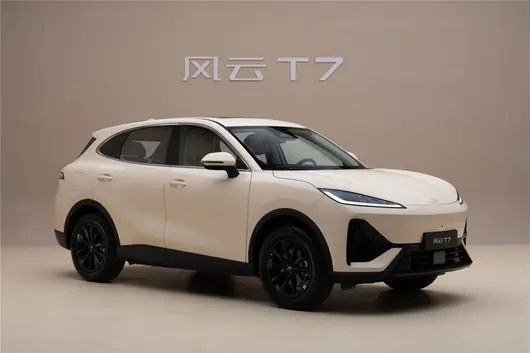
對於新能源車嚟講同樣係咁,一部車如果能先遠銷全球,先再進入內地市場銷售,無疑更能讓人放心,風雲 T7 就係其中一個。雖然佢嚟得唔算早,不過慢工先至能造好車、全球化車型值得多等下。

8 月 12 日,風雲 T7 正式開啟預售,預售價錢為 10.99 萬起,合共推出咗 3 款配備,仲有咗多重預售福利。

喺了解風雲 T7 之前,我覺得有必要從佢嘅同源車型 Lepas L6 開始傾下。作為一台緊湊型純電 SUV,佢已經喺南非、泰國上市,收獲咗海外用戶嘅認可。
再嚟睇奇瑞集團嘅全球化戰績,連續 23 年位居中國品牌乘用車出口第一,全球用戶突破 2000 萬,產品远销 130+ 海外市场。另外,奇瑞集團完整搭建全球研發、全球標準、全球驗證、全球品質一體化造車體系,並非將國內車型簡單改款出海,而係同步適應全球 210 個國家同地區嘅用車需求。

所以風雲 T7 從研發之初就鎖定「全球品質純電 SUV」嘅細分定位,喺設計同製造方面符合全球嚴格標準。例如佢經過 2 年策劃、3 年研發,按照 2026 版 E-NCAP 五星安全設計,做到功能安全 ASILD 高等級、全球數據合規。
由於風雲 T7 要賣向全球,所以佢就必須考慮到唔同國家同地區嘅用車環境。例如國家標準浸水高度 150mm,風雲 T7 能抵 500mm;又如喺 -30℃嘅北歐極寒環境下穩定運作,熱泵+PTC 雙源加熱,令到冬季續航達成率提升 30%;再又如面對中東沙塵、強紫外線、巴西沙石路面等,都係要做各種優化。

而且好有趣嘅係,風雲 T7 係喺國外先上市,先引進返國內銷售,相當於老外幫我先試過咗部車,呢種待遇真係無人能比,我哋而家簡單睇下風雲 T7 嘅基本產品資訊。
首先係車身尺寸,風雲 T7 嘅長闊高分別為 4570/1852/1694mm,軸距 2700mm,講句老實話,呢啲尺寸參數喺緊湊型純電 SUV 入面唔算大,不過海外市場嘅用戶唔似我哋華人咁以大字大為美,特別係東南亞同歐洲市場,「小車」更適應當地狹窄複雜嘅路面情況,反而更受歡迎。

空間設計方面,風雲 T7 嘅車內得房率達到咗 84%,後排車底純平,所以就算坐滿 5 個成年人都唔會感到擁擠。車內嘅儲物空間都幾唔錯,例如尾箱有 19L 保密夾層同 99L 下沉式儲物空間,車內仲有 4 個可以承重 300kg 嘅鉚環同 2 個可以承重 3kg 嘅掛鉤。
另外,風雲 T7 仲設置咗雨傘槽、50W 手機無線充電位、3 個 Type-C 同 1 個 USB 充電接口,能夠照顧到全車人日常出行嘅方方面面。

然後嚟睇配置,下面列一啲關鍵字,大家可以簡單感受一下:高通驍龍 4nm 製程座艙駕駛一體 8775 芯片、NPU 算力 72TOPS、15.6 吋 2.5K 中控屏幕、靈犀智艙 2.0×豆包大模型、自帶 22 個高精度感測器嘅獵鷹 500 智能駕駛輔助系統、9 層複合雲感座椅等等。

當然,作為全球車型,駕駛操控實力必須到位,畢竟有些戰鬥民族開車都好勁。風雲 T7 擁有接近 50:50 嘅前後配重比,操控靈活,70mm 嘅大尺寸襯套可以兼顧舒適。One-Box 線控制動可以喺 136ms 完成建壓,配合瑪莎拉蒂前底盤專家團隊調教,操控穩、煞得住。
對於純電車嚟講,大家肯定好關心佢嘅電池同續航,內地今次預售嘅風雲 T7 全係標準配備容量為 65.05kWh 嘅犀牛電池,CLTC 純電續航 600km,30% 充到 80% 電量最快只需 22 分鐘。而且熟悉奇瑞新能源車嘅朋友應該知道,佢哋嘅車係出了名嘅「反向虛標」,所以實際嘅續航表現會有驚喜。另外,風雲 T7 嘅電池循環壽命超過 2500 次,日常使用 15 年唔使換電池。

所以總括嚟講,風雲 T7 嘅賣點好明確,就係喺市場極度內捲、各種速成車層出不窮嘅而家,沉住氣、安安靜靜嘅幫你造一台符合全球標準嘅好車。其實這本來應該係每家車廠嘅必修課,不過敢擺喺台面講嘅車廠並唔多。慢功造好車,風雲 T7 雖然讓大家久候咗,不過好飯唔怕晚,你哋點睇?

喺馬來西亞嘅 SUV 市場,好多買家喺揀車嘅時候都會拿 Proton X90 同 Mazda CX-60 嚟比較。呢兩款車喺價位同定位上都相當接近,今日我哋就從多個方面做一個詳細嘅比較,幫你省做功課嘅時間。
Proton X90 喺馬來西亞嘅 O T R 售價係 RM 106,800 - 122,800,一共有 4 個版本,包括 2026 1.5T Prime X(RM 122,800)、2026 1.5T Prime(RM 116,800)、2026 1.5T Lite(RM 106,800) 等。
Mazda CX-60 喺馬來西亞嘅 O T R 售價係 RM 200,510 - 252,873,一共有 2 個版本,包括 2026 3.3T 4WD High Plus(RM 252,873)、2025 2.5L 2WD High(RM 200,510) 等。
從價錢來看,Proton X90 嘅起步價確實比 Mazda CX-60 便宜咗 RM 93,710。如果你預算有限,Proton 嘅入門版已經可以滿足日常需要。但都要注意,平嗰幾千蚊,可能喺配備上會有取捨,具體睇你嘅需要。
Proton X90 搭載 1.5L Turbo,馬力 140 hp。官方油耗 7.0 L/100km。
Mazda CX-60 搭載 2.0L 4-cyl,馬力 170 hp。官方油耗 8.0 L/100km。
動力方面,Mazda CX-60 嘅 2.0L 4-cyl 比 Proton X90 嘅 1.5L Turbo 多咗 30 匹馬力。不過日常喺市區開,兩款車嘅動力都夠用,唔會覺得唔夠力。
Proton X90 嘅安全評級係 5★ (ASEAN NCAP),主動安全系統包括 ADAS (ACC, AEB, LKA, LDA, BSM, RCTA)。
Mazda CX-60 嘅安全評級係 5★ (Euro NCAP),主動安全系統包括 i-Activsense Pro。
安全配備方面,兩款車都拿到咗唔錯嘅評級。不過 Proton X90 嘅 ADAS (ACC, AEB, LKA, LDA, BSM, RCTA) 同 Mazda CX-60 嘅 i-Activsense Pro 喺功能上有些差異,如果你比較重視主動安全嘅話,可以仔細對比下兩者嘅功能列表。
Proton X90 車身長 4400 mm,車尾箱 400 L。
Mazda CX-60 車身長 4500 mm,車尾箱 450 L。
空間方面,Mazda CX-60 嘅車身比 Proton X90 長咗 100 mm,乘坐空間更有優勢。不過 Proton X90 喺城市入面停車會靈活啲,各有取捨。

Proton X90 同 Mazda CX-60 都係馬來西亞市場嘅主流選擇,適合家庭使用、日常通勤。如果你更重視品牌口碑同二手價,可以優先考慮口碑更好嗰一款;如果你更在意性價比同配備,就揀配備更豐富嗰款。最終都係建議兩款都去試駕,親身體驗先至最重要。

總體嚟講,Proton X90 同 Mazda CX-60 都係馬來西亞市場好唔錯嘅車型。揀邊一款,關鍵始終要睇你嘅個人需要同預算。建議大家做足功課,多比較幾間車行嘅報價,先至去試駕做最終決定。買車係件大事,花少少時間做功課絕對唔會錯。

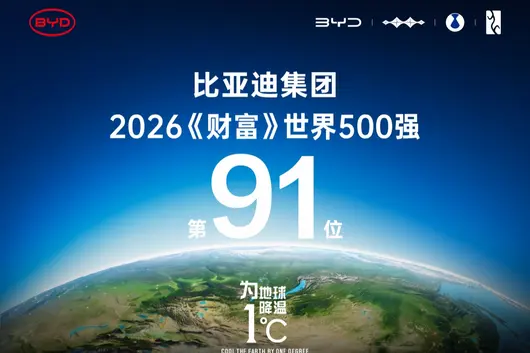
7 月 28 日,2026 年《財富》世界 500 強榜單揭曉,比亞迪連續第 5 年上榜,位列第 91 位,穩居全球百強陣營。呢個排名不僅係對其過往成績嘅肯定,更標誌著中國新能源汽車企業已具備同世界級巨頭同台競技嘅硬實力。

回望 2025 年,比亞迪交出了一份亮眼嘅成績單:全年營收 8040 億元,淨利潤 326 億元,新能源汽車銷量達 460 萬輛,蟬聯全球銷冠。進入 2026 年,其勢頭不減,上半年銷量已超 180 萬輛,並喺 7 月正式達成全球第 1700 萬輛新能源汽車下線嘅里程碑。

亮眼嘅市場表現,根植於對技術創新嘅執著。2025 年,比亞迪研發投入高達 634 億元,穩居 A 股上市公司首位。高投入帶嚟高回報:今年 3 月發布嘅第二代刀片電池同閃充技術,直擊補能效率痛點;5 月率先承諾為城市領航安全兜底,並推動全民城市領航時代嘅到來,展現咗佢作為行業領軍者嘅技術自信與責任擔當。

全球化戰略亦喺今年迎嚟收穫期。2025 年海外銷量首破百萬輛後,2026 年上半年即達到 78 萬輛,增長迅猛。從巴西雲軌開通、工廠達成十萬輛下線,到歐洲市場開啟科技新豪華篇章,再到日本、泰國市場嘅本土化深耕,比亞迪已形成「拉美領跑、歐洲突破、亞太多點開花」嘅全球化新格局,業務遍佈全球 121 個國家同地區。

喺高速發展嘅同時,比亞迪始終踐行可持續發展與社會責任。截至今日,其新能源汽車累計實現碳減排 1.49 億噸,並啟動 30 億元教育慈善基金,惠及數千名學生。
從百強新貴到穩居陣營,比亞迪正憑藉技術同全球化嘅雙輪驅動,朝著「為地球降溫 1℃」嘅願景穩步邁進。

In the Malaysian SUV market, many buyers often compare Proton X50 and Chery Tiggo 8 PHEV when choosing a car. These two cars are quite close in terms of price and positioning, so today we will make a detailed comparison from multiple aspects to help you save time doing research.
Proton X50's OTR price in Malaysia is RM 89,800 - 113,300, with a total of 4 versions, including 1.5T Executive (RM 89,800), 1.5T Premium (RM 101,800), 1.5T Flagship (RM 113,300), etc.
Chery Tiggo 8 PHEV's OTR price in Malaysia is RM 159,750 - 159,750, with a total of 2 versions, including 1.6L Turbo Standard (RM 130,000), 1.6L Turbo Premium (RM 145,000), etc.
In terms of price, Proton X50's starting price is indeed RM 69,950 cheaper than Chery Tiggo 8 PHEV. If your budget is limited, Proton's entry-level version can already meet daily needs. But also note, the difference in price of a few thousand might involve trade-offs in specifications, depending on your specific needs.

Proton X50 comes with a 1.5L 4-cyl, 105 hp. Official fuel consumption 6.0 L/100km.
Chery Tiggo 8 PHEV comes with Hybrid, 170 hp. Official fuel consumption 4.5 L/100km.
In terms of power, Chery Tiggo 8 PHEV's Hybrid has 65 more horsepower than Proton X50's 1.5L 4-cyl. However, for daily city driving, both cars have enough power and won't feel insufficient.

Proton X50 warranty 5 years/150,000km, maintenance interval every 10,000km or 6 months.
Chery Tiggo 8 PHEV warranty 3 years/100,000km, maintenance interval every 10,000km or 6 months.

Both Proton X50 and Chery Tiggo 8 PHEV are mainstream choices in the Malaysian market, suitable for family use and daily commuting. If you value brand reputation and resale value more, you can prioritize the one with better reputation; if you care more about cost-performance ratio and specifications, then choose the one with richer configurations. Ultimately it is recommended to test drive both models, as experiencing it personally is the most important.
In general, Proton X50 and Chery Tiggo 8 PHEV are both quite good models in the Malaysian market. Which one to choose, the key still depends on your personal needs and budget. It is recommended that everyone do their research, compare quotes from several car dealers, and then test drive to make a final decision. Buying a car is a big deal, spending some time doing research will never be wrong.


In the Malaysian SUV market, many buyers compare Perodua Ativa and Proton X50 when choosing a car. These two models are quite close in price and positioning. Today, we will make a detailed comparison from multiple aspects to help you save time on research.
Perodua Ativa's OTR price in Malaysia is RM 62,500 - 73,400, with a total of 3 versions, including 1.0L Turbo X (RM 62,500), 1.0L Turbo H (RM 67,300), 1.0L Turbo AV (RM 73,400), etc.
Proton X50's OTR price in Malaysia is RM 89,800 - 113,300, with a total of 4 versions, including 1.5T Executive (RM 89,800), 1.5T Premium (RM 101,800), 1.5T Flagship (RM 113,300), etc.
From a price perspective, Perodua Ativa's starting price is indeed RM 27,300 cheaper than Proton X50. If your budget is limited, Perodua's entry-level version can already meet daily needs. But also note, the few thousand difference might involve trade-offs in equipment, depending on your specific needs.

Perodua Ativa is equipped with 1.5L 4-cyl, 105 hp. Official fuel consumption 6.0 L/100km.
Proton X50 is equipped with 1.5L 4-cyl, 105 hp. Official fuel consumption 6.0 L/100km.
Both cars use the same powertrain, and the driving feel in daily use is basically the same. Fuel consumption is also similar, no need to dwell too much on this point.
Perodua Ativa warranty 5 years/150,000km, maintenance interval every 10,000km or 6 months.
Proton X50 warranty 5 years/150,000km, maintenance interval every 10,000km or 6 months.
Both cars have the same warranty conditions, no need to dwell on this aspect. Actual maintenance costs also depend on the brand's service network and parts prices, it is recommended to ask real owners in car owner groups for their experience.

Both Perodua Ativa and Proton X50 are mainstream choices in the Malaysian market, suitable for family use and daily commuting. If you value brand reputation and resale value more, you can prioritize the one with better reputation; if you care more about cost-performance ratio and features, choose the one with more configurations. In the end, it is recommended to test drive both models, personal experience is the most important.
Overall, Perodua Ativa and Proton X50 are both very good models in the Malaysian market. Which one to choose mainly depends on your personal needs and budget. It is recommended that everyone do their research, compare quotes from several car dealerships, and then go for a test drive to make a final decision. Buying a car is a big matter, spending time researching will definitely not be wrong.


喺馬來西亞嘅 MPV 市場,好多買家喺揀車嗰陣都會拎 Toyota Innova Zenix 同 Kia Carnival 做比較。呢兩部車喺價錢同定位上都幾接近,今日我哋就從多個方面做一個詳細比較,幫你省返做功課嘅時間。
Toyota Innova Zenix 喺馬來西亞嘅 OTR 售價係 RM 165,000 - 202,000,一共有 2 個版本,包括 2023 HEV 2.0L Standard(RM 202,000)、2023 2.0L V(RM 165,000) 等。
Kia Carnival 喺馬來西亞嘅 OTR 售價係 RM 189,849 - 249,849,一共有 6 個版本,包括 2025 2.2T Standard 7 Seats(RM 249,849)、2025 2.2T Standard 8 Seats(RM 239,849)、2025 2.2T Standard 11 Seats(RM 189,849) 等。
由價錢睇,Toyota Innova Zenix 嘅起步價真係比 Kia Carnival 平咗 RM 24,849。如果你預算有限,Toyota 嘅入門版已經可以滿足日常需要。但都要留意,平嗰幾千蚊,可能喺配備上會有取捨,具體要睇你嘅需要。

Toyota Innova Zenix 車身長 4400 mm,後尾箱 400 L。
Kia Carnival 車身長 4400 mm,後尾箱 400 L。
兩部車嘅尺寸幾近一樣,車內空間差別唔算大。呢級別嘅車,日常使用完全夠用。

Toyota Innova Zenix 採用手前驅驅動方式。
Kia Carnival 採用手前驅驅動方式。
兩部車嘅驅動方式一樣,都係 FWD,日常駕駛感覺唔會有太大分別。

Toyota Innova Zenix 同 Kia Carnival 都係馬來西亞市場嘅主流選擇,適合家庭用、日常通勤。如果你更睇重品牌口碑同二手價,可以優先考慮口碑更好嗰款;如果你更在意性價比同配備,就揀配備更豐富嗰款。最後都建議兩部都去試駕,親身體驗先係最重要。

總括嚟講,Toyota Innova Zenix 同 Kia Carnival 都係馬來西亞市場幾唔錯嘅車型。揀邊輛,關鍵仲要睇你嘅個人需要同預算。建議大家做足功課,多比較幾間車行嘅報價,先至去試駕做最終決定。買車係件大事,花少少時間做功課絕對唔會錯。


車型概覽

Subaru Solterra 值唔值得睇,第一步唔係望牌子或者外形,而係睇佢能唔能夠配合你嘅香港日常。 呢篇會集中講續航、電池同補電安排,幫你用買家角度篩走唔適合嘅選擇。
零售價 HK$ 289,900 - 302,047、完稅價 HK$ 479,214 - 502,400 令預算位置更清楚,買家可以先估算月供、保險、泊車同日常開支。
購車價格指南
Subaru Solterra 嘅購車預算可以先由 零售價 HK$ 289,900 - 302,047、完稅價 HK$ 479,214 - 502,400 開始計。香港買車唔只係睇車價,月供、保險、牌費、泊車同能源成本都會影響每月壓力。
如果有幾個版本可揀,可以先將 2026 436km XT(HK$ 502,400)、2025 465km Standard(HK$ 479,214) 放喺同一張清單。日常通勤重視舒適同易用,家庭買家就要優先睇後排、尾箱同安全配置。
核心規格重點
睇 Subaru Solterra 嘅規格,重點唔係背數字,而係理解佢喺香港用車場景會帶嚟咩分別。
73.1/71.4 kWh 嘅電池容量,真正意義係可以幫你估算一星期通勤同周末出車要唔要中途補電。 255/160 kW、437/336 N·m 嘅輸出,令高速併線同短距離超車更有信心。 車長 4690 mm、車闊 1860 mm、車高 1650 mm、軸距 2850 mm 可以幫你預判商場停車場、屋苑車位同後排腿部空間。 固定齒比、雙電機四駆 會影響起步順滑度、濕地穩定感同長途巡航性格。
優缺點分析
Subaru Solterra 嘅優點唔需要講到天花龍鳳,真正有價值係佢能唔能夠令日常用車更省心:預算位置清楚,方便同同級車直接比較、電池同續航資訊有助安排通勤同補電、動力輸出對高速同上斜更有底氣。
要留意嘅係,要先確認屋苑、公司或常去商場嘅充電條件、香港停車場同窄路使用要留意車身闊度。呢啲唔一定係缺點,但係落訂前應該先諗清楚。
買家常見問題
買 Subaru Solterra 之前,真正要問嘅唔係單一規格,而係佢可唔可以融入你每日嘅生活節奏。
常見疑問係「Subaru Solterra 喺香港有咩動力配置?」簡單講,Subaru Solterra 喺香港提供雙馬達四驅版本,搭載 71.4kWh 鋰電池,前後軸各有一個 eAxle 永磁同步摩打,輸出 215 匹馬力及 34.2kgm 扭力,0-100km/h 加速只需 6.9 秒。 放到實際用車,就係要睇佢對通勤、泊車、家庭乘坐同長期成本有幾大幫助。
同級對比內容
將 Subaru Solterra 放入同級車清單時,唔建議只用外形或者品牌光環決定。比較順序可以係:先用 零售價 HK$ 289,900 - 302,047、完稅價 HK$ 479,214 - 502,400 鎖定預算圈、再睇動力係咪足夠應付高速併線同滿載、再比較能源成本同補能便利、最後睇車身大小、座位同尾箱是否適合家人。
咁樣篩選會貼近香港買家真實生活:平日塞車、商場泊車、周末去新界、甚至一家人出入,先係一部車每日要面對嘅考驗。
用車全周期指南

擁有 Subaru Solterra 最重要係先諗清楚充電節奏。屋苑、公司或者常去商場只要有穩定充電選項,電動化用車就會容易相處好多。
如果你主要喺市區行,視野、低速順滑度同泊車輔助會好影響心情;如果經常行高速或跨區,座椅舒適度、隔音同動力從容感會更重要。


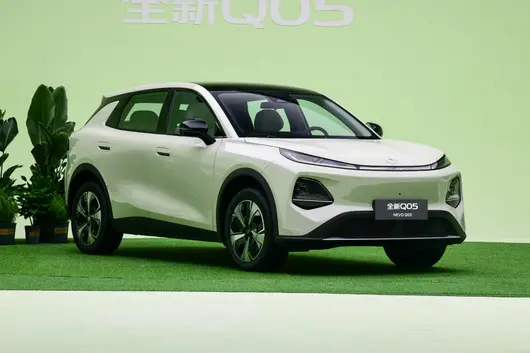
唔知有幾多朋友最近期關注 10 萬內純電 SUV 市場?近段時間睇嚟,呢個細分市場好熱鬧。就講長安啟源全新 Q05 同零跑 A10,上個月銷量分別達 15814 輛同 14372 輛,全部挺進 2026 年 4 月銷量排行全品類前 10,長安啟源全新 Q05 甚至奪得緊緊湊型純電 SUV 市場嘅銷冠。

(長安啟源全新 Q05)
值得留意係,兩款大熱門產品亮點亦唔少,9 萬級可以得到 500km+嘅續航,零跑 A10 甚至配備激光雷達,有高級智駕輔助需求嘅朋友嚟講,呢架車吸引力的確唔低。但係喺價格上,同為高配嘅長安啟源全新 Q05 506Max+ 同零跑 A10 505 激光雷達版,終端價格分別係 9.59 萬同 8.68 萬,手握 9 萬左右預算嘅朋友都可以考慮。明顯係,又去到決賽圈二揀一環節。
 (零跑 A10)
如果對預算比較敏感,咁喺長安啟源全新 Q05 同零跑 A10 之間,後者可能更受歡迎,畢竟終端價格實打實平咗幾千元。而且,高配 A10 配有激光雷達,市區/高速情況均能啟動領航輔助駕駛,呢個就係佢嘅優勢所在。當然,如果預算允許,揀長安啟源全新 Q05 高配,都有帶激光雷達嘅高級輔助駕駛。
 (長安啟源全新 Q05)
但既然係買車前嘅橫評,唔少全方位對比。首先從尺寸睇,作為緊湊型 SUV,長安啟源全新 Q05 長寬高分別係 4435*1855*1595mm,軸距為 2735mm。而零跑 A10 車型級別就係小型 SUV,長寬高分別係 4270*1810*1635mm,軸距為 2605mm。
 (零跑 A10)
如果只係考慮代步、通勤,零跑 A10 嘅細個嘅略有優勢,方便行街串巷。但實際上,好多人買車都要兼顧家用,10 萬內預算也多以剛需用車群體為主。既然係剛需,且有家用需求,嗰空間自然唔好掉鏈子。
 (長安啟源全新 Q05)
 (零跑 A10)
講返日常家庭出行嚟講,兩車之間 130mm 軸距差異,直接反映喺後排體驗。坐入長安啟源全新 Q05 後排,腿部空間平整兼寬敞,一齊坐 3 位成年人都唔會太擠;但係坐入零跑 A10 後排,無論坐寬定係腿部空間都會細少少。媽咪喺後排照顧孩子,長安啟源全新 Q05 後排更加寬敞嘅空間會更加方便佢操作,孩子都能有更大嘅活動空間。
 (長安啟源全新 Q05)
 (零跑 A10)
除咗空間,通勤黨同家庭用戶對舒適配置都比較關注。睇嚟對比,兩車都有配電動尾門、無匙進入、自適應遠近光等外部配置。但係從車廂內睇,零跑 A10 副駕無法電動調節,後排靠背都唔支援角度調節,同埋缺少後排空調出風口、車內 PM2.5 過濾裝置等。
 (長安啟源全新 Q05)
 (零跑 A10)
反觀長安啟源全新 Q05,除咗副駕支持電動調節,前排仲集成咗加熱/通風/按摩/副駕腿托功能,對比零跑 A10 只提供前排座椅加熱,佢嘅品質無疑更上一層樓。包括後排乘員都有少少照顧,例如靠背角度可調、配有後排空調出風口、後排中央扶手/杯架等,更加適合家人同行呢類場景。
 (長安啟源全新 Q05)
 (零跑 A10)
除咗舒享體驗,行駛系統嘅對比我哋都唔好忽略。首先從大家關注嘅續航睇,長安啟源全新 Q05 同零跑 A10 分別搭載 51.9kWh、53kWh 電池,CLTC 純電續航做到 506km、505km,差異大可忽略。但從電芯供應鏈睇,前者出自寧德時代,後者就係國軒高科/江蘇正力,若論品牌含金量,“寧王”順位自然靠前,更值得信賴。另外,兩車都有全球品質,按照全球嚴苛嘅標準打造,零跑 A10 符合國內、歐盟雙標準,長安啟源全新 Q05 已經喺泰國上市,未來仲會相繼落地多個國家地區,最終開拓歐洲區域,此外仲有央企背書,質量品質都好可靠。
因為本文討論嘅係 A10 嘅 505 版本,採用電池液冷技術,溫控較好,而如果係 403 版本,採用成本低嘅風冷技術,散熱效果較差。呢點上,全新 Q05 做得更好,入門就採用電池直冷技術,高配用嘅係液冷技術,能更好地實現熱管理,保證電池安全。
 (長安啟源全新 Q05)
 (零跑 A10)
動力方面,長安啟源全新 Q05 同零跑 A10 都係前置單電機佈局,電機最大動力輸出分別係 120kW/190N·m、90kW/150N·m,0-100km/h 加速時間分別做到 8.9 秒同 10.6 秒。坦率嚟講,兩款車喺純電陣營加速性能都中規中矩;但係相對嚟講,長安啟源全新 Q05 嘅 8 秒級零百加速,喺山路行駛、高速超車等情況下會比零跑 A10 更加分。
 (長安啟源全新 Q05)

(零跑 A10)
總結嚟講,零跑 A10 505 激光雷達版優勢突出:價格更低、智駕輔助覆蓋範圍更廣,適合預算優先 + 科技嘗鮮嘅消費者。而長安啟源全新 Q05 更強調“全面”二字:加少少預算同樣可以獲得高級輔助駕駛,而且尺寸更大、舒適配置更高、採用頭部電芯供應鏈,動力亦更強,綜合表現更全能。總括嚟講,預算 9 萬級追求面面俱到嘅家用體驗,長安啟源全新 Q05 506Max+ 更加值得考慮。

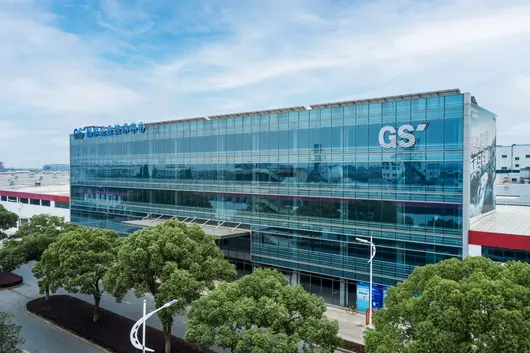
June 4, Jiangsu General Share Technology Co., Ltd. (hereinafter referred to as "General Share") issued a favorable announcement. The company recently received government subsidies totaling 37.608 million RMB, accounting for 0.60% of the latest audited net assets. The aforementioned subsidies belong to government subsidies related to assets and will be recognized as deferred revenue, further strengthening the company's asset foundation for subsequent development. During the critical period when General Share is striving hard to meet performance commitments and accelerating the release of overseas capacity, the arrival of this subsidy undoubtedly injected a shot of confidence into the company's positive development.

First Year of State Ownership Takes Test, Strong First Quarter Rebound Shows Resilience
In 2025, General Share completed a major leap from a private enterprise to state-owned capital control. In April of that year, the original controlling shareholder Hongdou Group signed an agreement with Suhao Holding Group. Suhao Holding acquired 24.50% equity for 2.118 billion RMB. After the transfer was completed in June, the company's actual controller was officially changed to the Jiangsu Provincial State-owned Assets Supervision and Administration Commission.
Accompanying the change in control rights was a performance commitment agreement demonstrating confidence in development: net profit attributable to shareholders for 2025-2027 shall not be less than 440 million RMB, 480 million RMB, and 530 million RMB respectively, totaling not less than 1.45 billion RMB over the three years. Affected by the superposition of multiple short-term factors such as increased international trade barriers, declining product unit prices, exchange rate fluctuations, and provision for impairment, General Share encountered "revenue growth without profit growth" in 2025. Revenue reached 8.497 billion RMB (a year-on-year increase of 22.11%), with net profit attributable to shareholders of 201 million RMB, putting pressure on the first-year commitment.

However, entering 2026, General Share quickly showed a strong recovery momentum. First-quarter financial reports show the company achieved revenue of 2.137 billion RMB, with net profit attributable to shareholders of 127 million RMB, a year-on-year growth of 23.24%; deducted non-recurring net profit was 125 million RMB, a significant increase of 32.42%. Particularly striking is that net cash flow from operating activities soared by 2605.19% to 339 million RMB, with profitability quality and operational resilience achieving a simultaneous significant leap.
Overseas Capacity Continues to Gain Momentum, Positive Cycle Accelerates
The stabilization and recovery of performance are primarily driven by the "overseas dual bases" strategically planned by General Share bearing fruit. The company stated that benefiting from the accelerated release of advantageous capacity in the Thailand and Cambodia bases, combined with the steady progress of the domestic semi-steel tire technical transformation project, tire product sales continued to climb, providing solid support for performance growth.

Currently, General Share is at a strategic new starting point empowered by state-owned assets. The realization of government subsidies, the surge in operating cash flow, and the strong overseas production and sales are converging into positive potential to push the company forward. In the future, whether General Share can ride the trend, accelerate the conversion of overseas capacity under the resource support of the state-owned asset platform, gradually bridge the performance commitment gap, and achieve a fundamental leap in operational quality and efficiency, is worth continued expectation from the market.

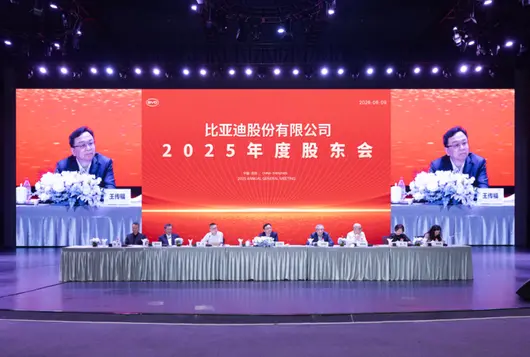
BYD, the English abbreviation for BYD originally means "Build Your Dream", implying the construction of travel dreams, and in the capital market, it has also won the favor of many investors with its strong development potential. After listing on the A-share market in 2011, BYD's stock price fluctuated multiple times. In 2022, it surged to 350 to 360 yuan at one point, and the company's total market value successfully broke through the trillion yuan threshold. Affected by the continuous price war in the domestic car market and the decline in market demand in the first quarter of this year, currently BYD's A-share stock price fluctuates around 90 yuan, and the total market value is maintained in the range of 831.4 billion to 850 billion yuan. Now BYD ranks firmly in the top three globally among automakers by market value, standing shoulder to shoulder with Tesla and Toyota, but compared to Tesla's market value of over 1.5 trillion US dollars, there is still a considerable gap between the two sides. On June 9, BYD held its 2025 Annual General Meeting. Facing shareholders' doubts, Chairman Wang Chuanfu stated that the company's performance would continue to improve, the enterprise will adhere to technology innovation-driven development, advance steadily with forward-looking layout, and strive to create more considerable returns for shareholders.

At the annual general meeting, many investors were very concerned about the upper limit of BYD's market value, frequently asking if the company could aim for a market value of 10 trillion and narrow the gap with Tesla. In response, Wang Chuanfu has always regarded technology as the core confidence for enterprise progress. He stated that solid technology is the foundation for long-term development of enterprises. BYD possesses a large-scale, top-tier engineering team. The enterprise adheres to a long-term development route and relies on solid technological accumulation to expand steadily. Unlike some enterprises that rely on capital stories to boost market value, BYD deepens the essence of manufacturing, and a steady technological layout also makes the company's market value development more resilient. Reviewing the development history, it is not hard to discover that a series of core technologies such as Blade Battery, DM-i hybrid, Yi Si Fang, and Global Kilovolt High-Voltage Architecture. Every implementation drives a simultaneous rise in BYD's sales and market value.
Since the beginning of this year, BYD has continued to exert strength in the technology field, successively launching the second-generation Blade Battery, Flash Charge technology, and the industry's first 4-nanometer Xuanji A3 intelligent driving chip, continuously solidifying the technological barrier. In the field of intelligent driving, BYD's achievements are equally bright. Currently, the number of vehicles under the brand equipped with assisted driving functions has exceeded 3.15 million units, with daily intelligent driving travel data exceeding 200 million kilometers, and the intelligent driving R&D team size exceeds 5,000 people. Relying on the computing power cluster composed of three Xuanji A3 chips, the total vehicle computing power can reach 2,100 trillion operations per second, sufficient to support the operation of L3, L4 level high-order autonomous driving. Wang Chuanfu judged that with the help of artificial intelligence technology, the implementation speed of high-order autonomous driving will be faster than expected. BYD has completed full-chain technology reserves. Once relevant regulations are officially issued, it will launch compliant new cars immediately and promote global implementation synchronously. On the path of brand premiumization, BYD also insists on speaking with technology and products, abandoning flashy marketing, and winning the recognition of high-end consumers with hardcore strength. The increase in high-end model sales will also gradually solve the enterprise gross profit and single vehicle profit issues.

Faced with the status quo of sluggish growth in the domestic market, BYD chose to deepen internally and expand externally; the overseas market has already become a new growth pole. In May this year, BYD ended the trend of declining sales, with overall sales breaking through 380,000 units. Among them, overseas sales exceeded 160,000 units, a year-on-year surge of 80%. The high customer unit price in the overseas market effectively alleviated the profit pressure brought by the domestic price war. Currently, BYD's global production layout has been fully rolled out. Thailand and Indonesia factories take root in Southeast Asia, Brazil base deepens the Latin American market, Hungary factory lands in Europe, and Mexico base is also preparing intensively. The global map is gradually perfecting. Regarding charging support, BYD plans to build 20,000 Flash Charging Piles domestically this year, while launching European charging pile network construction, paving the way for the popularization of Flash Charge technology. The Denza Z9GT equipped with second-generation Blade Battery and Flash Charge technology landing in Europe has also further established the brand's high-end reputation.
Previously, BYD set a goal of 1.5 million overseas sales in 2026. Combining with the current market performance, Wang Chuanfu believes this goal is expected to be exceeded. Looking forward to the next three to five years, BYD is expected to maintain stable growth, relying on iteratively upgraded core technologies to achieve dual-wheel drive for domestic and international markets. According to the plan, by 2030, BYD is expected to become the world's largest automotive enterprise by scale. Adhering to the original intention of technology, exerting effort in the global market, this Chinese automotive enterprise is steadily moving towards the goal of "becoming the best company in the world".