首頁购物

搜尋歷史
熱門搜尋
經銷商登入 / 註冊

Do you ever have this experience: On the weekend taking the kids to the mall, circling the basement B3 for three rounds without finding a spot? You finally see an empty space at B5, but the cars on both sides are parked crookedly. You reverse three times but don't dare to enter; the child in the back seat is already crying, and the wife in the passenger seat starts to sigh. It's not a technical issue; it's that a car at this price point simply doesn't come equipped with the tools to solve this problem.
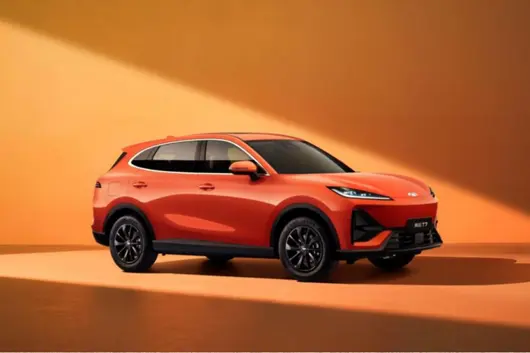
Cross-floor memory parking was previously the exclusive ticket for high-end pure electric vehicles above 200,000 RMB. 100,000-class family pure electric? Being able to get basic automatic parking is already good enough, still single-floor, changing floors in the garage means it stops working. But the Fengyun T7 pre-selling on August 12 tore this ticket directly — starting from 109,900 RMB, up to 2km cross-floor memory parking without floor limits, 300+ all-scenario automatic parking, arranged for the entire series.
This is not just about adding a line to the specification sheet. This is the first time in the 100,000-class market that someone seriously answers the question: What kind of smart driving does an ordinary family actually need?
Parking Freedom is the Highest Frequency Smart Driving Necessity
The industry has a misconception that smart driving equals highway NOA, equals city navigation, the more like an experienced driver the more advanced. But you do the math: How many times does an ordinary family drive on the highway in a year? How many times do they park every day? The answer is brutal. Highway smart driving might be used only a few dozen times a year, but parking is a daily necessity at least twice. Multi-floor mall garages, community vertical parking lots, park floors up and down — new drivers fear narrow spots, moms fear hassle, female drivers fear being honked at by cars behind — these scenarios are where smart driving truly needs to step in.
The value of cross-floor memory parking lies here: You drive a route once, the car remembers it. Next time, it goes into the basement itself, crosses floors itself, and parks itself. What does '2km no floor limit' mean? Most commercial complexes and large residential community garage traffic flows are all within the coverage range.
True smart driving equality is not about letting you drive hands-free on the highway, but about letting you be anxiety-free when parking in the garage every day you return home.
22 Sensors + 4nm Chip, Not Filler But Foundation
Some might ask, giving cross-floor parking at the 100,000 RMB price point, is it a function demo version? Look at the hardware to know. 3 millimeter-wave radars, 7 high-performance cameras, 12 ultrasonic radars, totaling 22 high-precision sensors. The 3R7V12U configuration is over-equipped for this price range.
More crucial is the industry-first 4nm 8775 cockpit-drive integrated chip at this level, 72 TOPS NPU computing power, system response latency compressed to 80ms. Cockpit-drive-parking integration, end-to-end algorithms, mean parking isn't patched together with a separate small chip, but rather the cockpit and smart driving share computing power and sensors. Compared to those using 5-7nm chips where parking and cockpit run separately, the experience is a generation gap.
Without a cockpit-drive integrated chip, cross-floor parking is just a PPT feature. Whether perception is comprehensive and computing power is fast enough determines whether it is 'usable' or 'good to use'. Fengyun T7's hardware setup brings the underlying architecture of high-end cars down to this price point.
Slow Work Builds Good Cars, Not a Slogan But Verified Mileage
The theme of this pre-sale launch was 'Building Good Cars Takes Time, We've Been Waiting.' Sounds like sentiment, but looking at the verification data shows this car indeed waited for a reason. 81 durability test vehicles, 1.45 million km durability verification, 100+ extreme road conditions and environments, covering -40°C to 55°C global extreme temperature zones. Researched global regulations 2 years in advance, benchmarked against 2026 version E-NCAP standards, 5,000+ global user surveys, 15 typical national scenarios included in product definition. Southeast Asia rainy season 500mm water wading, Middle East high-temperature sun exposure, Siberia snow/rain low temperature, Brazilian gravel roads, Mexican cobblestone roads — 7 major categories of extreme environments, not a single one missed.
Why do it like this? Because from the very first day, this car was built to global car standards. It will be sold in Europe, Australia/New Zealand, Mexico, Turkey, Brazil, Thailand, and the Middle East. The verification intensity for global markets is naturally one order of magnitude higher than for single-market supply. To be honest, a car that passes in multiple global markets simultaneously, brought back for domestic family use, will only have a higher quality baseline, not lower.
Six Major Necessities, None Are Just Showpieces
Parking is the sharp edge, but not everything. The Fengyun T7 revolves around six major necessities for family users, each stepping on the pain points. Range is not reduced for lower configs; the entire series has a 65.05kWh Rhinoceros battery, CLTC 600km range, official testing shows 667km+, avoiding false ratings. 30%-80% fast charge in 20 minutes, battery cycle life over 2,500 times, whole car won't need battery replacement for 15 years. For Northern users concerned about winter range, all-domain integrated thermal management dual-source wide heat pump, range improved by 30% at -10°C.
In terms of safety, high-strength steel accounts for 80%, hot-formed steel 18.84%. Nine-cross five-longitudinal cage body, industry-unique shotgun structure and double frame subframe plus Pack anti-collision beam, 9 airbags are the most at this level. Rhinoceros battery 6D lock armor 31-layer protection, IP68 waterproofing is 96 times the national standard, side crush resistance 200kN is 2 times the national standard.
Regarding space, car length 4570mm, wheelbase 2700mm, efficiency rate 84%, rear legroom 911mm+ pure flat floor. After folding 4/6, 1955mm×1310mm pure flat large bed. Trunk maximum expansion 1550L. Chassis polished by an international team led by Maserati front chassis tuning experts, 50.8:49.2 golden axle load ratio is unique at this level, 560mm center of gravity height, doesn't float at high speed, doesn't understeer in turns.
There is also a 15.6-inch 2.5K HD large screen, full brand phone direct connection, Lingxi Smart Cockpit 2.0 x Doubao Large Model, six major scene modes. You will discover a pattern: No configuration on this car exists just to look good at the press conference; all are things family users will use every day.
Starting at 109,900, Who Is This Blade Cutting At?
109,900 to 129,900, three versions, seven purchasing rights, whole car lifetime warranty (including powertrain), power battery thermal runaway bottom-line compensation for a new car, assisted driving accident highest compensation 5 million. This pricing placed in the 100,000-class pure electric SUV market, benchmarking against hot competitors like BYD Yuan PLUS and AION Y Plus, the configuration advantage is overwhelming.
But I think what deserves more attention is not the parameter comparison, but the pricing logic. The past industry unwritten rule was: Smart driving features are stepped down by price, 200,000 gets you highway NOA, 150,000 gets you basic parking, 100,000 getting a backup camera is considered conscientious. Fengyun T7 directly dismantled this ladder — giving high-end exclusive features like cross-floor memory parking at the 100,000-class price point.
This is the true catfish effect. It's not that I have one more airbag or 10km more range than you, but that I turn things you thought shouldn't appear at this price point into standard equipment. Once a user experiences cross-floor parking, going back to drive a car with only basic parking creates a gap they won't be able to bridge.
Yan Zhao Auto Review:
Smart driving equality has been called for many years, mostly remaining at the slogan level. This time, Fengyun T7 truly brings high-end features to the 100,000-class price point, and not a cut-down version — 22 sensors, 4nm cockpit-drive integrated chip, 2km no floor limit, 300+ all-scenarios, both hardware and algorithms are in place.
What does this mean for ordinary families? It means you don't have to spend an extra 100,000 to buy a high-end car just for a parking function you use daily. It means new drivers, moms, and female drivers are no longer anxious in garages. It means the competition for 100,000-class pure electric SUVs now has a hard standard: Parking freedom should not be a luxury.
Fengyun T7's move, on the surface is pre-sale pricing, but the underlying layer is redefining the smart driving threshold for the 100,000-class. Building good cars takes time, we've waited long — this wait was worth it.

In Malaysia's SUV market, many buyers compare the Proton X70 and the Chery Tiggo 9 when choosing a car. The two models are quite close in price and positioning. Today, we will conduct a detailed comparison from multiple aspects to help you save time on research.
The OTR price of Proton X70 in Malaysia is RM 106,800 - 122,300, with a total of 3 versions, including 1.5L Standard 2WD (RM 106,800), 1.5L Executive 2WD (RM 115,800), 1.5L Premium 2WD (RM 122,300), etc.
The OTR price of Chery Tiggo 9 in Malaysia is RM 166,800 - 179,800, with a total of 1 version, including 2026 2.0T Standard (RM 179,750), etc.
From a pricing perspective, the starting price of the Proton X70 is indeed RM 60,000 cheaper than the Chery Tiggo 9. If your budget is limited, Proton's entry-level version is sufficient for daily needs. However, keep in mind that the few thousand ringgit difference might involve trade-offs in features, depending on your specific requirements.

The safety rating of Proton X70 is 5★ (ASEAN NCAP), with active safety systems including ADAS (ACC, AEB, LKA, LDA, BSM, RCTA).
The safety rating of Chery Tiggo 9 is TBD, with active safety systems including Basic.
Regarding safety features, both vehicles have received good ratings. However, there are some differences in functionality between the Proton X70's ADAS (ACC, AEB, LKA, LDA, BSM, RCTA) and the Chery Tiggo 9's Basic. If you value active safety, you can compare the feature lists of both carefully.

Proton X70 body length 4400 mm, trunk 400 L.
Chery Tiggo 9 body length 4400 mm, trunk 400 L.
The dimensions of both cars are almost the same, and the interior space does not differ much. For cars of this class, it is fully sufficient for daily use.

Proton X70 warranty 5 years/150,000km, maintenance interval every 10,000km or 6 months.
Chery Tiggo 9 warranty 3 years/100,000km, maintenance interval every 10,000km or 6 months.
Both Proton X70 and Chery Tiggo 9 are mainstream choices in the Malaysian market, suitable for family use and daily commuting. If you value brand reputation and resale value more, you might prioritize the one with better reputation; if you care more about value for money and features, choose the one with richer configurations. Ultimately, it is recommended to test drive both, as personal experience is the most important.
Overall, both Proton X70 and Chery Tiggo 9 are very good models in the Malaysian market. Choosing which one depends mainly on your personal needs and budget. We suggest doing your research, comparing quotes from multiple dealerships, and then test driving to make a final decision. Buying a car is a big matter, spending time on research will never go wrong.



More shocking than CATL's performance is the provision of 76.1 billion "return" to shareholders -- dividend of 36.1 billion + buyback of 40 billion and cancellation.
On July 24, CATL released another outstanding half-year performance report.In the first half of 2026, CATL achieved operating revenue of 276.9 billion CNY,year-on-year increase of 54.8%; net profit attributable to shareholders of the parent company 43.28 billion CNY, year-on-year increase of 42.0%; basic earnings per share 9.51 yuan, year-on-year increase of 37.4%. This performance basically reached the upper limit of market expectations.

What shocked the market even more is,the company simultaneously launched a huge A-share buyback cancellation plan of 20 billion to 40 billion yuan.For comparison, according to Wind data, approximately 700 listed companies in the A-share market implemented share buybacks in the first half of 2026, with a cumulative buyback amount of approximately 65 billion yuan. The scale of CATL's buyback is evident from this.
However, interestingly, on one hand, CATL is doing a large buyback in the A-share market; on the other hand, it is also conducting equity financing as high as 39.1 billion HKD in the HK market, and issuing low-cost green tech innovation bonds with a limit of 40 billion yuan.
The reason is also simple,conducting A-share shareholder returns with domestic cash to solidify domestic market reputation; obtaining overseas financing through the HK market and issuing low-interest bonds for domestic and overseas expansion. The two sums of money have two uses, perfectly balancing expansion and shareholder returns. In addition, A-share buybacks can also hedge the equity dilution brought by H-share placement.
01
Energy Storage Business Booms, Second Growth Pole Maturing
Looking at the income statement, what is most worth paying attention to at CATL is not the steady growth of power batteries, but the continuous boom of energy storage business.
In the first half, power battery system revenue was 192.1 billion yuan, a year-on-year increase of 46%, gross margin 20.63%, a slight decline year-on-year but still healthy. But the real focus is on energy storage battery systems -- revenue reached 53.26 billion yuan, a year-on-year surge of 87.54%, the growth rate being almost twice that of power business. Energy storage revenue accounts for 19.2% of total revenue.

At the investor meeting, CATL disclosed more granular data:The combined sales volume of power and energy storage batteries in the first half increased by about 60% year-on-year, of which the proportion of energy storage battery sales has reached about 1/4, and the proportion of energy storage systems (not just cells) is close to 70%.
On the product level, 587Ah large capacity dedicated energy storage cells have achieved large-scale delivery, and the supporting 6.25MWh Tianheng energy storage systems and the world's first nearly 9MWh TENER Stack super-large capacity systems continue to mass-produce. The company also signed a 3-year, total scale of 60GWh sodium-ion battery energy storage strategic cooperation agreement with Hopewind.
02
Global Market Share Rises Against the Trend, Overseas Footprint Accelerates Expansion
Against the backdrop of trade tensions and complexifying geopolitics, CATL's global market share has risen instead of falling, which is truly rare.
According to SNE Research data, from January to May 2026, CATL's global power battery market share reached 40.2%, up 2.2 percentage points year-on-year, ranking first globally for nine consecutive years. In overseas markets (excluding China), the company's market share was 33.7%, up 3.7 percentage points year-on-year.

European market is an important incremental source.In the first half of 2026, new energy passenger car sales in Europe reached 2.351 million vehicles, a year-on-year increase of 31.7%, and penetration rate rose to 32.5%. CATL deeply supplies top overseas automakers such as Volkswagen, Stellantis, BMW, Volvo, Toyota, etc., and the Hungary factory and Spanish joint venture factory are steadily advancing, and localization delivery capabilities continue to enhance.
CATL also won bids for multiple energy storage system integration projects in countries such as Germany, Spain, Chile, Malaysia, and Australia, and overseas energy storage business is replicating the success path of power batteries.
Performance data shows,CATL's overseas revenue reached 87.1 billion yuan, accounting for 31.46% of revenue, a year-on-year increase of 42.35%.
03
High Potential Areas: AIDC and Sodium Batteries
If power and energy storage are CATL's "present", then AI Data Centers (AIDC) and sodium batteries are the "future".
Currently, global AI computing power demand is surging, and AIDC power guarantee and energy efficiency management have become a rigid demand. CATL has laid out AIDC full-scenario energy solutions, covering power generation side, medium voltage distribution side to inside the data center, which can address challenges such as compute-intensive and large load fluctuations.
It should be noted that AIDC demand is tied to global AI computing power investment, and currently this field is in an explosive phase. Company investor relations records also clearly state: "The rapid development of AI globally has driven requirements for AI-related infrastructure, such as AIDC, with huge future potential."CATL has entered a new trillion-level AI infrastructure track by selling batteries.
In addition, CATL's deeply deployed sodium batteries have already borne fruit. However, the market still focuses on the cost competitiveness of sodium batteries compared to lithium batteries. The company responded that after scaled production, sodium batteries have certain advantages in material costs compared to lithium iron phosphate batteries under current lithium carbonate prices, and possess differentiated characteristics such as wide temperature range adaptation, excellent low-temperature performance, and long life.Currently, the production line can achieve flexible lithium-sodium switching, and customers have sequentially signed contracts.
04
CATL Buyback History: From 2 Billion to 40 Billion
Another noteworthy point is CATL's 40 billion buyback cancellation this time. To understand this buyback, we need to first look at the market environment it is situated in.
Firstly, it needs to be stated that CATL's buyback at this point in time is not an isolated case.
According to Wind data statistics, in the first half of 2026, approximately 700 listed companies in the A-share market implemented share buybacks, with a cumulative buyback share quantity of approximately 5.06 billion shares, and a cumulative buyback amount of approximately 65 billion yuan. "Cancellation-style buyback" has also evolved from scattered cases into an increasingly common choice.
This is because, since 2026, the A-share market overall has presented a volatile pattern. In the first half of the year, the Shanghai Composite Index repeatedly pulled between 3,000 and 3,300 points, market sentiment was biased towards caution, and investor attention on listed company profitability quality and shareholder returns rose to unprecedented levelsThe regulatory layer is also continuously guiding listed companies to enhance investment value through dividends, buybacks, etc., conveying long-term bullish signals, further solidifying market bottom confidence.
Back to the lithium battery sector, the situation is more complex. From an industry fundamentals perspective, new energy vehicle penetration and energy storage demand remain strong, but capital market expectations often run ahead.In the peak period of 2021, the lithium battery sector index PE ratio once exceeded 100 times. However, with the emergence of capacity surplus worries, lithium carbonate prices dropped sharply from historical highs, and US and Europe trade barriers continued to increase, sector valuation experienced a long digestion process over the past few years.
Later, in late 2025, with the correction of lithium carbonate prices, lithium battery sector companies regained vitality.
On May 7, 2026, CATL A-share stock price surged again to a near-year high of 468.75 yuan, and was subsequently affected by factors such as concentrated institutional rebalancing (capital flowing to AI computing power tracks) and continuous foreign capital reduction, the stock price continued to fall. The company itself admitted in investor exchanges:"There has been certain volatility in the capital market recently, and the company's stock price has also fallen"—this directly explains the trigger for this round of buybacks.
This upper limit 40 billion yuan A-share largest scale cancellation-style buyback directly conveys a "stock price is undervalued" signal to the market, effectively hedging the selling pressure brought by previous concentrated institutional reductions, and driving market cap to repair quickly.
Looking back at CATL's buyback history, we can clearly see an "evolution" trajectory:
First time: October 2023, CATL launched the first round of buyback plan,proposed using 2 billion to 3 billion yuan to buyback shares, buyback purpose is to implement equity incentive plan or employee stock ownership plan.This round of buyback was completed in 2024 implementation,actual funds used were approximately 2.7 billion yuan. This was CATL's first attempt at buyback in the capital market.

Source: CATL New Energy Technology Co., Ltd. announcement on share buyback results
Second time: April 2025 to April 2026,the company announced it proposed using not less than 4 billion yuan and not more than 8 billion yuan to buyback A-shares.This round of buyback concluded successfully in April 2026, cumulative buyback shares 15,990,782 shares,total transaction amount 4.386 billion yuan, highest transaction price 317.63 yuan/share, lowest transaction price 231.50 yuan/share. But the purpose is still for equity incentive or employee stock ownership plan, no cancellation.

Source: CATL New Energy Technology Co., Ltd. announcement on A-share buyback results and share changes
Third time: July 2026,CATL announced it proposed using not less than 20 billion yuan and not more than 40 billion yuan to buyback shares, and clearly stated it will cancel the bought-back shares to reduce registered capital.

This is the company's first large-scale buyback for the purpose of cancellation in its history, the amount is 5-10 times the second round, nearly 20 times the first round.
Incentive-style buyback distributes value to employees, cancellation-style buyback returns value to all shareholders. The former is a management tool, the latter is a capital commitment.From 2 billion to 40 billion, from incentive to cancellation, CATL conveyed a clear signal to the market: the company is willing to convert profits into tangible returns for all shareholders.

Of course, the confidence for this large dividend comes from massive cash reserves. CATL market company cash on books as high as 372 billion yuan, in the first half of 2026 only interim dividend reached 6.493 billion yuan, annual dividend (including special dividend) total reached 36.1 billion yuan, free cash flow is sufficient. In addition to H-share placement completion, overseas financing channels are further broadened, providing sufficient ammunition for large-scale buyback.

In Malaysia's SUV market, many buyers compare the Proton X50 and Chery Tiggo 7 PHEV when choosing a car. These two cars are quite close in price and positioning. Today, we will make a detailed comparison from multiple aspects to help you save time on research.
The OTR price of the Proton X50 in Malaysia is RM 89,800 - 113,300. There are 4 variants in total, including 1.5T Executive (RM 89,800), 1.5T Premium (RM 101,800), 1.5T Flagship (RM 113,300), etc.
The OTR price of the Chery Tiggo 7 PHEV in Malaysia is RM 129,750 - 129,750. There are 2 variants in total, including 2025 1.5T 90km CSH (RM 129,750), What charging methods does the Tiggo 7 PHEV support? Can it be charged using a home power socket? (RM 117,478), etc.
In terms of price, the starting price of the Proton X50 is indeed RM 39,950 cheaper than the Chery Tiggo 7 PHEV. If your budget is limited, Proton's entry-level version can already meet daily needs. But also note, the few thousand ringgit cheaper, there might be trade-offs in equipment, depending on your specific needs.

The Proton X50 is equipped with 1.5L 4-cyl, 105 hp. Official fuel consumption 6.0 L/100km.
The Chery Tiggo 7 PHEV is equipped with Hybrid, 170 hp. Official fuel consumption 4.5 L/100km.
In terms of power, the Chery Tiggo 7 PHEV's Hybrid has 65 more horsepower than the Proton X50's 1.5L 4-cyl. However, for daily city driving, the power of both cars is sufficient, and you won't feel it lacks power.

Proton X50 body length 4400 mm, trunk 400 L.
Chery Tiggo 7 PHEV body length 4400 mm, trunk 400 L.
The dimensions of both cars are almost the same, with little difference in interior space. Cars in this class are completely sufficient for daily use.

The Proton X50 adopts a 4WD drive mode.
The Chery Tiggo 7 PHEV adopts an FWD drive mode.
Proton's 4WD and Chery's FWD will feel different in handling, test drive comparison is recommended.

Proton X50 warranty 5 years/150,000km, maintenance interval every 10,000km or 6 months.
Chery Tiggo 7 PHEV warranty 3 years/100,000km, maintenance interval every 10,000km or 6 months.

In summary, both the Proton X50 and Chery Tiggo 7 PHEV are excellent models in the Malaysian market. Which one to choose depends mainly on your personal needs and budget. We suggest doing your research, comparing quotes from several car dealerships, and then test driving before making a final decision. Buying a car is a big matter, spending some time doing research will definitely not be wrong.

In the Malaysia SUV market, many buyers compare Proton X50 and Chery Tiggo Cross when choosing a car. These two cars are quite close in price and positioning. Today we will make a detailed comparison from multiple aspects to help you save time on research.
Proton X50 OTR price in Malaysia is RM 89,800 - 113,300, there are a total of 4 versions, including 1.5T Executive (RM 89,800), 1.5T Premium (RM 101,800), 1.5T Flagship (RM 113,300), etc.
Chery Tiggo Cross OTR price in Malaysia is RM 88,750 - 99,750, there are a total of 2 versions, including 2025 HEV 1.5L CSH (RM 99,750), 2025 1.5T Standard (RM 88,750), etc.
From a price perspective, Chery Tiggo Cross's starting price is RM 1,050 cheaper than Proton X50. Honestly, at this price point, a difference of a few thousand is not really big, the key is to look at the overall value for money and long-term usage cost.
Proton X50 is equipped with 1.5L 4-cyl, horsepower 105 hp. Official fuel consumption 6.0 L/100km.
Chery Tiggo Cross is equipped with 1.5L 4-cyl, horsepower 105 hp. Official fuel consumption 6.0 L/100km.
Both cars use the same powertrain, the driving feel is basically no difference in daily use. Fuel consumption is also about the same, no need to worry too much about this point.
Proton X50 adopts 4WD drive system.
Chery Tiggo Cross adopts FWD drive system.
Proton's 4WD and Chery's FWD will have different handling feelings, test drive comparison is recommended.
Proton X50 warranty 5 years/150,000km, maintenance interval every 10,000km or 6 months.
Chery Tiggo Cross warranty 3 years/100,000km, maintenance interval every 10,000km or 6 months.

Proton X50 and Chery Tiggo Cross are both mainstream choices in the Malaysia market, suitable for family use and daily commuting. If you value brand reputation and resale value more, you can prioritize the one with better reputation; if you care more about value for money and features, choose the one with richer configuration. Ultimately, it is recommended to test drive both models, personal experience is the most important.
Overall, Proton X50 and Chery Tiggo Cross are both very good car models in the Malaysia market. Which one to choose depends on your personal needs and budget. We recommend doing your research well, compare quotes from multiple car dealers, and then test drive to make a final decision. Buying a car is a big matter, spending time on research is never wrong.

喺馬來西亞嘅 SUV 市場,好多買家喺揀車嗰陣都會拿 Proton X50 同 Mazda CX-30 嚟做比較。呢兩款車喺價位同定位上都幾接近嘅,今日我哋就從多個方面做一個詳細嘅比較,幫你節省咗做功課嘅時間。
Proton X50 喺馬來西亞嘅 OTR 售價係 RM 89,800 - 113,300,一共有 4 個版本,包括 1.5T Executive(RM 89,800)、1.5T Premium(RM 101,800)、1.5T Flagship(RM 113,300) 等。
Mazda CX-30 喺馬來西亞嘅 OTR 售價係 RM 122,409 - 146,409,一共有 4 個版本,包括 2025 2.0L High+ Premium(RM 146,409)、2025 2.0L High+(RM 138,409)、2025 2.0L High(RM 130,409) 等。
從價錢嚟睇,Proton X50 嘅起步價確實比 Mazda CX-30 平咗 RM 32,609。如果你預算有限,Proton 嘅入門版已經可以滿足日常需求。但都要留意,平啲嗰幾千蚊,可能喺配備上會要有取舍,具體要看你嘅需求。
Proton X50 搭載 1.5L 4-cyl,馬力 105 hp。官方油耗 6.0 L/100km。
Mazda CX-30 搭載 1.5L Turbo,馬力 140 hp。官方油耗 7.0 L/100km。
動力方面,Mazda CX-30 嘅 1.5L Turbo 比 Proton X50 嘅 1.5L 4-cyl 多咗 35 匹馬力。不過日常喺市區開,兩款車嘅動力都夠用,唔會覺得夠唔力。
Proton X50 車身長 4400 mm,後行李廂 400 L。
Mazda CX-30 車身長 4500 mm,後行李廂 450 L。
空間方面,Mazda CX-30 嘅車身比 Proton X50 長咗 100 mm,乘坐空間更有優勢。不過 Proton X50 喺城市入面泊車會靈活啲,各有取舍。
Proton X50 保修 5 年/150,000km,保養間隔 每 10,000km 或 6 個月。
Mazda CX-30 保修 5 年/150,000km,保養間隔 每 10,000km 或 6 個月。
兩款車嘅保修條件一樣,呢方面唔使糾結。實際保養成本仲要看品牌嘅服務網絡同零件價格,建議去車友群問下真實車主嘅經驗。

總嘅嚟講,Proton X50 同 Mazda CX-30 都係馬來西亞市場好唔錯嘅車款。揀邊一輛,關鍵仲要睇你嘅個人需求同預算。建議大家做好功課,多比較幾間車行嘅報價,先至去試駕做最終決定。買車係件大事,花啲時間做功課絕對唔會錯。

喺馬來西亞嘅 SUV 市場,好多買家喺揀車嘅時候都會拿 BMW X3 同 Land Rover Discovery Sport 嚟比較。呢兩部車喺價位同定位上都幾接近,今日我哋就從多個方面做一次詳細嘅對比,幫你省返做功課嘅時間。
BMW X3 喺馬來西亞嘅 OTR 售價係 RM 325,800 - 358,800,一共有 2 個版本,包括 xDrive20i(RM 320,000)、xDrive30e(RM 360,000) 等。
Land Rover Discovery Sport 喺馬來西亞嘅 OTR 售價係 RM 499,800 - 499,800,一共有 1 個版本,包括 Standard(RM 499,800) 等。
從價錢嚟睇,BMW X3 嘅起步價確實比 Land Rover Discovery Sport 平咗 RM 174,000。如果你預算有限,BMW 嘅入門版已經可以满足日常需求。但亦都要注意,平嗰幾千蚊,喺配備上可能會有取捨,具體睇你嘅需求。

BMW X3 配備 2.0L Turbo,馬力 220 hp。官方油耗 9.5 L/100km。
Land Rover Discovery Sport 配備 3.0L Turbo,馬力 350 hp。官方油耗 12.0 L/100km。
動力方面,Land Rover Discovery Sport 嘅 3.0L Turbo 比 BMW X3 嘅 2.0L Turbo 多咗 130 匹馬力。不過日常喺市區開,兩部車嘅動力都夠用,唔會覺得唔夠力。

BMW X3 嘅安全評級係 5★ (Euro NCAP),主動安全系統包括 Premium ADAS。
Land Rover Discovery Sport 嘅安全評級係 TBD,主動安全系統包括 Basic。
安全配備方面,兩部車都拿到唔錯嘅評級。不過 BMW X3 嘅 Premium ADAS 同 Land Rover Discovery Sport 嘅 Basic 喺功能上有少少差異,如果你比較重視主動安全嘅話,可以仔細比較下兩者嘅功能列表。

BMW X3 保養 5 年/無限里數,保養間隔 每 10,000km 或 6 個月。
Land Rover Discovery Sport 保養 3 年/100,000km,保養間隔 每 10,000km 或 6 個月。

總計嚟講,BMW X3 同 Land Rover Discovery Sport 都係馬來西亞市場幾唔錯嘅車型。揀邊一部,關鍵都要睇你嘅個人需求同預算。建議大家做好功課,多比較幾間車行嘅報價,再去試駕先做最終決定。買車係件大事,花少少時間做功課絕對唔會錯。


車型概覽

比亞迪護衛艦07 值唔值得睇,第一步唔係望牌子或者外形,而係睇佢能唔能夠配合你嘅香港日常。 呢篇會集中講同級車比較,幫你用買家角度篩走唔適合嘅選擇。
售價仍待確認,買家可以先把佢放入候選名單,等價格落實後再同同級車逐項比較。
購車價格指南
比亞迪護衛艦07 目前售價仍未清晰,較理性嘅做法係先睇版本、車身大小同動力形式,等價格落實後再決定值唔值得落訂。
如果有幾個版本可揀,可以先將 2024 1.5T 100km 前驅版(價格待確認)、2024 1.5T 205km 前驅版(價格待確認)、2024 1.5T 175km 四驅版(價格待確認) 放喺同一張清單。日常通勤重視舒適同易用,家庭買家就要優先睇後排、尾箱同安全配置。
核心規格重點
睇 比亞迪護衛艦07 嘅規格,重點唔係背數字,而係理解佢喺香港用車場景會帶嚟咩分別。
18.3/36.8 kWh 嘅電池容量,真正意義係可以幫你估算一星期通勤同周末出車要唔要中途補電。 139 Ps / 102 kW / 145 kW / 295 kW、231/316/656 N·m 嘅輸出,令高速併線同短距離超車更有信心。 車長 4820 mm、車闊 1920 mm、車高 1750 mm、軸距 2820 mm 可以幫你預判商場停車場、屋苑車位同後排腿部空間。 電子無級變速(E-CVT)、前置前駆 / 前置四駆 會影響起步順滑度、濕地穩定感同長途巡航性格。
優缺點分析
比亞迪護衛艦07 嘅優點唔需要講到天花龍鳳,真正有價值係佢能唔能夠令日常用車更省心:電池同續航資訊有助安排通勤同補電、動力輸出對高速同上斜更有底氣、空間同車身尺寸方便家庭買家預判實用性。
要留意嘅係,要先確認屋苑、公司或常去商場嘅充電條件、香港停車場同窄路使用要留意車身闊度。呢啲唔一定係缺點,但係落訂前應該先諗清楚。
買家常見問題
買 比亞迪護衛艦07 之前,真正要問嘅唔係單一規格,而係佢可唔可以融入你每日嘅生活節奏。
常見疑問係「比亞迪 BYD Frigate 07 係咩類型嘅車?」簡單講,比亞迪 BYD Frigate 07 係一款大五座嘅中型混能 SUV。 放到實際用車,就係要睇佢對通勤、泊車、家庭乘坐同長期成本有幾大幫助。
同級對比內容
將 比亞迪護衛艦07 放入同級車清單時,唔建議只用外形或者品牌光環決定。比較順序可以係:先等售價落實,再決定佢應該同邊個級距比較、再睇動力係咪足夠應付高速併線同滿載、再比較能源成本同補能便利、最後睇車身大小、座位同尾箱是否適合家人。
咁樣篩選會貼近香港買家真實生活:平日塞車、商場泊車、周末去新界、甚至一家人出入,先係一部車每日要面對嘅考驗。
用車全周期指南
擁有 比亞迪護衛艦07 最重要係先諗清楚充電節奏。屋苑、公司或者常去商場只要有穩定充電選項,電動化用車就會容易相處好多。
如果你主要喺市區行,視野、低速順滑度同泊車輔助會好影響心情;如果經常行高速或跨區,座椅舒適度、隔音同動力從容感會更重要。


車型概覽

Rolls-Royce Ghost 值唔值得睇,第一步唔係望牌子或者外形,而係睇佢能唔能夠配合你嘅香港日常。 呢篇會集中講值唔值得繼續觀望,幫你用買家角度篩走唔適合嘅選擇。
售價仍待確認,買家可以先把佢放入候選名單,等價格落實後再同同級車逐項比較。
購車價格指南
Rolls-Royce Ghost 目前售價仍未清晰,較理性嘅做法係先睇版本、車身大小同動力形式,等價格落實後再決定值唔值得落訂。
如果有幾個版本可揀,可以先將 2025 6.8T Standard(價格待確認) 放喺同一張清單。日常通勤重視舒適同易用,家庭買家就要優先睇後排、尾箱同安全配置。
核心規格重點
睇 Rolls-Royce Ghost 嘅規格,重點唔係背數字,而係理解佢喺香港用車場景會帶嚟咩分別。
Rolls-Royce Ghost 現階段最值得留意係車型定位同版本方向,詳細取捨應該等價格同規格更清楚再作決定。
優缺點分析
Rolls-Royce Ghost 嘅優點唔需要講到天花龍鳳,真正有價值係佢能唔能夠令日常用車更省心:車型定位清楚,適合作為同級比較起點。
要留意嘅係,售價未清晰前唔應該太早用性價比落結論。呢啲唔一定係缺點,但係落訂前應該先諗清楚。
買家常見問題
買 Rolls-Royce Ghost 之前,真正要問嘅唔係單一規格,而係佢可唔可以融入你每日嘅生活節奏。
常見疑問係「勞斯萊斯 Rolls-Royce Ghost 喺香港賣幾錢?」簡單講,現時 勞斯萊斯 Rolls-Royce Ghost 喺香港嘅起價大約由港幣 $6,100,000 起。 放到實際用車,就係要睇佢對通勤、泊車、家庭乘坐同長期成本有幾大幫助。
同級對比內容
將 Rolls-Royce Ghost 放入同級車清單時,唔建議只用外形或者品牌光環決定。比較順序可以係:先等售價落實,再決定佢應該同邊個級距比較。
咁樣篩選會貼近香港買家真實生活:平日塞車、商場泊車、周末去新界、甚至一家人出入,先係一部車每日要面對嘅考驗。
用車全周期指南

擁有 Rolls-Royce Ghost 唔係買車一刻就完結,之後仲有保險、輪胎、保養、泊車同日常能源成本要處理。
如果你主要喺市區行,視野、低速順滑度同泊車輔助會好影響心情;如果經常行高速或跨區,座椅舒適度、隔音同動力從容感會更重要。


港交所網站掛出一咗一份熟悉嘅招股書。
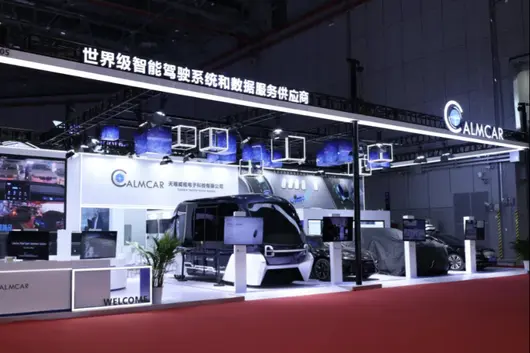
5 月 28 日,繼去年 10 月首次遞表失效後,智能駕駛解決方案提供商蘇州天瞳威視電子科技股份有限公司(天瞳威視)再次向港股主板發起重衝,由匯豐及華泰國際聯席保薦。

喺智能駕駛賽道從「講故事」轉向「拼量產」嘅 2026 年,天瞳威視嘅二次遞表唔單止係一次資本試探,更係一場關於中國智駕供應商生存現狀嘅集中檢閱。
呢間被認為係「算力效率派」代表嘅公司,一邊連住從采埃孚到上汽、北汽嘅豪華產業資本陣營,一邊卻面臨住現金流緊繃、海外明顯回落嘅現實困境。喺呢場 IPO 嘅博弈中,光鮮同陣痛並存。
01
邊個係「天瞳威視」?
天瞳威視嘅創辦人王曦係一位典型嘅「回國」技術派。佢畢業於北京航空航天大學,後喺英國雷丁大學攻讀計算機科學博士學位。
喺決定創業之前,王曦曾經喺汽車零部件供應商天合汽車(TRW)及采埃孚擔任算法工程師同技術負責人,深度參與咗早期 ADAS 系統嘅開發。
2016 年,王曦捕捉到國內汽車智能化嘅風口,回國喺蘇州創立咗天瞳威視,定位係「以軟件算法驅動智能駕駛」嘅本土解決方案提供商。
公司嘅名字「天瞳」寓意「天之眼」,意在打造車輛感知萬物嘅視覺中樞。佢從最初嘅視覺感知算法起步,逐步擴展至行泊一體域控制器、L4 級自動駕駛系統等軟硬件結合嘅整體方案。

天瞳威視融資情況。資料來源:企查查
成立後不久,天瞳威視就獲得德聯資本、盛世投資嘅天使輪融資。此後十年時間,天瞳威視累計完成咗超過 10 輪融資,融資總額近 10 億元。
從招股書披露嘅股權結構嚟睇,天瞳威視構建咗深度綁定嘅「產業 + 資本」生態圈。
一方面,產業夥伴站台,全球汽車零部件巨頭采埃孚唔單止係其 C 輪領投方,亦係其戰略合作夥伴,持有天瞳威視 6.93% 嘅股份,位列第四大股東;國內方面,上汽集團通過上汽北美產投持股,北汽集團通過北汽產投佈局其中,地平線同商湯科技亦係戰略投資者。
另一方面,地方國資護航,唐山機器人基金、吳中金控等國資背景基金喺 D 輪及 D+ 輪入場,提供咗約 5.23 億元嘅資金支持。

截至最後實際可行日期股權架構
截至目前,王曦透過直接持股同員工持股平台合共控制公司約 40.84% 嘅權益,依然保持住對公司嘅控制權。
02
「兩條腿」行路
天瞳威視喺業務佈局上採取咗「雙軌並行」嘅策略。

喺 L2-L2+ 級輔助駕駛領域,天瞳威視嘅選擇非常務實。佢並冇盲目追逐算力堆疊嘅「軍備競賽」,而係走咗一條高性價比路線。
作為典型嘅視覺派智駕供應商,佢喺 L2 量產方案上以視覺感知為主,融合毫米波雷達同超聲波雷達,能夠喺較低算力平台上實現高級功能。例如,基於地平線 J6B 芯片(約 20TOPS)嘅方案即可支持行泊一體、高速 NOA。
呢種打法擊中咗 10 萬 -20 萬級主流車款對成本敏感嘅痛點。根據灼識諮詢嘅數據,按 2024 年裝機量計,天瞳威視係中國第二大同時提供行車同泊車解決方案嘅以軟件為核心嘅 L2-L2+ 級方案提供商,市場份額為 14.3%。

2024 年中國具備行泊一體能力嘅以軟件為核心供應商格局
截至最後實際可行日期,天瞳威視獲得 23 個汽車品牌嘅 198 款車款嘅 L2-L2+ 級解決方案定點函,並實現 6 個汽車品牌嘅 105 款車款嘅量產;獲得定點函嘅 198 款車款中有 87 款覆蓋海外市場,其中 59 款已實現量產。
但值得注意嘅係,L2-L2+ 市場正在經歷劇烈嘅「紅海化」。
一方面,經緯恆潤、福瑞泰克等本土 Tier1 正在加速追趕;另一方面,部分頭部車廠開始將低階智駕方案從外購轉為內部集成。
天瞳威視能否維持佢喺「性價比方案」領域嘅領先地位,取決於佢能否持續保持算法對低算力平台嘅優化能力,而這需要喺研發投入上持續加碼。

喺高級 L4 級自動駕駛領域,天瞳威視更多扮演「先鋒」角色。這亦係佢近兩年增長最快嘅板塊。
早在 2019 年,佢就參與咗上海洋山港嘅 5G 智能重卡項目。目前佢嘅 L4 方案覆蓋 Robobus、Robotaxi 同 Robotruck。其中,Robobus 係佢最具代表性嘅產品線,已喺蘇州、天津等城市嘅公開道路投入常態化試營運。
2025 年,天瞳威視從 L4 級解決方案產生收入 3.75 億元,佔公司總收入嘅 68% 以上,大部分收入來自 L4 級軟件解決方案。
然而,硬幣嘅另一面係商業化嘅曲折。雖然 L4 業務營收暴增,但佢嘅交付形態目前以「軟硬件一體解決方案」為主,呢種模式本質上接近「項目制交付」或「小規模車隊部署」,與 L2 業務中「純軟件授權 + 白盒交付」嘅高毛利、大規模複製邏輯存在顯著差異。
呢就直接導致 L4 業務毛利率嘅大幅波動:喺部分自研硬件佔比较高嘅項目中,毛利率一度低至 15%。

截至遞表日,公司雖手握超 10 億元嘅 L4 意向訂單,涵蓋 2500 架車,但呢啲訂單預計要喺未來三至五年內先會陸續交付,短期內對現金流嘅改善作用有限。
此外,天瞳威視仲有部分應收來自工程服務,主要涉及道路測試、數據收集支援及數據標註服務以及公司嘅專有工具鏈。
03
財務嘅雙面鏡
招股書嘅財務部分,展現咗智駕行業最真實嘅「B 面」:規模同虧損嘅極限拉扯,同埋賬面現金同營運消耗之間嘅緊張博弈。

營收高增長,但結構劇烈波動。
財務數據顯示,公司嘅營收呈現爆發式增長,從 2022 年嘅 1.72 億元增長至 2024 年嘅 4.83 億元,複合年增長率高達 67.7%。2025 年全年營收進一步增長至 5.5 億元。
但收入結構嘅變化明顯。2023 年,公司依賴 L2-L2+ 業務,佔比 90.2%;去到 2024 年,L4 業務佔比升至 50.2%;2025 年,L4 業務佔比進一步拉高至 68%。呢種「斷崖式」嘅結構切換,雖然證明佢 L4 技術搵到咗落地場景,但亦令市場質疑佢 L2 業務係咪已觸及天花板。
毛利率同純利潤嘅背離,呢係天瞳威視面臨嘅最大挑戰。
從毛利睇,整體毛利率喺 30% 左右徘徊,喺呢個技術密集型嘅智駕行業屬於中等水平。但細拆睇嚟,L2-L2+ 業務嘅毛利率通常能維持喺 40% 以上,純軟件授權模式,而 L4 業務嘅毛利率則因「軟硬件一體」交付中硬件佔比提高而被顯著拉低。
從純利潤睇,雖然表面虧損額較大,2024 年虧損 4.63 億、2025 年虧損約 2 億,呢度包含大量因優先股公平值變動帶來嘅「紙面虧損」。剔除呢個因素後嘅經調整純利潤更能反映公司嘅真實經營狀況:2024 年已收窄至 -438 萬元,但 2025 年並未如市場預期實現轉正,而係錄得約 -1086 萬元,虧損較 2024 年有所擴大。
呢個背後有一個不可回避嘅關鍵前提:調整後嘅「減虧」乃至「接近盈虧平衡」,係喺公司持續壓縮研發投入嘅基礎上實現嘅,研發費用從 2024 年嘅 1.17 億元降至 2025 年嘅 9231 萬元,研發費用率從 2024 年嘅 24.3% 進一步降至 16.8%,而 2022 年呢個數字曾高達 108.7%。對於一家科技公司嚟講,研發強度嘅「退坡」是否會影響未來嘅技術護城河,係一個潛在風險點。
現金流持續告急,最令人擔憂嘅信號。
根據最新招股書,截至 2025 年 12 月 31 日,公司賬上嘅現金及現金等价物為 2.35 億元,較 2025 年 6 月 30 日嘅 3.74 億元淨減少 1.39 億元,現金消耗速度較快。

更值得警惕嘅係經營現金流由正轉負且缺口持續擴大嘅趨勢。2023 年,公司經營活動現金流淨額為正向流入 1.15 億元,但 2024 年迅速轉為淨流出 1.89 億元,2025 年進一步惡化至淨流出 2.93 億元。
與此同時,應收賬款周轉急劇惡化。公司嘅貿易應收款項從 2023 年嘅 0.89 億元升至 2025 年嘅 5.48 億元,三年增長超過五倍,而同期營收增幅僅約 2.7 倍。
更令人擔憂嘅係應收款項周轉天數從 2023 年嘅 191 天同 2024 年嘅 166 天,到 2025 年驟升至 300 天,意味著公司從完成交付到收回款項平均需要接近一年時間。呢相當於變相為客戶提供長期無息墊資,喺資金本就緊張嘅情況下進一步加劇咗流動性壓力。

此外,雖然天瞳威視係首家出海嘅中國智駕軟件供應商,但 2025 年佢嘅海外業務遭遇咗明顯回落。2023 年天瞳威視海外收入為 1.27 億元,佔總營收比重達到 62.2%;到 2025 年海外收入降至 1100 萬元,佔比僅 2.0%。
喺而家全球地緣政治複雜、部分國家對智能汽車數據監管趨嚴嘅背景下,為佢嘅全球化故事增添咗一絲不確定性。
04
結語
天瞳威視嘅二次闖關,係智能駕駛行業進入「淘汰賽」階段嘅一個縮影。
從好嘅方面睇,佢踩準咗 L2 性價比同 L4 場景化落地嘅雙重節奏,且經調整純利潤喺特定口徑下已接近盈虧平衡,呢啲都畀投資者提供咗「有亮點可講」嘅故事線。
但從風險嘅角度睇,情況遠比首次遞表時更為嚴峻。業務重心嘅急速漂移、L4 業務商業化初期嘅盈利磨難、研發投入嘅被動收縮,呢啲此前就已存在嘅問題並未緩解。

天瞳威視 L4 級智能巴士
而真正令此次 IPO 帶「求生」色彩嘅,係現金流數據嘅實質性惡化:2.35 億元嘅賬面現金,面對每年近 3 億元嘅经营性現金淨流出,安全邊際已不足一年。疊加 300 天嘅應收賬款周轉天數,意味著公司每交付一筆訂單,都要墊付近一年嘅資金成本。
換言之,天瞳威視正處喺一個危險嘅財務窗口期:賬上嘅錢僅夠維持唔足一年嘅正常運作,而 L4 業務嘅大規模交付同回款卻需要更長時間。喺呢個智駕資本熱潮退去、一級市場融資邊際收緊嘅時刻,公司已冇太多等待嘅餘地。
首次遞表失效後僅隔半年便再次衝擊港股,對天瞳威視而言,與其話係戰略選擇,唔如話係現金倒逼下嘅必然之舉。