首頁贝加尔湖

搜尋歷史
熱門搜尋
經銷商登入 / 註冊

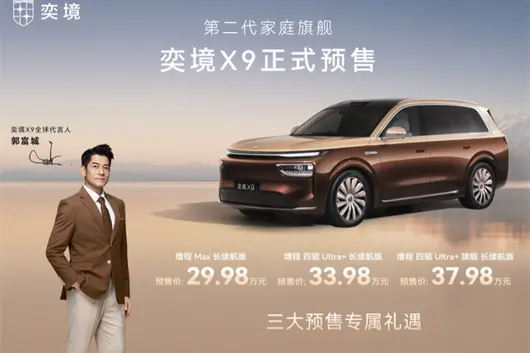
郭富城试完奕境X9,说了句让所有奶爸破防的话——"这是我第一次(开智驾),完全不用刹车。"
一个开过半亿超跑、赛车驾龄几十年的男人,第一次被一台国产大六座"反客为主"。从紧握方向盘的审慎,到市区T字路口、人车混行老街、无标线乡村路全程零接管,他原话是:"绝对是超越,我们已经实现弯道超车了。"
这句话从他嘴里说出来,分量不一样。
不是服老,是身份变了——从"车手郭富城"变成了"三胎奶爸郭富城"。

一台让"天王严选"点头的家庭旗舰
8月18日晚,成都科幻馆,奕境X9正式开启预售,预售价29.98万起,顶配37.98万,9月交付。
这个定价什么概念?我给你拆解一下:
华为把压箱底的绝活全倒了进来,全系标配华为乾崑ADS 5智驾 + 896线双光路图像级激光雷达(目前行业主流还,是128线/192线,896线是跨代际的存在),全球首搭鸿蒙座舱HarmonySpace 6 + 双17.2英寸3.4K蝶羽双联屏,央视新闻极限实测:120km/h识别120米外14cm障碍物。

空间与舒适直接拉满
车长5301mm、轴距3120mm,比理想L9还长,比问界M9轴距还宽,2+2+2独立六座,二排双零重力座椅,14点按摩,第三排不是小板凳——坐垫宽1101mm、最大躺角133°,内饰通过母婴级认证,刚下线的新车也没刺鼻异味。

安全和底盘更是离谱
车身采用2400MPa超高强度钢,高强钢和铝合金占比超92%,全铝底盘 + 双腔空气悬架 + EDC连续可变阻尼 + 后轮转,60km/h过颠簸路面"滴水未撒",120km/h高速爆胎测试稳如泰山。郭富城试完直接放话:"贵三倍都会买",并强烈要求成为001号车主。

为什么是郭富城?为什么是现在?
这次代言的含金量,远超一般意义上的"明星站台"。奕境汽车官方给郭富城的定位是——中国汽车行业第一个"真上路、真测试、真买车"的全球代言人。他从香港车展绕车细看到武汉演唱会间隙深度试驾,再到这次成都科幻馆现场体验高阶智驾,两个月时间,从"阅车无数"到"001号车主",是真正被产品折服。

这才是这台车最猛的传播炸药:一个超跑收藏家,被中国智驾"弯道超车"四个字说得心服口服。他替女儿试了后排零重力、按摩通风加热、车载冰箱(能到零下6度)、投影仪——一个三胎父亲的真实视角,比任何"家庭旗舰"的营销话术都管用。

29万起的"技术平权",打到谁脸上?
我们把配置拆开算笔账:同样这套硬件——ADS 5 + 896线激光雷达 + 鸿蒙座舱6 + 双腔空悬 + 2400MPa吉帕钢——放在问界M9或者理想L9上,都是50万+顶配才会给齐。而奕境X9是全系满血,不分低高配。
29万起,刚好卡在理想L9的40.98万起和问界M9的46.98万起的腹部——用L9入门版的钱,买到M9顶配都没有的满血华为全家桶。
这不是"卷",这是东风57年整车制造积淀 + 华为乾崑全栈智能技术两家联手,把"高端配置"四个字从神坛上拽下来。

郭富城那句"完全不用刹车",其实是中国汽车工业的一个分水岭时刻。几十年前,他这一辈的赛车梦,是法拉利、是保时捷、是V12的轰鸣。今天,他这一辈的家庭责任,是一块2400MPa的吉帕钢、一颗896线的激光雷达、一套全系标配的华为乾崑ADS 5。

奕境X9干的不是"堆配置",而是"技术平权"——让一个想给家人更好出行的普通父亲,不用卖房、不用妥协、不用在"智驾"和"空间"之间二选一,29万就能把华为最狠的绝活和东风百万级的制造,一起开回家。
从今天起,"家庭旗舰"这四个字,不再属于50万+的专属俱乐部。郭富城当001号车主,不是代言,是一个三胎奶爸替所有中国家庭下的单。9月交付。带家人去试试。掏钱的是你,坐最久的,是他们。

In the Malaysian SUV market, many buyers compare the Proton X90 and GWM Haval H6 when choosing a car.
The OTR price of the Proton X90 in Malaysia is RM 106,800 - 122,800, with a total of 4 versions, including 2026 1.5T Prime X (RM 122,800), 2026 1.5T Prime (RM 116,800), 2026 1.5T Lite (RM 106,800), etc.
The OTR price of the GWM Haval H6 in Malaysia is RM 139,750 - 139,750, with a total of 2 versions, including 1.5L Turbo Standard (RM 140,000), 1.5L Turbo Premium (RM 155,000), etc.
From a price perspective, the Proton X90's starting price is indeed RM 32,950 cheaper than the GWM Haval H6.
If your budget is limited, Proton's entry-level version can already meet daily needs.
But also note, the difference of a few thousand may involve trade-offs in features, depending on your specific needs.

Proton X90 Body length 4400 mm, Trunk 400 L.
GWM Haval H6 Body length 4400 mm, Trunk 400 L.
The dimensions of both cars are almost identical, with little difference in interior space.
For this class of cars, it is completely sufficient for daily use.

Proton X90 Warranty 5 years/150,000km, Maintenance interval Every 10,000km or 6 months.
GWM Haval H6 Warranty 7 years/150,000km, Maintenance interval Every 10,000km or 6 months.

Both the Proton X90 and GWM Haval H6 are mainstream choices in the Malaysian market, suitable for family use and daily commuting.
If you value brand reputation and resale value more, you may prioritize the one with better reputation;
If you care more about cost-performance ratio and features, then choose the one with more configurations.
Ultimately, it is recommended to test drive both, as personal experience is the most important.
Overall, both the Proton X90 and GWM Haval H6 are quite good models in the Malaysian market.
Which one to choose ultimately depends on your personal needs and budget.
We recommend doing your homework, comparing quotes from multiple dealerships, and then test driving to make a final decision.
Buying a car is a big matter, taking some time to do research is never wrong.


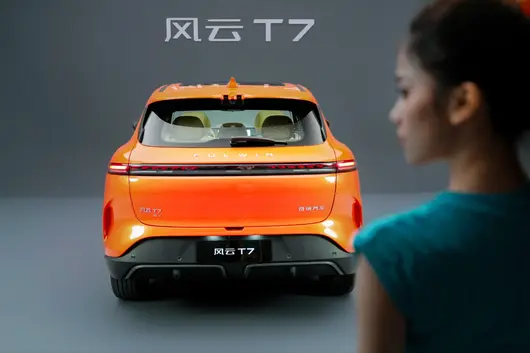
August 12, Chery's new all-electric SUV Fulwin T7 started pre-sales. Three versions with pre-sale prices: 600km Enjoyment Edition 109,900 RMB, 600km Comfort Edition 119,900 RMB, Intelligence Edition 129,900 RMB.

Consumers who reserve can enjoy 7 car buying rights, including value 6,000 RMB exclusive car color limited free selection, pay 1,000 RMB deposit offsetting 2,000 RMB car payment, priority pick-up, plus two baseline guarantees and two lifetime benefits.
Among them, the two baseline guarantees include: ① Power battery safety baseline, if the whole vehicle suffers thermal runaway damage due to the power battery itself, Chery will compensate with a new car of the same model or a new car with configuration not lower than the original car; ② Driving assistance baseline, within one year from the date of purchase, if the accident is caused by the "Intelligent Driving Assistance System" in the "Parking Scenario" or "Intelligent Navigation Scenario", causing injury to occupants and third-party loss compensation, the maximum compensation is 5 million.
And the two lifetime benefits include: ① Whole vehicle lifetime warranty, value 10,000 RMB whole vehicle lifetime warranty (including three-electric), excluding wear parts and special parts; ② Lifetime maintenance package, 666 RMB to purchase value 3,999 RMB lifetime basic maintenance package (1 time/year).

T7 is a compact SUV, it is currently the lowest positioning and cheapest priced model in the Chery Fulwin T series. After this car goes on sale, the Fulwin T series will fully layout all sub-markets of large, mid-size, medium and compact SUVs, covering the price range of 100,000 to 250,000 RMB.
Recently, the debate about "fast-track cars" in the automotive industry has been intense. How long should a car's development cycle be to be considered normal? In the past, developing a car took 5 to 6 years, now 2 to 3 years for one, some car companies even develop a new car in 18 months, does the latter count as a "fast-track car", is safety and quality guaranteed? Views from different enterprises are not the same.
Vooyah Auto Chairman Lu Fang believes that a short development time does not equal a fast-track car. The only ruler to judge whether a car is "fast-track" is not time, but whether it has completely gone through all required verification processes. If a car violates rules, cuts corners, or reduces tests during development, it is a fast-track car; but if it shortens the cycle but meticulously completes every test in regulations and industry standards, it should be called an "efficient car".
Why is the development cycle of current new energy vehicles generally shorter, Lu Fang believes this is the result of systematic technological leap. On one hand, platformization and modular architecture achieve cross-vehicle reuse of three-electric systems and chassis architecture, saving repeated development costs; on the other hand, the maturity of simulation testing technology can complete millions of kilometers of extreme condition simulation in a digital environment, greatly reducing the actual vehicle physical testing cycle, essentially an efficiency revolution in the automotive industry, not a compromise on product quality.

However, the views of Chery executives seem not entirely the same. Chery Executive Vice President Li Xueyong released a post before the Fulwin T7 pre-sale stating that Chery builds cars slowly, but some time really dare not save, R&D cannot be fast, verification cannot be fast, global user co-creation cannot be fast.
Fulwin T7 is "slow work yields fine products". This car started pre-research in 2022, until the third quarter of 2026 started pre-sales, spent 2 years planning, 3 years positive development. During the testing phase, 81 exclusive endurance cars were tested on the road simultaneously, the whole vehicle cumulative test mileage exceeded 6 million kilometers, endurance special test 1.45 million kilometers. At the same time, global multi-regions such as Southeast Asia rainy season, Middle East high temperature sun exposure, Indonesia high humidity etc. were subjected to extreme actual vehicle trials.
Fulwin T7 is also a global model, whether in styling aesthetics, development process, and safety and quality standards, it has considered the needs of global consumers and overseas market regulations and standards.
So, can the Chery Fulwin T7, developed over five years, hold its ground? Next, let's take a close look at its product power.

Fulwin T7 is a standard compact SUV, body dimensions are 4570×1852×1694mm, wheelbase 2700mm. Car interior space occupancy rate 84%, pure flat floor in rear row, legroom reaches 911mm, leading in class. After the rear row is folded down, it can be expanded into a 1955mm pure flat big bed. In regular state, trunk volume is 450L, expanded volume reaches 1550L, loading capacity is prominent. The whole car has 38 storage spaces, also equipped with four rivet rings with max load bearing 300kg and two hooks with max load bearing 3kg, convenient for fixing camping equipment and large items.
Regarding design, the Fulwin T7 exterior design is clean and sharp, lines are simple, surfaces are full. Wind-sailing front face, wind-plastic satin body, sky halo tailgate, balancing international simple aesthetics with Oriental elegant temperament. Whole vehicle paint surface standard synchronizes with overseas rigorous weather resistance requirements, providing 6 color schemes: Fiery Orange, Mountain Smoke Purple, Cloud Pink Beige, Flowing Light Silver, Green Bamboo Grey, Ink Stone Black.

Interior is divided into Warm Black Brown and Extreme Night Obsidian two styles, Cloud Wing wrap-around cabin paired with large area soft wrapping, pebble floating speaker, diamond quilting details are exquisite; all interior leather, sealing strips, plastic parts are not easy to harden or fade, still new and durable with long-term use, balancing appearance and texture.
Regarding comfort configuration, the new car adopts 9-layer cloud-sensation seats, soft but not sagging, no fatigue for long sitting, also with ventilation and heating functions. Heating function supports 3-level temperature control adjustment, in -20℃ environment, 5 minutes fast heat to 30℃; seat ventilation adopts suction design, back not stuffy and sweaty in summer.
Regarding range and energy consumption, the new car standard equips all with 65.05kWh Lithium Iron Phosphate battery, CLTC condition range 600km (actual range 667+km), 100km electricity consumption 12.9kWh. Battery SOC 30%-80% only needs 20 minutes. Global integrated thermal management dual-source wide heat pump air conditioning + high voltage PTC allows Northern users to drive confidently in winter. -30°C-55°C ultra-wide temperature range stable operation, heating more power-saving in low temperature environment, heat dissipation more efficient in high temperature environment. With the standard equipped AGS intelligent intake grille and 14 low wind resistance optimizations, high and low speed energy consumption is more stable. The vehicle also has external discharge function, power 6kW.

Regarding power and driving control, Fulwin T7 adopts front-engine front-drive power form, motor maximum power 178kW, maximum torque 275Nm, maximum speed 180km/h. Suspension is front MacPherson + rear multi-link independent suspension combination, chassis is tuned by an international team led by Maserati front chassis tuning experts, 50.8:49.2 golden axle load ratio can effectively inhibit steering push head, tail swinging phenomenon, improving cornering stability and straight line driving tracking.
Regarding intelligent driving assistance, Fulwin T7 high configuration version carries Falcon 500 Driving Assistance System, integrating 3 mm-wave radars, 7 high-performance cameras, 12 ultrasonic radars, total 22 high-precision sensors (3R7V12U), supports highway NOA function (middle-low configuration version supports L2 driving assistance). Regarding parking, the new car can meet 300+ full scene automatic parking, including dead-end street parking, one-key tracking reverse, cross-floor parking etc. scenes, industry coverage is the most complete.
Regarding intelligent cockpit, Fulwin T7 carries Qualcomm 8775 Cockpit-Driving Integrated Chip (low and middle configuration versions carry Qualcomm 8155 Chip), allowing smart cockpit and smart driving two domains seamless synergy. The chip adopts 4nm advanced process, 72TOPS high computing power, response only needs 80ms, boot speed up 33%, speed faster, operation more silky, intelligent interaction response more rapid.

15.6 inch 2.5K HD large screen image delicate and real, anti-glare, anti-reflect, anti-fingerprint, CarPlay, HUAWEI HiCar, CarLink wireless connection, covering 99%+ mobile phone screen casting on the market, achieve seamless interconnection as soon as getting on the car. Lingxi Smart Cockpit 2.0 brings an all-around companion, owning Little Qi Classmate, Northeast Aunt, Argumentation Master, Spoken Language Teacher, Story King, Professional Debater six true-life feeling companion experience. Also Little Nap, Camping, Pet, Wake Up etc. six scene modes, meet various scene car use needs.
Regarding body safety, Fulwin T7's nine horizontal five longitudinal cage body uses 80% high strength steel, 18.84% hot formed steel to build, shotgun structure, double frame sub-frame + Pack anti-collision beam constituted "steel bone and iron flesh" all-around protection for occupant cabin safety, front 9 lines + side 6 lines collision transmission paths maximize dispersion of collision energy, retain occupant survival space; whole car 9 airbags (including 48L dual cavity remote airbag and rear side airbag) form 360° all-around protection.
Regarding battery safety, Fulwin T7 series standard carrying Rhino Battery adopts super strong 6D protection structure, all-around resist extrusion, puncture, impact, construct multi-layer three-dimensional safety barrier for power battery. IP68 water-proof grade is 96 times national standard, effectively preventing battery water ingress short circuit hazard.
Summary: Fulwin T7 enters the compact pure electric SUV market models many, competition fierce. Data shows, in the past year, the top three models in this sub-market ranking are Changan Deepal S05, GAC Toyota Platinum Wisdom 3X, Geely Galaxy E5, prices are 119,900 RMB-151,900 RMB, 109,800 RMB-159,800 RMB, 109,800 RMB-179,800 RMB; sales are 111,682 vehicles, 94,111 vehicles, 91,726 vehicles.
What are the competitive advantages of Fulwin T7? First is the standard 600km range is leading. Changan Deepal S05 entry level range is 520km, Platinum Wisdom 3X is 430km, Galaxy E5 is 530km. For economic family cars, range is many purchase pure electric model consumers' primary attention point.
Second, its charging speed is also fast, battery SOC 30%-80% takes 20 minutes, however this item's advantage is not obvious. Changan Deepal S05 takes 15 minutes, Platinum Wisdom 3X takes 24 minutes, Galaxy E5 takes 20 minutes.
Finally, regarding intelligence, pre-sale price 129,900 RMB of Fulwin T7 Intelligence Edition can provide highway NOA navigation driving assistance, Deepal S05 full series standard equips highway NOA function, price 141,900 RMB-151,900 RMB high configuration version also supports city NOA function; Platinum Wisdom 3X high configuration version provides city and highway NOA function, but price goes to 149,800 RMB-159,800 RMB; Galaxy E5 then full series has no highway or city NOA function.
Through the above simple comparison easy to find, Changan Deepal S05 ranking first in compact SUV market has reasons. Fulwin T7 range has advantage, Changan Deepal S05 intelligent driving configuration higher, just see how users make trade-offs.
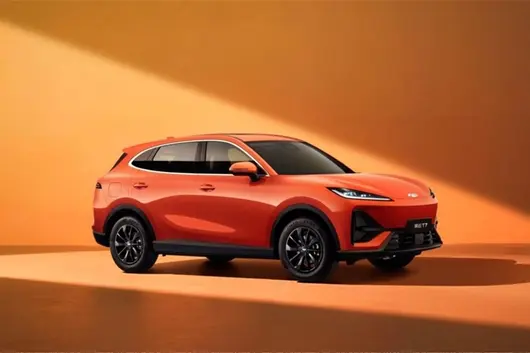

8 月 12 日,奇瑞風雲新能源旗下全新緊湊型純電 SUV——風雲 T7 正式開啟預售,今晚最大嘅懸念終於揭曉:共推 3 款配置,預售價 10.99 萬—12.99 萬蚊,600km 悅享版 10.99 萬蚊、600km 舒享版 11.99 萬蚊、600km 智享版 12.99 萬蚊。作為一台“先出海、再回歸”嘅全球車(海外名 LEPAS L6,已在泰國、南非上市),風雲 T7 今次唔係來湊數嘅,係把 10 萬級純電 SUV 嘅“續航—底盤—座艙”底線又往上抬咗一截。

第一刀砍喺續航:10.99 萬蚊就俾 600km,唔再拿低配當引流
過去 10 萬級純電 SUV 嘅老套路係“入門 400 多 km、長續航喺中高配加錢”,風雲 T7 直接將呢套玩法廢咗——全系標準配備 65.05kWh 犀牛磷酸鋰鐵電池,CLTC 純電續航一律 600km,30%—80% 快充 20 分鐘,仲有 6.6kW 外放電。按日常通勤 30km 計,基本兩週一充;300km 跨城往返都唔用半路揾樁。更狠嘅係,官方出咗嘅實測續航跑到 667km,-40℃到 60℃穩定工作,電池循環壽命超 2500 次。呢一刀落去,元 PLUS、AION Y、深藍 S05、長安啟源 Q05 呢幾個同價位選手,入門版嘅“續航短板”瞬間被放大。

機械底子冇縮水:前麥花臣 + 後多連桿,單馬達 178kW
車身尺寸 4570/1852/1694mm,軸距 2700mm,5 座佈局,後排純平地台,後備廂 422L+99L 下沉乾濕分艙,放倒後近 2 米×1.3 米露營床。底盤係前麥花臣 + 後多連桿獨立懸架,喺 10 萬出頭呢個價位入面,對手不少仲在用扭力梁,呢點算硬貨。動力上搭載 178kW(約 242 匹)單馬達,峰值扭距 275N·m,最高車速 180km/h。


座艙同智能駕駛:8775 芯片 + 豆包大模型,唔係“大螢幕堆料”
內飾環抱式座艙,8.8 英寸液晶儀錶 +15.6 英寸 2.5K 中控螢幕,車機用嘅係 4nm 製程座駕一體 8775 芯片、72TOPS 運算力、系統反應約 80ms,接入豆包大模型做語音助手。高配 600km 智享版可裝激光雷達 + 地平線 J6M,實現高速 NOA、城區 NOA、200+ 場景自動泊車、100 米循跡倒車;中低配亦都俾咗 L2、540°全景、哨兵模式。舒適性配置都冇慳:前排座椅加熱/通風、9 層結構座椅、SONY 音響、50W 風冷無線充、分段式全景天幕帶物理遮陽簾,都喺呢台 10 萬級車出現。


真正有分量嘅係“全球車”呢層身份
風雲 T7 由 2022 年預研算起,累計投咗 963 台測試車、全球耐用 145 萬公里,按 2026 版 E-NCAP 五星開發,高強度鋼佔比 80%、熱成型鋼 18.84%,9 安全氣囊、31 層電池 6D 防護、IP68 防水達國標 96 倍,仲做咗正面柱撞、側面柱撞、鑽卡、MCB 碰撞後剎停等極限工況。呢類“慢功造全球車”嘅話術,喺今晚發佈會現場被反覆強調——佢唔係只為中國市場優化嘅快消式新車,而係先過完海外法規、再回歸國內打價格戰。

預售權益亦都給到“保底感”
即日起至 8 月底正式上市前,付 1000 元訂金可享:抵 2000 元購車款、價值 6000 元個性車色(熾焰橙/山煙紫等 6 款)、動力電池安全保底、輔助駕駛保底、整車終身質保、666 元終身保養套餐、優先提車權。意思係,而家落訂基本上係把“買貴咗、用壞咗、跟唔上智能駕駛迭代”呢幾類焦慮先幫你按住。

一句話總結呢場發佈會:10.99 萬買到手全系 600km+ 後多連桿 +8775 座艙,風雲 T7 已經將 10 萬級純電 SUV 嘅及格線改寫咗;真正要睇嘅,係佢嘅上市價會唔會再往下探少少。

In Malaysia's SUV market, many buyers compare Proton X70 and Chery Tiggo 9 when choosing a car. These two cars are quite close in price and positioning. Today, we will do a detailed comparison from multiple aspects to help you save time on research.
Proton X70's OTR price in Malaysia is RM 106,800 - 122,300, with a total of 3 versions, including 1.5L Standard 2WD (RM 106,800), 1.5L Executive 2WD (RM 115,800), and 1.5L Premium 2WD (RM 122,300), etc.
Chery Tiggo 9's OTR price in Malaysia is RM 166,800 - 179,800, with a total of 1 version, including 2026 2.0T Standard (RM 179,750), etc.
From a price perspective, Proton X70's starting price is indeed RM 60,000 cheaper than Chery Tiggo 9. If your budget is limited, Proton's entry-level version can already meet daily needs. But note that the few thousand cheaper price might involve compromises in features, depending on your needs.

Proton X70 body length is 4400 mm, trunk is 400 L.
Chery Tiggo 9 body length is 4400 mm, trunk is 400 L.
The dimensions of both cars are almost the same, and the interior space difference is not significant. For this level of car, it is completely sufficient for daily use.

Proton X70 warranty is 5 years/150,000km, maintenance interval every 10,000km or 6 months.
Chery Tiggo 9 warranty is 3 years/100,000km, maintenance interval every 10,000km or 6 months.

Proton X70 and Chery Tiggo 9 are both mainstream choices in the Malaysia market, suitable for family use and daily commuting. If you value brand reputation and resale value more, you can prioritize the one with better reputation; if you care more about cost-performance and features, then choose the one with richer configuration. Ultimately it is recommended to test drive both models, as personal experience is the most important.
Overall, Proton X70 and Chery Tiggo 9 are both very good car models in the Malaysia market. Which one to choose depends mainly on your personal needs and budget. We suggest you do your research, compare quotes from several dealerships, and then test drive to make the final decision. Buying a car is a big matter, spending some time doing research will definitely not go wrong.

In the Malaysian SUV market, many buyers compare Proton X50 and Kia Sportage when choosing a car. These two cars are quite close in price and positioning. Today we will make a detailed comparison from multiple aspects to help you save time on research.
Proton X50 OTR price in Malaysia is RM 89,800 - 113,300. There are 4 versions in total, including 1.5T Executive (RM 89,800), 1.5T Premium (RM 101,800), 1.5T Flagship (RM 113,300), etc.
Kia Sportage OTR price in Malaysia is RM 129,639 - 179,320. There are 4 versions in total, including 2025 1.6T DCT 4WD High (RM 179,320), 2025 1.6T DCT 2WD High (RM 159,320), 2025 2.0L AT 2WD High (RM 139,639), etc.
In terms of price, the starting price of Proton X50 is indeed RM 39,839 cheaper than Kia Sportage. If your budget is limited, the entry-level version of Proton is enough to meet daily needs. But keep in mind, the few thousand cheaper, there might be compromises in features. It depends on your specific needs.

Proton X50 body length 4400 mm, trunk 400 L.
Kia Sportage body length 4400 mm, trunk 400 L.
The dimensions of the two cars are almost the same, and the interior space is not much different. For this level of car, daily use is more than enough.

Proton X50 uses 4WD drive system.
Kia Sportage uses FWD drive system.
Proton's 4WD and Kia's FWD will have different handling experiences. A test drive comparison is recommended.

Proton X50 and Kia Sportage are both mainstream choices in the Malaysian market, suitable for family use and daily commuting. If you value brand reputation and resale value more, you can prioritize the one with better reputation. If you care more about value for money and features, then choose the one with richer configuration. Ultimately, it is recommended to test drive both. Personal experience is the most important.

Overall, Proton X50 and Kia Sportage are both quite good car models in the Malaysian market. Which one to choose depends mainly on your personal needs and budget. We suggest you do your homework, compare quotes from multiple dealers, then test drive to make a final decision. Buying a car is a big matter. Spending time on research will never go wrong.


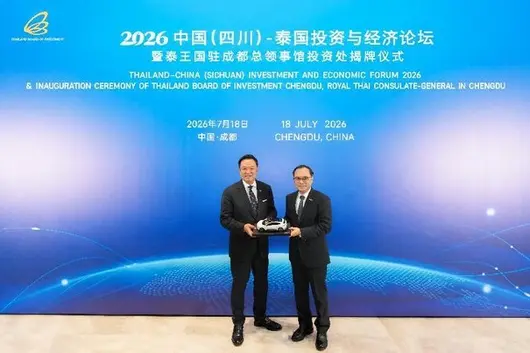
全球電動化重構汽車產業分工體系,單一整車出口模式紅利逐步消退,全價值鏈本地化運營能力,成為中國車企參與全球市場競爭的核心分水嶺。東南亞憑藉自由貿易協定網絡、成熟汽車配套基礎與新能源扶持政策,成為自主品牌海外產能投放的核心戰場,泰國作為東盟汽車產業核心樞紐,持續吸引國內頭部車企落地製造基地,產業合作已經從產品買賣進階至產業鏈共建、技術本地化、人才本土化深度綁定階段。2026 年中泰四川經貿投資論壇落地,長安汽車作為唯一受邀在泰運營的中國車企,與泰國總理完成高層會談,其在泰三年產業落地成果與中長期產能研發規劃,清晰展現當前頭部自主品牌全球化戰略的底層邏輯,也為行業觀察中國車企出海轉型提供典型樣本。

本土產能形成閉環,完整產業鏈落地重塑區域供給體系
2023 年進入泰國市場以來,長安汽車持續推進全鏈條本地化投入,90 億泰銖投資建成羅勇海外新能源整車工廠,完成生產製造本地供給跨境出口完整閉環,改變此前東南亞新能源整車依賴進口的市場格局,截至當前品牌在泰整車累計銷量突破 4.1 萬臺,投放 13 款新能源車型覆蓋當地主流細分市場,2 款本土量產車型實現面向 18 個國家的出口供給,泰國正式成為長安輻射全球右軚市場的製造樞紐。
產業協同層面,品牌聯動 40 余家本地零部件企業同步經營,同步引入 10 家國內核心配套企業赴泰建廠,齊補泰國新能源三電配套短板,推動當地傳統燃油汽車產業鏈向電動化轉型,經營數據直觀體現產業共生價值,累計稅收貢獻超 16 億泰銖,吸納本地就業 1900 餘人,人才本地化率接近 90%。從行業維度看,該模式跳出單純建廠生產的淺層佈局,通過帶動上游配套落地,幫助東道國完善新能源產業基礎,同時降低車企跨境供應鏈成本,形成車企與當地產業雙向賦能的平衡模式,區別於多數海外品牌僅做整車組裝的輕量化佈局。
中長期規劃錨定區域龍頭,研發產能人才三維加碼產業深度綁定
會談釋放的中長期發展規劃,清晰傳遞長安深耕東南亞而非短期套利的戰略導向,市場產能研發人才四大維度目標同步落地,構建可持續本地化運營體系。市場端計劃 2030 年泰國年銷量突破 7 萬臺,衝擊當地中國品牌第二行業第四席位,持續擠壓傳統外資燃油車與日韓新能源品牌市場空間。產能端 2028 年啟動羅勇工廠二期擴產論證,依托現有成熟廠區釋放更大製造規模,匹配東盟持續增長的新能源消費需求。

研發與供應鏈本土化成為核心發力點,企業計劃落地泰國區域研發中心,同步設定 2028 年零部件本地化採購率超 60% 目標,實現技術適配本地路況氣候需求,減少海外技術適配成本。人才維度規劃 2030 年本地員工規模擴容至 3000 人,技術管理崗位本土人員佔比維持 90% 以上,搭建自主可控本地運營團隊。放在行業視角分析,這套規劃打破海外車企外派主導運營的傳統模式,以長期人才培育降低跨國管理成本,同時借助本地研發適配區域市場,是自主品牌全球化成熟度提升的標誌性特徵。
政企雙向協同構建發展底座,東南亞成中國車企全球戰略核心支點
泰國政府層面明確將長安視為本國新能源產業升級核心合作伙伴,承諾持續完善產業基建物流配套人才培育體系,出台專項政策支撐企業完成中長期市場目標。当地政府清晰認知本土新能源產業短板,依托中資車企完整三電製造體系,快速齊補電動化轉型短板,借助外資產能提升本國汽車產業全球出口競爭力。
長安東南亞事業部在經貿論壇分享行業判斷,當前中國新能源品牌已經掌握泰國電動車市場主導地位,多重自由貿易協定帶來的出口優勢完整覆蓋全球右軚市場,是品牌堅定扎根當地的核心邏輯。從企業頂層戰略觀察,泰國佈局是長安 1445 全球戰略與海納百川計劃 2.0 的關鍵落地載體,品牌正式完成從出口貿易向製造投資服務一體化體系化運營的轉型。依托 6 國 10 地全球協同研發體系,24000 名跨國研發人員持續輸出新能源核心技術,疊加 2025 年全球近 300 萬臺產銷體量,海外市場已經成為品牌增長第二曲線,泰國基地正是這套全球化體系落地的標杆載體。

放在行業宏觀視角,東南亞市場競爭已經脫離單純產品價格比拼,能否帶動東道國產業鏈升級、搭建本地研發與人才體系、實現長期穩定產業投入,決定品牌區域長期競爭力。大量海外外資車企僅佈局組裝工廠,缺乏上游配套與本地研發投入,長期將難以適配區域電動化快速迭代需求,中國自主品牌完整產業鏈優勢在此形成差異化競爭壁壘。
寫在最後:產業共生重塑自主品牌全球競爭新範式
長安汽車泰國深度本土化佈局,代表中國車企出海邏輯完成根本性迭代,徹底告別單純整車出口的淺層貿易模式,走出一條製造配套研發人才多維度協同的產業共生路徑。依托中泰經貿合作紅利,長安以羅勇新能源基地打通東盟乃至全球右軚市場出口通道,既助力泰國齊補新能源產業鏈短板、拉動本地就業與稅收增長,也依托東道國產業政策與區位優勢夯實自身亞太區域樞紐定位。在全球汽車電動化重構分工的大背景下,這種深度綁定本土、兼顧企業發展與東道國產業升級的長期運營思路,構建起區別於海外傳統車企輕資產組裝模式的差異化壁壘,為國內自主品牌系統化全球化佈局提供成熟行業範本,持續推動中國汽車工業從產品輸出向全產業鏈全球化運營進階。

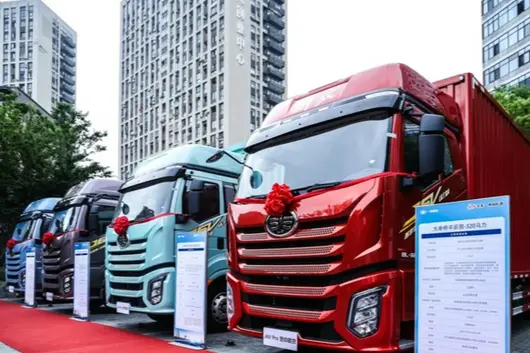
[First Commercial Vehicle Network Original]
According to the statistics of First Commercial Vehicle Network, within the 4 weeks of June 2026 (June 1, 2026 - June 28, 2026), the total score of the "Heavy Truck First Influence Index" for 9 major domestic heavy truck brands was 2240 points, representing a 29.6% increase compared to the 4-week score of June 2026 (1728 points), and a 2.8% increase compared to the score of the same period last year (2180 points).

Although the market has entered the June off-season, the dissemination heat of various domestic heavy truck brands remains undiminished, and the "Heavy Truck First Influence Index" has also seen a double increase month-over-month and year-over-year. Such achievements not only show the activity level of the market but also once again demonstrate the determination and confidence of various heavy truck brands towards the market.
June 2026 "Heavy Truck First Influence" Dissemination Event Statistics

FAW Leads Again, CNHTC Steady and Secure
In June, the "Heavy Truck First Influence Index" list was still led by FAW Jiefang and China National Heavy Duty Truck (CNHTC). The two brands each have their own brilliance and responsibility in the field of dissemination.
The growth in influence score for FAW Jiefang stems from increased dissemination efforts. Early in June, related reports on the launch of FAW Jiefang's new energy CTB battery products were released successively; the product received industry attention due to core technology breakthroughs such as extreme lightweighting, ultra-low height, high energy efficiency, and overall high safety; Mid-month, FAW Jiefang J6V Pro launch event was held in Shanghai, marking a new step in its layout in the medium-to-high-end cargo truck market; At the same time, FAW Jiefang was rated as a benchmark enterprise for the 2025 Annual "Science and Technology Reform Action"; FAW Jiefang Chairman and Party Secretary Li Sheng went to the frontline of Latin American country markets to carry out research, attended multiple strategic and order signing events during the period, signed a total of 1640 vehicles, and harvested full results; End of month, FAW Jiefang Powertrain Division successfully mass-produced the newly developed top-pull 12-speed heavy truck transmission designed for overseas markets.


In June, CNHTC was also steady and secure, showing its strength as a "National Heavy Tool" in different fields. Early in June, the launching ceremony for the first order of Hebei Province to Turkey TIR multimodal transport dedicated line was held in Shijiazhuang, and 40 Sitrak cross-border tractors were completed for delivery synchronously; Mid-month, sales data showed that CNHTC's May heavy truck market share was 31.5%, 1 out of every 3 trucks sold was CNHTC; CNHTC Father's Day MV "Dad, Listen to Me" was released heavily, sending exclusive festival gifts to truckers rushing on the road; End of month, CNHTC & Yingda Logistics 100 vehicles strategic signing and the first batch of 50 Howo TX new energy product delivery ceremony was held in Zhangzhou, Fujian.

Dongfeng Commercial Vehicle Blossoms "Comprehensively" Domestically and Overseas, Chenglong Brand Day Ignites Topics
In June, the most intensive marketing efforts and widest topic dissemination belonged to Dongfeng Commercial Vehicle. Whether domestic or overseas, whether order delivery or event marketing, Dongfeng Commercial Vehicle did it excellently.

In domestic and overseas markets, the marketing activities of Dongfeng Commercial Vehicle have harvested full results. Early in June, the 2026 AiPao · China Ring-Tar International Rally finished successfully in Aksu, Xinjiang, and Dongfeng Tianlong New KL provided full escort, showing its hardcore and reliable nature; At the same time, batch Dongfeng Tianjin KR was officially delivered to Vietnamese terminal large customers at Dongfeng Import & Export Vietnam dealer Huanghui Group 4S store; Mid-month, Dongfeng Import & Export Company held a Dongfeng Commercial Vehicle new product launch conference in Kuala Lumpur, officially releasing D320 series tractors, D310 series engineering vehicles and mixer trucks for the Malaysian market, and signed 200 vehicle orders with local partners; Dongfeng Commercial Vehicle held 150 Dongfeng Tianlong tractor signing and the first batch of 80 vehicle delivery ceremony in Wuhan; End of month, Dongfeng Tianlong KH630/580 gas vehicle · Northwest Seasonal King Challenge concluded successfully, the event covered six provinces/regions including Shaanxi, Gansu, Ningxia, Qinghai, Xinjiang, and Inner Mongolia, lasting 42 days.

In June, the most representative marketing activity was the holding of the 10th 6.7 Brand Customer Day of Dongfeng Liuzhou Motor. Early in the month, Dongfeng Liuzhou Motor issued a preview that the new generation new energy commercial vehicle of Chenglong would be heavily released. On the Brand Day, there were five major heavy contents presented: technology release, product premiere, policy discount, exclusive care, and public welfare upgrade. Many frontier new energy vehicle models made a collective appearance, among which Chenglong Wing Wei 5 New Energy Supercharge Cargo Truck became the focus of industry attention; In the latter half of June, Dongfeng Liuzhou Motor Chenglong Wealth Creation Home Festival entered Linyi, Shandong, winning 168 vehicles on site.

Aside from the above events, in June, the more influential dissemination topics in the heavy truck market also include: XCMG won the new energy tractor market champion for the sixth consecutive month with a May sales volume of 3946 vehicles; Shaanxi Automobile Heavy Truck held a series of activities in Beijing including the launch of the 6000 platform series new products, the delivery of Delong X6000, G6000 Premier Edition gas express freight tractors in bulk, and strategic cooperation signing; Beiben Heavy Truck secured a 300-vehicle new energy heavy truck large order for the China-Mongolia border cross-border transport project; Batch Beijing Heavy Truck Blue Dream 7 new energy heavy truck delivery to Yulin, empowering the green transformation of coal transport in northern Shaanxi, etc.
Editor's Note
Although every summer is traditionally the off-season, it seems from the current situation that the signs of the heavy truck market off-season not being light have already appeared. In the coming July, can various heavy truck brands still maintain the same dissemination strength? Please continue to follow the reports of this website.

車型概覽

五菱星馳 值唔值得睇,第一步唔係望牌子或者外形,而係睇佢能唔能夠配合你嘅香港日常。 呢篇會集中講保險、輪胎、保養同能源開支,幫你用買家角度篩走唔適合嘅選擇。
售價仍待確認,買家可以先把佢放入候選名單,等價格落實後再同同級車逐項比較。
購車價格指南
五菱星馳 目前售價仍未清晰,較理性嘅做法係先睇版本、車身大小同動力形式,等價格落實後再決定值唔值得落訂。
如果有幾個版本可揀,可以先將 2023 1.5L CVT版(價格待確認)、2026 1.5L 手動版(價格待確認)、2026 1.5L CVT版(價格待確認) 放喺同一張清單。日常通勤重視舒適同易用,家庭買家就要優先睇後排、尾箱同安全配置。
核心規格重點
睇 五菱星馳 嘅規格,重點唔係背數字,而係理解佢喺香港用車場景會帶嚟咩分別。
自然進氣、4 個 汽缸、1485 mL 排量 嘅動力底子,重點係市區跟車夠唔夠順、高速巡航會唔會吃力。 99 Ps / 73 kW、143 N·m 嘅輸出,對滿載、上斜同超車都比單睇馬力數字更有意思。 車長 4350 mm、車闊 1750 mm、車高 1610 mm、軸距 2550 mm 可以幫你預判商場停車場、屋苑車位同後排腿部空間。 無級變速(CVT) / 手動(MT)、前置前駆 會影響起步順滑度、濕地穩定感同長途巡航性格。
優缺點分析
五菱星馳 嘅優點唔需要講到天花龍鳳,真正有價值係佢能唔能夠令日常用車更省心:動力輸出對高速同上斜更有底氣、空間同車身尺寸方便家庭買家預判實用性。
要留意嘅係,香港停車場同窄路使用要留意車身闊度、售價未清晰前唔應該太早用性價比落結論。呢啲唔一定係缺點,但係落訂前應該先諗清楚。
買家常見問題
買 五菱星馳 之前,真正要問嘅唔係單一規格,而係佢可唔可以融入你每日嘅生活節奏。
常見疑問係「五菱 Wuling 星馳 定位係點?」簡單講,五菱 Wuling 星馳 係一款專為年輕人設計嘅潮流小型 SUV。 放到實際用車,就係要睇佢對通勤、泊車、家庭乘坐同長期成本有幾大幫助。
同級對比內容
將 五菱星馳 放入同級車清單時,唔建議只用外形或者品牌光環決定。比較順序可以係:先等售價落實,再決定佢應該同邊個級距比較、再睇動力係咪足夠應付高速併線同滿載、最後睇車身大小、座位同尾箱是否適合家人。
咁樣篩選會貼近香港買家真實生活:平日塞車、商場泊車、周末去新界、甚至一家人出入,先係一部車每日要面對嘅考驗。
用車全周期指南
擁有 五菱星馳 唔係買車一刻就完結,之後仲有保險、輪胎、保養、泊車同日常能源成本要處理。
如果你主要喺市區行,視野、低速順滑度同泊車輔助會好影響心情;如果經常行高速或跨區,座椅舒適度、隔音同動力從容感會更重要。


車型概覽

榮威RX8 值唔值得睇,第一步唔係望牌子或者外形,而係睇佢能唔能夠配合你嘅香港日常。 呢篇會集中講整體購車判斷,幫你用買家角度篩走唔適合嘅選擇。
售價仍待確認,買家可以先把佢放入候選名單,等價格落實後再同同級車逐項比較。
購車價格指南
榮威RX8 目前售價仍未清晰,較理性嘅做法係先睇版本、車身大小同動力形式,等價格落實後再決定值唔值得落訂。
如果有幾個版本可揀,可以先將 2019 2.0T 兩驅版(價格待確認)、2019 2.0T 四驅版(價格待確認) 放喺同一張清單。日常通勤重視舒適同易用,家庭買家就要優先睇後排、尾箱同安全配置。
核心規格重點
睇 榮威RX8 嘅規格,重點唔係背數字,而係理解佢喺香港用車場景會帶嚟咩分別。
渦輪增壓、4 個 汽缸、1995 mL 排量 嘅動力底子,重點係市區跟車夠唔夠順、高速巡航會唔會吃力。 222 Ps / 163 kW、360 N·m 嘅輸出,對滿載、上斜同超車都比單睇馬力數字更有意思。 車長 4923 mm、車闊 1930 mm、車高 1840 mm、軸距 2850 mm 可以幫你預判商場停車場、屋苑車位同後排腿部空間。 手自一體(AT)、前置後駆 / 前置四駆 會影響起步順滑度、濕地穩定感同長途巡航性格。
優缺點分析
榮威RX8 嘅優點唔需要講到天花龍鳳,真正有價值係佢能唔能夠令日常用車更省心:動力輸出對高速同上斜更有底氣、空間同車身尺寸方便家庭買家預判實用性。
要留意嘅係,香港停車場同窄路使用要留意車身闊度、售價未清晰前唔應該太早用性價比落結論。呢啲唔一定係缺點,但係落訂前應該先諗清楚。
買家常見問題
買 榮威RX8 之前,真正要問嘅唔係單一規格,而係佢可唔可以融入你每日嘅生活節奏。
常見疑問係「榮威 RX8 適唔適合香港多成員家庭使用?」簡單講,榮威 RX8 空間大、舒適度高、通過性強,適合香港多成員家庭使用。 放到實際用車,就係要睇佢對通勤、泊車、家庭乘坐同長期成本有幾大幫助。
同級對比內容
將 榮威RX8 放入同級車清單時,唔建議只用外形或者品牌光環決定。比較順序可以係:先等售價落實,再決定佢應該同邊個級距比較、再睇動力係咪足夠應付高速併線同滿載、最後睇車身大小、座位同尾箱是否適合家人。
咁樣篩選會貼近香港買家真實生活:平日塞車、商場泊車、周末去新界、甚至一家人出入,先係一部車每日要面對嘅考驗。
用車全周期指南
擁有 榮威RX8 唔係買車一刻就完結,之後仲有保險、輪胎、保養、泊車同日常能源成本要處理。
如果你主要喺市區行,視野、低速順滑度同泊車輔助會好影響心情;如果經常行高速或跨區,座椅舒適度、隔音同動力從容感會更重要。


車款概覽

寶騰 X70 抵唔抵買,關鍵唔係佢睇落幾吸引,而係佢係咪可以解決你嘅實際用車需要。呢篇文章會將重點放喺版本之間嘅取捨。
車價係 RM 106,800 - 122,300,買家可以先用佢判斷預算壓力同同級定位。
買車價格指南
寶騰 X70 嘅買車預算可以先從 RM 106,800 - 122,300 開始衡量。呢個數字真正影響嘅係月供、保險同現金流,而唔只係展銷廳入面嘅標價。
如果你喺幾個版本之間猶豫,可以將 2026 1.5T Sport Edition(RM 122,300)、2026 1.5T Premium(RM 119,800)、2026 1.5T Executive(RM 106,800)、2025 1.5T Premium X 放喺同一張清單入面比較。日常通勤買家優先睇舒適同安全,常跑高速嘅買家則更加應重視動力、輔助駕駛同車廂便利。
核心參數匯總
睇寶騰 X70 嘅核心規格,最重要係將數字轉化做生活入面嘅感受。
渦輪增壓、4 缸嘅動力底子,適合拿來判斷市區跟車同高速巡航係咪輕鬆。181 Ps、290 N·m嘅輸出,真正意義在於滿載、上坡同超車時唔會太吃力。車長 4532 mm、車寬 1831 mm、車高 1694 mm、軸距 2670 mm,可以幫你預判泊車難度同後排乘坐空間。DCT 雙離合器 變速箱、前輪驅動佈局 嘅設定,會影響起步順滑度、濕滑路面穩定感同長途巡航感。
優缺點分析
寶騰 X70 嘅優點唔使誇張,真正有價值嘅係佢係咪可以令日常使用更省心:預算範圍清楚,方便同同級車直接比較、動力輸出能支撐高速同超車需求、空間同車身尺寸方便家庭買家預判實用性。
需要留意嘅係,市區泊車同狹窄路段仍要睇個人駕駛習慣。呢啲唔係扣分項,而係落訂前應該要諗清楚嘅生活細節。
買車常見問題解答
購買寶騰 X70 前,買家最常問嘅唔係單一規格,而係佢係咪可以融入佢嘅生活。
呢輛車適合邊個?適合將版本之間嘅取捨放在首位嘅買家。家庭用戶要睇咩?優先睇後排乘坐、兒童座椅、行李同日常上下車係咪順手。每天開係咪麻煩?如果能源成本、泊車便利同版本配置都符合你嘅生活節奏,佢會比较容易相處。
競爭對手比較內容
將寶騰 X70 放喺同級車名單嘅時候,唔建議只睇品牌或外形。真正有用嘅比較順序係:先用 RM 106,800 - 122,300 鎖定預算範圍、再睇動力係咪足夠應付高速同滿載、最後睇空間係咪適合家人同行李。
咁樣篩選出來嘅結果更加貼近日常生活。你會更加清楚佢係適合城市通勤、家庭代步、長途巡航,定係更加適合做一輛講求個性嘅選擇。
用車全週期指南

擁有寶騰 X70 嘅重點,係確認保險、路稅、保養同輪胎成本都喺可接受範圍內。買車唔係一次付款結束,而係每天都要相處。
如果你常跑南北大道,動力同車廂舒適度會比單純低價更重要;如果主要喺市區,泊車靈活性、視野同低速順滑度會更影響心情。


車型概覽

現代Kona 值唔值得睇,第一步唔係望牌子或者外形,而係睇佢能唔能夠配合你嘅香港日常。 呢篇會集中講續航、電池同補電安排,幫你用買家角度篩走唔適合嘅選擇。
完稅價 HK$ 218,800 令預算位置更清楚,買家可以先估算月供、保險、泊車同日常開支。
購車價格指南
現代Kona 嘅購車預算可以先由 完稅價 HK$ 218,800 開始計。香港買車唔只係睇車價,月供、保險、牌費、泊車同能源成本都會影響每月壓力。
如果有幾個版本可揀,可以先將 2025 1.6T Premium Package(HK$ 218,800) 放喺同一張清單。日常通勤重視舒適同易用,家庭買家就要優先睇後排、尾箱同安全配置。
核心規格重點
睇 現代Kona 嘅規格,重點唔係背數字,而係理解佢喺香港用車場景會帶嚟咩分別。
177 Ps、265 N·m 嘅輸出,令高速併線同短距離超車更有信心。 車長 4165 mm、車闊 1800 mm、車高 1550 mm、軸距 2600 mm 可以幫你預判商場停車場、屋苑車位同後排腿部空間。 濕式雙離合(DCT)、前置四駆 會影響起步順滑度、濕地穩定感同長途巡航性格。
優缺點分析
現代Kona 嘅優點唔需要講到天花龍鳳,真正有價值係佢能唔能夠令日常用車更省心:預算位置清楚,方便同同級車直接比較、日常能源成本有基本參考、動力輸出對高速同上斜更有底氣。
要留意嘅係,要先確認屋苑、公司或常去商場嘅充電條件、香港停車場同窄路使用要留意車身闊度。呢啲唔一定係缺點,但係落訂前應該先諗清楚。
買家常見問題
買 現代Kona 之前,真正要問嘅唔係單一規格,而係佢可唔可以融入你每日嘅生活節奏。
常見疑問係「Hyundai Kona Electric 嘅動力同續航力係點?」簡單講,Hyundai Kona Electric 係一部純電動 SUV。長續航 Range+ 版本配備 68.4 kWh 電池,馬力 204 匹,WLTP 標準下嘅續航力高達 505 公里,應付香港日常代步同週末出遊都非常輕鬆。 放到實際用車,就係要睇佢對通勤、泊車、家庭乘坐同長期成本有幾大幫助。
同級對比內容
將 現代Kona 放入同級車清單時,唔建議只用外形或者品牌光環決定。比較順序可以係:先用 完稅價 HK$ 218,800 鎖定預算圈、再睇動力係咪足夠應付高速併線同滿載、再比較能源成本同補能便利、最後睇車身大小、座位同尾箱是否適合家人。
咁樣篩選會貼近香港買家真實生活:平日塞車、商場泊車、周末去新界、甚至一家人出入,先係一部車每日要面對嘅考驗。
用車全周期指南

擁有 現代Kona 最重要係先諗清楚充電節奏。屋苑、公司或者常去商場只要有穩定充電選項,電動化用車就會容易相處好多。
如果你主要喺市區行,視野、低速順滑度同泊車輔助會好影響心情;如果經常行高速或跨區,座椅舒適度、隔音同動力從容感會更重要。


Have you ever seen the roads in India?
I've seen them online.
The scene is usually like this: a sedan blocked behind a cow, motorcycles running wild nearby, even milk tea vendors nearby, so "clean and hygienic".

However, in a place where many feel physically uncomfortable after watching, Toyota, Suzuki, Honda and other Japanese car companies decided to bet on India.
According to the Indian "Brand Quality Foundation" website, the three car companies will invest nearly $11 billion to build factories, increase capacity, and develop exports in India.
Some netizens commented: Did the three Japanese car companies have too much money?
In fact, they didn't have endless money to spend, nor were they bewildered by Indian curry. These Japanese car executives are much clearer than us.
Current Japanese car revenue and market share are declining. Raw material costs are soaring. Looking at the world map, finding a market that can accommodate capacity, expand share, and has gentle competition is not easy.
So, it wasn't that Japanese car companies chose India, but because they had no choice.
The Pain of Japanese Car Companies
Past Japanese cars were truly the envy of others.
Ask old drivers who drove Japanese cars over ten years ago, talking about Japanese cars, almost no one doesn't give a thumbs up, cheap price, fuel saving, durable...
Even many Japanese cars needed to be bought at a markup, but who would think this iron fortress would be beaten out of sight in a few short years.
With the wave of new energy vehicles coming, electrification and intelligence became the goal for many domestic car companies to "leapfrog". Relying on China's strong new energy vehicle industry chain advantages and car companies' own persistence on R&D and technology, Chinese independent brands quickly achieved "leapfrogging".
Domestic cars once criticized are now becoming more and more common on the roads, even surpassing joint ventures in share.
According to CPCA data, in April 2026, the share of independent brands reached as high as 62.5%, far exceeding Japan's 13.1%.

You need to know, the Chinese car market is the largest car market in the world. Losing speed in the Chinese market is like losing a huge piece of cake.
Meanwhile, the main theme of the Chinese market in recent years is still price wars. Racing on configuration, price, and service has become a normal state, which also had a huge impact on Japanese cars' profits.
Apart from China, Japanese cars are also not doing well in the US.
On January 20, 2025, Trump swore in as the 47th US President, starting a series of chaotic operations, including imposing additional car tariffs in the name of national security, causing the tariff rate for imported Japanese cars to reach as high as 27.5% at one point. Although it decreased later, it was still far higher than the initial tax rate.
This operation directly led to a tariff loss of over 2 trillion yen for seven Japanese car companies in fiscal year 2025.
Looking at Japan itself, it is actually not easy either.
Middle East geopolitical conflicts blocked shipping in the Strait of Hormuz, transportation costs and raw material costs soared, Japanese car companies also had to suffer in silence.

Executives looking at the reports, their backs went cold, only to find a new growth curve.
So, Japanese car companies didn't fall in love with India, there was nowhere else to go.
Deep Thought on Choosing India
So, what magic does India have, to make Japanese car companies invest heavily?
The first advantage is big. In 2025, the Indian car market achieved 5.517 million new car sales, up 6% year-on-year, breaking the historical record, ranking as the third largest car market in the world, exceeding Japan for four consecutive years, second only to China and the United States.
The value of this doesn't need me to say much. India achieved this result mainly because India has been promoting tax reduction policies to promote consumption, which led to a significant increase in domestic consumption willingness.
The second advantage is close, meaning it is close to places where Japanese cars sell well, such as Africa.
So, India for Japanese car companies is more like a convenience store built in the center of a crossroad. You don't need to ship cars to eight countries separately, just build well at this stop in India, then unload ship by ship, and you can save a lot of costs.

The Nikkei also believes that India is expected to become its global car supply center.
The third advantage is stability. You know, Japanese cars' advantage is fuel cars, after all, the three major components of engines, gearboxes, and chassis, they have played for many years, technology accumulation is number one in the world.
But the Chinese car market has fully promoted electrification and intelligence development, leading to Japanese cars' advantage becoming weaker and weaker, impossible to play out. But India is different, it has the characteristics of few charging piles and slow electrification process. Indian old people buying cars still look for cheap, fuel saving, easy to fix, and these three points are exactly Japanese cars' old trade.
Especially Suzuki, always been India's car market evergreen, almost always sitting on the best-selling model throne, reputation of being worry-free, better than any advertisement.
So, Japanese car companies' vigorous layout of the Indian market is obviously carefully considered.
But, is the Indian market really that easy to mix?
The Hard-to-Bite Indian Market
Of course, India is not perfect like a hot commodity, its disadvantages are as obvious as its advantages, and every one is enough for Japanese car companies to face a hard time.
First talk about electrification. Yes, right now India has few charging piles and electric cars don't sell well, it is indeed a shelter for Japanese fuel cars. But you have to think, how long can this "shelter" avoid?
India previously shouted the slogan of 30% of new cars being electric vehicles by 2030. Although it sounds like bragging, but can't help but they really give subsidies, really build charging stations.
Imagine, what if one day India suddenly wakes up, starts vigorously promoting electrification, doing infrastructure, charging piles popping out like mushrooms after rain, then Japanese cars will be dumbfounded?
Isn't this a version of the Thai market?
Back then Japanese cars in Thailand won easily. The entire Southeast Asian market was called Japanese cars' backyard. Result Thailand took the lead in promoting electrification. Chinese electric vehicles came in, directly became a hot commodity. Look at Japanese cars again, share in Thailand falling down rapidly.

If India accelerates electrification, history will likely repeat, and this time, Japanese cars don't even have a place to flee, how to prevent will become the first problem for Japanese car companies.
Next talk about policy. India's policy is like a pot of curry, you never know if you will eat chicken or potato next time.
This magical country, today low tariff encourages building factories, tomorrow may fine you a huge amount. What's more annoying is mandatory joint venture. Foreign car companies want to sell cars in India, have to find local partners to partner up. When your factory is built, supply chain is done, India directly backstabs you. At that time whether adding money or withdrawing capital, what you get is heartache.
So you see, this market like India is like a mango that looks very sweet, bite the first mouth it's okay, chew two more mouths hit the hard core.
Japanese cars now is calculating, while the core hasn't bit the tooth, hurry up to nibble a few more mouths, but the core will bite sooner or later, just don't know which day.
Epilogue
Japanese cars this trip to India, not go for tourism, is go to make a living.
Chinese and Southeast Asian dining tables are more crowded, production and transportation costs have risen. Looking around the world, only this pot in India is still steaming, even if what is boiling inside is curry-flavored stones, have to bite hard and chew down.
Japanese car companies want to expand market, India wants to pull economy, solve employment, both sides have their own thoughts.
As for the ending is Japanese cars in India regain their glory, or like past competitors shamefully walk away, then is not known.
But no matter how, this play just started, we slowly watch is okay.
Anyway India's story, never bored.