首頁豆花甜膩

搜尋歷史
熱門搜尋
經銷商登入 / 註冊

喺馬來西亞嘅 SUV 市場,好買家喺揀車嘅時候都會拿豐田 Fortuner 同 奇瑞 Tiggo 9 嚟比較。呢兩款車喺價位同定位上都幾接近,今日我哋就從多個方面做一個詳細嘅對比,幫你省咗做功課嘅時間。
豐田 Fortuner 喺馬來西亞嘅 OTR 售價係 RM 195,880 - 241,880,一共有 3 個版本,包括 2024 2.8T VRZ Diesel(RM 241,880)、2024 2.7L SRZ Petrol(RM 202,880)、2024 2.4L Standard Diesel(RM 195,880)等。
奇瑞 Tiggo 9 喺馬來西亞嘅 OTR 售價係 RM 166,800 - 179,800,一共有 1 個版本,包括 2026 2.0T Standard(RM 179,750)等。
從價錢嚟睇,奇瑞 Tiggo 9 嘅起步價比豐田 Fortuner 平咗 RM 29,080。坦白講,喺呢個價位段,幾千蚊嘅差距其實唔算大,關鍵仲係睇整體嘅性價比同長期使用成本。

豐田 Fortuner 採用 FWD 驅動方式。
奇瑞 Tiggo 9 採用 FWD 驅動方式。
兩款車嘅驅動方式一樣,都係 FWD,日常駕駛感覺唔會有太大分別。

豐田 Fortuner 保修 5 年/無限制里程,保養間隔 每 10,000km 或 6 個月。
奇瑞 Tiggo 9 保修 3 年/100,000km,保養間隔 每 10,000km 或 6 個月。

豐田 Fortuner 同 奇瑞 Tiggo 9 都係馬來西亞市場嘅主流選擇,適合家庭使用、日常通勤。如果你更睇重品牌口碑同二手價,可以優先考慮口碑更好嗰款;如果你更在意性價比同配備,嗰就揀配備更豐富嗰款。最終仲係建議兩款都去試駕,親身體驗先係最緊要嘅。

總括嚟講,豐田 Fortuner 同 奇瑞 Tiggo 9 都係馬來西亞市場好唔錯嘅車型。揀邊一輛,關鍵仲係要睇你嘅個人需求同預算。建議大家做足功課,多比較幾間車行嘅報價,再去試駕做最終決定。買車係大件事,花少少時間做功課絕唔會錯。



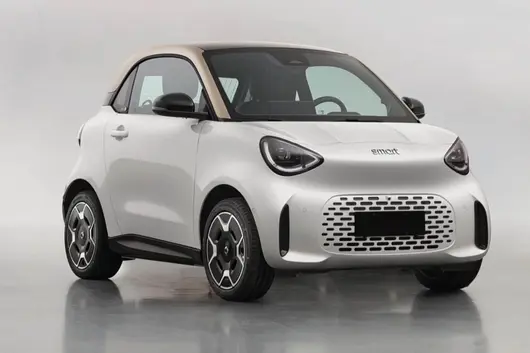
smart这个品牌的开山之作就是两门两座的精品小车-fortwo。自1998年亮相,这台车几乎都是塑料件包覆,颜色鲜艳,车身小巧,极具个性。时隔二十多年,经历了三代车型之后,fortwo燃油版车型在smart品牌转型后彻底消失了,如今,2这个代号又被smart精灵复活了。这个像小河豚一样的精品小车,会在10月的巴黎车展迎来全球首发,在第四季度内与中国消费者正式见面。

虽然它长得就不便宜,官方宣传的很多话术也在提醒着各位—这台车没想象中那么便宜。但是我们先来分析一下它有哪些亮点。两门两座,后置单电机,车长2米7左右。基于ECA纯电架构打造,最大功率60kW,用了一块35.8kWh磷酸铁锂电池,CLTC纯电续航410公里。

这个数字放在A00级市场里是什么水平呢?作为参考,五菱宏光MINI EV高功率版电机功率30kW,续航300km;长安糯玉米高配版电机功率35kW,续航301km。smart精灵#2的60kW和410km,在A00级里属于明显的“高配”规格。当然这么做,成本肯定会上涨。

用smart品牌全球公司CEO佟湘北的话说,“造小车,绝对比造大车难。”
我不知道这个官方消息到底是烟雾弹还是事实,他们说这台车从2019年项目启动到2026年即将首发,smart精灵#2的开发耗时七年,期间经历了碳酸锂价格暴涨和欧洲关税上调两次重大冲击。佟湘北把这段过程形容为“爬一个很陡的坡”——爬到一半上不去,滑下来,攒攒劲再上去,来回冲了三次才冲上来。虽然这台车已经登上了工信部申报,但有一个事实摆在面前,那就是真的有人会为了精致和个性,多花钱去消费一个代步车吗?还是说,精灵#2做了很多翻天覆地的革新。它是值这个钱,还是必须得卖贵点才能不亏呢?
我们可以先从动力与架构来看:后驱、高压、快充,三项都是A00级没有的
60kW后置单电机,后桥五连杆,35.8kWh磷酸铁锂电池支持快充,CLTC续航410km。这些数据,是ECA架构的三个关键特征。
后驱布局。 A00/A0级小车受限于成本和空间,绝大多数采用前驱布局,这也能带来更好的后备箱空间。而后驱意味着电机后置,前轮只负责转向,后轮负责驱动,前后配重更容易做到均衡。对于一台轴距不长的小车来说,后驱能带来一定的操控灵活性和一定的驾驶乐趣。佟湘北提到“最好操控”是开发目标之一,后驱布局是这句话的技术底座。

支持高压和快充。 ECA架构明确支持高压平台,这意味着smart精灵#2将具备直流快充能力。对于一台城市通勤为主的小车来说,快充的意义不在于跑长途,而在于补能效率——逛街、吃饭的间隙插上充电枪,出来时电量已经够用一周。高压平台同时意味着电驱系统的效率更高,对续航也有正向贡献。
CLTC续航410km,在同级里是第一梯队。35.8kWh的电池包容量放在A00级里真不算小,配合高压平台和电驱效率优化,这个数字意味着短距离通勤一周充一次电是可行的,偶尔跑个近郊,只要规划好补能点,也不是很冒险的事情。
花七年造一台两座小车,是考虑的太多?还是不想妥协?
smart fortwo从1998年诞生起,就定义了小巧、好开、好停,为都市出行而生。“一直以来,smart fortwo定义了smart品牌。”佟湘北说,两门版smart的战略意义从品牌诞生至今就从来没有变过。
但问题不在于“造与不造”,而在于“什么时候技术成熟到能把那个接近完美的产品做出来”。其实从新车的亮相节奏上就能看出,精灵#2不只是专供中国市场,这是个全球车。所以要做到比别人更好,或者说起码要对得起价格,smart精灵#2的答案是:需要先开发一个专属平台。

ECA架构的研发总耗资数十亿元。除了刚才提到的快充和后驱,这个平台也允许通过优化布局提升空间利用率与舒适度。佟湘北的解释很直接:靠拿现有技术方案,无法做到各个维度的均衡。要想商业上持续赚钱,就要么牺牲安全,要么牺牲续航,要么牺牲动态,要么牺牲豪华。“要想所有方面都做到水准之上,还要在商业上可持续,唯一办法就是从头做起。”

第一次冲击来自疫情期间。碳酸锂价格从每吨4万元涨到8万元,后来甚至冲到60万元。电池成本上涨了不少,smart精灵#2之前设计的商业可行性在财务角度完全崩塌,前期投入变成了沉没成本。第二次是三年前,欧洲给中国进口车加征关税,税率从10%猛涨到28.8%。就在此之前,smart内部刚完成第二版成本方案,在财务角度已经接近成型。新增18.8%的额外关税成本,让整个项目的成本结构又白做了一遍——毕竟smart品牌最主要的市场还是欧洲。
两次冲击,两次推倒重来。佟湘北说:“即便过去碰了几次壁,也交过大笔学费,但我们依旧不计成本地坚持追求最高安全、最高续航、最好操控、最强豪华的同时,实现商业上的可持续性。”
既然主要市场不是中国,那到底是谁需要一台只能坐两个人的车?smart该怎么定义这台车?
在中国市场,两座车的生存空间一直很窄。五菱宏光MINIEV卖的是“三五万块钱的代步工具”,欧拉好猫卖的是“十万块的女性精致小车”,但它们至少能坐四个人,上下车也比两门四座更方便。精灵#2只能坐两个人,这意味着它的目标用户的想法从一开始就不是“需要一台车”,而是“已经有一台车,想再买一台更个性更精品的车”

smart品牌全球公司CMO康毅给出的用户画像是“四有青年”——有预算、有态度、有品位、有爱好。翻译过来就是:这些人买车不是为了解决出行刚需,而是为了取悦自己,顺便让车像一个时尚单品一样,提升品位。所以精灵#2长续航的价值不在于参数本身,而在于他们给了一台“大玩具”足够的日常可用性。

问题在于,这个人群的规模到底有多大。精灵#1的核心用户群体之一,是“家庭增购第二辆车的家庭女性”——她们的购车逻辑是“颜值、个性与实用性兼顾”。但精灵#2只能坐两个人,实用性是打了折扣的。如果这台精灵#2不够便宜,那为什么要选一台只能坐两个人的车?这就是精灵#2面临的核心矛盾:它想卖给“有态度的人”,但“有态度的人”掏钱的时候,真的会不管不顾吗?
smart这个品牌,现在还有人认吗
这个问题比精灵#2本身更值得聊。先看数据。2023年,smart在中国市场零售销量达到42292辆,那是它的高光时刻。2024年跌到33280辆,同比下降21.3%。2025年进一步下滑到30799辆。2026年前5个月,国内零售销量仅8516辆,同比下降超过24%。5月单月销量2122辆,其中精灵#1占1266辆,接近六成。2026年8月,精灵#1零售1637辆,精灵#3仅937辆,8月上市的精灵#6单月零售仅有一百多台。
一个曾经被定义为“精品小车标杆”的品牌,现在的月销量已经跌到了两千辆出头。
但这里有一个容易被忽略的反差。2026年上半年,smart全球交付量同比增长了8%,业务版图扩展到41个市场,销售网点突破700家。芬兰增长446%,中国香港增长276%,瑞典和德国分别增长144%和140%。全球在涨,中国在跌。这个反差说明一件事:smart的产品在欧洲和部分海外市场是有竞争力的,但在中国市场,它的品牌认知出现了裂痕。

原因不复杂。smart自1994年诞生以来,以双座微型车的形态在全球累计销售超过150万辆,和宝马MINI并列为精品小车市场的两大标杆。但品牌焕新之后,smart推出了精灵#1、#3、#5、#6,尺寸越做越大。精灵#6车长超4.9米,轴距超2.9米,是一台标准的中型轿车。消费者面对一台近5米长的smart,第一反应往往是困惑:这还是一台smart吗?我要花20万买一台新能源中型轿车?所以,这些品味、精致度、设计甚至是品牌形象,真的不能靠价格和尺寸支撑。
所以精灵#2对smart意味着什么
精灵#2的推出,某种程度上是smart在品牌认知断裂之后的一次“回归”。它回到了smart最原始的产品形态:两座、小巧、后驱、精品。CEO佟湘北说“别人都在做越来越大的车,他们把豪华和尺寸挂钩,但我们不走寻常路”。

但回归本身不等于被认可。精灵#2要卖多少钱,是决定它命运的关键变量。目前业内对它的定价预期分歧很大:有预测7万到11万的,有预测10万左右的,也有分析认为考虑到奔驰血统和专属平台成本,定价可能落在15万以内。如果定价在10万出头,它要面对的是比亚迪海豚、欧拉好猫这些能坐四个人的精品小车;如果定价超过15万,它要面对的是一大堆紧凑级纯电轿车和SUV。两座车的“情绪价值”能不能撑住这个价格,是一个没有先例可参考的问题。
smart在海外市场正在增长,说明“精品小车”这个定位在特定市场是成立的。但在中国市场,消费者对“精品”的定义已经变了——十来万的比亚迪海豚有刀片电池和热泵空调,吉利星愿有Flyme Auto和宁德时代电池。“奔驰设计”和“欧洲精品”这两个标签,在2026年的中国消费者面前,真不如性价比来的实在。

2026 年 8 月,澳洲新車市場交付 108,760 輛,同比增長 4.9%。平穩數字背後是動力類型的歷史性更迭:純電動車交付 27,078 輛,同比暴增 169.4%,以 24.9% 的份額首次超越汽油、柴油和混動,成為澳洲第一大動力類型;插電混動同樣增長 171.1% 至 10,591 輛。特斯拉 Model Y 登頂全車型銷量榜,比亞迪以 8,231 輛(+68.8%)穩居品牌第二,新能源品牌成為本月最大贏家。

皮卡因承擔載重、拖曳、越野等重負荷任務,對續航和動力的要求遠高於普通乘用車,因此其新能源化明顯滯後於整體市場——但 8 月數據表明,它已無法獨善其身。

豐田 Hilux 以 4,833 輛蟬聯皮卡冠軍,但同比僅微增 0.2%,基本原地踏步。福特 Ranger 遭遇斷崖式下滑,僅交付 2,440 輛,同比暴跌 50.6%——主因是側氣簾安全隱患導致臨時交付暫停,單月損失約 2,500 輛,屬供給端衝擊而非需求崩塌。

五十鈴 D-Max 交付 1,708 輛(-26.2%),三菱 Triton1,161 輛(-23.8%),馬自達 BT-50 為 804 輛(-29.4%),三款日系柴油皮卡均雙位數下滑。大衆 Amarok306 輛(-27.7%),日產 Navara277 輛(-53.2%),起亞 Tasman 最為慘淡,僅 312 輛,同比暴跌 61.1%。

中國製造皮卡持續擴大存在感。比亞迪 Shark 6 以 1,385 輛領跑中國品牌皮卡,長城 Cannon 以 827 輛緊隨其後,加上大通 LDV 皮卡(T60 + Terron 9 合計 423 輛)、福田 Tunland V7(124 輛)、MG U9(115 輛)、江淮 T9(77 輛)等,中國皮卡合計約 2,951 輛,占澳洲皮卡市場約 18.5%。與之對應,泰國製造車輛 8 月交付 15,658 輛,同比下降 24.7%,幾乎完全由皮卡品類萎縮驅動——泰國正是日系皮卡主產基地。

在一片跌聲中,比亞迪 Shark 6 同比增長 9.8%,年初至今累計 12,094 輛,成為少數正增長的主流皮卡。其插電混動定位兼顧電動化體驗與皮卡實用需求,配合比亞迪品牌強勢和更具競爭力的定價,在傳統柴油皮卡之外開闢了新增量。值得注意是,新能源本身並非增長保證,品牌勢能、定價和供給節奏才是關鍵。

全尺寸皮卡市場分化明顯。福特 F-150 交付 152 輛(低基數暴增),雪佛蘭 Silverado 1500 交付 148 輛(-6.9%),RAM1500 下降 32.6% 至 149 輛。10 萬澳元以上高端皮卡整體增長 18.1% 至 764 輛,與主流市場疲軟形成反差。

寫在最後:8 月數據清晰表明,即便在新能源化 畢竟 滯後的皮卡品類,傳統 燃 油動力也已感受到明顯寒意。Ranger 的交付暫停放大了跌勢。比亞迪 Shark 6 的逆勢增長驗證了插電混動在皮卡市場的可行性,長城 Cannon、大通 LDV 等中國品牌則憑藉穩定的銷量體量和前瞻的新能源布局,成為澳洲皮卡市場不可忽視的力量。隨著 Ranger 9 月恢復交付、更多混動及純電皮卡入局,澳洲皮卡格局 又將如何變化,讓我們拭目以待。


Editor's Note: Incorporating Radar Automotive is seen as another important measure to advance the "One Geely" strategy and continuously optimize resource allocation.
Recently, Geely Automobile announced on the HKEX that it plans to invest approximately 218 million yuan in cash to acquire 100% equity of three core entities of Radar Automotive. Upon completion of the transaction, Radar Automotive will be consolidated into the listed company's financial statements as a wholly-owned subsidiary, marking the formal transition of this new energy pickup brand from a group incubation project to a core business segment of the listed entity.

This move is a key step for Geely Holdings to implement the "Taizhou Declaration". Released two years ago, the declaration established five key directions including strategic focus, integration, and synergy, aiming to reverse resource redundancy and low efficiency caused by independent operations of multiple brands in the past, and promote the group's transition towards centralized synergy.
Guided by this strategy, Geely has successively completed adjustments such as Geometry merging into Galaxy, and Zeekr integrating Lynk & Co. This incorporation of Radar Automotive is seen as another important measure to advance the "One Geely" strategy and continuously optimize resource allocation.
Radar Automotive, Profitability Still in Climbing Phase
Radar Automotive was incubated by Geely Holdings four years ago, and the first model RD6 quickly gained traction after its launch. In 2025, the brand became the only new energy brand to rank in the top five in total pickup sales with 13,040 units sold, with its pure electric segment market share reaching as high as 98%.

However, Radar Automotive has not yet achieved overall profitability. Recent financial data shows divergence in profit and loss among the three core entities: The Shandong company operating the entire industry chain narrowed its loss to 8.646 million yuan, the domestic sales company earned a profit of 12.325 million yuan, while Radar Thailand responsible for overseas expansion expanded its loss to 10.697 million yuan, and the overall business is still in the investment phase.
Equally challenging are market capacity constraints and intensifying competition.
In the first quarter of 2026, domestic new energy pickup sales were only 18,000 units, with penetration below 10%, and growth rate far lower than the overall pickup market. Currently, the main growth in pickups is overseas, with exports accounting for more than half.
At the same time, the track is becoming increasingly crowded. In the domestic market, Great Wall Motor continues to firmly hold the leading position in the domestic pickup market, with global sales exceeding 181,600 units in 2025. BYD Shark Pickup has long prioritized deep cultivation of overseas markets, with an average monthly export volume stable at around 3,000 units. Relying on its hybrid rugged product power, it quickly opened up the Southeast Asian and Australian markets. Recently, the Shark brand was also confirmed to enter the domestic pickup market to compete.
More participants are constantly joining. Changan is accelerating the layout of passenger-oriented new energy pickups, and Chery is also perfecting the pure electric and plug-in hybrid full-category pickup product matrix relying on the Ruilin brand.
Against this backdrop, the advantages Radar Pickup established in the new energy pickup field are being constantly eroded, and whether it can maintain leadership in competition afterward remains unknown.
Another Move in Geely's Grand Integration
The Geely Group is continuously deepening the strategic implementation of the "Taizhou Declaration". In the past year, the group's integration moves were frequent: Geely Galaxy merged with the Geometry brand, Zeekr and Lynk & Co completed equity transfer and formed Zeekr Technology Group, which was subsequently merged into Geely Automobile. Through these adjustments, the group's brand count was streamlined from 6 to 4, and subsidiary holding companies were reduced from 3 to 1, completing a deep internal cleanup.
This acquisition of Radar Automotive will further expand Geely's business landscape. A Geely representative stated that bringing Radar under the China Star umbrella aims to perfect product coverage in luxury, mid-to-high-end, and mass markets, complete the pickup category, and form a complete matrix of sedans, SUVs, MPVs, and pickups to meet diverse user needs; from a strategic value perspective, this acquisition marks the upgrade of new energy pickups from a group-level incubation project to a core strategic category of the listed company.

From the value perspective, the transaction price is 218 million yuan, basically flat with the assessed fair value of the target company, with no premium risk. Geely has acquired a top domestic new energy pickup brand at a low cost, which not only fills the product matrix gap but also provides growth space for pickup overseas expansion, reflecting efficient resource allocation.
For Radar Automotive, although it had previously laid out the Thai market, independent expansion overseas faces high cost and low efficiency issues. Relying on Geely's mature global distribution network, Radar Automotive can quickly penetrate more markets, convert technical momentum into sales volume growth, and accelerate the realization of scale profitability.
In addition, injecting Radar Automotive into the listed company system marks that the holding group no longer manages homogeneous brands dispersively, but instead hands over mature business to core segments for unified operation. This move connects product planning, supply chain, and channel resources, achieves reuse of overseas networks, and is conducive to Radar brand expansion and cost control in domestic and international markets.
In response, industry insiders believe that Geely adopts a "platform incubation + mature recycling" model, relying on group resources to share the early risks of start-up brands, and implementing asset integration after the brand stabilizes its position in the niche market. This strategy balances risk control and asset operating efficiency.
This inclusion of Radar Automotive into the listed system is yet another key execution of this strategic logic.