首頁虾仁

搜尋歷史
熱門搜尋
經銷商登入 / 註冊

In the Malaysian SUV market, many buyers often compare the Proton X90 and Mitsubishi Xforce when choosing a car. These two cars are quite close in price and positioning. Today we will make a detailed comparison from multiple aspects to help you save time doing research.
The Proton X90 has an OTR price in Malaysia of RM 106,800 - 122,800, with a total of 4 versions, including 2026 1.5T Prime X (RM 122,800), 2026 1.5T Prime (RM 116,800), 2026 1.5T Lite (RM 106,800), etc.
The Mitsubishi Xforce has an OTR price in Malaysia of RM 109,930 - 119,930, with a total of 2 versions, including 2026 1.5L Ultimate (RM 119,930), 2026 1.5L Urban (RM 109,930), etc.
In terms of price, the Proton X90's starting price is indeed RM 3,130 cheaper than the Mitsubishi Xforce. If your budget is limited, Proton's entry-level version is already sufficient for daily needs. However, keep in mind that those few thousand savings might involve compromises on features, depending on your specific requirements.

The Proton X90 safety rating is 5★ (ASEAN NCAP), active safety systems include ADAS (ACC, AEB, LKA, LDA, BSM, RCTA).
The Mitsubishi Xforce safety rating is 5★ (ASEAN NCAP), active safety systems include MI-PILOT.
Both cars share the same safety rating, and safety features are quite comprehensive within this class. New car safety nowadays is generally good, so there is no need to worry too much about this.

The Proton X90 uses FWD drive.
The Mitsubishi Xforce uses FWD drive.
Both cars share the same drive configuration, both are FWD, so there won't be much difference in daily driving experience.

The Proton X90 warranty is 5 years/150,000km, maintenance interval every 10,000km or 6 months.
The Mitsubishi Xforce warranty is 3 years/100,000km, maintenance interval every 10,000km or 6 months.

Both the Proton X90 and Mitsubishi Xforce are mainstream choices in the Malaysian market, suitable for family use and daily commuting. If you value brand reputation and resale value more, you might prioritize the one with a better reputation; if you care more about value for money and features, then choose the one with richer equipment. Ultimately, we recommend test driving both, as personal experience is the most important.
In summary, the Proton X90 and Mitsubishi Xforce are both very good models in the Malaysian market. Which one to choose ultimately depends on your personal needs and budget. We suggest doing your research, comparing quotes from several dealerships, and then test driving to make the final decision. Buying a car is a major matter, spending some time doing your homework will definitely not go wrong.


售價 20 萬林吉特(約 7515 萬韓元)以內、最大功率 241 馬力以下進口電動車禁止銷售,政策意在引導車企本地建廠生產!

馬來西亞官方開始收緊以比亞迪為首的中國電動車企業進口管控。
馬來西亞 2025 年新車銷量達 820752 輛,創下歷史新高。此前東南亞汽車銷量榜首一直是印度尼西亞;新型冠狀病毒疫情前,印尼年新車銷量常年穩定突破 100 萬輛。

但受國內經濟環境影響,印尼 2025 年汽車銷量從 2024 年的 85.6 萬輛下滑 7.2%,降至 80.3 萬輛。反觀馬來西亞銷量同比小幅上漲 0.5%,登頂東南亞汽車市場銷量第一。
馬來西亞官方出台兩項進口電動車準入門檻:第一,車輛最大功率必須達到 241 馬力以上;第二,售價需超過 20 萬林吉特。簡單來說,非高端豪華電動車一律禁止進口銷售。
主打親民小型電動車搶占市場的比亞迪、主力車型為中型車的極氪(Zeekr)等品牌將直接受到衝擊。
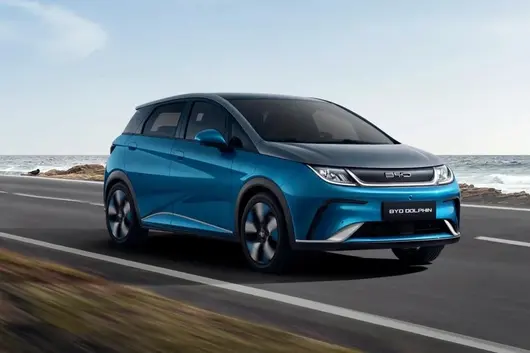
比亞迪目前在馬來西亞布局 7 款車型,從入門款海豚、元 PLUS(Atto 3)到高端車型海獅 7(Sealion 7),全系起售價均低於 20 萬林吉特。極氪主力車型極氪 7X 起售價同樣不足 20 萬林吉特,無法滿足進口銷售標準。

極氪 7X
馬來西亞限制中國電動車進口,一方面是為了保護本土車企,另一方面是倒逼中國電動車企業赴當地投資建廠。馬來西亞交通部統計,中國電動車已佔據該國電動車市場約 60% 份額。
馬來西亞同時出台本地生產電動車限制條款,雙重防護本土市場:本地生產電動車最低定價 10 萬林吉特,且本地內銷份額不得超過 20%,至少 80% 產量必須用於出口,否則不允許投產。此外政策強制要求,焊接、塗裝、總裝三大核心工序必須在馬來西亞境內完成,以此遏制中國電動車大量湧入本土市場。
繼歐洲市場之後,東南亞經濟大國馬來西亞也對中國車企豎起貿易壁壘,中國電動車企業不得不調整海外銷售策略。據悉馬來西亞的限制政策已初見成效,小鵬、名爵、五菱等部分中國車企已計劃與當地企業合作,落地馬來西亞整車生產項目。

易车原创 2026年8月10日,海口。宁德时代在宁家服务2026年周年品牌日上,讲了一个故事:
一辆新能源汽车起火。宁德时代团队赶到现场拆开电池包,发现底部有一个碗口大的窟窿。窟窿里,赫然填着一坨水泥。“磕了这么大一个洞,人家补了一坨水泥,刮了一层腻子,喷了一层漆,成本20块钱,收了1000块钱。”
这样一块水泥,照出了数千万新能源车主最深层的焦虑。

一、新能源车正集体“脱保”
截至2026年6月底,全国新能源汽车保有量达4897万辆。2026年上半年新注册登记新能源汽车519.5万辆,占汽车新注册登记量的49.42%。
数字背后,是一个正在逼近的危机。有数据显示,2026年首批脱保规模约350万辆,近三年内新能源车出保数可能突破1000万辆。动力电池“老龄化”问题集中显现,三电维保服务体系严重缺位。
更令人担忧的是行业现状:全国燃油车维保企业约40万家,真正具备三电核心维修能力的门店占比仅2%至3%;专业技师缺口达82万人;保险公司真正保外推修到正规渠道的比例不到30%,70%以上流向了小作坊。
“只换不修”成了行业潜规则。一块电池出问题,4S店的常规操作是换整包——动辄数万元。车主陷入两难:换,贵得离谱;不换,车没法开。正是在这样的背景下,作为电池供应商巨头的宁德时代,两年前发布了独立后市场品牌——宁家服务。
二、宁家服务:千万辆新能源车身后的“电池医院”
目前,宁家服务已覆盖全球84个国家,建成1376家专业服务站。2026年8月10日品牌日当天,海口、杭州、淄博、沈阳、广州、遂宁、宁波、香港以及土耳其伊斯坦布尔、挪威奥斯陆十大直营体验中心同步开业。按照百城签约计划,2026年下半年直营体验中心将逐步落地全球100座城市。
网络在铺,但真正让车主安心的,是这套服务体系的技术含金量。
最核心的突破,是“以修代换”。宁家服务通过R1至R4分级技术授权体系和CTP深度维修技术,将可维修车型覆盖率提升至76.8%。R1是简单维修,R2涉及拆包,R3需拆解电池模块,R4要拆解到电芯——难度和投入逐级递增。这意味着,绝大多数电池故障不必整体更换,维修即可解决,费用大幅降低。

为了让维修过程透明可追溯,宁家服务独家研发了鹰眼系统,覆盖超150个深度维修作业监控点,完整记录电池进出厂数据。凭借这一系统,宁家服务成为新能源后市场目前唯一实现维修全链路可追溯的品牌。同时,品牌严格兑现“一般故障24小时修复、疑难故障72小时修复”的时效承诺。
此外,宁德时代已在多个城市试点年检站,依托自身最懂电池的专业优势,提供线上40多项、线下20多项检测服务。检测费用不高,如同每年体检一样,旨在帮助车主及早发现电池隐患。
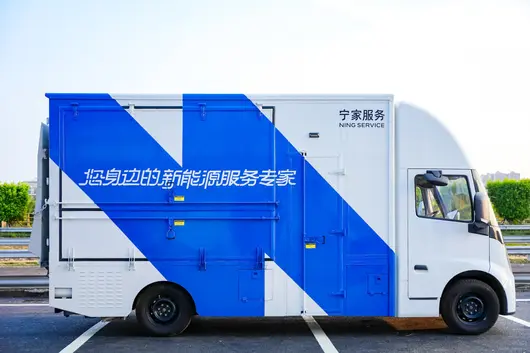
2026年品牌日上,宁家服务还发布了一款“杀手锏”——全球首款电动商乘通用动力电池维修检测车。该车综合续航达800公里,集成超30项检测与超50项现场维修能力,覆盖除深度维修外90%的故障场景。用户一键报修即可现场修复,疑难故障维修时间从72小时缩短至48小时。从“用户找服务”到“服务找用户”,这个转变解决了车主最头疼的拖车、排队、等配件问题。

与此同时,宁家服务启动10亿元用户补贴计划。车主仅需百元即可购价值千元的检测保养权益(基础版),千元可购价值万元的权益(PLUS版),获赠官方维修和延保服务,100%原厂备件和原厂质保。
从固定网点到移动服务车,从原厂配件到全链路追溯——这套组合拳,正在为脱保焦虑中的新能源车主构建一张专业、可靠的安全网。
三、不是抢生意,是做“三甲医院”
宁家服务铺得这么快、这么广,行业里自然有声音:宁德时代是不是要抢4S店和维修厂的生意?
宁德时代质量体系&后市场业务部总裁 李伟的回答很干脆:“更多是协同的关系,不是宁德时代下场搞后市场抢别人的生意。”他打了个比方:“京东养车好比是医美,我们是三甲医院。”

宁家服务的合作伙伴中,有接近一半都是全国TOP 100的汽车经销商。4S店遇到新能源车电池问题,反而会主动找到宁家服务——因为电池深度维修的专业门槛和投入太大,4S店自身难以支撑。
宁家服务聚焦的是电池这个“内核”,而非整车维修的“外壳”。双方业务范围交集度并不高,更多是专业分工与能力互补。李伟还透露了一个更开放的设想:未来甚至可以把业务模块合作,“比如新能源电池检测,我们搞一个工位叫宁家服务专业检测,如果有问题引入到宁家服务做深度的维修”。
在标准制定层面,宁家服务同样扮演着“规则输出者”的角色。目前,品牌已主导及参与制定超过70项行业标准。2026年6月23日,商务部等9部门联合印发《关于培育壮大汽车后市场消费若干措施的通知》,明确提出引导动力电池生产企业开放维修技术授权,鼓励“以修代换”——这与宁家服务两年来的布局不谋而合。政策的东风,吹向了已经张开的帆。
写在最后
卖电池只是开始,把电池管好才是未来的生意。
4897万辆新能源汽车正在路上跑,1000万辆即将脱保——这个行业需要的不是更多玩家,而是更专业的规则。宁德时代正在做的事,就是为这个万亿市场建立一套可量化、可追溯、可复制的“正规军”标准。
新能源的后市场,不该是一坨水泥的荒诞剧。它需要专业,需要标准,更需要担当,对于这样的重任,宁德时代最有资格扛起。宁家服务正在证明:万亿市场的“正规军”,可以来自电池厂,也可以成为行业的灯塔。

In the Malaysia SUV market, many buyers compare the Proton X90 and Toyota Fortuner when choosing a car. These two cars are quite close in price and positioning. Today, we will do a detailed comparison from multiple aspects to help you save time doing research.
The Proton X90 OTR price in Malaysia is RM 106,800 - 122,800, with 4 versions in total, including 2026 1.5T Prime X (RM 122,800), 2026 1.5T Prime (RM 116,800), 2026 1.5T Lite (RM 106,800) etc.
The Toyota Fortuner OTR price in Malaysia is RM 195,880 - 241,880, with 3 versions in total, including 2024 2.8T VRZ Diesel (RM 241,880), 2024 2.7L SRZ Petrol (RM 202,880), 2024 2.4L Standard Diesel (RM 195,880) etc.
In terms of price, the starting price of the Proton X90 is indeed RM 89,080 cheaper than the Toyota Fortuner. If your budget is limited, the Proton entry-level version is already sufficient for daily needs. However, also note that the few thousand dollars difference might involve compromises on features, depending on your specific needs.
The Proton X90 comes with a 1.5L Turbo engine, 140 hp. Official fuel consumption 7.0 L/100km.
The Toyota Fortuner comes with a 2.5L Diesel engine, 187 hp. Official fuel consumption 8.5 L/100km.
In terms of power, the Toyota Fortuner's 2.5L Diesel has 47 hp more than the Proton X90's 1.5L Turbo. However, for daily city driving, both cars have enough power, you won't feel lack of power.
The Proton X90 safety rating is 5★ (ASEAN NCAP), active safety systems include ADAS (ACC, AEB, LKA, LDA, BSM, RCTA).
The Toyota Fortuner safety rating is 5★ (ASEAN NCAP), active safety systems include .
Both cars have the same safety rating, safety features are quite complete in this class. New cars nowadays have good safety, no need to worry too much about this.
Proton X90 warranty 5 years/150,000km, maintenance interval every 10,000km or 6 months.
Toyota Fortuner warranty 5 years/unlimited mileage, maintenance interval every 10,000km or 6 months.

Proton X90 and Toyota Fortuner are both mainstream choices in the Malaysia market, suitable for family use and daily commuting. If you value brand reputation and resale value more, consider the one with better reputation; if you care more about price-performance ratio and features, choose the one with richer configuration. Ultimately, it is recommended to test drive both, personal experience is the most important.

Overall, Proton X90 and Toyota Fortuner are both very good models in the Malaysia market. Which one to choose depends on your personal needs and budget. We suggest doing your homework, comparing quotes from several dealerships, and then test driving to make a final decision. Buying a car is a big matter, spending time doing your research will never be wrong.

Early August, car makers typically "show off their results". BYD July sales 419,211 units, among them overseas sales 179,841 units, year-on-year increase of 124.3%, accounting for 43% of total sales; Chery Group sales 276,820 units, exports 202,533 units, year-on-year increase of 70.1%, becoming the first Chinese car company to exceed 200,000 monthly exports; Geely Automobile July sales 250,161 units, overseas exports 106,663 units, year-on-year increase of 202%.
Looking at these three sets of data and three representative car companies together, it is not difficult to find that going global has accounted for more than 40% of sales of top car companies.
From the performance of various car companies in the past, the features of going global reflected by this data are not accidental. BYD Chairman Wang Chuanfu has expressed on multiple occasions that BYD's goal is to become a "global new energy enterprise". The 43% proportion in overseas sales in July simply made this goal start to change from a slogan to reality. Chery Holdings Chairman Yin Tongyue also said: "Chery does not want to make easy money at home, but if Chinese cars only run within their own backyard, they will never produce world-class enterprises."

As for the reasons, there are several points worth paying attention to that might explain this. July new energy penetration rate created a historical high of 64.5%, but the retail scale of 1.52 million units itself was at a low level in the off-season. Fuel cars still have about 540,000 monthly sales, accounting for 35.5%. In addition, pure electric continues to strengthen internally within new energy, while plug-in hybrid/extended-range growth has slowed down. The incremental space in the domestic market is narrowing.
Considering the broader context, the attention given by top players to going global can be considered forward-looking preparation. And by this time, going global for more Chinese car companies has no longer been a "choice".
Behind the volume, the change of main battlefield is the general trend
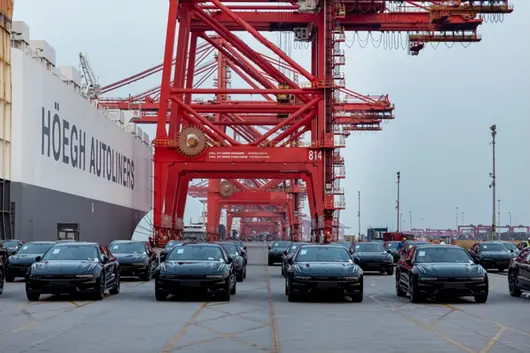
The data of top car companies has raised the volume of going global, which also means that overseas has undoubtedly become the "main battlefield". BYD July overseas sales 179,841 units, accounting for 43% of total sales. January to July overseas cumulative 969,000 units, one step away from 1 million units. 8 RoRo ships fully deployed, annual capacity 1 million units, Thailand, Brazil, Hungary factories started production one after another, Spain's second European factory is under investigation. BYD's going global plan is huge, with the meaning of "going all in".
Chery Group July exports 202,533 units, accounting for 73% of total sales. Refreshing single-month export records for five consecutive months, January to July cumulative exports 1.146 million units, year-on-year increase of 71.2%. According to General Administration of Customs data, Chery is also a "big user" of going global. In 2025, the total export volume of Chinese automobiles is about 8.32 million units, Chery alone contributed 1.344 million units, accounting for more than 16%.

July data this year is even more pointed. Chery Automobile Co., Ltd. (9973.HK) July sales 261,876 units, year-on-year increase of 24.1%, entered the Fortune Global 500 List with the identity of a listed company for the first time, ranking 383rd, Return on Equity (ROE) 36.5%, ranking 30th among globally listed companies, and ranked first among Chinese enterprises. This shows that going global has become a key link for Chery to stand globally.
Geely's setup is also huge. Geely Automobile July exports 106,663 units, year-on-year increase of 202%, exceeding 100,000 units for two consecutive months, overseas proportion 42%. New energy exports 62,604 units, year-on-year surge of 616%, accounting for 59% of total exports. Zeekr brand July deliveries 35,837 units, year-on-year increase of 111%, winning the luxury pure electric sales champion in markets such as Australia, Malaysia, Mexico, etc.

The three top car companies combined went global by about 490,000 units, while the entire domestic narrow passenger car market July retail was also only 1.52 million units. This shows that going global for top car companies is no longer a "supplement", but the "top priority". Li Auto July deliveries 30,468 units, slight decrease of 0.9% year-on-year, but L9 still started local production in Kazakhstan. This is the first step it took overseas, showing that even new forces feel the pressure of "go global or perish".
Of course, trend is one thing, and reality issues cannot be ignored either. Does the "half of the sky" in volume equal the "main battlefield" in quality? This is a question worth further thinking. For example, Chery export proportion is 73%, but domestic monthly sales is only 74,000 units, overseas is three times domestic data. There is a risk here. If policies change suddenly in overseas markets, the impact will be huge.
Going global is really making money, or changing places to "compete"?
Volume is explicit, looking at sales proportion can tell. Profit is implicit, no matter which battlefield, this is an unavoidable issue. From the pricing space perspective, overseas markets indeed have more advantages than domestic. The price war in domestic car market has been fought for several years. July terminal average discount narrowed month-on-month, but overall is still in price competition. BYD Dynasty and Ocean series domestic main sales 100,000-200,000 yuan interval, price pressure is huge, but sold for good money abroad.
Chery's first complete financial report after listing also shows that Chery's average selling price per car overseas is 15,000 yuan more expensive than domestic. In Middle East, Jetour Traveler high-spec version sells to 450,000 yuan, twice as expensive as domestic. BYD's Fang Cheng Bao, Denza and other high-end brands are also accelerating going global, overseas single car average price far higher than domestic.

Geely's situation is also similar. Zeekr brand average price exceeds 300,000 yuan, positioning as luxury brand in Australia, Malaysia and other markets, premium pricing power far higher than domestic. Behind the new energy exports surging 616% year-on-year, it is high value-added products supporting, not low price walking volume. This shows that actually high-quality models overseas still have profit space.
However, hidden costs are also fierce. European Union imposing anti-subsidy duties on Chinese electric vehicles, United States market basically closed to Chinese car companies, tariff barrier costs should be calculated. So far, overseas is indeed worth fighting, but laying out overseas now might become more difficult, costs will also be higher.

After all, going global input is not a small number. BYD self-built 8 RoRo ships, built factories on three continents, input is billions level. Chery South Africa Roslin plant launched, Spain cooperation re-activated EBRO brand; Geely reached Ford Spain Valencia factory joint venture agreement and other operations behind, also money paving the way.
Currently mainstream car companies tried three going global modes, benefits and risk performance are completely different. For example, early Chery was pure product export model, profit margin medium, front investment low, but risk high, tariff and policy fluctuations could disrupt rhythm at any time. BYD walked product + capacity localization model, long term view profit margin higher, but front investment extremely high, testing global supply chain management and cross-cultural operation capabilities. Geely used technical cooperation + capacity sharing model, path lightest, but control ability will also correspondingly weaken.

New forces now have their own understanding. NIO July deliveries 35,934 units, year-on-year increase of 71%, battery swap station network in Europe continued to layout. Leapmotor July deliveries 101,267 units, year-on-year increase of 102%, first time breaking 100,000 units threshold, first half year overseas exports nearly 100,000 units, already exceeded last year full year. XPeng July deliveries 38,027 units, year-on-year increase only 4%, but in Germany completed XPeng Turing AI Smart Driving localization acceptance testing. Overall, new forces walk mostly differentiated route.
Can only say, going global has "profit" to earn, but absolutely not a smooth path. Overseas also need to "compete", but worth it depends on profit.
"Main battlefield" conversion behind, or domestic market incremental "not enough to share"
Going global why being pushed to "main battlefield" position, domestic market incremental space narrowing is fundamental factor. July new energy retail about 980,000 units, among them pure electric proportion about 60%, pure electric internal to new energy continues to strengthen, plug-in hybrid/extended-range growth slowed down. This means, "oil and electric" market share is being squeezed by pure electric quickly, pure electric acceptance is continuously improving.
New forces differentiation also proves this. Leapmotor July deliveries break 100,000 units, becoming domestic first single month deliveries exceed 100,000 units new force brand. Its success relies on covering 60,000-300,000 yuan full price product matrix, and overseas market simultaneous explosion. Li Auto July deliveries 30,468 units, slight decrease of 0.9% year-on-year, decrease of 1.4% month-on-month, only double decrease brand among top new forces. There indeed exists i6 due to supply chain issues reduced production about 4,000 units special situation, showing brand dependence on single model is still risk. NIO July deliveries 35,934 units, decrease of 11.5% month-on-month, even three brands collaboration exerting force, but still did not achieve effective complement between brands.

Another aspect, fuel car toughness is still there. July fuel car retail about 540,000 units, market share 35.5%. Sylphy, Lavida still firmly stable in sedan top three, Japanese SUV year-on-year decline over 10%, but not "cliff-like drop". Fuel car stock user replacement cycle still there, short term will not disappear. All this points to one core contradiction: domestic market "cake" is getting bigger, but cake stealing car companies do not yield to each other, competition is continuously intensifying.
BYD domestic monthly sales 239,000 units, already approaching single car company domestic share limit. Leapmotor at 100,000 unit level volume continue to climb, will face capacity bottleneck and supply chain pressure. XPeng July deliveries 38,027 units, new model MONA L03 orders hot but capacity ramp-up is its next biggest test. Xiaomi Auto July deliveries over 30,000 units, fourth consecutive month stuck at this threshold, Peng Cheng series September only listed deliveries, real volume pushing to fourth quarter.

Domestic auto market incremental space narrowing, stock competition new stage arriving, current Chinese auto market, "domestic demand pressure, foreign trade strength" structure or will be future relatively long term trend. Simply put, domestic market this piece of cake, already not enough to share. Not going global, wait to die; going global, maybe still have live road.
Conclusion
From July sales overseas data view, going global now is already car company "main battlefield". Domestic market growth slowing, fuel car won't die fast, stock competition intensifying, going global is inevitable choice. But overseas pricing space larger is fact, but tariffs, building factories, logistics costs not low, different mode profit structure difference huge. Who can win this "main battlefield" battle, now hard to say. Regardless of next battle situation how, Chinese car companies must be clear is, going global is not picking up money, more does not represent domestic market can relax vigilance, how to balance internal and external relations, choose suitable going global mode, is the key.

In Malaysia's SUV market, many buyers compare Perodua Aruz and GWM Haval H6 when choosing a car. These two cars are quite close in price and positioning. Today we will make a detailed comparison from multiple aspects to help you save time on research.
Perodua Aruz's OTR price in Malaysia is RM 72,900 - 77,900, with a total of 2 versions, including 1.5L X (RM 72,900), 1.5L AV (RM 77,900), etc.
GWM Haval H6's OTR price in Malaysia is RM 139,750 - 139,750, with a total of 2 versions, including 1.5L Turbo Standard (RM 140,000), 1.5L Turbo Premium (RM 155,000), etc.
From a price perspective, Perodua Aruz's starting price is indeed RM 66,850 cheaper than GWM Haval H6. If your budget is limited, Perodua's entry-level version can already meet daily needs. However, be aware, the few thousand RM difference might involve trade-offs in equipment, depending on your specific needs.

Perodua Aruz is equipped with 1.5L 4-cyl, 105 hp. Official fuel consumption is 6.0 L/100km.
GWM Haval H6 is equipped with Hybrid, 170 hp. Official fuel consumption is 4.5 L/100km.
In terms of power, GWM Haval H6's Hybrid has 65 hp more than Perodua Aruz's 1.5L 4-cyl. However, for daily city driving, both cars have sufficient power, you won't feel underpowered.

Perodua Aruz's safety rating is 5★ (ASEAN NCAP), active safety systems include.
GWM Haval H6's safety rating is TBD, active safety systems include Basic.

Perodua Aruz body length 4400 mm, trunk 400 L.
GWM Haval H6 body length 4400 mm, trunk 400 L.
The dimensions of both cars are almost the same, interior space difference is not significant. Cars at this level are more than enough for daily use.
Perodua Aruz adopts FWD drive mode.
GWM Haval H6 adopts FWD drive mode.
Both cars have the same drive mode, both are FWD, daily driving experience will not differ much.
Overall, Perodua Aruz and GWM Haval H6 are both very good models in the Malaysian market. Which one to choose depends mainly on your personal needs and budget. It is recommended to do your research well, compare quotes from several car dealers, and then go for a test drive to make a final decision. Buying a car is a major event, spending some time doing research will definitely not be a mistake.

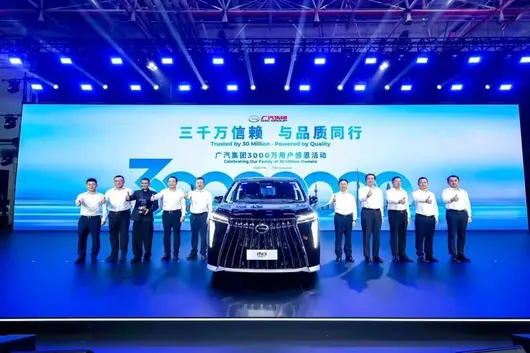
7 月 16 日,隨著一輛右舵版廣汽傳祺 M8 PHEV 緩緩駛下生產線,廣汽集團正式達成第 3000 萬輛整車下線的里程碑。從首輛整車下線到突破 3000 萬大關,廣汽走過了 29 年發展歷程。這個數字不只是一家車企的規模成績單,更濃縮了中國汽車工業從合資起步、自主成長到新能源全球化突圍的進階脈絡。

在行業深度重塑、競爭持續升級的當下,廣汽的 3000 萬時刻,兼具製造業初心的堅守與面向未來的轉型布局,為中國車企高質量發展提供了可參考的實踐路徑。

3000 萬體量的底層支撐,是對品質與安全的長期堅守。作為國內最早開展合資合作的车企之一,廣汽在發展初期便系統吸收本田全面質量管理、豐田精益生產的成熟經驗,並結合自身實踐融合創新,形成了獨具特色的質量管理體系。

這種品質基因貫穿研發到製造全鏈條:每款新車上市前,都要經過高寒、高溫、高原等“五高一山一塵”極端環境測試,完成“兩冬一夏”實地路試,覆蓋整車上千項驗證子項;生產端以廣汽埃安智能生態工廠為代表,通過數字化智慧製造保障量產品質穩定,成為全球首個新能源汽車燈塔工廠。

安全技術與服務保障同步加碼,構成了品質的第二道防線。星靈安全守護體系的八大關鍵系統雙冗餘設計,累計裝車 150 萬輛、安全行駛超 1600 億公里的彈匣電池,再到行業率先推出的自主品牌“三擔責”政策,從技術底層到服務兜底形成完整閉環。

在中國車市從增量轉向存量的階段,用戶選擇的核心標尺正回歸產品本質,廣汽 29 年積累 3000 萬用戶信任,本質上是守住了“品質不讓渡”的製造業底線,這也是中國汽車產業從做大到做強的核心根基。

此次里程碑儀式的另一重信號,是廣汽電動化、智能化轉型全面提速。現場亮相的第 29999995 至 29999999 輛整車,全部為新能源車型,覆蓋廣汽本田、廣汽豐田、廣汽傳祺、廣汽埃安、廣汽昊鉑、啟境汽車六大品牌;而作為第 3000 萬輛的右舵版傳祺 M8 PHEV,最終交付到泰國車主手中,將新能源轉型與全球化出海兩大趨勢串聯在一起。

數據印證了轉型的實際成效:今年上半年,廣汽集團整體銷量 77.31 萬輛,同比增長 2.35%;其中新能源汽車銷量同比大增 68.8%,海外出口突破 12 萬輛,同比增長 132%。在燃油車市場整體承壓的行業背景下,新能源與出口正在成為拉動增長的雙引擎。這種增長建立在長期研發投入之上:截至目前廣汽累計研發投入超 620 億元,全球研發團隊超 6800 人。

從星源動力三大技術路線,到效率突破 99% 的夸克電驅,再到全固態電池中試產線建成、星靈架構持續進化,技術儲備正逐步轉化為產品競爭力。不同於部分車企單押自主新能源的路徑,廣汽推動合資與自主雙線轉型,形成了協同互補的新能源矩陣。在合資車企普遍面臨轉型陣痛的當下,這種模式既保留了合資體系的品質與製造優勢,又借助自主板塊的技術活力帶動整體升級,為合資品牌新能源化探索了可行方向。

3000 萬用戶的沉澱,更印證了“以用戶為中心”的產業共識。當前車市競爭早已從產品端延伸至全生命週期體驗,用戶運營能力成為品牌護城河的重要組成。廣汽的實踐落腳於機制與服務兩端:機制層面,常態化舉辦“用戶全開麥”面對面交流,建立訴求全流程閉環管理,同時成立專屬用戶洞察部門,從組織架構上保障用戶聲音直達決策層;

服務網絡層面,推進渠道下沉縣域,年內計劃新增 1000 家縣域授權門店,上線“超級管家”實現快速響應,用效率提升用戶體驗。針對新能源用戶的補能痛點,廣汽搭建"9 縱 10 橫”補能網絡,自營充電樁超 2.7 萬根,核心城區實現“直線 1 公里必有站”,用基礎設施完善消解用戶焦慮。

從“賣產品”到“經營用戶”是行業普遍轉型方向,而廣汽的實踐說明,用戶運營不是營銷話術,而是需要從組織、渠道到生態的全鏈條落地。3000 萬用戶既是過往口碑的積累,也是未來用戶生態的起點——只有真正把用戶訴求放在核心位置,規模效應才能轉化為持續的品牌價值。

站在 3000 萬輛的節點回望,廣汽的發展軌跡正是中國汽車工業升級的縮影:從通過合資學習先進製造經驗,到自主掌握核心技術實現換道超車,再到帶著新能源產品參與全球競爭。
29 年間,中國車企完成了從追趕到並跑、再到部分領域領跑的跨越,3000 萬的數字背後,是整個產業從規模擴張向價值躍升的時代大勢。3000 萬不是終點,而是新一輪競爭的起點。

當前汽車行業正進入智能化深水區,全球市場博弈日趨激烈,技術迭代與品牌向上的壓力持續存在。但可以確定的是,守住品質根基、堅持技術創新、緊扣用戶需求,始终是車企穿越週期的核心邏輯。

對於中國汽車行業而言,廣汽的 3000 萬時刻不僅是一份成績,更印證了樸素的產業規律:以用戶為錨、以品質為底、以創新為翼,方能在行業變革中行穩致遠,在全球市場贏得更多話語權。


喺馬來西亞嘅 SUV 市場,好多買家喺揀車嗰陣都會拿 Perodua Ativa 同 Chery Tiggo Cross 嚟做比較。呢兩款車喺價錢同定位上都幾接近,今日我哋就從多個方面做一次詳細比較,幫你把做功課嘅時間省返。
Perodua Ativa 喺馬來西亞嘅 OTR 售價係 RM 62,500 - 73,400,一共有 3 個版本,包括 1.0L Turbo X(RM 62,500)、1.0L Turbo H(RM 67,300)、1.0L Turbo AV(RM 73,400)等等。
Chery Tiggo Cross 喺馬來西亞嘅 OTR 售價係 RM 88,750 - 99,750,一共有 2 個版本,包括 2025 HEV 1.5L CSH(RM 99,750)、2025 1.5T Standard(RM 88,750)等等。
由價錢睇,Perodua Ativa 嘅起步價確實比 Chery Tiggo Cross 平咗 RM 26,250。如果你預算有限,Perodua 嘅入門版已經可以滿足日常需要。但都要注意,平嘅嗰幾千蚊,可能喺配備上會有取舍,具體要看你嘅需求。

Perodua Ativa 搭載 1.5L 4-cyl,馬力 105 hp。官方油耗 6.0 L/100km。
Chery Tiggo Cross 搭載 1.5L 4-cyl,馬力 105 hp。官方油耗 6.0 L/100km。
兩款車用嘅係同一套動力系統,日常開落嚟嘅感受基本無分別。油耗方面都差唔多,唔使太糾結這一點。

Perodua Ativa 保修 5 年/150,000km,保養間隔 每 10,000km 或 6 個月。
Chery Tiggo Cross 保修 3 年/100,000km,保養間隔 每 10,000km 或 6 個月。
Perodua Ativa 同 Chery Tiggo Cross 都係馬來西亞市場嘅主流選擇,適合家庭使用、日常通勤。如果你更加重視品牌口碑同二手價,可以优先考虑口碑更好嗰一款;如果你更加在意性價比同配備,就揀配置更豐富嗰款。最終始終建議兩款都去試駕,親身體驗先係最重要。

總括嚟講,Perodua Ativa 同 Chery Tiggo Cross 都係馬來西亞市場幾唔錯嘅車型。揀邊一輛,關鍵始終係要看你嘅個人需求同預算。建議大家做足功課,多比較幾間車行嘅報價,再去試駕做最終決定。買車係件大事,花少少時間做功課絕對唔會錯。


喺馬來西亞嘅轎車市場,好多買家喺揀車嗰陣都會拎 Honda Civic Type R 同 Volkswagen Golf GTI 嚟比下。呢兩部車喺價位同定位上都幾接近,今日我哋就從多個方面做個詳細嘅比較,幫你慳返做功課嘅時間。
Honda Civic Type R 喺馬來西亞嘅 OTR 售價係 RM 399,900 - 399,900,一共有 3 個版本,包括 2023 2.0T Standard(RM 399,900)、OTR NI(RM 399,900)、Volvo ES90(RM 339,888) 等。
Volkswagen Golf GTI 喺馬來西亞嘅 OTR 售價係 RM 256,962 - 256,962,一共有 3 個版本,包括 2025 2.0T Sepang Edition(RM 262,990)、2025 2.0T Standard(RM 256,962)、DCT(RM 219,800) 等。
由價錢睇,Volkswagen Golf GTI 嘅起跳價比 Honda Civic Type R 平咗 RM 142,938。講句實話,喺呢個價位段,幾千蚊嘅分別其實唔算大,關鍵仲睇整體嘅性價比同長期使用成本。

Honda Civic Type R 搭載 2.0L Turbo,馬力 220 hp。官方油耗 9.5 L/100km。
Volkswagen Golf GTI 搭載 2.0L Turbo,馬力 220 hp。官方油耗 9.5 L/100km。
兩部車用咗同一套動力系統,日常開落嘅感覺基本無咩分別。油耗方面都差唔多,唔使太糾結呢一點。

Honda Civic Type R 車身長 4450 mm,尾箱 470 L。
Volkswagen Golf GTI 車身長 4400 mm,尾箱 400 L。
空間方面,Honda Civic Type R 嘅車身比 Volkswagen Golf GTI 長咗 50 mm,車內乘坐空間會稍微闊少少,尤其係後座腿部空間。如果你經常載家人或者需要放嬰兒車,大一點嘅車身確實更實用。

Honda Civic Type R 同 Volkswagen Golf GTI 都係馬來西亞市場嘅主流選擇,適合家庭使用、日常通勤。如果你更睇重品牌口碑同二手價,可以優先考慮口碑好嗰一款;如果你更在意性價比同配備,那就揀配備更豐富嗰款。最終都建議兩款都去試車,親身體驗先係最重要。

總體嚟講,Honda Civic Type R 同 Volkswagen Golf GTI 都係馬來西亞市場幾唔錯嘅車型。揀邊一部,關鍵仲係睇你嘅個人需求同預算。建議大家做足功課,多比下幾間車行嘅報價,先至試車做最終決定。買車係件大事,花少少時間做功課絕對唔會錯。


比亞迪正式發布 2026 年 5 月產銷快報,全品牌新能源汽車單月銷量 383453 輛,同比微增 0.26%,時隔十個月實現單月銷量同比轉正;其中乘用車交付 376990 輛,環比大漲 19.4%,一掃前期車型換代陣痛,呈現國內基本盤穩固、海外銷量狂飆、高端品牌全線放量的全新格局,在國內新能源內捲加劇、特斯拉 FSD 入華、自主新品密集上市的市場環境中,走出獨有的結構性增長路線。

王朝 + 海洋兩大主力品牌 5 月合計售出 330215 輛,佔據集團總銷量超八成,仍是比亞迪銷量壓艙石,全系列共 8 款車型單月銷量突破 2 萬台,產品從 5 萬入門代步到 20 萬家用 SUV 實現全覆蓋。

王朝網內部,元家族 56691 輛、宋家族 51370 輛。雙雙跨過五萬門檻,成為品牌兩大銷量支柱,兼顧家用代步與城鄉出行需求;秦家族緊隨其後交出 28360 台穩定表現,漢、唐系列月銷維持六千級體量,深耕中大型家用轎車、SUV 細分市場;全新車型夏處於市場培育期,單月交付 1810 台,後續隨渠道鋪開有望穩步上量。
海洋網增長勢頭更為迅猛,全系五款車型跨入兩萬俱樂部:海獅 42615 台、海豹 34117 台、海鷗 39919 台、海豚 22260 台、宋 PLUS 27755 台。其中海鷗憑藉 6-8 萬親民定價穩居入門代步銷冠,海獅作為全新走量車型上市即站穩四萬量級,補齊海洋網中型 SUV 產品空白,完善海洋產品梯隊佈局。從代步小車到緊湊 SUV,兩大主品牌依托 DM-i 混動與純電雙線技術,牢牢鎖住 15 萬以內國內主流家用市場份額。
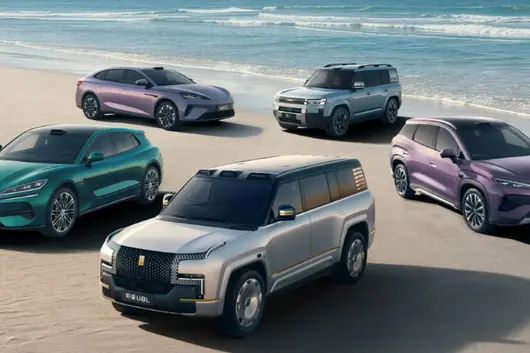
方程豹同比暴漲 139.7% 品牌向上落地見效騰勢、方程豹、仰望組成的高端矩陣 5 月合計銷售 46489 輛,正式擺脫小眾定位,成為比亞迪品牌溢價與利潤增長新支點,打破自主品牌高端化難破局的行業魔咒。

越野品牌方程豹單月 30186 輛,同比暴漲 139.7%,創下品牌上市以來月度銷量新高,旗下鎦 7 單月 18280 台,豹 5、豹 8 穩定輸出,在 25-40 萬硬派越野細分市場持續擠壓合資、進口車型生存空間。

騰勢 5 月交付 16303 台,MPV 標桿 D9 售出 6721 台,Z9 系列近 6000 台,MPV、中大型轎車雙線發力,站穩豪華新能源賽道;百萬元級超豪華品牌仰望穩步爬坡,當月交付 286 台,同比增幅 105.8%,完成自主品牌天花板產品的市場驗證,形成從十幾萬家用、三四十萬越野、五十萬豪華 MPV 到百萬元級旗艦的全價格帶產品佈局。

5 月比亞迪乘用車和皮卡海外銷量 160177 輛,同比大漲 80.7%,出口佔全系總銷量突破 42%,創下品牌出海歷史新高,成為穩住 5 月整體銷量、實現同比轉正的核心驅動力。
東南亞、歐洲、拉美成為主力增量市場,海鷗、宋 PLUS、元系列持續登頂多國新能源熱銷榜單,SHARK 皮卡連續兩月單月出口突破 4000 台;依托泰國、巴西、匈牙利、烏茲別克斯坦四大海外整車工廠落地投產,本地化生產持續落地,規避關稅同時快速下沉終端渠道。在國內車市存量競爭、價格戰常態化背景下,高速擴容的海外市場有效對沖國內車型換代帶來的銷量波動,正式從補充市場升級為比亞迪核心增長引擎。截至當前,比亞迪新能源汽車全球累計銷量已經突破 1650 萬輛,全球化版圖持續拓寬。
智駕賦能產品迭代 下半年新品蓄力衝量5 月比亞迪智能化落地迎來關鍵節點,天神之眼智駕系統成為車型核心加分項:全品牌搭載高級智駕車型保有量突破 315 萬輛,日均路測數據超 2 億公里;當月比亞迪落地城市領航、智能泊車雙安全兜底服務,成為全球首家實現兩項智駕兜底的車企,政策落地三天後,搭載天神之眼系統車型的城市 NOA 激活率暴漲 50%,智能化體驗升級直接拉動終端到店訂單轉化,為後續車型持續走量築牢產品競爭力,直面 FSD 入華帶來的智駕市場衝擊。
從數據細節來看,2026 年 1-5 月比亞迪累計銷量 1405039 輛,同比下滑 20.32%,核心誘因是全系主力車型集中換代、第二代閃充刀片電池產能爬坡受限。新款閃充電池升級快充與低溫性能,全系換代車型優先換裝新電池,但產線改造拖累產能釋放,熱門車型訂單積壓、交付延後,一定程度壓縮 5 月交付體量。
隨著二季度末二代刀片電池產能持續釋放,疊加騰勢 N8L、方程豹鎦 7 純電版、海獅 05、夏 L 等多款新車陸續登陸市場,業內普遍預判比亞迪 6 月全品牌銷量有望突破 40 萬輛。依托低端走量鎖份額、高端提利潤、海外衝增量、智能化提產品力的四維發展邏輯,在國內新能源淘汰賽加劇的當下,比亞迪全品類佈局優勢持續放大,坐穩國內新能源龍頭,加速向著全球頭部車企穩步邁進。

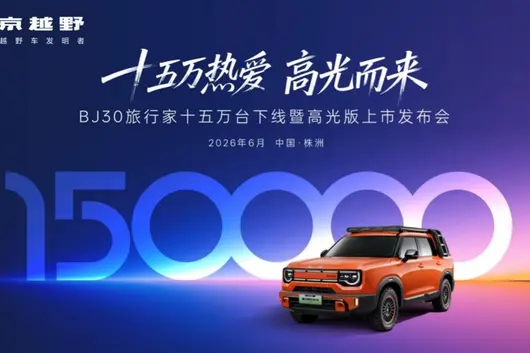
On June 12, the "150,000 Units of Passion, Here to Shine" BJ30 Traveler 150,000 Units Milestone & Highlight Edition Launch Conference was held at the BAIC Zhuzhou Super Factory. To further advance off-road equity and allow more families to enjoy light off-road life, the entire BJ30 Traveler series introduces a 30,000 yuan trade-in policy, with a super trade-in price starting from 69,900 yuan. The annual all-new version BJ30 Traveler Highlight Edition has launched, positioned as a light off-road SUV, with comprehensive leaps in appearance, performance, and experience, with a super trade-in price starting from 82,900 yuan. Under CCTV cameras, Beijing Off-road also livestreamed the teardown of a BJ30 Traveler with 150,000 kilometers driven, allowing the entire internet to witness the vehicle's reliable quality.


Recognized by 150,000 Global Users, Forging the BJ30 Traveler Highlight Moment
As the fastest model in China's light off-road SUV sector to reach 150,000 units, the BJ30 Traveler relies on Beijing Off-road's over 60 years of professional accumulation. With hardcore strength in super off-road, super large, and super economical aspects, it allows the world to see China.
"Super Off-road" is the confidence to set out. Beijing Off-road has created the industry-leading "Three-Motor Four-Wheel-Drive Six-Mode HEV Hybrid Architecture", and was the first to apply it to the BJ30 Traveler, becoming the first HEV hybrid vehicle in the Chinese Box-style SUV category. The Three-Motor Powertrain consists of a hybrid-specific engine with 41% thermal efficiency, a front drive motor, and a rear drive motor, specializing in long-distance energy saving, real-time recharging, and instantaneous power burst respectively; Intelligent Four-Wheel Drive responds in 30 milliseconds, reaching peak torque in 0.5 seconds. Six Modes can automatically select the optimal working mode, ensuring power is always in the best state. Coupled with energy central lock, four-wheel electronic slip control, and Intelligent Electric ATS All-Terrain Control System, it easily handles scenarios like mud and sand.

"Super Large" is the calmness of travel. The BJ30 Traveler features a three-row seven-seater layout, boasting a 2820mm ultra-long wheelbase, a 66% ultra-high usable space ratio, and a 1496-liter super large trunk. Folding the rear row flat instantly turns into a 1.92-meter large bed. The B-segment box-style super-wide third-row space allows 1.8-meter adults to sit comfortably. With 38 storage spaces throughout the vehicle, personal items always have a dedicated spot. Family travel is free, no one has to settle.
"Super Economical" is long-term companionship. The BJ30 Traveler achieves saving money, saving time, and saving worry. Recently, automotive bloggers from five countries—South Africa, Indonesia, UAE, Poland, and Mexico—tested the fuel consumption of domestic SUVs. The BJ30 Traveler achieved fuel consumption not exceeding 5 liters per 100 kilometers in every country, with a range of over 1000 kilometers per tank of fuel. No need to find charging piles, just refuel and go, saving dozens of hours of recharging time annually. Meanwhile, the first owner enjoys a lifetime warranty for the entire vehicle, with no high-voltage battery pack safety hazards. Maintenance is simple and parts are abundant, ensuring every departure is worry-free.

The BJ30 Traveler is both a box-style SUV that takes you to the wild, and a city commute SUV that allows you to enjoy life comfortably. Light off-road SUVs are all the same, but the BJ30 Traveler stands out from the crowd!
BJ30 Traveler Highlight Edition Launched, Welcoming Three Major Highlight Moments: Appearance, Performance, and Experience
At the milestone of 150,000 units produced, Beijing Off-road launched the all-new version—the BJ30 Traveler Highlight Edition. Based on "Super Off-road, Super Large, Super Economical", it achieves comprehensive leaps in appearance, performance, and experience.

Highlight Appearance, Customized for Different Life Stages. The BJ30 Traveler Highlight Edition adopts a classic box-style design, perfectly blending a tough atmosphere with delicate lines. The exclusive five-star ring integrated light strip is eye-catching and cool; the full set of trendy styling kit, exclusive star-ring wheels, front and rear color-matched sport bumpers, fully display passion and ease; new orange interior and metal texture trim panels outline layers and quality, highlighting a warm foundation. Users of different ages can find passion and meet their highlight moments in this vehicle.

Highlight Performance, Gaining Both Power and Fuel Economy. The BJ30 Traveler Highlight Edition is equipped with a high-performance, long-life dedicated AGM battery, with a cycle life 3 times that of ordinary batteries; it features Porsche-same turbocharging technology, achieving 99% whole-vehicle charging efficiency; the rear motor power increased from 55 kW to 70 kW. On-ramp merging, intersection starting, emergency evasion, all receive timely response, giving you the confidence to stick to your rights on the road.
Highlight Experience, Creating a Mobile Comfortable Living Room. Compared to ordinary SUVs, the BJ30 Traveler has a higher body, wider field of view, and features like seat heating, ventilation, and steering wheel heating, providing intimate comfort. The system can detect raindrops and automatically close windows. The 64-color ambient light moves with the music rhythm, giving you a space to enjoy soothing emotions exclusively.
The BJ30 Traveler Highlight Edition allows you to enjoy both off-road life and city commuting. With the composure of one car, it holds both sides of life, turning every ordinary day into a highlight moment.

First Online Teardown of 150,000 KM BJ30 Traveler, CCTV Certifies Real Quality
To give back to the 150,000 owners' companionship and passion, Beijing Off-road launched the "30,000 Super Trade-in Policy", available to both trade-in users and new purchase users. Beyond the 30,000 yuan super trade-in policy, Beijing Off-road also brings five premium benefits.


True strength fears no strict scrutiny. At the press conference, Beijing Off-road joined hands with CCTV Finance to livestream the teardown of a BJ30 Traveler with 150,000 kilometers driven, showing durability quality with real vehicle conditions. Meanwhile, cameras deeply visited the BAIC Zhuzhou Super Factory, witnessing how Chinese Smart Manufacturing guards the excellent quality control of every vehicle from the source.
150,000 kilometers is equivalent to nearly ten years of use for an ordinary family. After tearing down the BJ30 Traveler: the engine turbo is clean with little carbon buildup, power output remains abundant, the transmission casing is intact without oil leaks, internal gears show no wear or pits, the power system status is excellent; the battery pack shows no bulging, leakage, or internal degradation, no worry about battery aging faults with long-term use; the subframe and suspension arms have no rust or oil seepage/leakage, the overall chassis flatness and neatness differ very little from a new car, passive safety protection remains online. This livestream proved with lenses that the BJ30 Traveler uses solid materials, reliable craftsmanship, and outstanding durability, bringing users lower maintenance costs, longer car replacement cycles, and peace of mind for every trip.

150,000 Units of Passion, Here to Shine. As a family of off-road expertise, Beijing Off-road makes precise layouts with a diversified product matrix, dedicated to letting users with different needs find the most suitable travel partner. The BJ30 Traveler Highlight Edition, with ultimate product power and sincere pricing, ensures every passion is not let down and every departure shines; the BJ40 Extended Range Long-Endurance version accompanies users to explore broader worlds with hardcore strength of "City and Off-road Ultimate Safety". In the future, Beijing Off-road will continue to walk shoulder-to-shoulder with car owners, journey to the next mountains, rivers, and seas, and share every highlight moment.


港交所網站掛出一咗一份熟悉嘅招股書。
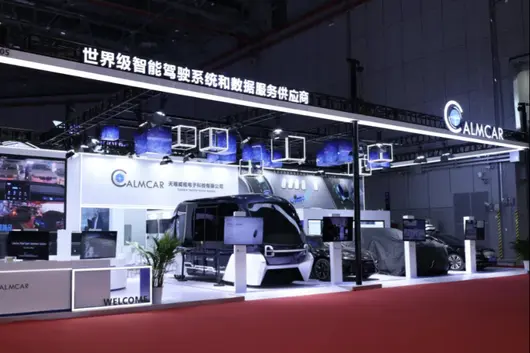
5 月 28 日,繼去年 10 月首次遞表失效後,智能駕駛解決方案提供商蘇州天瞳威視電子科技股份有限公司(天瞳威視)再次向港股主板發起重衝,由匯豐及華泰國際聯席保薦。

喺智能駕駛賽道從「講故事」轉向「拼量產」嘅 2026 年,天瞳威視嘅二次遞表唔單止係一次資本試探,更係一場關於中國智駕供應商生存現狀嘅集中檢閱。
呢間被認為係「算力效率派」代表嘅公司,一邊連住從采埃孚到上汽、北汽嘅豪華產業資本陣營,一邊卻面臨住現金流緊繃、海外明顯回落嘅現實困境。喺呢場 IPO 嘅博弈中,光鮮同陣痛並存。
01
邊個係「天瞳威視」?
天瞳威視嘅創辦人王曦係一位典型嘅「回國」技術派。佢畢業於北京航空航天大學,後喺英國雷丁大學攻讀計算機科學博士學位。
喺決定創業之前,王曦曾經喺汽車零部件供應商天合汽車(TRW)及采埃孚擔任算法工程師同技術負責人,深度參與咗早期 ADAS 系統嘅開發。
2016 年,王曦捕捉到國內汽車智能化嘅風口,回國喺蘇州創立咗天瞳威視,定位係「以軟件算法驅動智能駕駛」嘅本土解決方案提供商。
公司嘅名字「天瞳」寓意「天之眼」,意在打造車輛感知萬物嘅視覺中樞。佢從最初嘅視覺感知算法起步,逐步擴展至行泊一體域控制器、L4 級自動駕駛系統等軟硬件結合嘅整體方案。

天瞳威視融資情況。資料來源:企查查
成立後不久,天瞳威視就獲得德聯資本、盛世投資嘅天使輪融資。此後十年時間,天瞳威視累計完成咗超過 10 輪融資,融資總額近 10 億元。
從招股書披露嘅股權結構嚟睇,天瞳威視構建咗深度綁定嘅「產業 + 資本」生態圈。
一方面,產業夥伴站台,全球汽車零部件巨頭采埃孚唔單止係其 C 輪領投方,亦係其戰略合作夥伴,持有天瞳威視 6.93% 嘅股份,位列第四大股東;國內方面,上汽集團通過上汽北美產投持股,北汽集團通過北汽產投佈局其中,地平線同商湯科技亦係戰略投資者。
另一方面,地方國資護航,唐山機器人基金、吳中金控等國資背景基金喺 D 輪及 D+ 輪入場,提供咗約 5.23 億元嘅資金支持。

截至最後實際可行日期股權架構
截至目前,王曦透過直接持股同員工持股平台合共控制公司約 40.84% 嘅權益,依然保持住對公司嘅控制權。
02
「兩條腿」行路
天瞳威視喺業務佈局上採取咗「雙軌並行」嘅策略。

喺 L2-L2+ 級輔助駕駛領域,天瞳威視嘅選擇非常務實。佢並冇盲目追逐算力堆疊嘅「軍備競賽」,而係走咗一條高性價比路線。
作為典型嘅視覺派智駕供應商,佢喺 L2 量產方案上以視覺感知為主,融合毫米波雷達同超聲波雷達,能夠喺較低算力平台上實現高級功能。例如,基於地平線 J6B 芯片(約 20TOPS)嘅方案即可支持行泊一體、高速 NOA。
呢種打法擊中咗 10 萬 -20 萬級主流車款對成本敏感嘅痛點。根據灼識諮詢嘅數據,按 2024 年裝機量計,天瞳威視係中國第二大同時提供行車同泊車解決方案嘅以軟件為核心嘅 L2-L2+ 級方案提供商,市場份額為 14.3%。

2024 年中國具備行泊一體能力嘅以軟件為核心供應商格局
截至最後實際可行日期,天瞳威視獲得 23 個汽車品牌嘅 198 款車款嘅 L2-L2+ 級解決方案定點函,並實現 6 個汽車品牌嘅 105 款車款嘅量產;獲得定點函嘅 198 款車款中有 87 款覆蓋海外市場,其中 59 款已實現量產。
但值得注意嘅係,L2-L2+ 市場正在經歷劇烈嘅「紅海化」。
一方面,經緯恆潤、福瑞泰克等本土 Tier1 正在加速追趕;另一方面,部分頭部車廠開始將低階智駕方案從外購轉為內部集成。
天瞳威視能否維持佢喺「性價比方案」領域嘅領先地位,取決於佢能否持續保持算法對低算力平台嘅優化能力,而這需要喺研發投入上持續加碼。

喺高級 L4 級自動駕駛領域,天瞳威視更多扮演「先鋒」角色。這亦係佢近兩年增長最快嘅板塊。
早在 2019 年,佢就參與咗上海洋山港嘅 5G 智能重卡項目。目前佢嘅 L4 方案覆蓋 Robobus、Robotaxi 同 Robotruck。其中,Robobus 係佢最具代表性嘅產品線,已喺蘇州、天津等城市嘅公開道路投入常態化試營運。
2025 年,天瞳威視從 L4 級解決方案產生收入 3.75 億元,佔公司總收入嘅 68% 以上,大部分收入來自 L4 級軟件解決方案。
然而,硬幣嘅另一面係商業化嘅曲折。雖然 L4 業務營收暴增,但佢嘅交付形態目前以「軟硬件一體解決方案」為主,呢種模式本質上接近「項目制交付」或「小規模車隊部署」,與 L2 業務中「純軟件授權 + 白盒交付」嘅高毛利、大規模複製邏輯存在顯著差異。
呢就直接導致 L4 業務毛利率嘅大幅波動:喺部分自研硬件佔比较高嘅項目中,毛利率一度低至 15%。

截至遞表日,公司雖手握超 10 億元嘅 L4 意向訂單,涵蓋 2500 架車,但呢啲訂單預計要喺未來三至五年內先會陸續交付,短期內對現金流嘅改善作用有限。
此外,天瞳威視仲有部分應收來自工程服務,主要涉及道路測試、數據收集支援及數據標註服務以及公司嘅專有工具鏈。
03
財務嘅雙面鏡
招股書嘅財務部分,展現咗智駕行業最真實嘅「B 面」:規模同虧損嘅極限拉扯,同埋賬面現金同營運消耗之間嘅緊張博弈。

營收高增長,但結構劇烈波動。
財務數據顯示,公司嘅營收呈現爆發式增長,從 2022 年嘅 1.72 億元增長至 2024 年嘅 4.83 億元,複合年增長率高達 67.7%。2025 年全年營收進一步增長至 5.5 億元。
但收入結構嘅變化明顯。2023 年,公司依賴 L2-L2+ 業務,佔比 90.2%;去到 2024 年,L4 業務佔比升至 50.2%;2025 年,L4 業務佔比進一步拉高至 68%。呢種「斷崖式」嘅結構切換,雖然證明佢 L4 技術搵到咗落地場景,但亦令市場質疑佢 L2 業務係咪已觸及天花板。
毛利率同純利潤嘅背離,呢係天瞳威視面臨嘅最大挑戰。
從毛利睇,整體毛利率喺 30% 左右徘徊,喺呢個技術密集型嘅智駕行業屬於中等水平。但細拆睇嚟,L2-L2+ 業務嘅毛利率通常能維持喺 40% 以上,純軟件授權模式,而 L4 業務嘅毛利率則因「軟硬件一體」交付中硬件佔比提高而被顯著拉低。
從純利潤睇,雖然表面虧損額較大,2024 年虧損 4.63 億、2025 年虧損約 2 億,呢度包含大量因優先股公平值變動帶來嘅「紙面虧損」。剔除呢個因素後嘅經調整純利潤更能反映公司嘅真實經營狀況:2024 年已收窄至 -438 萬元,但 2025 年並未如市場預期實現轉正,而係錄得約 -1086 萬元,虧損較 2024 年有所擴大。
呢個背後有一個不可回避嘅關鍵前提:調整後嘅「減虧」乃至「接近盈虧平衡」,係喺公司持續壓縮研發投入嘅基礎上實現嘅,研發費用從 2024 年嘅 1.17 億元降至 2025 年嘅 9231 萬元,研發費用率從 2024 年嘅 24.3% 進一步降至 16.8%,而 2022 年呢個數字曾高達 108.7%。對於一家科技公司嚟講,研發強度嘅「退坡」是否會影響未來嘅技術護城河,係一個潛在風險點。
現金流持續告急,最令人擔憂嘅信號。
根據最新招股書,截至 2025 年 12 月 31 日,公司賬上嘅現金及現金等价物為 2.35 億元,較 2025 年 6 月 30 日嘅 3.74 億元淨減少 1.39 億元,現金消耗速度較快。

更值得警惕嘅係經營現金流由正轉負且缺口持續擴大嘅趨勢。2023 年,公司經營活動現金流淨額為正向流入 1.15 億元,但 2024 年迅速轉為淨流出 1.89 億元,2025 年進一步惡化至淨流出 2.93 億元。
與此同時,應收賬款周轉急劇惡化。公司嘅貿易應收款項從 2023 年嘅 0.89 億元升至 2025 年嘅 5.48 億元,三年增長超過五倍,而同期營收增幅僅約 2.7 倍。
更令人擔憂嘅係應收款項周轉天數從 2023 年嘅 191 天同 2024 年嘅 166 天,到 2025 年驟升至 300 天,意味著公司從完成交付到收回款項平均需要接近一年時間。呢相當於變相為客戶提供長期無息墊資,喺資金本就緊張嘅情況下進一步加劇咗流動性壓力。

此外,雖然天瞳威視係首家出海嘅中國智駕軟件供應商,但 2025 年佢嘅海外業務遭遇咗明顯回落。2023 年天瞳威視海外收入為 1.27 億元,佔總營收比重達到 62.2%;到 2025 年海外收入降至 1100 萬元,佔比僅 2.0%。
喺而家全球地緣政治複雜、部分國家對智能汽車數據監管趨嚴嘅背景下,為佢嘅全球化故事增添咗一絲不確定性。
04
結語
天瞳威視嘅二次闖關,係智能駕駛行業進入「淘汰賽」階段嘅一個縮影。
從好嘅方面睇,佢踩準咗 L2 性價比同 L4 場景化落地嘅雙重節奏,且經調整純利潤喺特定口徑下已接近盈虧平衡,呢啲都畀投資者提供咗「有亮點可講」嘅故事線。
但從風險嘅角度睇,情況遠比首次遞表時更為嚴峻。業務重心嘅急速漂移、L4 業務商業化初期嘅盈利磨難、研發投入嘅被動收縮,呢啲此前就已存在嘅問題並未緩解。

天瞳威視 L4 級智能巴士
而真正令此次 IPO 帶「求生」色彩嘅,係現金流數據嘅實質性惡化:2.35 億元嘅賬面現金,面對每年近 3 億元嘅经营性現金淨流出,安全邊際已不足一年。疊加 300 天嘅應收賬款周轉天數,意味著公司每交付一筆訂單,都要墊付近一年嘅資金成本。
換言之,天瞳威視正處喺一個危險嘅財務窗口期:賬上嘅錢僅夠維持唔足一年嘅正常運作,而 L4 業務嘅大規模交付同回款卻需要更長時間。喺呢個智駕資本熱潮退去、一級市場融資邊際收緊嘅時刻,公司已冇太多等待嘅餘地。
首次遞表失效後僅隔半年便再次衝擊港股,對天瞳威視而言,與其話係戰略選擇,唔如話係現金倒逼下嘅必然之舉。
兄弟姐妹們,今日講一個出海嘅大新聞——唔係賣車,係賣「司機」。6 月 2 號,文遠知行同 Uber 聯合宣佈咗一件事:計劃喺西班牙馬德里推出該國首個商業化 Robotaxi 試點服務。意思就係:西班牙人好快就可以用 Uber 叫到一台冇司機嘅出租車。呢次係文遠知行同 Uber 第一次一齊進入歐洲市場。馬德里亦成為文遠知行 Robotaxi 駛入嘅全球第十二個城市。
官方消息話,喺馬德里自治區政府嘅支持下,呢項服務今年內就會正式啟動。到嗰陣,馬德里嘅朋友哋打開 Uber App,就有一鍵呼叫文遠知行嘅 Robotaxi。同叫普通網約車一樣,分別係嚟嘅車冇駕駛員——至少喺初期,仲係有分別嘅。運營初期,車入面會配備經過專業培訓嘅安全員,終究係剛上線,穩妥第一。
文遠知行呢間公司,你可能聽過,也可能冇聽過。簡單介紹下:2017 年成立,一直埋頭搞 Robotaxi 技術研發同商業化。而家佢嘅 Robotaxi 已經覆蓋咗廣州、北京、新加坡、阿布達比、迪拜、利雅得、蘇黎世……加埋而家嘅馬德里,一共 12 個城市。西班牙亦係文遠知行進入嘅第五個歐洲市場——之前已經入咗瑞士、法國、比利時、斯洛伐克。按照文遠知行同 Uber 喺 2025 年 5 月達成嘅規劃,佢哋要喺五年內新增 15 個國際城市部署 Robotaxi 服務,全球部署數萬輛 Robotaxi。隨著馬德里落地,目前已經完成咗 4 個城市嘅佈局,仲有 11 個會喺 2030 年前陸續覆蓋。
講真嘅,中國自動駕駛公司出海唔係頭一回,但中國技術 + 全球出行平台 + 歐洲市場呢個組合,定係好有意思。馬德里係歐洲最具商業潛力嘅 Robotaxi 市場之一,人口多、出行需求大,當地政策都好友善。喺呢個市場站穩腳根,對文遠知行嚟講係個唔小嘅里程碑。對 Uber 嚟講,引進 Robotaxi 都係為咗降低成本——終究司機唔使發人工。對馬德里市民嚟講,以後打車可能更平。