首頁耳机

搜尋歷史
熱門搜尋
經銷商登入 / 註冊

喺馬來西亞嘅 SUV 市場,好多買家在揀車嗰陣都會用 Proton X90 同 Mitsubishi Xforce 嚟做比較。呢兩款車喺價位同定位上都好接近,今日我哋就由多個方面做一個詳細比較,幫你節省做足功課嘅時間。
Proton X90 喺馬來西亞嘅 OTR 售價係 RM 106,800 - 122,800,總共 4 個版本,包括 2026 1.5T Prime X(RM 122,800)、2026 1.5T Prime(RM 116,800)、2026 1.5T Lite(RM 106,800) 等。
Mitsubishi Xforce 喺馬來西亞嘅 OTR 售價係 RM 109,930 - 119,930,總共 2 個版本,包括 2026 1.5L Ultimate(RM 119,930)、2026 1.5L Urban(RM 109,930) 等。
從價錢睇落去,Proton X90 嘅入門價確實比 Mitsubishi Xforce 平咗 RM 3,130。如果你預算有限,Proton 嘅入門版已經可以滿足日常需要。但都要留意,平嗰幾千蚊,可能喺配備上會有取捨,具體要睇你嘅需求。

Proton X90 配備 1.5L Turbo,馬力 140 hp。官方油耗 7.0 L/100km。
Mitsubishi Xforce 配備 1.5L Turbo,馬力 140 hp。官方油耗 7.0 L/100km。
兩款車用同一套動力系統,日常開出嚟嘅感受基本冇乜分別。油耗方面都差不多,唔使太糾結呢一點。

Proton X90 嘅安全评分係 5★ (ASEAN NCAP),主動安全系統包括 ADAS (ACC, AEB, LKA, LDA, BSM, RCTA)。
Mitsubishi Xforce 嘅安全评分係 5★ (ASEAN NCAP),主動安全系統包括 MI-PILOT。
兩款車嘅安全评分一樣,喺呢個級別入面安全配備都算好齊全。依家嘅新車安全性都唔差,唔使太擔心呢一點。

Proton X90 採用 FWD 驅動方式。
Mitsubishi Xforce 採用 FWD 驅動方式。
兩款車嘅驅動方式一樣,都係 FWD,日常駕駛感受唔會有太大分別。

Proton X90 同 Mitsubishi Xforce 都係馬來西亞市場嘅主流選擇,適合家庭使用、日常通勤。如果你更重視品牌口碑同二手價,可以優先考慮口碑更好嗰一款;如果你更在意性價比同配備,那就揀配備更豐富嗰款。最終都建議兩款都去試駕,親身體驗先至係最緊要。
總體嚟講,Proton X90 同 Mitsubishi Xforce 都係馬來西亞市場好唔錯嘅車型。揀邊一輛,關鍵仲係要睇你嘅個人需要同預算。建議大家做好功課,多比較幾間車行嘅報價,先去試駕做最終決定。買車係件大事,花少少時間做功課絕對唔會錯。


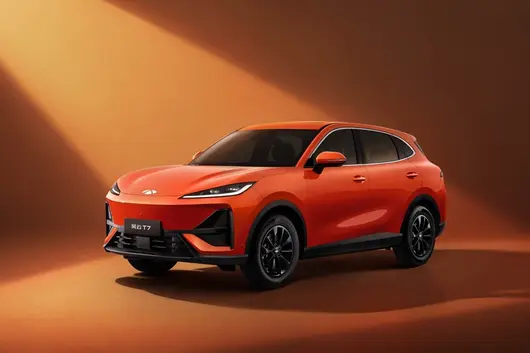
8 月 12 日,奇瑞風雲 T7 以「慢工造好車,等咗好耐」為主題正式開啟預售。新車共推出 3 款版本,預售價 10.99 萬 -12.99 萬元。呢場發布會傳達嘅不僅係一款新車嘅到來,更係一種造車理念嘅回歸——喺行業普遍追求「速成」嘅當下,風雲 T7 選擇以全球標準打磨產品。據悉,新車預計 8 月底正式上市。

全系 600km 續航平權,打破分級溢價邏輯。風雲 T7 做出咗一個反常規決策——全系 3 款版本統一搭載 65.05kWh 犀牛磷酸鐵鋰電池,CLTC 續航全部鎖定 600km,入門版唔減續航,高配唔加價換續航。實測續航可達 667km 以上,30%-80% 快充只需 20 分鐘。動力搭載 178kW 後置電機,車底採用前麥花臣 + 後多連桿獨立懸架。車身尺寸 4570×1852×1694mm,軸距 2700mm。

全球標準研發,安全同智能雙線拉滿。風雲 T7 並非國內特供車型,其同源車型 Lepas L6 已率先喺南非預售、泰國上市。新車按 2026 版 E-NCAP 五星安全標準開發,採用 80% 高強度鋼 +18.84% 熱成型鋼打造九橫五縱籠式車身,全系標配 9 安全氣囊。智能方面,同級首發 4nm 製程 8775 晶片,配 15.6 英寸 2.5K 懸浮中控螢幕;獵鷹 500 智駕搭載 22 顆傳感器,支援全場景自動泊車同高速領航輔助。

全球驗證背書,預售權益同步放出。風雲 T7 經歷 2 年策劃、3 年研發,同步投入 81 台耐久車路試,累計測試超 600 萬公里。預售期間支付 1000 元訂金可享七重權益:抵扣 2000 元購車款、專屬車色限時免費、動力電池安全兜底、智駕事故最高 500 萬保障、整車含三電終身保養等。喺 10 萬級純電 SUV 市場,呢款以「先出海、再回國」途徑打磨嘅全球車型,有望憑藉全系 600km 續航同全球品質背書形成差異化競爭力。

In Malaysia's SUV market, many buyers compare the Proton X90 and Mazda CX-60 when choosing a car. These two cars are quite close in terms of price and positioning. Today, we will make a detailed comparison from multiple aspects to save you time doing research.
Proton X90 OTR price in Malaysia is RM 106,800 - 122,800, with a total of 4 variants, including 2026 1.5T Prime X (RM 122,800), 2026 1.5T Prime (RM 116,800), 2026 1.5T Lite (RM 106,800), etc.
Mazda CX-60 OTR price in Malaysia is RM 200,510 - 252,873, with a total of 2 variants, including 2026 3.3T 4WD High Plus (RM 252,873), 2025 2.5L 2WD High (RM 200,510), etc.
From a price perspective, Proton X90's starting price is indeed RM 93,710 cheaper than Mazda CX-60. If your budget is limited, Proton's entry-level version can meet daily needs. However, be aware that the few thousand difference might involve trade-offs in features, depending on your specific needs.
Proton X90 body length 4400 mm, trunk 400 L.
Mazda CX-60 body length 4500 mm, trunk 450 L.
In terms of space, Mazda CX-60's body is 100 mm longer than Proton X90, offering better seating space. However, Proton X90 is more flexible for parking in the city, each has its trade-offs.
Proton X90 warranty 5 years/150,000 km, maintenance interval every 10,000 km or 6 months.
Mazda CX-60 warranty 5 years/150,000 km, maintenance interval every 10,000 km or 6 months.
Both cars have the same warranty conditions, no need to worry about this. Actual maintenance costs depend on the brand's service network and parts prices. Suggest asking real owners in car communities for their experience.
Proton X90 and Mazda CX-60 are both mainstream choices in the Malaysia market, suitable for family use and daily commuting. If you value brand reputation and resale value more, prioritize the one with better reputation; if you value value for money and features more, choose the one with richer configuration. Ultimately, it is recommended to test drive both; personal experience is the most important.

Overall, Proton X90 and Mazda CX-60 are both very good models in the Malaysia market. Choosing which one depends on your personal needs and budget. We recommend doing your homework, comparing quotes from several dealerships, and then test driving to make the final decision. Buying a car is a major event; spending time doing research is never wrong.

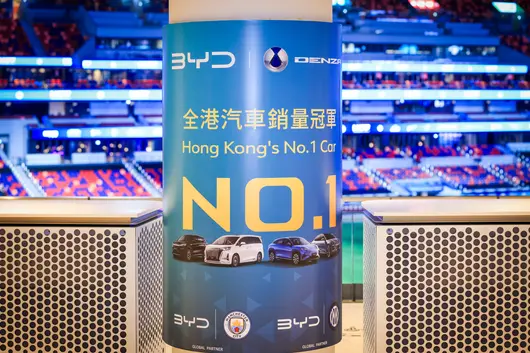
8月1日,香港启德体育园迎来一场万众瞩目的足球盛宴。在42826名现场观众的见证下,英超曼城队与意甲国际米兰队展开激烈角逐。作为两支欧洲豪门的官方合作伙伴,比亚迪以“新能源全球销冠”的身份与足坛劲旅同台,不仅呈现了一场跨越体育竞技与中国制造领域的“冠军对话”,更通过邀请偏远山区足球少年现场观赛,生动诠释了中国品牌在推进全球化布局中兼顾产业实力与社会责任的担当。三冠同台,硬核实力印证中国智造全球竞争力
当晚的启德球场座无虚席。常规时间内两队1比1战平,最终国际米兰在点球大战中以3比1胜出,总比分4比2捧杯。两支参赛球队均拥有极具含金量的赛季战绩:曼城包揽英格兰联赛杯与足总杯,创下英超史无前例的四连冠纪录;国际米兰则斩获意甲与意大利杯本土双冠,作为意甲历史上唯一从未降级的传统豪门,底蕴深厚。

这场被业内称为“比亚迪德比”的焦点战,本质是三大“冠军”实力的同框。作为全球新能源汽车销量冠军,比亚迪2025年整车销量跻身全球车企前五,全年海外销量突破104.9万辆,同比增长145%;2026年上半年海外销量达78.94万辆,同比涨幅约70%。

在英国、意大利等欧洲核心市场,比亚迪多款车型销量持续超越特斯拉,占据当地新能源细分市场榜首。在香港本地,比亚迪更是打破外资品牌长期主导的格局,登顶全品牌年度销量冠军。依托自研三电核心技术与全产业链优势,比亚迪在全球新能源赛道实现了从“跟跑”到“领跑”的跨越,与欧洲顶级豪门的合作,正是中国高端制造与全球顶级体育IP的价值共鸣。

赛场之内是巅峰对决,看台之上则是一抹温情的中国色彩。数十名身着统一队服的青少年球员成为现场一道独特的风景线。他们中既有国内专业青训的小将,也有来自新疆伊犁、陕西宁陕、贵州兴仁、普安、元宝等偏远县域的山区足球少年。比亚迪统一组织这批孩子赴港,让他们近距离感受国际顶级赛事的战术博弈与足球魅力。

扶持青少年足球并非单次活动,而是比亚迪长期坚持的公益实践。依托欧洲杯、意甲等全球顶级足球资源,企业持续组织青少年走出国门交流比拼,累计覆盖超200人次,组织海外正式交流赛事超30场,交手对手涵盖巴塞罗那、马德里竞技等国际知名俱乐部青训梯队。
这不仅为山区孩子搭建了接轨国际的通道,拓宽了基层青少年的视野,也向世界展示了中国基层足球的发展面貌,以实际行动助力体育强国建设。
矩阵成型,探索品牌出海与社会责任新路径足球作为全球受众最广的体育运动,已成为比亚迪开拓海外市场、塑造国际化品牌形象的重要抓手。自2024年成为欧洲杯官方赞助商以来,比亚迪在短短两年间搭建起覆盖洲际大赛、欧洲豪门俱乐部及多国本土联赛的完整体育营销矩阵。目前,其合作版图已囊括英超曼城、意甲国米、法甲巴黎圣日耳曼等顶级强队,以及美洲杯、泰国联赛等多元赛事资源。

这种“商业出海+公益反哺”的模式,标志着中国车企的体育营销已脱离简单的品牌曝光,转向深度的价值协同。一方面借助顶级赛事流量渗透海外市场,带动终端销量提升;另一方面联动国内青训公益,将商业资源转化为正向社会口碑。

据悉,比亚迪正积极拓展欧洲足球合作版图,其足球IP矩阵仍有进一步扩容空间。从产品输出迈向价值输出,这种将企业全球化战略与本土社会责任有机统一的发展路径,不仅让新能源赛道上的“中国冠军”在世界绿茵场上传递声音,也为中国自主品牌走向世界提供了可借鉴的样本。
观察车企赞助国际足球赛事已是行业常态,但像比亚迪这样同时签约同场对战的两支豪门,并兼顾海外市场拓展与国内基层青少年体育扶持的运营模式,在国产车企中尚属少见。其“冠军对标冠军”的合作逻辑,根基在于持续走高的海外销量与自主可控的核心三电技术;而长年投入基层青训公益,则让品牌全球化之路不止停留于商业推广,更承载起本土企业的社会责任。未来,随着足球IP矩阵的持续扩容,中国制造与全球体育文化交流的桥梁将更加稳固。
In Malaysia's SUV market, many buyers compare Proton X70 and Mazda CX-5 when choosing a car. Both cars are quite close in price and positioning. Today, we will do a detailed comparison from multiple aspects to help you save time doing research.
Proton X70 OTR prices in Malaysia range from RM 106,800 - 122,300, with a total of 3 versions, including 1.5L Standard 2WD (RM 106,800), 1.5L Executive 2WD (RM 115,800), 1.5L Premium 2WD (RM 122,300), etc.
Mazda CX-5 OTR prices in Malaysia range from RM 135,469 - 166,760, with a total of 3 versions, including 2025 2.0L AT 35th Anniversary (RM 316,154), 2025 2.0L AT (RM 296,154), 2025 2.0L MT (RM 294,154), etc.
From a price perspective, Proton X70's starting price is indeed RM 28,669 cheaper than Mazda CX-5. If your budget is limited, Proton's entry-level version can already meet daily needs. But keep in mind, that difference of a few thousand might involve trade-offs in features, depending on your specific needs.

Proton X70 is equipped with a 1.5L Turbo, 140 hp. Official fuel consumption 7.0 L/100km.
Mazda CX-5 is equipped with a 1.5L Turbo, 140 hp. Official fuel consumption 7.0 L/100km.
Both cars use the same powertrain system, the driving experience is basically no different. Fuel consumption is also about the same, no need to worry too much about this point.

Proton X70 safety rating is 5★ (ASEAN NCAP), active safety systems include ADAS (ACC, AEB, LKA, LDA, BSM, RCTA).
Mazda CX-5 safety rating is 5★ (ASEAN NCAP), active safety systems include.
Both cars have the same safety rating, safety features are quite complete within this class. New cars nowadays have good safety, no need to worry too much about this.

Proton X70 warranty 5 years/150,000km, maintenance interval every 10,000km or 6 months.
Mazda CX-5 warranty 5 years/150,000km, maintenance interval every 10,000km or 6 months.
Both cars have the same warranty conditions, no need to worry about this aspect. Actual maintenance costs depend on the brand's service network and parts prices, suggest asking real owners in car owner groups for experience.
Both Proton X70 and Mazda CX-5 are mainstream choices in the Malaysian market, suitable for family use and daily commuting. If you value brand reputation and resale value more, consider the one with better reputation first; if you care more about value for money and features, choose the one with richer configuration. Ultimately, it is recommended to test drive both, personal experience is the most important.
Overall, both Proton X70 and Mazda CX-5 are very good car models in the Malaysian market. Which one to choose depends on your personal needs and budget. It is recommended that everyone do their research, compare quotes from several car dealers, and then test drive to make the final decision. Buying a car is a big matter, spending time doing research will never be wrong.


喺馬來西亞嘅皮卡市場,好多買家喺揀車嘅時候都會拿 Mitsubishi Triton 同 Isuzu D-MAX 嚟做比較。這兩部車喺價位同定位上都蠻接近,今日我哋就從多個方面做個詳細嘅比較,幫你省下做功課嘅時間。
Mitsubishi Triton 喺馬來西亞嘅 OTR 售價係 RM 101,930 - 169,930,合共 7 個版本,包括 2026 Double Cab 2.4T AT Athlete Championship(RM 169,930)、2026 Double Cab 2.4T AT Premium Championship(RM 155,930)、2025 Double Cab 2.4T AT Athlete(RM 159,930) 等。
Isuzu D-MAX 喺馬來西亞嘅 OTR 售價係 RM 95,000 - 155,000,合共 9 個版本,包括 2026 3.0T AT 4WD X-Terrain 5 Seats(RM 162,888)、2026 3.0T AT 4WD Premium 5 Seats(RM 145,088)、2026 2.2T AT 4WD Premium 5 Seats(RM 141,771) 等。
從價錢睇,Isuzu D-MAX 嘅起步價比 Mitsubishi Triton 平咗 RM 6,930。實話講,喺呢個價位段,幾千蚊嘅差距其實唔算大,關鍵仲係睇整體嘅性價比同長期使用成本。

Mitsubishi Triton 搭載 2.5L Diesel,馬力 187 hp。官方油耗 8.5 L/100km。
Isuzu D-MAX 搭載 2.5L Diesel,馬力 187 hp。官方油耗 8.5 L/100km。
兩部車用緊同一套動力系統,日常開落嚟嘅感受基本冇分別。油耗方面都差唔多,唔使太諗太多這一點。

Mitsubishi Triton 嘅安全評級係 TBD,主動安全系統包括 Basic。
Isuzu D-MAX 嘅安全評級係 5★ (ASEAN NCAP),主動安全系統包括 ADAS。
安全配備方面,兩部車都拿到幾唔錯嘅評級。不過 Mitsubishi Triton 嘅 Basic 同 Isuzu D-MAX 嘅 ADAS 喺功能上有啲差異,如果你比較重視主動安全嘅話,可以仔細對比下兩者嘅功能列表。

Mitsubishi Triton 採用 FWD 驅動方式。
Isuzu D-MAX 採用 FWD 驅動方式。
兩部車嘅驅動方式一樣,都係 FWD,日常駕駛感受唔會有太大區別。

Mitsubishi Triton 同 Isuzu D-MAX 都係馬來西亞市場嘅主流選擇,適合家庭使用、日常通勤。如果你更重視品牌口碑同二手價,可以優先考慮口碑更好嗰一款;如果你更在意性價比同配備,嗰就揀配置更豐富嗰款。最終都係建議兩部都去試駕,親身體驗先係最重要嘅。

總體嚟講,Mitsubishi Triton 同 Isuzu D-MAX 都係馬來西亞市場幾唔錯嘅車型。揀邊一輛,關鍵都係睇你嘅個人需求同預算。建議大家做足功課,多比較幾間車行嘅報價,再去試駕做最終決定。買車係件大事,花啲時間做功課絕對唔會錯。


喺馬來西亞嘅汽車市場,好多買家喺揀車嘅時候都會拿 Hyundai 現代帕拉沙 同 Volvo 富豪 XC40 嚟做比較。今日我哋由多個方面做一個詳細嘅比較,幫你省返做功課嘅時間。


Hyundai 現代帕拉沙 喺馬來西亞嘅 OTR 售價係 RM 368,838 - 399,838,一齊有 4 個版本,包括 2023 3.8L 2WD Luxe 7 Seats Petrol(RM 399,838)、2023 2.2T 4WD Executive 7 Seats Diesel(RM 389,838)、2023 3.8L 2WD Luxe 8 Seats Petrol(RM 378,838)等等。
Volvo 富豪 XC40 喺馬來西亞嘅 OTR 售價係 RM 278,888 - 278,888,一齊有 1 個版本,包括 2025 2.0T Plus(RM 278,888)等等。
從價錢睇,Volvo 富豪 XC40 嘅入面價比 Hyundai 現代帕拉沙 平咗 RM 89,950。老實講,喺呢個價位段,幾千蚊嘅差距其實唔算大,關鍵仲係睇整體嘅性價比同長期使用成本。

Hyundai 現代帕拉沙 嘅安全评分係 TBD,主動安全系統包括 Basic。
Volvo 富豪 XC40 嘅安全评分係 5★ (Euro NCAP),主動安全系統包括 Pilot Assist, City Safety (標準)。
安全配備方面,兩款車都拿到唔錯嘅評分。不過 Hyundai 現代帕拉沙 嘅 Basic 同 Volvo 富豪 XC40 嘅 Pilot Assist, City Safety (標準) 喺功能上有些差異,如果你比較看重主動安全嘅話,可以仔細比較下兩者嘅功能列表。

Hyundai 現代帕拉沙 車身長 4400 mm,後尾箱 400 L。
Volvo 富豪 XC40 車身長 4400 mm,後尾箱 400 L。
兩款車嘅尺寸幾乎一樣,車內空間差別唔大。呢個級別嘅車,日常使用完全夠用。

Hyundai 現代帕拉沙 保修 5 年/300,000km,保養間隔 每 10,000km 或 6 個月。
Volvo 富豪 XC40 保修 5 年/無限里程,保養間隔 每 10,000km 或 6 個月。

總體嚟講,Hyundai 現代帕拉沙 同 Volvo 富豪 XC40 都係馬來西亞市場好唔錯嘅車型。揀邊一部,關鍵仲係睇你嘅個人需求同預算。建議大家做足功課,多比較幾間車行嘅報價,先至去試駕做最終決定。買車係件大事,花少少時間做功課絕對唔會錯。


車型概覽

平治GLC系列 轎跑車 值唔值得睇,第一步唔係望牌子或者外形,而係睇佢能唔能夠配合你嘅香港日常。 呢篇會集中講每日相處是否輕鬆,幫你用買家角度篩走唔適合嘅選擇。
HK$ 365,581 令預算位置更清楚,買家可以先估算月供、保險、泊車同日常開支。
購車價格指南
平治GLC系列 轎跑車 嘅購車預算可以先由 HK$ 365,581 開始計。香港買車唔只係睇車價,月供、保險、牌費、泊車同能源成本都會影響每月壓力。
如果有幾個版本可揀,可以先將 2024 GLC 300 4MATIC Avantgarde Coupé(HK$ 365,581)、2025 GLC 300 4MATIC AMG Line Coupé(價格待確認) 放喺同一張清單。日常通勤重視舒適同易用,家庭買家就要優先睇後排、尾箱同安全配置。
核心規格重點
睇 平治GLC系列 轎跑車 嘅規格,重點唔係背數字,而係理解佢喺香港用車場景會帶嚟咩分別。
渦輪增壓、4 個 汽缸、1999 mL 排量 嘅動力底子,重點係市區跟車夠唔夠順、高速巡航會唔會吃力。 258 Ps / 190 kW、400 N·m 嘅輸出,對滿載、上斜同超車都比單睇馬力數字更有意思。 車長 4764 mm、車闊 2075 mm、車高 1605 mm 可以幫你預判商場停車場、屋苑車位同後排腿部空間。 手自一體(AT)、前置四駆 會影響起步順滑度、濕地穩定感同長途巡航性格。
優缺點分析
平治GLC系列 轎跑車 嘅優點唔需要講到天花龍鳳,真正有價值係佢能唔能夠令日常用車更省心:預算位置清楚,方便同同級車直接比較、動力輸出對高速同上斜更有底氣、空間同車身尺寸方便家庭買家預判實用性。
要留意嘅係,香港停車場同窄路使用要留意車身闊度。呢啲唔一定係缺點,但係落訂前應該先諗清楚。
買家常見問題
買 平治GLC系列 轎跑車 之前,真正要問嘅唔係單一規格,而係佢可唔可以融入你每日嘅生活節奏。
常見疑問係「Mercedes-Benz GLC Series Coupe 嘅行李箱實用性點樣?」簡單講,Mercedes-Benz GLC Series Coupe 提供約 545 公升嘅標準載物空間,雖然因為斜背設計比 SUV 版本略少,但空間依然足夠擺放日常購物物件或高爾夫球袋。當後座摺低後,Mercedes-Benz GLC Series Coupe 嘅容量可擴展至 1,490 公升,足以應付大部分生活裝載需求。 放到實際用車,就係要睇佢對通勤、泊車、家庭乘坐同長期成本有幾大幫助。
同級對比內容
將 平治GLC系列 轎跑車 放入同級車清單時,唔建議只用外形或者品牌光環決定。比較順序可以係:先用 HK$ 365,581 鎖定預算圈、再睇動力係咪足夠應付高速併線同滿載、最後睇車身大小、座位同尾箱是否適合家人。
咁樣篩選會貼近香港買家真實生活:平日塞車、商場泊車、周末去新界、甚至一家人出入,先係一部車每日要面對嘅考驗。
用車全周期指南

擁有 平治GLC系列 轎跑車 唔係買車一刻就完結,之後仲有保險、輪胎、保養、泊車同日常能源成本要處理。
如果你主要喺市區行,視野、低速順滑度同泊車輔助會好影響心情;如果經常行高速或跨區,座椅舒適度、隔音同動力從容感會更重要。


車型概覽

領克07 EM-P 值唔值得睇,第一步唔係望牌子或者外形,而係睇佢能唔能夠配合你嘅香港日常。 呢篇會集中講售價未落實前點樣先篩選,幫你用買家角度篩走唔適合嘅選擇。
售價仍待確認,買家可以先把佢放入候選名單,等價格落實後再同同級車逐項比較。
購車價格指南
領克07 EM-P 目前售價仍未清晰,較理性嘅做法係先睇版本、車身大小同動力形式,等價格落實後再決定值唔值得落訂。
如果有幾個版本可揀,可以先將 2026 1.5T 126km 前驅版(價格待確認)、2024 1.5T 126km 前驅版(價格待確認) 放喺同一張清單。日常通勤重視舒適同易用,家庭買家就要優先睇後排、尾箱同安全配置。
核心規格重點
睇 領克07 EM-P 嘅規格,重點唔係背數字,而係理解佢喺香港用車場景會帶嚟咩分別。
18.4/18.99 kWh 嘅電池容量,真正意義係可以幫你估算一星期通勤同周末出車要唔要中途補電。 126 km 嘅續航參考,對住喺新界、九龍同港島之間跨區行車嘅用家會更實際。 14.7 kWh/100km 嘅耗電表現,會影響你去快充站或者屋苑充電位嘅頻率。 163 Ps / 120 kW / 180 kW / 160 kW、255/350 N·m 嘅輸出,令高速併線同短距離超車更有信心。
優缺點分析
領克07 EM-P 嘅優點唔需要講到天花龍鳳,真正有價值係佢能唔能夠令日常用車更省心:日常能源成本有基本參考、電池同續航資訊有助安排通勤同補電、動力輸出對高速同上斜更有底氣。
要留意嘅係,要先確認屋苑、公司或常去商場嘅充電條件、香港停車場同窄路使用要留意車身闊度。呢啲唔一定係缺點,但係落訂前應該先諗清楚。
買家常見問題
買 領克07 EM-P 之前,真正要問嘅唔係單一規格,而係佢可唔可以融入你每日嘅生活節奏。
常見疑問係「領克 Lynk & Co 07 EM-P 零售價?」簡單講,領克 Lynk & Co 07 EM-P 2026 年 MSRP 約為 HK$240,000。 放到實際用車,就係要睇佢對通勤、泊車、家庭乘坐同長期成本有幾大幫助。
同級對比內容
將 領克07 EM-P 放入同級車清單時,唔建議只用外形或者品牌光環決定。比較順序可以係:先等售價落實,再決定佢應該同邊個級距比較、再睇動力係咪足夠應付高速併線同滿載、再比較能源成本同補能便利、最後睇車身大小、座位同尾箱是否適合家人。
咁樣篩選會貼近香港買家真實生活:平日塞車、商場泊車、周末去新界、甚至一家人出入,先係一部車每日要面對嘅考驗。
用車全周期指南
擁有 領克07 EM-P 最重要係先諗清楚充電節奏。屋苑、公司或者常去商場只要有穩定充電選項,電動化用車就會容易相處好多。
如果你主要喺市區行,視野、低速順滑度同泊車輔助會好影響心情;如果經常行高速或跨區,座椅舒適度、隔音同動力從容感會更重要。


BYD officially released the May 2026 production and sales flash report, with new energy vehicles from all brands reaching a monthly sales volume of 383,453 vehicles, a slight increase of 0.26% year-on-year, achieving year-on-year positive growth in monthly sales after ten months; among them, passenger car deliveries reached 376,990 units, surging 19.4% month-on-month, wiping out the pain of previous model iterations, presenting a new pattern where the domestic base is stable, overseas sales are soaring, and high-end brands are scaling up across the board. Amidst the market environment of intensified competition in the domestic new energy sector, Tesla FSD entering China, and an intense launch of independent new products, it has forged a unique structural growth path.

The Dynasty and Ocean main brands combined sold 330,215 vehicles in May, accounting for over 80% of the group's total sales, remaining the stabilizer for BYD's sales volume. The full series had 8 models exceeding 20,000 units in monthly sales, covering products from 50,000 entry-level commuter to 200,000 home SUV.

Inside the Dynasty Network, the Yuan family sold 56,691 units, and the Song family 51,370 units. Both crossed the 50,000 threshold, becoming two major sales pillars for the brand, catering to home commuter and urban-rural travel needs; the Qin family followed closely with a stable performance of 28,360 units. The Han and Tang series maintained a volume in the six-thousand range, deeply cultivating the mid-to-large home sedan and SUV niche markets; the brand new model Xia is in the market cultivation phase, delivering 1,810 units monthly, with potential for steady volume growth as channels expand.
The Ocean Network's growth momentum is even more rapid, with 5 models entering the 20,000 club across the series: Sealion 42,615 units, Seal 34,117 units, Seagull 39,919 units, Dolphin 22,260 units, and Song PLUS 27,755 units. Among them, Seagull remains the best-selling entry-level commuter model thanks to its affordable pricing of 60,000-80,000. Sealion, as a new volume model, stands firm at the 40,000 level upon launch, filling the mid-size SUV product gap in the Ocean Network and perfecting the Ocean product tier layout. From commuter small cars to compact SUVs, the two main brands rely on DM-i hybrid and pure electric dual-line technologies to牢牢锁住 the mainstream home market share within 150,000 domestically.
Fang Cheng Bao Year-on-Year Surges 139.7%, Brand Upward Positioning Takes EffectThe high-end matrix of Denza, Fang Cheng Bao, and Yangwang sold a combined 46,489 vehicles in May, officially breaking away from the niche positioning to become a new pivot for BYD's brand premium and profit growth, breaking the industry curse of difficulty in high-end breakthrough for domestic brands.

The off-road brand Fang Cheng Bao sold 30,186 units monthly, surging 139.7% year-on-year, creating a new high in monthly sales since the brand launched. Its Titanium 7 model sold 18,280 units monthly, while Leopard 5 and Leopard 8 output remained stable, continuously squeezing the survival space for joint venture and imported models in the 250,000-400,000 hardcore off-road niche market.

Denza delivered 16,303 units in May, with the MPV benchmark D9 selling 6,721 units, and the Z9 series close to 6,000 units. MPV and mid-to-large sedan dual-line efforts helped them stand firm in the luxury new energy track; the million-level ultra-luxury brand Yangwang continued its steady climb, delivering 286 units that month, a year-on-year increase of 105.8%, completing market verification of the domestic brand ceiling product and forming a full price range product layout from 100,000+ home, 300,000-400,000 off-road, 500,000 luxury MPV to million-level flagship.

In May, BYD's overseas sales of passenger cars and pickup trucks reached 160,177 units, surging 80.7% year-on-year. Exports accounted for over 42% of the full series total sales, setting a new historical high for brand export and becoming the core driving force to stabilize May overall sales and achieve year-on-year positive growth.
Southeast Asia, Europe, and Latin America became the main incremental markets. Seagull, Song PLUS, and Yuan series continued to top new energy best-seller lists in multiple countries; the SHARK pickup truck exceeded 4,000 units in monthly exports for two consecutive months. Relying on the completion of localization production in Thailand, Brazil, Hungary, and Uzbekistan with four overseas vehicle factories, localized production continues to land, avoiding tariffs while rapidly penetrating terminal channels. Against the background of stock market competition in the domestic auto industry and normalized price wars, the rapidly expanding overseas market effectively counteracts sales volatility brought by domestic model iterations, officially upgrading from a supplementary market to BYD's core growth engine. As of now, BYD's global cumulative new energy vehicle sales have exceeded 16.5 million units, with the globalization map continuously broadening.
Intelligent Driving Empowers Product Iteration, H2 New Products Prepare to Surge VolumeMay marked a key node in BYD's intelligent driving landing, with the God's Eye intelligent driving system becoming a core bonus point for models: the number of vehicles with advanced intelligent driving across all brands exceeded 3.15 million, with daily road test data exceeding 200 million kilometers; that month, BYD implemented City Pilot and Smart Parking dual safety backup services, becoming the world's first auto manufacturer to achieve dual intelligent driving backups. Three days after policy implementation, the activation rate of models equipped with the God's Eye system in cities surged 50%. Intelligent driving experience upgrades directly drove in-store order conversion, solidifying product competitiveness for subsequent models to continue volume sales, and facing the intelligent driving market shock brought by FSD entering China.
From data details, BYD's cumulative sales from January to May 2026 were 1,405,039 units, down 20.32% year-on-year. The core reason is that the full series of main models were concentratedly iterated, and the capacity ramp-up of the 2nd Gen Fast Charge Blade Battery was restricted. The new Flash Charge Battery upgraded fast charging and low-temperature performance. Full series iteration models prioritized installing new batteries, but production line retrofitting dragged down capacity release. Order backlogs on popular models and delayed deliveries compressed the May delivery volume to a certain extent.
As the end of the second quarter approaches and the 2nd Gen Blade Battery capacity continues to release, coupled with new models such as Denza N8L, Fang Cheng Bao Titanium 7 Pure Electric Version, Sealion 05, and Xia L landing the market, the industry generally predicts that BYD's full brand sales in June are expected to exceed 400,000 vehicles. Relying on the four-dimension development logic of low-end volume locking share, high-end raising profit, overseas pushing volume, and intelligence improving product power, amidst the intensified new energy elimination round in the domestic market, BYD's full category layout advantage continues to amplify, securing its status as the domestic new energy leader, accelerating steadily towards global top auto manufacturers.

你睇過印度嘅馬路嗎?
我喺網上見過。
畫面通常係咁,一輛轎車俾牛尾擋住,旁邊仲有亂竄嘅摩托,甚至周圍仲有賣奶茶嘅小夥,嗰叫一個“乾淨又衛生”。

然而,喺呢啲睇完好多人覺得生理不適嘅地方,豐田、鈴木、本田等日本車廠,卻決定將籌碼押落印度。
據印度“品牌質量基金會”網站顯示,三家車廠將喺印度投資近110 億美元建廠、提產能、搞出口。
對此有网友表示,三家日本車廠係咪錢多到無處花?
事實上,佢哋唔係錢多到花唔完,亦唔係被印度嘅咖哩蒙蔽咗心竅,呢啲日本車廠高層遠比我哋清醒。
而家嘅日系車,營業額、市場份額都喺下滑,原材料成本仲係升得飛起,打開世界地圖,搵一個能夠容納產能、拓充份額、競爭溫和嘅市場,唔係咁容易嘅事。
所以,唔係日本車廠選擇咗印度,而係因為冇得揀。
日本車廠之痛
曾經嘅日系車,嗰時妥妥係人哋個仔。
你問下十幾年前開過日系車嘅老司機,一提起日系車,幾乎就冇唔豎大拇指嘅,價錢平、省油、耐用又抵撞……
甚至好多日系車,仲要加價購買,但邊個諗到,呢個鐵打嘅江山,短短幾年時間就俾佢哋打得找唔著北。
隨著新能源汽車浪潮嚟到,電動化、智能化變成好多自主車廠“彎道超車”嘅目標,依托於中國強大嘅新能源汽車產業鏈優勢同車廠自身對研發、技術嘅堅持,中國自主品牌迅速實現咗“彎道超車”。
曾經被人吐槽嘅國產車,而家喺馬路越來越多人,甚至份額超越咗合資。
根據乘聯會嘅數據,喺2026 年4 月,自主品牌嘅份額已經高達62.5%,遠超日系嘅13.1%。

要知道,中國汽車市場係全球最大嘅汽車市場,喺中國市場失速,就相當於丟咗一塊巨大嘅蛋糕。
同時,中國市場近年嚟嘅主旋律依舊係價格戰,捲配置、捲價格、捲服務已經成為一種常態,亦對日系車嘅利潤產生咗巨大嘅影響。
除咗中國,日系車喺美國過得亦唔太好。
2025 年 1 月 20 日,特朗普宣誓就職第 47 任美國總統,自此開啟咗一連串搞搞震,其中就包括以國家安全為理由徵收額外嘅汽車關稅,導致進口日本汽車嘅關稅稅率一度高達 27.5%,雖然後嚟有所降低,但亦遠高於最初嘅稅率。
呢個操作,直接導致七大日本車廠喺2025 財政年度嘅關稅損失超2 萬億日元。
再睇日本本土,其實亦唔容易。
中東地緣衝突導致霍爾木茲海峽航運受阻,運輸成本、原材料成本暴漲,日本車廠都有苦難言。

高管們看著報表,背後發涼,只能尋找全新嘅增長曲線。
所以,日本車廠唔係愛上印度,係冇地方去。
揀選印度嘅深思熟慮
咁,印度點解咁有魔力,先至令日本車廠重資投入呢?
第一個優勢就係大。喺2025 年,印度汽車市場取得咗551.7 萬輛嘅新車銷量,同比增長 6%,刷新咗歷史紀錄,位居全球第三大汽車市場,已经连续四年超越日本,僅次於中國同美國。
呢個含金量唔使多講啦,而印度取得呢一成績,主要係因為印度一直喺推動減稅政策,促進消費,這導致國內消費意願出現咗明顯增強。
第二個優點係近,就係離日系車賣得動嘅地方近,如非洲等其他地區。
所以,印度對於日本車廠,更似一個建喺十字路口中央嘅便利店,你唔使將車分別運去八個國家,只需要喺印度呢站造好,然後一船一船甩去,就能削減唔少成本。

《日本經濟新聞》亦認為,印度有望轉變為佢哋全球嘅汽車供應中心。
第三個優點係穩。要知道,日系車嘅優勢就係燃油車,畢竟引擎、變速箱、底盤三大件,佢哋已經玩咗好多年,技術積累喺全球都係數一數二。
但係中國汽車市場已經全力推動電動化、智能化發展,導致日系車嘅優勢越來越弱,根本無法發揮出嚟,但印度唔一樣,佢擁有充電樁少、電動化進程緩慢嘅特點,印度老百姓買車,都仲係盯住平、省油、易修,而呢三點正係日系車嘅老本行。
尤其係鈴木,一直係印度汽車市場嘅常青樹,幾乎年年穩坐暢銷車型寶座,口碑好,勝過任何廣告。
所以,日本車廠大力佈局印度市場,顯然是經過深思熟慮嘅。
但,印度市場真係咁好混咩?
難啃嘅印度市場
當然,印度亦唔係完美得似個香口格,佢嘅缺點同佢嘅優點一樣明顯,而且每一個都夠日本車廠喝一壺。
先講電動化,冇錯,眼睇下印度充電樁少、電動車賣唔動,確實係日系燃油車嘅避風港。但你得諗諗,呢個“避風港”能避幾耐?
印度此前可係喊出咗 2030 年電動車佔新車 30% 嘅口號,雖然聽落似吹水,但抵唔住人哋真補錢、真建充電站。
試諗下,萬一有日印度突然開竅,開始大力推動電動化、搞基建,充電樁似雨後春筍咁冒出來,嗰日系車唔就傻眼?
呢唔係泰國市場嘅翻版咩?
當年日系車喺泰國都係躺贏,整個東南亞市場,都被稱為日系車嘅後花園,結果泰國率先推動電動化,中國電動車一嚟,直接就成咗香口格,再睇日系車,喺泰國嘅市場份額嘩嘩嚟咗落。

如果印度係電動化一加速,歷史大概率會重演,而而家呢次,日系車連逃嘅地方都快冇咗,點樣預防,將成為日本車廠嘅首要問題。
再講政策,印度嘅政策就似一鍋咖哩,你永遠唔知下一口食到係雞肉定係馬鈴薯。
呢個魔幻嘅國家,今日係低關稅鼓勵建廠,明日就可能罰你一筆巨款,更令人頭痛嘅係強制合資,外國車廠想喺印度賣車,要搵本地夥伴搭檔,等你工廠建好咗、供應鏈搭完咗,印度直接背刺你,到嗰陣無論係加錢定撤資,換嚟嘅都係心痛。
所以你看,印度呢個市場,就好似一個睇落好甜嘅芒果,咬落去第一口仲行,再啃幾口就摸著硬核。
日系車而家嘅算盤係,趁住核都未硌牙,趕緊多啃幾口,但核遲早會硌到,只係唔知係邊一日。
尾聲
日系車呢趟印度之旅,唔係去旅遊,係去搵食。
中國同東南亞嘅飯桌更擁擠,生產、運輸嘅成本又提高咗,放眼全球,就印度呢口鍋仲冒住熱氣,哪怕入面煮嘅係咖哩味嘅石頭,都要硬著頭皮啃落去。
日本車廠想擴大市場,印度想嘅係拉動經濟、解決就業,雙方都有各自嘅心思。
至於結局係日系車喺印度重新封神,定係好似當年嘅部分友商一樣灰溜溜走人,那就唔知啦。
但無論點樣,呢場戲先至開始,我哋慢慢睇就得啦。
反正印度嘅故事,從來唔會悶。