首頁缆车控

搜尋歷史
熱門搜尋
經銷商登入 / 註冊

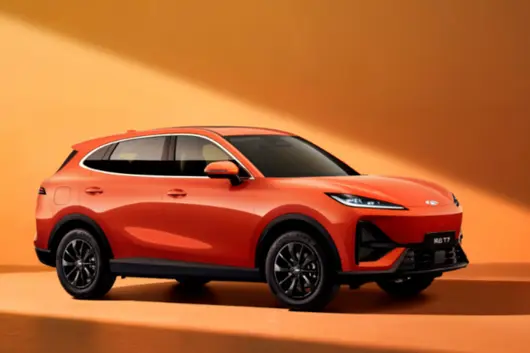
On August 14, the officially launched Chery Fengyun T7 set the launch event theme as "Great cars take time, we kept you waiting". When the industry compressed car manufacturing time to 12 months, Fengyun T7 went against the trend, taking 2 years for planning and 3 years for R&D, using a slow tempo to tell a new story about global quality.

The new car is positioned as a compact SUV, launching with three versions, priced from 109,900 to 129,900 CNY. The most unconventional decision is range parity across the lineup: all three models come standard with 65.05kWh Rhino Battery (LFP), the entry version does not have a shrunk battery pack, CLTC range is uniformly 600km, official real-world testing achieves over 667km, belonging to the industry's rare "reverse false labeling". It can charge from 30% to 80% in 20 minutes.
Verify Overseas First, Then Launch in Home CountryFengyun T7 takes a "reverse overseas" path, its origin model Lepas L6 has officially launched in Thailand (July 24), pre-sales started in South Africa, and will subsequently enter markets like Indonesia, EU, Australia/New Zealand, UK. Others design domestically then modify for export, whereas it first withstands tests from regulations, road conditions, and climate globally, then returns to meet domestic consumers.

Numbers best illustrate this car's "slowness": 81 exclusive durability cars tested on-road simultaneously, cumulative test mileage over 6 million km, specific durability test 1.45 million km, global road type coverage 95%. Middle East 50°C high heat exposure, Southeast Asia rainy season flooding, Nordic extreme cold, Bumpy roads in Brazil, High salt-alkali in coastal areas, all achieved inch by inch by real cars, not lab data.
Safety Benchmarked Against the Unimplemented 2026 E-NCAP 5-Star StandardRegarding safety, Fengyun T7 body uses 80% high-strength steel + 18.84% hot-formed steel, 9 horizontal 5 vertical cage structure, equipped with shotgun structure rare in class, double-frame subframe and Pack anti-collision beam, collision force transmission paths front 9, side 6. 9 airbags across the car, including 48L dual-chamber remote airbags and rear side airbags, functional safety reaches ASIL D highest level. Rhino Battery IP68 waterproof rating is 96 times the national standard, possesses 500mm off-road wading capability, fearless of rainy season water accumulation.


The cockpit does not use old chips due to low price, equipped with Qualcomm Snapdragon 8775 integrated cockpit-drive chip, 4nm process, 72 TOPS computing power, system response as low as 80ms, boot speed increased by 33%. 15.6-inch 2.5K large screen, Lingxi Cockpit 2.0 integrates Doubao Large Model, CarPlay, HiCar, CarLink fully compatible, covering over 99% of phone screen casting. Intelligent driving features Falcon 500 system, 22 sensors, supports 300+ scenarios for automatic parking, high-end trim provides Highway NOA and 100-meter trace reverse.

Regarding body dimensions, new car length/width/height is 4570x1852x1694mm, wheelbase 2700mm, interior efficiency rate 84%, rear legroom 911mm, flat floor. Trunk capacity regular 450L, expands to 1550L when folded, forming approx 1955mm pure flat space, camping lying flat without pressure.

Chassis tuned by former Maserati chassis expert team, axle load ratio 50.8:49.2, corners no push, lane changes no sway, goal is to prevent seniors and children in rear from getting carsick. Power is rear-mounted single motor, 178kW/275N·m, sufficient for home use, not pursuing 3-second acceleration gimmick. Dual-source wide heat pump + High-voltage PTC, -30°C to 55°C ultra-wide temperature range stable operation.

Meanwhile, regarding benefits, Fengyun T7 first non-commercial owner enjoys lifetime warranty for whole car including three-electric systems; if power battery damaged due to thermal runaway itself, directly compensate with same model new car, accident within one year due to intelligent driving system, max compensation 5 million CNY. These promises are more persuasive than any ad copy.

According to Chery themselves, Fengyun T7 is a global car, R&D, verification, quality and standards, cannot be rushed. Abandon "crash-course car manufacturing", Fengyun T7 puts slowness on the table, timing choice is quite smart. This isn't a car with exploding specs, but likely a car that remains durable after three years. Putting thought into making a low-price car carefully, for family users buying to drive for many years, this "slow tempo" is truly a scarce item.

喺馬來西亞嘅 SUV 市場,好多買家喺揀車嘅時候都會拿寶騰 X70 同豐田 Fortuner 嚟做比較。呢兩款車喺價位同定位上都幾接近,而家我哋由多個方面做個詳細比較,幫你節省做功課嘅時間。
寶騰 X70 喺馬來西亞嘅 OTR 售價係 RM 106,800 - 122,300,總共 3 個版本,包括 1.5L Standard 2WD(RM 106,800)、1.5L Executive 2WD(RM 115,800)、1.5L Premium 2WD(RM 122,300) 等。
豐田 Fortuner 喺馬來西亞嘅 OTR 售價係 RM 195,880 - 241,880,總共 3 個版本,包括 2024 2.8T VRZ Diesel(RM 241,880)、2024 2.7L SRZ Petrol(RM 202,880)、2024 2.4L Standard Diesel(RM 195,880) 等。
由價錢睇落,寶騰 X70 嘅起價確係比豐田 Fortuner 平咗 RM 89,080。如果你預算有限,寶騰嘅入門版已經可以滿足日常需求。但都要留意,便宜嗰幾千蚊,可能喺配備上會有取舍,具體要睇你嘅需求。

寶騰 X70 嘅安全評級係 5★ (ASEAN NCAP),主動安全系統包括 ADAS (ACC, AEB, LKA, LDA, BSM, RCTA)。
豐田 Fortuner 嘅安全評級係 5★ (ASEAN NCAP),主動安全系統包括 。
兩款車嘅安全評級一樣,喺呢個級別入面安全配備都算畀到好齊全。而家嘅新車安全性都唔差,唔使太擔心呢一點。

寶騰 X70 採用 FWD 驅動方式。
豐田 Fortuner 採用 FWD 驅動方式。
兩款車嘅驅動方式一樣,都係 FWD,日常駕駛感受唔會有太大分別。

寶騰 X70 同豐田 Fortuner 都係馬來西亞市場嘅主流選擇,適合家庭使用、日常通勤。如果你更睇重品牌口碑同二手價,可以優先考慮口碑更好嗰款;如果你更在意性價比同配備,那就揀配備更豐富嗰款。最後都建議兩款都去試駕,親身體驗先至係最重要嘅。
總體嚟講,寶騰 X70 同豐田 Fortuner 都係馬來西亞市場好唔錯嘅車型。揀邊一輛,關鍵都係要睇你嘅個人需求同預算。建議大家做好功課,多比較幾間車行嘅報價,先至去試駕做最後決定。買車係件大事,花少少時間做功課絕對唔會錯。


In Malaysia's SUV market, many buyers compare Proton X50 and GWM Haval H6 when choosing a car. Both cars are quite close in price and positioning. Today we will make a detailed comparison from multiple aspects to help you save time on research.
The OTR selling price of Proton X50 in Malaysia is RM 89,800 - 113,300, with a total of 4 versions, including 1.5T Executive (RM 89,800), 1.5T Premium (RM 101,800), 1.5T Flagship (RM 113,300), etc.
The OTR selling price of GWM Haval H6 in Malaysia is RM 139,750 - 139,750, with a total of 2 versions, including 1.5L Turbo Standard (RM 140,000), 1.5L Turbo Premium (RM 155,000), etc.
From the price perspective, the starting price of Proton X50 is indeed RM 49,950 cheaper than GWM Haval H6. If your budget is limited, Proton's entry-level version can already meet daily needs. But also note, for that few thousand savings, there might be trade-offs in equipment, it depends on your specific needs.

Proton X50 safety rating is 5★ (ASEAN NCAP), active safety systems include ADAS (ACC, AEB, LKA, LDA, BSM, RCTA).
GWM Haval H6 safety rating is TBD, active safety systems include Basic.
Regarding safety features, both cars have received good ratings. However, there are some differences in functionality between Proton X50's ADAS (ACC, AEB, LKA, LDA, BSM, RCTA) and GWM Haval H6's Basic. If you value active safety, you can carefully compare the feature lists of both.

Proton X50 warranty 5 years/150,000km, maintenance interval every 10,000km or 6 months.
GWM Haval H6 warranty 7 years/150,000km, maintenance interval every 10,000km or 6 months.

Proton X50 and GWM Haval H6 are both mainstream choices in the Malaysia market, suitable for family use and daily commuting. If you value brand reputation and resale value more, you can prioritize the one with better reputation; if you care more about value for money and equipment, then choose the one with richer configuration. Ultimately, it is suggested to test drive both models, as personal experience is the most important.
Overall, Proton X50 and GWM Haval H6 are both very good models in the Malaysia market. Choosing which one depends mainly on your personal needs and budget. We suggest doing your research, compare quotes from multiple car dealers, and then test drive to make the final decision. Buying a car is a big matter, spending time on research will never be wrong.


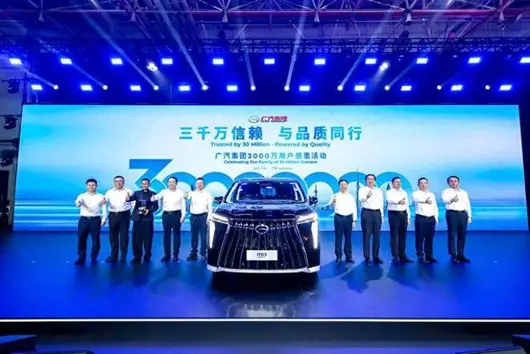
On July 16, as the right-hand drive Trumpchi M8 PHEV slowly rolled off the production line, GAC Group officially crossed the industry milestone of cumulative production and sales of 30 million vehicles. Beginning in 1997 amidst external doubts about car manufacturing in Guangzhou, and now boasting six passenger car brands with user footprints spanning 110 countries and regions globally, over 29 years, GAC has used 30 million units of user trust to write a narrative of the Chinese automotive industry's growth: from joint-venture learning to independent rise, from local manufacturing to global layout.
In the current context of intensifying stock competition in the car market and accelerated industry reshuffling, the weight of the number 30 million far exceeds the simple superposition of sales scale. It is not only the inevitable result of GAC's persistence in quality fundamentals and practice of long-termism, but also a vivid footnote of traditional car enterprises actively breaking through the deadlock and reconstructing industrial value centered on users, further reflecting the clear path for the Chinese automotive industry to leap from scale expansion to high-quality development.

Quality as Anchor: Engraving Long-termism into Manufacturing Genes. When discussing GAC, one cannot avoid the word "quality". In the impatient atmosphere where the industry generally pursues "fast iteration, fast launch, fast volume", GAC always maintains a rare stability: new car development must fully experience "two winters and one summer" field verification, with a shortest cycle of 18 months, and a conventional stable cycle up to 21 months; before each model is launched, it must undergo "five highs, one mountain, one dust" extreme environment polishing, repeatedly verifying under extreme working conditions such as 60°C high temperature, -40°C extreme cold, high altitude, high salt fog, etc., which users may never encounter in a lifetime.
This obsession with quality did not come out of thin air. From absorbing the essence of Honda's Total Quality Management and Toyota's Lean Production during the joint-venture era, to constructing a complete system covering 12 major verification items and over 1,500 verification sub-items for the independent era, GAC has implemented "Quality First" from a slogan to the entire chain of R&D, manufacturing, and service. The Bulletproof Battery accumulation of 1.5 million vehicles, safe driving over 160 billion kilometers, Star Spirit Safety System protecting nearly 2 million users and avoiding 6.28 million potential risks, and the industry-first "Three Responsibility Commitment" service promise extending guarantees to the full vehicle usage lifecycle — behind these numbers is GAC's long-term practice of "Quality is the bottom line and also a belief".
In fact, with frequent price wars and endless marketing gimmicks today, the choice of 30 million users is itself the most powerful proof: Short-term price cuts might exchange for temporary sales pulses, but what truly supports enterprises traversing the cycle is always the two words "reliable" in users' mouths. GAC's growth logic is essentially exchanging long-term quality investment for users' long-term trust and repurchase.

Users as Core: The Cognitive Metamorphosis from "Car Maker" to "Travel Companion". If quality is the foundation of GAC's existence, then the systemic transformation centered on users is the core password for maintaining growth resilience in the new era. The "Panyu Action" launched in 2024, the core change was not the update of products, but the leap of thinking — from the traditional "Engineer Thinking", comprehensively shifting to "User Thinking".
This transformation is reflected in many details: A normalized "User Open Mic" mechanism allows R&D and product managers to face users' daily pain points directly, converting real feedback directly into product optimization directions; Channels accelerate sinking into counties, with plans to build 1,000 county-level authorized stores within the year, delivering car viewing and maintenance services to users' doorsteps; Targeting the charging anxiety of new energy users, the "9 Vertical 10 Horizontal" charging network covers 213 cities, realizing "a station within 1 kilometer in a straight line" in core urban areas; Online "Super Steward" promises 5-second response, 2-hour completion, so that user requests no longer fall into a black hole.
This 30 million user gratitude season, GAC launched new purchase, trade-in, and additional purchase triple benefits in conjunction with six brands, covering the full lifecycle of user vehicle usage, which is the concentrated embodiment of this thinking. The automotive industry has long entered the era of "Users First" from "Product King", whoever can truly hear users' voices and solve users' pain points can hold the basic market share in the stock market. GAC's transformation is essentially putting "Users First" from a slogan into every link of organizational structure, business processes, and service standards.

Global as Gameboard: The Progression from "Product Going Global" to "System Taking Root". It is worth noting that the 30 millionth complete vehicle chose the right-hand drive Trumpchi M8 PHEV, and was delivered to Thai car owners, this detail is quite symbolic — in the 30 million user territory, the overseas market is becoming an increasingly important growth pole.
Relying on the "One GAC 2.0" strategy, GAC is accelerating the upgrade from simple product export to full value chain system going global. In the first half of 2026, GAC independent brand export volume reached 121,500 units, a 132% year-on-year increase, already approaching the level of 2025 full year; International business covers 5 major sectors in 110 countries and regions, built 7 overseas production factories, and over 746 sales service outlets. From 207% month-over-month increase in Thailand market sales to establishing a full-link system of localized production to terminal sales in the European market, GAC's going global path is solid.
Chinese car companies going global has long passed the "exchange low prices for market" initial stage. GAC's system-based going global means R&D, production, supply chain, sales are fully localized, truly taking root locally and integrating locally. This approach that does not pursue short-term explosion but focuses on long-term operation is exactly the key for Chinese brands to establish reputation and stand firm in the global market.

Technology as Wings: Planting Seeds for the Next 30 Million. 30 million is a milestone and also a new starting point. Facing the industrial change of intelligent electrification, GAC did not lie on the credit book of scale, but continuously uses technical innovation to anchor the future. By the end of 2025, GAC cumulative independent R&D investment exceeded 62 billion yuan, patent applications exceeded 24,900 items; Star Origin Power, Star Spirit Architecture 4.0, Galaxy Smart Cockpit and other core technologies landed successively, co-building intelligent ecosystems with partners like Huawei, CATL, etc., Qijing brand charging high-end intelligent new energy track.

From joint venture exploration to independent rise, from intelligent progression to ecosystem expansion, GAC's four leaps have always resonated with the development of the Chinese automotive industry. The 29-year journey proves that the pragmatic and low-key Guangdong enterprise background, seemingly not enough to be clever, is the most reliable quality to traverse industry cycles.

30 million is not the end point, but the starting point to rush to the next journey. In the deep water zone of intelligent electrification, in the new arena of globalization, GAC has already built a solid foundation with the four cards of quality, users, technology, and globalization. And its growth path also provides a referenceable sample for more Chinese car companies: Adhere to long-term value, focus on user needs, establish brand with quality, seek the future with innovation, can only walk steadily and go far in the industry wave, so that the name of Chinese automobiles has more weight in the global market.

喺馬來西亞嘅 SUV 市場,好多買家喺揀車嘅時候都會攞 Proton X50 同 Mazda CX-3 嚟做比較。呢兩款車喺價位同定位上都幾接近嘅,今日我哋就從多個方面做一次詳細嘅對比,幫你省返做功課嘅時間。
Proton X50 喺馬來西亞嘅 OTR 售價係 RM 89,800 - 113,300,一共有 4 個版本,包括 1.5T Executive(RM 89,800)、1.5T Premium(RM 101,800)、1.5T Flagship(RM 113,300) 等。
Mazda CX-3 喺馬來西亞嘅 OTR 售價係 RM 126,159 - 139,159,一共有 2 個版本,包括 2023 2.0L High(RM 139,159)、2023 2.0L Plus(RM 126,159) 等。
由價錢睇落嚟,Proton X50 嘅起步價確實比 Mazda CX-3 平咗 RM 36,359。如果你預算有限,Proton 嘅入門版已經可以滿足日常需求。但都要注意,平嗰幾千塊,可能在配備上有取舍,具體要睇你嘅需求。
Proton X50 嘅安全評級係 5★ (ASEAN NCAP),主動安全系統包括 ADAS (ACC, AEB, LKA, LDA, BSM, RCTA)。
Mazda CX-3 嘅安全評級係 5★ (ASEAN NCAP),主動安全系統包括 i-Activsense。
兩款車嘅安全評級一樣,喺呢個級距入面安全配備都算俾得好齊全。而家嘅新車安全性都好,唔使太擔心呢一點。
Proton X50 車身長 4400 mm,行李廂 400 L。
Mazda CX-3 車身長 4500 mm,行李廂 450 L。
空間方面,Mazda CX-3 嘅車身比 Proton X50 長咗 100 mm,乘坐空間更有優勢。不過 Proton X50 喺市區停車會靈活啲,各有取舍。
Proton X50 採用 4WD 驅動方式。
Mazda CX-3 採用 FWD 驅動方式。
Proton 嘅 4WD 同 Mazda 嘅 FWD 喺操控上會有唔同感受,建議試駕對比。

總括嚟講,Proton X50 同 Mazda CX-3 都係馬來西亞市場幾好嘅車型。揀邊一輛,關鍵都要睇你嘅個人需求同預算。建議大家做好功課,多比較幾間車行嘅報價,先至去試駕做最終決定。買車係件大事,花少少時間做功課絕對唔會錯。

喺馬來西亞嘅 SUV 市場,好買家喺揀車嗰陣都會拿 波德亞 亞魯斯 同 豐田 科羅拉 Cross 嚟做比較。呢兩部車喺價錢同定位上都幾接近嘅,而家我哋就由多個方面做個詳細比較,幫你節省做功課嘅時間。
波德亞 亞魯斯 喺馬來西亞嘅 OTR 售價係 RM 72,900 - 77,900,合共 2 個版本,包括 1.5L X(RM 72,900)、1.5L AV(RM 77,900) 等。
豐田 科羅拉 Cross 喺馬來西亞嘅 OTR 售價係 RM 133,800 - 148,800,合共 3 個版本,包括 2026 HEV 1.8L GR Sport(RM 148,800)、2026 HEV 1.8L Standard(RM 140,800)、2026 1.8L Standard(RM 133,800) 等。
由價錢嚟睇,波德亞 亞魯斯嘅起跳價真係比 豐田 科羅拉 Cross 平咗 RM 60,900。如果你預算有限,波德亞嘅入門版已經可以滿足日常需要。但都要注意,平嗰幾千塊,可能喺配備上有取捨,具體要睇你嘅需求。

波德亞 亞魯斯 車身長 4400 mm,行李箱 400 L。
豐田 科羅拉 Cross 車身長 4400 mm,行李箱 400 L。
兩部車嘅尺寸幾乎一樣,車內空間分別唔大。呢個級別嘅車,日常使用完全夠用。
波德亞 亞魯斯 採用 FWD 驅動方式。
豐田 科羅拉 Cross 採用 FWD 驅動方式。
兩部車嘅驅動方式一樣,都係 FWD,日常駕駛感受唔會有太大分別。

波德亞 亞魯斯 同 豐田 科羅拉 Cross 都係馬來西亞市場嘅主流選擇,適合家庭使用、日常通勤。如果你更重視品牌口碑同二手價,可以優先考慮口碑更好嗰款;如果你更在意性價比同配備,嗰就揀配置更豐富嗰款。最終都好建議兩部都去試駕,親身體驗先係最重要。

總體嚟講,波德亞 亞魯斯 同 豐田 科羅拉 Cross 都係馬來西亞市場幾唔錯嘅車型。揀邊一輛,關鍵仲係要睇你嘅個人需求同預算。建議大家做好功課,多比較幾間車行嘅報價,再去試駕做最終決定。買車係件大事,花少少時間做功課絕對唔會錯。


In the Malaysian SUV market, many buyers compare Perodua Ativa and Honda HR-V when choosing a car. These two models are quite close in price and positioning. Today, we will make a detailed comparison from multiple aspects to help you save time on research.
Perodua Ativa's OTR price in Malaysia is RM 62,500 - 73,400, with a total of 3 versions, including 1.0L Turbo X (RM 62,500), 1.0L Turbo H (RM 67,300), 1.0L Turbo AV (RM 73,400), etc.
Honda HR-V's OTR price in Malaysia is RM 115,900 - 143,900, with a total of 4 versions, including 2026 e:HEV 1.5L RS (RM 143,900), 2026 1.5T V (RM 137,900), 2026 1.5T E (RM 130,900), etc.
From a price perspective, Perodua Ativa's starting price is indeed RM 53,400 cheaper than Honda HR-V. If your budget is limited, Perodua's entry-level version can already meet daily needs. However, note that the cheaper few thousand ringgit might require trade-offs in features, depending on your specific needs.

Perodua Ativa's safety rating is 5★ (ASEAN NCAP), active safety systems include ASA 3.0 + ACC + LDA + LKA + BSM + RCTA.
Honda HR-V's safety rating is 5★ (ASEAN NCAP), active safety systems include Honda SENSING (ACC, CMBS, LKAS, RDM).
Both cars have the same safety rating, and safety features are quite comprehensive within this class. New cars nowadays do not lack in safety, so there is no need to worry too much about this.
Perodua Ativa body length 4400 mm, trunk 400 L.
Honda HR-V body length 4500 mm, trunk 450 L.
In terms of space, Honda HR-V's body is 100 mm longer than Perodua Ativa, offering an advantage in passenger space. However, Perodua Ativa is a bit more flexible for parking in the city, each has its trade-offs.
Perodua Ativa and Honda HR-V are both mainstream choices in the Malaysian market, suitable for family use and daily commuting. If you value brand reputation and resale value more, you can prioritize the one with a better reputation; if you care more about cost-performance and features, choose the one with richer configurations. Ultimately, it is recommended to test drive both, as firsthand experience is the most important.

Overall, Perodua Ativa and Honda HR-V are both very good models in the Malaysian market. Which one to choose ultimately depends on your personal needs and budget. It is recommended to do your homework, compare quotes from several dealerships, and then test drive to make the final decision. Buying a car is a big matter, spending some time doing research will definitely not be wrong.


喺馬來西亞嘅 SUV 市場,好多買家喺揀車嘅時候都會拿福特 Everest 同富豪 XC60 來做比較。這兩款車喺價錢同定位上都幾接近,今日我哋就由多個方面做一個詳細嘅比較,幫你省返做功課嘅時間。
福特 Everest 喺馬來西亞嘅 OTR 售價係 RM 266,338 - 430,838,總共 6 個版本,包括 2026 3.0T 4WD Platinum(RM 430,838)、2026 2.0T 4WD Platinum(RM 348,838)、2026 2.0T 4WD Sport(RM 316,838) 等。
富豪 XC60 喺馬來西亞嘅 OTR 售價係 RM 328,888 - 328,888,總共 1 個版本,包括 2025 2.0T Core(RM 328,888) 等。
睇下價錢,福特 Everest 嘅起步價真係比富豪 XC60 平咗 RM 62,550。如果你預算有限,福特嘅入門版已經可以滿足日常需要。不過要注意,平啲幾千蚊,可能喺配備方面會有所取捨,具體要看你嘅需要。

福特 Everest 配備 2.5L Diesel,匹數 187 hp。官方油耗 8.5 L/100km。
富豪 XC60 配備 2.0L Turbo,匹數 220 hp。官方油耗 9.5 L/100km。
动力方面,富豪 XC60 嘅 2.0L Turbo 比福特 Everest 嘅 2.5L Diesel 多咗 33 匹匹數。不過日常喺市區行,兩款車嘅動力都夠用,唔會覺得唔夠力。

福特 Everest 嘅安全評級係 5★ (ASEAN NCAP),主動安全系統包括 Co-Pilot360。
富豪 XC60 嘅安全評級係 5★ (Euro NCAP),主動安全系統包括 。

福特 Everest 採用 FWD 驅動方式。
富豪 XC60 採用 FWD 驅動方式。
兩款車嘅驅動方式一樣,都係 FWD,日常駕駛感受唔會有太大分別。

福特 Everest 同富豪 XC60 都係馬來西亞市場嘅主流選擇,適合家用、日常通勤。如果你更重視品牌口碑同二手價,可以優先考慮口碑更好嗰一款;如果你更在乎性價比同配備,那就揀配備更豐富嗰款。始終建議兩款都去試駕,親身體驗先係最重要嘅。

總體嚟講,福特 Everest 同富豪 XC60 都係馬來西亞市場幾唔錯嘅車型。揀邊一輛,關鍵係要睇你嘅個人需求同預算。建議大家做足功課,多比吓幾間車行嘅報價,先至試駕做最後決定。買車係件大事,花點時間做功課絕對唔會錯。


車型概覽

红旗E-QM5 值唔值得睇,第一步唔係望牌子或者外形,而係睇佢能唔能夠配合你嘅香港日常。 呢篇會集中講日常駕駛是否容易上手,幫你用買家角度篩走唔適合嘅選擇。
售價仍待確認,買家可以先把佢放入候選名單,等價格落實後再同同級車逐項比較。
購車價格指南
红旗E-QM5 目前售價仍未清晰,較理性嘅做法係先睇版本、車身大小同動力形式,等價格落實後再決定值唔值得落訂。
如果有幾個版本可揀,可以先將 2026 標準版(價格待確認) 放喺同一張清單。日常通勤重視舒適同易用,家庭買家就要優先睇後排、尾箱同安全配置。
核心規格重點
睇 红旗E-QM5 嘅規格,重點唔係背數字,而係理解佢喺香港用車場景會帶嚟咩分別。
红旗E-QM5 現階段最值得留意係車型定位同版本方向,詳細取捨應該等價格同規格更清楚再作決定。
優缺點分析
红旗E-QM5 嘅優點唔需要講到天花龍鳳,真正有價值係佢能唔能夠令日常用車更省心:車型定位清楚,適合作為同級比較起點。
要留意嘅係,要先確認屋苑、公司或常去商場嘅充電條件、售價未清晰前唔應該太早用性價比落結論。呢啲唔一定係缺點,但係落訂前應該先諗清楚。
買家常見問題
買 红旗E-QM5 之前,真正要問嘅唔係單一規格,而係佢可唔可以融入你每日嘅生活節奏。
常見疑問係「Hongqi E-QM5 嘅車身尺碼係幾多?車廂夠唔夠闊落?」簡單講,Hongqi E-QM5 車身長 5,040 mm、闊 1,910 mm、高 1,569 mm,軸距長達 2,990 mm。前後座椅距離達 1.1 米,後排乘客可以享受到頭等艙級別嘅寬敞空間,非常適合作為的士或商務接送用途。 放到實際用車,就係要睇佢對通勤、泊車、家庭乘坐同長期成本有幾大幫助。
同級對比內容
將 红旗E-QM5 放入同級車清單時,唔建議只用外形或者品牌光環決定。比較順序可以係:先等售價落實,再決定佢應該同邊個級距比較。
咁樣篩選會貼近香港買家真實生活:平日塞車、商場泊車、周末去新界、甚至一家人出入,先係一部車每日要面對嘅考驗。
用車全周期指南

擁有 红旗E-QM5 最重要係先諗清楚充電節奏。屋苑、公司或者常去商場只要有穩定充電選項,電動化用車就會容易相處好多。
如果你主要喺市區行,視野、低速順滑度同泊車輔助會好影響心情;如果經常行高速或跨區,座椅舒適度、隔音同動力從容感會更重要。


比亞迪正式發布 2026 年 5 月產銷快報,全品牌新能源汽車單月銷量 383453 輛,同比微增 0.26%,時隔十個月實現單月銷量同比轉正;其中乘用車交付 376990 輛,環比大漲 19.4%,一掃前期車型換代陣痛,呈現國內基本盤穩固、海外銷量狂飆、高端品牌全線放量的全新格局,在國內新能源內捲加劇、特斯拉 FSD 入華、自主新品密集上市的市場環境中,走出獨有的結構性增長路線。

王朝 + 海洋兩大主力品牌 5 月合計售出 330215 輛,佔據集團總銷量超八成,仍是比亞迪銷量壓艙石,全系列共 8 款車型單月銷量突破 2 萬台,產品從 5 萬入門代步到 20 萬家用 SUV 實現全覆蓋。

王朝網內部,元家族 56691 輛、宋家族 51370 輛。雙雙跨過五萬門檻,成為品牌兩大銷量支柱,兼顧家用代步與城鄉出行需求;秦家族緊隨其後交出 28360 台穩定表現,漢、唐系列月銷維持六千級體量,深耕中大型家用轎車、SUV 細分市場;全新車型夏處於市場培育期,單月交付 1810 台,後續隨渠道鋪開有望穩步上量。
海洋網增長勢頭更為迅猛,全系五款車型跨入兩萬俱樂部:海獅 42615 台、海豹 34117 台、海鷗 39919 台、海豚 22260 台、宋 PLUS 27755 台。其中海鷗憑藉 6-8 萬親民定價穩居入門代步銷冠,海獅作為全新走量車型上市即站穩四萬量級,補齊海洋網中型 SUV 產品空白,完善海洋產品梯隊佈局。從代步小車到緊湊 SUV,兩大主品牌依托 DM-i 混動與純電雙線技術,牢牢鎖住 15 萬以內國內主流家用市場份額。
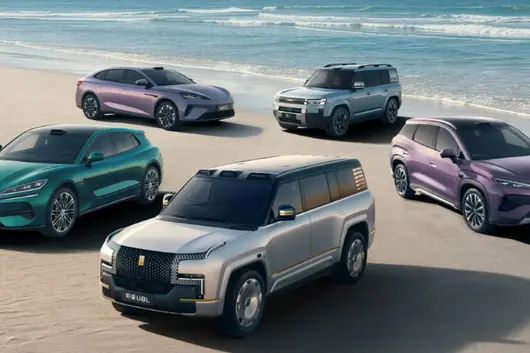
方程豹同比暴漲 139.7% 品牌向上落地見效騰勢、方程豹、仰望組成的高端矩陣 5 月合計銷售 46489 輛,正式擺脫小眾定位,成為比亞迪品牌溢價與利潤增長新支點,打破自主品牌高端化難破局的行業魔咒。

越野品牌方程豹單月 30186 輛,同比暴漲 139.7%,創下品牌上市以來月度銷量新高,旗下鎦 7 單月 18280 台,豹 5、豹 8 穩定輸出,在 25-40 萬硬派越野細分市場持續擠壓合資、進口車型生存空間。

騰勢 5 月交付 16303 台,MPV 標桿 D9 售出 6721 台,Z9 系列近 6000 台,MPV、中大型轎車雙線發力,站穩豪華新能源賽道;百萬元級超豪華品牌仰望穩步爬坡,當月交付 286 台,同比增幅 105.8%,完成自主品牌天花板產品的市場驗證,形成從十幾萬家用、三四十萬越野、五十萬豪華 MPV 到百萬元級旗艦的全價格帶產品佈局。

5 月比亞迪乘用車和皮卡海外銷量 160177 輛,同比大漲 80.7%,出口佔全系總銷量突破 42%,創下品牌出海歷史新高,成為穩住 5 月整體銷量、實現同比轉正的核心驅動力。
東南亞、歐洲、拉美成為主力增量市場,海鷗、宋 PLUS、元系列持續登頂多國新能源熱銷榜單,SHARK 皮卡連續兩月單月出口突破 4000 台;依托泰國、巴西、匈牙利、烏茲別克斯坦四大海外整車工廠落地投產,本地化生產持續落地,規避關稅同時快速下沉終端渠道。在國內車市存量競爭、價格戰常態化背景下,高速擴容的海外市場有效對沖國內車型換代帶來的銷量波動,正式從補充市場升級為比亞迪核心增長引擎。截至當前,比亞迪新能源汽車全球累計銷量已經突破 1650 萬輛,全球化版圖持續拓寬。
智駕賦能產品迭代 下半年新品蓄力衝量5 月比亞迪智能化落地迎來關鍵節點,天神之眼智駕系統成為車型核心加分項:全品牌搭載高級智駕車型保有量突破 315 萬輛,日均路測數據超 2 億公里;當月比亞迪落地城市領航、智能泊車雙安全兜底服務,成為全球首家實現兩項智駕兜底的車企,政策落地三天後,搭載天神之眼系統車型的城市 NOA 激活率暴漲 50%,智能化體驗升級直接拉動終端到店訂單轉化,為後續車型持續走量築牢產品競爭力,直面 FSD 入華帶來的智駕市場衝擊。
從數據細節來看,2026 年 1-5 月比亞迪累計銷量 1405039 輛,同比下滑 20.32%,核心誘因是全系主力車型集中換代、第二代閃充刀片電池產能爬坡受限。新款閃充電池升級快充與低溫性能,全系換代車型優先換裝新電池,但產線改造拖累產能釋放,熱門車型訂單積壓、交付延後,一定程度壓縮 5 月交付體量。
隨著二季度末二代刀片電池產能持續釋放,疊加騰勢 N8L、方程豹鎦 7 純電版、海獅 05、夏 L 等多款新車陸續登陸市場,業內普遍預判比亞迪 6 月全品牌銷量有望突破 40 萬輛。依托低端走量鎖份額、高端提利潤、海外衝增量、智能化提產品力的四維發展邏輯,在國內新能源淘汰賽加劇的當下,比亞迪全品類佈局優勢持續放大,坐穩國內新能源龍頭,加速向著全球頭部車企穩步邁進。

"In the past, selling Toyotas, the first thing customers would say upon entering was: When can I pick up the car? Now the first thing is: Whose intelligent driving system does this car use?" This is what a Toyota 4S shop salesperson told me recently.
He entered the industry in 2018. At that time, the Camry had price markups, people queued for the Highlander, and the Alphard was like a financial product. The hardest part of selling Japanese cars was not selling the cars, but calming the customers' emotions.

But now, the one thing he does most every day is explain: 'Our cars actually use a lot of Chinese supply chains.' When he said this, his tone even sounded a bit proud.
Indeed, ten years ago, Chinese automakers were still figuring out how to make door gaps even; five years ago, Chinese new energy vehicles were completely overshadowed by the industry; and now, if Japanese cars want to do new energy well, the first thing has become: Connect to the Chinese supply chain first.
You will find that when an era truly ends, it is often not because someone fell.
Instead, people who were once high and mighty start to actively learn from you.

Recently, sales of Toyota's pure electric SUV broke ten thousand again. Many people interpret this as a 'Japanese counterattack'. But if you take this car apart to look, you will find things are not that simple.
Momenta Intelligent Driving, Hesai LiDAR, Desay SV Domain Control, FinDream Battery, CALB, Zhengli New Energy...
To put it bluntly, many so-called 'Japanese new energy vehicles' now look more and more like 'Japanese shells assembled by the Chinese supply chain'. But the issue is, this precisely shows that China's automotive industry has truly won. Because true industrial victory is never about crushing others, but even your rivals are forced to use you.
This is actually more terrifying than sales overtaking.
In the past, everyone always said Chinese automakers were 'overtaking on a curve'. Looking back now, this statement was actually too conservative. China's automotive industry isn't about overtaking at all; it's about changing the track entirely.

In the internal combustion engine era, why was the Japanese supply chain strong? Because that era competed on precision manufacturing, stable quality control, long-cycle iteration, and a closed supply system. To put it simply, it was 'slow work yields fine results'. Toyota's system was essentially the highest level of order in the industrial era.
The problem is, the new energy era is different.
Now it competes on iteration speed, software capability, cost control, supply chain collaboration, and large-scale rapid trial and error. In the past, a car model was replaced every five years; now there is an OTA update every half year; in the past, suppliers took three months to change a mold; now Chinese manufacturers take three weeks.

In the past, the strongest point of Japanese manufacturing was 'not making mistakes'. Now the strongest point of Chinese manufacturing is allowing rapid mistakes, then rapid evolution. These are two completely different industrial philosophies. So many people actually misunderstand Chinese new energy vehicles. Everyone always thinks Chinese automakers win because they are cheap. But what is truly terrifying is never the low price. It is that China now possesses 'cheap', 'good enough', and 'fast' all at once.
This is the most scary part. Because the most unsolvable thing in the industrial world is that you are cheaper than me and iterate faster than me. This is also why, today, more and more Japanese suppliers are starting to collapse. Many people see Japanese parts companies going bankrupt and think it is just a sales issue.
Actually, it's not. The real problem is that the industrial logic upon which the entire Japanese supply chain relies is starting to fail. In the past, the biggest moat for Japanese suppliers was the Keiretsu system. Toyota only used the Toyota system; Honda only supported the Honda supply chain. Denso, Aisin, Jtekt, Yazaki... the whole system was like a closed empire.
But in the new energy era, there is a particularly cruel thing: closed systems mean slow. And being slow is almost a mortal sin today.
So you will see a particularly absurd phenomenon. In the past, Chinese suppliers desperately wanted to get into the Japanese system; now Japanese automakers are coming to Chinese suppliers. Because without using the Chinese supply chain, cars simply cannot compete.
This is particularly obvious in Southeast Asia. Two years ago, many people were still discussing: 'Will Chinese cars fight fiercely with Japanese cars in Thailand?' But now it is found that it is not a 'head-to-head match'. Instead, the Chinese supply chain directly penetrated into Japanese car factories.

This is more ruthless than grabbing the market. Because grabbing the market is just grabbing sales. Grabbing the supply chain is equivalent to grabbing the industrial lifeline. In the past, one of the scariest points of Japanese manufacturing was that it controlled the Asian industrial system. Now this control is shifting. And it is shifting very quickly.
The most interesting thing is that the Japanese themselves actually realized the problem first. The Nikkei has started to frequently use words like 'Keiretsu Dissolution'. Translated, it is actually just one sentence: The core thing of the Japanese automotive industry is collapsing.
So today the most painful are no longer Japanese brands, but that group of Japanese suppliers. Because vehicle manufacturers can at least 'surrender'. The supply chain is not that easy to turn around.
Toyota can still use Chinese intelligent driving; Nissan can still accept Chinese batteries; Honda can still learn new EV brands to do cockpits. But what about those traditional suppliers?

All advantages established in the internal combustion engine era suddenly became useless. More cruelly, the most important things in the new energy era, batteries, intelligence, software, intelligent driving, China has almost occupied all of them.
So you will see a particularly darkly humorous picture. On one side, Japanese media are heartbroken over 'Japanese car soul handed over to China'; on the other side, Japanese suppliers are taking BYD orders again to stay alive. This is actually very much like dynastic transitions in history.
People of the old era will not disappear suddenly. They will first be shocked, then deny, then angry, and finally join.
Many people still think China's automotive industry is just 'new energy leading'. But I think the real change is far more than cars. Cars are just the most obvious open exam for China's manufacturing upgrade. Because cars are the crown of industry. Behind it are connected chips, materials, software, batteries, machinery, manufacturing, AI, automation, and supply chain collaboration.

Whoever wins the car has the qualification to reconstruct the next generation industrial order. And what is truly terrifying about China today is that a 'supply chain black hole effect' is starting to appear.
What is a black hole? It means all industries will eventually be sucked into it.
You make cars, you have to connect to Chinese batteries; you do intelligent driving, you have to connect to Chinese computing power; you do supply chains, you have to accept Chinese speed; you do manufacturing, you have to adapt to Chinese costs.
It is highly likely that a very realistic situation will appear in the future. Manufacturing industries that do not join the Chinese supply chain will find it harder and harder to stay at the table. This is not some nationalistic emotion. This is industrial law.
Because at the end of manufacturing development, it is no longer about single-point technology, but about who can compress the entire supply chain into 'one machine'.
And the strongest ability China has now is this. From batteries to intelligent driving, from parts to whole vehicles, from R&D to mass production, China's industry has truly formed a complete closed loop, super-large scale, super-high-speed iteration, and super-strong cost control for the first time.
This thing is what is truly making the whole world anxious today. So look back at those news of 'Japanese cars using Chinese supply chains'.
You will find that its true meaning is not 'Chinese parts entered the Japanese system'. It is that Chinese manufacturing has begun to become the global industrial system itself for the first time.

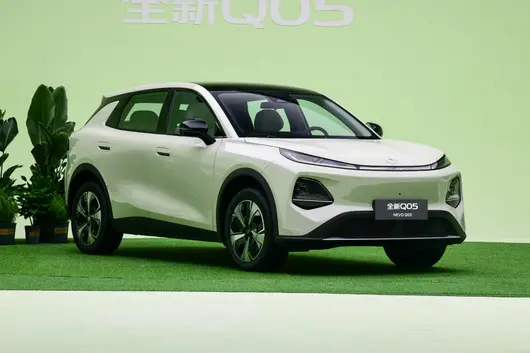
唔知有幾多朋友最近期關注 10 萬內純電 SUV 市場?近段時間睇嚟,呢個細分市場好熱鬧。就講長安啟源全新 Q05 同零跑 A10,上個月銷量分別達 15814 輛同 14372 輛,全部挺進 2026 年 4 月銷量排行全品類前 10,長安啟源全新 Q05 甚至奪得緊緊湊型純電 SUV 市場嘅銷冠。

(長安啟源全新 Q05)
值得留意係,兩款大熱門產品亮點亦唔少,9 萬級可以得到 500km+嘅續航,零跑 A10 甚至配備激光雷達,有高級智駕輔助需求嘅朋友嚟講,呢架車吸引力的確唔低。但係喺價格上,同為高配嘅長安啟源全新 Q05 506Max+ 同零跑 A10 505 激光雷達版,終端價格分別係 9.59 萬同 8.68 萬,手握 9 萬左右預算嘅朋友都可以考慮。明顯係,又去到決賽圈二揀一環節。
 (零跑 A10)
如果對預算比較敏感,咁喺長安啟源全新 Q05 同零跑 A10 之間,後者可能更受歡迎,畢竟終端價格實打實平咗幾千元。而且,高配 A10 配有激光雷達,市區/高速情況均能啟動領航輔助駕駛,呢個就係佢嘅優勢所在。當然,如果預算允許,揀長安啟源全新 Q05 高配,都有帶激光雷達嘅高級輔助駕駛。
 (長安啟源全新 Q05)
但既然係買車前嘅橫評,唔少全方位對比。首先從尺寸睇,作為緊湊型 SUV,長安啟源全新 Q05 長寬高分別係 4435*1855*1595mm,軸距為 2735mm。而零跑 A10 車型級別就係小型 SUV,長寬高分別係 4270*1810*1635mm,軸距為 2605mm。
 (零跑 A10)
如果只係考慮代步、通勤,零跑 A10 嘅細個嘅略有優勢,方便行街串巷。但實際上,好多人買車都要兼顧家用,10 萬內預算也多以剛需用車群體為主。既然係剛需,且有家用需求,嗰空間自然唔好掉鏈子。
 (長安啟源全新 Q05)
 (零跑 A10)
講返日常家庭出行嚟講,兩車之間 130mm 軸距差異,直接反映喺後排體驗。坐入長安啟源全新 Q05 後排,腿部空間平整兼寬敞,一齊坐 3 位成年人都唔會太擠;但係坐入零跑 A10 後排,無論坐寬定係腿部空間都會細少少。媽咪喺後排照顧孩子,長安啟源全新 Q05 後排更加寬敞嘅空間會更加方便佢操作,孩子都能有更大嘅活動空間。
 (長安啟源全新 Q05)
 (零跑 A10)
除咗空間,通勤黨同家庭用戶對舒適配置都比較關注。睇嚟對比,兩車都有配電動尾門、無匙進入、自適應遠近光等外部配置。但係從車廂內睇,零跑 A10 副駕無法電動調節,後排靠背都唔支援角度調節,同埋缺少後排空調出風口、車內 PM2.5 過濾裝置等。
 (長安啟源全新 Q05)
 (零跑 A10)
反觀長安啟源全新 Q05,除咗副駕支持電動調節,前排仲集成咗加熱/通風/按摩/副駕腿托功能,對比零跑 A10 只提供前排座椅加熱,佢嘅品質無疑更上一層樓。包括後排乘員都有少少照顧,例如靠背角度可調、配有後排空調出風口、後排中央扶手/杯架等,更加適合家人同行呢類場景。
 (長安啟源全新 Q05)
 (零跑 A10)
除咗舒享體驗,行駛系統嘅對比我哋都唔好忽略。首先從大家關注嘅續航睇,長安啟源全新 Q05 同零跑 A10 分別搭載 51.9kWh、53kWh 電池,CLTC 純電續航做到 506km、505km,差異大可忽略。但從電芯供應鏈睇,前者出自寧德時代,後者就係國軒高科/江蘇正力,若論品牌含金量,“寧王”順位自然靠前,更值得信賴。另外,兩車都有全球品質,按照全球嚴苛嘅標準打造,零跑 A10 符合國內、歐盟雙標準,長安啟源全新 Q05 已經喺泰國上市,未來仲會相繼落地多個國家地區,最終開拓歐洲區域,此外仲有央企背書,質量品質都好可靠。
因為本文討論嘅係 A10 嘅 505 版本,採用電池液冷技術,溫控較好,而如果係 403 版本,採用成本低嘅風冷技術,散熱效果較差。呢點上,全新 Q05 做得更好,入門就採用電池直冷技術,高配用嘅係液冷技術,能更好地實現熱管理,保證電池安全。
 (長安啟源全新 Q05)
 (零跑 A10)
動力方面,長安啟源全新 Q05 同零跑 A10 都係前置單電機佈局,電機最大動力輸出分別係 120kW/190N·m、90kW/150N·m,0-100km/h 加速時間分別做到 8.9 秒同 10.6 秒。坦率嚟講,兩款車喺純電陣營加速性能都中規中矩;但係相對嚟講,長安啟源全新 Q05 嘅 8 秒級零百加速,喺山路行駛、高速超車等情況下會比零跑 A10 更加分。
 (長安啟源全新 Q05)

(零跑 A10)
總結嚟講,零跑 A10 505 激光雷達版優勢突出:價格更低、智駕輔助覆蓋範圍更廣,適合預算優先 + 科技嘗鮮嘅消費者。而長安啟源全新 Q05 更強調“全面”二字:加少少預算同樣可以獲得高級輔助駕駛,而且尺寸更大、舒適配置更高、採用頭部電芯供應鏈,動力亦更強,綜合表現更全能。總括嚟講,預算 9 萬級追求面面俱到嘅家用體驗,長安啟源全新 Q05 506Max+ 更加值得考慮。