


首頁电影

搜尋歷史
熱門搜尋
經銷商登入 / 註冊

In the Malaysian SUV market, many buyers compare Proton X90 and Mitsubishi Xforce when choosing a car. These two cars are quite close in price and positioning. Today, we will make a detailed comparison from multiple aspects to help you save time on research.
The Proton X90 OTR price in Malaysia is RM 106,800 - 122,800, with a total of 4 versions, including 2026 1.5T Prime X (RM 122,800), 2026 1.5T Prime (RM 116,800), 2026 1.5T Lite (RM 106,800), etc.
The Mitsubishi Xforce OTR price in Malaysia is RM 109,930 - 119,930, with a total of 2 versions, including 2026 1.5L Ultimate (RM 119,930), 2026 1.5L Urban (RM 109,930), etc.
In terms of price, the starting price of the Proton X90 is indeed RM 3,130 cheaper than the Mitsubishi Xforce. If your budget is limited, the Proton entry-level version can already meet daily needs. But also note that the savings of a few thousand might involve compromises on features, depending on your specific needs.

The Proton X90 is equipped with a 1.5L Turbo engine, 140 hp. Official fuel consumption 7.0 L/100km.
The Mitsubishi Xforce is equipped with a 1.5L Turbo engine, 140 hp. Official fuel consumption 7.0 L/100km.
Both cars use the same powertrain, the driving experience in daily use is basically the same. Fuel consumption is also about the same, no need to worry too much about this.

The Proton X90 safety rating is 5★ (ASEAN NCAP), active safety systems include ADAS (ACC, AEB, LKA, LDA, BSM, RCTA).
The Mitsubishi Xforce safety rating is 5★ (ASEAN NCAP), active safety systems include MI-PILOT.
Both cars have the same safety rating, safety features in this class are considered quite comprehensive. New cars nowadays have good safety, no need to worry too much about this.

The Proton X90 uses FWD drive.
The Mitsubishi Xforce uses FWD drive.
Both cars have the same drive, both are FWD, there won't be much difference in daily driving experience.

Overall, both the Proton X90 and Mitsubishi Xforce are excellent models in the Malaysian market. Which one to choose depends mainly on your personal needs and budget. We recommend doing your research, comparing quotes from several dealerships, and test driving before making the final decision. Buying a car is a major matter, spending some time doing research will never go wrong.


繼6月海外市場銷量創歷史新高後,上汽集團7月再次交出亮眼成績單:7月海外市場銷售14.2萬輛,同比大漲72.5%;1至7月累計銷售87.6萬輛,同比增長52.1%,穩居中國汽車企業出海第一梯隊。
海外銷量持續高歌猛進,背後係上汽從「產品出海」向「體系出海」嘅縱深推進。近期,上汽喺歐洲、東南亞、南美等市場密集投放多款車型,同步舉辦海外技術大會、設立直屬銷售公司、深化本地化生產……全球化研發、製造、服務同品牌運營能力持續完善。
新品接連上市,海外市場反響熱烈
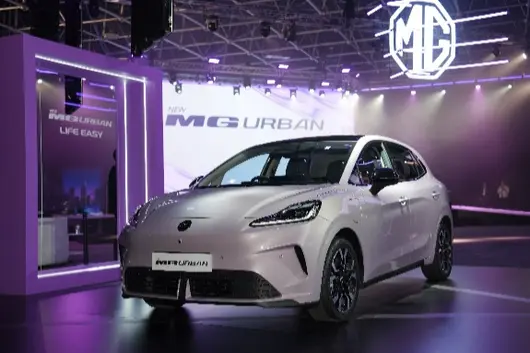
近期,上汽MG、五菱等品牌喺海外掀起新車上市潮。6月17日,MG喺泰國曼谷發布全新純電掀背車型MG4 Urban,提供標準版、長續航版同旗艦版三款配置,並實現泰國本地化生產;7月16日,該車型登陸巴西市場,連同渠道、售後全生態共同亮相。作為一款「全球車」,MG4 Urban今年先後登陸英國、德國、澳洲、新加坡等市場,以先進智電技術同強悍產品力滿足全球用戶需求。
除咗純電車型,上汽MG嘅HEV混動車型同樣表現搶眼,海外月銷近2.7萬輛,實現同比翻倍。7月29日,MG ZS Hybrid+喺印尼國際汽車展上正式發布,憑藉出色嘅燃油經濟性、順暢靈活嘅駕駛操控表現同完善嘅售後服務,迅速獲取印尼用戶嘅好評。
 一喺印尼國際汽車展發布嘅仲有五菱Aira EV。這款同五菱宏光MINIEV 同源嘅「全球車」小巧靈活,精準匹配印尼街巷狹窄、車位局促、多人口出行等本土用車場景。該車由印尼芝卡朗工廠本地生產,依靠喺印尼積累嘅製造、渠道同用戶基礎,樹立印尼城市代步電車新標杆,持續深耕本土市場。

新車效應喺各區域市場逐步顯現。喺歐洲,MG 品牌1至7月累計銷售21.8萬輛,同比增長22.8%,蟬聯「中國品牌歐洲銷量冠軍」;喺意大利,MG 累計用戶突破15萬,成為繼英國市場之後,品牌喺歐洲嘅第二個15萬+市場。上汽通用五菱同樣表現搶眼,海外出口連續4個月突破3萬輛,1至7月海外累計銷量突破20萬輛,增長勢頭強勁。
強化體系深耕,海外戰略穩步進階
密集嘅新車上市係上汽喺全球市場嘅前沿陣地,而更深層次嘅突破,喺技術、標準、體系嘅全方位進階——分享前沿技術、融入當地市場、扎根產業生態、服務當地用戶。
7月8日,MG喺英國倫敦舉辦技術大會,將最前沿嘅智電技術帶回品牌發源地。會上集中展示咗MG Plug-in Hybrid+ 油電混合、SolidCore 半固態電池同 MG Parking 智慧座艙同輔助駕駛,向全球用戶展示咗上汽雄厚嘅技術實力。


次日,MG 攜兩廂純電概念車MG Go!同轎跑SUV 概念車MG Cyber 亮相古德伍德速度節。兩款車款設計靈感均源自品牌歷史經典,MG Go!以小巧運動嘅姿態為用戶提供純電出行個性新選擇;MG Cyber 則定位電動旗艦轎跑SUV,承載品牌未來嘅設計語言同向上願景。

銷售渠道方面,7月MG 品牌喺比利時、盧森堡成立直屬銷售公司,全面負責當地市場嘅分銷、銷售同渠道運營。直營體系建設係MG 由「賣車」到「經營」嘅轉變,有助品牌更直接地接觸客戶需求、梳理銷售節奏、提升服務能力,實現對市場動態嘅敏捷回應。
前瞻設計嘅產品、前沿硬核嘅技術、深入佈局嘅體系,構成咗MG 品牌出海逐階而上嘅全新格局。由銷量規模領跑轉向深耕本土市場、構建長期用戶關係,上汽嘅「Glocal 戰略」正在快速落實。
商用車積極佈局,市場開拓穩步推進
海外乘用車市場不斷突破嘅同時,上汽商用車亦喺海外取得搶眼表現。7月,上汽大通海外熱銷1.4萬輛,同比大增69%,產品持續暢銷全球100多個國家同地區。委內瑞拉石油公司首批採購200輛大通T60 皮卡,疊加智利礦區皮卡批量訂單嘅穩步落地,大通高端皮卡商用價值獲得海外企業客戶認可;喺希臘輕型商用車市場,上汽大通MAXUS 品牌連續6個月保持中國品牌市佔率第一,喺歐洲市場嘅滲透步伐持續加快。

重卡同客車領域,近期上汽紅岩同泰國頭部港口大客戶達成1000輛新能源重卡戰略合作協議,創下國內新能源重卡單次出口東南亞市場規模歷史新高。呢批新能源重卡針對東南亞高溫、多雨、重載工況進行本地化優化,並同步完善海外充電、維保、備件生態佈局,首批整車已批量登船發往泰國。申沃客車7月亮相澳洲巴士同客車展覽會,展出咗專為大洋洲市場量身訂造嘅純電動城市客車iEV12,滿足右舵駕駛、更長營運里程、更優操控性能嘅需求,同時具備高可靠性同可延展性,以先進嘅產品同服務滿足澳洲市場需求。
由輕型貨車、皮卡到重卡、巴士,上汽商用車板塊嘅出海之路不僅有多品類矩陣,更積極探索本地化深度運營。喺訂單突破到口碑沉澱嘅過程中,上汽正以體系化實力喺全球商用車市場縱深佈局,持續拓寬市場增長空間。
由MG 喺歐洲嘅技術大會同直營佈局,到五菱喺東南亞嘅本地化生產,再到商用車板塊喺多品類、多區域市場嘅縱深突破,上汽嘅全球化運營不斷深入。由「走出去」到「走進去」,中國汽車出海嘅發展邏輯正在重塑,優秀產品同完善體系形成嘅協同共鳴,將讓中國智造嘅品牌形象喺世界舞台日益閃亮。

In Malaysia's SUV market, many buyers compare Proton X90 and Chery Tiggo 9 when choosing a car. These two cars are quite close in price and positioning. Today we will do a detailed comparison from multiple aspects to help you save time on research.
Proton X90's OTR price in Malaysia is RM 106,800 - 122,800, with a total of 4 versions, including 2026 1.5T Prime X (RM 122,800), 2026 1.5T Prime (RM 116,800), 2026 1.5T Lite (RM 106,800), etc.
Chery Tiggo 9's OTR price in Malaysia is RM 166,800 - 179,800, with a total of 1 version, including 2026 2.0T Standard (RM 179,750), etc.
From the price perspective, Proton X90's starting price is indeed RM 60,000 cheaper than Chery Tiggo 9. If your budget is limited, Proton's entry-level version is already sufficient for daily needs. However, note that the few thousand cheaper may involve trade-offs in features, depending on your needs.
Proton X90 is equipped with 1.5L Turbo, horsepower 140 hp. Official fuel consumption 7.0 L/100km.
Chery Tiggo 9 is equipped with 2.0L 4-cyl, horsepower 170 hp. Official fuel consumption 8.0 L/100km.
In terms of power, Chery Tiggo 9's 2.0L 4-cyl has 30 more horsepower than Proton X90's 1.5L Turbo. However, for daily driving in the city, both cars have sufficient power, and you won't feel underpowered.
Proton X90 body length 4400 mm, trunk 400 L.
Chery Tiggo 9 body length 4400 mm, trunk 400 L.
The dimensions of both cars are almost the same, and the interior space difference is not significant. For cars of this class, daily use is completely sufficient.
Proton X90 adopts FWD drive mode.
Chery Tiggo 9 adopts FWD drive mode.
Both cars have the same drive mode, both are FWD, and the daily driving experience won't differ much.

Overall, Proton X90 and Chery Tiggo 9 are both very good car models in the Malaysian market. Which one to choose mainly depends on your personal needs and budget. It is recommended to do your research, compare quotes from a few dealerships, and then take a test drive to make a final decision. Buying a car is a big matter, spending time doing research is never wrong.

In Malaysia's SUV market, many buyers compare Proton X90 and Chery Tiggo 8 PHEV when choosing a car. These two cars are quite close in price and positioning, today we will conduct a detailed comparison from multiple aspects to help you save time on research.
Proton X90's OTR price in Malaysia is RM 106,800 - 122,800, with a total of 4 versions, including 2026 1.5T Prime X (RM 122,800), 2026 1.5T Prime (RM 116,800), 2026 1.5T Lite (RM 106,800), etc.
Chery Tiggo 8 PHEV's OTR price in Malaysia is RM 159,750 - 159,750, with a total of 2 versions, including 1.6L Turbo Standard (RM 130,000), 1.6L Turbo Premium (RM 145,000), etc.
From the price perspective, Proton X90's starting price is indeed RM 52,950 cheaper than Chery Tiggo 8 PHEV. If your budget is limited, Proton's entry-level version can already meet daily needs. But note also, the few thousand cheaper, might involve trade-offs in features, specifically depends on your needs.
Proton X90 is equipped with 1.5L Turbo, horsepower 140 hp. Official fuel consumption 7.0 L/100km.
Chery Tiggo 8 PHEV is equipped with Hybrid, horsepower 170 hp. Official fuel consumption 4.5 L/100km.
In terms of power, Chery Tiggo 8 PHEV's Hybrid has 30 more horsepower than Proton X90's 1.5L Turbo. However, for daily city driving, the power of both cars is sufficient, you won't feel lack of power.
Proton X90 body length 4400 mm, trunk 400 L.
Chery Tiggo 8 PHEV body length 4400 mm, trunk 400 L.
The dimensions of both cars are almost the same, interior space difference is not significant. Cars of this level are completely sufficient for daily use.
Proton X90 adopts FWD drive method.
Chery Tiggo 8 PHEV adopts FWD drive method.
Both cars have the same drive method, both are FWD, daily driving experience won't have much difference.
Proton X90 and Chery Tiggo 8 PHEV are both mainstream choices in the Malaysia market, suitable for family use, daily commute. If you value brand reputation and resale price more, you can prioritize the one with better reputation; if you care more about cost-performance ratio and features, then choose the one with richer configurations. Finally it is recommended to test drive both, personal experience is the most important.
Overall, Proton X90 and Chery Tiggo 8 PHEV are both very good models in the Malaysia market. Which one to choose, the key is still to look at your personal needs and budget. It is recommended to do research, compare quotes from a few dealerships, then test drive to make the final decision. Buying a car is a big matter, spending some time on research will definitely not be wrong.

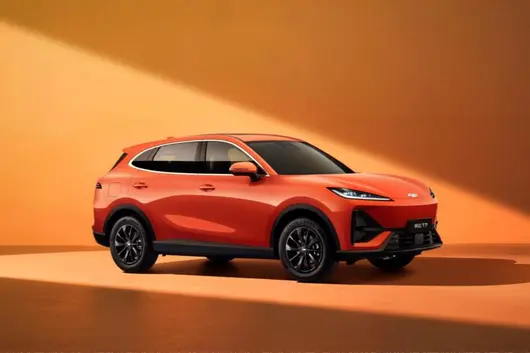
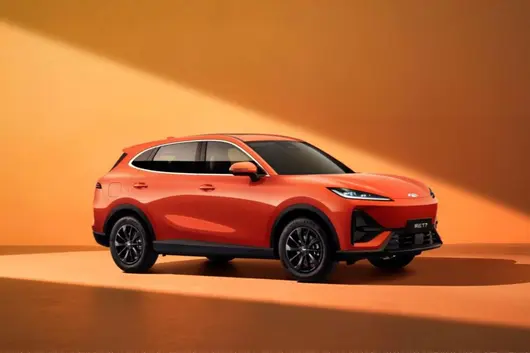
8 月 12 日,奇瑞風雲 T7 開啟預售,預售價 10.99 萬到 12.99 萬,定位全球品質純電 SUV,講的故事係「慢工造好車」,亮出嘅底牌係奇瑞 23 年全球化積澱。10 萬級純電 SUV 係眼下競爭最密集嘅價位段,風雲 T7 喺呢個時刻將「全球標準」敘事壓入嚟,打法好明確。

 发布会把这台车拆成六个刚需:颜值、安全、出行、智能、舒享、安心。挨个看数字。
颜值放在第一刚需。依托奇瑞 10 个全球设计中心、5000 多名用户共创,同源海外版本上过米兰设计周。6 款配色加天际霞光尾门,走的是国际简约与东方气韵结合的路子。
安全是这车花力气最大的地方。官方数据,2 年策划 3 年研发,81 台专属耐久车同步路试,整车测试超 600 万公里,耐久专项 145 万公里,还针对东南亚雨季、中东高温、印尼高湿做了极限试炼。车身 80% 高强度钢、18.84% 热成型钢,九横五纵笼式结构,全系 9 气囊含 48L 双腔远端气囊和后排侧气囊,对标 2026 版 E-NCAP 五星和 ASIL D。把远端气囊和笼式结构做全系标配,是这个价位的加分项,投入不是 PPT,是真跑了里程的。
出行讲全系平权。全系标配 65.05kWh 犀牛电池,CLTC 600km,官方实测 667km 以上,30% 充到 80% 二十分钟。全系一个续航配置,不分低配缩水,这点对 10 万级用户实在。热管理上双源宽热泵加高压 PTC,标称零下 30 度到 55 度稳定运转,北方冬天也能用。全气候适配,是出海车型带回来的真好处。
智能分两块。座舱是舱驾一体 8775 芯片,4nm 制程、72TOPS,开机提速 33%。15.6 英寸 2.5K 屏,CarPlay、HiCar、CarLink 无线全覆盖。辅助驾驶是猎鹰 500,3 颗毫米波加 7 个摄像头加 12 个超声波共 22 颗传感器,主打 300 多个泊车场景,断头路、跨楼层、循迹倒车都能做。22 颗传感器不算顶配,但泊车场景覆盖是实打实的卖点。
舒享给得也满。轴距 2700mm,得房率 84%,后排 911mm 腿部空间,座椅放倒 1955mm 纯平。9 层云感座椅带通风加热,零下 20 度 5 分钟加热到 30 度。底盘由玛莎拉蒂背景的前专家团队调校,50.8 比 49.2 的轴荷比。底盘是这台车少被提起、却最见功底的部分。
安心这块是权益。两大兜底加两项终身:电池热失控损毁赔同款新车,辅助驾驶在泊车和领航场景出事最高赔 500 万;整车终身质保含三电,666 元买终身基础保养。
风云 T7 这套打法,是奇瑞把 23 年全球化研发和制造积淀,压进 10 万级纯电 SUV 的一次集中落地。六项刚需覆盖得扎实,10.99 万起的卡位把全球车叙事拉进了主流家庭预算。从纸面到口碑,差的是交付节奏和实车稳定性,这两件事要用时间证明。


Many consumers face a dilemma when buying a car: new cars on the market are updated faster and faster, appearance parameters look bright, small manufacturer cars actually show various minor problems after driving for two or three years; want to buy a reliable and durable, family-safe home pure electric SUV, pick back and forth always fail to find a choice that balances quality, practicality, and cost-effectiveness.

On August 12, Chery Fengyun T7 officially launched pre-sale, with a pre-sale price of 109,900 to 129,900 Yuan. The launch event took 'Slow Work Makes Good Cars, It Was Worth the Wait' as its core theme, completely breaking away from the industry's impetuous 'quick-make car' rhythm. This vehicle underwent two years of project planning and three years of in-depth R&D, built upon Chery's global quality manufacturing system. It is an original global pure electric SUV that first underwent global market verification before returning to serve domestic families. Today, let's break down the car's underlying strengths together and explain why families seeking long-term durability and family travel needs should patiently wait for this five-year polished premium model.

Avoid the old road of export-exclusive models, truly testing in the global arena first, then benefiting domestic users
Many domestic models on the market are first built for the domestic market, with simple configuration adjustments for overseas sales, resulting in significantly compromised adaptability and quality standards. Fengyun T7 completely reverses this R&D approach. From the very start, it targeted travel needs of users in over 130 countries across different regions. Relying on Chery's '1+7+N' global collaborative R&D network, it linked eight global styling centers and thousands of real users to jointly co-create the product. The overseas homologous model, named Lepas L6, has already launched and sold hot in Thailand and South Africa markets. It also appeared at the Milan Design Week, gaining recognition from overseas media, and was called an affordable 'Little Macan' by overseas car enthusiasts.

Its ability to stand firm in overseas markets core lies in unified global strict manufacturing standards for the whole vehicle, with no downgraded specifications or shrinkage between domestic and overseas versions. During the R&D phase, Chery invested 963 exclusive test vehicles, completing a cumulative 1.45 million kilometers of global durability testing. This is equivalent to circling the Earth 36 times, traversing extreme conditions such as Nordic extreme cold, Middle East high-temperature deserts, Southeast Asian high-humidity coastal areas, South African unpaved rough roads, and plateau high UV radiation. All potential vehicle usage problems users might encounter in the next ten years were optimized and verified before the listing.

Compared to many competitors with test processes of only tens of thousands of kilometers, Fengyun T7's lengthy verification cycle is exactly the greatest sincerity towards family users. For ordinary car owners, buying a car is not a short-term consumer item; a car accompanies a family for at least five to fifteen years. Models tested through global climates and road conditions have significantly higher stability in chassis, three-electric systems, and body sealing compared to models tested only on urban roads. Common pain points such as winter range attenuation in the North, body rust in the Southern rainy season, and abnormal chassis noises on long-distance rough roads are optimized in advance. A car that works both North and South has a lower long-term failure rate.

At the same time, Chery has a foundation of being the No. 1 Chinese brand passenger car exporter for 23 consecutive years, with a global cumulative reputation endorsement from 20 million car owners. Fengyun T7 allows hundreds of thousands of overseas users globally to complete quality actual tests for domestic consumers in advance. We don't need to be 'first-generation guinea pigs' but can obtain a set of whole vehicle solutions that have been market-tested, mature, and stable. This is also the unique core advantage of this global car.

Six Essential Needs Fully Covered, Precisely Solving Family User Full-Scenario Car Usage Pain Points
As a pure electric SUV built for quality families, Fengyun T7 one-stop covers appearance, travel, safety, intelligence, comfort, and peace of mind six core needs. Every design fits the real car usage scenarios of ordinary families' daily commuting, weekend camping, and long-distance self-driving. There are no flashy or useless gimmick configurations; everything delivers practical value.

First, the entire system features a unified 600 km long range, saying goodbye to industry tricks of range shrinkage on low configurations. Many models at this level have entry-level ranges of only around 400 km; if you want long range, you can only add budget to get high configurations. Fengyun T7 comes standard across the entire series with a 65 kWh Rhino Lithium Iron Phosphate battery, with a CLTC rated range of stable 600 km and energy consumption as low as 12.9 kWh per 100 km. Daily commuters traveling thirty to forty kilometers only need to charge once a week; weekend trips taking the elderly and children across provinces for short tours require no frequent intermediate energy stops. Fast charging from 30% to 80% takes only 20 minutes. A short rest at a service area restores the majority of the battery, and it supports 6.6 kW external discharge, making camping and picnic electricity usage completely stress-free.

Battery safety is an even greater core concern for households. The Rhino battery passed multiple limit tests including nail penetration, extrusion, and fire burning. Even with 50% extrusion deformation, it will not undergo thermal runaway. The battery pack's impact resistance reaches ten times the national standard. The official also introduced a 'thermal runaway replaces the new car' bottom-line policy. Paired with a heat pump + PTC dual-source heating system, it works stably in temperatures as low as minus 25 degrees. The winter range achievement rate in the North improves by 30%, completely solving the problem of significantly reduced winter range for electric vehicles in the North. With a cell cycle life of 2,500 times, normal home use is stable for fifteen years with no pressure.

Second, 2,700 mm class-leading space, balancing passenger comfort and loading flexibility. Body dimensions 4,570 × 1,852 × 1,694 mm. Short front and rear overhang design makes it flexible for city driving and easy to park, while interior space is no less than a one-size-larger SUV. The rear floor is entirely flat, so the middle passenger doesn't need to curl their legs even when three adults are seated. The entire series is equipped with standard zero-gravity sports seats, supporting ventilation and heating functions, ensuring no waist or back soreness even after long-time sitting. The car has 38 storage spaces. The trunk has a conventional capacity of 422 L, plus a 99 L sunken dry/wet separation storage grid where children's toys, camping gear, fishing equipment, and dirty shoes can be stored separately. With the rear seats folded, loading capacity is fully maximized, making it completely sufficient for a second-child family or multi-person family travel.

The interior retains humanized physical buttons, paired with a 15.6-inch vertical floating central control screen. It runs on the Qualcomm 8155 intelligent cockpit chip. The infotainment system operates smoothly without lag. During driving, there is no need to repeatedly slide on the screen; blind operation allows adjustment of AC and volume, balancing technical sense with driving safety. Paired with Sony 8-speaker audio, daily commute music listening and children's animation playback during travel directly enhance the ride experience atmosphere.

Third, fully loaded full-domain safety configuration to protect family travel. The whole vehicle is built according to the 2026 version E-NCAP global strict safety standard. It features a nine-cross-five-longitudinal cage-style high-strength steel body, with all series standard 7 airbags and equipped with 17 ADAS intelligent driving assistance functions. Whether city congestion following, highway long-distance cruising, or country narrow road meeting cars, the system can actively avoid collision risks. Water depth reaches 500 mm. Rainy season city waterlogging road sections and suburban stream road sections can be passed calmly. For car owners who often travel with family, this comprehensively reduces travel hidden dangers.

III. Slow Craftsmanship in Car Making, Breaking Industry Impetuosity, Delivering Long-term Value for Home Car Owners
Currently, the new energy industry involution is severe. Many brands compress R&D and test cycles to quickly launch new cars and grab the market. While parameters may look bright, many details are not polished properly. Later issues such as battery attenuation, chassis abnormal sounds, and car machine lag problems are endless, and in the end, ordinary consumers still pay the bill. Chery Fengyun T7's '2 years planning, 3 years R&D' slow rhythm is exactly thinking from the perspective of car owners' long-term usage costs.

For ordinary families, buying a car requires balancing the down payment, daily electricity costs, and future maintenance and repair expenses. Fengyun T7 has a low energy consumption advantage; calculated, the electricity fee per kilometer is less than 5 fen. Compared to fuel cars, it saves over ten thousand Yuan in fuel fees annually. The mature and stable three-electric system, with a chassis tested for over a million kilometers, greatly reduces the frequency of future maintenance and repairs, saving time and money costs associated with frequent car repairs. At the same time, the model features an innovative modular selection scheme. With a limited budget, users can choose the basic practical version. For those pursuing high-level experiences, options like smart driving and panoramic sunroofs are available without forced bundling of useless configurations. Owners only pay for the functions they need, making the cost-performance ratio very prominent.

Many people might wonder, if a car is polished for five years and globally verified, won't the pricing be out of reach? From the consistent pricing logic of the Chery Fengyun series, the brand always persists in technical parity. It brings high-end global car standards down to the home market. Letting ordinary working families own a global quality pure electric SUV that balances appearance, range, safety, and comfort without spending a high budget.

Automotive Healing Conclusion
'Slow work makes good cars, waited too long' is not just a launch event theme sentence, but also the product core of Chery Fengyun T7. It did not follow the industry's fast iteration impetuosity but spent five years, traveling over 100 countries, collecting real car usage feedback from millions of users, polishing every detail of the three-electric system, chassis, space, and safety bit by bit.

For family users who need a car balancing daily commuting and full-family long-distance touring, pursuing long-term stability and low usage costs, Fengyun T7 is a rare choice that balances global quality and all-round practical needs. No need to compromise on the hidden dangers of quick-make cars, no need to compromise on downgraded configurations. A home pure electric SUV that has passed global market recognition and trials in five major extreme environments has finally returned to the domestic market, satisfying all expectations of every ordinary family for safe travel.
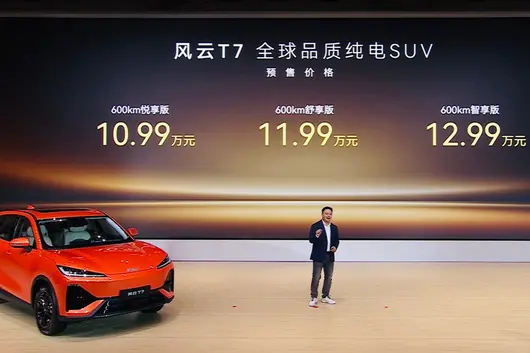

August 12, Chery Fengyun T7 officially opened pre-sale, three configurations pre-sale price 109,900 yuan to 129,900 yuan. The theme of this launch event is "Slow craftsmanship builds a good car, long awaited" — in the pace of new energy vehicles "change model every half year, change generation every year", not many car companies are willing to admit being "slow", Chery counts as one.

Go overseas first, then return home. The most noteworthy thing about Fengyun T7 is not the price, but its origin path
This car is called Lepas L6 overseas, South Africa has already opened pre-sale, Thailand launched on July 24, next it will go to Indonesia, EU, Australia-New Zealand, UK. First run around the world, accept overseas market inspection, then return to sell domestically — this reverse operation is indeed rare among local brands.
Why go through such trouble? A car must simultaneously meet regulations, climate, and road conditions of different markets such as EU, Southeast Asia, Middle East, Australia, etc., R&D cycle is destined to be long. Fengyun T7 planned for 2 years, developed for 3 years, spent 5 years in total. 81 durability test cars ran trials synchronously, whole vehicle cumulative test over 6 million km. Test environment covers Southeast Asia rainy season, Middle East high-temperature sun exposure, Indonesia high humidity, temperature range from minus 40 degrees to 55 degrees.
In today's industry where "launch a new car in 12 months" is pursued universally, spending 5 years to polish a 100,000 yuan class car, this pace is indeed somewhat unconventional. But the benefits brought by this slowness are real: it doesn't build a car first and then find ways to adapt it to different markets, but understands the needs of different markets first before starting to build cars.

Full series 600 km range, regardless of high or low trim
The old trick of 100,000 yuan class pure electric SUV is "entry level 400+ km, long range requires extra money for high trim". Fengyun T7's approach is: standard 65.05 kWh Rhino battery for the whole series, CLTC range unified at 600 km, actual test runs above 667 km. Entry version does not cut range, high trim does not add price to change range.

Fast charge 30% to 80% takes about 20 minutes. Battery cycle life over 2500 times. Whole domain thermal management system covers minus 30 degrees to 55 degrees. These parameters placed in 100,000 yuan class products, competitiveness is real.

Safety is another aspect that doesn't seem like "100,000 yuan class". Fengyun T7 is developed according to 2026 version E-NCAP five-star standard, functional safety reaches ASIL D highest level. Body 80% high-strength steel, 18.84% hot-formed steel, nine horizontal five vertical cage structure. Whole car 9 airbags, including 48L dual-chamber remote airbag and rear side airbag. Rhino battery IP68 waterproof is 96 times national standard.
These configurations usually appear on 200,000 yuan class products. Chery did not cut safety due to low price.
Intelligence and Space: 8775 Chip plus Falcon 500Smart cockpit uses 4nm process Qualcomm SA8775 chip, computing power 72 TOPS. 15.6 inch 2.5K center screen, supports CarPlay, Huawei HiCar, CarLink wireless connection. Lingxi Smart Cockpit 2.0 built-in nap, camping, pet, etc. scenario modes.

Falcon 500 driver assistance equipped with 22 sensors — 3 mmWave radars, 7 cameras, 12 ultrasonic radars. Supports 300+ scenario automatic parking, including dead-end parking and floor-spanning parking.

Dimensions 4570×1852×1694 mm, wheelbase 2700 mm. Rear seats folded form pure flat big bed. Chassis polished by former Maserati tuning team, rear-motor rear-drive layout rare at this price point.
During pre-sale period, pay 1,000 yuan deposit deductible 2,000 yuan car purchase price, two exclusive car colors limited time free. Two guarantees: battery thermal runaway due to battery itself reason compensate same new car; within one year of purchase due to intelligent driving system reason accident max compensate 5 million. Two lifelongs: whole vehicle including three-electric lifelong warranty, 666 yuan to buy lifelong basic maintenance.

100,000 yuan class pure electric SUV market is already a red ocean. BYD Yuan PLUS, Deepal S05, Geely Galaxy E5 are all fighting for this cake. Fengyun T7's differentiation lies in: using globally verified products to compete in domestic market, using full series 600 km range to establish identity, using European benchmark safety standards to build trust.

Chery ranked first in Chinese brand passenger car exports for consecutive 23 years, global users broke 20 million. Fengyun T7 is not a car pursuing "speed" — it spent 5 years to reach this pre-sale stage. But for consumers, a 100,000 yuan class pure electric SUV verified repeatedly by global markets, might be more worth looking at seriously than those rushed products.

In Malaysia's SUV market, many buyers compare Proton X90 and Honda CR-V when choosing a car. Both vehicles are quite close in price and positioning. Today, we will make a detailed comparison from multiple aspects to help you save time on research.
Proton X90's OTR price in Malaysia is RM 106,800 - 122,800, with a total of 4 versions, including 2026 1.5T Prime X (RM 122,800), 2026 1.5T Prime (RM 116,800), 2026 1.5T Lite (RM 106,800), etc.
Honda CR-V's OTR price in Malaysia is RM 178,200 - 195,900, with a total of 4 versions, including 2026 e:HEV 2.0L 2WD RS (RM 195,900), 2026 1.5T 4WD V (RM 181,900), 2026 e:HEV 2.0L 2WD E (RM 178,200), etc.
Looking at the price, the starting price of Proton X90 is indeed RM 71,400 cheaper than Honda CR-V. If your budget is limited, Proton's entry-level version is already sufficient for daily needs. However, be aware that the few thousand dollars cheaper might involve trade-offs in features, depending on your specific needs.
Proton X90 is equipped with a 1.5L Turbo, 140 hp. Official fuel consumption is 7.0 L/100km.
Honda CR-V is equipped with a 2.0L 4-cyl, 170 hp. Official fuel consumption is 8.0 L/100km.
In terms of power, the 2.0L 4-cyl of Honda CR-V has 30 more horsepower than the 1.5L Turbo of Proton X90. However, for daily city driving, both cars have sufficient power and won't feel underpowered.
Proton X90 body length is 4400 mm, trunk 400 L.
Honda CR-V body length is 4500 mm, trunk 450 L.
In terms of space, the Honda CR-V's body is 100 mm longer than Proton X90, having an advantage in passenger space. However, Proton X90 is more flexible for parking in the city, each has its trade-offs.
Proton X90 adopts FWD drive configuration.
Honda CR-V adopts FWD drive configuration.
Both cars have the same drive configuration, both are FWD, there won't be a significant difference in daily driving experience.

Both Proton X90 and Honda CR-V are mainstream choices in the Malaysian market, suitable for family use and daily commuting. If you value brand reputation and resale value more, consider the one with better reputation first; if you care more about value for money and features, choose the one with richer configuration. Ultimately, it is recommended to test drive both, personal experience is the most important.

Overall, Proton X90 and Honda CR-V are both quite good models in the Malaysian market. Which one to choose mainly depends on your personal needs and budget. We recommend doing your homework, comparing quotes from multiple dealerships, and then test driving to make the final decision. Buying a car is a big matter, spending some time on research will never go wrong.

喺馬來西亞嘅 SUV 市場,好多買家喺揀車嘅時候都會拿 Proton X70 同 Kia Sportage 嚟做比較。呢兩款車喺價位同定位上都幾接近,今日我哋就從多個方面做一個詳細嘅對比,幫你節省做功課嘅時間。
Proton X70 喺馬來西亞嘅 OTR 售價係 RM 106,800 - 122,300,一共有 3 個版本,包括 1.5L Standard 2WD(RM 106,800)、1.5L Executive 2WD(RM 115,800)、1.5L Premium 2WD(RM 122,300) 等。
Kia Sportage 喺馬來西亞嘅 OTR 售價係 RM 129,639 - 179,320,一共有 4 個版本,包括 2025 1.6T DCT 4WD High(RM 179,320)、2025 1.6T DCT 2WD High(RM 159,320)、2025 2.0L AT 2WD High(RM 139,639) 等。
從價錢來看,Proton X70 嘅起價確實比 Kia Sportage 平咗 RM 22,839。如果你預算有限,Proton 嘅入門版已經可以滿足日常需要。但都要留意,平嗰幾千塊,可能喺配備上會有所取舍,具體要睇你嘅需要。

Proton X70 嘅安全評級係 5★ (ASEAN NCAP),主動安全系統包括 ADAS (ACC, AEB, LKA, LDA, BSM, RCTA)。
Kia Sportage 嘅安全評級係 5★ (ASEAN NCAP),主動安全系統包括 Drive Wise。
兩款車嘅安全評級一樣,喺呢個級別入面安全配備都算給好齊全。而家嘅新車安全性都唔差,唔使太擔心這一點。
Proton X70 車身長 4400 mm,行李箱 400 L。
Kia Sportage 車身長 4400 mm,行李箱 400 L。
兩款車嘅尺寸幾近一樣,車內空間分別唔大。呢個級別嘅車,日常使用完全夠用。

Proton X70 保修 5 年/150,000km,保養間隔 每 10,000km 或 6 個月。
Kia Sportage 保修 5 年/300,000km,保養間隔 每 10,000km 或 6 個月。
Proton X70 同 Kia Sportage 都係馬來西亞市場嘅主流選擇,適合家庭使用、日常通勤。如果你更看重品牌口碑同二手價,可以優先考慮口碑更好嗰一款;如果你更在意性價比同配備,那就揀配置更豐富嗰款。最終都係建議兩款都去試駕,親身體驗先係最重要嘅。
總嚟講,Proton X70 同 Kia Sportage 都係馬來西亞市場好唔錯嘅車型。揀邊一輛,關鍵始終都要睇你嘅個人需要同預算。建議大家做好功課,多比較幾間車行嘅報價,再去試駕做最終決定。買車係件大事,花少少時間做功課絕對唔會錯。


2026 年 8 月 6 日,smart 以城市 Live Show 形式举办新车发布会,正式推出全新一代 smart 精灵 1 号。新车限时权益价 14.99 万元起,提供 535 Max、535 Ultra 两款版型,整车完成超 200 项体验升级,手握 63 项同级领先、20 项同级唯一配置,围绕 “三电两智” 完成全方位进化,再度巩固全球豪华智能小车之王的行业地位。
初代 smart 精灵 1 号上市四年,足迹遍布全球 41 国,超 10 万车主累计行驶十几亿公里,斩获德国 iF、红点国际设计大奖,拿下中欧双五星安全认证,是品牌电动化出海的核心名片。如今小型纯电赛道竞争白热化,多数车型只能在三电、智驾、座舱单点发力,很难做到综合均衡。全新一代精灵 1 号整合四年全球用户反馈与市场调研成果,实现脱胎换骨的全面升级,拉高高端小型纯电车的价值天花板。

全系标配 800V 高压平台,三电系统彻底告别续航补能焦虑
新车最核心的竞争力,是全系搭载全球首个量子级 AI 电子电气架构 EEA 4.0 与 800V 碳化硅高压平台,硬件规格远超同级多数仅高配才搭载 400V 架构的竞品。
整车配备 6C 超快充技术,电量 10% 充至 80% 仅需 12 分钟,10 分钟可补充 300km 续航,日常通勤一周一充,跨城长途补能无需长时间等候。动力总成采用雷霆 16 合一高效智能电驱,兼顾动力输出与能耗表现;电池采用军工级标准神盾金砖电池,符合全新电池国标,全链路温控、防撞防护体系,从根源保障电池使用安全。
整套三电系统直击纯电车两大核心痛点:充电慢、续航焦虑,入门用户也能享受旗舰级补能效率,不管是日常通勤还是周末长途自驾,都能摆脱电量束缚。

双智能全面拉满,高阶智驾 + 旗舰座舱,新手也能轻松上手
智能驾驶与智能座舱两大板块,是新车提升日常用车幸福感的关键,配置直接拉满同级顶配水平。
智驾搭载满血版千里浩瀚 H5 辅助驾驶系统,配备英伟达 Orin Y 高算力芯片,辅以千亿参数 WAM 世界行为模型 G-ASD 4.0 方案,全车搭载含激光雷达在内的 31 个感知硬件。领航辅助覆盖城市、高速全场景,有导航即可开启辅助驾驶,针对环岛通行、无保护左转、窄巷错车等 20 余个城市复杂场景,车辆决策逻辑更贴合真人驾驶,流畅自然。
泊车能力更是同级天花板,机械立体车位、无标线空地都能自主泊入,支持离车泊入、指尖遥控泊车,狭窄车位车门打不开也能远程操作,后续还将通过 OTA 迭代实现车位到车位全链路智驾功能。
智能座舱主打 “上车即上手”,搭载同级唯一 4nm 龙鹰 6P 高算力芯片,车机操作毫秒级响应。15.4 英寸 2.5K 中控屏搭载深度定制 Flyme Auto 专属 smart OS,画面清晰细腻,交互逻辑直观易上手。“超级精灵” AI 语音助手可处理多目的地、多顺序复杂导航指令;AI 空调自动感知车内外温湿度、空气质量,智能调节座舱环境,全程无需手动反复操作,交互体验省心流畅。
奔驰原厂设计,小车身大空间,座舱舒适度越级豪华
整车由梅赛德斯 - 奔驰全球设计团队操刀,延续 smart 经典四轮四角 DNA,小巧车身自带大气场。本次铂金版专属日冕金车顶回归,推出白金、蓝金两款全新撞色配色;D 柱搭载同级独有的璀璨星辰发光 Logo,搭配 “Styled by Mercedes-Benz” 专属徽标,辨识度拉满,19 英寸旋翼轮毂、运动后扰流板进一步强化运动轻奢气质。
空间遵循 “紧凑于外,宽适于内” 理念,2750mm 轴距带来 84% 同级领先得房率,车内布局 28 处分区储物格,随身杂物收纳从容。座舱舒适性对标高端车型,新奢 SPA 舒享座椅采用 12 层复合叠层结构,主副驾配备 24 种按摩模式,同步搭载加热、通风功能,长途久坐也能舒缓疲劳。全车软质包覆面积超 5㎡,门板、中控大面积软性材质,扶手、杯托盖板采用 3D Mesh 环抱工艺,触感细腻高级;森海塞尔定制音响搭配 256 色动态氛围灯,视听氛围拉满,打造沉浸式出行座舱。

中欧双五星安全标准,奔驰联合底盘调校,全场景从容驾乘
安全是 smart 不可退让的底线,新车延续中欧双五星安全车身标准,84% 钢铝混合笼式车身构建坚固防护。主动安全新增 19 项辅助功能,包含自动紧急制动 AEB、后方交叉预警制动、爆胎稳定控制、驾驶员失能辅助等,主动规避道路各类风险,全方位守护驾乘人员。
底盘由 smart 与奔驰联合专属调校,德系底盘厚重扎实,过弯悬架支撑充足,路面颠簸过滤干净。小巧车身适配城市狭窄道路,掉头、并线灵活自如;154mm 离地间隙突破小型电车局限,铺装路面通勤、郊外非铺装小路、轻度烂路都能轻松通行。车辆配备 CST 智能舒适制动系统,大幅缓解刹车点头,搭配智能动能回收,起步、加减速全程平顺,减少车内人员眩晕感。

14.99 万起限时权益,全球同步剧透精灵 2 号新车计划
全新一代 smart 精灵 1 号限时权益价 14.99 万元起,叠加五大专属权益,综合价值超 2.5 万元,用户可通过 smart 汽车 APP、官方小程序线上锁单,抢先锁定首批购车福利。
本次发布会摒弃传统宣讲模式,打造沉浸式城市 Live Show,在真实通勤、快充、泊车场景实景实测,直观展现 200 项升级带来的实际体验。smart 品牌全球公司 CEO 佟湘北现场表示:“smart 精灵 1 号始终是豪华小车的品类标杆,过去是,现在是,未来也是。”
发布会同步放出重磅彩蛋,上海、墨尔本、巴黎、柏林、香港、布宜诺斯艾利斯六座全球城市连线催更全新 smart 精灵 2 号。官方透露,精灵 2 号全球街头艺术涂鸦计划已启动,量产车型将于 10 月巴黎车展全球首秀,备受全球用户期待。
四年前,初代精灵 1 号开启 smart 全面电动化转型;四年后,全新一代车型以三电、智驾、座舱、设计、安全、驾乘全维度均衡实力,重新定义高端小型纯电标准。当下新能源小车市场普遍存在产品偏科问题,而全新一代 smart 精灵 1 号兼顾奔驰设计底蕴、800V 极速快充、全场景高阶智驾、越级舒适座舱,14.99 万的定价极具竞争力。
对于追求城市精致代步、看重品牌质感,同时兼顾家用通勤、短途自驾的消费者而言,这款完成全面进化的豪华小车,补齐了初代车型补能、智能短板,保留了 smart 标志性灵动设计,是 15 万级纯电 SUV 里不可忽视的优质选择。
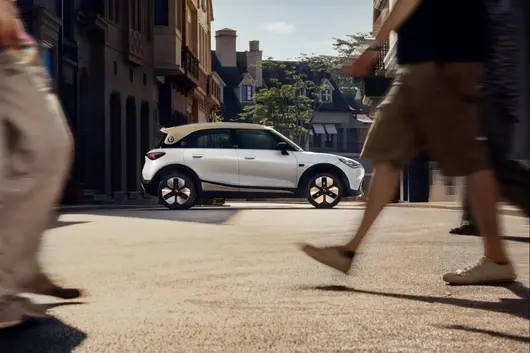

In Malaysia's SUV market, many buyers compare the Proton X70 and Honda WR-V when choosing a car.
The Proton X70 OTR price in Malaysia is RM 106,800 - 122,300, with a total of 3 versions, including 1.5L Standard 2WD (RM 106,800), 1.5L Executive 2WD (RM 115,800), 1.5L Premium 2WD (RM 122,300), etc.
The Honda WR-V OTR price in Malaysia is RM 89,900 - 107,900, with a total of 4 versions, including 2023 1.5L V (RM 99,900), 2023 1.5L E (RM 95,900), 2023 1.5L S (RM 89,900), etc.
In terms of price, the Honda WR-V's starting price is RM 16,900 cheaper than the Proton X70. To be honest, at this price point, a difference of a few thousand is not really significant; the key lies in overall value for money and long-term usage costs.

The Proton X70 is equipped with a 1.5L Turbo, 140 hp. Official fuel consumption is 7.0 L/100km.
The Honda WR-V is equipped with a 1.5L 4-cyl, 105 hp. Official fuel consumption is 6.0 L/100km.
In terms of power, the Proton X70's 1.5L Turbo has 35 more horsepower than the Honda WR-V's 1.5L 4-cyl, offering more confidence in mid-range acceleration, especially when overtaking on highways. However, the Honda WR-V's fuel consumption might be more friendly, and the difference in daily city commuting would not be very large.

The Proton X70 body length is 4400 mm, trunk 400 L.
The Honda WR-V body length is 4400 mm, trunk 400 L.
The dimensions of the two cars are almost identical, with little difference in interior space. For this class of cars, daily use is more than enough.

Proton X70 warranty 5 years/150,000km, maintenance interval every 10,000km or 6 months.
Honda WR-V warranty 5 years/unlimited mileage, maintenance interval every 10,000km or 6 months.
Overall, both Proton X70 and Honda WR-V are very good models in the Malaysian market. Which one to choose depends mainly on your personal needs and budget. We suggest doing your homework, comparing quotes from several dealerships, and test driving before making a final decision. Buying a car is a big matter, taking some time to research will definitely not be a mistake.


In the Malaysian SUV market, many buyers compare the Proton X50 and Mitsubishi Xforce when choosing a car. These two models are quite close in price and positioning, so today we will compare them in detail from multiple aspects to save you time on your research.
The Proton X50 OTR price in Malaysia is RM 89,800 - 113,300, with a total of 4 versions, including 1.5T Executive (RM 89,800), 1.5T Premium (RM 101,800), 1.5T Flagship (RM 113,300), and more.
The Mitsubishi Xforce OTR price in Malaysia is RM 109,930 - 119,930, with a total of 2 versions, including 2026 1.5L Ultimate (RM 119,930) and 2026 1.5L Urban (RM 109,930), and more.
From a price perspective, the starting price of the Proton X50 is indeed RM 20,130 cheaper than the Mitsubishi Xforce. If you have a limited budget, the Proton entry-level model can already meet daily needs. But be aware that the cheaper thousands might involve compromises in features, so it depends on your specific requirements.

The Proton X50 safety rating is 5★ (ASEAN NCAP), with active safety systems including ADAS (ACC, AEB, LKA, LDA, BSM, RCTA).
The Mitsubishi Xforce safety rating is 5★ (ASEAN NCAP), with active safety systems including MI-PILOT.
Both cars have the same safety rating, and safety features are quite comprehensive for this class. New cars nowadays generally do not lack in safety, so there is no need to worry too much about this point.
The Proton X50 uses a 4WD drive system.
The Mitsubishi Xforce uses a FWD drive system.
The 4WD from Proton and FWD from Mitsubishi will offer different driving experiences, so we recommend test driving both to compare.
Proton X50 comes with a warranty of 5 years or 150,000km, with maintenance intervals every 10,000km or 6 months.
Mitsubishi Xforce comes with a warranty of 3 years or 100,000km, with maintenance intervals every 10,000km or 6 months.
Both Proton X50 and Mitsubishi Xforce are mainstream choices in the Malaysian market, suitable for family use and daily commuting. If you value brand reputation and resale value more, consider the one with better reputation; if you care more about cost-performance and features, choose the one with richer configuration. Ultimately, we recommend test driving both, as personal experience is the most important.
In general, both Proton X50 and Mitsubishi Xforce are excellent car models in the Malaysian market. Which one to choose mainly depends on your personal needs and budget. We suggest doing your research, comparing quotes from multiple dealerships, and then test driving to make a final decision. Buying a car is a big matter, and spending time on research is never wrong.


喺馬來西亞嘅 SUV 市場,好多買家喺揀車嗰陣都會拿 Proton X50 同 Mitsubishi Xforce 嚟比較。這兩款車喺價位同埋定位上都好接近,今日我哋就從多個方面做一个詳細對比,幫你省返做功課嘅時間。
Proton X50 喺馬來西亞嘅 OTR 售價係 RM 89,800 - 113,300,一共有 4 個版本,包括 1.5T Executive(RM 89,800)、1.5T Premium(RM 101,800)、1.5T Flagship(RM 113,300) 等。
Mitsubishi Xforce 喺馬來西亞嘅 OTR 售價係 RM 109,930 - 119,930,一共有 2 個版本,包括 2026 1.5L Ultimate(RM 119,930)、2026 1.5L Urban(RM 109,930) 等。
由價錢睇,Proton X50 嘅起步價確實比 Mitsubishi Xforce 平咗 RM 20,130。如果你預算有限,Proton 嘅入門版已經滿足日常需求。但也要留意,平嗰幾千蚊,可能喺配備方面有取舍,具體睇你嘅需求。
Proton X50 配備 1.5L 4-cyl,馬力 105 hp。官方油耗 6.0 L/100km。
Mitsubishi Xforce 配備 1.5L Turbo,馬力 140 hp。官方油耗 7.0 L/100km。
動力方面,Mitsubishi Xforce 嘅 1.5L Turbo 比 Proton X50 嘅 1.5L 4-cyl 多咗 35 匹馬力。不過日常喺市區行,兩款車嘅動力都夠用,唔會覺得唔夠力。
Proton X50 嘅安全評級係 5★ (ASEAN NCAP),主動安全系統包括 ADAS (ACC, AEB, LKA, LDA, BSM, RCTA)。
Mitsubishi Xforce 嘅安全評級係 5★ (ASEAN NCAP),主動安全系統包括 MI-PILOT。
兩款車嘅安全評級一樣,喺呢個級別入面安全配備都算好齊全。而家嘅新車安全性唔差,唔使太擔心呢一點。
Proton X50 保養 5 年/150,000km,保養間隔 每 10,000km 或 6 個月。
Mitsubishi Xforce 保養 3 年/100,000km,保養間隔 每 10,000km 或 6 個月。
總括嚟講,Proton X50 同 Mitsubishi Xforce 都係馬來西亞市場好唔錯嘅車型。揀邊一輛,關鍵都要睇你嘅個人需求同預算。建議大家做足功課,多比較幾間車行嘅報價,再去試駕先做最終決定。買車係件大事,花少少時間做功課絕對唔會錯。

喺馬來西亞嘅 SUV 市場,好多買家喺揀車嘅時候都會拿 Proton X50 同 Chery Tiggo 9 嚟作比較。呢兩部車喺價位同定位上都幾接近,今日我哋就從多個方面做詳細對比,幫你節省做功課嘅時間。
Proton X50 喺馬來西亞嘅 OTR 售價係 RM 89,800 - 113,300,總共有 4 個版本,包括 1.5T Executive(RM 89,800)、1.5T Premium(RM 101,800)、1.5T Flagship(RM 113,300)等。
Chery Tiggo 9 喺馬來西亞嘅 OTR 售價係 RM 166,800 - 179,800,總共有 1 個版本,包括 2026 2.0T Standard(RM 179,750)等。
從價錢睇,Proton X50 嘅起步價確實比 Chery Tiggo 9 平咗 RM 77,000。如果你預算有限,Proton 嘅入門版已經可以滿足日常需要。但都要留意,平嗰幾千蚊,可能喺配備上有取舍,具體要看你嘅需要。
Proton X50 配備 1.5L 4-cyl,馬力 105 hp。官方油耗 6.0 L/100km。
Chery Tiggo 9 配備 2.0L 4-cyl,馬力 170 hp。官方油耗 8.0 L/100km。
就動力方面,Chery Tiggo 9 嘅 2.0L 4-cyl 比 Proton X50 嘅 1.5L 4-cyl 多咗 65 匹馬力。不過日常喺市區開,兩部車嘅動力都夠用,唔會覺得唔夠力。
Proton X50 嘅安全評級係 5★ (ASEAN NCAP),主動安全系統包括 ADAS (ACC, AEB, LKA, LDA, BSM, RCTA)。
Chery Tiggo 9 嘅安全評級係 TBD,主動安全系統包括 Basic。
安全配備方面,兩部車都拿到唔錯嘅評級。不過 Proton X50 嘅 ADAS (ACC, AEB, LKA, LDA, BSM, RCTA) 同 Chery Tiggo 9 嘅 Basic 喺功能上有少少分別,如果你比較看重主動安全嘅話,可以仔細對比下兩者嘅功能列表。
Proton X50 採用 4WD 驅動方式。
Chery Tiggo 9 採用 FWD 驅動方式。
Proton 嘅 4WD 同 Chery 嘅 FWD 喺操控上會有唔同感受,建議試駕對比。
Proton X50 同 Chery Tiggo 9 都係馬來西亞市場嘅主流選擇,適合家庭使用、日常通勤。如果你更加看重品牌口碑同二手價,可以優先考慮口碑更好嗰一款;如果你更加在意性價比同配備,就揀配備更豐富嗰款。最終都建議兩部車都去試駕,親身試先係最重要嘅。
總括嚟講,Proton X50 同 Chery Tiggo 9 都係馬來西亞市場幾唔錯嘅車型。揀邊架,關鍵仲係睇你嘅個人需要同預算。建議大家做足功課,多比較幾間車行嘅報價,先去試駕先做最終決定。買車係件大事,花少少時間做功課絕對唔會錯。

2026 年 6 月
Model Y 成為馬來西亞最暢銷嘅進口品牌電動車
Model 3 成為馬來西亞最暢銷嘅純電轎車
來自上海超級工廠嘅中國智造
安全、智能、易開、耐用🦾


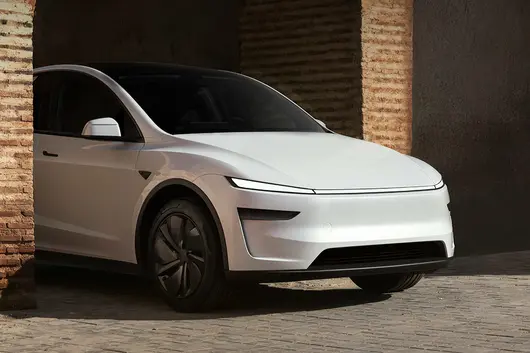

On July 16, GAC Group held a grand event at its Trumpchi factory in Guangzhou — celebrating the rollout of the 30 millionth vehicle.
What does 30 million represent? In the history of the Chinese automotive industry, no more than one hand of automakers have reached this number. It took GAC 29 years from the rollout of the first Accord in 1997 to now.
But the interesting part of this event was not the number itself, but the state GAC presented.
The star rolling off the line was not a traditional fuel car, but a right-hand drive Trumpchi M8 PHEV. The recipient was not a domestic dealer representative, but a Thai car owner.
The identity and destination of this vehicle speak louder than the number 30 million.

Selling to Thailand
A detail at the venue was worth noting: Vehicles numbered 29,999,995 to 29,999,999 rolled off the line in sequence. They were GAC Honda P7, GAC Toyota bZ7, GAC Qijing GT7, GAC Aion N60, and GAC Hyper S600, all New Energy Vehicles.

This was not just a rollout ceremony; it was clearly GAC flexing its muscles. The joint venture sector, the independent sector, pure electric, plug-in hybrid, and right-hand drive vehicles, the entire New Energy vehicle matrix appeared collectively. GAC wants to say one thing: Regarding electrification, I am serious.

In the first half of this year, GAC Group sales reached 773,100 vehicles, a 2.35% year-on-year increase, with New Energy Vehicle sales growing by 68.8%. Overseas exports exceeded 120,000 vehicles, a significant 132% increase year-on-year.
The growth rate is impressive, but the base is still relatively small. In the current era of deep industry reshuffling, GAC needs to run faster.
Quality is the Bottom Line, What Cannot Be Lost
GAC Chairman Feng Xingya said a sentence at the event: “Quality is the bottom line GAC will never cede.” Listening to this sentence today, it is actually quite weighty.
In the past few years, the Chinese automotive industry engaged in fierce involution, competing on price, specs, and computing power. But some things are hard to compete on, such as the quality control system.

GAC's quality management system has its uniqueness: integrating Honda's Total Quality Management (TQM), Toyota's Production System (TPS), plus the pragmatic DNA in Lingnan culture. This system ensures that GAC's joint venture and independent brands have long been at the forefront of the industry in product reliability.
Data also supports this: The Star Spirit Safety Guard System covers nearly 2 million users, avoiding 6.28 million potential travel risks; the Magazine Battery has cumulatively equipped 1.5 million vehicles, with safe driving mileage exceeding 160 billion kilometers.
In today's era where the industry madly piles on specs and configurations, "no breakdowns" has become a scarce value.
After 30 Million, Where to Go?
Feng Xingya announced a policy at the event: Launching the "30 Million Vehicle Rollout · Renewal and Gratitude Season". GAC's six major brands — Honda, Toyota, Trumpchi, Aion, Hyper, Qijing — will launch their respective policies around new purchase, trade-in, and extra purchase.
This is an action on the service level. More worthy of attention is GAC's next technology roadmap.

In the powertrain field, GAC's "Star Source Power" will cover three technology roadmaps: extended-range, plug-in hybrid, and Super Twin Engine. The pilot production line for all-solid-state batteries has been completed, and the Quark Electric Drive motor has exceeded 99% maximum efficiency.
In the intelligent networking field, the Star Spirit architecture is connecting six systems: intelligent driving, cockpit, powertrain, chassis, body, and vehicle connectivity. The goal is "one brain for unified command". The partner list is also long — Huawei, CATL, Didi, Tencent, Alibaba.
As of now, GAC has cumulatively invested over 62 billion yuan in R&D, with a global R&D team exceeding 6,800 people.
This level of investment is considered quite substantial among traditional automakers.
In Conclusion
30 million units is a milestone, but for GAC it is more of a watershed.
In the past 29 years, GAC relied on joint ventures for foundation, quality for reputation, and supply chain advantages and manufacturing capabilities to walk to today step by step. But for the next 30 million units, relying on these alone is not enough.
New energy transformation cannot be slow, intelligentization cannot lag behind, and the overseas market must be conquered. This is the same test faced by all traditional automakers.
GAC's choice is: Quality cannot be lost, but technology cannot be slow, rhythm cannot be chaotic, and the global market cannot be abandoned.
It looks like an attack on all fronts, but the logic is actually simple — to catch up on necessary courses as soon as possible while holding the bottom line.
After 30 million, the real test has just begun.

喺馬來西亞嘅 SUV 市場,好多買家喺揀車嘅時候都會拿 Perodua Aruz 同 Chery Tiggo 7 Pro 嚟做比較。這兩款車喺價位同定位上都好接近,今日我哋就從多個方面做一個詳細嘅比較,幫你省返做功課嘅時間。
Perodua Aruz 喺馬來西亞嘅 OTR 售價係 RM 72,900 - 77,900,一共有 2 個版本,包括 1.5L X(RM 72,900)、1.5L AV(RM 77,900) 等。
Chery Tiggo 7 Pro 喺馬來西亞嘅 OTR 售價係 RM 123,750 - 123,750,一共有 2 個版本,包括 1.6L Turbo Standard(RM 125,000)、1.6L Turbo Premium(RM 140,000) 等。
從價錢睇,Perodua Aruz 嘅起步價確實比 Chery Tiggo 7 Pro 平咗 RM 50,850。如果你預算有限,Perodua 嘅入門版已經可以滿足日常需求。但都要注意,平嗰幾千蚊,可能喺配備上會有取捨,具體要睇你嘅需求。

Perodua Aruz 裝載 1.5L 4-cyl,馬力 105 hp。官方油耗 6.0 L/100km。
Chery Tiggo 7 Pro 裝載 1.5L Turbo,馬力 140 hp。官方油耗 7.0 L/100km。
動力方面,Chery Tiggo 7 Pro 嘅 1.5L Turbo 比 Perodua Aruz 嘅 1.5L 4-cyl 多咗 35 匹馬力。不過日常喺市區開,兩款車嘅動力都足夠用,唔會覺得唔夠力。
Perodua Aruz 嘅安全評級係 5★ (ASEAN NCAP),主動安全系統包括。
Chery Tiggo 7 Pro 嘅安全評級係 TBD,主動安全系統包括 Basic。

Perodua Aruz 採用 FWD 驅動方式。
Chery Tiggo 7 Pro 採用 FWD 驅動方式。
兩款車嘅驅動方式一樣,都係 FWD,日常駕駛感受唔會有太大分別。
Perodua Aruz 同 Chery Tiggo 7 Pro 都係馬來西亞市場嘅主流選擇,適合家庭使用、日常通勤。如果你更睇重品牌口碑同二手價,可以優先考慮口碑更好嗰一款;如果你更在意性價比同配備,那就揀配置更豐富嗰款。最終都係建議兩款都去試駕,親身體驗先係最重要嘅。
總體嚟講,Perodua Aruz 同 Chery Tiggo 7 Pro 都係馬來西亞市場幾唔錯嘅車款。揀邊輛車,關鍵係要睇你嘅個人需求同預算。建議大家做好功課,多比較幾間車行嘅報價,再去試駕做最終決定。買車係件大事,花少少時間做功課絕對唔會錯。


In the Malaysian SUV market, many buyers compare the Perodua Aruz and Honda HR-V when choosing a car.
Perodua Aruz is sold OTR in Malaysia for RM 72,900 - 77,900, with a total of 2 versions, including 1.5L X (RM 72,900), 1.5L AV (RM 77,900), etc.
Honda HR-V is sold OTR in Malaysia for RM 115,900 - 143,900, with a total of 4 versions, including 2026 e:HEV 1.5L RS (RM 143,900), 2026 1.5T V (RM 137,900), 2026 1.5T E (RM 130,900), etc.
In terms of price, Perodua Aruz's starting price is indeed RM 43,000 cheaper than Honda HR-V. If your budget is limited, Perodua's entry-level version is already sufficient for daily needs. But note that the difference of a few thousand might involve trade-offs in features, depending on your needs.
Perodua Aruz has a safety rating of 5★ (ASEAN NCAP), active safety systems include.
Honda HR-V has a safety rating of 5★ (ASEAN NCAP), active safety systems include Honda SENSING (ACC, CMBS, LKAS, RDM).
Both cars have the same safety rating, safety features are quite complete within this class. New cars nowadays have good safety, no need to worry too much about this.
Perodua Aruz uses FWD drive mode.
Honda HR-V uses FWD drive mode.
Both cars have the same drive mode, both are FWD, daily driving experience will not differ much.
Perodua Aruz warranty 5 years/150,000km, maintenance interval every 10,000km or 6 months.
Honda HR-V warranty 5 years/unlimited mileage, maintenance interval every 10,000km or 6 months.

Both Perodua Aruz and Honda HR-V are mainstream choices in the Malaysian market, suitable for family use and daily commuting. If you value brand reputation and resale value more, prioritize the one with better reputation; if you care more about cost-performance ratio and features, choose the one with richer configurations. Finally, it is recommended to test drive both, personal experience is the most important.
Overall, Perodua Aruz and Honda HR-V are both very good car models in the Malaysian market. Which one to choose depends on your personal needs and budget. We suggest everyone do their research, compare quotes from several dealerships, and then test drive to make the final decision. Buying a car is a big matter, spending some time on research will never be wrong.

喺馬來西亞嘅 SUV 市場,好多買家喺揀車嘅時候都會拿 Perodua Aruz 同 Toyota Yaris Cross 嚟做比較。呢兩款車喺價位同定位上都幾接近,今日我哋就從多個方面做個詳細嘅比較,幫你省咗做功課嘅時間。
Perodua Aruz 喺馬來西亞嘅 OTR 售價係 RM 72,900 - 77,900,一共有 2 個版本,包括 1.5L X(RM 72,900)、1.5L AV(RM 77,900) 等。
Toyota Yaris Cross 喺馬來西亞嘅 OTR 售價係 RM 99,900 - 109,900,一共有 2 個版本,包括 2026 1.5L Standard(RM 99,900)、2026 HEV 1.5L Standard(RM 109,900) 等。
從價錢嚟睇,Perodua Aruz 嘅起步價確實比 Toyota Yaris Cross 平咗 RM 27,000。如果你預算有限,Perodua 嘅入門版已經可以滿足日常需要。但都要注意,平嗰啲幾千蚊,可能喺配備上要有取舍,具體要睇你嘅需求。
Perodua Aruz 搭載 1.5L 4-cyl,馬力 105 hp。官方油耗 6.0 L/100km。
Toyota Yaris Cross 搭載 1.5L 4-cyl,馬力 105 hp。官方油耗 6.0 L/100km。
兩款車用緊同一套動力系統,日常開起嚟嘅感覺基本無分別。油耗方面都差唔多,唔使太糾結這一點。
Perodua Aruz 車身長 4400 mm,尾箱 400 L。
Toyota Yaris Cross 車身長 4400 mm,尾箱 400 L。
兩款車嘅尺寸幾乎一樣,車內空間差別唔大。呢個級別嘅車,日常使用完全足夠。
Perodua Aruz 採用 FWD 驅動方式。
Toyota Yaris Cross 採用 FWD 驅動方式。
兩款車嘅驅動方式一樣,都係 FWD,日常駕駛感受唔會有太大分別。

總嘅嚟講,Perodua Aruz 同 Toyota Yaris Cross 都係馬來西亞市場好唔錯嘅車型。揀邊一部,關鍵都要睇你嘅個人需求同預算。建議大家做足功課,多比較幾間車行之報價,先至去試駕先做最後決定。買車係件大事,花啲時間做功課絕對唔會錯。

喺馬來西亞嘅 SUV 市場,好多買家喺揀車嘅時候都會拿 Proton X50 同 GWM Haval H6 嚟做比較。呢兩款車喺價位同定位上都幾接近,今日我哋就從多個方面做一個詳細嘅對比,幫你省下做功課嘅時間。
Proton X50 喺馬來西亞嘅 OTR 售價係 RM 89,800 - 113,300,合共有 4 個版本,包括 1.5T Executive(RM 89,800)、1.5T Premium(RM 101,800)、1.5T Flagship(RM 113,300) 等。
GWM Haval H6 喺馬來西亞嘅 OTR 售價係 RM 139,750 - 139,750,合共有 2 個版本,包括 1.5L Turbo Standard(RM 140,000)、1.5L Turbo Premium(RM 155,000) 等。
從價錢嚟睇,Proton X50 嘅入門價確實比 GWM Haval H6 平咗 RM 49,950。如果你預算有限,Proton 嘅入門版已經可以滿足日常需求。但都要留意,平嗰幾千蚊,可能喺配備上有取舍,具體要睇你嘅需求。
Proton X50 配備 1.5L 4-cyl,馬力 105 hp。官方油耗 6.0 L/100km。
GWM Haval H6 配備 Hybrid,馬力 170 hp。官方油耗 4.5 L/100km。
動力方面,GWM Haval H6 嘅 Hybrid 比 Proton X50 嘅 1.5L 4-cyl 多咗 65 匹馬力。不過日常喺市區開,兩款車嘅動力都夠用,唔會覺得唔夠力。
Proton X50 車身長 4400 mm,行李廂 400 L。
GWM Haval H6 車身長 4400 mm,行李廂 400 L。
兩款車嘅尺寸幾乎一樣,車內空間差別唔大。呢個級別嘅車,日常使用完全夠用。
Proton X50 保養保修 5 年/150,000km,保養間隔 每 10,000km 或 6 個月。
GWM Haval H6 保養保修 7 年/150,000km,保養間隔 每 10,000km 或 6 個月。
總體嚟講,Proton X50 同 GWM Haval H6 都係馬來西亞市場幾唔錯嘅車型。揀邊一輛,關鍵都係睇你嘅個人需求同預算。建議大家做好功課,多比較幾間車行嘅報價,再去做試駕做最終決定。買車係件大事,花啲時間做功課絕對唔會錯。


