


首頁珠宝

搜尋歷史
熱門搜尋
經銷商登入 / 註冊

In the Malaysian SUV market, many buyers compare Proton X90 and Mitsubishi Xforce when choosing a car. These two cars are quite close in price and positioning. Today, we will make a detailed comparison from multiple aspects to help you save time on research.
Proton X90 OTR price in Malaysia is RM 106,800 - 122,800, with a total of 4 versions, including 2026 1.5T Prime X (RM 122,800), 2026 1.5T Prime (RM 116,800), 2026 1.5T Lite (RM 106,800), etc.
Mitsubishi Xforce OTR price in Malaysia is RM 109,930 - 119,930, with a total of 2 versions, including 2026 1.5L Ultimate (RM 119,930), 2026 1.5L Urban (RM 109,930), etc.
From a price perspective, the starting price of Proton X90 is indeed RM 3,130 cheaper than Mitsubishi Xforce. If your budget is limited, Proton's entry-level version can already meet daily needs. But also note that those few thousand cheaper might involve compromises on features, specifically depending on your requirements.

Proton X90 is equipped with 1.5L Turbo, horsepower 140 hp. Official fuel consumption 7.0 L/100km.
Mitsubishi Xforce is equipped with 1.5L Turbo, horsepower 140 hp. Official fuel consumption 7.0 L/100km.
Both cars use the same powertrain system, the driving feel is basically the same in daily use. Fuel consumption is also similar, no need to worry too much about this point.

Proton X90 safety rating is 5★ (ASEAN NCAP), active safety systems include ADAS (ACC, AEB, LKA, LDA, BSM, RCTA).
Mitsubishi Xforce safety rating is 5★ (ASEAN NCAP), active safety systems include MI-PILOT.
Both cars have the same safety rating, safety features are quite comprehensive in this class. New cars nowadays are generally safe, no need to worry too much about this.

Proton X90 adopts FWD drive type.
Mitsubishi Xforce adopts FWD drive type.
Both cars have the same drive type, both are FWD, there will be no significant difference in daily driving experience.

Proton X90 and Mitsubishi Xforce are both mainstream choices in the Malaysian market, suitable for family use and daily commuting. If you value brand reputation and resale value more, you can prioritize the one with better reputation; if you care more about cost-performance ratio and features, then choose the one with richer configuration. Ultimately, it is recommended to test drive both, personal experience is the most important.
In general, Proton X90 and Mitsubishi Xforce are both very good models in the Malaysian market. Which one to choose depends mainly on your personal needs and budget. We recommend doing your homework, comparing quotes from several dealerships, and then test driving to make a final decision. Buying a car is a big matter, spending some time on research will never be wrong.


喺馬來西亞嘅 SUV 市場,好多人買車嘅時候都會拿 Proton X90 同 Chery Tiggo 7 PHEV 嚟做比較。呢兩款車喺價位同定位上都幾接近,而家我哋就由多個方面嚟做一个詳細嘅比較,幫你省返做功課嘅時間。
Proton X90 喺馬來西亞嘅 OTR 售價係 RM 106,800 - 122,800,一共有 4 個版本,包括 2026 1.5T Prime X(RM 122,800)、2026 1.5T Prime(RM 116,800)、2026 1.5T Lite(RM 106,800) 等。
Chery Tiggo 7 PHEV 喺馬來西亞嘅 OTR 售價係 RM 129,750 - 129,750,一共有 2 個版本,包括 2025 1.5T 90km CSH(RM 129,750)、支援邊種充電方式?可以用家用電源插座充電嗎?(RM 117,478) 等。
從價錢嚟睇,Proton X90 嘅起步價確實比 Chery Tiggo 7 PHEV 便宜咗 RM 22,950。如果你預算有限,Proton 嘅入門版已經可以滿足日常需要。但都要留意,便宜嗰幾千蚊,可能喺配備上面會要有取捨,具體要睇你嘅需要。
Proton X90 嘅安全評級係 5★ (ASEAN NCAP),主動安全系統包括 ADAS (ACC, AEB, LKA, LDA, BSM, RCTA)。
Chery Tiggo 7 PHEV 嘅安全評級係 TBD,主動安全系統包括 Basic。
安全配備方面,兩款車都拿到唔錯嘅評級。不過 Proton X90 嘅 ADAS (ACC, AEB, LKA, LDA, BSM, RCTA) 同 Chery Tiggo 7 PHEV 嘅 Basic 喺功能上面有些少差異,如果你比較睇重主動安全嘅話,可以仔細比較一下兩者嘅功能列表。
Proton X90 採用 FWD 驅動方式。
Chery Tiggo 7 PHEV 採用 FWD 驅動方式。
兩款車嘅驅動方式一樣,都係 FWD,日常駕駛感受唔會有太大分別。
Proton X90 保修 5 年/150,000 公里,保養間隔 每 10,000 公里或 6 個月。
Chery Tiggo 7 PHEV 保修 3 年/100,000 公里,保養間隔 每 10,000 公里或 6 個月。

Proton X90 同 Chery Tiggo 7 PHEV 都係馬來西亞市場嘅主流選擇,適合家庭使用、日常通勤。如果你更睇重品牌口碑同二手價,可以優先考慮口碑更好嗰一款;如果你更在意性價比同配備,就揀配備更豐富嗰款。最終都係建議兩款都去試駕,親身體驗先係最重要嘅。

總嘅嚟講,Proton X90 同 Chery Tiggo 7 PHEV 都係馬來西亞市場幾唔錯嘅車型。揀邊一部,關鍵都要睇你嘅個人需要同預算。建議大家做好功課,多比較幾間車行嘅報價,再去試駕做最終決定。買車係件大事,花少少時間做功課絕對唔會錯。

In the Malaysia SUV market, many buyers compare Proton X90 and Mazda CX-60 when choosing a car. These two cars are quite close in price and positioning. Today, we will make a detailed comparison from multiple aspects to help you save time on research.
Proton X90 OTR price in Malaysia is RM 106,800 - 122,800, with a total of 4 versions, including 2026 1.5T Prime X (RM 122,800), 2026 1.5T Prime (RM 116,800), 2026 1.5T Lite (RM 106,800), etc.
Mazda CX-60 OTR price in Malaysia is RM 200,510 - 252,873, with a total of 2 versions, including 2026 3.3T 4WD High Plus (RM 252,873), 2025 2.5L 2WD High (RM 200,510), etc.
From a price perspective, Proton X90's starting price is indeed RM 93,710 cheaper than Mazda CX-60. If your budget is limited, Proton's entry-level version can already meet daily needs. But also note, the few thousand saved might involve trade-offs in features, it depends on your specific needs.
Proton X90 comes with 1.5L Turbo, 140 hp. Official fuel consumption 7.0 L/100km.
Mazda CX-60 comes with 2.0L 4-cyl, 170 hp. Official fuel consumption 8.0 L/100km.
Regarding power, Mazda CX-60's 2.0L 4-cyl has 30 more hp than Proton X90's 1.5L Turbo. However, daily driving in the city, both cars have enough power, you won't feel it lacks power.
Proton X90 body length 4400 mm, trunk 400 L.
Mazda CX-60 body length 4500 mm, trunk 450 L.
Regarding space, Mazda CX-60's body is 100 mm longer than Proton X90, offering an advantage in seating space. However, Proton X90 is slightly more flexible for parking in the city, each has trade-offs.
Proton X90 warranty 5 years/150,000km, maintenance interval every 10,000km or 6 months.
Mazda CX-60 warranty 5 years/150,000km, maintenance interval every 10,000km or 6 months.
Warranty conditions for both cars are the same, no need to worry about this. Actual maintenance cost also depends on the brand's service network and parts prices, suggest asking real owners in car owner groups for experience.

Overall, Proton X90 and Mazda CX-60 are both very good models in the Malaysia market. Choosing which one depends mainly on your personal needs and budget. It is recommended to do your homework, compare quotes from several dealers, and test drive to make the final decision. Buying a car is a big matter, spending time on research will definitely not be a mistake.

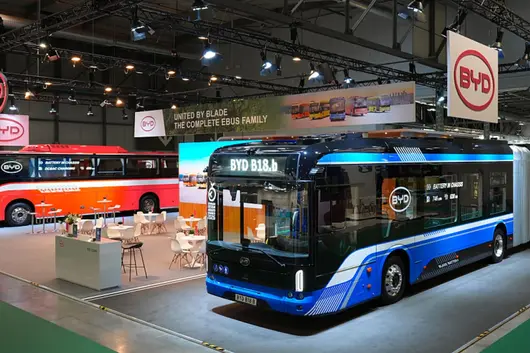
近期,中國客車資訊網發布 2026 上半年新能源客車出口統計數據,比亞迪以 2233 輛出口量位列榜首,市場份額達 22.15%,係上半年行業唯一出口量突破兩千台嘅企業。喺全球綠色交通轉型浪潮下,比亞迪保持穩健增長,已連續三年奪得新能源客車年度出口冠軍。

比亞迪電動大巴實現全球多洲、高端與新興市場同步深耕嘅全域開花格局。截至 6 月底,喺高標準嘅歐洲市場,比亞迪累計交付超 7000 台純電動大巴。其中,喺英國已投入營運嘅大巴超 2700 台,佔英國零排放大巴 45% 嘅市場份額。

比亞迪大巴喺英國
喺美洲地區,比亞迪持續多點突破,保持領先態勢。喺哥倫比亞,比亞迪累計運營大巴超 1500 台,市佔率位列第一;巴西市場自 2015 年啟動電動大巴底盤本地化生產以來,不斷深耕拓展。今年 6 月,比亞迪向聖保羅一次性交付 265 台電動大巴,創下巴西重型電動大巴單批交付規模新紀錄。憑藉本地化戰略同技術積累,比亞迪長期穩居巴西進口電動大巴品牌市佔率榜首。此外,中東同非洲市場穩步推進,摩洛哥、阿聯酋等地正陸續交付訂單。
亞太地區,業務涵蓋新加坡、泰國、馬來西亞、澳大利亞等多國,成為當地公共交通電動化主力車型。目前,比亞迪電動巴士喺日本訂單超 500 台,市佔率超 50%,位列行業第一。

比亞迪大巴喺新加坡
比亞迪電動大巴持續領先嘅核心根基,來自全棧自研核心技術體系,依托 e-BUS 平台 3.0、刀片電池等技術,可適應高溫、高寒、山地等全球複雜運營工況,喺安全性能、全生命週期成本上優勢突出,順利通過歐美日韓等嚴苛市場認證,獲全球客戶認可。


Last year, China's passenger vehicle exports surpassed Japan to take the global top spot; in the first half of this year, exports increased by another 65.3%, with the full year expected to break the 10 million vehicle milestone. This number is striking, but behind the glamour, an awkward reality is emerging: cars are selling in increasing volumes, but the walls of regulations are getting higher and higher.
The EU imposed countervailing duties of up to 35.3% on pure electric vehicles made in China, pushing the combined tax rate above 45%; Brazil raised import tariffs for electric vehicles uniformly to 35% starting from July 1st; Thailand implemented a 'production wager' mechanism, requiring the local production of 2 vehicles for every 1 imported; South Africa is also considering raising the import tariff for complete vehicles from China and India to 50%.
From Europe to Latin America, from Southeast Asia to Africa, Chinese automobiles are facing encirclement on all sides. The light-asset model of producing domestically and selling overseas has hit its ceiling.

On July 3, 2026, Chery made a move in Pretoria, South Africa, formally taking over the Rosslyn Plant, which Nissan had operated for nearly 60 years. This appears to be an ordinary transaction for Nissan to cut losses and Chery to expand production, but viewed under the proposition of 'how Chinese automakers can truly take root overseas', its weight is quite different.
Nissan Sheds Burden, Chery Takes Capacity
The sale of the Rosslyn Plant is part of Nissan's global restructuring plan 'Re:Nissan'. In the 2024 and 2025 fiscal years combined, Nissan reported a total loss exceeding 1.2 trillion yen. According to the restructuring plan, Nissan will close 7 plants globally and lay off about 20,000 people before the 2027 fiscal year, reducing global production bases from 17 to 10.

This factory previously produced models such as the Navara pickup and NP200, with products covering more than 40 African nations. However, capacity utilization rates have continued to decline in recent years. After the NP200 stopped production in March 2024, Navara became the factory's only in-production model, yet monthly sales were only a few hundred units. In May 2025, Nissan announced that local production of Navara would also cease. For Nissan, this factory has transformed from an asset into a burden.

For Chery, taking over an existing factory is more efficient than building from scratch. Chery entered the South African market in 2021, showing a steep growth curve. At this node of rapid expansion, local capacity means avoiding exchange rate and tariff risks, and also provides a hardware foundation for the next step of expanding market share.

More importantly, this acquisition is a piece in Chery's 'systematic overseas expansion' chess game. Since the beginning of this year, Chery has not just been selling cars but has deeply planted the roots of an entire industrial chain, including R&D, manufacturing, operations, and standards, into overseas markets.
In Europe, the European Operation Center and Research Institute in Barcelona, Spain, have been commissioned, and the joint venture factory with EBRO has also started production and operations; in Southeast Asia, a new factory in Vietnam worth 800 million USD is under promotion. The South African Rosslyn Plant is positioned as a comprehensive automotive hub radiating to Southern Africa.
The layout of these three locations supports each other, and a global manufacturing network is taking shape.
The Real Challenges of the South Africa Move
With the factory handover complete, the real test may have just begun.
Chery committed to retaining all 692 employees, planning to start production in mid-2027, with a future single-shift capacity of 50,000 units, and striving to achieve a 40% localization rate before 2028. This 40% is the core challenge.
Currently, South Africa imposes import tariffs of about 25% on complete vehicles, with the government considering raising the tax rate to the WTO-allowed limit of 50%. Once implemented, imported models dominated by Chinese and Indian brands will face direct cost pressures.
This is actually a positive for Chery. However, there are concerns; if the localization progress cannot keep up, the cost of importing parts will rapidly increase the overall vehicle manufacturing cost.

More realistically, the South African domestic market size is limited, with new car sales of about 550,000 per year, far insufficient to absorb large-scale production capacity. If the capacity of the Rosslyn Plant is to be fully utilized, Chery must treat South Africa as an export base, selling cars to Southern Africa and even farther markets. However, the automotive market size in most African countries is extremely small, infrastructure is weak, and export channels are not smooth.
Meanwhile, the foundation of the South African local parts industry is not optimistic. Data from the Motor Industry Association of South Africa shows that in 2025, only 33% of vehicles were manufactured locally in South Africa, a significant drop from the previous level of over 50%.
The South African local parts industry has long relied on orders from multinational automakers. As brands such as General Motors, Ford, and Nissan successively withdrew or reduced local production, the parts supplier system has already begun to shrink.

For Chery to achieve a 40% localization rate within three years, it means building or restoring an entire supply chain from scratch, introducing Chinese parts suppliers, and completing localization certification and production preparation. The schedule is quite tight.
Conclusion
Once this chess piece, the Rosslyn Plant, is placed, the situation on the chessboard begins to change. This is a landmark node for Chinese automotive export shifting from 'trade-type' to 'rooted-type'.
Against the background of tariff barriers encircling on all sides, the light-asset model relying on complete vehicle exports is unsustainable. Chery has chosen a more sustainable path, deeply planting an entire industrial root system including R&D, manufacturing, supply chain, and standards into overseas markets.
This path is not smooth. The 40% localization rate, the fragile parts system, and limited market capacity, each is a threshold that needs to be crossed. But Chery is not starting from zero.

The operational experience accumulated over more than 20 years of struggling overseas, as well as the global competitiveness of the Chinese automotive supply chain providing cost and technical support, its layout in Spain, Vietnam, and South Africa is forming a network effect.
Perhaps the most fitting conclusion is the words from Chery itself on social media: 'A new era is coming. From this moment on, Chery Automobile will proudly serve South Africa, manufactured in South Africa.'
This statement speaks not only of the fate of a factory but also of a fundamental transformation that Chinese automotive export is undergoing: from selling a car to rooting in a place. This is true globalization.

喺馬來西亞嘅 SUV 市場,好多買家揀車都會拿 Perodua Aruz 同 Mazda CX-30 比較。呢兩款車價位同定位都幾接近,今日我哋就由多個方面做詳細對比,幫你省咗做功課嘅時間。
Perodua Aruz 喺馬來西亞嘅 OTR 售價係 RM 72,900 - 77,900,合共有 2 個版本,包括 1.5L X(RM 72,900)、1.5L AV(RM 77,900)等等。
Mazda CX-30 喺馬來西亞嘅 OTR 售價係 RM 122,409 - 146,409,合共有 4 個版本,包括 2025 2.0L High+ Premium(RM 146,409)、2025 2.0L High+(RM 138,409)、2025 2.0L High(RM 130,409)等等。
由價錢睇,Perodua Aruz 嘅起步價真係比 Mazda CX-30 平咗 RM 49,509。如果你預算有限,Perodua 嘅入門版已經可以滿足日常需要。不過都要留意,平嗰幾千蚊,喺配備上可能會有取舍,具體要睇你嘅需求。

Perodua Aruz 車身長 4400 mm,後備箱 400 L。
Mazda CX-30 車身長 4500 mm,後備箱 450 L。
空間方面,Mazda CX-30 嘅車身比 Perodua Aruz 長咗 100 mm,乘坐空間更有優勢。不過 Perodua Aruz 喺市區停車會靈活少少,各有取捨。

Perodua Aruz 保養期 5 年/150,000km,保養間隔 每 10,000km 或 6 個月。
Mazda CX-30 保養期 5 年/150,000km,保養間隔 每 10,000km 或 6 個月。
兩款車嘅保修條件一樣,呢方面唔使糾結。實際保養成本仲要睇品牌嘅服務網絡同零件價格,建議去車友群問下真實車主嘅經驗。

Perodua Aruz 同 Mazda CX-30 都係馬來西亞市場嘅主流選擇,適合家庭用、日常通勤。如果你更睇重品牌口碑同二手價,可以優先考慮口碑好嗰款;如果你更在意性價比同配備,那就揀配置更豐富嗰款。最後都係建議兩款都去試駕,親身體驗先係最重要。

總括嚟講,Perodua Aruz 同 Mazda CX-30 都係馬來西亞市場幾唔錯嘅車款。揀邊輛,關鍵都要睇你嘅個人需求同預算。建議大家做好功課,多比較幾間車行嘅報價,再去試駕做最終決定。買車係件大事,花少少時間做功課絕對唔會錯。


In Malaysia's SUV market, many buyers compare Perodua Aruz and Proton X70 when choosing a car. These two cars are quite close in price and positioning, so today we will make a detailed comparison from multiple aspects to help you save research time.
Perodua Aruz OTR price in Malaysia is RM 72,900 - 77,900, with a total of 2 versions, including 1.5L X (RM 72,900), 1.5L AV (RM 77,900), etc.
Proton X70 OTR price in Malaysia is RM 106,800 - 122,300, with a total of 3 versions, including 1.5L Standard 2WD (RM 106,800), 1.5L Executive 2WD (RM 115,800), 1.5L Premium 2WD (RM 122,300), etc.
In terms of price, Perodua Aruz starting price is indeed RM 33,900 cheaper than Proton X70. If your budget is limited, Perodua's entry version can already meet daily needs. But also note, the few thousand cheaper might involve trade-offs on features, it depends on your specific needs.
Perodua Aruz is equipped with 1.5L 4-cyl, 105 hp power. Official fuel consumption 6.0 L/100km.
Proton X70 is equipped with 1.5L Turbo, 140 hp power. Official fuel consumption 7.0 L/100km.
Regarding power, Proton X70's 1.5L Turbo has 35 more horsepower than Perodua Aruz's 1.5L 4-cyl. However, for daily city driving, power for both cars is sufficient, will not feel underpowered.
Perodua Aruz body length 4400 mm, trunk 400 L.
Proton X70 body length 4400 mm, trunk 400 L.
Dimensions of both cars are almost the same, interior space difference is not significant. Cars of this class, daily use is completely sufficient.
Perodua Aruz warranty 5 years/150,000km, service interval every 10,000km or 6 months.
Proton X70 warranty 5 years/150,000km, service interval every 10,000km or 6 months.
Warranty conditions for both cars are the same, no need to worry about this. Actual maintenance cost depends on brand's service network and parts prices, recommend asking real owners in car owner groups for experience.
Overall, Perodua Aruz and Proton X70 are both quite good models in the Malaysian market. Which one to choose depends on your personal needs and budget. It is recommended to do research, compare quotes from several dealerships, and go for a test drive to make the final decision. Buying a car is a big matter, spending time on research will definitely not be wrong.

車型概覽

吉利EX5 值唔值得睇,第一步唔係望牌子或者外形,而係睇佢能唔能夠配合你嘅香港日常。 呢篇會集中講同級車比較,幫你用買家角度篩走唔適合嘅選擇。 近期市場討論到「自動駕駛全新突破 吉利Eva Cab亮相香港汽車博覽會」,代表呢類車型仍然有一定關注度。
零售價 HK$ 160,216、完稅價 HK$ 238,000 - 299,900 令預算位置更清楚,買家可以先估算月供、保險、泊車同日常開支。
購車價格指南
吉利EX5 嘅購車預算可以先由 零售價 HK$ 160,216、完稅價 HK$ 238,000 - 299,900 開始計。香港買車唔只係睇車價,月供、保險、牌費、泊車同能源成本都會影響每月壓力。
如果有幾個版本可揀,可以先將 2026 550km Max Plus(HK$ 299,900)、2025 430km Pro(HK$ 238,000)、2025 425km Max(HK$ 257,389) 放喺同一張清單。日常通勤重視舒適同易用,家庭買家就要優先睇後排、尾箱同安全配置。
核心規格重點

睇 吉利EX5 嘅規格,重點唔係背數字,而係理解佢喺香港用車場景會帶嚟咩分別。
68.39/60.22 kWh 嘅電池容量,真正意義係可以幫你估算一星期通勤同周末出車要唔要中途補電。 14.3/15.8/16 kWh/100km 嘅耗電表現,會影響你去快充站或者屋苑充電位嘅頻率。 160 kW、320 N·m 嘅輸出,令高速併線同短距離超車更有信心。 車長 4615 mm、車闊 1901 mm、車高 1670 mm、軸距 2750 mm 可以幫你預判商場停車場、屋苑車位同後排腿部空間。
優缺點分析
吉利EX5 嘅優點唔需要講到天花龍鳳,真正有價值係佢能唔能夠令日常用車更省心:預算位置清楚,方便同同級車直接比較、日常能源成本有基本參考、電池同續航資訊有助安排通勤同補電。
要留意嘅係,要先確認屋苑、公司或常去商場嘅充電條件、香港停車場同窄路使用要留意車身闊度。呢啲唔一定係缺點,但係落訂前應該先諗清楚。
買家常見問題
買 吉利EX5 之前,真正要問嘅唔係單一規格,而係佢可唔可以融入你每日嘅生活節奏。
常見疑問係「吉利 EX5 的車廂空間同實用性係點樣?」簡單講,吉利 EX5 為緊湊型純電 SUV,車廆空間實用,後排與尾箱適合家庭使用。 放到實際用車,就係要睇佢對通勤、泊車、家庭乘坐同長期成本有幾大幫助。
同級對比內容
將 吉利EX5 放入同級車清單時,唔建議只用外形或者品牌光環決定。比較順序可以係:先用 零售價 HK$ 160,216、完稅價 HK$ 238,000 - 299,900 鎖定預算圈、再睇動力係咪足夠應付高速併線同滿載、再比較能源成本同補能便利、最後睇車身大小、座位同尾箱是否適合家人。
咁樣篩選會貼近香港買家真實生活:平日塞車、商場泊車、周末去新界、甚至一家人出入,先係一部車每日要面對嘅考驗。
用車全周期指南
擁有 吉利EX5 最重要係先諗清楚充電節奏。屋苑、公司或者常去商場只要有穩定充電選項,電動化用車就會容易相處好多。
如果你主要喺市區行,視野、低速順滑度同泊車輔助會好影響心情;如果經常行高速或跨區,座椅舒適度、隔音同動力從容感會更重要。


你睇過印度嘅馬路嗎?
我喺網上見過。
畫面通常係咁,一輛轎車俾牛尾擋住,旁邊仲有亂竄嘅摩托,甚至周圍仲有賣奶茶嘅小夥,嗰叫一個“乾淨又衛生”。

然而,喺呢啲睇完好多人覺得生理不適嘅地方,豐田、鈴木、本田等日本車廠,卻決定將籌碼押落印度。
據印度“品牌質量基金會”網站顯示,三家車廠將喺印度投資近110 億美元建廠、提產能、搞出口。
對此有网友表示,三家日本車廠係咪錢多到無處花?
事實上,佢哋唔係錢多到花唔完,亦唔係被印度嘅咖哩蒙蔽咗心竅,呢啲日本車廠高層遠比我哋清醒。
而家嘅日系車,營業額、市場份額都喺下滑,原材料成本仲係升得飛起,打開世界地圖,搵一個能夠容納產能、拓充份額、競爭溫和嘅市場,唔係咁容易嘅事。
所以,唔係日本車廠選擇咗印度,而係因為冇得揀。
日本車廠之痛
曾經嘅日系車,嗰時妥妥係人哋個仔。
你問下十幾年前開過日系車嘅老司機,一提起日系車,幾乎就冇唔豎大拇指嘅,價錢平、省油、耐用又抵撞……
甚至好多日系車,仲要加價購買,但邊個諗到,呢個鐵打嘅江山,短短幾年時間就俾佢哋打得找唔著北。
隨著新能源汽車浪潮嚟到,電動化、智能化變成好多自主車廠“彎道超車”嘅目標,依托於中國強大嘅新能源汽車產業鏈優勢同車廠自身對研發、技術嘅堅持,中國自主品牌迅速實現咗“彎道超車”。
曾經被人吐槽嘅國產車,而家喺馬路越來越多人,甚至份額超越咗合資。
根據乘聯會嘅數據,喺2026 年4 月,自主品牌嘅份額已經高達62.5%,遠超日系嘅13.1%。

要知道,中國汽車市場係全球最大嘅汽車市場,喺中國市場失速,就相當於丟咗一塊巨大嘅蛋糕。
同時,中國市場近年嚟嘅主旋律依舊係價格戰,捲配置、捲價格、捲服務已經成為一種常態,亦對日系車嘅利潤產生咗巨大嘅影響。
除咗中國,日系車喺美國過得亦唔太好。
2025 年 1 月 20 日,特朗普宣誓就職第 47 任美國總統,自此開啟咗一連串搞搞震,其中就包括以國家安全為理由徵收額外嘅汽車關稅,導致進口日本汽車嘅關稅稅率一度高達 27.5%,雖然後嚟有所降低,但亦遠高於最初嘅稅率。
呢個操作,直接導致七大日本車廠喺2025 財政年度嘅關稅損失超2 萬億日元。
再睇日本本土,其實亦唔容易。
中東地緣衝突導致霍爾木茲海峽航運受阻,運輸成本、原材料成本暴漲,日本車廠都有苦難言。

高管們看著報表,背後發涼,只能尋找全新嘅增長曲線。
所以,日本車廠唔係愛上印度,係冇地方去。
揀選印度嘅深思熟慮
咁,印度點解咁有魔力,先至令日本車廠重資投入呢?
第一個優勢就係大。喺2025 年,印度汽車市場取得咗551.7 萬輛嘅新車銷量,同比增長 6%,刷新咗歷史紀錄,位居全球第三大汽車市場,已经连续四年超越日本,僅次於中國同美國。
呢個含金量唔使多講啦,而印度取得呢一成績,主要係因為印度一直喺推動減稅政策,促進消費,這導致國內消費意願出現咗明顯增強。
第二個優點係近,就係離日系車賣得動嘅地方近,如非洲等其他地區。
所以,印度對於日本車廠,更似一個建喺十字路口中央嘅便利店,你唔使將車分別運去八個國家,只需要喺印度呢站造好,然後一船一船甩去,就能削減唔少成本。

《日本經濟新聞》亦認為,印度有望轉變為佢哋全球嘅汽車供應中心。
第三個優點係穩。要知道,日系車嘅優勢就係燃油車,畢竟引擎、變速箱、底盤三大件,佢哋已經玩咗好多年,技術積累喺全球都係數一數二。
但係中國汽車市場已經全力推動電動化、智能化發展,導致日系車嘅優勢越來越弱,根本無法發揮出嚟,但印度唔一樣,佢擁有充電樁少、電動化進程緩慢嘅特點,印度老百姓買車,都仲係盯住平、省油、易修,而呢三點正係日系車嘅老本行。
尤其係鈴木,一直係印度汽車市場嘅常青樹,幾乎年年穩坐暢銷車型寶座,口碑好,勝過任何廣告。
所以,日本車廠大力佈局印度市場,顯然是經過深思熟慮嘅。
但,印度市場真係咁好混咩?
難啃嘅印度市場
當然,印度亦唔係完美得似個香口格,佢嘅缺點同佢嘅優點一樣明顯,而且每一個都夠日本車廠喝一壺。
先講電動化,冇錯,眼睇下印度充電樁少、電動車賣唔動,確實係日系燃油車嘅避風港。但你得諗諗,呢個“避風港”能避幾耐?
印度此前可係喊出咗 2030 年電動車佔新車 30% 嘅口號,雖然聽落似吹水,但抵唔住人哋真補錢、真建充電站。
試諗下,萬一有日印度突然開竅,開始大力推動電動化、搞基建,充電樁似雨後春筍咁冒出來,嗰日系車唔就傻眼?
呢唔係泰國市場嘅翻版咩?
當年日系車喺泰國都係躺贏,整個東南亞市場,都被稱為日系車嘅後花園,結果泰國率先推動電動化,中國電動車一嚟,直接就成咗香口格,再睇日系車,喺泰國嘅市場份額嘩嘩嚟咗落。

如果印度係電動化一加速,歷史大概率會重演,而而家呢次,日系車連逃嘅地方都快冇咗,點樣預防,將成為日本車廠嘅首要問題。
再講政策,印度嘅政策就似一鍋咖哩,你永遠唔知下一口食到係雞肉定係馬鈴薯。
呢個魔幻嘅國家,今日係低關稅鼓勵建廠,明日就可能罰你一筆巨款,更令人頭痛嘅係強制合資,外國車廠想喺印度賣車,要搵本地夥伴搭檔,等你工廠建好咗、供應鏈搭完咗,印度直接背刺你,到嗰陣無論係加錢定撤資,換嚟嘅都係心痛。
所以你看,印度呢個市場,就好似一個睇落好甜嘅芒果,咬落去第一口仲行,再啃幾口就摸著硬核。
日系車而家嘅算盤係,趁住核都未硌牙,趕緊多啃幾口,但核遲早會硌到,只係唔知係邊一日。
尾聲
日系車呢趟印度之旅,唔係去旅遊,係去搵食。
中國同東南亞嘅飯桌更擁擠,生產、運輸嘅成本又提高咗,放眼全球,就印度呢口鍋仲冒住熱氣,哪怕入面煮嘅係咖哩味嘅石頭,都要硬著頭皮啃落去。
日本車廠想擴大市場,印度想嘅係拉動經濟、解決就業,雙方都有各自嘅心思。
至於結局係日系車喺印度重新封神,定係好似當年嘅部分友商一樣灰溜溜走人,那就唔知啦。
但無論點樣,呢場戲先至開始,我哋慢慢睇就得啦。
反正印度嘅故事,從來唔會悶。

你睇過印度嘅馬路嗎?
我喺網上見過。
畫面通常係咁,一輛轎車俾牛尾擋住,旁邊仲有亂竄嘅摩托,甚至周圍仲有賣奶茶嘅小夥,嗰叫一個“乾淨又衛生”。
然而,喺呢啲睇完好多人覺得生理不適嘅地方,豐田、鈴木、本田等日本車廠,卻決定將籌碼押落印度。
據印度“品牌質量基金會”網站顯示,三家車廠將喺印度投資近110 億美元建廠、提產能、搞出口。
對此有网友表示,三家日本車廠係咪錢多到無處花?
事實上,佢哋唔係錢多到花唔完,亦唔係被印度嘅咖哩蒙蔽咗心竅,呢啲日本車廠高層遠比我哋清醒。
而家嘅日系車,營業額、市場份額都喺下滑,原材料成本仲係升得飛起,打開世界地圖,搵一個能夠容納產能、拓充份額、競爭溫和嘅市場,唔係咁容易嘅事。
所以,唔係日本車廠選擇咗印度,而係因為冇得揀。
日本車廠之痛
曾經嘅日系車,嗰時妥妥係人哋個仔。
你問下十幾年前開過日系車嘅老司機,一提起日系車,幾乎就冇唔豎大拇指嘅,價錢平、省油、耐用又抵撞……
甚至好多日系車,仲要加價購買,但邊個諗到,呢個鐵打嘅江山,短短幾年時間就俾佢哋打得找唔著北。
隨著新能源汽車浪潮嚟到,電動化、智能化變成好多自主車廠“彎道超車”嘅目標,依托於中國強大嘅新能源汽車產業鏈優勢同車廠自身對研發、技術嘅堅持,中國自主品牌迅速實現咗“彎道超車”。
曾經被人吐槽嘅國產車,而家喺馬路越來越多人,甚至份額超越咗合資。
根據乘聯會嘅數據,喺2026 年4 月,自主品牌嘅份額已經高達62.5%,遠超日系嘅13.1%。
要知道,中國汽車市場係全球最大嘅汽車市場,喺中國市場失速,就相當於丟咗一塊巨大嘅蛋糕。
同時,中國市場近年嚟嘅主旋律依舊係價格戰,捲配置、捲價格、捲服務已經成為一種常態,亦對日系車嘅利潤產生咗巨大嘅影響。
除咗中國,日系車喺美國過得亦唔太好。
2025 年 1 月 20 日,特朗普宣誓就職第 47 任美國總統,自此開啟咗一連串搞搞震,其中就包括以國家安全為理由徵收額外嘅汽車關稅,導致進口日本汽車嘅關稅稅率一度高達 27.5%,雖然後嚟有所降低,但亦遠高於最初嘅稅率。
呢個操作,直接導致七大日本車廠喺2025 財政年度嘅關稅損失超2 萬億日元。
再睇日本本土,其實亦唔容易。
中東地緣衝突導致霍爾木茲海峽航運受阻,運輸成本、原材料成本暴漲,日本車廠都有苦難言。
高管們看著報表,背後發涼,只能尋找全新嘅增長曲線。
所以,日本車廠唔係愛上印度,係冇地方去。
揀選印度嘅深思熟慮
咁,印度點解咁有魔力,先至令日本車廠重資投入呢?
第一個優勢就係大。喺2025 年,印度汽車市場取得咗551.7 萬輛嘅新車銷量,同比增長 6%,刷新咗歷史紀錄,位居全球第三大汽車市場,已经连续四年超越日本,僅次於中國同美國。
呢個含金量唔使多講啦,而印度取得呢一成績,主要係因為印度一直喺推動減稅政策,促進消費,這導致國內消費意願出現咗明顯增強。
第二個優點係近,就係離日系車賣得動嘅地方近,如非洲等其他地區。
所以,印度對於日本車廠,更似一個建喺十字路口中央嘅便利店,你唔使將車分別運去八個國家,只需要喺印度呢站造好,然後一船一船甩去,就能削減唔少成本。
《日本經濟新聞》亦認為,印度有望轉變為佢哋全球嘅汽車供應中心。
第三個優點係穩。要知道,日系車嘅優勢就係燃油車,畢竟引擎、變速箱、底盤三大件,佢哋已經玩咗好多年,技術積累喺全球都係數一數二。
但係中國汽車市場已經全力推動電動化、智能化發展,導致日系車嘅優勢越來越弱,根本無法發揮出嚟,但印度唔一樣,佢擁有充電樁少、電動化進程緩慢嘅特點,印度老百姓買車,都仲係盯住平、省油、易修,而呢三點正係日系車嘅老本行。
尤其係鈴木,一直係印度汽車市場嘅常青樹,幾乎年年穩坐暢銷車型寶座,口碑好,勝過任何廣告。
所以,日本車廠大力佈局印度市場,顯然是經過深思熟慮嘅。
但,印度市場真係咁好混咩?
難啃嘅印度市場
當然,印度亦唔係完美得似個香口格,佢嘅缺點同佢嘅優點一樣明顯,而且每一個都夠日本車廠喝一壺。
先講電動化,冇錯,眼睇下印度充電樁少、電動車賣唔動,確實係日系燃油車嘅避風港。但你得諗諗,呢個“避風港”能避幾耐?
印度此前可係喊出咗 2030 年電動車佔新車 30% 嘅口號,雖然聽落似吹水,但抵唔住人哋真補錢、真建充電站。
試諗下,萬一有日印度突然開竅,開始大力推動電動化、搞基建,充電樁似雨後春筍咁冒出來,嗰日系車唔就傻眼?
呢唔係泰國市場嘅翻版咩?
當年日系車喺泰國都係躺贏,整個東南亞市場,都被稱為日系車嘅後花園,結果泰國率先推動電動化,中國電動車一嚟,直接就成咗香口格,再睇日系車,喺泰國嘅市場份額嘩嘩嚟咗落。
如果印度係電動化一加速,歷史大概率會重演,而而家呢次,日系車連逃嘅地方都快冇咗,點樣預防,將成為日本車廠嘅首要問題。
再講政策,印度嘅政策就似一鍋咖哩,你永遠唔知下一口食到係雞肉定係馬鈴薯。
呢個魔幻嘅國家,今日係低關稅鼓勵建廠,明日就可能罰你一筆巨款,更令人頭痛嘅係強制合資,外國車廠想喺印度賣車,要搵本地夥伴搭檔,等你工廠建好咗、供應鏈搭完咗,印度直接背刺你,到嗰陣無論係加錢定撤資,換嚟嘅都係心痛。
所以你看,印度呢個市場,就好似一個睇落好甜嘅芒果,咬落去第一口仲行,再啃幾口就摸著硬核。
日系車而家嘅算盤係,趁住核都未硌牙,趕緊多啃幾口,但核遲早會硌到,只係唔知係邊一日。
尾聲
日系車呢趟印度之旅,唔係去旅遊,係去搵食。
中國同東南亞嘅飯桌更擁擠,生產、運輸嘅成本又提高咗,放眼全球,就印度呢口鍋仲冒住熱氣,哪怕入面煮嘅係咖哩味嘅石頭,都要硬著頭皮啃落去。
日本車廠想擴大市場,印度想嘅係拉動經濟、解決就業,雙方都有各自嘅心思。
至於結局係日系車喺印度重新封神,定係好似當年嘅部分友商一樣灰溜溜走人,那就唔知啦。
但無論點樣,呢場戲先至開始,我哋慢慢睇就得啦。
反正印度嘅故事,從來唔會悶。


