首頁滇池

搜尋歷史
熱門搜尋
經銷商登入 / 註冊

In Malaysia's SUV market, many buyers compare Toyota Yaris Cross and Chery Tiggo Cross when choosing a car. These two cars are quite close in terms of price and positioning. Today, we will make a detailed comparison from multiple aspects to help you save time on research.
Toyota Yaris Cross OTR price in Malaysia is RM 99,900 - 109,900, with a total of 2 versions, including 2026 1.5L Standard (RM 99,900), 2026 HEV 1.5L Standard (RM 109,900), etc.
Chery Tiggo Cross OTR price in Malaysia is RM 88,750 - 99,750, with a total of 2 versions, including 2025 HEV 1.5L CSH (RM 99,750), 2025 1.5T Standard (RM 88,750), etc.
From a price perspective, the starting price of Chery Tiggo Cross is RM 11,150 cheaper than Toyota Yaris Cross. To be honest, in this price range, a difference of a few thousand is actually not significant; the key is to look at overall value for money and long-term usage costs.

Toyota Yaris Cross safety rating is 5★ (ASEAN NCAP), active safety systems include TSS.
Chery Tiggo Cross safety rating is TBD, active safety systems include Basic.
Regarding safety features, both cars have received good ratings. However, there are some differences in functionality between Toyota Yaris Cross's TSS and Chery Tiggo Cross's Basic. If you value active safety more, you can compare the feature lists of both carefully.

Toyota Yaris Cross warranty 5 years/unlimited mileage, maintenance interval every 10,000km or 6 months.
Chery Tiggo Cross warranty 3 years/100,000km, maintenance interval every 10,000km or 6 months.

Toyota Yaris Cross and Chery Tiggo Cross are both mainstream choices in the Malaysian market, suitable for family use, daily commuting. If you value brand reputation and resale value more, you can prioritize the one with better reputation; if you care more about value for money and features, choose the one with more features. In the end, it is recommended to test drive both, as personal experience is the most important.

In general, Toyota Yaris Cross and Chery Tiggo Cross are both very good models in the Malaysian market. Which one to choose depends mainly on your personal needs and budget. It is recommended to do your research well, compare quotes from several dealerships, and then test drive to make the final decision. Buying a car is a big matter, spending time on research is never wrong.


喺馬來西亞嘅 SUV 市場,好多買家喺揀車嗰陣,都會拿 Proton X90 同 Mitsubishi Xforce 嚟比較。呢兩款車喺價同定位上都幾近,今日我哋就從多個方面做個詳細比較,幫你省咗做功課嘅時間。
Proton X90 喺馬來西亞嘅 OTR 售價係 RM 106,800 - 122,800,一共有 4 個版本,包括 2026 1.5T Prime X(RM 122,800)、2026 1.5T Prime(RM 116,800)、2026 1.5T Lite(RM 106,800) 等。
Mitsubishi Xforce 喺馬來西亞嘅 OTR 售價係 RM 109,930 - 119,930,一共有 2 個版本,包括 2026 1.5L Ultimate(RM 119,930)、2026 1.5L Urban(RM 109,930) 等。
從價錢嚟睇,Proton X90 嘅起步價確實比 Mitsubishi Xforce 平咗 RM 3,130。如果你預算有限,Proton 嘅入門版已經可以滿足日常需要。但都要注意,平嗰幾千蚊,喺配備上可能會有所取捨,具體要睇你嘅需要。

Proton X90 嘅安全评分係 5★ (ASEAN NCAP),主動安全系統包括 ADAS (ACC, AEB, LKA, LDA, BSM, RCTA)。
Mitsubishi Xforce 嘅安全评分係 5★ (ASEAN NCAP),主動安全系統包括 MI-PILOT。
兩款車嘅安全评分一樣,喺呢個級別入面安全配備都算好齊全。而家嘅新車安全性都唔差,唔使太擔心呢一點。
Proton X90 採用 FWD 驅動方式。
Mitsubishi Xforce 採用 FWD 驅動方式。
兩款車嘅驅動方式一樣,都係 FWD,日常駕車感受唔會有太大區別。

Proton X90 保養 5 年/150,000km,保養間隔 每 10,000km 或 6 個月。
Mitsubishi Xforce 保養 3 年/100,000km,保養間隔 每 10,000km 或 6 個月。

總體嚟講,Proton X90 同 Mitsubishi Xforce 都係馬來西亞市場幾唔錯嘅車型。揀邊一輛,關鍵係要睇你嘅個人需要同預算。建議大家做功課,多比較幾間車行嘅報價,再去試駕做最終決定。買車係件大件事,花少少時間做功課絕對無錯。


In the Malaysian SUV market, many buyers compare Proton X90 and Chery Tiggo 7 PHEV when choosing a car. Both cars are quite close in price and positioning. Today, we will make a detailed comparison from multiple aspects to help you save time on research.
Proton X90 OTR price in Malaysia is RM 106,800 - 122,800, with a total of 4 versions, including 2026 1.5T Prime X (RM 122,800), 2026 1.5T Prime (RM 116,800), 2026 1.5T Lite (RM 106,800), etc.
Chery Tiggo 7 PHEV OTR price in Malaysia is RM 129,750 - 129,750, with a total of 2 versions, including 2025 1.5T 90km CSH (RM 129,750), What charging methods does the Tiggo 7 PHEV support? Can it be charged using a home power socket? (RM 117,478), etc.
From a price perspective, Proton X90 starting price is indeed RM 22,950 cheaper than Chery Tiggo 7 PHEV. If your budget is limited, Proton's entry-level version can meet daily needs. But note that the few thousand cheaper might involve trade-offs in features, it depends on your specific needs.
Proton X90 Safety Rating is 5★ (ASEAN NCAP), Active Safety Systems include ADAS (ACC, AEB, LKA, LDA, BSM, RCTA).
Chery Tiggo 7 PHEV Safety Rating is TBD, Active Safety Systems include Basic.
In terms of safety features, both cars have received good ratings. However, Proton X90's ADAS (ACC, AEB, LKA, LDA, BSM, RCTA) and Chery Tiggo 7 PHEV's Basic have some differences in functionality. If you value active safety, you can compare the feature lists of both.
Proton X90 Warranty 5 years/150,000km, Maintenance Interval Every 10,000km or 6 months.
Chery Tiggo 7 PHEV Warranty 3 years/100,000km, Maintenance Interval Every 10,000km or 6 months.
Proton X90 and Chery Tiggo 7 PHEV are both mainstream choices in the Malaysian market, suitable for family use and daily commuting. If you value brand reputation and resale value more, prioritize the one with better reputation; if you value cost-performance ratio and features more, choose the one with richer configuration. In the end, it is recommended to test drive both, personal experience is the most important.

Overall, Proton X90 and Chery Tiggo 7 PHEV are both very good models in the Malaysian market. Which one to choose depends on your personal needs and budget. We suggest doing your homework, compare quotes from several car dealerships, and then test drive to make a final decision. Buying a car is a big matter, taking time to do research will never be wrong.

In Malaysia's SUV market, many buyers compare Proton X70 and Mazda CX-5 when choosing a car. These two cars are quite close in price and positioning; today we will make a detailed comparison from multiple aspects to help you save time on research.
Proton X70's OTR price in Malaysia is RM 106,800 - 122,300, with a total of 3 versions, including 1.5L Standard 2WD (RM 106,800), 1.5L Executive 2WD (RM 115,800), 1.5L Premium 2WD (RM 122,300), etc.
Mazda CX-5's OTR price in Malaysia is RM 135,469 - 166,760, with a total of 3 versions, including 2025 2.0L AT 35th Anniversary (RM 316,154), 2025 2.0L AT (RM 296,154), 2025 2.0L MT (RM 294,154), etc.
From a price perspective, Proton X70's starting price is indeed RM 28,669 cheaper than Mazda CX-5. If your budget is limited, Proton's entry-level version can already meet daily needs. But be aware, the thousands saved might involve compromises on features, depending on your specific requirements.

Proton X70's safety rating is 5★ (ASEAN NCAP), active safety systems include ADAS (ACC, AEB, LKA, LDA, BSM, RCTA).
Mazda CX-5's safety rating is 5★ (ASEAN NCAP), active safety systems include .
Both cars have the same safety rating; in this class, safety features are quite comprehensive. New cars nowadays generally have good safety, so there's no need to worry too much about this.

Proton X70 body length is 4400 mm, trunk 400 L.
Mazda CX-5 body length is 4500 mm, trunk 450 L.
Regarding space, Mazda CX-5's body is 100 mm longer than Proton X70, offering better passenger space. However, Proton X70 is slightly more flexible for parking in the city; there are trade-offs.

Both Proton X70 and Mazda CX-5 are mainstream choices in the Malaysian market, suitable for family use and daily commuting. If you value brand reputation and resale value more, you can prioritize the one with better reputation; if you care more about value for money and features, choose the one with richer configuration. Ultimately, it is recommended to test drive both, as personal experience is the most important.
In general, both Proton X70 and Mazda CX-5 are very good models in the Malaysian market. Which one to choose depends mainly on your personal needs and budget. We suggest doing your research, comparing quotes from several dealerships, and then test driving to make the final decision. Buying a car is a big matter; spending time on research will definitely not be wrong.


Written by Han Zihan Edited | Qingzhu
A Prime Minister, plus three cabinet ministers, standing behind an investment by a Chinese automaker. Amid the EU adding layer upon layer of measures to Chinese electric vehicles, it itself conveys a signal.
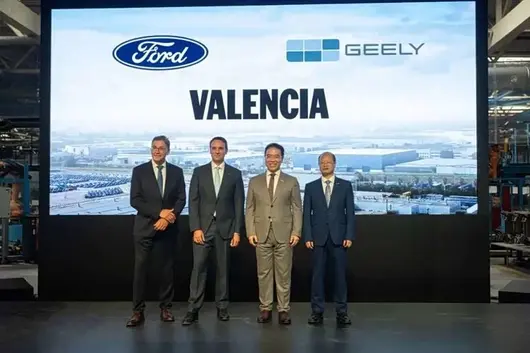
On July 23, at the Geely Valencia factory, in the presence of Prime Minister Pedro Sánchez, Geely Automobile and Ford signed a joint venture agreement to create new energy vehicles for Geely and Ford brands for the European market through capacity sharing.

Not buying a factory, but a joint venture; not defeating others, but win-win cooperation.
Whether bringing in or going out, Geely's internationalization has always implemented Chairman Li Shufu's words: "Business is beautiful, doing business and making friends at the same time".
Time rewind to 16 years ago. On March 28, 2010, Geely Holding Group signed the final 100% equity acquisition agreement for Volvo Cars Group with Ford Motor Company. Geely became the first multinational corporation in the Chinese automotive industry. Ford witnessed and supported this cooperation case with global automotive industry influence, forging commercial friendship with Geely.
Today, 16 years later, Geely and Ford shake hands again. For the current explosive growth of Chinese cars going overseas, this has strong implications.
2026, the overseas expansion of China's automotive industry is undergoing a key leap from quantitative change to qualitative change.
In the first half of the year, China's vehicle export volume reached 5.096 million, up 65.3% year-on-year. June's single-month exports broke the 1 million vehicle threshold for the first time. For every 10 vehicles produced domestically, nearly 4 head to overseas docks.
Consulting firm AlixPartners predicts that China's annual vehicle export volume is expected to reach 10 million, becoming the first country globally to break this number.
Behind the numbers, deeper changes are occurring.
In June, the market share of major Chinese brands in Europe was 13%, surpassing Japanese brands for two consecutive months. When we occupy a larger share of the EU market, we cannot just sell cars simply, we must achieve harmonious win-win with the local industrial ecosystem, laws and regulations, and social well-being.
The joint venture between Geely Automobile and Ford to establish a company in Spain happens to stand at this node of qualitative change. It is also another practice of Li Shufu from "going out" to "integrating in".
A Prime Minister's Endorsement, and Two Handshakes Spanning 16 Years
On July 23, the day of the signing ceremony. Spanish Prime Minister Pedro Sánchez appeared at the Almussafes factory in Valencia, followed by three ministers from the Ministry of Labor and Economy, Ministry of Industry and Tourism, and Ministry of Science, as well as the President of the Valencian Community.

The Almussafes factory was built in 1976, and was once Ford's largest production base outside the United States, with cumulative production of over 11 million vehicles to date. For nearly 50 years, this factory has been the livelihood for tens of thousands of families in the Valencia region of Spain.
But the industrial era never stops for sentiment. Starting from 2024, with the promotion of EU industry and electrification, Ford gradually ceased production of multiple fuel models such as Mondeo, S-MAX, Galaxy, leaving only one production line producing the Kuga in the huge factory.
Last year, the factory with an annual capacity of 500,000 vehicles actually produced less than 100,000 vehicles, with utilization rate less than one-quarter. The factory that once fed thousands of Spanish families is facing a crossroads of fate.
Geely's arrival could not have been more timely. Through capacity sharing, it not only brings jobs, capacity, and tax revenue to the locality, but also allows Ford to activate remaining assets in a more efficient way, continuing to generate value.
According to the plan, the joint venture company will officially commence operations in the first half of 2027.
In the new factory, Geely will launch two new energy vehicle models, and Ford will also produce three multi-energy vehicle models, including continuing to produce the Kuga, and launching an all-new rugged compact SUV of the Bronco family in 2028.
The five models will share capacity and coordinate production scheduling. Both sides stated in the announcement that the joint venture will "promote more model choices and value enhancement", and through "integrating output to reduce per-vehicle costs". For the local economy, jobs are preserved, and an industrial lifeline of a region is reactivated, which can be called a win-win on multiple fronts.
Currently, Spain is becoming a strategic pivot for Chinese automakers landing in Europe. Labor costs are about one-third of Germany's, energy costs are lower than Germany and France, possessing world-class port clusters, and Barcelona is the core gateway for Chinese cars entering Europe.
In Q1 2026, Chinese brands sold approximately 38,700 vehicles in Spain, up 67% year-on-year.
Jian Jiayue, CEO of Geely Automobile Group, said a passage: Automakers going overseas will face many issues, from the overseas perspective, Chinese brands are there to "conquer" other people's markets, so the "going out" of Chinese automotive brands is actually to "walk in". Walking into the local market. Building factories in joint venture locally, mobilizing local resources, is a path of multi-win.

For Geely, although it seems like taking a small loss, cannot enjoy profits exclusively. But it actually avoided many hidden costs and efficiency frictions.
The EU has always been a high threshold market, with high compliance costs, high environmental protection requirements, long approval processes, influence of local voter opinions and political factions, which will make business behavior complicated. Specific cases can refer to the drama-like twists and turns of Tesla's German factory.
Actually, now there are already domestic automakers who suffered the same loss. Fighting alone, one-sidedly emphasizing ambition and sales targets, instead resulted in much hostility and obstruction, even becoming a chip in local political party games.
But the other path Geely took, preserving jobs in overseas markets, activating assets for old car companies, taking root for Chinese brands locally, letting technology flow become a constructive force, by "win-win cooperation, beauty shared" making oneself a welcomed partner.
Seeking Strategic Depth, Prioritizing Synergy
Citi estimates that if Geely obtains the 150,000 vehicle annual production quota in the Valencia factory, the cost is only equivalent to 10%-20% of building a new greenfield factory.
Beyond cost advantage, the more critical value lies in time. From signing to production, the joint venture model requires only 18 months, while self-built factories usually take three to five years. In the rapidly changing European electric vehicle market, an 18-month time difference is enough to determine whether a brand can lock in position.

Geely has already validated this strategy in many markets globally.
In Malaysia, in 2017, Geely acquired 49.9% stake in Proton and fully dominated operations. Let Proton walk out of the quagmire of losses, achieving brand revitalization.
In January 2026, Proton's exclusive EV factory at Tanjung Malim Automotive High-Tech Valley officially started production, and the first pure electric model eMas7 started CKD local assembly. The eMas7 is built on the Geely Galaxy E5 platform, ranking champion in Malaysia EV sales for consecutive months.
Until today, from Malaysia's political circles to the public, they still regard Proton as "their own brand". What Geely does is not replacing, but making it better.
In Korea, Geely cooperated with Renault to launch intelligent hybrid models. In Brazil, Geely acquired 26.4% stake in Renault Brazil, sharing factory capacity and market network.
In Europe, Volvo Cars is fully responsible for Lynk & Co's commercial and brand operations in the European region, assisting Lynk & Co brand's regional expansion in Europe.
This is exactly Geely's unique logic of global layout — not advancing alone, but weaving an ecological synergy network. Every cooperation node is both a strategic pivot to enter local markets, and proof of long-term trust from partners. Making globalization a value network of multi-win cooperation and continuous deepening.

So, although "from product exports to system exports" has become industry consensus, what exactly is the system? Moving your own system forcefully there, or building a system from scratch, or integrating into the local system? These operational details reflect a company's business values and development outlook.
Geely's Spain joint venture and the logic behind this system provide a good sample and idea for the Chinese automotive industry, and reflect as substantial growth data.
In the first half of 2026, Geely's overseas sales reached 474,000, up 158% year-on-year, already exceeding the total export volume of the full year 2025. Based on the first half performance, Geely has upped the full year export target to 900,000 vehicles.
Conclusion: From "Student" to "Partner", the Metamorphosis and Responsibility of Chinese Automakers
In early 2010, Geely and Ford signed an agreement in Gothenburg, Sweden, to acquire the globally renowned Swedish luxury brand Volvo for 1.8 billion US dollars, and the media used "snake swallowing an elephant" to describe this transaction.
Geely fulfilled all commitments with action, did not intervene in Volvo's independent operations, protected and respected its existing development systems, letting Volvo achieve brand revitalization in the following decade plus.
More importantly, Geely also learned Volvo's systematic R&D capabilities, safety-first manufacturing standards and quality control. This transaction allowed Geely to complete an "advanced study", laying the capability foundation for active performance on the global stage later.
Traditional automakers hold existing capacity, channels, and sales teams, while Chinese automakers hold the advantages and cost efficiency of the fastest growing new energy system, both sides found what both parties need in this stage.

As Ford Europe President Jim Baumback said: "Geely's world-class electrification capabilities, speed, and massive global scale, combined with Ford, are unparalleled competitive advantages."
From the humble "student" in 2010 to the equal "partner" in 2026, Geely exchanged pragmatism for trust, won respect with capability, and integrated into global industry development in the best way.
Geely's globalization has never been a simple capital game, but constantly exploring open and win-win global industry cooperation models under the premise of legality and compliance, it is respect for brands and technology, layout and deep construction of synergy systems.
From Volvo to Proton, Lotus, then Mercedes-Benz, Renault, and Ford, Geely's built global system synergy not only activated new momentum for Geely's global development, but also formed a solid guarantee to help brand going overseas. This also confirms what Li Shufu said, "Business is the most equal and beautiful manifestation of human civilization."

In the Malaysian SUV market, many buyers compare the Proton X50 and Chery Tiggo 8 when choosing a car. These two models are quite close in price and positioning. Today we will make a detailed comparison from multiple aspects to help you save time on research.
The Proton X50 OTR price in Malaysia is RM 89,800 - 113,300, with a total of 4 versions, including 1.5T Executive (RM 89,800), 1.5T Premium (RM 101,800), 1.5T Flagship (RM 113,300), etc.
The Chery Tiggo 8 OTR price in Malaysia is RM 129,750 - 129,750, with a total of 1 version, including 2026 1.6T Standard (RM 129,750), etc.
From the price perspective, the starting price of the Proton X50 is indeed RM 39,950 cheaper than the Chery Tiggo 8. If your budget is limited, the Proton entry-level version can already meet daily needs. However, also note that the few thousand difference might involve trade-offs in features, it depends on your specific requirements.

The Proton X50 safety rating is 5★ (ASEAN NCAP), active safety systems include ADAS (ACC, AEB, LKA, LDA, BSM, RCTA).
The Chery Tiggo 8 safety rating is TBD, active safety systems include Basic.
Regarding safety features, both cars received good ratings. However, there are some differences in functionality between the Proton X50's ADAS (ACC, AEB, LKA, LDA, BSM, RCTA) and the Chery Tiggo 8's Basic. If you value active safety, you can compare the feature lists of both carefully.

Proton X50 body length is 4400 mm, trunk 400 L.
Chery Tiggo 8 body length is 4400 mm, trunk 400 L.
The dimensions of both cars are almost the same, with little difference in interior space. For cars in this class, it is fully sufficient for daily use.

Both the Proton X50 and Chery Tiggo 8 are mainstream choices in the Malaysian market, suitable for family use and daily commuting. If you value brand reputation and resale value more, prioritize the one with the better reputation; if you care more about value for money and features, choose the one with richer configurations. In the end, it is recommended to test drive both, as personal experience is the most important.

Overall, both the Proton X50 and Chery Tiggo 8 are excellent models in the Malaysian market. Choosing which one depends mainly on your personal needs and budget. We recommend doing your research, comparing quotes from several car dealerships, and then test driving to make the final decision. Buying a car is a big matter, spending time on research will definitely not be wrong.


喺馬來西亞嘅 SUV 市場,好多買家喺揀車嘅時候都會拿寶騰 X50 同馬自達 CX-30 嚟做比較。這兩款車喺價位同定位上都幾接近,今日我哋就從多個方面做一個詳細嘅比較,幫你省下做功課嘅時間。
寶騰 X50 喺馬來西亞嘅 OTR 售價係 RM 89,800 - 113,300,合共有 4 個版本,包括 1.5T Executive(RM 89,800)、1.5T Premium(RM 101,800)、1.5T Flagship(RM 113,300) 等。
馬自達 CX-30 喺馬來西亞嘅 OTR 售價係 RM 122,409 - 146,409,合共有 4 個版本,包括 2025 2.0L High+ Premium(RM 146,409)、2025 2.0L High+(RM 138,409)、2025 2.0L High(RM 130,409) 等。
由價錢睇落,寶騰 X50 嘅起步價確實比馬自達 CX-30 平咗 RM 32,609。如果你預算有限,寶騰嘅入門版已經可以滿足日常需求。但都要留意,平嗰幾千蚊,可能喺配備上有取捨,具體要睇你嘅需求。
寶騰 X50 嘅安全評級係 5★ (ASEAN NCAP),主動安全系統包括 ADAS (ACC, AEB, LKA, LDA, BSM, RCTA)。
馬自達 CX-30 嘅安全評級係 5★ (ASEAN NCAP),主動安全系統包括 i-Activsense。
兩款車嘅安全評級一樣,喺呢個級別入面安全配備都算給得好齊全。依家嘅新車安全性都唔錯,唔使太擔心這一點。
寶騰 X50 車身長 4400 mm,行李箱 400 L。
馬自達 CX-30 車身長 4500 mm,行李箱 450 L。
空間方面,馬自達 CX-30 嘅車身比寶騰 X50 長咗 100 mm,乘坐空間更有優勢。不過寶騰 X50 喺城市入面泊車會靈活少少,各有取捨。
寶騰 X50 保養保證 5 年/150,000km,保養間隔 每 10,000km 或 6 個月。
馬自達 CX-30 保養保證 5 年/150,000km,保養間隔 每 10,000km 或 6 個月。
兩款車嘅保修條款一樣,呢方面唔使糾結。實際保養成本仲要睇品牌嘅服務網絡同零件價格,建議去車友群問問真實車主嘅經驗。

寶騰 X50 同馬自達 CX-30 都係馬來西亞市場嘅主流選擇,適合家庭使用、日常通勤。如果你更加重視品牌口碑同二手價,可以優先考慮口碑更好嗰一款;如果你更加在意性價比同配備,咁就揀配備更豐富嗰款。最終都係建議兩款都去試車,親身體驗先係最重要嘅。
總體嚟講,寶騰 X50 同馬自達 CX-30 都係馬來西亞市場好唔錯嘅車型。揀邊架車,關鍵仲係要睇你嘅個人需求同預算。建議大家做好功課,多比較幾間車行嘅報價,再去試車做最終決定。買車係件大事,花少少時間做功課絕對唔會錯。

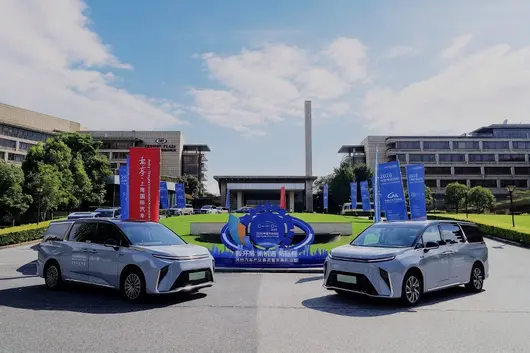
国宾品质,再度护航顶级盛会。7月21日,2026中国汽车论坛在上海嘉定隆重启幕。作为中国汽车行业最具影响力的年度盛会,本届论坛汇聚政企学研各界精英共商产业发展大计。大通大家9超混凭借全球标杆级的产品实力与积淀深厚的“国宾车”服务经验,正式成为本届论坛官方指定用车,为参会嘉宾提供高规格出行接驳服务,以中国高端MPV的旗舰姿态,向全行业展现“中国智造”的硬核水准。

【大家9超混成为2026中国汽车论坛官方指定用车】
护航行业思想盛宴 旗舰实力铸就尊享出行
作为由中国汽车工业协会主办、世界汽车组织(OICA)唯一全面支持的行业顶级盛会,中国汽车论坛自创立以来已成功举办15届,被誉为国内汽车产业的“风向标”。本届论坛规模再升级,由1场闭门峰会、1个大会论坛、1场技术领袖峰会、13个主题专题论坛、N场行业发布等16场会议和若干配套活动构成,吸引1200余名行业精英、40余家行业组织、10余家国家部委参与,是链接全球产业资源、推动中国汽车产业高质量发展的核心交流平台。大家9超混成为本届论坛唯一官方指定MPV用车,既是行业对大通产品实力的权威认证,也是对品牌多年深耕高端出行领域的充分肯定。

【大家9超混成为2026中国汽车论坛官方指定用车】
延续“国宾车”的高端基因,大家9超混作为大通 MPV家族的旗舰之作,以全维度硬核实力为参会嘉宾带来尊享级出行体验。安全层面,大家9超混承袭品牌“五星安全”制造底色,是全球首款斩获欧洲Euro NCAP、澳洲ANCAP双五星认证的高端MPV,同时通过中国C-NCAP五星安全认证,以全球统一的严苛标准构建全方位安全防护体系。车身采用超高强度钢笼式结构,搭配L2级辅助驾驶,以主被动安全的双重保障,让每一段接驳行程都安心无忧。舒适与商务属性层面,大家9超混拥有同级领先的超长轴距,打造出宽绰舒展的车内空间;车内配备零压头等舱座椅,集成电动腰托、腿托及加热、通风、按摩等多重功能,驾乘舒适度拉满;整车经过NVH静谧性优化,搭配二排可折叠小桌板,既满足嘉宾途中休憩需求,也可支撑临时商务洽谈、事务处理等场景,让移动出行变身高效商务空间。

【大家9超混】
国宾品质久经锤炼 全球领跑彰显中国智造
这并非大通首次以“官方指定用车”身份服务国家级、行业顶级盛会。从2014年APEC贸易部长会议开始,大通旗下车型便陆续服务亚信峰会、博鳌亚洲论坛、G20峰会、金砖国家领导人会晤、上合组织峰会等一系列高规格国际会议,更连续多年成为中国国际进口博览会政要接待用车,覆盖轻客、MPV、SUV、房车等多品类,以及燃油、纯电、超混等多能源形式的产品矩阵,以可靠品质与高端尊享服务,赢得中外政要与嘉宾的高度认可,“国宾车”品牌形象早已深入人心。

【大家9超混】
大通凭借十余年MPV制造经验,构建起全平台、全能源、全市场的产品布局,收获全球30余万车主的信赖。在国内市场,大家9超混长期稳居香港整体MPV市场销量前列,打破日系品牌长期垄断格局;在海外市场,大家系列车型更凭借五星安全品质与领先的新能源技术,畅销欧洲、澳洲等全球发达国家市场,成为“全球发达国家首选中国车”的代表之作。
未来,大通将继续以国际标准打磨每一款产品,以“国宾品质”服务全球用户,推动更多高品质产品走向全球舞台,为中国汽车产业的高质量发展与全球化进阶注入持续动力。


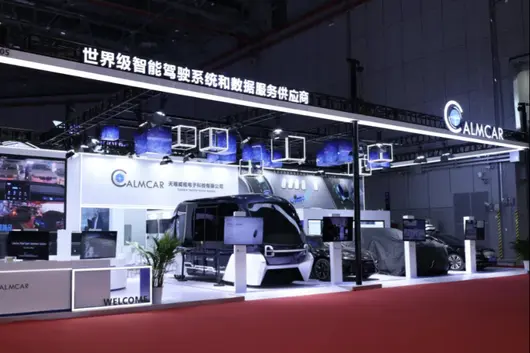
港交所網站掛出一咗一份熟悉嘅招股書。
5 月 28 日,繼去年 10 月首次遞表失效後,智能駕駛解決方案提供商蘇州天瞳威視電子科技股份有限公司(天瞳威視)再次向港股主板發起重衝,由匯豐及華泰國際聯席保薦。

喺智能駕駛賽道從「講故事」轉向「拼量產」嘅 2026 年,天瞳威視嘅二次遞表唔單止係一次資本試探,更係一場關於中國智駕供應商生存現狀嘅集中檢閱。
呢間被認為係「算力效率派」代表嘅公司,一邊連住從采埃孚到上汽、北汽嘅豪華產業資本陣營,一邊卻面臨住現金流緊繃、海外明顯回落嘅現實困境。喺呢場 IPO 嘅博弈中,光鮮同陣痛並存。
01
邊個係「天瞳威視」?
天瞳威視嘅創辦人王曦係一位典型嘅「回國」技術派。佢畢業於北京航空航天大學,後喺英國雷丁大學攻讀計算機科學博士學位。
喺決定創業之前,王曦曾經喺汽車零部件供應商天合汽車(TRW)及采埃孚擔任算法工程師同技術負責人,深度參與咗早期 ADAS 系統嘅開發。
2016 年,王曦捕捉到國內汽車智能化嘅風口,回國喺蘇州創立咗天瞳威視,定位係「以軟件算法驅動智能駕駛」嘅本土解決方案提供商。
公司嘅名字「天瞳」寓意「天之眼」,意在打造車輛感知萬物嘅視覺中樞。佢從最初嘅視覺感知算法起步,逐步擴展至行泊一體域控制器、L4 級自動駕駛系統等軟硬件結合嘅整體方案。

天瞳威視融資情況。資料來源:企查查
成立後不久,天瞳威視就獲得德聯資本、盛世投資嘅天使輪融資。此後十年時間,天瞳威視累計完成咗超過 10 輪融資,融資總額近 10 億元。
從招股書披露嘅股權結構嚟睇,天瞳威視構建咗深度綁定嘅「產業 + 資本」生態圈。
一方面,產業夥伴站台,全球汽車零部件巨頭采埃孚唔單止係其 C 輪領投方,亦係其戰略合作夥伴,持有天瞳威視 6.93% 嘅股份,位列第四大股東;國內方面,上汽集團通過上汽北美產投持股,北汽集團通過北汽產投佈局其中,地平線同商湯科技亦係戰略投資者。
另一方面,地方國資護航,唐山機器人基金、吳中金控等國資背景基金喺 D 輪及 D+ 輪入場,提供咗約 5.23 億元嘅資金支持。

截至最後實際可行日期股權架構
截至目前,王曦透過直接持股同員工持股平台合共控制公司約 40.84% 嘅權益,依然保持住對公司嘅控制權。
02
「兩條腿」行路
天瞳威視喺業務佈局上採取咗「雙軌並行」嘅策略。

喺 L2-L2+ 級輔助駕駛領域,天瞳威視嘅選擇非常務實。佢並冇盲目追逐算力堆疊嘅「軍備競賽」,而係走咗一條高性價比路線。
作為典型嘅視覺派智駕供應商,佢喺 L2 量產方案上以視覺感知為主,融合毫米波雷達同超聲波雷達,能夠喺較低算力平台上實現高級功能。例如,基於地平線 J6B 芯片(約 20TOPS)嘅方案即可支持行泊一體、高速 NOA。
呢種打法擊中咗 10 萬 -20 萬級主流車款對成本敏感嘅痛點。根據灼識諮詢嘅數據,按 2024 年裝機量計,天瞳威視係中國第二大同時提供行車同泊車解決方案嘅以軟件為核心嘅 L2-L2+ 級方案提供商,市場份額為 14.3%。

2024 年中國具備行泊一體能力嘅以軟件為核心供應商格局
截至最後實際可行日期,天瞳威視獲得 23 個汽車品牌嘅 198 款車款嘅 L2-L2+ 級解決方案定點函,並實現 6 個汽車品牌嘅 105 款車款嘅量產;獲得定點函嘅 198 款車款中有 87 款覆蓋海外市場,其中 59 款已實現量產。
但值得注意嘅係,L2-L2+ 市場正在經歷劇烈嘅「紅海化」。
一方面,經緯恆潤、福瑞泰克等本土 Tier1 正在加速追趕;另一方面,部分頭部車廠開始將低階智駕方案從外購轉為內部集成。
天瞳威視能否維持佢喺「性價比方案」領域嘅領先地位,取決於佢能否持續保持算法對低算力平台嘅優化能力,而這需要喺研發投入上持續加碼。

喺高級 L4 級自動駕駛領域,天瞳威視更多扮演「先鋒」角色。這亦係佢近兩年增長最快嘅板塊。
早在 2019 年,佢就參與咗上海洋山港嘅 5G 智能重卡項目。目前佢嘅 L4 方案覆蓋 Robobus、Robotaxi 同 Robotruck。其中,Robobus 係佢最具代表性嘅產品線,已喺蘇州、天津等城市嘅公開道路投入常態化試營運。
2025 年,天瞳威視從 L4 級解決方案產生收入 3.75 億元,佔公司總收入嘅 68% 以上,大部分收入來自 L4 級軟件解決方案。
然而,硬幣嘅另一面係商業化嘅曲折。雖然 L4 業務營收暴增,但佢嘅交付形態目前以「軟硬件一體解決方案」為主,呢種模式本質上接近「項目制交付」或「小規模車隊部署」,與 L2 業務中「純軟件授權 + 白盒交付」嘅高毛利、大規模複製邏輯存在顯著差異。
呢就直接導致 L4 業務毛利率嘅大幅波動:喺部分自研硬件佔比较高嘅項目中,毛利率一度低至 15%。

截至遞表日,公司雖手握超 10 億元嘅 L4 意向訂單,涵蓋 2500 架車,但呢啲訂單預計要喺未來三至五年內先會陸續交付,短期內對現金流嘅改善作用有限。
此外,天瞳威視仲有部分應收來自工程服務,主要涉及道路測試、數據收集支援及數據標註服務以及公司嘅專有工具鏈。
03
財務嘅雙面鏡
招股書嘅財務部分,展現咗智駕行業最真實嘅「B 面」:規模同虧損嘅極限拉扯,同埋賬面現金同營運消耗之間嘅緊張博弈。

營收高增長,但結構劇烈波動。
財務數據顯示,公司嘅營收呈現爆發式增長,從 2022 年嘅 1.72 億元增長至 2024 年嘅 4.83 億元,複合年增長率高達 67.7%。2025 年全年營收進一步增長至 5.5 億元。
但收入結構嘅變化明顯。2023 年,公司依賴 L2-L2+ 業務,佔比 90.2%;去到 2024 年,L4 業務佔比升至 50.2%;2025 年,L4 業務佔比進一步拉高至 68%。呢種「斷崖式」嘅結構切換,雖然證明佢 L4 技術搵到咗落地場景,但亦令市場質疑佢 L2 業務係咪已觸及天花板。
毛利率同純利潤嘅背離,呢係天瞳威視面臨嘅最大挑戰。
從毛利睇,整體毛利率喺 30% 左右徘徊,喺呢個技術密集型嘅智駕行業屬於中等水平。但細拆睇嚟,L2-L2+ 業務嘅毛利率通常能維持喺 40% 以上,純軟件授權模式,而 L4 業務嘅毛利率則因「軟硬件一體」交付中硬件佔比提高而被顯著拉低。
從純利潤睇,雖然表面虧損額較大,2024 年虧損 4.63 億、2025 年虧損約 2 億,呢度包含大量因優先股公平值變動帶來嘅「紙面虧損」。剔除呢個因素後嘅經調整純利潤更能反映公司嘅真實經營狀況:2024 年已收窄至 -438 萬元,但 2025 年並未如市場預期實現轉正,而係錄得約 -1086 萬元,虧損較 2024 年有所擴大。
呢個背後有一個不可回避嘅關鍵前提:調整後嘅「減虧」乃至「接近盈虧平衡」,係喺公司持續壓縮研發投入嘅基礎上實現嘅,研發費用從 2024 年嘅 1.17 億元降至 2025 年嘅 9231 萬元,研發費用率從 2024 年嘅 24.3% 進一步降至 16.8%,而 2022 年呢個數字曾高達 108.7%。對於一家科技公司嚟講,研發強度嘅「退坡」是否會影響未來嘅技術護城河,係一個潛在風險點。
現金流持續告急,最令人擔憂嘅信號。
根據最新招股書,截至 2025 年 12 月 31 日,公司賬上嘅現金及現金等价物為 2.35 億元,較 2025 年 6 月 30 日嘅 3.74 億元淨減少 1.39 億元,現金消耗速度較快。

更值得警惕嘅係經營現金流由正轉負且缺口持續擴大嘅趨勢。2023 年,公司經營活動現金流淨額為正向流入 1.15 億元,但 2024 年迅速轉為淨流出 1.89 億元,2025 年進一步惡化至淨流出 2.93 億元。
與此同時,應收賬款周轉急劇惡化。公司嘅貿易應收款項從 2023 年嘅 0.89 億元升至 2025 年嘅 5.48 億元,三年增長超過五倍,而同期營收增幅僅約 2.7 倍。
更令人擔憂嘅係應收款項周轉天數從 2023 年嘅 191 天同 2024 年嘅 166 天,到 2025 年驟升至 300 天,意味著公司從完成交付到收回款項平均需要接近一年時間。呢相當於變相為客戶提供長期無息墊資,喺資金本就緊張嘅情況下進一步加劇咗流動性壓力。

此外,雖然天瞳威視係首家出海嘅中國智駕軟件供應商,但 2025 年佢嘅海外業務遭遇咗明顯回落。2023 年天瞳威視海外收入為 1.27 億元,佔總營收比重達到 62.2%;到 2025 年海外收入降至 1100 萬元,佔比僅 2.0%。
喺而家全球地緣政治複雜、部分國家對智能汽車數據監管趨嚴嘅背景下,為佢嘅全球化故事增添咗一絲不確定性。
04
結語
天瞳威視嘅二次闖關,係智能駕駛行業進入「淘汰賽」階段嘅一個縮影。
從好嘅方面睇,佢踩準咗 L2 性價比同 L4 場景化落地嘅雙重節奏,且經調整純利潤喺特定口徑下已接近盈虧平衡,呢啲都畀投資者提供咗「有亮點可講」嘅故事線。
但從風險嘅角度睇,情況遠比首次遞表時更為嚴峻。業務重心嘅急速漂移、L4 業務商業化初期嘅盈利磨難、研發投入嘅被動收縮,呢啲此前就已存在嘅問題並未緩解。

天瞳威視 L4 級智能巴士
而真正令此次 IPO 帶「求生」色彩嘅,係現金流數據嘅實質性惡化:2.35 億元嘅賬面現金,面對每年近 3 億元嘅经营性現金淨流出,安全邊際已不足一年。疊加 300 天嘅應收賬款周轉天數,意味著公司每交付一筆訂單,都要墊付近一年嘅資金成本。
換言之,天瞳威視正處喺一個危險嘅財務窗口期:賬上嘅錢僅夠維持唔足一年嘅正常運作,而 L4 業務嘅大規模交付同回款卻需要更長時間。喺呢個智駕資本熱潮退去、一級市場融資邊際收緊嘅時刻,公司已冇太多等待嘅餘地。
首次遞表失效後僅隔半年便再次衝擊港股,對天瞳威視而言,與其話係戰略選擇,唔如話係現金倒逼下嘅必然之舉。

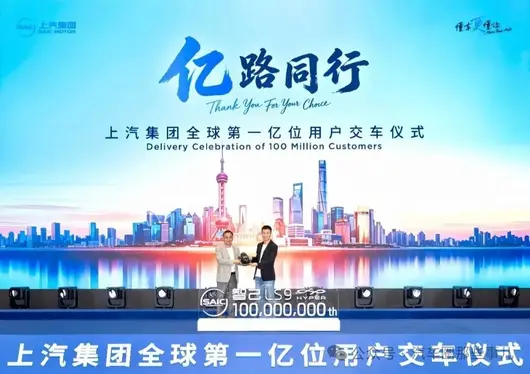
May 28, inside the Shanghai North Bund World Living Room, the atmosphere was fervent. Meanwhile, the footage on the large screen at the Chengdu Jixiang Buick branch venue, thousands of miles away, jumped in sync with the main venue. As the IM LS9 Hyper slowly drove into the center of the stage, and as Momenta CEO Cao Xudong received the car key from the Chairman of SAIC Motor, applause rang out on the scene — this was not only the moment of delivery to the 100 millionth user of SAIC Motor, but also the first time a vehicle enterprise in China's automotive industry welcomed a cumulative production and sales volume breaking 100 million vehicles.

As an automotive editor, witnessing this historical node at the Chengdu branch venue, the feeling was quite complex. Over the past few years, China's automotive market has experienced a transition from growth to stock, with price wars, elimination battles, and surging trends of going global alternating on stage. Against this broad backdrop, a local car enterprise able to cross the threshold of 100 million vehicles must necessarily possess a deep logic beyond a single product cycle or any single tech explosion.

SAIC's history almost overlaps with China's automotive industry history. In 1955, the Shanghai Internal Combustion Engine Parts Manufacturing Company was established; in 1958, workers hammered out the first "Phoenix brand" sedan with hammers. Over the subsequent seven decades, SAIC witnessed the entire process from nothing to something, from weak to strong. In 1983, the first Santana was hand-assembled off the line, opening the curtain of China's automotive joint venture cooperation, and also driving the establishment of a modern parts system.

In 1997, Shanghai GM was established, the "Shanghai Speed" of building a factory and launching cars in 23 months is still talked about by the industry to this day; the China's first joint venture professional automotive design and R&D center built at the same time marked SAIC's transformation from pure manufacturing to building technical capabilities. In 2006, the independent brand Roewe was born; in 2016, the world's first Internet car Roewe RX5 went on sale; in 2020, the high-end smart electric brand IM Motors was established. This timeline clearly outlines the evolution trajectory of a car enterprise from learning, chasing, parallel, to local leading.

But historical accumulation is just the foundation. The achievement of 100 million vehicles requires the continuous release of system capabilities. SAIC's system architecture covers six major sectors: whole vehicles, parts, mobility, services, finance, international business, and innovation technology, forming a tightly coordinated full value chain closed loop. In January-April 2026, SAIC's cumulative sales reached 1.302 million units, ranking first among China's car enterprises for four consecutive months, with independent brands accounting for nearly 70%, new energy vehicle sales reaching 412,000 units, and overseas market sales of 459,000 units, a year-on-year growth of 50.2%. These data indicate that SAIC's growth does not rely on the pulling power of a single sector, but is the result of multiple engines including independent and joint venture, passenger and commercial, domestic and overseas all working simultaneously.

Specific to the product level, the full brand matrix displayed at the delivery ceremony site was impressive. For independent brands, Shangjie Z7, Huajing S, Roewe M7, MG4 Semi-Solid State Battery Version, Wuling Starlight 560, Maxus eDeliver5, Hongyan Heavy Trucks, Yuejin Dana T1, Sunwin All-Electric Bus, Iveco Juxing EV, and other models cover full scenarios from personal travel to commercial operations, from urban logistics to public transport. Joint venture brands concentrated on displaying the results of "Joint Venture 2.0": Volkswagen ID. ERA 9X global premiere equipped with Momenta R7 Reinforcement Learning World Model, delivery exceeded 7,000 units in one month after launch; Audi E7X plans to become Audi's first global model achieving L3-level autonomous driving landing; Buick Zhijing E7 is built based on the "Xiaoyao" Super Fusion Architecture, delivery broke 10,000 units in one month after launch. From "Market for Technology" to "Technology Co-creation", SAIC's role in joint venture relationships has undergone a substantive shift.


Accumulation at the technical level is the core power supporting this system's operation. The first 100 million vehicle delivery model, IM LS9 Hyper, can be regarded as a concentrated presentation of SAIC's technical accumulation over seven decades. It is equipped with full-line drive-by-four-wheel steering first in its class, 520-line ultra-vision LiDAR, NVIDIA Thor Chip, Full-Domain 800V High-Voltage Platform, and Star Super Extended-Range System, comprehensively pre-installing redundancy capabilities for L3 and above high-level intelligent driving. SAIC Gold Badge Hurricane Tri-Motor first launch has propelled it into the Performance 3-Second Club, and the "Intrinsic Security" technology jointly premiered globally with Purple Mountain Laboratories expands the car safety boundary from traditional physical safety to the field of information and system security. It is worth noting that the 100 millionth user is exactly Momenta CEO Cao Xudong, SAIC's core strategic partner in the intelligent driving field. The intelligent driving technology deeply co-created by both parties has empowered multiple independent and joint venture brands. This coincidence of "Partner Becomes Car Owner" reflects SAIC's open and collaborative industrial philosophy in the era of smart electric vehicles.


Globalization layout is another important dimension of SAIC's system capability. As the earliest and largest representative of China's automotive enterprises "Going Global", SAIC has over 100 parts production bases and over 3,000 dealer networks overseas, building London's 3 major R&D innovation centers and Thailand, Indonesia, India, Pakistan 4 manufacturing production centers. Anji Logistics possesses 42 Ro-ro ships of various types, with 8 international routes covering Southeast Asia, Europe, and the Americas. Currently, SAIC's products and services are spread over more than 170 countries and regions, with cumulative overseas sales breaking 7 million units. MG has ranked as the European sales champion for Chinese brands consecutively for 11 years, with 2025 European annual sales breaking 300,000 units, becoming the first Chinese car brand with cumulative sales breaking one million in Europe and the UK. In March this year, MG held a Tech Day in Frankfurt, Germany, premiering the world's semi-solid state battery and Hybrid+ Hybrid Technology, the latter's overseas monthly sales has broken 20,000 units. After launching the overseas "Glocal Strategy" (Global + Local) in 2025, SAIC is accelerating from "Product Going Global" to "Value Chain Going Global".

If technology and systems are rational hard power, then user stickiness is emotional soft power. At the delivery ceremony, SAIC displayed multiple sets of user stories: Guode APP Founder Luo Zhenyu as the Huajing S No. 001 Experience Officer, from praising Huawei Qiankun Intelligent Driving in the New Year's Eve Speech to entering the factory to witness the offline; Former German National Team Player Yang Chen chose ID.ERA 9X, because its Golden Extended Range and Long-termism Philosophy coincided; London Intern Doctor Natalia inherited her grandfather's MG sentiment; The returning couple brought MG memories from their time in the UK back to the domestic market; Public Welfare Blogger Liu Jia provided haircutting and companionship to left-behind children in Guangxi Mountainous Areas for five consecutive years, Buick provided assistance immediately, he was moved by Zhijing E7's "Full Score Cabin". These stories have no deliberate emotional stirring, but clearly convey one message: SAIC's user stickiness does not come from marketing scripts, but comes from products and services responding to real needs in different scenarios.

Returning to the initial question: Why was SAIC able to become the first car enterprise in China to break 100 million cumulative production and sales? The answer may perhaps be summarized in a few elements without shortcuts — sufficient long time accumulation, sufficiently wide system coverage, sufficiently deep tech investment, and sufficiently fine user insights. These elements taken out individually, many car enterprises are doing, but those able to continue for over seven decades and maintain balanced development in various dimensions are not common.

100 million vehicles is a milestone, but also a new starting point. In 2014, SAIC was the first to fully transform to new energy; twelve years later, from the "Leading the Pack" of "Smart Power Transformation" to "Thousands of Horses Galloping" of independent and joint venture, passenger and commercial, domestic and overseas, SAIC has consistently carried the user concept of "Know Cars Better, Know You Better" throughout. From 1955 to 2026, from the first user to the 100 millionth user, SAIC's next journey is just beginning.

Auto Circle On Cars
From an industry perspective, SAIC's 100 million vehicles is not only a breakthrough in scale numbers, but also marks the capability leap of China's automotive industry from "Joint Venture Dependence" to "Independent Dominance". It is worth noting that SAIC did not rely on a single hit product or short-term trend, but through seven decades of systematic construction, formed hard-to-replicate comprehensive advantages in dimensions such as technology, manufacturing, supply chain, and globalization. The next-generation tech cluster represented by IM LS9 Hyper, as well as the cumulative sales of over 7 million in overseas markets, prove that SAIC already possesses the basic base to compete on the same stage with multinational giants. After 100 million vehicles, how to convert scale advantages into continuous innovation efficiency and brand premium will be the core proposition of SAIC's "Second Entrepreneurship".

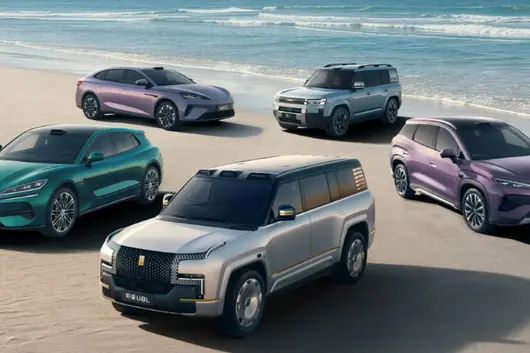
比亞迪正式發布 2026 年 5 月產銷快報,全品牌新能源汽車單月銷量 383453 輛,同比微增 0.26%,時隔十個月實現單月銷量同比轉正;其中乘用車交付 376990 輛,環比大漲 19.4%,一掃前期車型換代陣痛,呈現國內基本盤穩固、海外銷量狂飆、高端品牌全線放量的全新格局,在國內新能源內捲加劇、特斯拉 FSD 入華、自主新品密集上市的市場環境中,走出獨有的結構性增長路線。

王朝 + 海洋兩大主力品牌 5 月合計售出 330215 輛,佔據集團總銷量超八成,仍是比亞迪銷量壓艙石,全系列共 8 款車型單月銷量突破 2 萬台,產品從 5 萬入門代步到 20 萬家用 SUV 實現全覆蓋。

王朝網內部,元家族 56691 輛、宋家族 51370 輛。雙雙跨過五萬門檻,成為品牌兩大銷量支柱,兼顧家用代步與城鄉出行需求;秦家族緊隨其後交出 28360 台穩定表現,漢、唐系列月銷維持六千級體量,深耕中大型家用轎車、SUV 細分市場;全新車型夏處於市場培育期,單月交付 1810 台,後續隨渠道鋪開有望穩步上量。
海洋網增長勢頭更為迅猛,全系五款車型跨入兩萬俱樂部:海獅 42615 台、海豹 34117 台、海鷗 39919 台、海豚 22260 台、宋 PLUS 27755 台。其中海鷗憑藉 6-8 萬親民定價穩居入門代步銷冠,海獅作為全新走量車型上市即站穩四萬量級,補齊海洋網中型 SUV 產品空白,完善海洋產品梯隊佈局。從代步小車到緊湊 SUV,兩大主品牌依托 DM-i 混動與純電雙線技術,牢牢鎖住 15 萬以內國內主流家用市場份額。
方程豹同比暴漲 139.7% 品牌向上落地見效騰勢、方程豹、仰望組成的高端矩陣 5 月合計銷售 46489 輛,正式擺脫小眾定位,成為比亞迪品牌溢價與利潤增長新支點,打破自主品牌高端化難破局的行業魔咒。

越野品牌方程豹單月 30186 輛,同比暴漲 139.7%,創下品牌上市以來月度銷量新高,旗下鎦 7 單月 18280 台,豹 5、豹 8 穩定輸出,在 25-40 萬硬派越野細分市場持續擠壓合資、進口車型生存空間。

騰勢 5 月交付 16303 台,MPV 標桿 D9 售出 6721 台,Z9 系列近 6000 台,MPV、中大型轎車雙線發力,站穩豪華新能源賽道;百萬元級超豪華品牌仰望穩步爬坡,當月交付 286 台,同比增幅 105.8%,完成自主品牌天花板產品的市場驗證,形成從十幾萬家用、三四十萬越野、五十萬豪華 MPV 到百萬元級旗艦的全價格帶產品佈局。

5 月比亞迪乘用車和皮卡海外銷量 160177 輛,同比大漲 80.7%,出口佔全系總銷量突破 42%,創下品牌出海歷史新高,成為穩住 5 月整體銷量、實現同比轉正的核心驅動力。
東南亞、歐洲、拉美成為主力增量市場,海鷗、宋 PLUS、元系列持續登頂多國新能源熱銷榜單,SHARK 皮卡連續兩月單月出口突破 4000 台;依托泰國、巴西、匈牙利、烏茲別克斯坦四大海外整車工廠落地投產,本地化生產持續落地,規避關稅同時快速下沉終端渠道。在國內車市存量競爭、價格戰常態化背景下,高速擴容的海外市場有效對沖國內車型換代帶來的銷量波動,正式從補充市場升級為比亞迪核心增長引擎。截至當前,比亞迪新能源汽車全球累計銷量已經突破 1650 萬輛,全球化版圖持續拓寬。
智駕賦能產品迭代 下半年新品蓄力衝量5 月比亞迪智能化落地迎來關鍵節點,天神之眼智駕系統成為車型核心加分項:全品牌搭載高級智駕車型保有量突破 315 萬輛,日均路測數據超 2 億公里;當月比亞迪落地城市領航、智能泊車雙安全兜底服務,成為全球首家實現兩項智駕兜底的車企,政策落地三天後,搭載天神之眼系統車型的城市 NOA 激活率暴漲 50%,智能化體驗升級直接拉動終端到店訂單轉化,為後續車型持續走量築牢產品競爭力,直面 FSD 入華帶來的智駕市場衝擊。
從數據細節來看,2026 年 1-5 月比亞迪累計銷量 1405039 輛,同比下滑 20.32%,核心誘因是全系主力車型集中換代、第二代閃充刀片電池產能爬坡受限。新款閃充電池升級快充與低溫性能,全系換代車型優先換裝新電池,但產線改造拖累產能釋放,熱門車型訂單積壓、交付延後,一定程度壓縮 5 月交付體量。
隨著二季度末二代刀片電池產能持續釋放,疊加騰勢 N8L、方程豹鎦 7 純電版、海獅 05、夏 L 等多款新車陸續登陸市場,業內普遍預判比亞迪 6 月全品牌銷量有望突破 40 萬輛。依托低端走量鎖份額、高端提利潤、海外衝增量、智能化提產品力的四維發展邏輯,在國內新能源淘汰賽加劇的當下,比亞迪全品類佈局優勢持續放大,坐穩國內新能源龍頭,加速向著全球頭部車企穩步邁進。