


首頁海洋

搜尋歷史
熱門搜尋
經銷商登入 / 註冊

In Malaysia's SUV market, many buyers compare Proton X90 and Mitsubishi Xforce when choosing a car. The price and positioning of these two cars are quite close. Today we will make a detailed comparison from multiple aspects to help you save time on research.
The OTR selling price of Proton X90 in Malaysia is RM 106,800 - 122,800. There are 4 versions in total, including 2026 1.5T Prime X (RM 122,800), 2026 1.5T Prime (RM 116,800), 2026 1.5T Lite (RM 106,800), etc.
The OTR selling price of Mitsubishi Xforce in Malaysia is RM 109,930 - 119,930. There are 2 versions in total, including 2026 1.5L Ultimate (RM 119,930), 2026 1.5L Urban (RM 109,930), etc.
From a price perspective, the starting price of Proton X90 is indeed RM 3,130 cheaper than Mitsubishi Xforce. If your budget is limited, Proton's entry-level version can already meet daily needs. But also note, that few thousand cheaper might involve trade-offs in features, depending on your needs.

Proton X90 is equipped with 1.5L Turbo, horsepower 140 hp. Official fuel consumption 7.0 L/100km.
Mitsubishi Xforce is equipped with 1.5L Turbo, horsepower 140 hp. Official fuel consumption 7.0 L/100km.
Both cars use the same powertrain, the driving feel is basically no difference in daily driving. Fuel consumption is also similar, no need to worry too much about this point.

Proton X90 safety rating is 5★ (ASEAN NCAP), active safety systems include ADAS (ACC, AEB, LKA, LDA, BSM, RCTA).
Mitsubishi Xforce safety rating is 5★ (ASEAN NCAP), active safety systems include MI-PILOT.
Both cars have the same safety rating, safety features in this class are considered quite complete. New cars nowadays don't have poor safety, no need to worry too much about this point.

Proton X90 warranty 5 years/150,000km, maintenance interval every 10,000km or 6 months.
Mitsubishi Xforce warranty 3 years/100,000km, maintenance interval every 10,000km or 6 months.

Overall, Proton X90 and Mitsubishi Xforce are both very good models in the Malaysian market. Which one to choose mainly depends on your personal needs and budget. We recommend doing your research, compare quotes from several car dealerships, and then test drive to make the final decision. Buying a car is a big matter, spending time on research will definitely not be wrong.


喺馬來西亞嘅 SUV 市場,好多買家喺揀車嗰陣都會拿 Proton X90 同 Volkswagen Tiguan 黎做比較。呢兩款車喺價位同定位上都幾接近,今日我哋就從多個方面做一個詳細嘅比較,幫你省下做功課嘅時間。
Proton X90 喺馬來西亞嘅 OTR 售價係 RM 106,800 - 122,800,一共有 4 個版本,包括 2026 1.5T Prime X(RM 122,800)、2026 1.5T Prime(RM 116,800)、2026 1.5T Lite(RM 106,800) 等。
Volkswagen Tiguan 喺馬來西亞嘅 OTR 售價係 RM 206,540 - 260,024,一共有 2 個版本,包括 2025 Allspace 2.0T R-Line(RM 260,024)、2025 Allspace 1.4T Elegance(RM 206,540) 等。
從價錢來看,Proton X90 嘅起步價確實比 Volkswagen Tiguan 平咗 RM 99,740。如果你預算有限,Proton 嘅入門版已經可以滿足日常需要。但都要注意,平嗰幾千蚊,可能喺配備上會有取捨,具體要看你嘅需要。
Proton X90 搭載 1.5L Turbo,馬力 140 匹。官方油耗 7.0 L/100km。
Volkswagen Tiguan 搭載 2.0L 4-cyl,馬力 170 匹。官方油耗 8.0 L/100km。
動力方面,Volkswagen Tiguan 嘅 2.0L 4-cyl 比 Proton X90 嘅 1.5L Turbo 多咗 30 匹馬力。不過日常喺市區開,兩款車嘅動力都夠用,唔會覺得唔夠力。
Proton X90 保養 5 年/150,000 公里,保養間隔 每 10,000 公里或 6 個月。
Volkswagen Tiguan 保養 3 年/100,000 公里,保養間隔 每 10,000 公里或 6 個月。
Proton X90 同 Volkswagen Tiguan 都係馬來西亞市場嘅主流選擇,適合家庭使用、日常通勤。如果你更加重視品牌口碑同二手價,可以優先考慮口碑更好嗰款;如果你更加在意性價比同配備,就揀配置更豐富嗰款。最終都係建議兩款都去試駕,親身體驗先係最重要嘅。

總體嚟講,Proton X90 同 Volkswagen Tiguan 都係馬來西亞市場幾唔錯嘅車型。揀邊一輛,關鍵仲係要看你嘅個人需要同預算。建議大家做好功課,多比較幾間車行嘅報價,再去試駕做最終決定。買車係件大事,花啲時間做功課絕對唔會錯。

喺馬來西亞嘅 SUV 市場,好多買家喺揀車嘅時候都會拿 Proton X90 同 Mitsubishi Xforce 來比較。這兩款車喺價位同定位上都幾接近,而家我哋就由多個方面做一個詳細嘅比較,幫你省下做功課嘅時間。
Proton X90 喺馬來西亞嘅 OTR 售價係 RM 106,800 - 122,800,一共有 4 個版本,包括 2026 1.5T Prime X(RM 122,800)、2026 1.5T Prime(RM 116,800)、2026 1.5T Lite(RM 106,800) 等。
Mitsubishi Xforce 喺馬來西亞嘅 OTR 售價係 RM 109,930 - 119,930,一共有 2 個版本,包括 2026 1.5L Ultimate(RM 119,930)、2026 1.5L Urban(RM 109,930) 等。
由價錢睇落,Proton X90 嘅起步價確實比 Mitsubishi Xforce 平咗 RM 3,130。如果你預算有限,Proton 嘅入門版已經可以滿足日常需要。但都要注意,平嗰幾千蚊,可能喺配備上會有取捨,具體就要睇你嘅需要。
Proton X90 嘅安全評級係 5★ (ASEAN NCAP),主動安全系統包括 ADAS (ACC, AEB, LKA, LDA, BSM, RCTA)。
Mitsubishi Xforce 嘅安全評級係 5★ (ASEAN NCAP),主動安全系統包括 MI-PILOT。
兩款車嘅安全評級一樣,喺呢個級數入面安全配備都算給得好齊全。而家嘅新車安全性都幾好,唔使太擔心這一點。
Proton X90 採用 FWD 驅動方式。
Mitsubishi Xforce 採用 FWD 驅動方式。
兩款車嘅驅動方式一樣,都係 FWD,日常駕駛感受唔會有太大分別。
Proton X90 保養 5 年/150,000km,保養間隔 每 10,000km 或 6 個月。
Mitsubishi Xforce 保養 3 年/100,000km,保養間隔 每 10,000km 或 6 個月。
Proton X90 同 Mitsubishi Xforce 都係馬來西亞市場嘅主流選擇,適合家庭使用、日常上班。如果你更睇重品牌口碑同二手價,可以優先考慮口碑更好嗰一款;如果你更介意性價比同配備,就揀配備更豐富嗰款。最終都係建議兩款都去試駕,親身試先至最重要。
總括嚟講,Proton X90 同 Mitsubishi Xforce 都係馬來西亞市場幾好嘅車型。揀邊一輛,關鍵就要睇你嘅個人同預算。建議大家做好功課,多比較幾間車行嘅報價,再去做試駕做最終決定。買車係件大事,花少少時間做功課絕對唔會錯。

In the Malaysian SUV market, many buyers compare Proton X90 and Chery Tiggo 9 when selecting a car. These two vehicles are quite close in price and positioning. Today, we will make a detailed comparison from multiple aspects to help you save time on research.
The OTR price for Proton X90 in Malaysia is RM 106,800 - 122,800, with a total of 4 versions, including 2026 1.5T Prime X (RM 122,800), 2026 1.5T Prime (RM 116,800), 2026 1.5T Lite (RM 106,800), etc.
The OTR price for Chery Tiggo 9 in Malaysia is RM 166,800 - 179,800, with a total of 1 version, including 2026 2.0T Standard (RM 179,750), etc.
From a price perspective, the entry price of Proton X90 is indeed RM 60,000 cheaper than Chery Tiggo 9. If your budget is limited, Proton's entry-level version already meets daily needs. However, keep in mind that the lower price of a few thousand might involve trade-offs in equipment, depending on your specific needs.
Proton X90 is equipped with a 1.5L Turbo, 140 hp. Official fuel consumption 7.0 L/100km.
Chery Tiggo 9 is equipped with a 2.0L 4-cyl, 170 hp. Official fuel consumption 8.0 L/100km.
Regarding power, the 2.0L 4-cyl of Chery Tiggo 9 has 30 more horsepower than the 1.5L Turbo of Proton X90. However, for daily city driving, the power of both cars is sufficient, and you won't feel underpowered.
Proton X90 safety rating is 5★ (ASEAN NCAP), active safety systems include ADAS (ACC, AEB, LKA, LDA, BSM, RCTA).
Chery Tiggo 9 safety rating is TBD, active safety systems include Basic.
Regarding safety features, both cars have received good ratings. However, Proton X90's ADAS (ACC, AEB, LKA, LDA, BSM, RCTA) and Chery Tiggo 9's Basic differ somewhat in functionality. If you prioritize active safety, you can carefully compare the feature lists of both.
Proton X90 uses FWD drive system.
Chery Tiggo 9 uses FWD drive system.
Both cars have the same drive system, both are FWD, so there won't be much difference in daily driving experience.

Overall, Proton X90 and Chery Tiggo 9 are both excellent models in the Malaysian market. Which one to choose depends on your personal needs and budget. We recommend doing your research, comparing quotes from multiple dealerships, and then test driving to make a final decision. Buying a car is a big deal, spending time on research is never wrong.

In Malaysia's SUV market, many buyers compare Proton X90 and Chery Tiggo 8 PHEV when choosing a car. These two cars are quite close in price and positioning. Today, we will make a detailed comparison from multiple aspects to help you save time doing research.
Proton X90's OTR price in Malaysia is RM 106,800 - 122,800. There are 4 versions in total, including 2026 1.5T Prime X (RM 122,800), 2026 1.5T Prime (RM 116,800), 2026 1.5T Lite (RM 106,800), etc.
Chery Tiggo 8 PHEV's OTR price in Malaysia is RM 159,750 - 159,750. There are 2 versions in total, including 1.6L Turbo Standard (RM 130,000), 1.6L Turbo Premium (RM 145,000), etc.
In terms of price, Proton X90's starting price is indeed RM 52,950 cheaper than Chery Tiggo 8 PHEV. If your budget is limited, Proton's entry-level version can already meet daily needs. However, be aware that the difference of a few thousand ringgit might involve compromises in equipment, it depends on your specific needs.
Proton X90 is equipped with 1.5L Turbo, horsepower 140 hp. Official fuel consumption 7.0 L/100km.
Chery Tiggo 8 PHEV is equipped with Hybrid, horsepower 170 hp. Official fuel consumption 4.5 L/100km.
In terms of power, Chery Tiggo 8 PHEV's Hybrid has 30 more horsepower than Proton X90's 1.5L Turbo. However, for daily city driving, both cars have enough power, you won't feel it is underpowered.
Proton X90 uses FWD drive configuration.
Chery Tiggo 8 PHEV uses FWD drive configuration.
Both cars have the same drive configuration, both are FWD, daily driving feel won't be too different.
Proton X90 Warranty 5 years/150,000km, Service interval every 10,000km or 6 months.
Chery Tiggo 8 PHEV Warranty 3 years/100,000km, Service interval every 10,000km or 6 months.
Proton X90 and Chery Tiggo 8 PHEV are both mainstream choices in the Malaysian market, suitable for family use and daily commute. If you value brand reputation and resale value more, you can prioritize the one with better reputation; if you care more about value for money and features, choose the one with richer configuration. Ultimately, it is recommended to test drive both, personal experience is the most important.
Overall, Proton X90 and Chery Tiggo 8 PHEV are both very good models in the Malaysian market. Which one to choose depends on your personal needs and budget. It is recommended to do thorough research, compare quotes from several dealerships, and then test drive to make the final decision. Buying a car is a big matter, spending time doing research will definitely not go wrong.

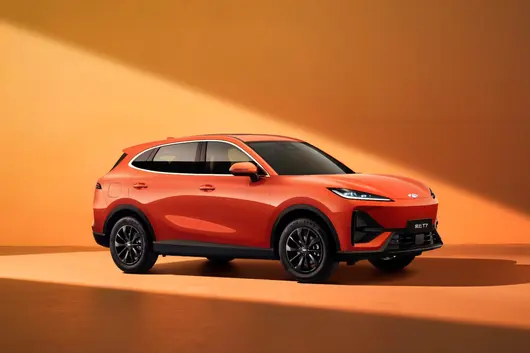
8 月 12 日,奇瑞全新全球品質純電 SUV——風雲 T7 正式啟動預售。本次預售發布會以「慢功造好車,久等了」為核心主題,清晰傳遞出品牌長期主義的造車初心。摒棄行業浮躁的速成造車模式,風雲 T7 始終以全球嚴苛標準打磨每一處細節,用紮實工藝打造全球化品質車型,同時也以真誠姿態,回饋廣大消費者長久以來的期待與守候。

本次預售的風雲 T7 共推出三款配置版型,預售指導價區間為 10.99 萬 -12.99 萬元,同時為購車用戶量身訂製七重專屬權益,拉滿入門級家用純電 SUV 的性價比優勢。
當下,中國新能源汽車產業已然站上全球舞臺的核心位置,中國智造正持續引領全球新能源汽車發展浪潮。依托奇瑞 23 年深耕全球市場技術積澱與海外造車經驗,風雲 T7 走出了一條獨特的「先試煉全球、再回饋國內」的反向出海之路。歷經全球多地域、全場景嚴苛試煉,新車精準錨定當代家庭用車六大核心剛需,融合顏值、安全、續航、智能、舒享、安心六大核心優勢,全面適配日常通勤、長途出遊、戶外露營、多人結伴出行等全場景用車需求,重塑十萬級純電 SUV 品質標竿。

外觀革新:全球審美融合東方氣韻,長效質感經久如新
為打造貼合全球用戶審美的車型設計,奇瑞集結全球十大設計中心資源,聯動五千餘名海內外用戶全程參與共創。其海外同源車型 Lepas L6 曾登陸米蘭設計週,斬獲國際設計認可,讓風雲 T7 天生自帶全球化設計基因。新車將國際簡約美學與東方雅緻韻味完美融合,獨創馭風式前臉、風塑綢緞流線車身與天際霞光尾門,線條流暢利落,造型大氣靈動,兼具辨識度與高級感。

色彩搭配上,新車提供熾焰橙、山煙紫、雲粉米、流光銀、青竹灰、墨石黑六種專屬配色,覆蓋年輕潮流、沉穩大氣等多種風格,適配不同用戶審美偏好。同時,整車漆面嚴格對標海外耐候標準,無懼日曬雨淋、高溫高寒,長期使用依舊光亮如新,杜絕褪色、失光問題。
內飾打造雙風格座艙體系,分為溫暖黑棕、極夜黑曜兩種配色方案,兼顧溫馨居家與極簡科技兩種氛圍。整車採用雲翼環抱式座艙佈局,大面積軟性材質包覆全車,搭配鵝卵石懸浮揚聲器、精緻菱格縫紉工藝,細節質感拉滿。針對用戶長期用車痛點,新車內飾所有皮革、密封膠條、塑料構件均采用高耐候材質,不易硬化、老化、褪色,常年使用依舊保持嶄新狀態,實現顏值與實用性雙向在線。

全域安全:對標全球五星標準,全維度守護出行平安
安全是家用車型的核心底線,風雲 T7 自研發之初便以極致安全為準則,對標 2026 版 E-NCAP 五星安全標準打造,同時斬獲功能安全 ASILD 最高等級認證。新車歷經 2 年深度策劃、3 年精密研發,投入 81 台專屬耐久測試車輛開展同步路試,整車累計測試里程突破 600 萬公里,其中專項耐久測試里程達 145 萬公里。研發團隊針對性復刻東南亞雨季潮濕、中東高溫暴曬、印尼高鹽高濕等全球極端路況氣候,完成全方位極限實車試煉,保障整車適配全球多元複雜路況。

車身架構層面,風雲 T7 打造九橫五縱籠式高強度車身,整車 80% 結構採用高強度鋼材,熱成型鋼占比達 18.84%,搭配專屬 shotgun 結構、雙框副車架與電池包防撞樑,構建堅固車身骨架。同時設計 9 條正面、6 條側面碰撞傳力路徑,可高效分散碰撞衝擊力,最大程度保留乘員艙生存空間。全車標配 9 枚安全氣囊,包含 48L 雙腔遠端主氣囊與後排側氣囊,實現 360 度無死角乘員防護。
電池安全方面,新車全系搭載奇瑞自研犀牛電池,搭建 6D 全方位防護體系,可有效抵禦擠壓、穿刺、高頻衝擊等各類外力破壞,築牢動力電池安全屏障。針對雨季涉水、城市內澇等出行場景,犀牛電池達到 IP68 級防水標準,防護性能為國標 96 倍,無懼路面积水、戶外深水行駛,從根源杜絕電池進水、短路、起火等安全隱患,全方位保障雨天出行安全。
續航平權:全系 600km 長續航,全氣候工況告別焦慮
打破同級車型「高配長續航、低配短續航」的行業亂象,風雲 T7 實現全系續航平權,三款版型統一搭載 65.05kWh 大容量犀牛電池,CLTC 純電續航里程達 600km,實際道路測試續航更是突破 667km,以實打實的「反向虛標」徹底消除用戶續航焦慮。補能效率同樣十分亮眼,電池電量從 30% 快速充至 80% 僅需 20 分鐘,一杯咖啡的時間即可完成高效補能,適配日常通勤、長途出行等各類場景。
為適配全球超寬溫域氣候工況,新車搭載全域一體化熱管理系統,配備雙源寬熱泵空調與高壓 PTC 制熱模組,可在 -30℃至 55℃超寬溫度區間穩定運行。北方冬季低溫環境下,系統制熱更省電、升溫更快;夏季高溫工況中,散熱效率大幅提升,有效規避高溫續航縮水問題。同時,全系標配 AGS 智能進氣格柵,搭配 14 項車身低風阻優化設計,讓車輛高低速行駛能耗更均衡,進一步提升續航穩定性。

智慧互動:高算力艙駕一體,懂用戶更護出行
立足新能源時代智能出行需求,風雲 T7 搭載旗艦級艙駕一體 8775 芯片,採用 4nm 先進製程,擁有 72TOPS 超高算力,系統響應速度僅 80ms,整機開機速度提升 33%,實現座艙、智駕雙域無縫協同,做到智能互動更貼心、行車防護更安心。
智能座艙配置拉滿,配備 15.6 英寸 2.5K 超高清觸控大螢幕,屏幕具備防眩光、抗反射、抗指紋特性,日常顯示清晰細膩,強光環境下依舊可視。車機支援 CarPlay、HUAWEI HiCar、CarLink 等主流無線投屏功能,兼容市面 99% 以上手機機型,實現上車無縫互聯。搭載迭代升級的靈犀智艙 2.0 系統,打造六大真人感陪伴模式,涵蓋小奇同學、東北老姨、抬杠大師等趣味互動人設,同時內置小憩、露營、寵物隨行、醒神等六大場景模式,精準適配多元用車場景,讓車輛成為有溫度的移動生活空間。
智能駕駛層面,新車搭載獵鷹 500 高階駕駛輔助系統,搭載 3 顆毫米波雷達、7 個高清攝像頭、12 個超聲波雷達,總計 22 顆高精度感知傳感器,具備超遠探測距離、超高識別精度,可精準捕捉路況資訊。系統支援 300+ 全場景自動泊車,覆蓋斷頭路泊車、一鍵循跡倒車、跨樓層泊車等行業高頻難停車場景,徹底解決用戶停車難題,實現真正的泊車自由。

越級舒享:大空間 + 大師底盤,打造全域舒適出行
車身尺寸方面,風雲 T7 長寬高為 4570×1852×1694mm,軸距達到 2700mm,車內空間得房率高達 84%,遠超同級車型水準。後排採用純平地台設計,腿部活動空間達 911mm,久坐不局促;後排座椅放倒後可形成 1955mm 純平大牀,空間靈活性拉滿。常規狀態下尾箱容積為 450L,拓展後可達 1550L,輕鬆容納露營裝備、戶外物資、大件行李,完美適配多人出行、戶外穿越等場景。
座椅配置兼顧柔軟度與支撐性,採用 9 層雲感填充材質,做到軟而不塌,有效緩解長途駕乘疲勞。全系標配座椅通風、加熱功能,加熱模式支援三檔溫控調節,-20℃低溫環境下 5 分鐘即可升溫至 30℃,快速驅散寒意;通風採用吸風式設計,夏季有效規避背部悶汗、黏膩問題,四季駕乘皆舒適。細節設計上,全車佈局 38 處精细化儲物空間,零碎物品收納井井有條;車身配備 4 個承重 300kg 固定鉚環與 2 個承重 3kg 掛鉤,可牢牢固定露營、戶外大件裝備,細節盡顯貼心。

駕乘質感的核心依托於優秀底盤調校,風雲 T7 底盤由瑪莎拉蒂前底盤調校專家領銜的國際化團隊精心打磨,打造 50.8:49.2 黃金前後軸荷比,有效抑制車輛轉向推頭、高速甩尾問題,大幅提升過彎穩定性與直線循跡能力。依托奇瑞 26 年底盤研發積澱與自主研發的雙軸 K&C 試驗台精密調校,整車濾震、降噪、操控性能全面進階,帶來媲美合資高端車型的駕乘質感。
終身守護:雙權益 + 雙兜底,全周期用車無憂
除硬核產品力外,風雲 T7 聚焦用戶全周期用車痛點,推出雙重兜底保障與雙重終身權益,直面車輛故障、養車成本、智能駕駛風險等核心顧慮,為用戶提供一站式安心用車解決方案。
兩大兜底保障全方位規避用車風險:一是動力電池安全兜底,若車輛因動力電池自身質量問題引發熱失控、整車損毀,品牌將賠付同款或同等配置全新車輛;二是智能輔助駕駛兜底,購車一年內,在泊車、智能領航場景中,經判定為智能駕駛輔助系統故障引發事故,造成人員傷亡或第三方財產損失的,最高可提供 500 萬專項賠付,徹底打消用戶智駕用車顧慮。
兩大終身權益大幅降低養車成本:其一為整車終身質保,涵蓋整車及三電核心系統(易損件、特殊件除外),價值萬元級;其二為終身基礎保養權益,用戶僅需 666 元即可購入價值 3999 元的終身基礎保養套餐,每年可享受一次免費基礎保養,長期用車性價比拉滿。
從全球化研發設計、國際化工藝製造,到全球多地域極限試煉,奇瑞風雲 T7 以全鏈路全球品質標準,重構十萬級純電 SUV 價值體系。憑藉顏值、安全、續航、智能、舒享、安心六大維度的全能表現,精準匹配當代品質家庭的多元化用車需求。如今新車預售正式開啟,這款歷經全球淬煉、貼合中國用戶需求的全能純電 SUV,已然成為家用純電出行的優選車型。

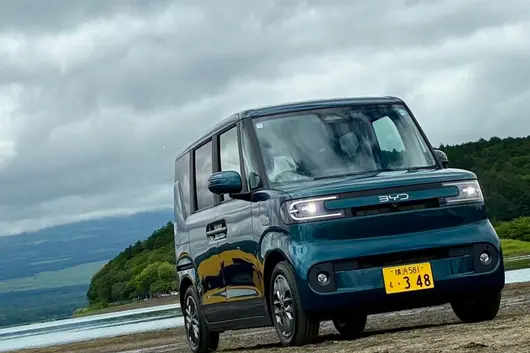
August 10, 2026, BYD Japan's official website updated a set of data: the pure electric K-Car "Racco" (RACCO) developed exclusively for the Japanese market, from its launch on July 28 to August 9, cumulative orders reached 1,002 units in two weeks, completing the initial target ahead of schedule. This volume, if placed in the domestic new energy vehicle market, is merely the achievement of some hit models in a week; but in Japan—this "world's most closed automobile market" where foreign brands have failed to truly pry open for over 30 years—it means a door quietly pushed open.

More importantly, the order structure: approximately 80% of orders concentrated on the top-spec 300 Premium with the highest requirements for range and configuration, while the Racco received a national subsidy of only 150,000 Yen, far lower than Nissan Sakura's 580,000 and Toyota bZ4X's 1.3 million. In other words, these 1,002 Japanese users were not attracted by low prices, but were willing to pay extra from their own pockets for the top spec. Achieving over 1,000 orders with the least subsidy is a matter that itself deserves closer examination.
1,002 Orders, Why Does It Carry Weight in Japan?
To assess the weight of 1,002 units, one must first clarify its position in BYD's Japan coordinate system.
BYD entered the Japanese passenger car market in July 2022, moving not very fast over three years: 1,446 units in 2023, 2,223 units in 2024 (YoY +54%, pure electric sales surpassed Toyota for the first time), 3,742 units in 2025 (YoY +68%). Cumulative total approximately 7,400 units by end of 2025. And the 1,002 units Racco secured in two weeks is basically equivalent to one-seventh of BYD's cumulative sales in Japan over the past three years, also close to half of its Japan sales of 2,334 units in the first half of 2026.

Put into the K-Car niche, the significance is even different. In 2025, total retail in the Japanese K-Car market was 1.667 million units, accounting for 36.5% of total new car sales, with Suzuki, Daihatsu, and Honda combined taking up 80% share. Honda N-BOX cumulative sales exceeded 3 million units after over a decade on the market, the market's evergreen tree. For over 30 years, except for Japanese local brands, no foreign brand has ever launched a dedicated K-Car model for it; BYD is the first.
The Racco is not simply importing a small car with a right-hand drive conversion, but developed forward in strict accordance with Japanese K-Car regulations: vehicle dimensions 3395×1475×1800mm, precisely fitting within the upper limit of light vehicles with length ≤3.4 meters, width ≤1.48 meters, and height ≤2.0 meters; right-hand drive, four seats, column gear shift, boxy cube design, electric sliding doors standard across the board; equipped with e-Platform 3.0 pure electric platform and Lithium Iron Phosphate Blade Battery, providing 22.4kWh and 35.84kWh two capacities, top-spec WLTC range 320 kilometers, the first Japanese light pure electric vehicle to break 300 kilometers, and supports 50kW fast charging, V2L and V2H external discharge. What is the concept of a 320 km range? Nissan's pure electric K-Car Sakura has a range of about 180 kilometers, the Racco top-spec can run about 140 kilometers more on a single charge compared to it. In Japan, where charging piles are scarce, every 100 kilometers of range is a real competitive edge.
Japanese Automobile Market: Cracks in the Closed Market are Widening
To understand why the Racco can succeed, one must first understand how "special" the Japanese automobile market is.

2025 Japanese new car sales 4.42 million, 95% of which were local brands. Pure electric vehicle annual sales 60,677 units, electrification rate only 1.6%, bottom-ranked among major developed economies. As of March 2025, Japan's national public charging piles only built 68,000, while government plans to increase to 300,000 by 2030—compare with Shenzhen city which exceeded 410,000 charging piles in the same period.
Deeper contradictions lie within the local automakers themselves. Toyota 2025 global sales 11.3 million, consecutive sixth year global first, but its pure electric model share only 1.9%, Japan domestic pure electric delivery only 4,227 units; Honda launched its first pure electric car Honda e in 2020, but sold for only over 3 years and stopped production in January 2024 due to sluggish sales, and cut the 2030 fiscal year electrification R&D budget from 10 trillion Yen to 7 trillion Yen. Japanese automakers invested decades in hybrid routes, pure electric field is jokingly called "mistakenly chose the wrong tech tree" by the industry.
But cracks are appearing. 2025 Japan non-local brand imported car sales YoY climb 7% to 243,000 units, among which pure electric imported car sales YoY surge 26%, reaching historical peak of 30,513 units, occupying half of Japan domestic EV sales. Q4 2025, Toyota new bZ4X topped Japan EV sales chart for first time with 3,684 units, Honda N-ONE e: Qtr sales 2,732 units, YoY growth 194 times—local giants finally start fighting this pure electric battle seriously.
Subsidy policies also stepped up in 2026: Japanese government raised EV purchase subsidy cap from 900,000 Yen to 1.3 million Yen. Although Racco had the least national subsidy among three benchmark cars (only 150,000 Yen), post-subsidy terminal price starts around 1.995 million Yen, superimposed with K-Car own enjoy tax exemption, no parking space certificate needed, insurance discounts, etc. policies, purchase threshold squeezed to an interval close to fuel K-Car.
BYD's Japanese Strategy: From Selling Cars to Rooting Locally
Racco's success is not an isolated event, but an iteration of the strategy BYD developed in Japan over three years.

The first step was channel decentralization. BYD opened its first store in Tokyo in January 2023, planned to expand to 100 by end of 2025. As of September 2025, already built 70 sales service outlets, covering 38 prefectures and cities, store count is 2 times Tesla's Japan network. July 13, 2026, Japan top luxury car import dealer YANASE announced formal introduction of BYD, this is Japan mainstream import car merchants' first time bringing a Chinese brand into the sales system.
The second step is product matrix "passenger and commercial simultaneous advancement". Passenger car end from ATTO 3, Dolphin, Seal to Sealion 07 EV, December 2025 again launched first plug-in hybrid model SEALION 6 (Sealion 6), as of April 2026 orders already exceeded 900 units, accounting for 50% of BYD Japan orders that year. Commercial vehicle end, BYD in Japan global premiere pure electric truck T35 and J6 living car concept bus, plus already operated J7, K8 bus, form complete matrix.
The third step is technical adaptation rather than technical output. The most interesting detail of the Racco is BYD specially adjusted kinetic energy recovery system to simulate fuel car driving feel, and retained more physical buttons inside car—this is respect for Japanese middle-aged and elderly K-Car user habits. V2H external discharge function then accurately hit Japan many typhoons, many earthquakes disaster emergency needs. This is not copying China market tech specs directly to Japan, but using BYD's three-electric underlying capability to adapt to Japan society's real usage scenarios.
BYD Japan Company President Tofukuji Atsushi revealed, Racco before launch every two test drivers one person buys car, conversion rate as high as 50%, far exceeding industry average. This shows the "China Made = Cheap Low Quality" stereotype is being dismantled by product strength itself—blind logo tests showed 70% of consumers would choose BYD, but when logo shown this ratio dropped to 35%, brand cognition gap indeed exists, but product experience is quickly filling this gap.
Looking at BYD's International Layout Logic from the Japanese Campaign
Putting vision to global, Racco's strategy in Japan is not a lone example, but a model of BYD internationalization entering "Localization 2.0 Stage".

In Southeast Asia, BYD used Thailand as a fulcrum, utilizing old Honda factories reformed as EV assembly bases to radiate the ASEAN market. In Japan, it is another idea: no longer satisfied exporting existing models, but doing forward development based on local regulations, usage habits, and social needs. K-Car is a unique light vehicle standard in Japan; no foreign brand has ever tried to develop a dedicated model for this standard—BYD did, and did it right.
This "Localization Forward Development" capability comes from the underlying BYD vertical integration system: Blade Battery, e-Platform 3.0 pure electric platform, motor and electronic control self-research, allowing it to customize products for special needs of a single market with lower marginal costs, without being limited by global model compromises like traditional joint venture brands.
The Racco set a 2026 goal for BYD: to secure 10,000 units in orders. If this number is realized, it will be equivalent to 1.3 times its cumulative sales in Japan over the past three years. More importantly, it verified a path: using electrification + local development to cut into market segments foreign brands have never entered. If this path is proven replicable, then Europe's small car market, Southeast Asia's cheap car market, and Latin America's utility car market could all become the next "Racco battlefield".
Cold Thinking: Real Problems Behind Thousand Orders
Of course, we cannot only see high gallop. Behind the Racco's 1,002 orders, there are still several real problems that need facing.

First, absolute scale is still very small. The 10,000 unit annual goal put into Japan K-Car market's 1.667 million total pie, penetration rate is less than 0.1%. Suzuki Spacia one car monthly sales about 15,000 units, Racco's two weeks 1,002 unit orders is equivalent to one-third of Suzuki Spacia's monthly sales. The symbolic meaning of prising open the market pattern is far greater than market share meaning.
Second, subsidy disadvantage is a long-term challenge. Racco's national subsidy is only 150,000 Yen, while competitors can get up to 1.3 million. This policy tilt will not change in the short term, meaning BYD must continuously widen the gap in product strength to offset the disadvantage in subsidies.
Third, local automakers' counterattack has begun. Toyota bZ4X upgraded version orders broke 10,000 within three months of launch; Honda N-ONE e: with 295 km range became the range benchmark for electric micro cars; Nissan 3rd Gen Leaf range up to 702 km; Suzuki e Vitara starting price 3.99 million Yen, actual cost slightly higher than 2.7 million Yen after deducting subsidy. 2026 Japan EV market will be a year for local brands to exert collective strength.
Summary

Looking back, the true value of Racco breaking 1,000 in two weeks is not on the number 1,002 itself, but on it proving "Electrification + Localization Forward Development" is a feasible path to break Japan market closure. For over 30 years, European and American automakers tried, Hyundai tried (entered 2001, exited 2009), none could truly step into this K-Car moat. According to media reports: BYD used a specially developed box car to make Japanese automakers believe "BYD is a huge threat".
Orders converting to real registration volume, converting to user reputation, converting to repurchase and recommendation is the second stage of this battle. Racco opened the door, but whether it can truly walk into Japanese families' garages depends on BYD's delivery and service in the next 12 months. For the global automotive industry, the fissure prised open by this "hard bone" Japan might just be the turning point for Chinese car companies from "Product Going Out" to "Localization Car Making".
喺馬來西亞嘅 SUV 市場,好多買家喺揀車嘅時候都會揾 Proton X90 同 Chery Tiggo 8 Pro 嚟做比較。呢兩款車喺價位同定位上都幾相近,今日我哋就從多個方面做一次詳細嘅比較,幫你省返做功課嘅時間。
Proton X90 喺馬來西亞嘅 OTR 售價係 RM 106,800 - 122,800,一共有 4 個版本,包括 2026 1.5T Prime X(RM 122,800)、2026 1.5T Prime(RM 116,800)、2026 1.5T Lite(RM 106,800) 等。
Chery Tiggo 8 Pro 喺馬來西亞嘅 OTR 售價係 RM 159,750 - 159,750,一共有 2 個版本,包括 1.6L Turbo Standard(RM 130,000)、1.6L Turbo Premium(RM 145,000) 等。
由價錢睇,Proton X90 嘅起步價確實較 Chery Tiggo 8 Pro 平咗 RM 52,950。如果你預算有限,Proton 嘅入門版已經可以滿足日常需要。不過都要注意,平嗰幾千蚊,可能喺配備上會有取捨,具體要睇你嘅需要。
Proton X90 嘅安全評級係 5★ (ASEAN NCAP),主動安全系統包括 ADAS (ACC, AEB, LKA, LDA, BSM, RCTA)。
Chery Tiggo 8 Pro 嘅安全評級係 TBD,主動安全系統包括 Basic。
安全配備方面,兩款車都拿到唔錯嘅評級。不過 Proton X90 嘅 ADAS (ACC, AEB, LKA, LDA, BSM, RCTA) 同 Chery Tiggo 8 Pro 嘅 Basic 喺功能上有少少差異,如果你比較看重主動安全嘅話,可以仔細比較一下兩者嘅功能列表。
Proton X90 採用 FWD 驅動方式。
Chery Tiggo 8 Pro 採用 FWD 驅動方式。
兩款車嘅驅動方式一樣,都係 FWD,日常駕駛感受唔會有太大分別。
Proton X90 保修 5 年/150,000km,保養間隔 每 10,000km 或 6 個月。
Chery Tiggo 8 Pro 保修 3 年/100,000km,保養間隔 每 10,000km 或 6 個月。
Proton X90 同 Chery Tiggo 8 Pro 都係馬來西亞市場嘅主流選擇,適合家庭使用、日常通勤。如果你更看重品牌口碑同二手價,可以優先考慮口碑更好嗰款;如果你更在意性價比同配備,就選配置更豐富嗰款。最尾都好建議兩款都去試駕,親身體驗先至係最重要嘅。
總體嚟講,Proton X90 同 Chery Tiggo 8 Pro 都係馬來西亞市場幾唔錯嘅車款。揀邊一輛,關鍵仲係要睇你嘅個人需求同預算。建議大家做足功課,多比較幾間車行之報價,再去試駕做最終決定。買車係件大事,花少少時間做功課絕對無錯。

In the Malaysia SUV market, many buyers compare Proton X90 and Honda CR-V when choosing a car. Both cars are quite close in price and positioning. Today we will make a detailed comparison from multiple aspects to help you save time doing research.
The OTR price of Proton X90 in Malaysia is RM 106,800 - 122,800, with a total of 4 versions, including 2026 1.5T Prime X (RM 122,800), 2026 1.5T Prime (RM 116,800), 2026 1.5T Lite (RM 106,800), etc.
The OTR price of Honda CR-V in Malaysia is RM 178,200 - 195,900, with a total of 4 versions, including 2026 e:HEV 2.0L 2WD RS (RM 195,900), 2026 1.5T 4WD V (RM 181,900), 2026 e:HEV 2.0L 2WD E (RM 178,200), etc.
From a price perspective, the starting price of Proton X90 is indeed RM 71,400 cheaper than Honda CR-V. If your budget is limited, Proton's entry-level version can already meet daily needs. However, it should also be noted that the cheaper few thousand might involve trade-offs in equipment, depending on your specific needs.
The safety rating of Proton X90 is 5★ (ASEAN NCAP), active safety systems include ADAS (ACC, AEB, LKA, LDA, BSM, RCTA).
The safety rating of Honda CR-V is 5★ (ASEAN NCAP), active safety systems include Honda SENSING (ACC, CMBS, LKAS, RDM).
Both cars have the same safety rating, and safety equipment in this class is quite comprehensive. New cars nowadays are generally safe, so there is no need to worry too much about this.
Proton X90 adopts FWD drive method.
Honda CR-V adopts FWD drive method.
Both cars have the same drive method, both are FWD, and there will not be much difference in daily driving experience.
Proton X90 and Honda CR-V are both mainstream choices in the Malaysia market, suitable for family use and daily commuting. If you value brand reputation and resale value more, you can prioritize the one with better reputation; if you care more about cost-performance ratio and equipment, then choose the one with richer configuration. Ultimately, it is recommended to test drive both, as personal experience is the most important.

In summary, both Proton X90 and Honda CR-V are very good models in the Malaysia market. Choosing which one depends on your personal needs and budget. We recommend doing research, comparing quotes from several dealerships, and then test driving to make the final decision. Buying a car is a big deal, spending time doing research will definitely not be wrong.

In the Malaysia SUV market, many buyers compare the Proton X70 and Chery Tiggo 8 PHEV when choosing a car. Both cars are quite close in price and positioning. Today, we will make a detailed comparison from multiple aspects to help you save time on research.
The OTR price of Proton X70 in Malaysia is RM 106,800 - 122,300, with a total of 3 versions, including 1.5L Standard 2WD (RM 106,800), 1.5L Executive 2WD (RM 115,800), 1.5L Premium 2WD (RM 122,300), etc.
The OTR price of Chery Tiggo 8 PHEV in Malaysia is RM 159,750 - 159,750, with a total of 2 versions, including 1.6L Turbo Standard (RM 130,000), 1.6L Turbo Premium (RM 145,000), etc.
Looking at the price, Proton X70 is indeed RM 52,950 cheaper at the start price compared to Chery Tiggo 8 PHEV. If your budget is limited, Proton's entry-level version can already meet daily needs. However, note that the cheaper amount may involve trade-offs in specifications, specifically depends on your needs.
Proton X70 is equipped with 1.5L Turbo, 140 hp. Official fuel consumption 7.0 L/100km.
Chery Tiggo 8 PHEV is equipped with Hybrid, 170 hp. Official fuel consumption 4.5 L/100km.
In terms of power, Chery Tiggo 8 PHEV's Hybrid has 30 more horsepower compared to Proton X70's 1.5L Turbo. However, for daily city driving, both cars' power is sufficient, you won't feel it's lacking.
Proton X70's safety rating is 5★ (ASEAN NCAP), active safety systems include ADAS (ACC, AEB, LKA, LDA, BSM, RCTA).
Chery Tiggo 8 PHEV's safety rating is TBD, active safety systems include Basic.
Regarding safety features, both cars have received decent ratings. However, there are some differences in functionality between Proton X70's ADAS (ACC, AEB, LKA, LDA, BSM, RCTA) and Chery Tiggo 8 PHEV's Basic. If you value active safety more, you can compare the feature lists of both carefully.
Proton X70 warranty 5 years/150,000km, maintenance interval every 10,000km or 6 months.
Chery Tiggo 8 PHEV warranty 3 years/100,000km, maintenance interval every 10,000km or 6 months.
Proton X70 and Chery Tiggo 8 PHEV are both mainstream choices in the Malaysia market, suitable for family use and daily commuting. If you value brand reputation and resale value more, you can prioritize the one with better reputation; if you care more about cost-performance and features, choose the one with richer specs. In the end, it is recommended to test drive both, personal experience is the most important.
Overall, Proton X70 and Chery Tiggo 8 PHEV are both very good models in the Malaysia market. Which one to choose depends on your personal needs and budget. It is recommended to do research, compare quotes from several dealerships, and then go for a test drive to make the final decision. Buying a car is a big matter, spending time on research will never be wrong.

喺馬來西亞嘅 SUV 市場,好多人揀車嗰陣都會拎 Proton X70 同 Chery Tiggo 8 嚟做比較。這兩款車喺價位同定位上都幾接近,今日我哋就從多個方面做一個詳細嘅對比,幫你慳下做功課嘅時間。
Proton X70 喺馬來西亞嘅 OTR 售價係 RM 106,800 - 122,300,一共有 3 個版本,包括 1.5L Standard 2WD(RM 106,800)、1.5L Executive 2WD(RM 115,800)、1.5L Premium 2WD(RM 122,300) 等。
Chery Tiggo 8 喺馬來西亞嘅 OTR 售價係 RM 129,750 - 129,750,一共有 1 個版本,包括 2026 1.6T Standard(RM 129,750) 等。
由價錢睇落,Proton X70 嘅起步價確實比 Chery Tiggo 8 平咗 RM 22,950。如果你預算有限,Proton 嘅入門版已經可以满足日常需要。但要留意,平嗰幾千蚊,可能喺配備上會有取捨,具體要睇你嘅需要。

Proton X70 嘅安全評級係 5★ (ASEAN NCAP),主動安全系統包括 ADAS (ACC, AEB, LKA, LDA, BSM, RCTA)。
Chery Tiggo 8 嘅安全評級係 TBD,主動安全系統包括 Basic。
安全配備方面,兩款車都拿到唔錯嘅評級。不過 Proton X70 嘅 ADAS (ACC, AEB, LKA, LDA, BSM, RCTA) 同 Chery Tiggo 8 嘅 Basic 喺功能上有些差異,如果你比較睇重主動安全嘅話,可以仔細對比下兩者嘅功能列表。
Proton X70 保養 5 年/150,000km,保養間隔 每 10,000km 或 6 個月。
Chery Tiggo 8 保養 3 年/100,000km,保養間隔 每 10,000km 或 6 個月。

Proton X70 同 Chery Tiggo 8 都係馬來西亞市場嘅主流選擇,適合家庭用車、日常通勤。如果你更睇重品牌口碑同二手價,可以優先考慮口碑更好嗰款;如果你更在意性價比同配備,那就揀配置更豐富嗰款。最終都係建議兩款都去試駕,親身體驗先係最重要嘅。
總括嚟講,Proton X70 同 Chery Tiggo 8 都係馬來西亞市場幾唔錯嘅車型。揀邊一輛,關鍵都係要睇你嘅個人需求同預算。建議大家做好功課,多比較幾間車行嘅報價,再去試駕先做最終決定。買車係件大事,花少少時間做功課絕對唔會錯。


喺馬來西亞嘅 SUV 市場,好多買家喺揀車嘅時候都會拿 Proton X70 同 Mazda CX-30 來比較。呢兩款車喺價位同定位上都幾接近,今日我哋就由多個方面做一個詳細嘅比較,幫到你節省做功課嘅時間。
Proton X70 喺馬來西亞嘅 OTR 售價係 RM 106,800 - 122,300,合共有 3 個版本,包括 1.5L Standard 2WD(RM 106,800)、1.5L Executive 2WD(RM 115,800)、1.5L Premium 2WD(RM 122,300)等。
Mazda CX-30 喺馬來西亞嘅 OTR 售價係 RM 122,409 - 146,409,合共有 4 個版本,包括 2025 2.0L High+ Premium(RM 146,409)、2025 2.0L High+(RM 138,409)、2025 2.0L High(RM 130,409)等。
睇返價錢,Proton X70 嘅起步價真係比 Mazda CX-30 平咗 RM 15,609。如果你預算有限,Proton 嘅入門版已經可以滿足日常需要。不過亦要留意,平嘅幾千蚊,可能喺配備上會有取捨,具體睇返你嘅需求。

Proton X70 嘅安全評級係 5★ (ASEAN NCAP),主動安全系統包括 ADAS (ACC, AEB, LKA, LDA, BSM, RCTA)。
Mazda CX-30 嘅安全評級係 5★ (ASEAN NCAP),主動安全系統包括 i-Activsense。
兩款車嘅安全評級一樣,喺呢個級別入面安全配備都算好齊全。依家嘅新車安全性都幾唔錯,唔使太擔心這一點。
Proton X70 採用 FWD 驅動方式。
Mazda CX-30 採用 FWD 驅動方式。
兩款車嘅驅動方式一樣,都係 FWD,日常駕駛感受唔會有太大分別。
Proton X70 同 Mazda CX-30 都係馬來西亞市場嘅主流選擇,適合家庭用、日常通勤。如果你更重視品牌口碑同二手價,可以考慮優先揀口碑更好嗰款;如果你更在意性價比同配備,那就揀配置更豐富嗰款。最終都建議兩款都去試駕,親身感受先係最重要嘅。
總體嚟講,Proton X70 同 Mazda CX-30 都係馬來西亞市場幾唔錯嘅車型。揀邊輛,始終都係睇你嘅個人需求同預算。建議大家做好功課,多比較幾間車行嘅報價,再去試駕做最終決定。買車係件大事,花啲時間做功課絕對唔會錯。


喺馬來西亞嘅 SUV 市場,好多買家喺選車嘅時候都會拿 Proton X50 同 Subaru Crosstrek 嚟做比較。這兩款車喺價位同定位上都幾接近,今日我就從多個方面做一個詳細嘅比較,幫你省做功課嘅時間。
Proton X50 喺馬來西亞嘅 OTR 售價係 RM 89,800 - 113,300,一共有 4 個版本,包括 1.5T Executive(RM 89,800)、1.5T Premium(RM 101,800)、1.5T Flagship(RM 113,300) 等。
Subaru Crosstrek 喺馬來西亞嘅 OTR 售價係 RM 145,000 - 160,000,一共有 1 個版本,包括 2.0L e-Boxer(RM 150,000) 等。
從價錢嚟睇,Proton X50 嘅起步價確實比 Subaru Crosstrek 平咗 RM 55,200。如果你預算有限,Proton 嘅入門版已經可以滿足日常需要。但都要注意,平嘅嗰幾千蚊,可能喺配備上有取舍,具體要睇你嘅需要。

Proton X50 搭載 1.5L 4-cyl,馬力 105 hp。官方油耗 6.0 L/100km。
Subaru Crosstrek 搭載 1.5L Turbo,馬力 140 hp。官方油耗 7.0 L/100km。
動力方面,Subaru Crosstrek 嘅 1.5L Turbo 比 Proton X50 嘅 1.5L 4-cyl 多咗 35 匹馬力。不過日常喺市區開,兩款車嘅動力都夠用,唔會覺得唔夠力。

Proton X50 嘅安全評級係 5★ (ASEAN NCAP),主動安全系統包括 ADAS (ACC, AEB, LKA, LDA, BSM, RCTA)。
Subaru Crosstrek 嘅安全評級係 5★ (Euro NCAP),主動安全系統包括 EyeSight。
安全配備方面,兩款車都拿到唔錯嘅評級。不過 Proton X50 嘅 ADAS (ACC, AEB, LKA, LDA, BSM, RCTA) 同 Subaru Crosstrek 嘅 EyeSight 喺功能上有啲差異,如果你比較睇重主動安全嘅話,可以仔細比較下兩者嘅功能列表。

Proton X50 車身長 4400 mm,後備箱 400 L。
Subaru Crosstrek 車身長 4400 mm,後備箱 400 L。
兩款車嘅尺寸幾近一樣,車內空間差別唔大。呢個級別嘅車,日常使用完全夠用。

Proton X50 同 Subaru Crosstrek 都係馬來西亞市場嘅主流選擇,適合家庭使用、日常通勤。如果你更睇重品牌口碑同二手價,可以優先考慮口碑更好嗰一款;如果你更在意性價比同配備,那就揀配置更豐富嗰款。最終都好建議兩款都去試駕,親身體驗先係最重要嘅。

總體嚟講,Proton X50 同 Subaru Crosstrek 都係馬來西亞市場幾唔錯嘅車型。揀邊一輛,關鍵都要睇你嘅個人需求同預算。建議大家做好功課,多比較幾間車行嘅報價,再去試駕做最終決定。買車係件大事,花少少時間做功課絕對唔會錯。


喺馬來西亞嘅 SUV 市場,好買家喺揀車嘅時候都會拿 寶騰 X50 同 奇瑞 Tiggo 7 PHEV 來比較。呢兩款車喺價位同定位上都幾接近,今日我哋就從多個方面做一个詳細嘅對比,幫你節省咗做功課嘅時間。
寶騰 X50 喺馬來西亞嘅 OTR 售價係 RM 89,800 - 113,300,一共有 4 個版本,包括 1.5T Executive(RM 89,800)、1.5T Premium(RM 101,800)、1.5T Flagship(RM 113,300) 等。
奇瑞 Tiggo 7 PHEV 喺馬來西亞嘅 OTR 售價係 RM 129,750 - 129,750,一共有 2 個版本,包括 2025 1.5T 90km CSH(RM 129,750)、Tiggo 7 PHEV 支援邊種充電方法?可以係家用插座充電嗎?(RM 117,478)等。
從價錢嚟睇,寶騰 X50 嘅起步價確實比 奇瑞 Tiggo 7 PHEV 平咗 RM 39,950。如果你預算有限,寶騰嘅入門版已經可以滿足日常需求。但都唔好忘記,平嘅嗰幾千塊,可能喺配備上有取舍,具體要看你嘅需求。
寶騰 X50 嘅安全評級係 5★ (ASEAN NCAP),主動安全系統包括 ADAS (ACC, AEB, LKA, LDA, BSM, RCTA)。
奇瑞 Tiggo 7 PHEV 嘅安全評級係 TBD,主動安全系統包括 Basic。
安全配備方面,兩款車都拿到唔錯嘅評級。不過 寶騰 X50 嘅 ADAS (ACC, AEB, LKA, LDA, BSM, RCTA) 同 奇瑞 Tiggo 7 PHEV 嘅 Basic 喺功能上有啲差異,如果你比較看重主動安全嘅話,可以仔細對比下兩者嘅功能列表。
寶騰 X50 採用 4WD 驅動方式。
奇瑞 Tiggo 7 PHEV 採用 FWD 驅動方式。
寶騰嘅 4WD 同 奇瑞嘅 FWD 喺操控上會有唔同感受,建議試駕對比。
寶騰 X50 保修 5 年/150,000 公里,保養間隔 每 10,000 公里或 6 個月。
奇瑞 Tiggo 7 PHEV 保修 3 年/100,000 公里,保養間隔 每 10,000 公里或 6 個月。

總體嚟講,寶騰 X50 同 奇瑞 Tiggo 7 PHEV 都係馬來西亞市場好唔錯嘅車型。揀邊一輛,關鍵仲係要看你嘅個人需求同預算。建議大家做好功課,多比較幾間車行嘅報價,再去試駕做最終決定。買車係件大事,花啲時間做功課絕對唔會錯。

In the Malaysian SUV market, many buyers compare Perodua Aruz and Subaru Crosstrek when choosing a car. These two cars are quite close in price and positioning. Today, we will make a detailed comparison from multiple aspects to help you save time on research.
The OTR price of Perodua Aruz in Malaysia is RM 72,900 - 77,900, with a total of 2 variants, including 1.5L X (RM 72,900), 1.5L AV (RM 77,900), etc.
The OTR price of Subaru Crosstrek in Malaysia is RM 145,000 - 160,000, with a total of 1 variant, including 2.0L e-Boxer (RM 150,000), etc.
In terms of price, Perodua Aruz's starting price is indeed RM 72,100 cheaper than Subaru Crosstrek. If your budget is limited, Perodua's entry-level version is sufficient for daily needs. However, be aware that the price difference may involve trade-offs in features, depending on your specific needs.

Perodua Aruz's safety rating is 5★ (ASEAN NCAP), active safety systems include.
Subaru Crosstrek's safety rating is 5★ (Euro NCAP), active safety systems include EyeSight.
Perodua Aruz body length 4400 mm, trunk 400 L.
Subaru Crosstrek body length 4400 mm, trunk 400 L.
The dimensions of both cars are almost the same, with little difference in interior space. Cars in this class are more than enough for daily use.

Perodua Aruz warranty 5 years/150,000km, maintenance interval every 10,000km or 6 months.
Subaru Crosstrek warranty 3 years/100,000km, maintenance interval every 10,000km or 6 months.
In general, Perodua Aruz and Subaru Crosstrek are both very good car models in the Malaysian market. Which one to choose depends mainly on your personal needs and budget. We recommend doing your research, comparing quotes from several dealerships, and then test driving to make the final decision. Buying a car is a big matter, spending some time doing research will never be wrong.


In the Malaysian SUV market, many buyers compare the Perodua Ativa and the Chery Tiggo 7 Pro when choosing a car. These two cars are quite close in price and positioning. Today, we will make a detailed comparison from multiple aspects to help you save time on research.
The OTR price of the Perodua Ativa in Malaysia is RM 62,500 - 73,400. There are 3 versions in total, including 1.0L Turbo X (RM 62,500), 1.0L Turbo H (RM 67,300), 1.0L Turbo AV (RM 73,400), etc.
The OTR price of the Chery Tiggo 7 Pro in Malaysia is RM 123,750 - 123,750. There are 2 versions in total, including 1.6L Turbo Standard (RM 125,000), 1.6L Turbo Premium (RM 140,000), etc.
From a price perspective, the Perodua Ativa's starting price is indeed RM 61,250 cheaper than the Chery Tiggo 7 Pro. If your budget is limited, the Perodua entry-level model can already meet daily needs. However, note that the difference of a few thousand might involve compromises in features, depending on your specific requirements.

The Perodua Ativa body length is 4400 mm, trunk 400 L.
The Chery Tiggo 7 Pro body length is 4400 mm, trunk 400 L.
The dimensions of both cars are almost the same, interior space difference is not significant. For this class of cars, it is completely sufficient for daily use.
Perodua Ativa warranty 5 years/150,000km, maintenance interval every 10,000km or 6 months.
Chery Tiggo 7 Pro warranty 3 years/100,000km, maintenance interval every 10,000km or 6 months.
Both the Perodua Ativa and Chery Tiggo 7 Pro are mainstream choices in the Malaysian market, suitable for family use and daily commuting. If you value brand reputation and resale value more, prioritize the one with better reputation; if you care more about cost-performance and features, choose the one with richer configuration. Ultimately, it is recommended to test drive both; personal experience is the most important.
Overall, both the Perodua Ativa and Chery Tiggo 7 Pro are quite good models in the Malaysian market. Which one to choose depends on your personal needs and budget. We suggest doing your research, comparing quotes from several dealerships, and then test driving to make a final decision. Buying a car is a big matter; spending time on research is definitely worth it.

In Malaysia's SUV market, many buyers compare Perodua Ativa and Proton X90 when choosing a car. These two models are quite close in price and positioning. Today, we will do a detailed comparison from multiple aspects to help you save time on research.
Perodua Ativa's OTR price in Malaysia is RM 62,500 - 73,400, with a total of 3 versions, including 1.0L Turbo X (RM 62,500), 1.0L Turbo H (RM 67,300), 1.0L Turbo AV (RM 73,400), etc.
Proton X90's OTR price in Malaysia is RM 106,800 - 122,800, with a total of 4 versions, including 2026 1.5T Prime X (RM 122,800), 2026 1.5T Prime (RM 116,800), 2026 1.5T Lite (RM 106,800), etc.
In terms of price, the starting price of Perodua Ativa is indeed RM 44,300 cheaper than Proton X90. If your budget is limited, Perodua's entry-level version can already meet daily needs. However, you should also note that the few thousand difference might involve trade-offs in features, depending on your specific needs.
Perodua Ativa's safety rating is 5★ (ASEAN NCAP), active safety systems include ASA 3.0 + ACC + LDA + LKA + BSM + RCTA.
Proton X90's safety rating is 5★ (ASEAN NCAP), active safety systems include ADAS (ACC, AEB, LKA, LDA, BSM, RCTA).
Both cars have the same safety rating; safety features in this segment are quite comprehensive. New car safety is generally good nowadays, so there is no need to worry too much about this.
Perodua Ativa body length 4400 mm, trunk 400 L.
Proton X90 body length 4400 mm, trunk 400 L.
Both cars have almost the same dimensions, and the interior space difference is not significant. Cars in this segment are more than sufficient for daily use.
Perodua Ativa warranty 5 years/150,000km, maintenance interval every 10,000km or 6 months.
Proton X90 warranty 5 years/150,000km, maintenance interval every 10,000km or 6 months.
Both cars have the same warranty conditions, no need to worry about this. Actual maintenance costs also depend on the brand's service network and parts prices. It is recommended to ask real owners in car owner groups about their experience.
Both Perodua Ativa and Proton X90 are mainstream choices in the Malaysian market, suitable for family use and daily commuting. If you value brand reputation and resale value more, you can prioritize the one with better reputation; if you care more about cost-performance and features, choose the one with richer configurations. Ultimately, it is recommended to test drive both, as personal experience is the most important.
Overall, Perodua Ativa and Proton X90 are both quite good models in the Malaysian market. Which one to choose ultimately depends on your personal needs and budget. We suggest doing your homework, comparing quotes from several car dealerships, and then test driving to make the final decision. Buying a car is a big matter, spending some time on research will definitely not go wrong.

喺馬來西亞嘅 SUV 市場,好多買家喺揀車嘅時候都會拿 Perodua Ativa 同 Proton X90 做比較。呢兩款車喺價位同定位上都幾接近,今日我哋就從多個方面做一個詳細嘅對比,幫你省返做功課嘅時間。
Perodua Ativa 喺馬來西亞嘅 OTR 售價係 RM 62,500 - 73,400,一共有 3 個版本,包括 1.0L Turbo X(RM 62,500)、1.0L Turbo H(RM 67,300)、1.0L Turbo AV(RM 73,400)等。
Proton X90 喺馬來西亞嘅 OTR 售價係 RM 106,800 - 122,800,一共有 4 個版本,包括 2026 1.5T Prime X(RM 122,800)、2026 1.5T Prime(RM 116,800)、2026 1.5T Lite(RM 106,800)等。
從價錢嚟睇,Perodua Ativa 嘅入門價確實比 Proton X90 平咗 RM 44,300。如果你預算有限,Perodua 嘅入門版已經可以滿足日常需要。但都要注意,平嗰啲幾千塊,可能喺配備上要有取舍,具體就要睇你嘅需要。
Perodua Ativa 車身長 4400 mm,行李箱 400 L。
Proton X90 車身長 4400 mm,行李箱 400 L。
兩款車嘅尺寸幾乎一樣,車內空間差異唔大。呢級別嘅車,日常使用完全夠用。
Perodua Ativa 保養 5 年/150,000km,保養間隔 每 10,000km 或 6 個月。
Proton X90 保養 5 年/150,000km,保養間隔 每 10,000km 或 6 個月。
兩款車嘅保養條件一樣,呢方面唔使糾結。實際保養成本仲要睇品牌嘅服務網絡同零件價格,建議去車友群問下真實車主嘅經驗。
Perodua Ativa 同 Proton X90 都係馬來西亞市場嘅主流選擇,適合家庭使用、日常通勤。如果你更重視品牌口碑同二手價,可以優先考慮口碑更好嗰款;如果你更介意性價比同配備,就揀配置更豐富嗰款。最終都係建議兩款都去試駕,親身試過先係最重要。
總括嚟講,Perodua Ativa 同 Proton X90 都係馬來西亞市場好唔錯嘅車型。揀邊架車,關鍵都要睇你嘅個人需要同預算。建議大家做好功課,多比較幾間車行嘅報價,再去試駕做最終決定。買車係件大事,花少少時間做功課絕對唔會錯。

喺馬來西亞嘅 SUV 市場,好多買家喺揀車嗰陣都會拿 Proton X90 同 Toyota Yaris Cross 做比較。呢兩款車喺價位同定位上都幾接近,今日我哋就從多個方面做一次詳細比較,幫你節省做功課嘅時間。
Proton X90 喺馬來西亞嘅 OTR 售價係 RM 106,800 - 122,800,合共 4 個版本,包括 2026 1.5T Prime X(RM 122,800)、2026 1.5T Prime(RM 116,800)、2026 1.5T Lite(RM 106,800) 等。
Toyota Yaris Cross 喺馬來西亞嘅 OTR 售價係 RM 99,900 - 109,900,合共 2 個版本,包括 2026 1.5L Standard(RM 99,900)、2026 HEV 1.5L Standard(RM 109,900) 等。
由價錢睇,Toyota Yaris Cross 嘅起步價比 Proton X90 平咗 RM 6,900。講真,喺呢個價位段,幾千塊嘅差距其實唔算大,關鍵仲係睇整體嘅性價比同長期使用成本。
Proton X90 搭載 1.5L Turbo,馬力 140 hp。官方油耗 7.0 L/100km。
Toyota Yaris Cross 搭載 1.5L 4-cyl,馬力 105 hp。官方油耗 6.0 L/100km。
動力方面,Proton X90 嘅 1.5L Turbo 比 Toyota Yaris Cross 嘅 1.5L 4-cyl 多出 35 匹馬力,中段加速更有信心,尤其係行高速超車嗰陣。不過 Toyota Yaris Cross 嘅油耗可能更抵用,日常市區通勤差別唔會太大。
Proton X90 嘅安全評級係 5★ (ASEAN NCAP),主動安全系統包括 ADAS (ACC, AEB, LKA, LDA, BSM, RCTA)。
Toyota Yaris Cross 嘅安全評級係 5★ (ASEAN NCAP),主動安全系統包括 TSS。
兩款車嘅安全評級一樣,喺呢個級別入面安全配備都算好齊全。而家嘅新車安全性都唔差,唔使太擔心這一點。
Proton X90 保修 5 年/150,000 公里,保養間隔 每 10,000 公里或 6 個月。
Toyota Yaris Cross 保修 5 年/無限制里程,保養間隔 每 10,000 公里或 6 個月。

Proton X90 同 Toyota Yaris Cross 都係馬來西亞市場嘅主流選擇,適合家庭使用、日常通勤。如果你更看重品牌口碑同二手價,可以優先考慮口碑更好嗰款;如果你更在意性價比同配備,嗰就揀配備更豐富嗰款。最終都係建議兩款都去試駕,親身體驗先至最重要。
總括嚟講,Proton X90 同 Toyota Yaris Cross 都係馬來西亞市場幾唔錯嘅車型。揀邊一輛,關鍵仲係要睇你嘅個人需求同預算。建議大家做好功課,多比較幾間車行嘅報價,先至去試駕做最終決定。買車係件大事,花啲時間做功課絕對唔會錯。

喺馬來西亞嘅 SUV 市場,好多家客喺揀車嗰陣都會拿馬自達 CX-30 同福斯途觀來比較。呢兩款車喺價位同定位上都好接近,而家我就從多個方面做個詳細對比,幫你慳做功課嘅時間。
馬自達 CX-30 喺馬來西亞嘅 OTR 售價係 RM 122,409 - 146,409,一共有 4 個版本,包括 2025 2.0L High+ Premium(RM 146,409)、2025 2.0L High+(RM 138,409)、2025 2.0L High(RM 130,409)等。
福斯途觀喺馬來西亞嘅 OTR 售價係 RM 206,540 - 260,024,一共有 2 個版本,包括 2025 Allspace 2.0T R-Line(RM 260,024)、2025 Allspace 1.4T Elegance(RM 206,540)等。
從價錢來看,馬自達 CX-30 嘅起步價確實比福斯途觀平咗 RM 84,131。如果你預算有限,馬自達嘅入門版已經可以滿足日常需求。但都要留意,平嗰幾千蚊,可能喺配備上會有取舍,具體要看你嘅需求。
馬自達 CX-30 採納 FWD 驅動方式。
福斯途觀採納 FWD 驅動方式。
兩款車嘅驅動方式一樣,都係 FWD,日常駕駛感受唔會有太大分別。
馬自達 CX-30 保修 5 年/150,000km,保養間隔 每 10,000km 或 6 個月。
福斯途觀 保修 3 年/100,000km,保養間隔 每 10,000km 或 6 個月。
馬自達 CX-30 同福斯途觀都係馬來西亞市場嘅主流選擇,適合家庭使用、日常通勤。如果你更睇重品牌口碑同二手價,可以優先考慮口碑更好嗰一款;如果你更在乎性價比同配備,就揀配備更豐富嗰款。最終都係建議兩款都去試駕,親身體驗先係最重要。
總體嚟講,馬自達 CX-30 同福斯途觀都係馬來西亞市場好唔錯嘅車型。揀邊一輛,關鍵都係睇你嘅個人需求同預算。建議大家做好功課,多比較幾間車行之報價,再去試駕做最終決定。買車係件大事,花啲時間做功課絕對唔會錯。


