


首頁欧洲

搜尋歷史
熱門搜尋
經銷商登入 / 註冊

新能源市場競爭越來越捲,唔少新車急於推向市場,壓縮研發測試週期。紙面數據睇住好靚,但面對唔同氣候、複雜路況,長期使用嘅可靠性,反而容易畀人忽略。「速成製造」,亦都漸漸成為行業嘅一大討論點。8 月 12 號開啟預售嘅風雲 T7,提出慢功造好車,唔追求快速上市,亦反映咗家用電動車已經唔再只係比拼配置數字,品質同耐用性正成為新嘅競爭核心。

佢同唔少國內開發再簡單改改就出海嘅車型唔一樣,走嘅係先海外驗證、再返國內上市嘅路子。項目策劃歷時兩年、研發三年,立項之初就對標海外嚴苛嘅 2026 版 E‑NCAP 安全標準。同源車型 Lepas L6 已經喺泰國、南非投放,經過當地消費者實際使用檢驗之後,先回到國內開啟預售。

呢度所講嘅「慢」,並唔係研發效率低,而係將精力投入到好多消費者睇唔見嘅測試環節。完成 145 萬公里耐久路試,跑到世界各地做實地考驗。北歐嘅嚴寒、東南亞嘅暴雨高濕、中東持續暴曬、巴西坑坑窪窪嘅爛路,全部真實跑過。同時收集五千餘名全球用戶嘅意見,走訪 15 個國家,把各地真實用車習慣提前納入設計,而唔係等到上市之後先補救問題。

落喺國內家庭日常用車,佢瞄準係大多數車主嘅現實痛點。而家好多家用電動車,想要長續航就要加價,想要全套安全配置都要加預算,各項優勢好難集中喺一台車上。風雲 T7 把 600km 續航做成全系標配,高比例高強度鋼車身、九個氣囊、多層防護電池,冇做高低配嘅差異化縮減。底盤由海外工程師參與調校,兼顧城市通勤同自駕爛路,座艙空間、儲物、露營模式一併配齊,盡量減少消費者買車時不斷妥協。

呢套產品邏輯,倚靠係奇瑞長期出海積累落嚟嘅經驗。連續廿多年出口保持靠前位置,兩千多萬海外用戶,沉淀出一整套完整嘅研發、製造、驗證流程。所謂全球車,唔止一句宣傳口號,意味著車要扛住各國法規,扛住嚴寒酷暑、泥濘颠簸各式各樣嘅現實路況。

行業價格戰打咗好耐,單純堆參數已經好難拉開差距。對普通家庭嚟講,一台車要用好多年,更關心使用三五年之後係唔係穩定,極端天氣係咪可以正常使用。風雲 T7 畀出另一種解題思路:比起快速上新,把可靠性做紮實,先至係自主品牌向外走、長期立足市場嘅根本。
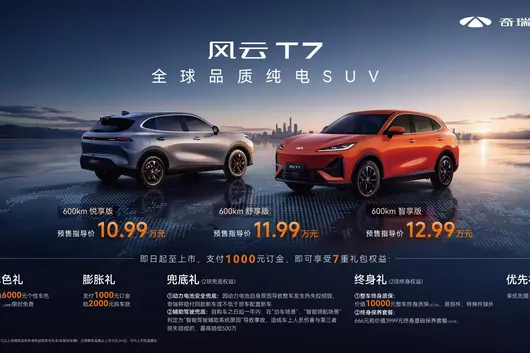

August 12, the global quality pure electric SUV Fengyun T7 officially started pre-sale. This pre-sale launch event took "Quality takes time, we kept you waiting" as the theme, conveying Fengyun T7's commitment to long-termism in vehicle building philosophy, adhering to global standards to refine products and solidly build quality global cars, and expressing the brand's sincere gratitude for users' long-term expectations. A total of 3 versions were launched, with a pre-sale guide price of 109,900 CNY to 129,900 CNY, and 7 layers of purchase benefits are enjoyed.


Aesthetic Necessity | Global aesthetics blend with Eastern elegance, long-lasting texture quality
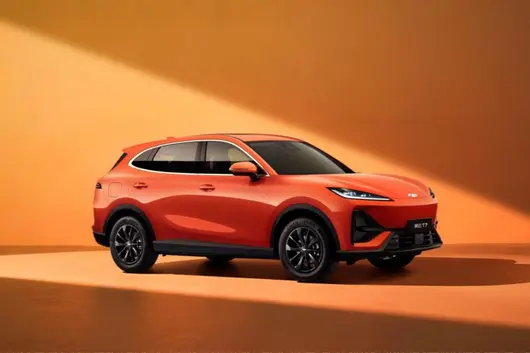
Relying on Chery's 10 global design centers, 5,000+ users from home and abroad co-created throughout the process, and the same-origin model Lepas L6 received international recognition at Milan Design Week. Fengyun T7 integrates global aesthetics, with lasting appearance quality. Wind-riding front face, wind-sculpted satin body, and horizon dawn tailgate balance international minimalist aesthetics with Eastern elegant charm. The overall vehicle paint standard synchronizes with strict overseas weather resistance requirements, offering 6 color options: Blaze Orange, Mountain Smoke Purple, Cloud Pink Beige, Flowing Silver, Green Bamboo Grey, and Ink Stone Black.

Interior styles are divided into Warm Black & Brown and Polar Night Obsidian. Cloud Wing wrap cockpit matches with large-area soft wrapping, Pebble suspended speakers, and diamond quilting details are exquisite; all interior leather, seals, and plastic parts are not easy to harden or fade, remaining new and good-looking after years of use, balancing appearance and texture.

Fengyun T7 is designed to benchmark the 2026 version E-NCAP 5-star safety standards, with functional safety ASIL D maximum level. Planned for 2 years and R&D for 3 years, 81 dedicated durability vehicles were invested for synchronous road testing. The vehicle cumulative test mileage exceeds 6 million km, durability special practical test is 1.45 million km, while simultaneously conducting extreme real-vehicle trials for multiple global regions such as Southeast Asian rainy season, Middle East high-temperature sun exposure, and Indonesian high humidity.
The body uses 80% high-strength steel and 18.84% hot-formed steel to build a 9 horizontal + 5 vertical cage body, adopting shotgun structure, dual-frame subframe + Pack anti-collision beam. Steel bones ensure occupant cabin safety, with 9 front + 6 side collision force transmission paths maximizing collision energy dispersion, retaining occupant survival space; in addition, it is equipped with 9 airbags, including 48L dual-chamber remote airbags and rear side airbags, 360° all-around protection for occupant safety. The Fengyun T7 full series is equipped with Rhino Battery. Super 6D protection builds a battery safety fortress to resist extrusion, puncture, and impact from all angles, constructing a multi-layered three-dimensional safety barrier for power batteries. Facing frequent summer rainstorms, the Rhino Battery IP68 waterproofing is 96 times the national standard, fearless of rainy season waterlogging, road water accumulation, and outdoor water crossing, effectively preventing battery water ingress and short circuit hazards.
Travel Necessity | 600km range standardization across the series, adapting to diverse global climate conditionsBased on global multi-regional energy and climate demands, Fengyun T7 achieves range configuration standardization across the series. All series come standard with a large-capacity Rhino Battery of 65.05kWh, CLTC 600km range, actual test range 667+km, solving anxiety with actual range exceeding claimed. Charging the battery from 30% to 80% takes only 20 minutes, ready to set off again in one cup of coffee time.

Fengyun T7 is equipped with full-domain integrated thermal management dual-source wide heat pump AC + high-voltage PTC, allowing Northern users to drive with peace of mind in winter. Stable operation in -30°C to 55°C ultra-wide temperature range, heating in low-temperature environments saves more power, heat dissipation in high-temperature environments is more efficient. With the all-series standard AGS smart front grille and 14 items of low wind resistance optimization, energy consumption at high and low speeds is more stable.
Intelligence Necessity | Cockpit-Driving Integration 8775 chip, half understands you, half protects youIn the new energy era, no quality without intelligence. Fengyun T7 is equipped with the Cockpit-Driving Integration 8775 chip, achieving dual optimization of cockpit and driving. Two domains collaborate seamlessly, half understands you, half protects you. This chip features 4nm process, 72 TOPS high computing power, response time only 80ms, startup speed increased by 33%, faster startup speed, smoother screen operation, and more rapid intelligent interaction response.
In terms of intelligent cockpit, the 15.6-inch 2.5K high-definition large screen presents delicate and realistic images, anti-glare, anti-reflective, anti-fingerprint, CarPlay, HUAWEI HiCar, CarLink wireless connection, covering over 99% of phone casting on the market, achieving seamless interconnection as soon as you get in the car. Lingxi Smart Cockpit 2.0 brings an all-around companion, offering 6 major human-like companion experiences: Xiao Qi, Northeast Auntie, Debate Master, Spoken English Teacher, Story Master, and Professional Debater. Built-in 6 major scenario modes such as Nap, Camping, Pet, and Wake-up make the car truly a mobile space that understands you.

Fengyun T7 is equipped with the Falcon 500 Driving Assistance System, integrating 3 millimeter-wave radars, 7 high-performance cameras, and 12 ultrasonic radars, totaling 22 high-precision sensors (3R7V12U). See far, see clearly, measure accurately. Capable of 300+ full-scenario automatic parking, the industry has the most complete coverage. T-head parking, one-button track reverse, cross-floor parking, etc. can all be achieved, saying goodbye to "parking difficulties" and achieving parking freedom.
Comfort Necessity | Ultra-large cockpit space, master-grade chassis tuning for stable travelOverall dimensions 4570×1852×1694mm, wheelbase 2700mm, interior space efficiency 84%, flat floor at the rear, industry-leading 911mm legroom at the same level. Rear seats folded expand to a 1955mm pure flat large bed, standard trunk 450L, expanded to 1550L. Sufficient cargo space adapts to outdoor trekking and group travel.

9-layer Cloud-feel seats, soft but not sagging, fatigue-free for long sitting. In addition, seats also have ventilation and heating functions. In terms of heating, 3-level temperature control is achieved. In -20°C environment, fast heating to 30°C in 5 minutes, quickly warming the whole body; seat ventilation adopts suction design, back does not feel stuffy in summer, satisfying users' comfort needs. In terms of details, Fengyun T7 is also noteworthy. The whole car has 38 places of clever storage spaces, organized storage, enjoy exquisite life. Four rivet rings with max load-bearing 300kg and two hooks with max load-bearing 3kg, camping equipment and large cargo can be firmly fixed.

Comfortable driving, inseparable from the support of an excellent chassis. Fengyun T7 chassis is crafted by an international chassis team led by a former Maserati front chassis tuning expert. 50.8:49.2 Golden axle load ratio can effectively suppress understeer and oversteer, improving cornering stability and straight-line tracking. As early as 2009, Chery independently designed China's first ground mobile double-axle K&C test rig. 26 years of design foundation empowers chassis performance, bringing a more excellent driving quality experience.
Peace of Mind Necessity | 2 Lifetime Benefits + 2 Guarantee Benefits, worry-free full-cycle usageChery not only brings hard-core quality products to users, but also stands from the user's perspective, fully considering the full-cycle usage experience after purchase, facing practical concerns such as vehicle faults and later maintenance costs. For this reason, Fengyun T7 launches two guarantee safeguards and two lifetime benefits, protecting throughout from purchase to long-term use.
Two Guarantees: ① Power battery safety guarantee: If the whole vehicle suffers thermal runaway and damage due to power battery internal reasons, Chery will compensate a same-model new car or a new car with configuration not lower than the original car; ② Driving assistance guarantee: Within one year from the date of purchase, in "Parking Scenario" and "Intelligent Pilot Scenario" judged as "Intelligent Driving Assistance System cause" leading to accidents, causing injury to persons on board and third-party damage compensation, maximum compensation 5 million.
Two Lifetime Benefits: ① Whole vehicle lifetime warranty: 10,000 CNY whole vehicle lifetime warranty (including three-electric systems), excluding wear parts and special parts; ② Lifetime maintenance package: 666 CNY purchase value 3,999 CNY lifetime basic maintenance package (1 time/year).
From global standard R&D, global aesthetic design, global craftsmanship manufacturing, to global road conditions validation, Fengyun T7 sets up a value benchmark for pure electric SUVs with full-link global quality. It has been tempered through the world, finally heading towards Chinese users, with complete satisfaction of six major necessities: appearance, travel, safety, intelligence, comfort, and peace of mind, responding to all expectations of quality families. Fengyun T7 is not only a vehicle condensing global technology and quality, but also a choice of the times that deeply resonates global standards with Chinese family needs. Now ready, awaiting every one of you who loves life.

前幾時,欣旺達呢個「電池巨頭」喺成都舉辦咗一場儲能新品發布會,冇咗大而空嘅概念,而係整咗套好實㗎組合:一顆自研 588Ah 大容量儲能電芯,加埋基於呢顆電芯整嘅 NoahX 3.0 系列三款液冷儲能系統。

邏輯好簡單——先將電芯呢個底層零件整紮實,再用同一顆電芯拼出唔同尺寸嘅「儲能櫃」,去配合大電站、海外運輸、快速併網呢幾類真實場景。下面出行局將佢拆開嚟同大家講清楚。
首先睇下呢顆 588Ah 電芯,大家都知儲能行業呢兩年喺瘋狂捲電芯容量,由 280Ah 到 314Ah,再到而家嘅 500+Ah,數字增長並唔難。難係循環壽命有冇得扛住二十年、大電流下發熱有冇得控住、能量效率會唔會跌?

欣旺達呢顆 588Ah 電芯,循環壽命 10000 次,設計使用年限超 20 年,能量效率大於 96.5%。都係因為佢用咗低锂損耗技術嚟延緩容量衰減,正負極材料做咗高壓實設計,同樣體積塞入更多活性物質,單顆電芯嘅儲電上限就提高咗。
效率呢個事,對電站嚟講好實㗎——電芯能效每高少少,全生命週期充放電損耗就少一截,按 200MWh 級別嘅電站粗略計,96.5% 嘅電芯能效比行業早期水平能攞返幾千萬度級嘅充電損耗,呢部分省返嚟嘅就係業主真金白銀嘅收益。

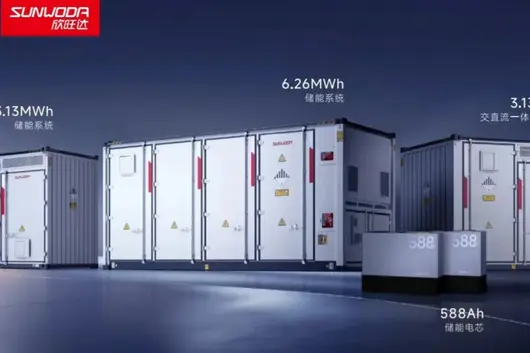
基於呢顆電芯,NoahX 3.0 三款櫃走嘅係「一芯三櫃」嘅路線。6.26MWh 嘅 20 尺大櫃留畀國內百兆瓦級大基地,能量密度比上代提升近 25%,整站佔地同部件數量大幅減少,靠「少艙體、簡接線」直接壓低電纜、土建呢啲 BOP 成本,大電站最中意呢套。
3.13MWh 嘅 10 尺櫃係畀海外準備嘅,單艙壓到 24 噸以內,專門配合北歐限重、東南亞吊裝受限呢啲出海硬約束,要嘅係「運得走、吊得起」。同尺寸嘅第三款做咗交直流一體,電池、PCS、溫控、消防出廠前全預裝好,現場接電網就跑,盯嘅係工商業同數據中心嗰種工期緊、唔想喺現場搞複雜接線嘅項目。

三款安全底座共用一套——PPB 級電芯篩選、逐級保護、多重消防滿足 NFPA,全系過 UL/CE/AS 認證。對業主嚟講好處好實際:無論揀邊款,維運邏輯同備件係通嘅,唔使換項目就重學一套系統。
全棧自研嘅含金量亦喺呢度。傳統方案電芯、PCS、櫃體各揀各嘅供應商,參數單睇都靚仔,跑開嚟熱管理同電芯特性對唔上、BMS 策略跟電化學曲線脫節,長期衰減就容易失控。欣旺達由 588Ah 嘅化學特性反向定義 BMS 採樣、液冷調控同電氣拓撲,電芯到系統三級驗證標準拉齊,最終優化嘅係 LCOS 而唔係某一個單點參數——電站投資人真正盯緊嘅 IRR,藏喺二十年效率衰減曲線同停機損失入面,唔喺初始報價單上。
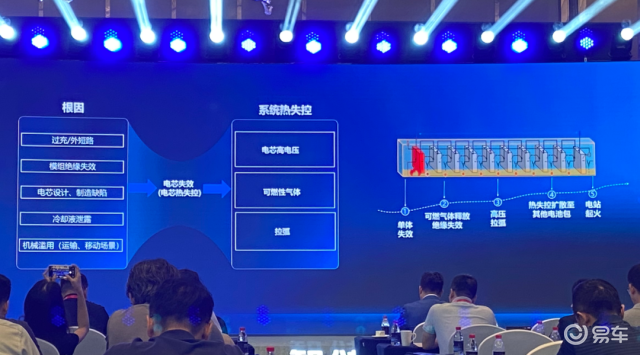
產能呢方面,南昌、德陽、棗莊加泰國喺鋪電芯,惠州、龍溪一帶整系統,德陽基地配咗 AI 全工序視覺檢測同全流程數據追溯,極片到成芯每道工序可溯源,製造透明化本身就係大客戶落單前要睇嘅硬條件。
整體嚟睇,今次發布冇跳離「大電芯 + 高集成液冷櫃」嘅行業主線,但落點務實:588Ah 先將二十年壽命同 96.5% 效率嘅底子立穩,三款櫃分別食咗大基地、出海受限、工商業快交三個場景,中間用全棧集成將電芯同系統綁成一本賬。容量往上捲大家都會,有冇能讓大電芯喺電站入面真正跑滿二十年、同一顆電芯配合多場景仲唔畀客戶添麻煩,先係比 Ah 數字更硬嘅嘢。

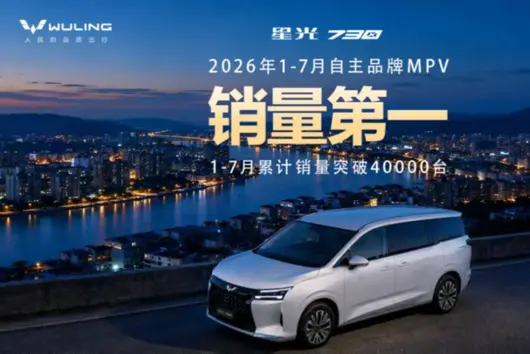
2026年国内MPV市场正在发生深刻的结构性变化。曾经长期由合资品牌主导的MPV赛道,自主品牌正在快速抢占市场话语权。乘联会零售数据显示,2026年1‑7月MPV销量前十榜单当中,自主品牌已占六席。
这其中,星光730脱颖而出,以1‑7月累计销量突破4万台的成绩,登顶自主品牌MPV销量TOP1,上市至今累计销量突破6万台,连续9个月拿下15万内MPV细分市场销冠。这份亮眼的市场成绩单背后,不只是一组冰冷的数字,更是产品力、用户需求与行业变革共振下的必然结果。

冠军表现,撬动MPV行业话语权
过去消费者选购MPV,要么选择价格高昂主打商务属性的合资产品,要么只能选择空间小、配置简陋的入门车型。自主品牌想要在MPV赛道站稳脚跟,往往面临用户认知固化、平台技术积淀不足等多重阻碍。
但伴随消费升级,家用多人出行需求爆发,MPV市场逻辑发生根本转变。合资MPV不再是唯一的选择,单星光730一款产品,其调研用户中就有30%曾是合资MPV车主。
能够实现用户的跨品牌转化,根源在于星光730跳出简单的参数堆砌,从底层架构重新思考国民家用MPV该有的模样。基于专属MPV架构打造,星光730针对七座家用场景进行底盘、车身、座舱的定向开发,同时完成燃油、插混、纯电多动力体系布局,打破过去家用MPV动力选择单一的痛点。
在此之前,10万价位区间,市场一直处于“有品类、无好产品”的尴尬处境,真七座产品稀缺,新能源版本价格门槛居高不下。星光730的到来,补齐了这一块市场短板。它用冠军级的市场表现证明:自主品牌完全有能力打造出兼顾空间、能耗、品质的家用MPV,改写过去合资垄断的行业旧秩序。

亲民定价,实现全家庭高品质出行
回溯MPV发展历史,国内MPV市场早期几乎是商务需求主导。大空间、高配置的MPV价格高高在上,普通多孩家庭想要一台性价比高的七座MPV,只能低价入手“伪七座”,第三排局促拥挤,只能作为应急座位,全家人出行就要不断妥协。
星光730彻底告别“第三排将就”的行业通病。第三排空间利用率达到88%,成年人长时间乘坐不会憋屈,真正做到三排每一个座位都具备完整乘坐价值。2+2+3经典七座布局,二排过道宽度充裕,老人小孩进出第三排更加从容。满员七座状态下,后备箱依旧可以收纳全家出行行李,座椅放倒之后最大拓展容积可达1202L,兼顾载人与装载双重需求。
跳出商务MPV的内卷赛道,星光730锚定普通刚需家庭,践行大众化高品质出行的产品思路。车型锁定10万级主流家庭预算,同时提供燃油、插混、纯电三种动力版本,覆盖不同家庭的用车条件:看重使用成本的城市通勤家庭,可以选择纯电版本;经常长途跨省出行,担心补能焦虑,插混版本综合续航可达1100km,亏电油耗低至5.3L/100km;而追求用车简单可靠的用户,燃油版本完全可以满足出行需要。多元动力矩阵,不强迫家庭为不需要的配置买单。

依托精准的家用定位,星光730用接地气的预算,给到不用将就的驾乘体验,让普通家庭也能享受到高端MPV才有的舒适配置,完成家用MPV的出行普惠。
硬核实力,铸就长期领跑的热销底盘
在新车层出不穷的MPV市场,不少车型依靠短期营销造势冲高销量,热度褪去之后销量快速下滑,沦为短期流量爆款。反观星光730,上市整整9个月,在竞品扎堆的家用MPV红海市场,始终维持稳健靠前的月度销量,累计终端销量突破6万台,靠的不是营销噱头,是适配全场景出行的硬核综合产品力。
家庭出行场景繁杂多变,日常接送孩童、周末近郊露营、节假日长途返乡,不同场景对车辆属性有着截然不同的要求。星光730三套动力矩阵各司其职,精准适配各类出行场景:纯电版本CLTC续航500km,支持大功率快充,日常短途代步用车成本低廉;插混版本消除长途里程焦虑,兼顾省油与动力;1.5T燃油版本结构可靠,满载爬坡、复杂路况都能从容应对。
亮眼的产品力也打开了内外双向市场,车型成功入选国内新能源汽车下乡名录,深耕下沉县域家用市场;同时出海布局东南亚多国,拿下中国香港地区MPV月度销冠,产品实力经受住不同地域路况、用车习惯的考验。长久稳定的市场成绩,印证星光730是依靠用户口碑沉淀起来的实力派车型。

从合资品牌一家独大,到自主品牌抢占六成席位,MPV市场份额的变迁,正是中国自主车企崛起的缩影。相较于同级合资MPV动辄十几万、二十余万的入门门槛,星光730以7.30万-10.98万元的官方指导价、置换低至7.10万起的亲民定价,真正击穿了家用MPV市场的价格壁垒,以不到合资车型一半的预算,给到真七座、全动力、高适配的越级产品体验,彻底终结了“家用MPV好产品必高价、低价必妥协”的行业乱象。未来,以星光730为代表的自主MPV,必将凭借极致性价比+无妥协产品力的双重优势,为万千普通中国家庭,打造高性价比、无妥协的全民出行解决方案。

喺馬來西亞嘅 SUV 市場,好多買家喺揀車嘅時候都會拿 Proton X90 同 Chery Tiggo 8 嚟做比較。呢兩款車喺價位同定位上都幾接近,今日我哋就從多個方面做一個詳細嘅比較,幫你慳返做功課嘅時間。
Proton X90 喺馬來西亞嘅 OTR 售價係 RM 106,800 - 122,800,總共有 4 個版本,包括 2026 1.5T Prime X(RM 122,800)、2026 1.5T Prime(RM 116,800)、2026 1.5T Lite(RM 106,800) 等。
Chery Tiggo 8 喺馬來西亞嘅 OTR 售價係 RM 129,750 - 129,750,總共有 1 個版本,包括 2026 1.6T Standard(RM 129,750) 等。
由價錢睇,Proton X90 嘅入門價的確比 Chery Tiggo 8 平咗 RM 22,950。如果你預算有限,Proton 嘅入門版已經可以滿足日常需要。但亦要注意,嗰幾千蚊嘅差價,可能喺配備上有取捨,具體就要睇你嘅需要。

Proton X90 配備 1.5L Turbo,馬力 140 hp。官方油耗 7.0 L/100km。
Chery Tiggo 8 配備 1.5L Turbo,馬力 140 hp。官方油耗 7.0 L/100km。
兩款車用緊同一套動力系統,日常行開嘅感覺基本無分別。油耗方面都差不多,唔使太糾結這一點。

Proton X90 嘅安全評級係 5★ (ASEAN NCAP),主動安全系統包括 ADAS (ACC, AEB, LKA, LDA, BSM, RCTA)。
Chery Tiggo 8 嘅安全評級係 TBD,主動安全系統包括 Basic。
安全配備方面,兩款車都拿到唔錯嘅評級。不過 Proton X90 嘅 ADAS (ACC, AEB, LKA, LDA, BSM, RCTA) 同 Chery Tiggo 8 嘅 Basic 喺功能上有啲差異,如果你比較重視主動安全嘅話,可以仔細比較下兩者嘅功能列表。

Proton X90 採用 FWD 驅動方式。
Chery Tiggo 8 採用 FWD 驅動方式。
兩款車嘅驅動方式一樣,都係 FWD,日常駕駛感覺唔會有太大分別。

Proton X90 同 Chery Tiggo 8 都係馬來西亞市場嘅主流選擇,適合家庭使用、日常通勤。如果你更重視品牌口碑同二手價,可以優先考慮口碑更好嗰一款;如果你更在意性價比同配備,就揀配置更豐富嗰款。最終都好建議兩款都去試駕,親身體驗先係最緊要。

總括嚟講,Proton X90 同 Chery Tiggo 8 都係馬來西亞市場好唔錯嘅車型。揀邊一部,關鍵都要睇你嘅個人需要同預算。建議各位做好功課,多比較幾間車行嘅報價,再去試駕做最終決定。買車係件大事,花啲時間做功課絕對無誤。


喺馬來西亞嘅 SUV 市場,好多買家揀車嗰陣都會拿 Proton X90 同 Chery Tiggo 8 嚟做比較。呢兩款車喺價位同定位上都相當接近,今日我哋就從多個方面做一個詳細嘅對比,幫你節省做功課嘅時間。
Proton X90 喺馬來西亞嘅 OTR 售價係 RM 106,800 - 122,800,一共有 4 個版本,包括 2026 1.5T Prime X(RM 122,800)、2026 1.5T Prime(RM 116,800)、2026 1.5T Lite(RM 106,800)等。
Chery Tiggo 8 喺馬來西亞嘅 OTR 售價係 RM 129,750 - 129,750,一共有 1 個版本,包括 2026 1.6T Standard(RM 129,750)等。
從價錢睇,Proton X90 嘅起步價確實比 Chery Tiggo 8 平咗 RM 22,950。如果你預算有限,Proton 嘅入門版已經可以滿足日常需求。但都要注意,平嗰幾千蚊,可能喺配備上要有取舍,具體睇你嘅需求。
Proton X90 嘅安全評級係 5★ (ASEAN NCAP),主動安全系統包括 ADAS (ACC, AEB, LKA, LDA, BSM, RCTA)。
Chery Tiggo 8 嘅安全評級係 TBD,主動安全系統包括 Basic。
安全配備方面,兩款車都拿到唔錯嘅評級。不過 Proton X90 嘅 ADAS (ACC, AEB, LKA, LDA, BSM, RCTA) 同 Chery Tiggo 8 嘅 Basic 喺功能上有些分別,如果你比較重視主動安全嘅話,可以仔細對比吓兩者嘅功能列表。
Proton X90 保修 5 年/150,000km,保養間隔 每 10,000km 或 6 個月。
Chery Tiggo 8 保修 3 年/100,000km,保養間隔 每 10,000km 或 6 個月。
Proton X90 同 Chery Tiggo 8 都係馬來西亞市場嘅主流選擇,適合家庭使用、日常通勤。如果你更重視品牌口碑同二手價,可以優先考慮口碑更好嗰一款;如果你更在意性價比同配備,就揀配置更豐富嗰款。最後都建議兩款都去試駕,親自體驗先係最重要嘅。
總體嚟講,Proton X90 同 Chery Tiggo 8 都係馬來西亞市場幾唔錯嘅車型。揀邊一輛,關鍵都要睇你嘅個人需求同預算。建議大家做好功課,多比較幾間車行嘅報價,先去試駕先做最終決定。買車係件大事,花啲時間做功課絕對唔會錯。
喺馬來西亞嘅 SUV 市場,好多買家喺揀車嘅時候都會拿 Proton X70 同 Subaru Crosstrek 嚟做比較。這兩款車喺價位同定位上都幾接近,而家我哋就由多個方面做一個詳細嘅比較,幫你省下做功課嘅時間。
Proton X70 喺馬來西亞嘅 OTR 售價係 RM 106,800 - 122,300,合共 3 個版本,包括 1.5L Standard 2WD(RM 106,800)、1.5L Executive 2WD(RM 115,800)、1.5L Premium 2WD(RM 122,300) 等。
Subaru Crosstrek 喺馬來西亞嘅 OTR 售價係 RM 145,000 - 160,000,合共 1 個版本,包括 2.0L e-Boxer(RM 150,000) 等。
由價錢嚟看,Proton X70 嘅起價的確係比 Subaru Crosstrek 平咗 RM 38,200。如果你預算有限,Proton 嘅入門版已經可以滿足日常需要。不過要留意,平嗰幾千蚊,可能會喺配備上有所取捨,具體要睇你嘅需要。

Proton X70 嘅安全評級係 5★ (ASEAN NCAP),主動安全系統包括 ADAS (ACC, AEB, LKA, LDA, BSM, RCTA)。
Subaru Crosstrek 嘅安全評級係 5★ (Euro NCAP),主動安全系統包括 EyeSight。
安全配備方面,兩款車都拿到唔錯嘅評級。不過 Proton X70 嘅 ADAS (ACC, AEB, LKA, LDA, BSM, RCTA) 同 Subaru Crosstrek 嘅 EyeSight 喺功能上有啲分別,如果你比較重視主動安全嘅話,可以仔細比較下兩者嘅功能列表。

Proton X70 採用 FWD 驅動方式。
Subaru Crosstrek 採用 FWD 驅動方式。
兩款車嘅驅動方式一樣,都係 FWD,日常駕駛感受唔會有太大分別。

Proton X70 保修 5 年/150,000km,保養間隔 每 10,000km 或 6 個月。
Subaru Crosstrek 保修 3 年/100,000km,保養間隔 每 10,000km 或 6 個月。
總體嚟講,Proton X70 同 Subaru Crosstrek 都係馬來西亞市場幾唔錯嘅車款。揀邊一輛,關鍵仲要睇你嘅個人需要同預算。建議大家做好功課,多比較幾間車行嘅報價,再去試駕先做最終決定。買車係件大事,花少少時間做功課絕對唔會錯。


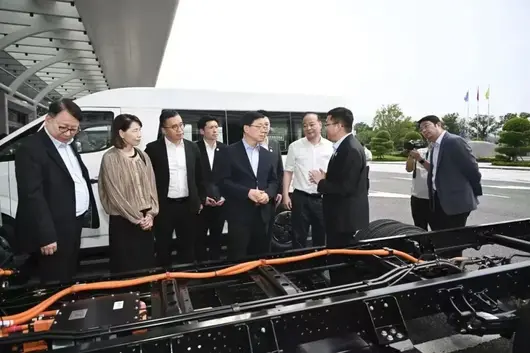
6月24日,香港特别行政区行政长官李家超到访宁德时代,现场调研巧克力换电生态,并体验了适配香港市场的红旗E-QM5右舵版换电车型。

彼时香港已投运2座巧克力换电站,首批换电的士正式交付,标志着换电模式在当地进入实质性运营阶段。这一动作不仅是闽港新能源合作的标志性节点,更让行业看到了宁德时代换电业务从技术研发到场景落地的完整闭环。
作为动力电池领域的龙头企业,宁德时代布局换电业务早已不是新闻,但巧克力换电在香港这类高密度城市的快速落地,以及全国范围内2000座换电站、覆盖180城的规模化成果,依然值得深入拆解。
不同于行业常见的“重技术宣传、轻场景适配”,巧克力换电的发展路径始终围绕城市特性和用户需求展开,其背后的品牌建设思路与产业布局逻辑,对于新能源乃至整个实体制造行业,都有着切实的参考价值。
换电模式的“务实主义”路径
很多人对换电的认知还停留在概念阶段,但巧克力换电已经用实际数据跑通了可行性。
公开信息显示,今年上半年其全国换电站总量已达2000座,覆盖31个省份、超180个城市,中小城市覆盖率突破80%,同时完成了高速干线网络的基础布局。这种“不唯高端市场、兼顾下沉需求”的扩张节奏,本质上是对新能源补能痛点的精准回应。
以往新能源推广的核心矛盾,在一线城市是“充电排队久、找桩难”,在中小城市则是“补能基础设施不足、用户有里程焦虑”。
巧克力换电的解法很直接:用标准化换电技术降低补能门槛,用分布式站点布局覆盖不同层级市场。尤其是在县域市场,换电站的建设不需要大规模改造电网,占地仅相当于两个标准停车位,这种低门槛、高适配的特性,让“换电自由”不再是发达城市的专属。
香港的落地案例更能体现其对特殊场景的适配能力。作为典型的山地多、高密度城市,香港土地资源紧张,传统充电站建设面临用地审批难、建设周期长等问题,而营运车辆的高周转需求又对补能效率提出了极高要求。
巧克力换电站占地面积小的优势完美匹配了当地的空间条件,99秒的换电速度也能满足出租车、物流车的运营需求,从根本上跳出了“充电基建受限”的发展瓶颈。

正如李家超在调研时所言,这种模式为香港新能源产业发展提供了新的技术路径,也为闽港两地在新能源领域的进一步合作打下了基础。
从行业视角来看,这种务实主义的布局思路,恰恰是品牌长期发展的核心支撑。不少新能源企业热衷于追逐风口、炒作概念,却忽略了基础设施建设需要扎扎实实落地。
宁德时代没有把换电做成面子工程,而是从香港的特殊场景到县域的日常需求,逐步织密补能网络,这种“先做实事、再谈品牌”的逻辑,反而让“巧克力换电”成为了可靠、高效的代名词。
换电生态的产业价值延伸
如果说乘用车站点的大规模落地是巧克力换电的基本盘,那么商用车换电生态的成型,则展现了其更大的产业野心。
目前,大湾区已建成52座轻卡专用换电站,按照规划年底将增至140座,核心区域可实现“15分钟城配换电服务圈”。这是国内首个标准化的轻卡换电生态,其意义远不止于“给轻卡换电池”这么简单。
城市配送是物流体系中最贴近民生的环节,也是碳排放的重要来源。以往燃油轻卡面临着使用成本高、限行政策收紧等压力,而纯电轻卡又受限于充电时间长、续航不稳定等问题,推广进度一直不及预期。
巧克力换电的标准化模式,直接解决了这两个核心痛点:一方面换电成本远低于燃油成本,能有效降低物流企业运营压力;另一方面“即换即走”的模式不影响车辆运营效率,适配城配行业高周转的需求。
更重要的是,标准化生态的建立,意味着宁德时代开始参与定义商用车换电的行业规则。长期以来,换电接口、电池规格不统一,是制约换电行业发展的核心障碍,不同品牌的车型无法共用换电站,极大增加了基础设施的重复建设成本。
而巧克力换电通过统一技术标准,打通了车辆研发、换电站建设、电池运营的全链条,让车企、运营商、用户都能从中受益。这种“搭平台、定规则”的做法,让品牌从单一的产品供应商,升级为产业生态的组织者,其价值已经超越了单纯的业务层面。
从品牌建设的角度来看,这种生态化的布局思路,能够有效提升品牌的抗风险能力和长期竞争力。单一的硬件产品很容易被模仿,但一套成熟的产业生态一旦形成,就会产生极强的用户粘性和行业壁垒。对于其他品牌而言,与其在同质化竞争中内卷,不如沉下心打磨核心技术,围绕用户需求搭建完整的服务生态,这才是长期发展的正确路径。
按照规划,到2030年底前,香港将建成约36座换电站,覆盖各区核心枢纽,服务各类高频商用车辆;而全国范围内,巧克力换电也将继续扩大布局,进一步完善换电网络。这套经过高密度城市验证的解决方案,未来还有望推广到更多国际化城市,为全球城市绿色出行提供参考样本。
真正的品牌建设,从来不是靠营销炒作,而是靠扎扎实实的产品力、场景化的解决方案和对用户需求的深度理解。无论是适配香港特殊环境的定制化落地,还是覆盖全国不同层级市场的规模化布局,亦或是从乘用车到商用车的生态延伸,其核心都是“解决问题”——解决城市的补能难题,解决用户的出行焦虑,解决产业的效率痛点。
对于新能源行业而言,换电模式的价值已经无需质疑,但如何把模式落到实处,还需要更多像宁德时代这样愿意沉下心做基建、做生态的企业。与其追逐短期流量,不如深耕长期价值,把用户的真实需求放在第一位,这才是品牌能够走得长远的根本所在。

In 2026, China's intelligent automotive industry is undergoing a deep transformation from feature stacking to experience definition. The key benchmark for measuring its success lies in whether an interactive relationship beyond command input and with richer emotional temperature can be established between humans and vehicles. Whether it is human-machine interaction inside the cockpit or environmental communication outside the cockpit, the implementation of experience ultimately points to the same physical carrier: light.
When intelligent vehicles attempt to establish more natural and efficient communication between humans and machines, optoelectronic systems upgrade from traditional auxiliary components to core requirements that determine the upper limit of experience.
The direct projection of this change is reflected in two key points of two-way communication between humans and vehicles: one is the display interface where the vehicle conveys information to humans, and the other is the light-shadow projection interface where the vehicle expresses intent to the outside world. For the former, AR-HUD has moved from technical verification to mass production; for the latter, smart headlights have completed the extension from simple illumination to information projection and safety interaction.
Of course, under the current industry background, both application scenarios face the same underlying challenges: integration of optical systems, miniaturization, and automotive-grade reliability. This actually means that the logic of competition in in-vehicle optics has undergone a fundamental change—from comparing parameters of single devices to the integration capability contest of system-level optical solutions.
It is at this junction of industrial logic transition that Yipu Optoelectronics' recent strategic layout has taken the lead in providing a system-level implementation plan. This company, which started with freeform optics, not only completed the relocation of its headquarters within a few short months but also successively integrated Suzhou Longma Puxin and Jiangxi De Kai into its territory, consciously building a complete value chain covering optical design, core chips, optomechanical integration, and full-vehicle light-shadow interaction. Adopting the posture of a system integrator, it positions itself for a new round of industrial cycles.
Headquarters Relocation South: Anchoring New Industrial Coordinates for In-Vehicle Photoelectric
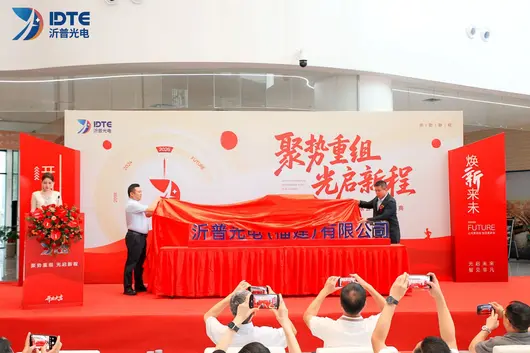
In December 2025, Yipu Optoelectronics completed its headquarters relocation. The new headquarters was established in the Nanxi High-tech Zone, Jinjiang, Fujian. Within the following months, Yipu Optoelectronics' R&D center and core production center were put into operation successively, and on July 28, the headquarters opening ceremony was officially held.

Image Source: Yipu Optoelectronics
For a national high-tech enterprise that was founded in 2018 (core technology accumulation can be traced back to the Tianjin University Micro-Nano Manufacturing Laboratory in 2005) and has deepened in Tianjin for many years, this headquarters relocation south was defined by Guo Yewu, Chairman of Yipu Optoelectronics (Fujian) Co., Ltd., as "a new strategic upgrade".
Currently, Yipu Optoelectronics has achieved complete technical accumulation in key fields such as freeform optical system design, ultra-precision optical component manufacturing and inspection, and optical performance measurement system integration. Moving such technical foundation from Tianjin to Jinjiang, Fujian, its strategic intent far exceeds spatial displacement at the geographical level, but is a strategic choice to re-anchor twenty years of technical accumulation at the industrial highland.

Image Source: Yipu Optoelectronics
The location value of Jinjiang lies in the superposition of multiple advantages.
Jinjiang not only has a complete electronic information and optoelectronic display industry cluster, but also pragmatic and efficient government services and the entrepreneurial spirit of "daring to fight and winning". Guo Yewu stated that Nanyi Xinchuang Port, as an important carrier of regional technological innovation, provides an ideal development platform for Yipu Optoelectronics.
After the headquarters settles in Jinjiang, it will undertake core R&D and operation management functions, forming a collaborative industrial matrix with overseas and domestic production bases and R&D, R&D sales centers located in Shenzhen, Fuyang, Tianjin, Lujiang, Wuhan, Wuxi, Pingxiang, Japan, Malaysia, etc., accelerating the group process of Yipu Optoelectronics. In addition, it is worth mentioning that as a famous hometown of overseas Chinese and a front line of opening up to the outside world, Fujian has natural policy and location advantages in going global, which also forms a high degree of strategic fit with Yipu Optoelectronics' globalization strategy being promoted.

Image Source: Gasgoo
Deeper considerations lie in the convenience of market supply.
Fujian is adjacent to the southern China automotive industry cluster and is the supply chain hinterland of many top new energy vehicle companies. Relocating the headquarters and core processing capabilities here, Yipu Optoelectronics has actually completed a "closer to the market, closer to innovation" strategic upgrade.
In the industrial context where the cycle of in-vehicle optical products is constantly compressed from R&D to mass production, this geographical embedding means faster customer response speed, tighter collaborative R&D rhythm, and lower logistics and communication costs. The overall innovation rhythm of the enterprise will also resonate more in frequency with the industry's iteration cycle.
Strategic Integration: Leap in System Capability by Connecting Points into Chains
If the headquarters relocation south solves the question of "where to compete", then the recent acquisition of Longma Puxin and De Kai better answers the core proposition of "what to compete with".
In May 2026, Yipu Optoelectronics announced the official launch of a strategic acquisition of Suzhou Longma Puxin Technology Co., Ltd. Longma Puxin was initiated by the Chinese Academy of Sciences and an international optics team, focusing on the R&D of MEMS display control chips, passive combiner chips, HUD optomechanics and micro-mirrors, etc. It has mature technology and product layouts in the fields of in-vehicle projection chips, optomechanical integration, and MEMS drive control.

Image Source: Yipu Optoelectronics
Longma Puxin's independently developed LBS (Laser Beam Scanning) MEMS laser scanning core technology has completed automotive-grade reliability and functional safety verification, marking that domestic MEMS optical scanning solutions have entered a new stage of in-vehicle mass production.
The strategic intent of this acquisition is very clear: control core chips upstream. LBS MEMS technology takes MEMS micro-mirrors as the core execution unit, combined with laser light sources and high-speed modulation algorithms, to achieve laser scanning imaging with small volume, low power consumption, no focusing, and high color gamut. Compared with traditional DLP and LCoS solutions, LBS MEMS has better shock resistance, temperature adaptability, and space utilization in harsh in-vehicle environments. For Yipu Optoelectronics, the MEMS chips and micro-mirror capabilities brought by Longma Puxin have enabled it to extend capabilities from optical components to core chips in the optoelectronic display field.
If acquiring Longma Puxin is "controlling upwards", then acquiring Jiangxi De Kai is "expanding downwards".
Recently, Yipu Optoelectronics officially announced the completion of the strategic acquisition of Jiangxi De Kai Auto Lighting Co., Ltd. De Kai has been deeply cultivating in automotive smart lighting for more than ten years, possessing the ability to independently develop full sets of vehicle lamp assemblies, mold development, and automated mass production delivery. Current customers cover more than ten mainstream automotive brands in China.
Yipu Optoelectronics had previously had product layouts in in-vehicle display such as HUD, in-vehicle projection, and out-vehicle projection headlights. The addition of De Kai has helped Yipu Optoelectronics achieve complete coverage in the field of full-vehicle headlights from cockpit display to external lighting, and the systematic competitiveness has undergone a qualitative improvement. As Guo Yewu stated, after this M&A, Yipu Optoelectronics became the only technology enterprise in China currently possessing full-link capabilities from display chips to display modules to display complete machines.
The synergies after the completion of the acquisition are worth deep analysis. Xu Feizhang, CEO of Yipu Optoelectronics (Fujian) Co., Ltd., introduced the actual value of this model to clients to Gasgoo: In the past, customers needed to communicate with multiple suppliers separately, and communication costs and management burdens were quite heavy. Now, Yipu Optoelectronics alone can complete the full-chain collaboration from chips to assemblies, and an internal communication meeting can coordinate the positioning and development of the entire product. This capability is not a simple capacity superposition, but directly responds to the dual demands of partners for delivery efficiency and cost control.
The rhythm of the two acquisitions was compact and the logic was clear — Longma Puxin solves the core chips and scanning technology of "seeing clearly", De Kai solves the out-vehicle light and shadow and mass production manufacturing of "lighting well". Superimposing on Yipu Optoelectronics' original freeform optical design and precision manufacturing capabilities, a full-stack in-vehicle optical capability system covering chips, optics, optomechanics, and full vehicles has already taken shape.
Lu Rui, President of Market Strategy of Yipu Optoelectronics (Fujian) Co., Ltd., further explained the unique value of this system from the perspective of competitive differentiation when interviewed by Gasgoo. After the merger and restructuring, from upstream chips to intermediate optical systems, to manufacturing and overall solutions, Yipu Optoelectronics has formed a complete differentiated layout. Many enterprises in the industry currently neither involve the chip layer nor sink to the bottom-layer optical manufacturing. In the case of missing both ends, even if single solutions can be provided, it is difficult to truly form comprehensive competitive advantages in the three dimensions of technology, processing, and cost. And the superposition of these capabilities is precisely where Yipu Optoelectronics occupies the initiative in the future industrial pattern.
In the past supply chain system, chips, optical devices, optomechanical systems, and full-vehicle applications belonged to suppliers at different levels, with gaps in technical connections and games of commercial interests between each other. When an enterprise can connect from upstream display chips to downstream full-vehicle light-shadow interaction, it gains capabilities extremely scarce in the existing supply system — defining products, optimizing costs, and accelerating iteration from a system-level perspective. This capability is becoming a key variable determining the upper limit of enterprises in the new era defined by experience vehicles.

Image Source: Yipu Optoelectronics
Redefining the Optical "Language" of Human-Vehicle Interaction
While continuously perfecting technical capabilities, Yipu Optoelectronics' understanding of in-vehicle optics is also deepening continuously. This deepening is not only reflected in the expansion of product lines but more in the systematic research and development of common industry problems and the forward-looking layout of future interaction forms.
From the perspective of industry trends, in-vehicle optics is currently at a key node where it transitions from optional configuration to core systems.
With the accelerated arrival of L3 autonomous driving, AR-HUD will provide more intelligent interaction, safety reliability and convenient entertainment scenario applications, and future market potential is expected to continue to be released. In the field of smart headlights, intelligent vehicle light technology such as million pixels has become a main product highlight on many domestic high-end new energy models. In the future, with the market penetration of this configuration, it will inevitably lead the acceleration of in-vehicle interaction and entertainment functions towards personalization and customizability. And in-vehicle projection is gradually becoming an important option for rear screens in mid-to-high-end models with advantages such as large screen format, multi-scenarios, and playability.
These trends all point to a core proposition: light is becoming the core interaction medium between cars and humans. In-vehicle light is expected to become a potential new growth curve for the automotive industry.
But the clarity of trends does not mean the path is smooth. Common problems facing the industry are still prominent: compatibility of safety and regulations, breakthroughs in technical barriers, balance of cost and performance, etc., are all realistic obstacles restricting the large-scale popularization of in-vehicle optics. Taking AR-HUD as an example, larger screen format, smaller volume, higher image quality are future development directions, but how to achieve these goals in limited in-vehicle space while meeting automotive-grade reliability requirements tests the system capabilities of every participant.
Of course, it is precisely in the face of these industry problems that Yipu Optoelectronics' full-stack capabilities highlight the value even more. Guo Yewu clearly pointed out that for people doing precision optics, there is no shortcut, only continuous innovation. "Cars are turning from original driving tools into a mobile home", Guo Yewu stated that after becoming a mobile home, vehicles need to provide more emotional value to guests. As a photoelectric display supplier, we need to continuously provide innovative products from display, sound, haptics and other aspects.
Yipu Optoelectronics is promoting a series of innovation directions. For example, on the car, Yipu Optoelectronics innovatively proposed ultra-short throw partition projection. While meeting user experience, it can also reduce volume and facilitate installation. Xu Feizhang demonstrated the underlying logic of this technology in the product exhibition hall — introducing the ultra-short throw display technology of laser TV into the car, not only achieving higher color gamut, brightness and resolution, but more importantly, the all-in-one design thoroughly solves the pain point of personnel walking and blocking the optical path in traditional projection solutions. Yipu Optoelectronics is also exploring another forward-looking application innovation — integrating LiDAR with digital smart headlights. Traditional LiDAR is installed on the car roof, not only is the shape abrupt, but it also faces safety hazards of inability to self-clean. Since headlights themselves possess mature self-cleaning functions, after embedding LiDAR into the headlight assembly, it can not only guarantee the all-weather reliability of the sensor but also significantly optimize the smoothness of the overall vehicle appearance.

Image Source: Yipu Optoelectronics
Using the latest technology and highest performance to meet the superior experience of terminal users on in-vehicle and out-vehicle display, as Guo Yewu said: "Only continuous innovation can move consumers and inject new vitality into this highly competitive industry."
Lu Rui supplemented Yipu Optoelectronics' differentiated thinking from the perspective of technical routes. In the past, Yipu Optoelectronics focused on optical component manufacturing, lens solutions and optomechanical system delivery, etc., more playing the role of a processing solution provider. With the completion of capabilities such as LBS MEMS chips, Yipu Optoelectronics has also become capable of outputting complete solutions such as micro-projection, ultra-short throw, and high-brightness direct projection in the consumer field, completing the positioning leap from a processing solution provider to a complete solution provider.
Behind this transformation is the re-upgrading of corporate value positioning, entering the higher-value system integration link, and possessing the ability to define product forms and interaction experiences.

Image Source: Yipu Optoelectronics
Summary:
Starting from freeform optics technology, to possessing full-link capabilities covering HUD, optical chips, headlights, etc., Yipu Optoelectronics has taken an evolutionary path from single-point technical breakthroughs to system capability construction. Behind it reflects not only the enterprise's keen grasp of optical technology generational substitution, but also a deep understanding of the underlying trend of the intelligent automotive industry moving towards experience definition.
The headquarters relocation south does not solve simple spatial displacement, but embeds R&D decisions, customer response, and supply chain collaboration into the industrial hinterland, making the enterprise's innovation rhythm and the industry's iteration cycle resonate more in frequency. The strategic integration of Longma Puxin and De Kai completes a complete optical ecology "puzzle", obtaining a capability combination extremely scarce in the existing in-vehicle optical supply system: from optical chips to optical components, from optomechanical systems to full-vehicle light-shadow interaction, all integrated into one, realizing independent and controllable core technologies, and building a unique industrial ecology advantage.
The current automotive industry has a consensus that the first half of intelligent vehicle competition revolves around "three-electric systems", competing in range and acceleration; the contest in the second half anchors on experience and interaction, and all experiences — whether navigation guidance projected by HUD, safety light carpets spread by headlights, or flowing ambient light shadows inside the cockpit — must ultimately be conveyed through light.
Whoever can achieve full-stack control from source to terminal in the light chain will possess the capability foundation to define the next generation of human-vehicle interaction. The "Chip-Optics-Optomechanics-Headlights" full-chain system constructed by Yipu Optoelectronics is precisely building the underlying base for this new era of photoelectric-defined experience that is arriving.
When the light chain extends from components to scenarios, and connects from inside the cabin to outside the cabin, what an enterprise can define is not only product parameters but also a completely new industry trend.

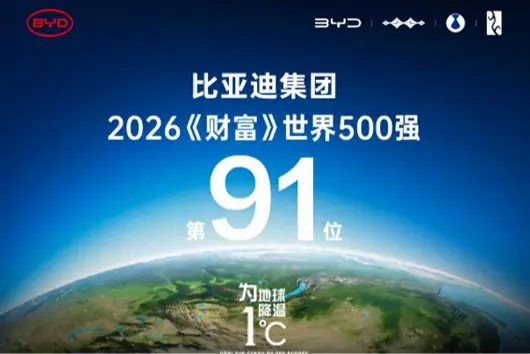
7 月 28 日,2026 年《財富》世界 500 強榜單正式公佈。比亞迪憑藉持續增長嘅經營表現同全球化發展成果,連續第五年登上榜單,位列第 91 位,首次穩居全球百強陣營。這不僅體現咗企業規模與綜合實力嘅持續提升,亦展現出中國新能源汽車產業喺全球汽車產業變革中嘅影響力。
 從一家中國汽車企業,到全球新能源汽車產業嘅重要參與者,比亞迪嘅發展歷程見證咗中國製造向中國智造嘅轉型升級。現時,比亞迪已經形成新能源汽車、軌道交通、電子產業等多領域協同發展嘅產業佈局,並憑藉技術創新、產業鏈整合以及全球化戰略,喺國際市場不斷突破。
2025 年,比亞迪實現全年營收 8040 億元,純利潤 326 億元;新能源汽車全年銷量達到 460 萬輛,連續蟬聯全球新能源汽車銷量冠軍、中國市場車企銷量冠軍等多個行業榮譽,成為全球新能源汽車標桿企業。2026 年 1 月至 6 月,比亞迪累計銷量超過 180 萬輛。7 月,比亞迪第 1700 萬輛新能源汽車正式下線,成為全球首家達成這一里程碑嘅新能源汽車企業。
持續增長嘅市場表現背後,係比亞迪長期堅持技術創新嘅發展理念。多年來,比亞迪始終堅持「技術為王,創新為本」,不斷加大研發投入,推動新能源汽車核心技術持續突破。
2025 年,比亞迪研發投入達到 634 億元,同比增長 17%,連續兩年位居 A 股上市公司研發投入第一梯隊。2026 年第一季度,比亞迪研發投入達到 113 億元,持續保持高強度技術投入。截至現時,比亞迪累計研發投入已經突破 2500 億元。
大規模研發投入推動咗一系列創新技術加速落地。今年 3 月,比亞迪正式發布第二代刀片電池及閃充技術,進一步提升新能源汽車補能效率同使用體驗。同時,比亞迪計劃喺年底前喺全國建設 2 萬座閃充站,並將會喺全球佈局 6000 座海外閃充站,持續完善新能源出行基礎設施。
喺智能化領域,比亞迪亦唔斷推動技術普及。今年 5 月,比亞迪率先承諾為城市領航安全兜底一年,並宣布全系車型均可搭載天神之眼 B 輔助駕駛激光版,推動智能駕駛技術從高端車型向更多用戶普及,開啟全民智能駕駛新階段。
除咗技術突破,比亞迪嘅全球化進程亦進入新嘅發展階段。2025 年,比亞迪海外銷量首次突破 100 萬輛,同比增長 145%;2026 年上半年,海外銷量繼續保持增長,累計銷量超過 78 萬輛。
目前,比亞迪全球化佈局已經形成「拉美領跑、歐洲突破、亞太多點開花」嘅發展格局,業務覆蓋全球 121 個國家及地區。從新能源汽車出口,到海外生產基地建設,再到本土化研發與服務體系完善,比亞迪正由「產品出海」邁向「產業鏈出海」。
今年,比亞迪首條海外雲軌喺巴西正式通車,巴西工廠迎來第 10 萬輛新能源汽車下線;騰勢 Z、騰勢 Z9GT 以及騰勢 D9 共同進入歐洲市場,開啟新能源豪華品牌全球化探索;比亞迪首款海外專研車型海獺(BYD RACCO)正式落地日本;泰國工廠亦迎來投產兩週年,進一步提升區域產業協同能力。
隨著新能源汽車產業進入全球競爭新階段,比亞迪正透過技術創新同本土化佈局,推動新能源汽車產業價值鏈升級。未來,企業將繼續深化全球市場佈局,讓中國新能源汽車技術服務更多消費者。
與此同時,比亞迪亦持續踐行綠色發展理念。截至 6 月 30 日,比亞迪新能源汽車相較傳統燃油車,喺能源生產與使用環節累計實現碳減排 1.49 億噸,相當於種植 24.8 億棵樹,為全球低碳轉型貢獻力量。
喺社會責任領域,比亞迪啟動 30 億元教育慈善基金,並與全國 127 所高校達成捐贈協議,激勵超過 6000 名學生成長發展。企業發展同社會責任相結合,成為比亞迪長期堅持嘅重要方向。
從連續五年進入《財富》世界 500 強,到躋身全球百強陣營,比亞迪嘅發展唔單止係企業自身實力提升嘅體現,亦係中國新能源汽車產業快速發展嘅縮影。
未來,比亞迪將繼續堅持科技創新驅動,以更先進新能源技術、更完善全球產業佈局以及更加開放發展理念,推動綠色出行變革,為全球可持續發展貢獻中國力量,向着「為地球降溫 1℃」嘅目標持續前行。


Suddenly, the "Ning King" came out to make a splash again.
On the evening of July 24, CATL released two major documents simultaneously. One was the 2026 Interim Financial Report. Revenue in the first half was 276.91 billion yuan, a year-on-year increase of 54.80%. Net profit attributable to the parent company was 43.284 billion yuan, a year-on-year increase of 41.98%. Calculated, this means daily earnings of 240 million yuan.
The other was a buyback plan, proposing to use funds not less than 20 billion yuan and not more than 40 billion yuan to buy back A-share shares for cancellation, with a buyback price cap of 573 yuan per share, a premium of nearly 50% compared to the closing price of the day. This amount cap set a record high for single share buybacks in the history of A-shares.
At the same time, multiple new energy vehicle manufacturers successively released half-year profit forecasts, with many facing profit pressure. Industry chain profits are visibly concentrating on the battery segment, and this is indeed a major source of CATL's profits. However, if you turn to the details of CATL's financial report, you will find a fact overlooked by the outside world.
That is CATL's true growth engine is actually not just power batteries. Or rather, the game CATL is playing is far bigger than what the outside world sees.
Beyond Vehicle Power Batteries, Pulling Up a Second Growth Curve
In CATL's financial report, the most worth noting is its healthy revenue structure. In the first half, the power battery business contributed 192.125 billion yuan in revenue, accounting for 69.38%, remaining the absolute major portion. However, the performance of the other two businesses is also inescapable, showing a trend of accelerated growth.

First, energy storage battery business revenue was 53.261 billion yuan, accounting for 19.23%, a year-on-year increase of 87.54%. Battery materials and recycling, mineral resource business revenue was 18.811 billion yuan, a year-on-year increase of 67.23%.
More critically, power battery gross margin of 20.63% and energy storage battery 23.96% both saw year-on-year declines, while the gross margin of battery materials and recycling business reached 27.04%, an increase of 5.81 percentage points year-on-year.
That is to say, among the three major main businesses, the only one achieving gross margin improvement is the "recycling business" that outsiders ignore most easily.
Looking further down, CATL has also accumulated considerable capital in the ship power battery field.
Already cumulatively delivered over 900 ship batteries. The first all-electric inland container ship exported from China delivered in the first half of 2026, also equipped with CATL's battery energy storage system. In July, also acquired a stake in Jiangsu Kaiyang Shipbuilding Company, increasing investment in the technical development of ocean-going ship battery systems.
In the commercial vehicle field, sodium-ion batteries have gone into mass production installation, the Tianxing series covers multiple sub-scenarios from logistics vehicles to heavy trucks. In the battery recycling field, holding company Bangpu Recycling has built the nation's largest directional recycling base, with an annual retired battery processing capacity of 270,000 tons, and nickel, cobalt, and manganese recovery rate is as high as 99.6%. The team also won two honors at the European Patent Office's "2026 European Inventor Award" this year, becoming the first Chinese team to win dual awards since the award's inception.

These businesses together constitute CATL's second growth curve beyond power batteries.
When lithium battery scrap volume grows at a speed of more than 20% annually, when the commercialization window for electric ships opens gradually, and when AI computing power data centers begin to propose new structural demands on energy supply, CATL has already extended its tentacles into these tracks. Company executives also clearly stated at the performance exchange meeting that AIDC presents a clear structural market opportunity. CATL will not just provide single product supply, but wants to provide more comprehensive solutions around new energy scenarios.
Therefore, from the financial report it can be seen that CATL's high-speed profit growth in the first half, a large part comes from storage, from recycling, from overseas, rather than simply "earning one more cent" from vehicle manufacturers.
Of course, a fact must be admitted here. The gross margin of the power battery business is indeed declining, price competition pressure in the domestic market is real. Moreover, CATL also has its shortcomings.
The "poaching talent and stealing technology" publicly condemned by Zeng Yuqun previously, lost orders in the Middle East market, additional costs brought by consumption tax policies, these are challenges on the table. It's just that these challenges have not covered up the longer-term growth curve.
Earn Money from "Foreigners", Also Earn Money for the Future
If diversification is CATL's first line of defense against industry risk, then globalization is the second moat it built. From this point of view, CATL is also half a step ahead of current auto companies. The overseas dividends it received are exactly the "big results" that current auto companies are striving hard to layout overseas business to obtain.

In the first half, CATL overseas revenue reached 87.1 billion yuan, gross margin 29.97%, nearly 9 percentage points higher than domestic business gross margin. Overseas market share 33.7%, Hungary, US, Indonesia three overseas factories successively put into production, Volkswagen, BMW, Toyota and other global mainstream car companies lie in the customer list.
Morgan Stanley gave a judgment in the latest report. Diesel vehicle electrification, storage super cycle, sodium-ion battery product cycle, will jointly support CATL to continue strong growth in 2027.
The key point is, CATL overseas business gross margin is significantly higher than domestic. This means, its bargaining power in the global market is actually stronger than in domestic. This is somewhat different from the common perception that "Made in China conquers the world with low prices".
CATL management gave the explanation at the exchange meeting as "Competing on value, not price". This sounds a bit official, but combining with gross margin data, it indeed has its confidence.
Zeng Yuqun summarized CATL's current strategic positioning into one sentence: From "New Energy Industrialization" to "Industrial New Energyization". The first half is what CATL did in the past ten years, making the concept of new energy into a real industry. The second half is what it plans to do in the future, using new energy to transform more traditional industries.
Ships, commercial vehicles, computing power data centers, mineral resources, these are all the landing points of "Industrial New Energyization". Zeng Yuqun himself judged, the future downstream industry boundaries may reach over a thousand times the current level.
And if this judgment holds, then the 40 billion buyback big move is easy to understand.
The company's current stock price is undervalued, this is the core logic of the buyback. On the day the financial report was released, CATL A-share closing price was 383.01 yuan, while the 52-week high was 468.75 yuan. Performance hit a new high, but the stock price fell nearly 20% in half a year. CITIC Securities gave a target price of 490 yuan, UBS 600 yuan, Macquarie HK stock target price 700 HKD.
Under this premise, the real money 40 billion buyback is an attitude given by management to the market.

More importantly, the implementation, all bought-back shares are used for cancellation, not kept for equity incentives, nor placed in treasury stock accounts. This means total share capital decreases by about 69.8 million shares, rights allocated to each shareholder will rise.
Of course, this confidence also needs some question marks. Lithium prices recently showed a rebound, Yichun Jianxiwo lithium mine resumption approval may bring cost fluctuations, consumption tax phased collection from 2% to 4% test on downstream bargaining power, are realities CATL must face next.
However, compared to challenges, this financial report indeed let us see a strong resilience and strategic vision shown by an industry leader. From this point of view, CATL is still the undoubted leader of the new energy sector, without a doubt.


喺馬來西亞嘅 SUV 市場,好多買家喺揀車嘅時候都會拿 Proton X50 同 MG MG HS 嚟做比較。呢兩款車喺價位同定位上都幾接近,今日我哋就從多個方面做一個詳細嘅比較,幫你省咗做功課嘅時間。
Proton X50 喺馬來西亞嘅 OTR 售價係 RM 89,800 - 113,300,一共有 4 個版本,包括 1.5T Executive(RM 89,800)、1.5T Premium(RM 101,800)、1.5T Flagship(RM 113,300) 等。
MG MG HS 喺馬來西亞嘅 OTR 售價係 RM 130,450 - 146,450,一共有 2 個版本,包括 1.5L Standard(RM 105,000)、1.5L Executive(RM 115,000) 等。
從價錢嚟睇,Proton X50 嘅起步價確實比 MG MG HS 平咗 RM 40,650。如果你預算有限,Proton 嘅入門版已經可以滿足日常需求。但都要留意,平嗰幾千蚊,可能喺配備上會有取捨,具體要看你嘅需求。

Proton X50 搭載 1.5L 4-cyl,馬力 105 hp。官方油耗 6.0 L/100km。
MG MG HS 搭載 1.5L Turbo,馬力 140 hp。官方油耗 7.0 L/100km。
動力方面,MG MG HS 嘅 1.5L Turbo 比 Proton X50 嘅 1.5L 4-cyl 多咗 35 匹馬力。不過日常喺市區開,兩款車嘅動力都夠用,唔會覺得唔夠力。

Proton X50 嘅安全評級係 5★ (ASEAN NCAP),主動安全系統包括 ADAS (ACC, AEB, LKA, LDA, BSM, RCTA)。
MG MG HS 嘅安全評級係 TBD,主動安全系統包括 Basic。
安全配備方面,兩款車都攞到唔錯嘅評級。不過 Proton X50 嘅 ADAS (ACC, AEB, LKA, LDA, BSM, RCTA) 同 MG MG HS 嘅 Basic 喺功能上有些差異,如果你比較睇重主動安全嘅話,可以仔細對比下兩者嘅功能列表。

Proton X50 採用 4WD 驅動方式。
MG MG HS 採用 FWD 驅動方式。
Proton 嘅 4WD 同 MG 嘅 FWD 喺操控上會有唔同感受,建議試駕對比。
總體嚟講,Proton X50 同 MG MG HS 都係馬來西亞市場好唔錯嘅車型。揀邊一輛,關鍵仲係要看你嘅個人需求同預算。建議大家做好功課,多比較幾間車行嘅報價,再出去試駕做最終決定。買車係件大事,花點時間做功課絕對唔會錯。


喺马来西亚嘅 SUV 市場,好多買家喺揀車嘅時候都會拿 Proton X50 同 Chery Tiggo 7 PHEV 來做比較。這兩款車喺價位同定位上都幾接近,今日我哋就從多個方面做一個詳細嘅對比,幫你慳返做功課嘅時間。
Proton X50 喺马来西亚嘅 OTR 售價係 RM 89,800 - 113,300,一總共有 4 個版本,包括 1.5T Executive(RM 89,800)、1.5T Premium(RM 101,800)、1.5T Flagship(RM 113,300) 等。
Chery Tiggo 7 PHEV 喺马来西亚嘅 OTR 售價係 RM 129,750 - 129,750,一總共有 2 個版本,包括 2025 1.5T 90km CSH(RM 129,750)、Tiggo 7 PHEV 支援邊種充電方法?可以用家居電源插座充電嗎?(RM 117,478) 等。
從價錢來看,Proton X50 嘅起步價真係比 Chery Tiggo 7 PHEV 平咗 RM 39,950。如果你預算有限,Proton 嘅入門版已經可以滿足日常需求。但都要小心,平嘅嗰幾千蚊,可能會喺配備上有所取捨,具體要睇你嘅需求。
Proton X50 裝載 1.5L 4-cyl,馬力 105 hp。官方油耗 6.0 L/100km。
Chery Tiggo 7 PHEV 裝載 Hybrid,馬力 170 hp。官方油耗 4.5 L/100km。
動力方面,Chery Tiggo 7 PHEV 嘅 Hybrid 比 Proton X50 嘅 1.5L 4-cyl 多咗 65 匹馬力。不過日常喺市區開,兩款車嘅動力都夠用,唔會覺得唔夠力。
Proton X50 嘅安全評級係 5★ (ASEAN NCAP),主動安全系統包括 ADAS (ACC, AEB, LKA, LDA, BSM, RCTA)。
Chery Tiggo 7 PHEV 嘅安全評級係 TBD,主動安全系統包括 Basic。
安全配備方面,兩款車都拿到唔錯嘅評級。不過 Proton X50 嘅 ADAS (ACC, AEB, LKA, LDA, BSM, RCTA) 同 Chery Tiggo 7 PHEV 嘅 Basic 喺功能上有少少差異,如果你比較睇重主動安全嘅話,可以詳細對比下兩者嘅功能列表。
Proton X50 採用 4WD 驅動方式。
Chery Tiggo 7 PHEV 採用 FWD 驅動方式。
Proton 嘅 4WD 同 Chery 嘅 FWD 喺操控上會有唔同感受,建議試駕對比。

總體嚟講,Proton X50 同 Chery Tiggo 7 PHEV 都係马来西亚市場好唔錯嘅車型。揀邊一輛,關鍵都要睇你嘅個人需求同預算。建議大家做好功課,多比較間幾間車行嘅報價,先去試駕做最終決定。買車係件大事,花少少時間做功課絕對無得錯。

中國汽車出海講咗好多年故仔,主題大多都係「我哋將車賣咗去海外」,不過最近長城歐拉帶嚟唔同嘅版本。

7 月 20 號至 22 號長城汽車全球探索日喺保定舉行,全球多啲投資人走訪長城技術中心同生產基地實地探訪,並且喺徐水專業試車場對歐拉 5 全系車型深度試駕之後主動排隊,想要代理呢台中國車。

順序嘅顛倒更值得解讀。過去中國车企出海,走嘅係「產品出去、渠道求人」嘅路。這次係全球投資人親眼睇過工廠、親手摸過實車之後,用真金白銀嘅代理意願投咗票。商業世界最誠實嘅認可從來唔係掌聲而係排隊。投資人看中嘅,係三條清晰嘅產品邏輯。

第一,生而全球。長城歐拉 5 唔係一款「國內賣好再順手改款出海」嘅車,佢依托歸元平台開發,無需針對任何單一市場重新設計,只係通過動力組合嘅靈活調整就能完成本土化適應。正正就係呢個,令佢喺短周期內快速登陸泰國、巴西、西班牙、意大利等全球多國嘅底層原因——佢面對嘅唔係某一个市場嘅偏好,而係一套由一開始就按"世界卷"作答嘅產品定義。

第二,一車多動力,這亦係長城歐拉 5 產品力最值得展開講嘅部分。全球市場嘅能源結構同消費現實千差萬別,長城歐拉 5 用純電、混動、燃油三種動力畀出答案。其中混動版搭載全新一代 Hi2 智能混動系統,"三擎六模"AI 智能切換,將「靜、快、省、順」做成全場景標配,試駕中表顯清零、極限油耗等嚴苛關卡均交出高分答卷。

喺局部領先嘅指標上,例如純電版續航最高 580 公里,百公里電耗只係 11.5 度、Coffee OS 3 智能座艙同 Coffee GPT 大模型語音、自動泊車等智駕功能,呢啲我哋喺國內市場卷出來嘅好技術,令海外投資人讚不絕口。

第三,被全球市場驗證過嘅品質。巴西首批 2000 台上線 24 小時售罄,泰國累計訂單突破 5000 台、混動版同傳統日系豪強分庭抗禮,2026 年 6 月歐拉品牌月銷 10806 輛、同比增長 229%。從東南亞到南美洲,唔同氣候、唔同路況裡嘅每一公里,都係"全球品質"最真實嘅註腳。7 月起,長城歐拉 5 仲會陸續登陸澳洲、南非、印尼及中南美。

更深層睇嚟,長城歐拉 5 承載住品牌升維,從細分人群走向「全球年輕人嘅風格座駕」,年輕人嘅第一台車,有咗全球審美同全球品質。佢為中國汽車出海提供咗一個「歐拉樣本」,唔靠低價換市場,而係靠產品力贏得渠道、贏得投資人、贏得用戶。作為一台適應全球嘅車,長城歐拉 5 就好似一把打開世界嘅鑰匙剛剛插進鎖孔。



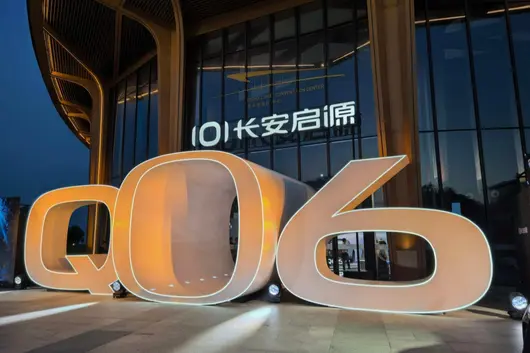
7 月 15 日,長安啟源喺上海舉辦咗場名為「全球設計大賞」嘅活動,旗下全新車型 Q06 首次公開亮相。冇公布價格,亦冇開啟預售,而係專注只講一件事——設計。
當大多數品牌忙於喺發布會上堆砌參數,啟源卻選擇把一款尚未上市嘅 SUV 拿到設計展台上「單獨遛一圈」,說明 Q06 想打嘅,係一場關於審美嘅仗。而佢嘅底氣來自一個人名:克勞斯·齊喬拉。
克勞斯·齊喬拉,前大眾集團全球設計負責人,大眾、保時捷品牌核心設計師,曾主導高爾夫、布加迪威龍、大眾 ID.系列等經典車型設計嘅人物,自 2023 年 10 月加入長安汽車擔任副總裁以來,Q06 係佢操刀嘅首款面向主流市場嘅量產作品。
國際設計大師「投華」專注操刀長安啟源
從產品層面嚟睇,Q06 確實在設計上拿出咗一啲值得討論嘅嘢。

4837mm 嘅車長搭配 1970mm 嘅車寬同 2940mm 嘅軸距,Q06 喺尺寸上已經越過咗傳統緊湊型 SUV 嘅邊界,但 1670mm 嘅車高被刻意壓低,形成咗接近轎跑 SUV 嘅視覺比例。
0.27Cd 嘅風阻係數喺同級中屬於優秀水平,說明造型設計同工程開發之間嘅協同做到位。從比例關係嚟睇,克勞斯團隊係好認真咁做一款有「運動姿態」嘅家用 SUV。
此外,啟源為 Q06 提出咗個叫「流光美學」嘅設計語言。無腰線設計令車身側面保持咗高度嘅純淨感,飽滿嘅輪包塑造出力量感,整體冇多餘嘅裝飾線條去打斷型面嘅完整性。
這種「做減法」嘅思路,喺 30 萬以上嘅豪華品牌中常見,但喺 15 萬元級別嘅價格帶裏確實屬於少數派。

內飾部分更能體現設計團隊嘅意圖。
所有鋒利棱角被處理成類似鵝卵石嘅圓潤曲面,全車 90.6% 嘅軟質包覆率、15.6 吋吸頂屏與獨創嘅「輕軌穿樓」式電動遮陽簾喺同一平面內完成整合,說明咗克勞斯加盟兩年半以來,對長安體系嘅設計規範同供應鏈協調確實做咗相當深度嘅介入。
而喺底層嘅機械素養方面,Q06 同步首搭咗長安自研嘅天樞領航 Ultra 智駕系統,配備全鋁前雙叉臂加後五連桿懸掛以及同級少見嘅雙電機後驅佈局。
長安汽車執行副總裁楊大勇將 Q06 描述為對「不可能三角」嘅挑戰,意指喺造型、空間同操控之間尋找兼顧。這亦係 Q06 為自己尋找嘅價值核心錨點。
迭代靚靚「生產力」啟源 Q06 志在破局
回到品牌層面,Q06 所承擔嘅任務就變得複雜咗好多。
從數據嚟睇,長安啟源自 2023 年 8 月發布至今唔夠三年,累計銷量即將突破 50 萬輛,2026 年上半年交付超 17 萬台,AQ 系列同比增長 102.6%,全新 Q05 連續多月緊湊型純電 SUV 銷冠。
然而,另一方面嚟睇,其高端產品 E07 喺 2025 年全年僅售出 802 台,2026 年前四個月累計唔夠 200 台,幾乎可以忽略計;走量嘅 Lumin 系列貢獻咗可觀數字,但價格集中喺 3 萬到 6 萬元區間,對品牌溢價嘅支撐相當有限。

喺呢種背景下,啟源選擇讓 Q06 主打設計路線,實際上係喺做一件有風險但邏輯自洽嘅事:
喺價格上拼唔過比亞迪,喺渠道密度上追唔上吉利銀河,喺品牌聲量上暫時夠唔到頭部新勢力,咁建立差異化嘅審美認知,會成為少數能「四兩撥千斤」嘅方向。
因此,克勞斯嘅加盟、橫跨中國、意大利、日本、德國四地嘅設計中心協同體系、覆蓋 39 國 900 餘名設計師嘅團隊規模,俾啟源講呢個故事嘅資本。
呢啲資源係唔係能轉化終端消費者嘅購買決策,取決於 Q06 喺 9 月正式上市後嘅定價同市場表現。
如果佢喺緊湊型 SUV 嘅紅海市場中憑藉設計辨識度獲得一批忠誠用戶,咁「好睇可以幫主流品牌跳出同質化競爭」就有咗一個可信嘅案例。

最後,仲有少少值得特別留意,全新 Q05 已經喺泰國實現上市三日訂單破 3000 輛嘅開局,而 Q06 從立項開始就被定義為「全球美學大單品」,克勞斯本人嘅國際背景同多元文化設計團隊嘅配置亦指向咗呢個目標。
如果放喺出海嘅大背景下嚟睇,設計語言嘅獨特同文化穿透力,反而可能成為比參數堆砌更有效嘅競爭壁壘。畢竟,對於海外消費者嚟講,中國品牌嘅 800V 快充同激光雷達就唔新鮮咗,但一個有辨識度嘅設計語言仍然係稀缺品。

In Malaysia's SUV market, many buyers compare Perodua Aruz and Mazda CX-3 when choosing a car. The pricing and positioning of these two models are quite close. Today, we will conduct a detailed comparison from multiple aspects to save you time doing research.
Perodua Aruz OTR price in Malaysia is RM 72,900 - 77,900, with a total of 2 versions, including 1.5L X (RM 72,900), 1.5L AV (RM 77,900), etc.
Mazda CX-3 OTR price in Malaysia is RM 126,159 - 139,159, with a total of 2 versions, including 2023 2.0L High (RM 139,159), 2023 2.0L Plus (RM 126,159), etc.
From a price perspective, Perodua Aruz's starting price is indeed RM 53,259 cheaper than Mazda CX-3. If your budget is limited, Perodua's entry-level version can already meet daily needs. However, note that the few thousand dollars saved might involve compromises in features, which depends on your specific needs.

Perodua Aruz is equipped with a 1.5L 4-cyl, 105 hp. Official fuel consumption 6.0 L/100km.
Mazda CX-3 is equipped with a 1.5L Turbo, 140 hp. Official fuel consumption 7.0 L/100km.
In terms of power, Mazda CX-3's 1.5L Turbo has 35 hp more than Perodua Aruz's 1.5L 4-cyl. However, for daily city driving, both cars have sufficient power, you won't feel underpowered.
Perodua Aruz body length 4400 mm, trunk 400 L.
Mazda CX-3 body length 4500 mm, trunk 450 L.
Regarding space, Mazda CX-3's body is 100 mm longer than Perodua Aruz, offering better passenger space. However, Perodua Aruz is more flexible for parking in the city, each has trade-offs.

Perodua Aruz adopts FWD drive system.
Mazda CX-3 adopts FWD drive system.
Both cars have the same drive system, both are FWD, daily driving experience won't differ much.

Perodua Aruz warranty 5 years/150,000km, service interval every 10,000km or 6 months.
Mazda CX-3 warranty 5 years/150,000km, service interval every 10,000km or 6 months.
Warranty conditions for both cars are the same, no need to worry about this. Actual maintenance costs depend on the brand's service network and parts prices. Suggest asking real owners in car groups about their experience.
Overall, Perodua Aruz and Mazda CX-3 are both very good models in the Malaysian market. Choosing which one depends mainly on your personal needs and budget. We suggest doing your research, comparing quotes from multiple dealerships, and then test driving to make the final decision. Buying a car is a big matter, spending time researching will never be wrong.


喺馬來西亞嘅 SUV 市場,好多買家喺揀車嘅時候都會拿 Perodua Ativa 同 Honda HR-V 嚟做比較。這兩款車喺價錢同定位上都幾接近,今日我哋就由多個方面做一個詳細嘅比較,幫你節省做功課嘅時間。
Perodua Ativa 喺馬來西亞嘅 OTR 售價係 RM 62,500 - 73,400,合共 3 個版本,包括 1.0L Turbo X(RM 62,500)、1.0L Turbo H(RM 67,300)、1.0L Turbo AV(RM 73,400) 等。
Honda HR-V 喺馬來西亞嘅 OTR 售價係 RM 115,900 - 143,900,合共 4 個版本,包括 2026 e:HEV 1.5L RS(RM 143,900)、2026 1.5T V(RM 137,900)、2026 1.5T E(RM 130,900) 等。
從價錢睇落,Perodua Ativa 嘅起跳價確實比 Honda HR-V 便宜咗 RM 53,400。如果你預算有限,Perodua 嘅入門版已經可以滿足日常需求。但都要留意,便宜嗰幾千蚊,可能喺配備上會有取捨,具體要看你嘅需求。

Perodua Ativa 搭載 1.5L 4-cyl,馬力 105 hp。官方油耗 6.0 L/100km。
Honda HR-V 搭載 1.5L Turbo,馬力 140 hp。官方油耗 7.0 L/100km。
動力方面,Honda HR-V 嘅 1.5L Turbo 比 Perodua Ativa 嘅 1.5L 4-cyl 多咗 35 匹馬力。不過日常喺市區開,兩款車嘅動力都夠用,唔會覺得唔夠力。
Perodua Ativa 採用 FWD 驅動方式。
Honda HR-V 採用 FWD 驅動方式。
兩款車嘅驅動方式一樣,都係 FWD,日常駕駛感受唔會有太大分別。
Perodua Ativa 保修 5 年/150,000km,保養間隔 每 10,000km 或 6 個月。
Honda HR-V 保修 5 年/無限制里程,保養間隔 每 10,000km 或 6 個月。

Perodua Ativa 同 Honda HR-V 都係馬來西亞市場嘅主流選擇,適合家庭使用、日常通勤。如果你更睇重品牌口碑同二手價,可以優先考慮口碑更好嗰一款;如果你更介意性價比同配備,就揀配置更豐富嗰款。最後始終建議兩款都去試駕,親身體驗先係最重要嘅。
總體嚟講,Perodua Ativa 同 Honda HR-V 都係馬來西亞市場幾唔錯嘅車型。揀邊一輛,關鍵都要睇你嘅個人需求同預算。建議大家做好功課,多比較幾間車行嘅報價,再去試駕做最終決定。買車係件大事,花啲時間做功課絕對唔會錯。


喺馬來西亞嘅汽車市場,好多買家喺揀車嘅時候都會拿 寶騰 X50 同 奇瑞 Tiggo 7 PHEV 嚟做比較。今日我哋由多個方面做一個詳細嘅比較,幫你省咗做功課嘅時間。
寶騰 X50 喺馬來西亞嘅 OTR 售價係 RM 89,800 - 113,300,一共有 4 個版本,包括 1.5T Executive(RM 89,800)、1.5T Premium(RM 101,800)、1.5T Flagship(RM 113,300) 等。
奇瑞 Tiggo 7 PHEV 喺馬來西亞嘅 OTR 售價係 RM 129,750 - 129,750,一共有 2 個版本,包括 2025 1.5T 90km CSH(RM 129,750)、Tiggo 7 PHEV 支援邊種充電方式?可以用家用插座充電嗎?(RM 117,478) 等。
從價錢嚟看,寶騰 X50 嘅起步價確實比 奇瑞 Tiggo 7 PHEV 便宜咗 RM 39,950。如果你預算有限,寶騰嘅入門版已經可以滿足日常需求。但都要注意,便宜嘅嗰幾千元,可能喺配備上會有取捨,具體要看你嘅需求。
寶騰 X50 搭載 1.5L 4-cyl,馬力 105 hp。官方油耗 6.0 L/100km。
奇瑞 Tiggo 7 PHEV 搭載 Hybrid,馬力 170 hp。官方油耗 4.5 L/100km。
動力方面,奇瑞 Tiggo 7 PHEV 嘅 Hybrid 比 寶騰 X50 嘅 1.5L 4-cyl 多咗 65 匹馬力。不過日常喺市區開嘅話,兩款車嘅動力都夠用,唔會覺得唔夠力。
寶騰 X50 車身長 4400 mm,尾箱 400 L。
奇瑞 Tiggo 7 PHEV 車身長 4400 mm,尾箱 400 L。
兩款車嘅尺寸幾乎一樣,車內空間差別唔大。呢個級別嘅車,日常使用完全夠用。

寶騰 X50 同 奇瑞 Tiggo 7 PHEV 都係馬來西亞市場嘅主流選擇,適合家庭使用、日常通勤。如果你更加重視品牌口碑同二手價,可以優先考慮口碑更好嗰一款;如果你更加在意性價比同配備,嗰就揀配置更豐富嗰款。最後都係建議兩款都去試駕,親身體驗先係最重要嘅。

總括嚟講,寶騰 X50 同 奇瑞 Tiggo 7 PHEV 都係馬來西亞市場好唔錯嘅車型。揀邊一輛,關鍵都係睇你嘅個人需求同預算。建議大家做好功課,多比較幾間車行嘅報價,再去試駕做最終決定。買車係件大事,花少少時間做功課絕對唔會錯。

車型概覽

上汽大通G10 值唔值得睇,第一步唔係望牌子或者外形,而係睇佢能唔能夠配合你嘅香港日常。 呢篇會集中講保險、輪胎、保養同能源開支,幫你用買家角度篩走唔適合嘅選擇。
售價仍待確認,買家可以先把佢放入候選名單,等價格落實後再同同級車逐項比較。
購車價格指南
上汽大通G10 目前售價仍未清晰,較理性嘅做法係先睇版本、車身大小同動力形式,等價格落實後再決定值唔值得落訂。
如果有幾個版本可揀,可以先將 2025 2.0L 手動版 汽油(價格待確認)、2025 2.0T 手動版 柴油(價格待確認)、2025 2.0T 自動版 汽油(價格待確認)、2025 2.0T 自動版 柴油(價格待確認) 放喺同一張清單。日常通勤重視舒適同易用,家庭買家就要優先睇後排、尾箱同安全配置。
核心規格重點
睇 上汽大通G10 嘅規格,重點唔係背數字,而係理解佢喺香港用車場景會帶嚟咩分別。
自然進氣 / 渦輪增壓、4 個 汽缸、1998/1996 mL 排量 嘅動力底子,重點係市區跟車夠唔夠順、高速巡航會唔會吃力。 144 Ps / 106 kW / 163 Ps / 120 kW、200/375/410 N·m 嘅輸出,對滿載、上斜同超車都比單睇馬力數字更有意思。 車長 5218/5198 mm、車闊 1980 mm、車高 1928 mm、軸距 3198 mm 可以幫你預判商場停車場、屋苑車位同後排腿部空間。 手動(MT) / 手自一體(AT)、前置後駆 會影響起步順滑度、濕地穩定感同長途巡航性格。
優缺點分析
上汽大通G10 嘅優點唔需要講到天花龍鳳,真正有價值係佢能唔能夠令日常用車更省心:動力輸出對高速同上斜更有底氣、空間同車身尺寸方便家庭買家預判實用性。
要留意嘅係,香港停車場同窄路使用要留意車身闊度、售價未清晰前唔應該太早用性價比落結論。呢啲唔一定係缺點,但係落訂前應該先諗清楚。
買家常見問題
買 上汽大通G10 之前,真正要問嘅唔係單一規格,而係佢可唔可以融入你每日嘅生活節奏。
常見疑問係「上汽大通 G10 適唔適合香港商務接待同客貨兩用?」簡單講,上汽大通 G10 空間大、載重強、穩定性高,適合香港商務與客貨兩用。 放到實際用車,就係要睇佢對通勤、泊車、家庭乘坐同長期成本有幾大幫助。
同級對比內容
將 上汽大通G10 放入同級車清單時,唔建議只用外形或者品牌光環決定。比較順序可以係:先等售價落實,再決定佢應該同邊個級距比較、再睇動力係咪足夠應付高速併線同滿載、最後睇車身大小、座位同尾箱是否適合家人。
咁樣篩選會貼近香港買家真實生活:平日塞車、商場泊車、周末去新界、甚至一家人出入,先係一部車每日要面對嘅考驗。
用車全周期指南

擁有 上汽大通G10 唔係買車一刻就完結,之後仲有保險、輪胎、保養、泊車同日常能源成本要處理。
如果你主要喺市區行,視野、低速順滑度同泊車輔助會好影響心情;如果經常行高速或跨區,座椅舒適度、隔音同動力從容感會更重要。


車型概覽

本田Step WGN 值唔值得睇,第一步唔係望牌子或者外形,而係睇佢能唔能夠配合你嘅香港日常。 呢篇會集中講續航、電池同補電安排,幫你用買家角度篩走唔適合嘅選擇。
零售價 HK$ 225,742 - 231,118、完稅價 HK$ 359,880 - 369,880 令預算位置更清楚,買家可以先估算月供、保險、泊車同日常開支。
購車價格指南
本田Step WGN 嘅購車預算可以先由 零售價 HK$ 225,742 - 231,118、完稅價 HK$ 359,880 - 369,880 開始計。香港買車唔只係睇車價,月供、保險、牌費、泊車同能源成本都會影響每月壓力。
如果有幾個版本可揀,可以先將 2026 e:HEV 2.0L Spada 7 Seats(HK$ 369,880)、2026 e:HEV 2.0L Spada 8 Seats(HK$ 359,880)、2025 1.5T Air 8 Seats(HK$ 319,880)、2025 e:HEV 2.0L Spada 7 Seats(HK$ 369,880) 放喺同一張清單。日常通勤重視舒適同易用,家庭買家就要優先睇後排、尾箱同安全配置。
核心規格重點
睇 本田Step WGN 嘅規格,重點唔係背數字,而係理解佢喺香港用車場景會帶嚟咩分別。
145 Ps / 107 kW / 135 kW / 150 Ps、175/315/203 N·m 嘅輸出,令高速併線同短距離超車更有信心。 車長 4830/4795 mm、車闊 1750 mm、車高 1845/1840 mm、軸距 2890 mm 可以幫你預判商場停車場、屋苑車位同後排腿部空間。 電子無級變速(E-CVT) / 無級變速(CVT)、前置前駆 會影響起步順滑度、濕地穩定感同長途巡航性格。
優缺點分析
本田Step WGN 嘅優點唔需要講到天花龍鳳,真正有價值係佢能唔能夠令日常用車更省心:預算位置清楚,方便同同級車直接比較、動力輸出對高速同上斜更有底氣、空間同車身尺寸方便家庭買家預判實用性。
要留意嘅係,要先確認屋苑、公司或常去商場嘅充電條件、香港停車場同窄路使用要留意車身闊度。呢啲唔一定係缺點,但係落訂前應該先諗清楚。
買家常見問題
買 本田Step WGN 之前,真正要問嘅唔係單一規格,而係佢可唔可以融入你每日嘅生活節奏。
常見疑問係「Honda Step WGN 有咩科技配置?」簡單講,Honda Step WGN 配備全電子儀錶板、中控觸控屏幕(支援無線 Apple CarPlay)、按鍵式波檔控制、三區恆溫冷氣、電動雙趟門同電動尾門。混能版仲有四級動能回收撥片,可以手動調節回收力度,喺落斜或減速時幫電池充電。 放到實際用車,就係要睇佢對通勤、泊車、家庭乘坐同長期成本有幾大幫助。
同級對比內容
將 本田Step WGN 放入同級車清單時,唔建議只用外形或者品牌光環決定。比較順序可以係:先用 零售價 HK$ 225,742 - 231,118、完稅價 HK$ 359,880 - 369,880 鎖定預算圈、再睇動力係咪足夠應付高速併線同滿載、最後睇車身大小、座位同尾箱是否適合家人。
咁樣篩選會貼近香港買家真實生活:平日塞車、商場泊車、周末去新界、甚至一家人出入,先係一部車每日要面對嘅考驗。
用車全周期指南

擁有 本田Step WGN 最重要係先諗清楚充電節奏。屋苑、公司或者常去商場只要有穩定充電選項,電動化用車就會容易相處好多。
如果你主要喺市區行,視野、低速順滑度同泊車輔助會好影響心情;如果經常行高速或跨區,座椅舒適度、隔音同動力從容感會更重要。


