


首頁打工

搜尋歷史
熱門搜尋
經銷商登入 / 註冊

August 2026, Australia new car market deliveries reached 108,760 units, up 4.9% year-on-year. Behind the stable figures lies a historic shift in powertrains: 27,078 Battery Electric Vehicles (BEVs) were delivered, surging 169.4% year-on-year. With a market share of 24.9%, BEVs surpassed petrol, diesel, and hybrid for the first time, becoming the top powertrain type in Australia; Plug-in Hybrid Electric Vehicles (PHEVs) also grew 171.1% to 10,591 units. The Tesla Model Y topped the overall model sales list, while BYD secured second place among brands with 8,231 units (+68.8%), making New Energy brands the biggest winners of the month.

As pickups bear heavy-load tasks such as hauling, towing, and off-roading, their requirements for range and power are far higher than ordinary passenger cars; consequently, their electrification lags significantly behind the overall market — but August data shows they can no longer stay isolated.

Toyota Hilux retained the pickup title with 4,833 units, but saw only a slight increase of 0.2% year-on-year, essentially standing still. Ford Ranger suffered a cliff-like drop, delivering only 2,440 units, plummeting 50.6% year-on-year — primarily due to a temporary delivery halt caused by safety concerns with side air curtains, resulting in a monthly loss of about 2,500 units, which is a supply-side shock rather than a demand collapse.

Isuzu D-Max delivered 1,708 units (-26.2%), Mitsubishi Triton 1,161 units (-23.8%), and Mazda BT-50 recorded 804 units (-29.4%); all three Japanese diesel pickups declined by double digits. Volkswagen Amarok 306 units (-27.7%), Nissan Navara 277 units (-53.2%), and Kia Tasman performed the worst with only 312 units, down 61.1% year-on-year.

Pickups manufactured in China continued to expand their presence. BYD Shark 6 led Chinese brand pickups with 1,385 units, followed closely by Great Wall Cannon with 827 units. Adding Maxus LDV pickups (T60 + Terron 9 totaling 423 units), Foton Tunland V7 (124 units), MG U9 (115 units), JAC T9 (77 units), and others, total Chinese pickups reached approximately 2,951 units, accounting for about 18.5% of the Australian pickup market. In contrast, vehicles manufactured in Thailand delivered 15,658 units in August, down 24.7% year-on-year, driven almost entirely by the contraction of the pickup segment — Thailand is the main production base for Japanese pickups.

Amidst the general decline, BYD Shark 6 grew 9.8% year-on-year, reaching a year-to-date total of 12,094 units, becoming one of the few mainstream pickups with positive growth. Its PHEV positioning balances electric driving experience with pickup utility needs, coupled with BYD's strong brand power and more competitive pricing, opening up new volume outside of traditional diesel pickups. Notably, New Energy itself is not a guarantee of growth; brand momentum, pricing, and supply rhythm are key.

The full-size pickup market showed clear divergence. Ford F-150 delivered 152 units (surged from a low base), Chevrolet Silverado 1500 delivered 148 units (-6.9%), and RAM 1500 fell 32.6% to 149 units. Premium pickups above A$100,000 overall grew 18.1% to 764 units, forming a contrast with mainstream market weakness.

Final thoughts: August data clearly shows that even in the pickup segment where electrification is inevitably lagging, traditional fuel powertrains are also feeling a clear chill. Ranger's delivery halt amplified the decline. BYD Shark 6's growth against the trend validated the viability of PHEVs in the pickup market. Chinese brands like Great Wall Cannon, Maxus LDV, and others became an undeniable force in the Australian pickup market through stable sales volumes and forward-looking new energy layouts. With Ranger resuming deliveries in September and more hybrids and EV pickups entering the market, how the Australian pickup landscape will change again remains to be seen.


喺馬來西亞嘅 SUV 市場,好多買家喺揀車嗰陣都會拿 Honda CR-V 同 Hyundai Tucson 嚟做比較。呢兩款車喺價位同定位上都幾接近,今日我哋就從多個方面做一個詳細嘅比較,幫你節省咗做功課嘅時間。
Honda CR-V 喺馬來西亞嘅 OTR 售價係 RM 178,200 - 195,900,一共有 4 個版本,包括 2026 e:HEV 2.0L 2WD RS(RM 195,900)、2026 1.5T 4WD V(RM 181,900)、2026 e:HEV 2.0L 2WD E(RM 178,200)等。
Hyundai Tucson 喺馬來西亞嘅 OTR 售價係 RM 143,888 - 197,888,一共有 5 個版本,包括 2025 HEV 1.6T AT 2WD Prestige(RM 197,888)、2025 1.6T DCT 4WD Prestige(RM 186,888)、2025 1.6T DCT 2WD Prime(RM 164,888)等。
由價錢嚟睇,Hyundai Tucson 嘅起步價比 Honda CR-V 平咗 RM 34,312。老實講,喺呢個價位段,幾千塊嘅差距其實唔算大,關鍵仲係睇整體嘅性價比同長遠使用成本。

Honda CR-V 配備 2.0L 4-cyl,馬力 170 hp。官方油耗 8.0 L/100km。
Hyundai Tucson 配備 1.5L Turbo,馬力 140 hp。官方油耗 7.0 L/100km。
动力方面,Honda CR-V 嘅 2.0L 4-cyl 比 Hyundai Tucson 嘅 1.5L Turbo 多咗 30 匹馬力,中段加速更有信心,特別係跑高速公路嗰陣超车。不過 Hyundai Tucson 嘅油耗可能更抵,日常市區通勤差別唔會太大。

Honda CR-V 車身長 4500 mm,車尾箱 450 L。
Hyundai Tucson 車身長 4400 mm,車尾箱 400 L。
空間方面,Honda CR-V 嘅車身比 Hyundai Tucson 長咗 100 mm,車內乘坐空間會稍微寬鬆啲,特別係後座腳位空間。如果你經常載家人或者需要放嬰兒車,車身大少少的確更實用。

Honda CR-V 同 Hyundai Tucson 都係馬來西亞市場嘅主流選擇,適合家庭使用、日常通勤。如果你更睇重品牌口碑同二手價,可以優先考慮口碑更好嗰款;如果你更在意性價比同配備,那就揀配備更豐富嗰款。始終都建議兩款都去試駕,親身體驗先係最重要嘅。

總嚟講,Honda CR-V 同 Hyundai Tucson 都係馬來西亞市場好唔錯嘅車款。揀邊一輛,關鍵仲係要睇你嘅個人需求同預算。建議大家做好功課,多比較幾間車行嘅報價,再去試駕先做最終決定。買車係件大事,花啲時間做功課絕對唔會錯。


On August 26, themed on "Steady Happiness", Chery Fengyun T7 was officially launched. The new car launches in 3 versions, official guide price 97,900 - 118,900 yuan, priority trade-in price 94,900 - 115,900 yuan, and achieves delivery upon launch, bringing a new global quality choice to the 100,000-class home pure electric SUV market.

At the press conference, famous musician Kevin Wu served as Fengyun T7 "Happiness Experience Officer", engaged in dialogue with Chery Auto Executive Vice President Li Xueyong around "Steady Happiness", discussed real needs of family travel, conveyed the car-making philosophy "Crafting Quality Takes Time", jointly launched "Happiness Co-creation Plan", and called on the public to discover happiness moments in life.

As a native global vehicle, Fengyun T7 is not simply restyling domestic models for export. The new car relies on the global 1+7+N R&D system, has undergone a 3-year R&D cycle, is developed benchmarking the 2026 version E-NCAP 5-star safety standards, completes vehicle verification in 21 countries, accumulates extensive durability testing, undergoes extreme environment trials such as high temperature, extreme cold, high humidity, high salinity, adaptable to -40°C ~ 55°C ultra-wide temperature range, covering 95% of global road types. Its sister model Lepas L6 has launched in South Africa, Thailand, and will land in EU, Australia & New Zealand and other overseas markets later.

On the product level, Fengyun T7 revolves around four core values: Super Performance, Global Aesthetics, Safer, Smart Intelligence, building "Six Redundancies" hardcore strength: Crash Safety, Battery Safety, Range Equality, All-domain Energy Saving, Handling Performance, Vehicle Validation. All series standard equipped with 65.05kWh Rhino Battery, CLTC range 600km, actual test reaches 681.6km, achieves exceeding claimed rating, 30%-80% fast charging takes only 20 minutes. Equipped with dual-source wide-temperature heat pump AC, solving low-temperature range degradation pain points. In terms of safety, 80% high-strength steel rock-solid body, 9 airbags, 31-layer 6D chainmail battery protection, build a double safety fortress; class-first launch 8775 cockpit-driving integrated chip, paired with Lingxi Smart Cockpit 2.0 and Doubao Large Model, supports 300+ full-scenario automatic parking, highway pilot assist, smart experience maxed out.

Regarding purchase benefits, from now until September 30, ordering enjoys 8 benefit packs, including limited-time free custom colors, interest-free finance, trade-in subsidy, power battery and driver assistance dual coverage, whole vehicle lifetime warranty, low cost lifetime basic maintenance, data benefits, etc., pre-sale 1,000 yuan deposit deducts 2,000 yuan purchase payment policy extended to August 31.

Relying on global standards, strict verification, fully equipped strength and sincere pricing, Fengyun T7 redefines the value benchmark for 100,000-class pure electric SUVs, allowing ordinary families to also own a global quality travel experience, guarding the steady happiness on every journey.
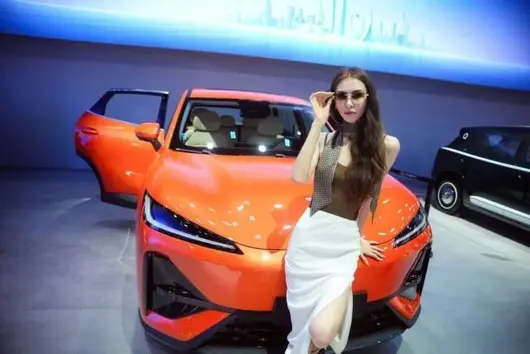

幾年前的 A 級車展,聚光燈下嘅 C 位永遠屬於海外合資品牌。展臺最大、首發最多、媒體最密集,自主品牌更多係喺角落搵存在感。
2026 成都車展,畫面徹底翻轉。

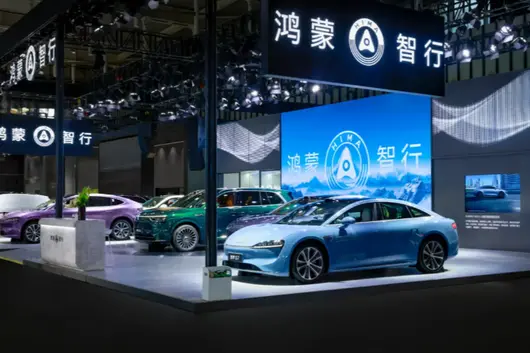
比亞迪獨佔整館,奇瑞整館包場,鴻蒙智行拿下核心大面積專館,長城汽車佔據超大半館。四大自主品牌集體包館或超專館,旗下全品牌陣列登場,大量新車選擇全球首發,自研技術展區琳琅滿目。而曾經佔據主舞臺嘅合資品牌,有的縮減展臺、有的取消發表會、有的乾脆缺席。
呢就唔係單純嘅展位大細之爭。當自主品牌開始用"包館"嚟定義自己嘅參展規格,說明中國汽車產業多年沉澱嘅實力,已經到咗唔需要藏藏掖掖嘅階段。

四大自主品牌集體包館,底氣從邊度嚟?
比亞迪今次獨佔 9 號館完整展館,王朝、海洋、騰勢、方程豹、仰望五大品牌悉數亮相,同步設置智駕、閃充技術體驗區同實車性能演示。車展最重磅嘅動作係王朝 D 級旗艦轎車"大漢"全球首秀,正式向高端豪華轎車領域發起衝擊。

支撐呢個包館規格嘅,係比亞迪喺國內市場完成嘅全價格帶覆蓋,從幾萬蚊嘅家用代步到百萬級豪華產品,從城市 SUV 到硬派越野,產品陣列幾乎冇空白。三電、底盤、智駕核心技術全部自研,產品迭代速度行業領先。更關鍵嘅係海外市場已經起勢,泰國、巴西、匈牙利等海外工廠陸續投產,產品覆蓋東南亞、拉美、歐洲多哋,海外業務成為重要增長極。

奇瑞喺 5 號館同樣整館包場,奇瑞、星途、捷途、iCAR、風雲五大品牌集團軍參展。iCAR V25、星途 EX6 完成首發,捷途旅行越野系列精彩亮相,覆蓋家用、越野多元細分賽道。轎車、SUV、越野多線並行,燃油同新能源協同發展。奇瑞長期處於中國汽車出口第一梯隊,業務遍及歐洲、南美、中東、東南亞,海外工廠同本地化服務網絡持續落地,海外市場已經係集團最重要嘅增長引擎。

鴻蒙智行拿下 3 號館核心大面積專館,問界、智界、享界、尊界、尚界五界陣列首次完整同台。尊界 V800、V680 豪華旗艦 MPV 迎來車展首秀,發力高端商務市場。依托高級智駕優勢,覆蓋家用、中高端、豪華賽道,喺高端新能源賽道增長勢頭迅猛,接連打造市場爆款。現階段深耕國內市場,同時智駕、整車技術已經做好出海儲備。
長城汽車喺 1 號館佔據超大半館展位,哈弗、坦克、魏牌、歐拉、長城炮、靈魂六大品牌集體參展。歐拉 7 全球首發,坦克迭代越野車型登場,繼續夯實越野、皮卡領域嘅優勢地位。坦克、長城炮等品類牢牢佔據細分市場龍頭地位。俄羅斯、巴西、泰國建有本地化整車工廠,產品遠銷澳新、中東、拉美,越野同皮卡產品喺海外擁有獨特競爭力。

四個品牌,四種途徑,但有一個共同特徵。唔再係單純賣車,而係帶住完整嘅技術體系、產品陣列同全球化佈局站上展臺。包館嘅底氣,來自國內市場嘅厚積薄發,亦嚟自海外市場的全面起勢。
包館背後嘅真相,從填補縫隙到定義規則
整館包場,表面睇係展位面積之爭,背後係產業實力的全面外化。
國內市場的變化最為根本。早幾年自主品牌更多扎根入門級市場,靠性價比求生存。經過持續的技術鑽研,如今已經大步踏入高端市場。家用、越野、商務多賽道全面開花,大量自研技術實現量產落地,整車平台架構持續進化。比亞迪的刀片電池、DM-i 超級混能,奇瑞的鵬鵬動力、火星架構,長城的檸檬平台、咖啡智能,鴻蒙智行的乾崑智駕、鴻蒙座艙,呢啲唔係 PPT 上嘅概念,而係已經量產交付、接受市場檢驗的技術體系。

自主品牌徹底擺脫咗過去跟隨模仿的狀態,開始喺多個技術領域定義自己嘅標準同路線。
出海更係從"嘗試"升級為核心戰略。比亞迪、奇瑞、長城早已唔止係簡單嘅整車出口,而係海外建廠、搭建本土化銷售同服務體系、針對唔同國家嘅用車習慣同法規做適應性開發,同全球老牌車企同台競技。過去中國車企更多填補外資留下嘅市場縫隙,如今頭部自主品牌實現國內同海外兩大市場同步開拓。
國內市場嘅激烈競爭淬煉出更強嘅產品力,海外市場嘅開拓又反過來推動技術持續迭代。這種正向循環,先係包館參展的真正底氣。
結語:從追趕者到主角,中國汽車等咗呢一日
回望幾年前的 A 級車展,話語權牢牢掌握在外資、合資手中。自主品牌能夠有一個標準展位、能夠請動媒體到場,已經算唔錯嘅待遇。

而家,中國車企整館作戰,多款新車選擇全球首發,主動開拓海外市場。呢代表中國汽車產業已經迎來全新发展階段。從零部件到整車製造,從三電底盤到智能駕駛,完整嘅產業體系逐步成型。唔止滿足國內消費者嘅用車需求,更加把中國汽車產品、汽車技術輸送到世界各地。
包館,係現階段實力嘅有力證明,更係國產品牌繼續向上前行嘅起點。
屬中國汽車嘅時代,唔係未來時,係而家進行時。

In Malaysia's SUV market, many buyers compare Proton X90 and Mitsubishi Xforce when choosing a car. These two cars are quite close in price and positioning, and today we will make a detailed comparison from multiple aspects to help you save time on research.
The Proton X90 OTR price in Malaysia is RM 106,800 - 122,800, with a total of 4 versions, including 2026 1.5T Prime X (RM 122,800), 2026 1.5T Prime (RM 116,800), 2026 1.5T Lite (RM 106,800), etc.
The Mitsubishi Xforce OTR price in Malaysia is RM 109,930 - 119,930, with a total of 2 versions, including 2026 1.5L Ultimate (RM 119,930), 2026 1.5L Urban (RM 109,930), etc.
In terms of price, the Proton X90's starting price is indeed RM 3,130 cheaper than the Mitsubishi Xforce. If your budget is limited, Proton's entry-level version can already meet daily needs. However, note that saving those few thousand ringgit might involve trade-offs in equipment, depending on your specific needs.

The Proton X90 is equipped with a 1.5L Turbo, 140 hp. Official fuel consumption is 7.0 L/100km.
The Mitsubishi Xforce is equipped with a 1.5L Turbo, 140 hp. Official fuel consumption is 7.0 L/100km.
Both cars use the same powertrain, and the driving experience is basically no different in daily use. Fuel consumption is also similar, so no need to dwell too much on this point.

The Proton X90 body length is 4400 mm, trunk is 400 L.
The Mitsubishi Xforce body length is 4400 mm, trunk is 400 L.
The dimensions of both cars are almost identical, and the interior space difference is not significant. For this class of cars, it is fully sufficient for daily use.

Both the Proton X90 and Mitsubishi Xforce are mainstream choices in the Malaysian market, suitable for family use and daily commuting. If you value brand reputation and resale price more, you can prioritize the one with a better reputation; if you care more about cost-performance and features, choose the one with a richer configuration. Finally, it is recommended to test drive both, as personal experience is the most important.

Overall, both the Proton X90 and Mitsubishi Xforce are very good models in the Malaysian market. Which one to choose depends mainly on your personal needs and budget. We recommend doing your homework, comparing quotes from several dealerships, and then test driving to make a final decision. Buying a car is a major matter, spending time on research will never go wrong.


