


首頁冬虫夏草

搜尋歷史
熱門搜尋
經銷商登入 / 註冊

喺馬來西亞嘅 SUV 市場,好多買家喺揀車嘅時候都會拿 寶騰 X90 同 三菱 Xforce 嚟做比較。呢兩部車喺價位同定位上都幾接近,今日我哋就從多個角度做一個詳細比較,幫晒你做功課省返少少時間。
寶騰 X90 喺馬來西亞嘅 OTR 售價係 RM 106,800 - 122,800,一總共有 4 個版本,包括 2026 1.5T Prime X(RM 122,800)、2026 1.5T Prime(RM 116,800)、2026 1.5T Lite(RM 106,800)等等。
三菱 Xforce 喺馬來西亞嘅 OTR 售價係 RM 109,930 - 119,930,一總共有 2 個版本,包括 2026 1.5L Ultimate(RM 119,930)、2026 1.5L Urban(RM 109,930)等等。
睇番價錢,寶騰 X90 嘅入場價確實比三菱 Xforce 平咗 RM 3,130。如果你預算有限,寶騰嘅入門版已經可以滿足日常需要。但都要注意,平嗰幾千蚊,喺配備上可能會有所取捨,具體要睇你嘅需求。

寶騰 X90 嘅安全評級係 5★ (ASEAN NCAP),主動安全系統包括 ADAS (ACC, AEB, LKA, LDA, BSM, RCTA)。
三菱 Xforce 嘅安全評級係 5★ (ASEAN NCAP),主動安全系統包括 MI-PILOT。
呢兩部車嘅安全評級一樣,喺呢個級別入面安全配備都算好齊全。而家嘅新車安全性都唔差,唔使太擔心呢一點。

寶騰 X90 車身長 4400 mm,後備箱 400 L。
三菱 Xforce 車身長 4400 mm,後備箱 400 L。
呢兩部車嘅尺寸幾乎一樣,車廂空間分別唔大。呢個級別嘅車,日常使用完全夠用。

寶騰 X90 採用 FWD 驅動方式。
三菱 Xforce 採用 FWD 驅動方式。
呢兩部車嘅驅動方式一樣,都係 FWD,日常駕駛感受唔會有太大分別。

總體嚟講,寶騰 X90 同三菱 Xforce 都係馬來西亞市場幾唔錯嘅車型。揀邊一部,關鍵仲要睇你嘅個人需求同預算。建議大家做好功課,多比較幾間車行嘅報價,再去試車做最終決定。買車係件大事,花少少時間做功課絕對唔會錯。


8月10日-8月16日,本周热点新闻主要集中在行业及产品方面。产品端,奕境X9内饰亮相、小鹏G9L开启预售、2027款比亚迪海豹06等车型上市。行业方面,宁德时代提速后市场布局,长安、华为深化战略合作等。
宁德时代宁家服务提速后市场规模化布局

8月10日,宁德时代后市场品牌宁家服务举办品牌日活动,并同步开业十大站点,涵盖海口、杭州、淄博、沈阳、广州、遂宁、宁波、香港、挪威、土耳其。目前,宁家服务已覆盖全球84个国家,建成1376家专业服务站。2026下半年,宁家服务将在100座城市落地直营体验中心,以统一品牌、统一技术标准、统一数字化平台和统一供应链。
奕境X9鸿蒙座舱HarmonySpace 6亮相
8月10日,奕境X9座舱正式公布内饰,新车搭载双17.2英寸蝶羽双联屏,21:10超宽3.4K柔光屏采用纳米蚀刻工艺,可消除97%屏幕反光。

鸿蒙座舱HarmonySpace 6搭载全新一代小艺智能体依托MoLA 2.0原生多智能体架构重构车内交互范式,由System Agent系统级智能体统筹调度导航、车辆控制、日常畅聊等多领域专业智能体并行工作;AMS舱内融合感知可实现捕捉后排乘员的表情,实现乘员危险动作实时预警等主动安全功能;HarmonySpace 6推出智能座舱Agent开放平台,打通点餐、咖啡预约等多元生活服务智能体。
8.99万元起 2027款艾瑞泽8 PRO上市

8月10日,2027款艾瑞泽8 PRO正式上市,超值置换价8.99万元起售。新车配备猎鹰500驾驶辅助系统,配备15.6寸高清大屏,高通骁龙8255座舱芯片,配备18G+256G存储。动力方面,新车搭载1.6T+7DCT鲲鹏动力与2.0T+7DCT动力总成。
25.98万元 小鹏G9L开启预售

8月11日,小鹏G9L开启预售,新车采用纯电、超级增程两种动力形式,预售价25.98万元。续航方面,新车搭载5C超充大电池,充电9分钟CLTC续航最高可增加450km。纯电版本CLTC纯电续航最高755km;超级增程版本CLTC纯电续航最高435km,CLTC综合续航最高1602km。
零跑A05正式上市 6.39万元起

8月11日,零跑A05纯电小车正式上市,共推出5款配置,售价区间6.39万元-9.09万元。智驾方面,部分配置搭载激光雷达与高通8650芯片,可实现车位到车位等多项辅助驾驶功能。动力方面,新车提供70kW与90kW两种功率电机版本,CLTC续航里程分别为405km和510km,分别对应39.8kWh与53kWh的磷酸铁锂电池组。
上汽大众ID.ERA 5S开启预售 限时权益价11.59万元起

8月11日,大众ID.ERA 5S开启预售,限时权益价11.59万元起。新车搭载1.5L专用发动机与18合1混动变速箱,CLTC纯电续航160km,综合续航2000km+;亏电油耗 2.82L/100km,快充 30%-80% 仅15分钟,标配6.6kW家充。智能化方面,ID.ERA 5S云栖智舱搭载GPT大模型、行云智行L2++智驾,覆盖全场景领航与自动泊车。
长安、华为深化战略合作 AI大模型驱动全域数字化融合

8月11日,中国长安汽车集团有限公司与华为技术有限公司在深圳签署战略合作框架协议,双方将共建汽车行业通用及垂直大模型,打造数字化底座、算力集群与软硬件一体化体系,覆盖车载交互、整车研发、柔性工厂制造等场景。合作延伸至研发、生产、运维全流程,依托华为ICT算力算法能力,助力长安数智工厂提升混线生产、定制化生产及全流程品控水平。
2027款比亚迪海豹06上市 售价9.99万元起

8月11日,2027款比亚迪海豹06正式上市。新车提供纯电和插电混合动力两种版本,共推出12款车型,指导价为9.99万元-15.59万元。纯电版海豹06 EV基于原生闪充平台打造,搭载第二代刀片电池;插电混动版海豹06 DM-i搭载第五代DM技术和容量为34kWh电池,CLTC纯电续航里程最高320公里。辅助驾驶方面,新车配备“天神之眼B”辅助驾驶激光版,支持城市领航、高速领航和智能泊车等功能。
7月汽车国内销量154.1万辆
8月12日,中汽协发布数据显示,7月我国汽车产销分别完成257.3万辆和258.4万辆,同比分别下降0.7%和0.3%;1-7月,汽车产销分别完成1756.7万辆和1760.2万辆,同比均下降3.7%,降幅比上半年进一步收窄。其中,7月,汽车国内销量完成154.1万辆,环比下降13.1%,同比下降23.6%;1-7月,汽车国内销量1146.2万辆,同比下降21.4%。7月,新能源汽车产销分别完成157.6万辆和156.1万辆,同比分别增长26.8%和23.7%;前7个月,新能源汽车产销分别完成901.4万辆和900.7万辆,同比增长均近10%。新能源汽车月度新车销量占比首次超过60%、累计占比首次超过50%;
魏牌V8X上市 权益后售价22.68万元起

8月14日,魏牌V8X正式上市,共推出5款配置,售价区间为23.98万元-31.58万元,权益后22.68万元-30.28万元。动力方面搭载超级Hi4混动系统,带有4挡DHT变速箱,CLTC纯电续航402km。智能领域,新车搭载双VLA原生AI舱驾智能体,驾辅端搭载700TOPS Thor-U芯片,实现车位到车位全场景NOA领航;座舱VLA大模型可识别人脸、感知乘员情绪,一句话即可完成控车、影音、储物开关等复杂指令,交互流畅自然。
奕境汽车全国首家用户中心落地武汉
8月14日,奕境汽车首家用户中心在武汉龙阳大道正式启幕,总面积超7000平方米。渠道布局方面,奕境采用“1+N”新零售模式,以核心用户中心为服务枢纽搭配轻量化网点,打造“15分钟智享服务圈”,计划在奕境X9正式上市前完成全国79个重点城市、超300家门店的建设。

In the Malaysian SUV market, many buyers compare Proton X90 and Chery Tiggo 8 when choosing a car. These two cars are quite close in price and positioning. Today, we will make a detailed comparison from multiple aspects to help you save time on research.
Proton X90's OTR price in Malaysia is RM 106,800 - 122,800, with a total of 4 versions, including 2026 1.5T Prime X (RM 122,800), 2026 1.5T Prime (RM 116,800), 2026 1.5T Lite (RM 106,800), etc.
Chery Tiggo 8's OTR price in Malaysia is RM 129,750 - 129,750, with a total of 1 version, including 2026 1.6T Standard (RM 129,750), etc.
From a price perspective, Proton X90's starting price is indeed RM 22,950 cheaper than Chery Tiggo 8. If your budget is limited, Proton's entry-level version can already meet daily needs. However, note that the few thousand ringgit cheaper might involve trade-offs in features, depending on your specific needs.
Proton X90's safety rating is 5★ (ASEAN NCAP), with active safety systems including ADAS (ACC, AEB, LKA, LDA, BSM, RCTA).
Chery Tiggo 8's safety rating is TBD, with active safety systems including Basic.
Regarding safety features, both cars have received good ratings. However, there are some differences in functionality between Proton X90's ADAS (ACC, AEB, LKA, LDA, BSM, RCTA) and Chery Tiggo 8's Basic. If you value active safety more, you can compare the feature lists of both in detail.
Proton X90 body length is 4400 mm, trunk 400 L.
Chery Tiggo 8 body length is 4400 mm, trunk 400 L.
The dimensions of both cars are almost identical, with little difference in interior space. For cars of this level, daily use is fully sufficient.
Proton X90 warranty is 5 years/150,000km, service interval every 10,000km or 6 months.
Chery Tiggo 8 warranty is 3 years/100,000km, service interval every 10,000km or 6 months.

Overall, Proton X90 and Chery Tiggo 8 are both very good car models in the Malaysian market. Which one to choose depends on your personal needs and budget. We suggest doing your homework, comparing quotes from several dealerships, and then going for a test drive to make a final decision. Buying a car is a big matter, spending time on research will never be wrong.


文丨陳偉東
當新能源賽道陷入參數內捲、迭代提速的浮躁週期,真正沉下心打磨產品的車企愈來愈稀缺。
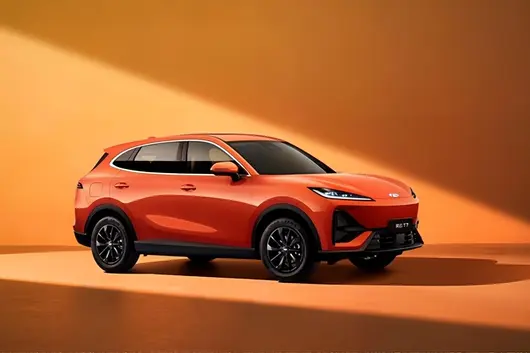
8 月 12 日,奇瑞風雲 T7 正式開啟預售。不同於行業「快速上新、快速迭代」的節奏,風雲 T7 以長期主義造車理念歷經多年深度打磨,依托奇瑞全球化研發、測試、製造體系,完成多地域、全工況嚴苛驗證,以經過全球市場驗證的成熟品質,回歸家用純電最本真的產品價值。
拒絕速成造車
作為奇瑞面向全球家庭打造的高品質純電 SUV,風雲 T7 從研發之初便立足全球統一標準,不做「特供版」、不搞區域差異化減配。整車對標 2026 版 E-NCAP 五星安全體系打造,功能安全達到行業頂級 ASIL-D 等級,從車身結構、電池防護到智能安全配置,全部按照全球最嚴苛法規前置設計。
為適配全球多元路況與氣候環境,風雲 T7 完成跨大洲全場景極限試煉:從北歐零下極寒、中東高溫暴曬,到東南亞濕熱雨淋、海外非鋪裝爛路,覆蓋全球 95% 典型路況與 -40℃至 55℃極限溫域。針對不同地區用車痛點,整車完成防水、抗老化、防腐、底盤防護、熱泵溫控等上千項專項優化,確保無論南方雨季、北方寒冬、高原強紫外環境,都能保持穩定可靠的整車狀態。

在耐久驗證層面,風雲 T7 投入數十台專屬測試車輛,累計完成超 600 萬公里全域路試、145 萬公里專項耐久測試。超長週期、高強度實測,提前篩除量產隱患,讓車輛耐用性、穩定性遠超行業常規標準。
依托奇瑞 23 年出口領跑、2000 萬全球用戶的製造積澱,風雲 T7 同源海外車型已率先登陸泰國、南非等市場,憑藉穩定品質收穫海外用戶口碑。此番國內預售,是全球成熟品質反向回饋中國家庭。
全系真配置平權
當下家用純電市場普遍存在「入門減配、高配溢價」的現象,消費者往往需要在續航、安全、空間、舒適之間取捨。風雲 T7 徹底打破配置分層套路,以全系標配的全能實力,實現家用純電六大核心需求一步到位。
續航層面,風雲 T7 全系搭載高規格犀牛電池,CLTC 純電續航 600km,實測續航實現反向虛標。依托先進熱管理系統與低風阻車身設計,有效解決冬季續航縮水痛點;22 分鐘即可完成 30%-80% 快充,日常通勤、長途出行無需電量焦慮,電池超長壽命更保障十年用車無憂。

安全層面,風雲 T7 把頂配安全下放全系。整車採用高占比高強度鋼籠式車身,搭配專屬副車架結構、貫穿式加強門檻,車身抗撞能力全面拉滿。全車標配 9 安全氣囊,包含大體積雙腔遠端氣囊與超長側氣簾,配合電池 6D 鎖子甲級防護、IP68 頂級防水防撞能力,經過多重極限碰撞測試驗證,全方位守護家庭出行安全。
智能體驗上,車型搭載 4nm 高階車規芯片,算力充足、交互流暢,搭載升級靈犀智艙與豆包大模型,語音識別精準、場景邏輯貼合家用習慣。同時配備全場景智能泊車、高速領航、循跡倒車等實用智駕功能,弱化花哨功能、強化真實好用,降低家庭用戶駕駛負擔。
空間與舒適性是風雲 T7 的核心優勢。憑藉高效空間佈局,新車實現超高車內得房率,後排寬敞純平,乘坐舒展不局促。座椅支持通風、加熱等舒適功能,後排可一鍵放倒形成超大純平空間,兼顧日常載人、休憩午休、戶外露營多重場景。

底盤由國際團隊專業調校,實現前後均衡軸荷與超低車身重心,兼顧城市代步的平順靜謐與高速行駛的穩定質感,爛路濾震、高速操控表現全面優於同級家用 SUV。
設計上,風雲 T7 延續風雲序列東方美學理念,線條剋制簡約、造型大氣耐看,拒絕過度誇張的潮流化設計,實現久看不膩的高級質感。多款專屬車漆配色適配家庭審美,全車細節兼顧空氣動力學、隔音性能與耐久抗老化能力,顏值與實用性雙向平衡。
為家庭用戶打造「經得起時間考驗」的電車
新能源行業高速迭代,不少新品追求快速落地、快速出圈,犧牲了驗證週期與耐久品質。而奇瑞風雲 T7 堅持好車快不了點的研發理念:不趕短期熱度、不湊參數噱頭,把時間花在測試、驗證、優化上。

從用戶調研、全球工況適配,到百萬公里耐久路試、海外市場先行驗證,風雲 T7 把所有不確定性解決在上市之前。不盲目堆料,不製造配置焦慮,只為交付一台安全、耐用、省心、全能的家用純電 SUV。
此次正式開啟預售,意味著歷經千錘百煉的奇瑞風雲 T7 正式登陸家庭主流市場。以全球標準、全域實力、全系真配置,風雲 T7 將重塑 15 萬級家用純電 SUV 價值標杆,讓普通家庭也能買到經過全球驗證、十年不過時、省心耐用的高品質純電車。

In the Malaysian SUV market, many buyers compare the Proton X90 and Chery Tiggo 7 Pro when choosing a car. These two cars are quite close in price and positioning. Today, we will make a detailed comparison from multiple aspects to help you save time on research.
The Proton X90 OTR price in Malaysia is RM 106,800 - 122,800, with a total of 4 versions, including 2026 1.5T Prime X (RM 122,800), 2026 1.5T Prime (RM 116,800), 2026 1.5T Lite (RM 106,800), etc.
The Chery Tiggo 7 Pro OTR price in Malaysia is RM 123,750 - 123,750, with a total of 2 versions, including 1.6L Turbo Standard (RM 125,000), 1.6L Turbo Premium (RM 140,000), etc.
In terms of price, the Proton X90 starting price is indeed RM 16,950 cheaper than the Chery Tiggo 7 Pro. If your budget is limited, the Proton entry-level version can already meet daily needs. But also note, the few thousand difference might involve trade-offs in features, it depends on your specific needs.
The Proton X90 is equipped with 1.5L Turbo, 140 hp. Official fuel consumption 7.0 L/100km.
The Chery Tiggo 7 Pro is equipped with 1.5L Turbo, 140 hp. Official fuel consumption 7.0 L/100km.
Both cars use the same powertrain, the driving experience is basically the same in daily use. Fuel consumption is also similar, no need to worry too much about this.
Proton X90 warranty 5 years/150,000km, maintenance interval every 10,000km or 6 months.
Chery Tiggo 7 Pro warranty 3 years/100,000km, maintenance interval every 10,000km or 6 months.
Both the Proton X90 and Chery Tiggo 7 Pro are popular choices in the Malaysian market, suitable for family use, daily commuting. If you value brand reputation and resale value more, you can prioritize the one with better reputation; if you care more about cost-performance and features, choose the one with richer configurations. Ultimately, it is recommended to test drive both, as personal experience is the most important.
Overall, both the Proton X90 and Chery Tiggo 7 Pro are very good models in the Malaysian market. Which one to choose depends mainly on your personal needs and budget. It is recommended to do research, compare quotes from several dealers, and then go for a test drive to make the final decision. Buying a car is a big matter, spending time doing research will never be wrong.


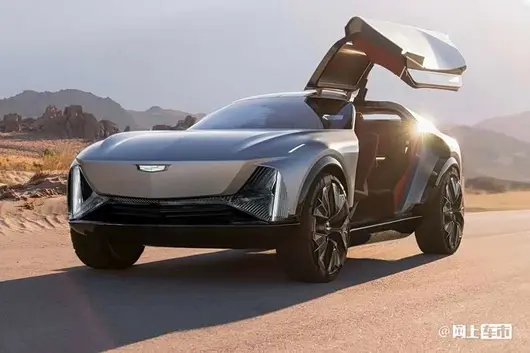
(Concept Car, For Illustration Only)
SAIC-GM's joint venture contract renewal is for 20 years, whereas in recent years renewals with GAC Honda and SAIC Volkswagen were only for 10 years. There are two most important changes in the renewal! From "China R&D" to "China Definition," this is very rare among joint venture automakers, it can be said to have set a precedent! The huge success of the "Zhijing Model" in 2025 is sufficient to demonstrate the power of this model. The first joint venture vehicle to have a full-domain fusion new energy architecture led by a Chinese team—the "Xiaoyao Super Fusion Architecture," completing the layout of all new energy technologies such as pure electric, plug-in hybrid, and extended range. Zhijing built a full-category product lineup covering sedans, SUVs, and MPVs in just 1 year. The product implementation efficiency is the highest among joint ventures!

(Xiaoyao Super Fusion Architecture)
From now on at SAIC-GM, for what new cars to develop and what technology to develop, the Chinese side leads, no longer needing approval from Detroit, not only completely mastering the initiative but also greatly improving efficiency, able to respond to the market quickly just like Chinese independent brands! Thus realizing 30 new energy vehicles launched within 5 years. Moreover, product definition and R&D have no foreign party intervention, which will reduce R&D costs. Truly achieving new product R&D, fast! Many! Competitive! 30 new energy vehicles locally developed in China, including the Cadillac brand!

The second important change is that SAIC-GM has begun large-scale exports officially. Actually, joint venture enterprises are all exporting, not fresh! But the biggest difference for SAIC-GM is that GM handed over the global market product dominance outside North America to SAIC-GM. This starts from GM's global strategy. After Mary Barra took office as GM Chairman and CEO in 2016, she launched the strategy focusing on North America and global contraction, selling and closing factories in Europe, India, Australia, Thailand, Indonesia, etc. In product R&D, focusing on North American users, who like pickup trucks and fuel-powered big V8s. Outside North America, there is a lack of new car R&D investment. SAIC-GM's new energy products just fill this gap! SAIC-GM will first enter Middle East, Africa, South America, Mexico, Southeast Asia, Australia and New Zealand, etc. markets. In October this year, Buick Zhijing E7 will start formal exports.

In the past, the US side provided products, the Chinese side was responsible for sales. Now the Chinese side defines and develops products, the US side is responsible for selling globally. From "Market for Technology" to "Technology for Market"! SAIC-GM realizes Joint Venture 2.0, from Made in China to China R&D, upgraded again to "China Defined"!

In the Malaysian SUV market, many buyers compare Perodua Aruz and Honda HR-V when choosing a car. The pricing and positioning of these two models are quite similar. Today we will make a detailed comparison from multiple aspects to save you the time of research.
The OTR price of Perodua Aruz in Malaysia is RM 72,900 - 77,900, with a total of 2 variants, including 1.5L X (RM 72,900), 1.5L AV (RM 77,900), etc.
The OTR price of Honda HR-V in Malaysia is RM 115,900 - 143,900, with a total of 4 variants, including 2026 e:HEV 1.5L RS (RM 143,900), 2026 1.5T V (RM 137,900), 2026 1.5T E (RM 130,900), etc.
From a pricing perspective, the starting price of Perodua Aruz is indeed RM 43,000 cheaper than Honda HR-V. If your budget is limited, Perodua's entry-level model can already meet daily needs. However, keep in mind that the money saved might involve trade-offs in features, depending on your specific requirements.

Perodua Aruz safety rating is 5★ (ASEAN NCAP), active safety systems include.
Honda HR-V safety rating is 5★ (ASEAN NCAP), active safety systems include Honda SENSING (ACC, CMBS, LKAS, RDM).
Both cars have the same safety rating, and safety features in this segment are quite comprehensive. New cars nowadays generally have good safety standards, so no need to worry too much about this.

Perodua Aruz body length is 4400 mm, trunk 400 L.
Honda HR-V body length is 4500 mm, trunk 450 L.
Regarding space, Honda HR-V is 100 mm longer than Perodua Aruz, offering more seating space advantage. However, Perodua Aruz is slightly more flexible for parking in the city, each has its trade-offs.

Perodua Aruz warranty is 5 years/150,000km, maintenance interval every 10,000km or 6 months.
Honda HR-V warranty is 5 years/unlimited mileage, maintenance interval every 10,000km or 6 months.

Perodua Aruz and Honda HR-V are both mainstream choices in the Malaysian market, suitable for family use and daily commuting. If you value brand reputation and resale value more, you can prioritize the one with better reputation; if you care more about cost-performance ratio and features, choose the one with richer configuration. Ultimately, it is recommended to test drive both models, as personal experience is the most important.
Overall, Perodua Aruz and Honda HR-V are both very good models in the Malaysian market. Which one to choose depends primarily on your personal needs and budget. It is suggested to do your research, compare quotes from several car dealerships, and then test drive to make the final decision. Buying a car is a big matter, spending time on research will definitely not be wrong.



By Liu Xinyi
Edited by Mao Shiyang
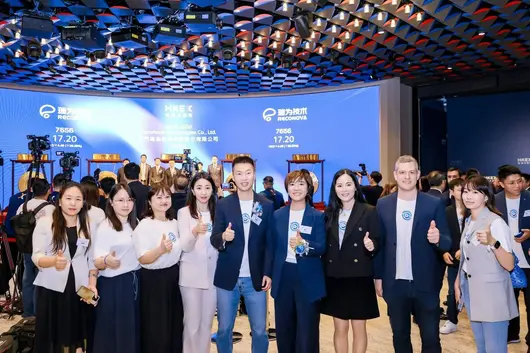
On July 8, Momenta listed on the main board of the Hong Kong Stock Exchange, stock code 6880.HK.
The offering price was 295.6 HKD per share. It surged over 6% at the opening, then the gain narrowed in the afternoon session, finally closing at 295.6 HKD. The total market value was approximately 69.6 billion HKD. This was the company with the largest market cap among the five companies ringing the opening bell at the HKEX that day.
More lively than the stock price was social media. On listing day, official accounts of nearly 20 vehicle partners simultaneously posted congratulatory articles and posters. The topic was unified as "Embracing the Future of Physical AI Together".
IM Motors, Mercedes-Benz, Toyota, and GM appeared together, described as "Half of the Global Automotive Industry's Social Circle".
This social media storm was not hastily arranged. Momenta was founded in 2016. Cao Xudong graduated from Tsinghua University and worked successively at Microsoft Research Asia and SenseTime. In ten years, it completed 20 financing rounds. The cost per share in Series A was $0.45, which has multiplied more than 80 times to today.
Behind it lies a rare list. SAIC Motor, holding about 20%, is the largest external shareholder. GM, Toyota, Mercedes-Benz, and Bosch are also listed. These entities are both investors and customers. Car manufacturers invest money while entrusting models to it. This "Customers as Shareholders" loop is the backdrop of the good news.
For an autonomous driving supplier, this scene itself is a narrative. It wants to tell the market that its customer list is the top tier of the global automotive industry.
This claim is supported by data. According to the Blue Book released by Frost & Sullivan in June, from March 2025 to February 2026, in the Chinese third-party urban NOA supplier market, Momenta's sales market share reached 65%, ranking first in the industry; among the top 10 global car manufacturers, nine cooperate with it.
The market enthusiasm was also high. The public offering received an oversubscription of about 414 times. The international offering received about 44 times before deducting anchor investors and greenshoe. Institutional orders exceeded 100 billion HKD. Unusually, this issuance did not set a price range, directly fixing the offering price. 14 anchor investors subscribed to nearly half the share.
In the list, the Singapore Government Investment Corporation (GIC), known for being cautious and rarely investing as an anchor in new shares, and Fidelity International each led with heavy investments of about USD 100 million. Franklin Templeton appeared as a Hong Kong anchor for the first time in history. More notably, Mercedes-Benz and BYD, two old shareholders and customers of Momenta, again bet as anchors at the key IPO node.
Cao Xudong said it took Mercedes-Benz exactly 8 years from the 2017 investment to mass production at the end of 2025. Once the breakthrough occurred, in 2024 Momenta obtained all of Mercedes-Benz's electric and fuel vehicle business.
The market is willing to pay this price because of the hardest data in the prospectus. From 2023 to 2025, Momenta's revenue increased from RMB 743 million to RMB 2.413 billion, sales costs remained almost unchanged, and gross margin rose from 17.5% to 71.6%.
Supporting this curve is licensing revenue. It multiplied 42 times in three years, rising from 3.1% to 40.1%. Licensing fees are charged per vehicle, with marginal costs close to zero. The higher the proportion, the higher the gross profit.
This means Momenta is transforming from a company that earns development fees based on projects to a company that collects licensing fees based on installation volume. A net loss of RMB 3.458 billion on the books looks scary, but RMB 2.843 billion of it is the change in fair value of preferred shares, a non-cash item that will disappear after listing conversion; stripping it out, adjusted loss narrowed from RMB 1.09 billion in 2023 to RMB 300 million in 2025, approaching break-even, and net cash outflow from operating activities dropped from RMB 1.069 billion to RMB 281 million.
Momenta's financial fundamentals are now those of a stable supplier.

Behind this curve lies the compound interest of engineering capabilities. It took Momenta two years to deliver the first 100,000 units; now it can complete 100,000 units in less than 40 days at the fastest. Model adaptation that required 400 people working for two years in 2022 can now be delivered by 10 to 50 people in three months.
Once the platform is standardized, new models no longer start from scratch. R&D personnel increased almost negligibly, and per capita output tripled in three years. This is also the reason it dares to say "The scale effect is stronger than chips". The marginal cost of software is zero; the more vehicles equipped, the thinner the cost spread, and the better the experience.
In terms of narrative, Momenta has also left rich imagination for the market. It is transforming from a "Smart Driving Tier 1" to a "Physical AI Company". With World Models as the foundation, it frames autonomous driving as the first scenario where Physical AI lands, extending to unmanned logistics, autonomous trucks, and even robots in the future.
Cao Xudong judges that eventually, this industry will leave only 2 to 3 companies in China and 3 to 4 globally, because autonomous driving is software with zero marginal cost, and scale effects are even stronger than chips.
This narrative has its basis. Autonomous driving is indeed one of the few physical AI scenarios that simultaneously possess real data, clear goals, scaled loops, and commercial revenue.
Viewed broadly, this is the first time a Chinese autonomous driving "third-party solution" has entered the global capital market with a volume of nearly USD 10 billion. Its pricing will become a reference for the entire industry chain.
Cao Xudong summarizes the core of Physical AI into two things: Data Scaling and Business Scaling, and the two feed each other positively. Autonomous driving is currently the only physical AI scenario that successfully implements both.
Momenta spun this flywheel with 900,000 mass-produced vehicles. What remains is time. It took AI ten years to climb to the GPT moment. Physical AI data is harder to obtain and the cycle is longer, but he believes that once it approaches human levels, transcendence will happen within one or two years.
The price the market gives today buys this time gap. Momenta has already proven itself to be a good business. What remains to be proven is whether it can convert the automotive smart driving supplier into a real Physical AI before the window closes.

喺馬來西亞嘅汽車市場,好多買家喺揀車嘅時候都會將 Mazda CX-80 同 Volvo XC40 做比較。今日我哋從多個方面做一個詳細嘅比較,幫你節省做功課嘅時間。


Mazda CX-80 喺馬來西亞嘅 OTR 售價係 RM 296,610 - 296,610,合共有 1 個版本,包括 2025 2.5L 65km High Plus(RM 296,610)等。
Volvo XC40 喺馬來西亞嘅 OTR 售價係 RM 278,888 - 278,888,合共有 1 個版本,包括 2025 2.0T Plus(RM 278,888)等。
由價錢睇落去,Volvo XC40 嘅起步價比 Mazda CX-80 平咗 RM 17,722。老實講,喺呢個價位段,幾千蚊嘅差距其實唔算大,關鍵仲係睇整體嘅性價比同長期使用成本。

Mazda CX-80 嘅安全評級係 5★ (ASEAN NCAP),主動安全系統包括 Brand ADAS。
Volvo XC40 嘅安全評級係 5★ (Euro NCAP),主動安全系統包括 Pilot Assist, City Safety (標準)。
安全配備方面,兩款車都拿到唔錯嘅評級。不過 Mazda CX-80 嘅 Brand ADAS 同 Volvo XC40 嘅 Pilot Assist, City Safety (標準) 喺功能上有些分別,如果你比較看重主動安全嘅話,可以仔細對比下兩者嘅功能清單。

Mazda CX-80 車身長 4500 mm,行李箱 450 L。
Volvo XC40 車身長 4400 mm,行李箱 400 L。
空間方面,Mazda CX-80 嘅車身比 Volvo XC40 長咗 100 mm,車內乘坐空間會稍微寬鬆啲,尤其係後座腳部空間。如果你經常載家人或者需要放嬰兒車,大少少嘅車身確實更加實用。

Mazda CX-80 採用 FWD 驅動方式。
Volvo XC40 採用 FWD 驅動方式。
兩款車嘅驅動方式一樣,都係 FWD,日常駕駛感受唔會有太大分別。
總體嚟講,Mazda CX-80 同 Volvo XC40 都係馬來西亞市場幾唔錯嘅車型。揀邊一輛,關鍵仲係睇你嘅個人需求同預算。建議大家做好功課,多比較幾間車行嘅報價,再去試駕先至做最終決定。買車係一件大事,花少少時間做功課絕對唔會錯。


兄弟姐妹們,今日講一個出海嘅大新聞——唔係賣車,係賣「司機」。6 月 2 號,文遠知行同 Uber 聯合宣佈咗一件事:計劃喺西班牙馬德里推出該國首個商業化 Robotaxi 試點服務。意思就係:西班牙人好快就可以用 Uber 叫到一台冇司機嘅出租車。呢次係文遠知行同 Uber 第一次一齊進入歐洲市場。馬德里亦成為文遠知行 Robotaxi 駛入嘅全球第十二個城市。
官方消息話,喺馬德里自治區政府嘅支持下,呢項服務今年內就會正式啟動。到嗰陣,馬德里嘅朋友哋打開 Uber App,就有一鍵呼叫文遠知行嘅 Robotaxi。同叫普通網約車一樣,分別係嚟嘅車冇駕駛員——至少喺初期,仲係有分別嘅。運營初期,車入面會配備經過專業培訓嘅安全員,終究係剛上線,穩妥第一。
文遠知行呢間公司,你可能聽過,也可能冇聽過。簡單介紹下:2017 年成立,一直埋頭搞 Robotaxi 技術研發同商業化。而家佢嘅 Robotaxi 已經覆蓋咗廣州、北京、新加坡、阿布達比、迪拜、利雅得、蘇黎世……加埋而家嘅馬德里,一共 12 個城市。西班牙亦係文遠知行進入嘅第五個歐洲市場——之前已經入咗瑞士、法國、比利時、斯洛伐克。按照文遠知行同 Uber 喺 2025 年 5 月達成嘅規劃,佢哋要喺五年內新增 15 個國際城市部署 Robotaxi 服務,全球部署數萬輛 Robotaxi。隨著馬德里落地,目前已經完成咗 4 個城市嘅佈局,仲有 11 個會喺 2030 年前陸續覆蓋。
講真嘅,中國自動駕駛公司出海唔係頭一回,但中國技術 + 全球出行平台 + 歐洲市場呢個組合,定係好有意思。馬德里係歐洲最具商業潛力嘅 Robotaxi 市場之一,人口多、出行需求大,當地政策都好友善。喺呢個市場站穩腳根,對文遠知行嚟講係個唔小嘅里程碑。對 Uber 嚟講,引進 Robotaxi 都係為咗降低成本——終究司機唔使發人工。對馬德里市民嚟講,以後打車可能更平。


Folks, today let's talk about big news on going global—not selling cars, but selling "drivers". On June 2, WeRide and Uber jointly announced a plan: to launch the country's first commercial Robotaxi pilot service in Madrid, Spain. In other words: Spanish residents will soon be able to hail a driverless taxi via Uber. This is the first time WeRide and Uber are partnering to enter the European market. Madrid also becomes the 12th city globally where WeRide's Robotaxi arrives.
According to official news, with the support of the Madrid regional government, this service will officially launch within this year. At that time, friends in Madrid can open the Uber App and call WeRide's Robotaxi with one click. It's just like calling an ordinary ride-hailing service, the difference is the arriving car has no driver—at least initially, there is still a difference. In the initial operation phase, a professionally trained safety monitor will be on board, as it's just launched, safety comes first.
This company, WeRide, you might have heard of it, or you might not. A brief introduction: Established in 2017, it has been dedicated to Robotaxi technology R&D and commercialization. Currently, its Robotaxis cover Guangzhou, Beijing, Singapore, Abu Dhabi, Dubai, Riyadh, Zurich... plus Madrid now, totaling 12 cities. Spain is also the 5th European market WeRide has entered—previously entered Switzerland, France, Belgium, Slovakia. According to the plan agreed by WeRide and Uber in May 2025, they plan to deploy Robotaxi services in 15 new international cities within five years, deploying tens of thousands of Robotaxis globally. With the Madrid launch, the deployment in 4 cities has been completed, and 11 more will be covered successively before 2030.
To be honest, it's not the first time Chinese autonomous driving companies are going global, but the combination of Chinese technology + global mobility platform + European market is quite interesting. Madrid is one of the European Robotaxi markets with the most commercial potential, with a large population, high travel demand, and friendly local policies. Being able to take root in this market is a significant milestone for WeRide. For Uber, introducing Robotaxis is also a way to reduce costs—after all, drivers don't need salaries. For Madrid residents, hailing a taxi might be cheaper in the future.


