首頁亲子

搜尋歷史
熱門搜尋
經銷商登入 / 註冊

In the Malaysian SUV market, many buyers compare the Proton X90 and Chery Tiggo 9 when choosing a car. These two cars are quite close in price and positioning. Today, we will make a detailed comparison from multiple aspects to help you save time on research.
The OTR price of Proton X90 in Malaysia is RM 106,800 - 122,800, with a total of 4 versions, including 2026 1.5T Prime X (RM 122,800), 2026 1.5T Prime (RM 116,800), 2026 1.5T Lite (RM 106,800), etc.
The OTR price of Chery Tiggo 9 in Malaysia is RM 166,800 - 179,800, with a total of 1 version, including 2026 2.0T Standard (RM 179,750), etc.
From a price perspective, the starting price of Proton X90 is indeed RM 60,000 cheaper than Chery Tiggo 9. If your budget is limited, Proton's entry-level version can already meet daily needs. But be aware, the difference of a few thousand might involve trade-offs in equipment, depending on your specific needs.

Proton X90 comes with a 1.5L Turbo, 140 hp. Official fuel consumption is 7.0 L/100km.
Chery Tiggo 9 comes with a 2.0L 4-cyl, 170 hp. Official fuel consumption is 8.0 L/100km.
Regarding power, the 2.0L 4-cyl of Chery Tiggo 9 has 30 hp more than the 1.5L Turbo of Proton X90. However, for daily city driving, both cars have sufficient power and won't feel weak.

Proton X90 safety rating is 5★ (ASEAN NCAP), active safety system includes ADAS (ACC, AEB, LKA, LDA, BSM, RCTA).
Chery Tiggo 9 safety rating is TBD, active safety system includes Basic.
In terms of safety features, both cars received good ratings. However, the ADAS (ACC, AEB, LKA, LDA, BSM, RCTA) of Proton X90 and the Basic of Chery Tiggo 9 have some differences in functionality. If you value active safety highly, you can compare the function lists of both carefully.

Proton X90 Warranty 5 years/150,000km, Maintenance interval every 10,000km or 6 months.
Chery Tiggo 9 Warranty 3 years/100,000km, Maintenance interval every 10,000km or 6 months.

In general, Proton X90 and Chery Tiggo 9 are both very good models in the Malaysian market. Which one to choose mainly depends on your personal needs and budget. We suggest doing your homework, comparing quotes from multiple dealers, and then test-driving before making the final decision. Buying a car is a big matter, spending some time on research is never wrong.


喺馬來西亞嘅 SUV 市場,好多買家喺揀車嗰陣都會拿 Proton X90 同 GWM Haval H6 做比較。呢兩款車喺價位同定位上都幾接近,今日我哋就從多個方面做一個詳細嘅比較,幫你省返做功課嘅時間。
Proton X90 喺馬來西亞嘅 OTR 售價係 RM 106,800 - 122,800,一共有 4 個版本,包括 2026 1.5T Prime X(RM 122,800)、2026 1.5T Prime(RM 116,800)、2026 1.5T Lite(RM 106,800) 等。
GWM Haval H6 喺馬來西亞嘅 OTR 售價係 RM 139,750 - 139,750,一共有 2 個版本,包括 1.5L Turbo Standard(RM 140,000)、1.5L Turbo Premium(RM 155,000) 等。
由價錢睇落,Proton X90 嘅起價的確比 GWM Haval H6 平咗 RM 32,950。如果你預算有限,Proton 嘅入門版已經可以滿足日常需求。但都要注意,平嗰啲幾千蚊,可能喺配備上有取捨,具體要看你嘅需求。
Proton X90 搭載 1.5L Turbo,馬力 140 hp。官方油耗 7.0 L/100km。
GWM Haval H6 搭載 Hybrid,馬力 170 hp。官方油耗 4.5 L/100km。
動力方面,GWM Haval H6 嘅 Hybrid 比 Proton X90 嘅 1.5L Turbo 多咗 30 匹馬力。不過日常喺市區開,兩款車嘅動力都夠用,唔會覺得唔夠力。
Proton X90 車身長 4400 mm,尾箱 400 L。
GWM Haval H6 車身長 4400 mm,尾箱 400 L。
兩款車嘅尺寸幾乎一樣,車內空間差別唔大。呢個級別嘅車,日常使用完全夠用。
Proton X90 保用 5 年/150,000km,保養間隔 每 10,000km 或 6 個月。
GWM Haval H6 保用 7 年/150,000km,保養間隔 每 10,000km 或 6 個月。
總括嚟講,Proton X90 同 GWM Haval H6 都係馬來西亞市場幾唔錯嘅車型。揀邊一部,關鍵始終係睇你嘅個人需求同預算。建議大家做足功課,多比較幾間車行嘅報價,先去試駕先至做最後決定。買車係件大事,花少少時間做功課絕對唔會錯。

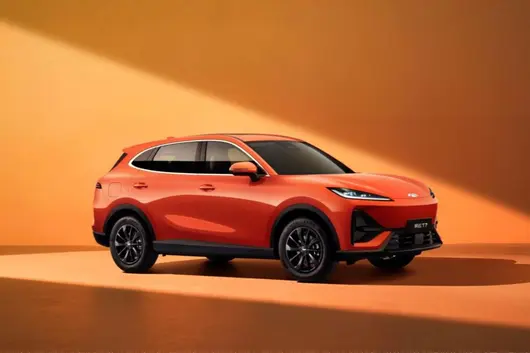
如果你手頭只有 10-13 萬,想買台全家通勤、長途自駕、露營全能兼顧嘅純電 SUV,你嘅底線要求係咩?唔縮水嘅長續航、夠硬嘅車身安全、流暢好用嘅車機、能躺平嘅大空間、平宜省心嘅後續保養,呢五點缺一不可。剛預售嘅奇瑞風雲 T7,恰好係呢啲剛需全部拉滿,甚至仲多咗電池、智駕雙重百萬兜底權益。

8 月 12 號,風雲 T7 正式開啟預售,新車一共推出三款版型:600km 悅享版 10.99 萬、600km 舒享版 11.99 萬、600km 智享版 12.99 萬。而家支付 1000 元訂金,直接享受 7 重買車權益,包含 6000 元專屬車漆、2000 元置換補貼、兩大兜底保障、兩項終身用車權益以及優先提車權,買車福利覆蓋買車、用車全週期,呢點喺同價位車型入面好少見。

好多人會疑惑,一台十幾萬嘅家用電動車,點解敢話自己係「全球品質」?呢點要結合奇瑞 23 年全球化技術積累嚟睇。風雲 T7 冇走行業快速造車嘅捷徑,採用反向出海試煉模式,整車研發、測試全部對標全球嚴苛標準。研發階段投入 81 台專屬耐久車輛同步路試,整車累計測試里程突破 600 萬公里,單係耐久專項測試就跑咗 145 萬公里,仲專門針對東南亞雨季、中東高溫暴曬、印尼高濕等全球多種極端環境做實地測試,從根源上規避唔同氣候下車輛容易出現嘅故障問題。整車圍繞普通車主最在意嘅六大核心剛需打造,覆蓋日常通勤、長途自駕、戶外露營、全家多人出行全部場景,冇明顯短板。

第一個剛需:顏值耐睇,長期使用唔走質感。
風雲 T7 由奇瑞全球 10 大設計中心、5000 多名海內外用戶共同參與設計,同源車型仲上過米蘭設計週,審美兼顧國際簡約風格同東方柔和線條。車頭御風造型、流線風塑車身搭配貫穿式天際霞光尾燈,線條唔浮誇,日常家用唔突兀。車身提供熾焰橙、山煙紫、雲粉米等 6 種配色,漆面工藝同步海外耐候標準,長期日曬雨淋唔容易褪色、失光。
內飾提供溫暖黑棕、極夜黑曜兩套配色,雲翼環抱座艙大面積軟質包覆,車門、中控隨處可見菱格車縫、鵝卵石造型揚聲器呢類細膩細節。官方內飾用料全部做咗耐老化處理,皮革、塑膠密封條唔會用兩三年就變硬變白,兼顧而家好睇同長期耐用,解決好多車主「新車好睇,三年破舊」嘅煩惱。

第二個剛需:安全兜底,全車由車身到電池全方位防護。
安全係家用车唔可以妥協嘅底線,風雲 T7 直接對標 2026 版 E-NCAP 五星安全標準打造,功能安全達到 ASILD 最高等級。車身採用九橫五縱籠式結構,80% 高強度鋼 +18.84% 熱成型鋼,搭配雙框副車架、專用電池防撞梁,前後、側面設計多條碰撞傳力通道,發生撞擊時最大限度分散衝擊力,保住乘員艙完整空間。全車標配 9 個安全氣囊,包含大容積雙腔遠端氣囊同後排側氣囊,前後排乘客都能得到保護。
動力電池採用犀牛電池,6 層立體防護結構,抗擠壓、抗穿刺、抗衝擊;電池防水等級 IP68,防水能力係國標要求嘅 96 倍,夏天暴雨積水、郊外淺灘涉水,唔擔心電池進水短路。同時官方畀出兩大兜底權益:如果電池自身故障引發整車熱失控,直接賠償同款新車;一年內智能輔助駕駛系統故障引發事故,最高賠償 500 萬,將車主最擔心嘅兩類風險全部承接。

第三個剛需:續航唔打折,全系 600km 續航實現平權。
市面上好多同價位電動車,低配續航砍半、高配先至有長續航,風雲 T7 直接做到全系續航平權,三款車型統一搭載 65.05kWh 犀牛電池,CLTC 標準續航 600km,實際路測續航能達到 667km 以上,屬於行業少見嘅「反向虛標」,日常通勤一週充一次電完全夠用。
充電效率亦貼合日常出行節奏,電量 30% 充至 80% 僅需 20 分鐘,中途休息一杯咖啡就足夠補足長途里程。車輛搭載全域一體化雙源寬熱泵空調,支持 -30℃至 55℃穩定工作,北方冬天製熱省電、南方夏季散熱穩定,再加上智能進氣格柵、14 項低風阻車身優化,高低速行駛能耗波動更小,一年四季續航都唔會大幅縮水。

第四個剛需:智能好用,高算力芯片兼顧座艙同駕駛輔助。
整車搭載 4nm 製程 8775 艙駕一體芯片,算力 72TOPS,系統響應得 80 毫秒,開機速度提升 33%,螢幕滑動、語音指令操作唔會卡頓。中控配備 15.6 吋 2.5K 高清大螢幕,做咗防眩光、抗指紋處理,強光下都能睇清螢幕;支援無線 CarPlay、華為 HiCar 等主流手機互聯,幾乎適配市面上所有智能手機。
車機內置靈犀智艙 2.0 語音系統,除常規導航、控溫外,仲有 6 種唔同人設語音助手,同時內置小憩、露營、寵物、醒神等專屬場景模式,一鍵切換適配唔同出行需求。駕駛輔助搭載獵鷹 500 系統,全車 22 顆高精度傳感器,支持 300 多種場景自動泊車,斷頭路、跨樓層、循跡倒車呢類難停場景都能自動完成,新手泊車唔使再反覆調整。

第五個剛需:大空間高舒適,全家出行、露營裝載唔誤。
風雲 T7 車身尺寸 4570×1852×1694mm,軸距 2700mm,車內空間利用率 84%,後排純平地台,後排腿部空間 911mm,後排坐三位成年人唔會擠迫。常規尾箱容積 450L,後排座椅放倒後拓展至 1550L,車內形成 1955mm 純平空間,戶外露營能直接當大牀休息。
座椅採用 9 層雲感填充物料,支撐充足久坐唔塌陷,前排標配通風、加熱雙功能,加熱 5 分鐘就能升溫至 30℃,冬天上車唔用忍受冰座椅,夏天通風吸走背後汗液。全車設計 38 處儲物格,零碎物品都能有序收納;車內預留 4 個承重 300kg 铆環、2 個掛鉤,露營裝備、大件行李都能牢牢固定。底盤由瑪莎拉蒂前底盤專家帶隊調校,軸荷比 50.8:49.2,過彎側傾小、高速行駛穩定,長途乘坐唔容易暈車。

第六個剛需:長期用車低成本,終身權益降低養車壓力。
好多車主買車只看落腳價,忽略後續保養、維修開銷,風雲 T7 直接畀出兩項終身權益,覆蓋車輛全生命週期。第一係整車終身質保,包含三電系統,價值萬元,僅排除易損件同特殊配件;第二係終身基礎保養套餐,僅需 666 蚊即可購入,每年一次基礎保養,長期開能攞低大量保養費用。結合置換補貼、車漆礼包、優先提車權,從訂車到十年用車,整體用車成本控制得低。
綜合睇落嚟,10.99 萬起嘅定價,能做到全系 600km 續航、全球標準安全車身、完整智能輔助、超大家用空間,再加電池、智駕双重事故兜底、終身質保養護,喺 10-13 萬純電 SUV 市場入面競爭力十分突出。佢冇堆砌華而不實嘅配置,所有產品點都圍繞普通家庭日常用車需求打造,通勤、自駕、露營、接送細路全部適配,對於預算有限、追求均衡實用、擔心續航同安全嘅家庭嚟講,係一台可以重點考慮嘅車型。
目前風雲 T7 已經正式開啟預售,到店支付 1000 元訂金即可解鎖全部 7 重買車權益,有興趣嘅朋友可以到線下門店實地體驗空間、試駕感受底盤同續航表現。

In Malaysia's SUV market, many buyers compare Proton X90 and Chery Tiggo Cross when choosing a car. These two cars are quite close in price range and positioning. Today, we will conduct a detailed comparison from multiple aspects to help you save time on research.
Proton X90's OTR price in Malaysia is RM 106,800 - 122,800, with a total of 4 versions, including 2026 1.5T Prime X (RM 122,800), 2026 1.5T Prime (RM 116,800), 2026 1.5T Lite (RM 106,800), etc.
Chery Tiggo Cross's OTR price in Malaysia is RM 88,750 - 99,750, with a total of 2 versions, including 2025 HEV 1.5L CSH (RM 99,750), 2025 1.5T Standard (RM 88,750), etc.
From a price perspective, the starting price of Chery Tiggo Cross is RM 18,050 cheaper than Proton X90. To be honest, in this price segment, a difference of a few thousand is actually not significant; the key is to look at overall value for money and long-term usage costs.
Proton X90 is equipped with a 1.5L Turbo, 140 hp. Official fuel consumption 7.0 L/100km.
Chery Tiggo Cross is equipped with a 1.5L 4-cyl, 105 hp. Official fuel consumption 6.0 L/100km.
In terms of power, Proton X90's 1.5L Turbo has 35 more horsepower than Chery Tiggo Cross's 1.5L 4-cyl, with more confidence in mid-range acceleration, especially when overtaking on highways. However, Chery Tiggo Cross's fuel consumption may be more friendly, with little difference in daily city commuting.
Proton X90's safety rating is 5★ (ASEAN NCAP), active safety systems include ADAS (ACC, AEB, LKA, LDA, BSM, RCTA).
Chery Tiggo Cross's safety rating is TBD, active safety systems include Basic.
Regarding safety features, both cars received good ratings. However, Proton X90's ADAS (ACC, AEB, LKA, LDA, BSM, RCTA) and Chery Tiggo Cross's Basic have some differences in functionality. If you value active safety, you can compare the feature lists of both carefully.
Proton X90 warranty 5 years/150,000km, maintenance interval every 10,000km or 6 months.
Chery Tiggo Cross warranty 3 years/100,000km, maintenance interval every 10,000km or 6 months.

Both Proton X90 and Chery Tiggo Cross are mainstream choices in the Malaysian market, suitable for family use and daily commuting. If you value brand reputation and resale value more, prioritize the one with better reputation; if you care more about value for money and features, choose the one with richer configuration. Ultimately, it is recommended to test drive both, as personal experience is the most important.

Overall, Proton X90 and Chery Tiggo Cross are both very good car models in the Malaysian market. Which one to choose depends on your personal needs and budget. We recommend doing your homework, comparing quotes from multiple dealerships, and then test driving to make the final decision. Buying a car is a big matter; spending some time doing research will never be wrong.

【CNMO 科技消息】近日,「電動車出海」公佈小鵬汽車 2020 至 2026 年上半年海外累計銷量市場份額和中國新勢力海外純電累計銷量榜單,小鵬汽車以 105245 輛的累計銷量穩居第一。2026 年上半年小鵬汽車在歐洲 21 國銷量同比暴漲 154%。

小鵬
從海外市場份額來看,小鵬汽車 2020 至 2026 年上半年海外累計銷量達 105245 輛。以色列以 14189 輛位居銷量榜首,份額佔比 13%;挪威和丹麥分別以 11124 輛、9169 輛位列第二、第三位,份額為 11% 和 9%。法國、德國等歐洲主流汽車市場亦貢獻了可觀銷量。泰國以 5297 輛成為小鵬在東南亞的重要據點。整體來看,歐洲市場是小鵬出海的重心,前六名中有五席為歐洲國家。

從中國新勢力海外純電累計銷量榜單來看,小鵬汽車以 105245 輛的成績穩居第一,大幅領先其他品牌。緊隨其後的是零跑汽車,累計銷量為 77279 輛,位列第二;歐拉以 51653 輛排名第三。其餘品牌的累計銷量均低於 5 萬輛,具體排名依次為:埃安(44047 輛)、極氪(39899 輛)、深藍(31588 輛)、騰勢(15427 輛)、蔚來(7502 輛)、智己(7049 輛)和嵐圖(3247 輛)。

據 CNMO 科技了解,目前,小鵬全球累計銷量已突破 120 萬台,銷售網絡覆蓋 65 個國家和地區,超過 1200 家門店。



通用的世界仍在,新車不足。
文|劉欣怡 編輯|冒詩陽
汽車像素 (ID:autopix)原創
上汽通用的一場告別和一次新生,幾乎在同一個月到來。
8 月 5 日,上汽與通用將上汽通用的合資期限延長 20 年,直到 2047 年。
現場立著四個字:共赴新境。和續約一同確定的還有這家合資公司的新任務。
三周之後,8 月 28 日,別克昂科威 2026 款將在美國停產。
兩件事互相獨立,但撞在了同一個月裡。
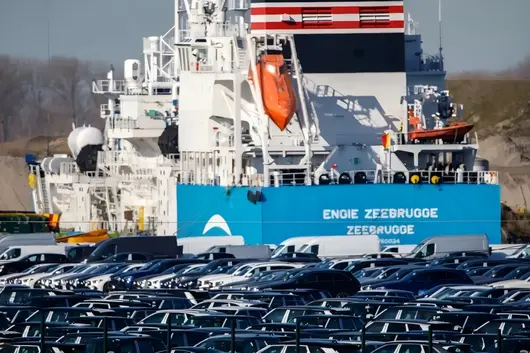
昂科威的故事要倒回十一年。2015 年底,第一批銷往北美的昂科威從煙台港出發,次年進入美國、加拿大和墨西哥的別克經銷商。此後十年,累計出口 42 萬輛。2017 年之後,它成為通用唯一一款從中國進口到美國的車型。
2018 年起,昂科威承擔 25% 關稅,通用申請豁免未果。2026 年 1 月 22 日,通用宣布停止在中國生產供應美國市場的昂科威,下一代車型將於 2028 年轉到堪薩斯州費爾法克斯工廠。
到今年 5 月,這款車在美國的庫存周期已經超過 300 天。

▍煙台港昂科威舊照
一扇門在關,另一扇門在開。按照續約後的安排,上汽通用自主研發的別克至境系列將從今年 10 月起陸續出口海外,目標市場包括中東、非洲、南美、墨西哥和亞太。
關稅關上美國車市,通用把門外的世界交到上海。
01
美國之外,通用缺車了
這次續約沒有改變 50:50 的股比,也沒有披露新增投資金額。變的是分工。
簽約現場,通用汽車全球高級副總裁兼中國總裁羅煦說了一段話,上汽通用在工程、製造和質量上已經形成本土能力,「我們可以將這些優勢帶到中東、非洲、南美、墨西哥和亞太地區的國際市場」,並依托通用汽車在這些地區已有的銷售與服務佈局。
翻譯成組織語言,他透露的意思是,上汽通用和泛亞定義產品,通用提供美國市場之外的全球渠道。
具體的落地方式相當輕。上汽通用不在海外自建銷售網絡,全程複用通用現成的體系。
首款出口的車是別克至境 E7,首站韓國。由通用韓國負責定價、營銷和售後,上汽通用只負責生產、供貨和技術保障。此後在其他市場,預計會沿用相似模式。
產品和資源的流向變了。過去,通用把全球產品帶到中國;接下來,上汽通用要把中國開發的產品送回全球。
這在「合資 2.0」裡並不常見。多數外方允許中國合資公司出海時,都會先劃出自己的核心市場。通用沒有只給上汽通用一個邊緣市場試水,一次性開放中東、非洲、南美、墨西哥和亞太,幾乎包括了美國以外,通用擁有的全部。並允許中國產品直接接入自己多年建立的銷售與服務體系。
為什麼是現在,為什麼是這幾個市場,答案分別寫在通用的兩張報表上。

▍1925 通用巴西公司成立時的合影
第一張是北美。2026 年第二季度,通用北美調整後息前利潤率達到 8.6%,全尺寸皮卡份額 43%,連續第七年第一。公司年內第二次上調業績指引,將調整後息前利潤預期提高到 140 億至 160 億美元。
這是一台自洽的機器,貴、大、高配、有品牌溢價,再疊加訂閱服務的現金流。它不需要外部輸血,也不太需要外部產品。
第二張報表在美國之外。
2025 年,美國市場貢獻了通用全球近七成的銷量。排在美國後面的依次是中國、烏茲別克斯坦、巴西、哈薩克斯坦、哥倫比亞、智利、厄瓜多爾、秘魯、科威特。除了美國和中國,剩下全是新興市場。
這些市場要的車,和北美那台機器生產的車之間幾乎沒有交集。
而通用在這些地方的位置,參差得厲害。
墨西哥仍是通用的強項,市場份額長期僅次於日產。南美則在守擂中失速:2025 年,通用在巴西的份額從 12.0% 降至 10.3%,大衆升至 17.1%,比亞迪升至 4.4%。
中東的缺位更明顯。在沙特,通用已經掉出主流品牌前列,反而是上汽 MG 進入銷量榜前列。非洲則留下了一張破損的網絡,埃及仍有製造和運營體系,但通用早已退出南非和東非的主要業務。
對墨西哥和南美,上汽通用是在守擂;對中東,是補產品;到了非洲,則帶有幾分重返舊市場的意味。
02
奧特能沒能縫合通用
2014 年,瑪麗·博拉成為通用第一位女性 CEO。
她接手的通用剛剛走出破產重組,仍然保留著一個龐大的全球業務版圖。歐寶和沃克斯豪爾在歐洲,雪佛蘭在印度、南非和東南亞舖設網絡,霍頓留在澳大利亞,韓國大宇體系負責小型車,巴西負責南美產品。
這些業務讓通用維持了一家全球汽車公司的形象,也讓它長期背負著全球汽車公司的成本。

瑪麗·博拉採用了一套清晰的財務標準。一項業務如果不能獲得足夠回報,就不再因為規模、歷史或者全球地位繼續保留。
2015 到 2020 年,通用開始密集對無法產生足夠股東回報的市場採取行動,先後撤出歐洲、俄羅斯、印度、東南亞和澳大利亞,出售歐寶、沃克斯豪爾以及泰國工廠。
利潤紀律取得了效果,資本逐漸流向北美最擅長的大車;代價是,通用同時拆掉了服務全球需求的產品體系。
歐寶曾經提供前驅轎車和歐洲工程能力,霍頓掌握後驅平台,韓國負責低成本小車。退出這些市場後,通用同時也失去了服務全球需求的大部分能力。
到 2020 年,通用已經基本完成了全球收縮。北美留下皮卡、大型 SUV 和高利潤燃油車,中國仍有龐大的合資體系,南美、韓國、中東等市場則被壓縮成各自維持盈利的區域業務。
它們像散落在世界地圖上的孤島,競爭格局不變,它們可以依靠慣性繼續存续,貢獻有限但穩定的利潤。
但現在,競爭加劇了。
2025 年,巴西汽車市場繼續增長,通用的份額卻從 12.0% 降至 10.3%;大衆升至 17.1%,比亞迪升至 4.4%。墨西哥市場,通用銷量下降 3.4%,日產、豐田、起亞和馬自達卻都在增長。
結果寫在通用北美以外的國際業務(GMI)的報表上。2025 年,GMI 批發銷量下降 8.1%,營收下降 3.3%;剔除中國合資業務後,調整後息前利潤下降 32.8%,只剩 4.26 億美元。
這些區域業務缺的不是品牌和渠道,而是一套能夠持續送進經銷店的新產品。
通用當然知道收縮的副作用。等到收縮基本完成,瑪麗·博拉必須找到一套新的技術底座,在不重新養回那些區域研發中心的前提下,把北美、中國和剩餘的國際市場重新接起來。
電動車看起來正好提供了這個機會。
到 2019 年,特斯拉已經完成 Model 3 的艱難爬坡,全年交付 36.75 萬輛;上海工廠從動工到交付不到一年,證明一套高度集中的車型、電池和軟件體系,可以在美國與中國之間快速複製。
資本市場給出的信號更直接。2020 年 1 月,特斯拉市值首次超過通用和福特之和,半年後又超過豐田。對剛完成全球收縮的通用來說,電動化既代表汽車行業的未來,也提供了一條不必重建舊體系、就能重新覆蓋全球的捷徑。
2018 年起,通用把斷捨離後節省下來的資金轉向電動化和自動駕駛;到 2020 年 3 月,通用正式發布奧特能,並承諾在 2025 年前投入超過 200 億美元。中國隨後舉行了對應的技術發布。
奧特能的工程野心很大。通用希望它同時覆蓋緊湊型跨界車、SUV、悍馬和大型皮卡,再讓北美與中國共享規模、供應鏈和研發成本。

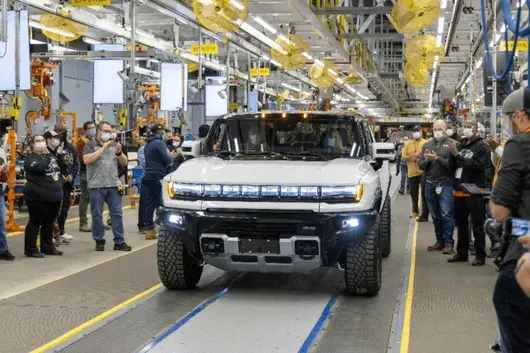
但最先證明奧特能的產品,是裝著約 205 千瓦時電池的悍馬 EV。這數字是中國主流大型純電車常見電池容量的兩倍。奧特能從一開始,就被超長續航、千匹動力和大型皮卡的目標牽向了美國式大車,它可以不斷增加模組向上覆蓋,卻很難沿用同一套體系向下造出廉價車型。
更致命的是,通用押錯了市場收斂的方向。奧特能押注用電芯、模組和電驅的高度模組化,拼出儘可能多的車型;市場真正形成壁壘的地方,卻已經轉向軟件、電子電氣架構和持續迭代能力,車型的多樣性反而在收斂。
2026 年 4 月,通用通知供應商,無限期推遲 Silverado EV 和 Sierra EV 下一代車型的開發,重大平台更新預計要等到 2030 年之後。
中國卻迅速轉向更低成本的磷酸鋰鐵、更快的充電速度、插混和增程,以及由本地供應商推動的智能座艙與輔助駕駛。
原本用來統一中美的底座,最終兩頭都沒接住。
奧特能沒有把拆散的通用重新縫合。它留下了電池、電驅、製造和安全驗證能力,也讓一個結論變得無法迴避:北美、中國和美國之外,已經無法再由同一套底座定義。
03
上汽通用,第二次成立
2024 年末,上汽通用面對的還不是如何出海,而是這家公司是否值得繼續存在。
當年,上汽通用銷量降至 43.5 萬輛,同比下滑 56.54%,是上汽集團旗下跌幅最大的整車企業。12 月,通用對中國合資業務計提 26 億至 29 億美元減值,並確認約 27 億美元重組費用,合計超過 50 億美元。
這筆錢既是對過去的清算,也劃出了上汽通用的生存線。
奧特能沒有給中國業務帶來期待中的轉型,底特律也沒有另一套成熟的全球方案可以送過來。上汽通用必須縮小规模、恢復盈利,並且依靠中國團隊重新回答一個最基本的问题:下一代產品究竟該怎麼造。
2025 年 4 月,逍遙架構和別克高端新能源序列至境一同發布。
逍遙保留了奧特能的電驅、製造和安全積累,但技術路線已經轉向中國:電池換成 6C 磷酸鋰鐵,動力覆蓋純電、插混和增程,電子電氣架構也轉向中央計算。
比參數變化更重要的是,產品定義權留在了中國。
過去,泛亞主要把底特律的平台適配給中國。到了逍遙和至境,技術路線、產品形態、價格和供應鏈,都開始由中國團隊定義。
結果來得比預期快。
至境 L7 先在中大型新能源轎車市場站穩;2026 年 4 月 22 日,至境 E7 上市,置換權益價最低 15.49 萬元,上市 90 分鐘大訂破萬,首月交付破萬,成為首款做到這一點的合資新能源車型。

經營層面的反轉更早開始。2025 年,上汽通用銷量回升至 53.5 萬輛,同比增長 22.99%;通用在華業務連續多個季度實現盈利。
它先證明自己不再需要總部持續輸血,又證明中國團隊定義的新能源車可以獲得市場。
於是,續約討論的方向變了。從上汽通用還有沒有必要繼續存在,變成了怎樣發揮其最大價值。
這種能力並非突然出現。1997 年,泛亞與上汽通用同日成立,從國產化、車型改型一路做到整車正向開發。2010 年,泛亞全過程開發的新賽歐上市並走向海外;二十多年裡,它為別克、雪佛蘭和凱迪拉克開發了 30 多個系列、150 多款车型。
過去,這套能力主要用來把通用的全球產品改成中國需要的樣子。到了至境時代,方向反了過來,中國團隊定義的產品,開始填補通用全球產品線的空位。
中國合資公司反向輸出產品,已經不是孤例。大衆、日產、馬自達和起亞都在把中國研發、生產的車型送往海外。
真正不同的是開放尺度,海外利潤和產能越重要,外方劃出的邊界越清楚;海外體系越需要補血,中國團隊獲得的空間越大。
通用的特殊之處在於,它最需要保護的北美利潤核心,與上汽通用能夠提供的產品幾乎沒有衝突。通用最需要保護的是北美的大型皮卡和 SUV,後者卻正好補上通用海外網絡的產品空位。
南美、韓國、中東和非洲仍有通用的品牌、工廠和渠道,但新產品供給已經變薄。把中國車型接進去,比重新為每個區域搭建研發體系更快,也更便宜。
十一年前,昂科威從煙台駛向美國,中國在通用全球體系中的角色仍是製造基地。十一年後,上汽通用帶著自己定義的產品再次出海。
通用交出的不是一片仍在增長的世界,而是一張渠道尚有價值、產品卻日渐斷供的網絡。上汽通用得到的也不是現成的市場,而是修復它的權力。
這份 20 年合同,不只是上一段合資關係的延續。它更像上汽通用的第二次成立。

本文為汽車像素(autopix)原創內容
未經授權,請勿轉載

In the Malaysian SUV market, many buyers compare the Proton X70 and Honda WR-V when choosing a car. Both cars are quite close in price and positioning. Today, we will make a detailed comparison from multiple aspects to help you save time on research.
The OTR selling price of Proton X70 in Malaysia is RM 106,800 - 122,300. There are 3 versions in total, including 1.5L Standard 2WD (RM 106,800), 1.5L Executive 2WD (RM 115,800), 1.5L Premium 2WD (RM 122,300) etc.
The OTR selling price of Honda WR-V in Malaysia is RM 89,900 - 107,900. There are 4 versions in total, including 2023 1.5L V (RM 99,900), 2023 1.5L E (RM 95,900), 2023 1.5L S (RM 89,900) etc.
From a price perspective, the starting price of the Honda WR-V is RM 16,900 cheaper than the Proton X70. Honestly, in this price range, a difference of a few thousand is not really significant. The key is to look at overall value for money and long-term usage costs.

The safety rating of Proton X70 is 5★ (ASEAN NCAP). Active safety systems include ADAS (ACC, AEB, LKA, LDA, BSM, RCTA).
The safety rating of Honda WR-V is 5★ (ASEAN NCAP). Active safety systems include Honda SENSING.
Both cars have the same safety rating. Safety features in this class are quite comprehensive. New cars nowadays have good safety standards, so there is no need to worry too much about this.
Proton X70 body length is 4400 mm, trunk is 400 L.
Honda WR-V body length is 4400 mm, trunk is 400 L.
The dimensions of both cars are almost identical, with little difference in interior space. For this class of cars, it is more than enough for daily use.

Proton X70 warranty 5 years/150,000km, maintenance interval every 10,000km or 6 months.
Honda WR-V warranty 5 years/unlimited mileage, maintenance interval every 10,000km or 6 months.
In summary, both Proton X70 and Honda WR-V are very good models in the Malaysian market. Which one to choose depends mainly on your personal needs and budget. We recommend doing your research, comparing quotes from several dealerships, and test driving before making a final decision. Buying a car is a major affair, spending time on research will definitely not be wrong.


In the Malaysian SUV market, many buyers will compare Proton X50 and Toyota Yaris Cross when choosing a car. Both cars are quite close in price and positioning, so today we will do a detailed comparison from multiple aspects to help you save time on research.
Proton X50's OTR price in Malaysia is RM 89,800 - 113,300, with 4 versions in total, including 1.5T Executive (RM 89,800), 1.5T Premium (RM 101,800), 1.5T Flagship (RM 113,300), etc.
Toyota Yaris Cross's OTR price in Malaysia is RM 99,900 - 109,900, with 2 versions in total, including 2026 1.5L Standard (RM 99,900), 2026 HEV 1.5L Standard (RM 109,900), etc.
From a price perspective, the entry-level price of Proton X50 is indeed RM 10,100 cheaper than Toyota Yaris Cross. If your budget is limited, Proton's entry-level version can already meet daily needs. But be aware, the few thousand cheaper might involve compromises in features, it depends on your needs.

Proton X50 is equipped with 1.5L 4-cyl, 105 hp. Official fuel consumption 6.0 L/100km.
Toyota Yaris Cross is equipped with 1.5L 4-cyl, 105 hp. Official fuel consumption 6.0 L/100km.
Both cars use the same powertrain, the driving feel is basically no difference. Fuel consumption is also similar, no need to worry too much about this.
Proton X50's safety rating is 5★ (ASEAN NCAP), active safety systems include ADAS (ACC, AEB, LKA, LDA, BSM, RCTA).
Toyota Yaris Cross's safety rating is 5★ (ASEAN NCAP), active safety systems include TSS.
Both cars have the same safety rating, safety features are quite complete in this level. New cars' safety is not bad nowadays, no need to worry too much about this.
Proton X50 car body length 4400 mm, trunk 400 L.
Toyota Yaris Cross car body length 4400 mm, trunk 400 L.
Both cars' dimensions are almost the same, interior space difference is small. For this level of car, daily use is fully enough.

Proton X50 and Toyota Yaris Cross are both mainstream choices in the Malaysian market, suitable for family use, daily commute. If you value brand reputation and resale value more, prioritize the one with better reputation; if you care more about cost-performance ratio and features, choose the one with richer configuration. Ultimately suggest test driving both, personal experience is the most important.

In summary, Proton X50 and Toyota Yaris Cross are both very good car models in the Malaysian market. Which one to choose, key still depends on your personal needs and budget. Suggest everyone do their homework, compare quotes from several dealerships, then go test drive to make final decision. Buying a car is a big thing, spending time on research will not be wrong.


喺馬來西亞嘅 SUV 市場,好多買家喺揀車嘅時候都會拿 Proton X90 同 GWM Haval H6 嚟做比較。呢兩款車喺價位同定位上都幾接近嘅,今日我哋就從多個方面做一個詳細嘅對比,幫你節省做功課嘅時間。
Proton X90 喺馬來西亞嘅 OTR 售價係 RM 106,800 - 122,800,一共有 4 個版本,包括 2026 1.5T Prime X(RM 122,800)、2026 1.5T Prime(RM 116,800)、2026 1.5T Lite(RM 106,800) 等。
GWM Haval H6 喺馬來西亞嘅 OTR 售價係 RM 139,750 - 139,750,一共有 2 個版本,包括 1.5L Turbo Standard(RM 140,000)、1.5L Turbo Premium(RM 155,000) 等。
由價錢睇,Proton X90 嘅起跳價確實比 GWM Haval H6 平咗 RM 32,950。如果你預算有限,Proton 嘅入門版已經可以滿足日常需要。但都要留意,平嘅嗰幾千蚊,喺配備上可能會有取舍,具體要睇你需要。
Proton X90 嘅安全評級係 5★ (ASEAN NCAP),主動安全系統包括 ADAS (ACC, AEB, LKA, LDA, BSM, RCTA)。
GWM Haval H6 嘅安全評級係 TBD,主動安全系統包括 Basic。
安全配備方面,兩款車都攞到唔錯嘅評級。不過 Proton X90 嘅 ADAS (ACC, AEB, LKA, LDA, BSM, RCTA) 同 GWM Haval H6 嘅 Basic 喺功能上有些差異,如果你比較重視主動安全嘅話,可以仔細對比下兩者嘅功能列表。
Proton X90 車身長 4400 mm,行李廂 400 L。
GWM Haval H6 車身長 4400 mm,行李廂 400 L。
兩款車嘅尺寸差唔多,車內空間分別唔大。呢個級別嘅車,日常使用完全夠用。
Proton X90 保修 5 年/150,000km,保養間隔 每 10,000km 或 6 個月。
GWM Haval H6 保修 7 年/150,000km,保養間隔 每 10,000km 或 6 個月。
Proton X90 同 GWM Haval H6 都係馬來西亞市場嘅主流選擇,適合家庭使用、日常通勤。如果你更重視品牌口碑同二手價,可以優先考慮口碑更好嗰一款;如果你更在意性價比同配備,那就揀配備更豐富嗰款。最終都建議兩款都去試駕,親自體驗先至最緊要。
總括嚟講,Proton X90 同 GWM Haval H6 都係馬來西亞市場幾唔錯嘅車型。揀邊一輛,關鍵都要睇你個人需要同預算。建議大家做好功課,多比較幾間車行嘅報價,再去做試駕做最終決定。買車係件大事,花啲時間做功課絕對唔會錯。

Have you ever seen the roads in India?
I've seen them online.
The scene is usually like this: a sedan blocked behind a cow, motorcycles running wild nearby, even milk tea vendors nearby, so "clean and hygienic".

However, in a place where many feel physically uncomfortable after watching, Toyota, Suzuki, Honda and other Japanese car companies decided to bet on India.
According to the Indian "Brand Quality Foundation" website, the three car companies will invest nearly $11 billion to build factories, increase capacity, and develop exports in India.
Some netizens commented: Did the three Japanese car companies have too much money?
In fact, they didn't have endless money to spend, nor were they bewildered by Indian curry. These Japanese car executives are much clearer than us.
Current Japanese car revenue and market share are declining. Raw material costs are soaring. Looking at the world map, finding a market that can accommodate capacity, expand share, and has gentle competition is not easy.
So, it wasn't that Japanese car companies chose India, but because they had no choice.
The Pain of Japanese Car Companies
Past Japanese cars were truly the envy of others.
Ask old drivers who drove Japanese cars over ten years ago, talking about Japanese cars, almost no one doesn't give a thumbs up, cheap price, fuel saving, durable...
Even many Japanese cars needed to be bought at a markup, but who would think this iron fortress would be beaten out of sight in a few short years.
With the wave of new energy vehicles coming, electrification and intelligence became the goal for many domestic car companies to "leapfrog". Relying on China's strong new energy vehicle industry chain advantages and car companies' own persistence on R&D and technology, Chinese independent brands quickly achieved "leapfrogging".
Domestic cars once criticized are now becoming more and more common on the roads, even surpassing joint ventures in share.
According to CPCA data, in April 2026, the share of independent brands reached as high as 62.5%, far exceeding Japan's 13.1%.

You need to know, the Chinese car market is the largest car market in the world. Losing speed in the Chinese market is like losing a huge piece of cake.
Meanwhile, the main theme of the Chinese market in recent years is still price wars. Racing on configuration, price, and service has become a normal state, which also had a huge impact on Japanese cars' profits.
Apart from China, Japanese cars are also not doing well in the US.
On January 20, 2025, Trump swore in as the 47th US President, starting a series of chaotic operations, including imposing additional car tariffs in the name of national security, causing the tariff rate for imported Japanese cars to reach as high as 27.5% at one point. Although it decreased later, it was still far higher than the initial tax rate.
This operation directly led to a tariff loss of over 2 trillion yen for seven Japanese car companies in fiscal year 2025.
Looking at Japan itself, it is actually not easy either.
Middle East geopolitical conflicts blocked shipping in the Strait of Hormuz, transportation costs and raw material costs soared, Japanese car companies also had to suffer in silence.

Executives looking at the reports, their backs went cold, only to find a new growth curve.
So, Japanese car companies didn't fall in love with India, there was nowhere else to go.
Deep Thought on Choosing India
So, what magic does India have, to make Japanese car companies invest heavily?
The first advantage is big. In 2025, the Indian car market achieved 5.517 million new car sales, up 6% year-on-year, breaking the historical record, ranking as the third largest car market in the world, exceeding Japan for four consecutive years, second only to China and the United States.
The value of this doesn't need me to say much. India achieved this result mainly because India has been promoting tax reduction policies to promote consumption, which led to a significant increase in domestic consumption willingness.
The second advantage is close, meaning it is close to places where Japanese cars sell well, such as Africa.
So, India for Japanese car companies is more like a convenience store built in the center of a crossroad. You don't need to ship cars to eight countries separately, just build well at this stop in India, then unload ship by ship, and you can save a lot of costs.

The Nikkei also believes that India is expected to become its global car supply center.
The third advantage is stability. You know, Japanese cars' advantage is fuel cars, after all, the three major components of engines, gearboxes, and chassis, they have played for many years, technology accumulation is number one in the world.
But the Chinese car market has fully promoted electrification and intelligence development, leading to Japanese cars' advantage becoming weaker and weaker, impossible to play out. But India is different, it has the characteristics of few charging piles and slow electrification process. Indian old people buying cars still look for cheap, fuel saving, easy to fix, and these three points are exactly Japanese cars' old trade.
Especially Suzuki, always been India's car market evergreen, almost always sitting on the best-selling model throne, reputation of being worry-free, better than any advertisement.
So, Japanese car companies' vigorous layout of the Indian market is obviously carefully considered.
But, is the Indian market really that easy to mix?
The Hard-to-Bite Indian Market
Of course, India is not perfect like a hot commodity, its disadvantages are as obvious as its advantages, and every one is enough for Japanese car companies to face a hard time.
First talk about electrification. Yes, right now India has few charging piles and electric cars don't sell well, it is indeed a shelter for Japanese fuel cars. But you have to think, how long can this "shelter" avoid?
India previously shouted the slogan of 30% of new cars being electric vehicles by 2030. Although it sounds like bragging, but can't help but they really give subsidies, really build charging stations.
Imagine, what if one day India suddenly wakes up, starts vigorously promoting electrification, doing infrastructure, charging piles popping out like mushrooms after rain, then Japanese cars will be dumbfounded?
Isn't this a version of the Thai market?
Back then Japanese cars in Thailand won easily. The entire Southeast Asian market was called Japanese cars' backyard. Result Thailand took the lead in promoting electrification. Chinese electric vehicles came in, directly became a hot commodity. Look at Japanese cars again, share in Thailand falling down rapidly.

If India accelerates electrification, history will likely repeat, and this time, Japanese cars don't even have a place to flee, how to prevent will become the first problem for Japanese car companies.
Next talk about policy. India's policy is like a pot of curry, you never know if you will eat chicken or potato next time.
This magical country, today low tariff encourages building factories, tomorrow may fine you a huge amount. What's more annoying is mandatory joint venture. Foreign car companies want to sell cars in India, have to find local partners to partner up. When your factory is built, supply chain is done, India directly backstabs you. At that time whether adding money or withdrawing capital, what you get is heartache.
So you see, this market like India is like a mango that looks very sweet, bite the first mouth it's okay, chew two more mouths hit the hard core.
Japanese cars now is calculating, while the core hasn't bit the tooth, hurry up to nibble a few more mouths, but the core will bite sooner or later, just don't know which day.
Epilogue
Japanese cars this trip to India, not go for tourism, is go to make a living.
Chinese and Southeast Asian dining tables are more crowded, production and transportation costs have risen. Looking around the world, only this pot in India is still steaming, even if what is boiling inside is curry-flavored stones, have to bite hard and chew down.
Japanese car companies want to expand market, India wants to pull economy, solve employment, both sides have their own thoughts.
As for the ending is Japanese cars in India regain their glory, or like past competitors shamefully walk away, then is not known.
But no matter how, this play just started, we slowly watch is okay.
Anyway India's story, never bored.
里程碑鑄就新起點,雙品牌聚力創新高。5 月,上汽集團產銷累計破億,成為中國首個邁入“億輛俱樂部”的汽車集團。作為上汽商用車核心主體,上汽大通全系熱銷 25,605 輛,同比增長 44%!其中海外熱銷 12,392 輛、同比增長 56%,上汽大通新能源車熱銷 11,051 輛、“大拿”熱銷 5,934 輛,創三重銷量新高!躍進新能源佔比超 67%,創年內新高;國內、海外銷量再雙雙破萬,以硬核成績獻禮一億里程碑,為全年高質量發展築牢根基。

【上汽商用車五大品牌接力交付,共慶一億用戶時刻】


上汽大通 5 月熱銷】
輕客同比翻番,大拿再創新高,“中國輕客第一品牌”加速領跑。5 月,輕客車系銷售 11,865 輛,同比增長 56%。爆款“大拿”系列憑藉“大電池+小增程”的超級增程技術及全場景創富能力,進一步鞏固新能源輕客市場標桿地位,本月銷量創新高,達 5,934 輛,同比激增 197%。大拿與新途系列共同覆蓋用戶全場景創富需求,“中國輕客第一品牌”加速領跑。

【大拿超級增程】
皮卡穩健攀升,穩居中國高端皮卡出口第一。5 月,皮卡銷售 7,223 輛,同比增長 58%。國內市場穩步走強,大通皮卡持續深耕高端商用、家用休閒、越野探險等多元場景。國際競爭力持續領跑,依托星棧超級全棧越野平台技術實力,大通皮卡兼具硬派性能與智能配置,穩居中國高端皮卡出口第一品牌,暢銷全球主流市場。

【全新星際 L】
“黑馬”躍進新能源佔比達 67%,轉型成效領跑行業。上汽大通躍進輕卡正以新能源轉型加速度,成為一億用戶里程碑中的關鍵增長極。5 月,躍進延續強勁勢頭,實現銷量與新能源轉型雙增長——單月銷量 4,287 輛,同比增長 41%;其中新能源車型銷量佔比達 67% 創年內新高,銷量同比大幅攀升至 99%!轉型成效顯著,盡顯“黑馬之姿”。與此同時,渠道與生態佈局持續深化:全國首家生態運營中心河南志昂店盛大開業,依托大拿 T 系列新品,完善一站式銷售、服務、運維體系,精準對接城配物流用戶需求。

【躍進向上汽集團全球第 100,000,012 位用戶“地上鐵”交付大拿 T1】
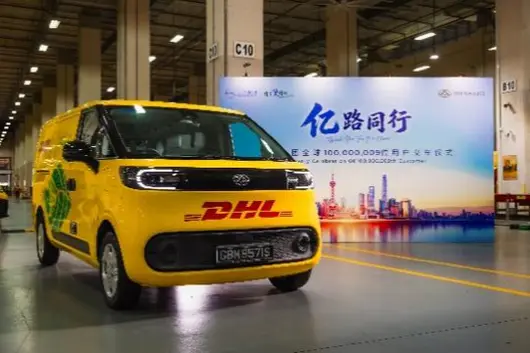
海外銷量創新高,全球化版圖持續擴容。5 月,上汽大通海外銷量 12,392 輛創新高,同比增長 56%,再破萬輛大關。東南亞市場再迎關鍵突破:穩居新加坡輕型商用車市佔率第一,並向國際物流巨頭 DHL 交付 eDeliver 5(國內大拿 V1),迎來集團第 1 億零 9 位用戶,九年間合作足跡遍及歐、美、亞、大洋洲;同時上汽大通躍進品牌與越南知名商用車企業達成合作,賦能綠色物流、加速中國智造出海;T70(國內全新星際 L)將於下半年登陸澳洲、智利,尚未上市已斬獲超 800 台意向訂單,備受追捧。當前,上汽大通產品暢銷全球 100 多個國家和地區,輕客與高端皮卡出口量穩居中國第一,斬獲全球三大五星安全認證,躋身全球頭部企業首選合作陣營,國際影響力持續攀升。

【eDeliver 5(國內大拿 V1)交付國際物流巨頭 DHL】
蓄力 6 月:新品上市與 618 促銷接力,持續降低購車門檻。邁入 6 月,大通迎來 26 款 G50 煥新上市,以"7 萬級超大超好用 MPV"精準切入家庭與商用市場,提供燃油及混動雙動力。同時,大通 618 限時補貼活動火熱開啟:大拿系列限時權益價 8.68 萬元起,新途系列限時一口價 8.68 萬元起,皮卡系列推出 7 天免費試用及增換購至高 1 萬元補貼,G50 精英版政企雙補價 8.08 萬元起。多重福利將進一步激發市場熱度,助力品牌延續增長勢頭。

【26 款大通 G50】
以集團產銷破億為新起點,上汽大通將錨定“全球輕型商用車領導者”願景,深化雙品牌協同,加速新能源與全球化佈局,堅持以科技、產品與服務賦能全球用戶,持續引領行業高質量發展,書寫中國智造全球化新篇章。
上汽大通汽車有限公司
上汽大通汽車有限公司(簡稱“上汽大通”)是上汽集團輕型商用車板塊的核心主體,旗下有大通、躍進兩大輕型商用車品牌。兩大品牌與依維柯、上汽紅岩(重卡)、上海申沃(客車)、新動力科技共同組成上汽商用車的完整品牌體系。
作為上汽大通的核心品牌,大通以“用領先科技和全生態鏈打造用戶型企業”為使命,堅持做有溫度的品牌,為用戶提供高質量產品和全生態服務,持續引領新能源商用車步入用戶價值時代。
立足中國、佈局全球,大通構建起“全球大通、品質大通、科技大通、生態大通”四大核心實力——產品暢銷全球 100 多個國家與地區,成為國際市場認可的“全球大通”;依托達沃斯工業 4.0“世界燈塔工廠”與三大五星安全認證等嚴苛全球標準打造“品質大通”;以“超級全棧越野平台”星棧平台、“超級商用車電動架構”鴻圖架構等自研技術基座成為“科技大通”;通過鈴駒生態、星際計劃等生態圈構築“生態大通”。大通形成從產品製造到技術賦能、從生態建設到全球拓展的完善體系能力,助力品牌向“全球輕型商用車領導者”的願景不斷邁進。
上汽大通官方微信:上汽大通官方微博:


版權聲明:此文源自廠家供稿,如需轉載請尊重版權並保留出處。內容若存有質量疑問請立即與本網聯系,《商用車之家/汽車立體聲》將盡快處理並予以回應。