首頁三文魚

搜尋歷史
熱門搜尋
經銷商登入 / 註冊

喺馬來西亞嘅 SUV 市場,好多買家喺揀車嘅時候都會拿 Toyota Corolla Cross 同 Chery Tiggo 8 嚟做比較。呢兩款車喺價錢同定位上都相當接近,今日我哋就從多個方面做一個詳細嘅比較,幫你省返做功課嘅時間。
Toyota Corolla Cross 喺馬來西亞嘅 OTR 售價係 RM 133,800 - 148,800,合共 3 個版本,包括 2026 HEV 1.8L GR Sport(RM 148,800)、2026 HEV 1.8L Standard(RM 140,800)、2026 1.8L Standard(RM 133,800) 等。
Chery Tiggo 8 喺馬來西亞嘅 OTR 售價係 RM 129,750 - 129,750,合共 1 個版本,包括 2026 1.6T Standard(RM 129,750) 等。
從價錢嚟睇,Chery Tiggo 8 嘅起步價比 Toyota Corolla Cross 平咗 RM 4,050。老實講,喺呢個價位段,幾千蚊嘅差距其實唔算大,關鍵仲係睇整體嘅性價比同長期使用成本。

Toyota Corolla Cross 嘅安全评分係 5★ (ASEAN NCAP),主動安全系統包括 TSS (PCS, LDA, ACC, LTA)。
Chery Tiggo 8 嘅安全评分係 TBD,主動安全系統包括 Basic。
安全配備方面,兩款車都拿到唔錯嘅評分。不過 Toyota Corolla Cross 嘅 TSS (PCS, LDA, ACC, LTA) 同 Chery Tiggo 8 嘅 Basic 喺功能上有少少分別,如果你比較睇重主動安全嘅話,可以仔細比較吓兩者嘅功能列表。

Toyota Corolla Cross 車身長 4400 mm,行李廂 400 L。
Chery Tiggo 8 車身長 4400 mm,行李廂 400 L。
兩款車嘅尺寸幾乎一樣,車內空間差別唔大。呢個級別嘅車,日常使用完全夠用。

Toyota Corolla Cross 保養 5 年/無限里程,保養間隔 每 10,000km 或 6 個月。
Chery Tiggo 8 保養 3 年/100,000km,保養間隔 每 10,000km 或 6 個月。

總體嚟講,Toyota Corolla Cross 同 Chery Tiggo 8 都係馬來西亞市場幾不錯嘅車型。揀邊輛,關鍵仲係要睇你嘅個人需求同預算。建議大家做好功課,多比較幾間車行嘅報價,再去試駕做最終決定。買車係件大事,花少少時間做功課絕對唔會錯。


“去宁德化论调,要不得”?
最近,工信部旗下媒体发布了这个观点。针对的主要是最近被吵得沸沸扬扬的“去宁化”。
这一论调背后的原因,很直接。“赚了太多行业利润”,核心矛盾在于车企不掌握电池环节,是车企利润薄的主要因素。所以车企想要“利益再分配”。车企和宁德时代之间的博弈,日渐白热化。

奇瑞控股集团董事长尹同跃公开表示,“行业内卷太厉害,汽车行业是工业制造业的明珠,是纳税大户。但现在整个行业利润率远低于制造业水平,许多企业还在亏损。”
和车企利润形成对比的是,2021年至2025年,宁德时代净利润分别约为159亿元、307亿元、441亿元、507亿元、722亿元,2026年上半年盈利为433亿元。
期间,公司毛利率也维持在20%至28%之间。摩根士丹利的模型测算,宁德时代2026到2028年每股盈利,将从20.53元涨到34.15元。
今年上半年,收入排名靠前的12家车企的合计净利润约为193亿元,盈利规模不及宁德时代的一半。车厂与电池厂利润倒挂,再次把“去宁化”推上风口浪尖。
中国新能源产业研究机构真锂研究院首席研究员墨柯表示,车企想要逃离宁德时代,主要出于利益诉求。宁德时代占据产业链利润高地,上下游利润失衡,“去宁化”是车企不得已的被动选择。
随着理想汽车、小米汽车加速与二线电池厂商的绑定,这场电池寡头与车企之间关于利润分配、话语权的争夺战,再度成为讨论热点。

9月4日,欣旺达宣布北京理想汽车有限公司将出资26.5亿元对子公司欣旺达动力进行增资。增资完成后,理想汽车集团架构中重要的香港持股平台Leading Ideal HK Limited间接合计持有欣旺达动力11.17%的股份,成为第二大股东。
理想汽车与欣旺达之间的关系从“深度合作、轻度资本绑定”,升级为“大股东级战略绑定”。不过,欣旺达后续能吃下多少订单,未可知,但是宁德时代的份额,势必承压。
小米汽车9月7日上市的新车型澎程系列增程SUV的动力电池,没有宁德时代的份额。主要采用小米汽车主导、联合中创新航和欣旺达动力共同打造的小米龙甲电池。
小米龙甲电池的具体分工上,小米汽车负责产品定义、主导电池包设计开发、参与电芯设计开发、全流程质量管控全链路。中创新航根据小米龙甲电池定义定制开发电化学体系与材料,欣旺达动力为龙甲电池提供电芯制造能力。

在与鸿蒙智行的合作中,中创新航已是华为巨鲸电池平台3.0核心共建方,目前已配套智界、尚界多个主力量产车型。
去年8月,中创新航与零跑开启深度绑定,通过电池工厂合资共建的模式,深化供应链战略合作。中创新航与小鹏的合作更为全面,覆盖技术研发、车型配套、前沿探索全维度。
此外,小鹏、零跑、广汽埃安等品牌在动力电池方面,通过增资、战略合作等方式,加速绑定二线电池厂商,搭建起二供乃至多供体系。
除了和二级电池厂商合作之外,以广汽、吉利、长城为代表的车企,也在推进自研或多供应商策略。
频频动作,被市场解读为“去宁德化”的信号。车企一系列供应链调整动作,核心目标十分明确:通过引入多元供应商、资本绑定电池企业、自研自产电池三重路径,打破宁德时代在动力电池市场的垄断地位,稳定电池供货、降低整车生产成本。
受到“去宁德化”舆论以及宁德时代巨额回购计划迟迟未进行等因素影响,宁德时代股价出现持续下跌。9月中旬,宁德时代股价站在300元关口,市值从超过两万亿元跌至1.5万亿元以下。

但是,想去,很难。
消费者已经习惯了一个购买习惯,“电池是不是宁德的?”成为很多购买者会问的问题。这因为此前,宁德时代作为全球最大的动力电池供应商,是车企争抢的合作对象,车企用宁德时代的电池为自己的产品背书,因此也建立了“宁德时代=优质产品”的消费者认知。
虽然车企“去宁德化”动作不断,但是宁德时代长期占据动力电池行业40%以上的市场份额,“去宁化”,没有那么容易实现。
韩国研究机构SNE Research发布的数据显示,2026年1-6月,宁德时代以242.7GWh的装车量稳居全球第一,同比增长25.3%,市场份额从去年同期的38.2%升至39.9%。
中国二线电池厂商的装车量虽然呈现增长状态,但市场份额仅在5%左右或更低,与宁德时代相比仍然存在巨大差距。
《美国汽车新闻》2026年全球汽车零部件配套供应商百强榜中,宁德时代位居全球第三,中国上榜企业数量达到17家,首次跃升全球第二。
自2017年起登顶全球新能源动力电池企业,宁德时代在2025年已完成九连冠。凭借的正是过硬的技术与产品质量,背后是千亿级的资金投入“宁德时代2025年的研发投入,超过动力电池装机量第2到第10企业之和。”业内人士表示。
虽然,“去宁化”之下,动力电池行业竞争从参数竞赛,转向长期品质与规模化制造能力的终极较量。但是,也需要警惕为了“去宁化”而去。
对此,工信部媒体发表一问,热闹背后,真正值得讨论的不是“谁替代谁?”,而是中国新能源汽车进入高质量发展阶段,究竟需要怎样的产业竞争?
“与此同时,从上榜企业营收规模看,中国与德国、日本等传统汽车工业强国仍然存在明显差距。”再这样背景之下,鼓吹“去宁化”,对中国汽车产业链真的是好事吗?业内也担心,“去宁化”浪潮过度,是低价竞争向产业链上游传导。

毕竟,电池核心差距不在纸面参数,在品控、电芯一致性和极限验证能力。宁德时代多年积累的筛选标准、生产体系和热防护方案,是其他电磁厂商短期内无法复刻的。
电池包里动辄几百上千颗电芯,整包电池的续航、寿命乃至安全,可能被这一颗“短板”拖下水。再加上,电池缺陷具备强滞后性,大多会在使用1-3年后集中出现衰减、鼓包甚至安全隐患,届时大规模售后和召回成本,会远超前期省下的电池费用。
成本和风险,往往是消费者来承担。深谙“安全”的车企,不是不懂。
其实,业内专家也认为,车企并非真的“去宁化”,而是从“只能选你”变成“可以选择”,希望通过多供应商制衡,打破了宁王预付款锁单、长期绑定的强势模式,拿回产业链利润分配权。
车企“去宁化”的目的,是把供应链从过去的“一家独大”渐渐过渡到“头部+车企自供+多家供应商共存”的格局。

很多人问,宁德时代慌不慌?
从宁德时代的反应来看,也不慌。因为,都知道“未来格局不是谁干掉谁,而是谁能在长线里活得更稳。”这不是一场昂贵的试验。
9月17日,宁德时代首席制造官倪军在宁德品质全球开放月活动上表示,“会造车,不一定会造电池,还是要专业的人,做专业的事”。
别有深意。
当然,宁德时代也并非没有调整模式。与车企的合作模式已从单纯的“买卖关系”升级为深度绑定的“合资建厂”。

截至2026年6月,宁德时代已与上汽、广汽、一汽、吉利、理想等主流车企成立11家合资电池工厂,覆盖全国主要汽车产业基地。
这或许是目前车企和宁德时代能够“和平共处”的模式之一。
注:图片部分来源网络,如有侵权,联系删除。
In the Malaysian SUV market, many buyers compare Honda CR-V and Mercedes-Benz GLA when selecting a car. These two cars are quite close in price and positioning. Today we will make a detailed comparison from multiple aspects to help you save time on research.
The OTR price of Honda CR-V in Malaysia is RM 178,200 - 195,900, there are a total of 4 versions, including 2026 e:HEV 2.0L 2WD RS (RM 195,900), 2026 1.5T 4WD V (RM 181,900), 2026 e:HEV 2.0L 2WD E (RM 178,200) etc.
The OTR price of Mercedes-Benz GLA in Malaysia is RM 258,888 - 295,888, there is a total of 1 version, including Standard (RM 258,888) etc.
In terms of price, Honda CR-V's starting price is indeed RM 80,688 cheaper than Mercedes-Benz GLA. If your budget is limited, Honda's entry-level version can already meet daily needs. But also note, that few thousand difference may involve trade-offs in features, specifically depends on your needs.

Honda CR-V body length is 4500 mm, trunk 450 L.
Mercedes-Benz GLA body length is 4400 mm, trunk 400 L.
In terms of space, Honda CR-V's body is 100 mm longer than Mercedes-Benz GLA, interior passenger space is slightly more spacious, especially rear legroom. If you often carry family or need to fit a stroller, a larger body is indeed more practical.

Honda CR-V uses FWD drive system.
Mercedes-Benz GLA uses FWD drive system.
Both cars have the same drive system, both are FWD, daily driving experience will not differ too much.

Honda CR-V and Mercedes-Benz GLA are both mainstream choices in the Malaysian market, suitable for family use and daily commuting. If you value brand reputation and resale value more, you can prioritize the one with better reputation; if you care more about cost-performance ratio and features, then choose the one with richer configuration. Ultimately it is recommended to test drive both, personal experience is the most important.

Overall, Honda CR-V and Mercedes-Benz GLA are both very good models in the Malaysian market. Which one to choose, mainly depends on your personal needs and budget. It is suggested to do your homework, compare quotes from multiple dealerships, then test drive to make the final decision. Buying a car is a big matter, spending time on research will definitely not be wrong.


喺馬來西亞嘅 SUV 市場,好多買家喺揀車嘅時候都會拿 Honda WR-V 同 Toyota Yaris Cross 嚟做比較。呢兩款車喺價位同定位上都幾接近,今日我哋就由多個方面做一個詳細嘅比較,幫你省去做功課嘅時間。
Honda WR-V 喺馬來西亞嘅 OTR 售價係 RM 89,900 - 107,900,一共有 4 個版本,包括 2023 1.5L V(RM 99,900)、2023 1.5L E(RM 95,900)、2023 1.5L S(RM 89,900) 等。
Toyota Yaris Cross 喺馬來西亞嘅 OTR 售價係 RM 99,900 - 109,900,一共有 2 個版本,包括 2026 1.5L Standard(RM 99,900)、2026 HEV 1.5L Standard(RM 109,900) 等。
由價錢睇落,Honda WR-V 嘅起步價確實比 Toyota Yaris Cross 平咗 RM 10,000。如果你預算有限,Honda 嘅入門版已經可以滿足日常需求。但都要注意,平少少嘅幾千塊,可能喺配備上會有取舍,具體要睇你嘅需求。

Honda WR-V 配備 1.5L 4 缸引擎,馬力 105 hp。官方油耗 6.0 L/100km。
Toyota Yaris Cross 配備 1.5L 4 缸引擎,馬力 105 hp。官方油耗 6.0 L/100km。
兩款車用咗同一套動力系統,日常開起嚟嘅感受基本無分別。油耗方面都差唔多,唔使太糾結呢一點。

Honda WR-V 嘅安全評級係 5★ (ASEAN NCAP),主動安全系統包括 Honda SENSING。
Toyota Yaris Cross 嘅安全評級係 5★ (ASEAN NCAP),主動安全系統包括 TSS。
兩款車嘅安全評級一樣,喺呢個級別裡面安全配備都算好齊全。依家嘅新車安全性都唔差,唔使太擔心呢一點。

Honda WR-V 採用 FWD 驅動方式。
Toyota Yaris Cross 採用 FWD 驅動方式。
兩款車嘅驅動方式一樣,都係 FWD,日常駕駛感受唔會有太大分別。

總體嚟講,Honda WR-V 同 Toyota Yaris Cross 都係馬來西亞市場好唔錯嘅車型。揀邊一輛,關鍵都要睇你嘅個人需求同預算。建議大家做好功課,多比較幾間車行嘅報價,再去試駕做最終決定。買車係件大事,花少少時間做功課絕對唔會錯。



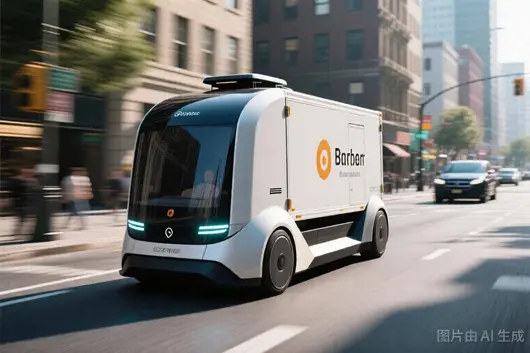
OwlAuto Report (ID:owlauto), In 2026, the IPO wave of autonomous driving enterprises is surging, but market evaluation of companies has tended towards rationality, and commercialization capability has become a core consideration. Against this backdrop, the unmanned logistics vehicle sector has stood out with a clear business model, becoming the autonomous driving commercialization direction most favored by capital and the market. Among them, the four companies Cainiao Unmanned Vehicle, NewStone, White Rhino, and Jiushi - established successively between 2015 and 2021 - are known in the industry as the "Four Little Dragons" of unmanned logistics vehicles.
Reviewing the growth journey of the "Four Little Dragons", they each have distinct characteristics. Cainiao Unmanned Vehicle started earliest, establishing the ET Lab in 2015, launching "Little Donkey" in 2020 and deploying it on a large scale in campuses and communities, with cumulative deliveries exceeding 1 million orders, and was strategically integrated with Jiushi in 2023, showcasing ten years of accumulation leading to rapid growth. NewStone was founded in 2018 by Yu Enyuan with a logistics hardware background; after encountering setbacks on the "Mobile Container" route early on, it transformed and accumulated early customers with the X3, X6. White Rhino founder Zhu Lei possesses Baidu autonomous driving DNA, founded in 2019 directly entered instant delivery, received investment from SF Express and Xinyuan Motors, and steadily advanced in express delivery connection scenarios. The latest entrant Jiushi, its core team comes from Baidu Apollo, Waymo, expanded rapidly after being established in 2021, the fleet rose from 200 units at the beginning of 2023 to 2,000 units in 2024, reaching 20,000 units after integration with Cainiao, demonstrating strong upward momentum.
Among them, Jiushi is undoubtedly a highly explosive player. In 2023, it released the world's first Robovan — Z5, breaking the industry's fixed perception of unmanned vehicles as "small, low-speed, closed scenarios" with 5 cubic meters volume, nearly 1 ton load, and 40km/h speed. Before that, Cainiao Little Donkey cargo box was only 2 cubic meters, 20km/h; NewStone X3 Plus was only 2.4 cubic meters, and White Rhino R3 was also only 3 cubic meters. Jiushi tore open a market gap with the Robovan category, subsequently launched Z8, Z10, and heavy-load L series, after which Cainiao, NewStone, and White Rhino also followed suit, all launching models exceeding 5 cubic meters in 2025, and the industry entered a stage of scaled competition.
And 2025 also became a year of significant growth in fleet size for each company. Jiushi operates over 7,000 units in more than 300 cities nationwide; cumulative deliveries exceeded 20,000 units after integration with Cainiao. Cumulative sales of 5+ cubic meter models exceeded 25,000 units, accounting for nearly 70% of Robovan investments among mainstream express companies like ZTO and YTO. It also won all bidding segments for China Post's 7,000 unit procurement project and operates in overseas markets including UAE, Malaysia, and Singapore. NewStone cumulative deliveries exceeded 17,000 units, co-launching the world's first "Robovan-as-a-Service" model with Didi. White Rhino covers nine business scenarios under deep empowerment from SF Express. After the merger of Cainiao Unmanned Vehicle and Jiushi, a "Super Carrier" was formed, possessing the world's largest Robovan fleet, with delivery volume exceeding the sum of all other enterprises.
In 2026, the "Four Little Dragons" landscape has evolved into a "one super, many strong" structure. With the merger of Cainiao and Jiushi, industry concentration has significantly increased, and the implementation of map-less technology will become a new competitive watershed. Jiushi, NewStone, and White Rhino all plan to launch map-less autonomous driving technology this year, which will significantly reduce deployment costs and accelerate scaled implementation. The influx of new players such as Desay SV, Momenta, and Dreame, along with the ecosystem deepening of giants like JD and Meituan, is further revitalizing this market. Robovan is no longer a distant concept product; how its future development prospects will unfold and how the capital story will be written is worth waiting for.