Hyundai has revealed UK pricing for the Ioniq 3, its new electric hatchback designed specifically for the European market.
Starting at £22,245 (~HK$223,000), the Ioniq 3 undercuts many of the assumptions around well-equipped Korean EVs and goes straight up against popular small electric cars such as the Renault 5 and the upcoming Volkswagen ID. Polo.
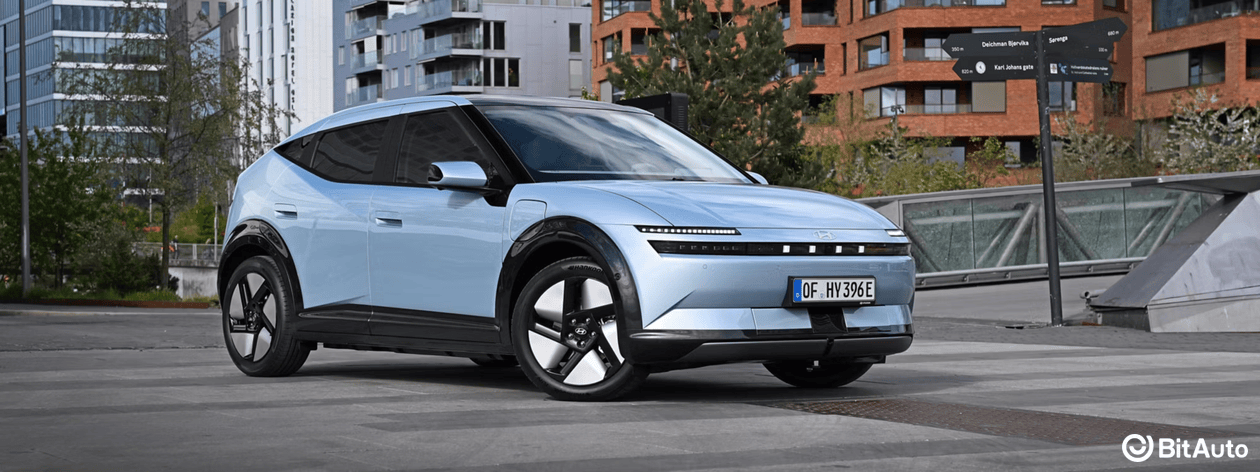
The entry-level Standard Range starts from £22,245 (~HK$223,000), while the Advance Long Range is priced from £25,745 (~HK$275,000). Buyers can also benefit from a £1,500 EV grant in the UK, bringing the effective cost down further.
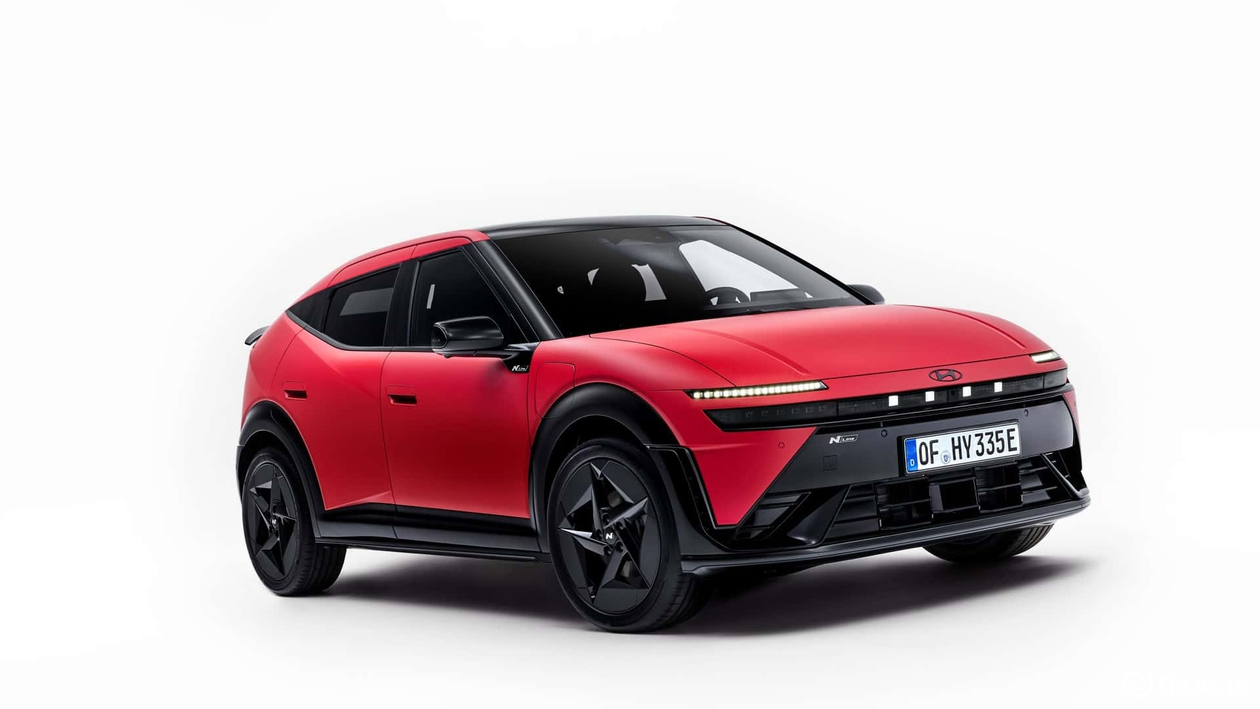
The Ioniq 3 is a new EV developed specifically for Europe and built locally. Hyundai describes it as an "Aero Hatch", with dimensions sitting somewhere between the Volkswagen Polo and Golf.
It is also taller than the Hyundai i20, giving it a footprint that sits somewhere between the traditional small hatchback and larger family car.
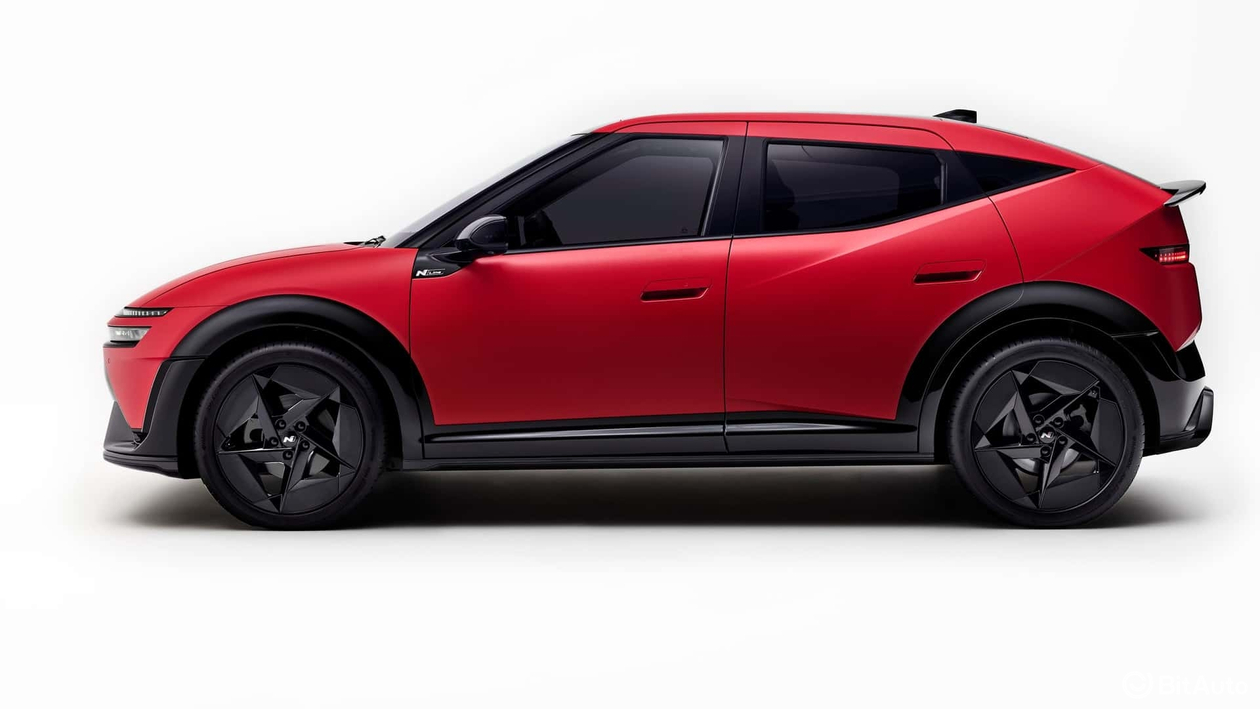
Design is one of the Ioniq 3's main talking points.
It combines the sporty character of the Veloster with the cleaner, more sophisticated lines of the Genesis GV60, while introducing Hyundai's new Art of Steel design philosophy for the first time.
The pronounced shoulder line and flowing bonnet creases give the bodywork a sculpted appearance, with the metal-like surfaces appearing to wrap tightly around the car.
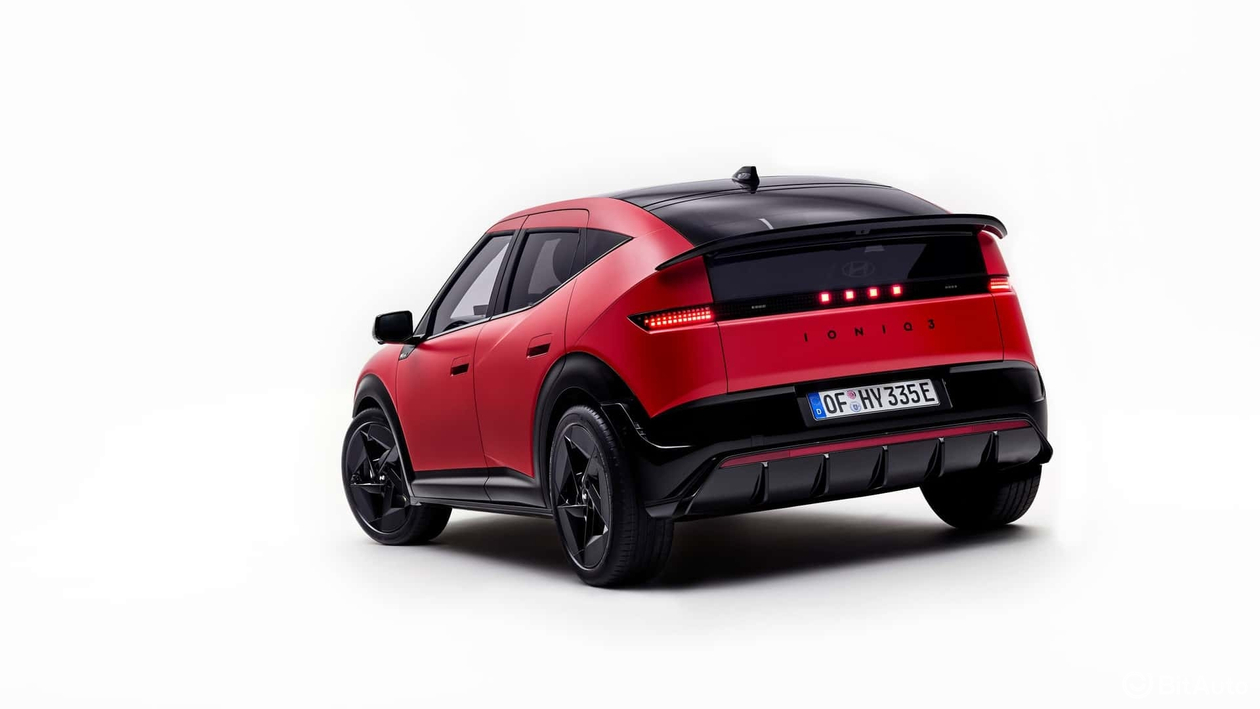
Hyundai's Parametric Pixel lighting is used at both ends, with the four-point light arrangement forming an "H" pattern inspired by Morse code.
At the rear, the Ioniq 3 gets an upswept spoiler and sloping roofline. The sportier N Line version adds an extended spoiler, unique front and rear bumpers, a sports diffuser and gloss-black trim for a more aggressive look.
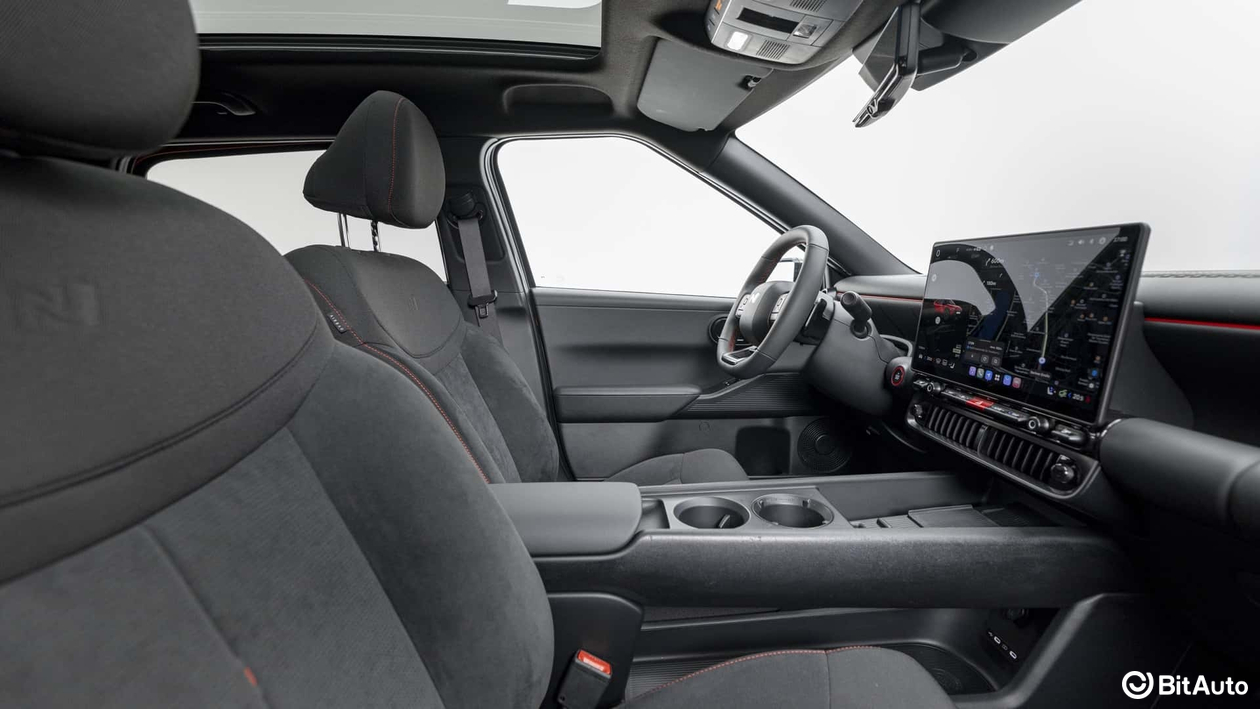
Despite its coupe-like roofline, the Ioniq 3 makes good use of its dedicated EV platform to maximise cabin space.
Hyundai has created additional headroom for rear passengers by recessing part of the headliner, while the flat floor helps create a relatively spacious cabin for five.
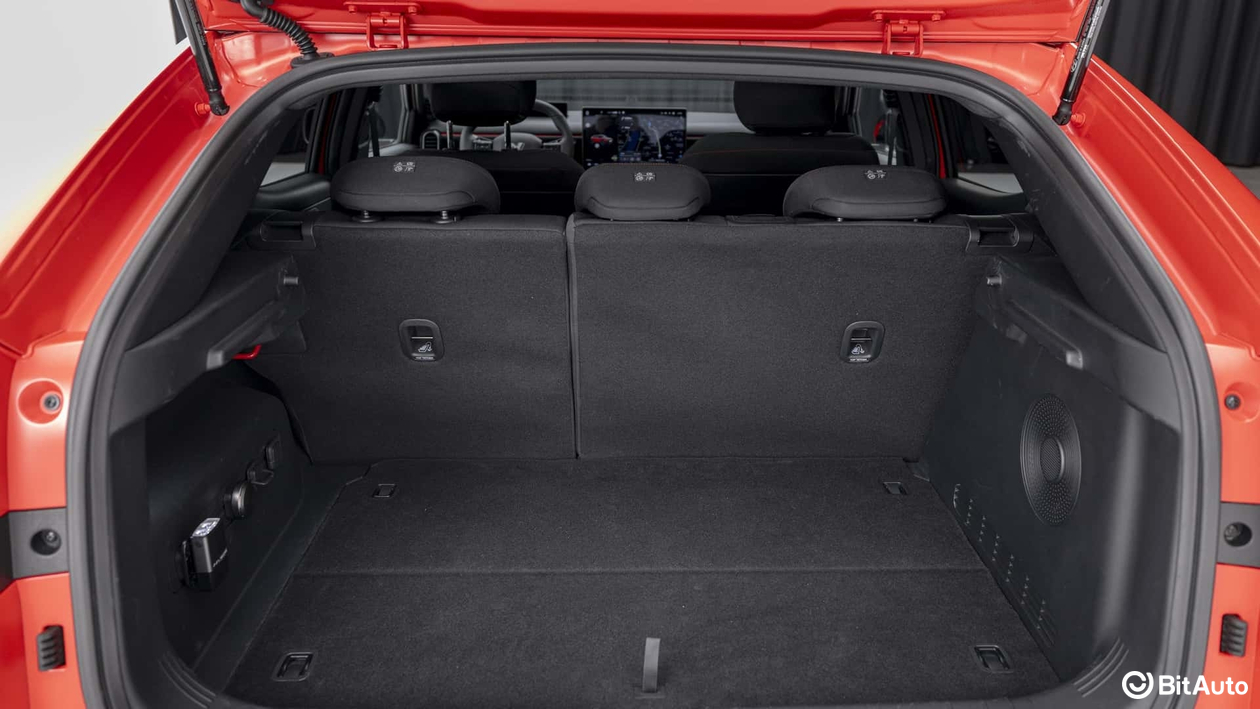
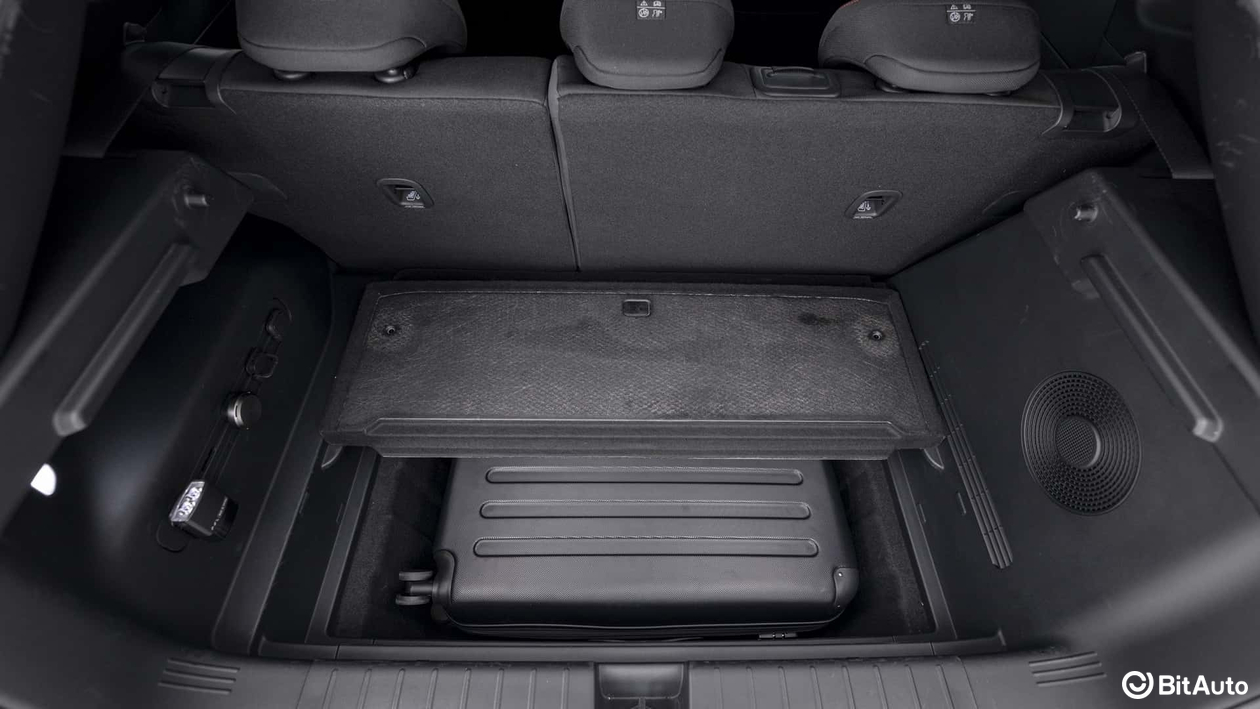
There is also a deep storage compartment beneath the boot floor, large enough to take a sizeable piece of luggage. It adds some useful extra storage space in a segment where boot capacity can often be a compromise.
Under the skin, the Ioniq 3 uses Hyundai Motor Group's E-GMP electric vehicle platform. To keep costs in check for the mass market, it adopts a 400V electrical architecture and shares a number of key technologies with the Kia EV2.
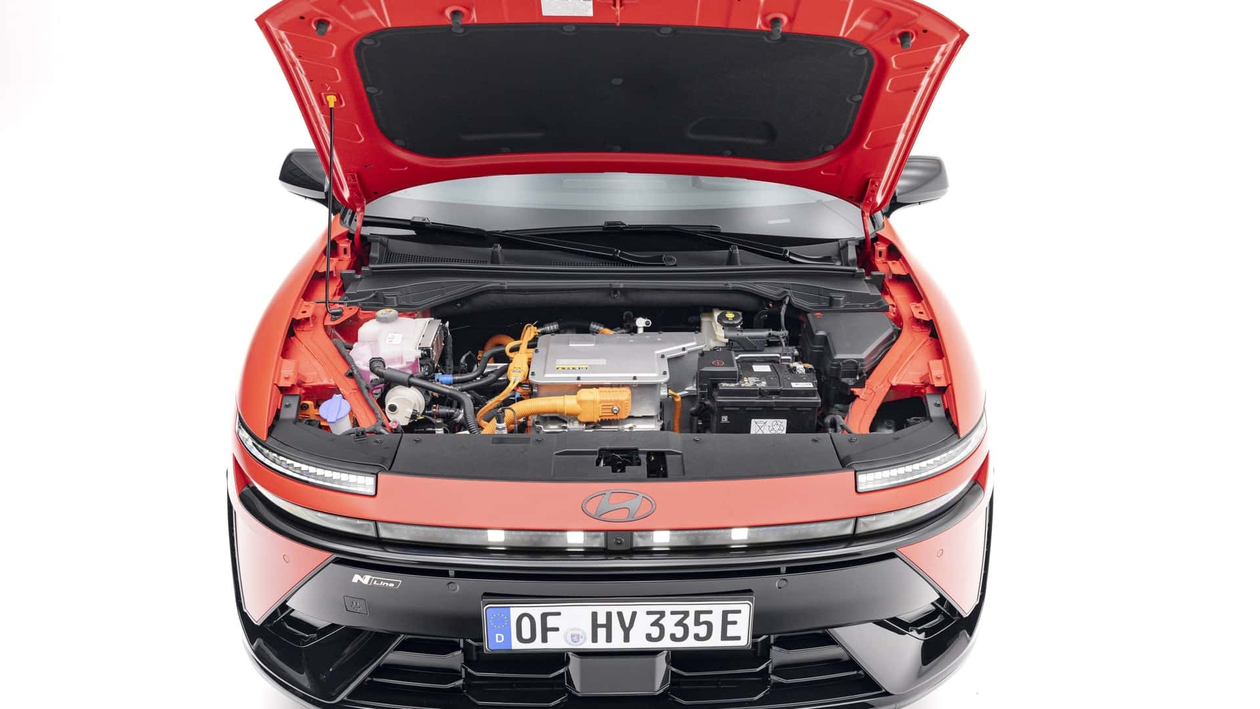
Two powertrain options are available.
The Standard Range uses a 42.2kWh battery and produces 145PS, with a 0-100km/h time of 9.0 seconds and a claimed range of around 344km.
The Long Range version gets a larger 61kWh battery and produces 133PS. It takes 9.6 seconds to reach 100km/h, but offers a much longer claimed range of 495km.
For charging, the Ioniq 3 supports up to 127kW DC fast charging, taking less than 30 minutes to charge from 10% to 80%.
An 11kW AC charger is standard, while a 22kW AC charger is available as an option, giving owners another way to cut charging times at home or at compatible public chargers.
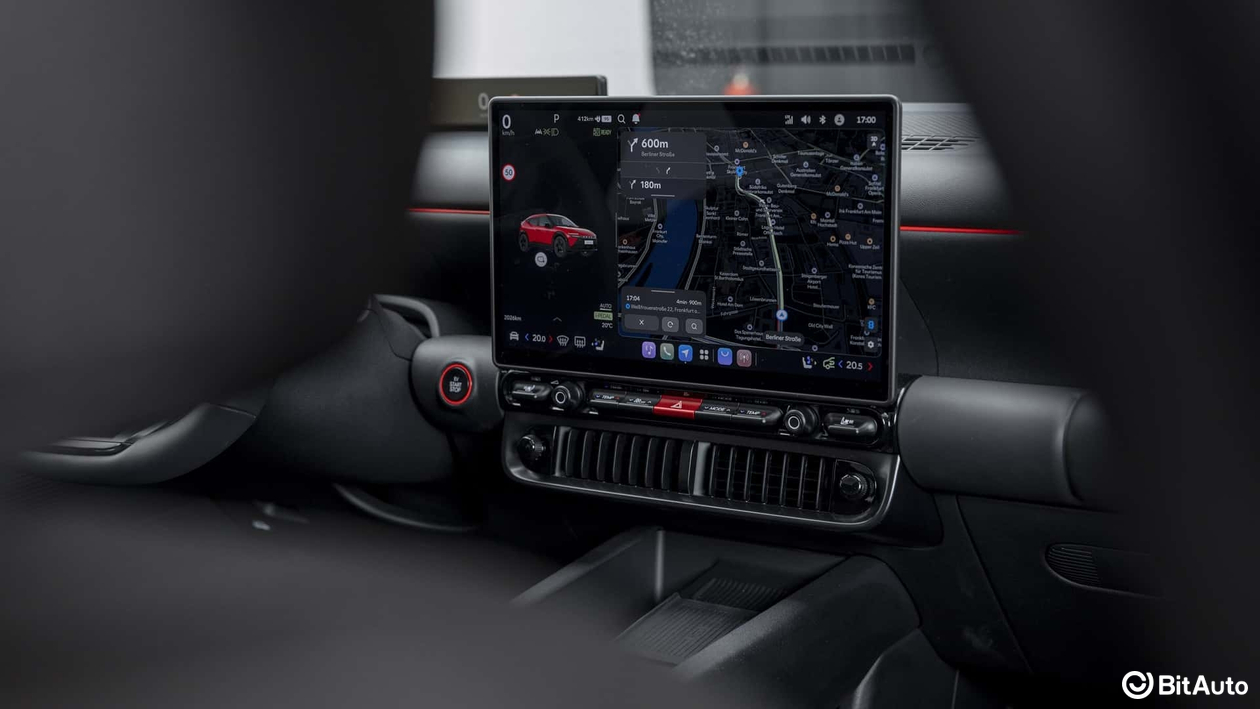
The Ioniq 3 also marks Hyundai's next step in in-car technology.
It is the first Hyundai model in Europe to introduce the Pleos Connect infotainment system, which is based on a heavily customised version of Android Automotive. Two centre-screen sizes are available, measuring 12.9 inches and 14.6 inches.
The range is split across several trim levels, including the entry-level Advance, followed by Premium and Ultimate variants with the 61kWh battery. At the top of the line sits the sporty N Line Evo, giving buyers a choice between a more affordable everyday EV, a higher-spec technology-focused model and a sportier version.
Web: http://www.bitauto.hk/
YouTube: http://www.youtube.com/@bitautohk
Facebook: https://www.facebook.com/bitautohongkong/


香港汽車內容平台 🚗 新車・買車・玩車・用車 用香港視角,睇世界嘅車
+ Follow 【新車速報】Skyline 真係要返嚟喇!Nissan CEO:新一代12月登場
等咗咁耐,Skyline 終於有新消息!Nissan CEO Ivan Espinosa 接受《朝日新聞》專訪時透露,新一代 Skyline 將於今年12月亮相,亦係 Nissan 加快新車開發嘅代表作。
新車開發周期縮短至約 26個月,並利用生成式 AI、數碼模擬等工具加快開發流程。Nissan 官方亦已將 Skyline 列入 Heartbeat 車系,代表品牌工程技術、駕駛性能與情感。
至於動力、規格同最終量產設計,目前仍未全面公開。今次 Skyline 回歸,你最期待保留邊樣經典元素?
#Nissan #Skyline #新車速報 #BitAutoHongKong 1小时前
【新車速報】Skyline 真係要返嚟喇!Nissan CEO:新一代12月登場
等咗咁耐,Skyline 終於有新消息!Nissan CEO Ivan Espinosa 接受《朝日新聞》專訪時透露,新一代 Skyline 將於今年12月亮相,亦係 Nissan 加快新車開發嘅代表作。
新車開發周期縮短至約 26個月,並利用生成式 AI、數碼模擬等工具加快開發流程。Nissan 官方亦已將 Skyline 列入 Heartbeat 車系,代表品牌工程技術、駕駛性能與情感。
至於動力、規格同最終量產設計,目前仍未全面公開。今次 Skyline 回歸,你最期待保留邊樣經典元素?
#Nissan #Skyline #新車速報 #BitAutoHongKong 1小时前  【新車速報】升頂 30 秒!小米澎程變身兩房一廳
今集直擊小米全新SUV系列「澎程」(SKYNOMAD)三款實車!N70大五座、N90大七座,同埋最特別嘅探索版—電動升頂30秒自帶「兩房一廳」,變身雙人床模式,家庭露營氛圍拉滿。內地預售20.99萬起,探索版29.99萬起。
#小米澎程 #新車速報 #BitAutoHongKong 1天前
【新車速報】升頂 30 秒!小米澎程變身兩房一廳
今集直擊小米全新SUV系列「澎程」(SKYNOMAD)三款實車!N70大五座、N90大七座,同埋最特別嘅探索版—電動升頂30秒自帶「兩房一廳」,變身雙人床模式,家庭露營氛圍拉滿。內地預售20.99萬起,探索版29.99萬起。
#小米澎程 #新車速報 #BitAutoHongKong 1天前  【新車速報】Tesla Roadster再延期!10月15日再見?
原定10月1日舉行嘅第二代 Tesla Roadster 活動,因預測有惡劣天氣,加上活動只能喺戶外進行,官方宣布改至 10月15日。
等多兩星期,似乎都有嘢值得期待。據最新披露資料,新一代 Roadster 搭載 200kWh電池+三電機四驅,0-100km/h約 2.1秒、極速超過 400km/h,續航達 1,000km。
至於 Tesla 一直提到嘅 SpaceX推進器套件,據悉更可將加速提升至 1.1秒級,甚至有機會做到短時間「懸浮」,但 Tesla 暫未確認今次會否示範。
由2017年原型車亮相至今,第二代 Roadster 已經等咗接近9年。10月15日,今次終於見到新Roadster?�#Tesla #TeslaRoadster #Roadster #新車速報 #BitAutoHongKong 2天前
【新車速報】Tesla Roadster再延期!10月15日再見?
原定10月1日舉行嘅第二代 Tesla Roadster 活動,因預測有惡劣天氣,加上活動只能喺戶外進行,官方宣布改至 10月15日。
等多兩星期,似乎都有嘢值得期待。據最新披露資料,新一代 Roadster 搭載 200kWh電池+三電機四驅,0-100km/h約 2.1秒、極速超過 400km/h,續航達 1,000km。
至於 Tesla 一直提到嘅 SpaceX推進器套件,據悉更可將加速提升至 1.1秒級,甚至有機會做到短時間「懸浮」,但 Tesla 暫未確認今次會否示範。
由2017年原型車亮相至今,第二代 Roadster 已經等咗接近9年。10月15日,今次終於見到新Roadster?�#Tesla #TeslaRoadster #Roadster #新車速報 #BitAutoHongKong 2天前 Get the latest car news first!
【新車速報】Skyline 真係要返嚟喇!Nissan CEO:新一代12月登場
等咗咁耐,Skyline 終於有新消息!Nissan CEO Ivan Espinosa 接受《朝日新聞》專訪時透露,新一代 Skyline 將於今年12月亮相,亦係 Nissan 加快新車開發嘅代表作。
新車開發周期縮短至約 26個月,並利用生成式 AI、數碼模擬等工具加快開發流程。Nissan 官方亦已將 Skyline 列入 Heartbeat 車系,代表品牌工程技術、駕駛性能與情感。
至於動力、規格同最終量產設計,目前仍未全面公開。今次 Skyline 回歸,你最期待保留邊樣經典元素?
#Nissan #Skyline #新車速報 #BitAutoHongKong 1小时前 【新車速報】升頂 30 秒!小米澎程變身兩房一廳
今集直擊小米全新SUV系列「澎程」(SKYNOMAD)三款實車!N70大五座、N90大七座,同埋最特別嘅探索版—電動升頂30秒自帶「兩房一廳」,變身雙人床模式,家庭露營氛圍拉滿。內地預售20.99萬起,探索版29.99萬起。
#小米澎程 #新車速報 #BitAutoHongKong 1天前 【新車速報】Tesla Roadster再延期!10月15日再見?
原定10月1日舉行嘅第二代 Tesla Roadster 活動,因預測有惡劣天氣,加上活動只能喺戶外進行,官方宣布改至 10月15日。
等多兩星期,似乎都有嘢值得期待。據最新披露資料,新一代 Roadster 搭載 200kWh電池+三電機四驅,0-100km/h約 2.1秒、極速超過 400km/h,續航達 1,000km。
至於 Tesla 一直提到嘅 SpaceX推進器套件,據悉更可將加速提升至 1.1秒級,甚至有機會做到短時間「懸浮」,但 Tesla 暫未確認今次會否示範。
由2017年原型車亮相至今,第二代 Roadster 已經等咗接近9年。10月15日,今次終於見到新Roadster?�#Tesla #TeslaRoadster #Roadster #新車速報 #BitAutoHongKong 2天前  BAWToyotaBYDZeekrGACDongfengXPengMGMaxusLeapmotorDenzaIMiCAURDeepalWulingOraJuneyao AutoKYCSkyworthAvatrFotonFordGeelyHongqiJAECOOKGMOMODADFSKTeslaHondaBMWMercedes-BenzsmartMINIPorscheNissanLexusSuzukiVolvoSubaruMazdaKiaHyundaiLand RoverRolls-RoyceFerrariAudiLamborghiniRiddaraSeresFarizonfireflyLingboxKaiyiVoyahHIMAM-HeroIsuzuBentleyPolestarMcLarenMitsubishiMaseratiPeugeotAston MartinAcuraJeepJaguarLotusVolkswagenEpiclandJACLepasLi
© 2024 Bitauto.com. All Rights Reserved.
Bitauto (www.yiche.com and www.bitauto.com) is one of the most visited automotive websites in China. We provide detailed info on Chinese car brands available in your area. Please note that the information provided on this website is based on publicly available data and is for reference only. It may not be fully updated or accurate at all times.
Help us improve our website


