
Search History
Popular Searches
English
Dealer Login / Sign Up
A set of highly detailed renders of the all‑new BMW X6 have surfaced online, offering a first glimpse at the fourth generation of the luxury coupe SUV that pioneered the segment. According to sources, the new X6 (chassis code G66) is scheduled to begin production in April 2028, marking the model‘s first ever pure electric variant, the iX6 (G96). A high‑performance X6 M will also debut alongside the petrol and electric versions—a “three‑pronged” strategy covering all powertrain options within a single product cycle.
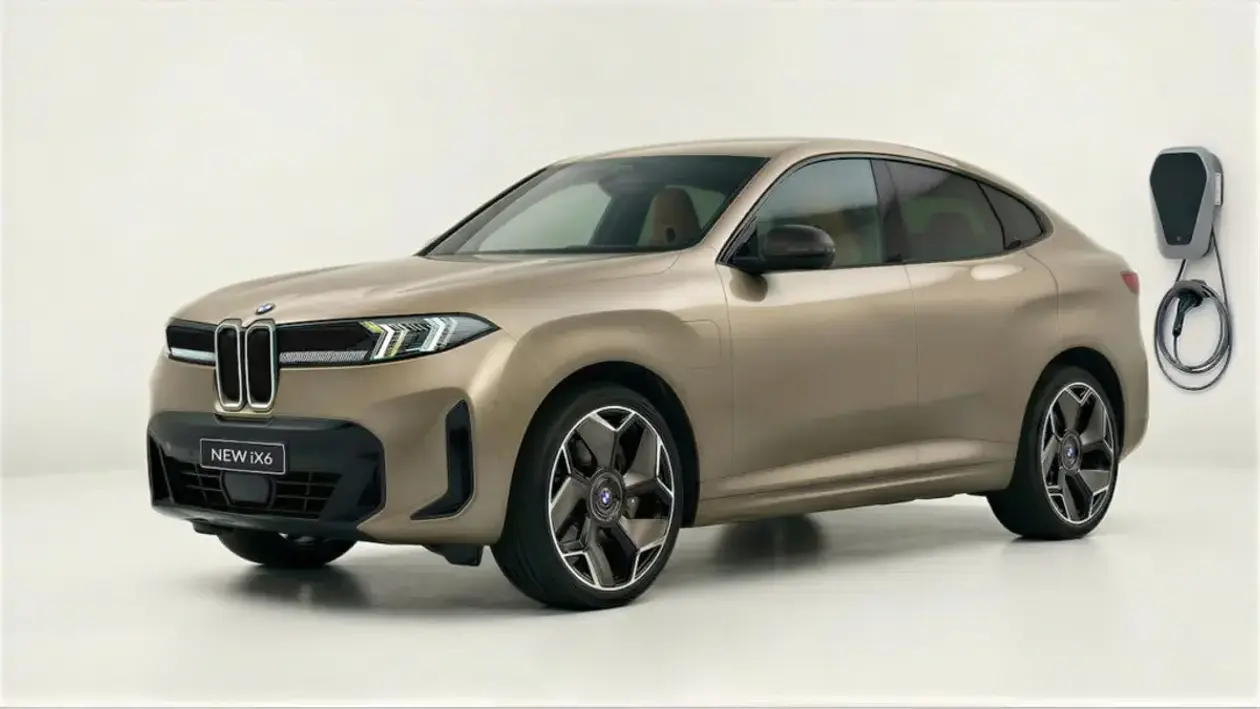
Visually, the new X6 adopts BMW’s “Neue Klasse” design language while reinforcing its iconic coupe SUV silhouette. The front end retains the signature kidney grille and angel‑eye headlights, now with integrated LED contour lighting to create a distinctive “angel wing” face. The iX6 will feature a closed‑off grille to emphasise its electric identity. The side profile preserves the trademark fastback roofline, with re‑sculpted A‑pillar angle, roof curvature and D‑pillar thickness for a more muscular stance. Drag coefficient is reportedly as low as 0.31Cd. Aerodynamics are further improved with hidden door handles and slimmer light units. Wheelbase is expected to be approximately 2,970mm, with overall length close to 4,900mm, while some data suggests dimensions may reach 4,980/2,010/1,705mm with a 3,010mm wheelbase.
Inside, the new X6 will feature BMW‘s latest “Hyper‑Sensory Smart Cockpit”, including a Panoramic Vision display that projects key information across the lower section of the windscreen. The iDrive X system offers a redesigned user interface with faster response times, while a new front passenger entertainment screen becomes standard. Physical buttons are significantly reduced, resulting in a cleaner, more futuristic cabin environment.
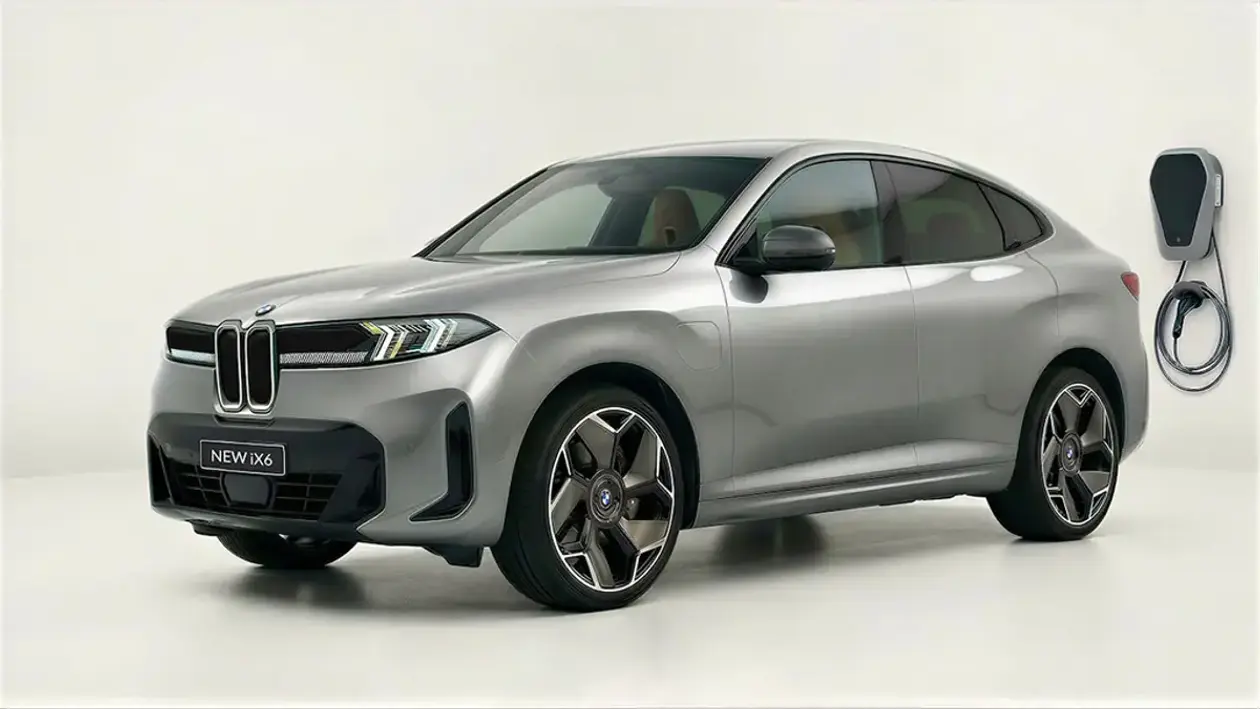
Underpinning the new X6 family is an upgraded CLAR platform—not the pure‑electric Neue Klasse architecture—but BMW will extensively integrate Neue Klasse technologies into the existing structure. This pragmatic approach allows the petrol X6, high‑performance X6 M and pure electric iX6 to be built on the same production line. The iX6 will feature BMW‘s sixth‑gen eDrive technology with an 800V architecture. Single‑motor versions are expected to deliver approximately 200kW, while dual‑motor all‑wheel‑drive variants could exceed 400kW. Next‑gen large cylindrical battery cells are likely to push capacity beyond 100kWh, targeting over 600km of CLTC range, with high‑spec versions potentially reaching 900km.
The petrol X6 continues with straight‑six and V8 engines paired with an 8‑speed automatic and xDrive all‑wheel drive, covering a power range of 250‑390kW. 48V mild‑hybrid technology will be standard across petrol variants. Contrary to earlier speculation that the next X6 might skip plug‑in hybrids, the full powertrain lineup is now rumoured to include 2.0T/3.0T petrol, 48V mild‑hybrid, plug‑in hybrid and the pure electric iX6, with standard air suspension and all‑wheel steering across all variants.
Production will take place at BMW’s Spartanburg plant in South Carolina, the company‘s largest single manufacturing site globally. BMW has already invested USD 1 billion to expand the facility and build a USD 700 million battery plant to support the next‑gen models.
With the production start still about two years away, the images currently available are renders rather than official spy shots or production‑ready vehicles. The first cars are not expected to reach customers until the second half of 2028, with the Chinese market likely to see them in late 2028 or early 2029. Key rivals include the Porsche Cayenne Coupe and Mercedes‑Benz GLE Coupe. For luxury coupe SUV buyers, the all‑new X6 family represents one of the most highly anticipated arrivals in the segment.

香港汽車內容平台 🚗 新車・買車・玩車・用車 用香港視角,睇世界嘅車
+ Follow 【新車速報】兩座車又殺返嚟?smart精靈#2今次有啲料喎
鍾意細車嘅香港車迷留意!全新 smart 精靈#2 配置公布,採用 ECA 電動緊湊型架構,搭載 35.8kWh 磷酸鐵鋰電池,CLTC 續航 410km,30%-80% 快充最快15分鐘。
車長約 2.75米、轉彎半徑僅3.35米,仲有前麥弗遜+後五連桿獨立懸架;安全配備最多7個氣袋及 ACC、盲區監測等功能。
0-50km/h 3.8秒,10月12日巴黎車展全球首發!
兩座純電+細車身,放落香港街道會唔會幾對味?
#smart #smart精靈2 #純電車 #BitAutoHongKong 2小时前
【新車速報】兩座車又殺返嚟?smart精靈#2今次有啲料喎
鍾意細車嘅香港車迷留意!全新 smart 精靈#2 配置公布,採用 ECA 電動緊湊型架構,搭載 35.8kWh 磷酸鐵鋰電池,CLTC 續航 410km,30%-80% 快充最快15分鐘。
車長約 2.75米、轉彎半徑僅3.35米,仲有前麥弗遜+後五連桿獨立懸架;安全配備最多7個氣袋及 ACC、盲區監測等功能。
0-50km/h 3.8秒,10月12日巴黎車展全球首發!
兩座純電+細車身,放落香港街道會唔會幾對味?
#smart #smart精靈2 #純電車 #BitAutoHongKong 2小时前  【揀車有路數】日產新車賣比亞迪價?仲有激光雷達
今集試一台好特別嘅日產新車——NX8,中國特供增程SUV。外觀似熟悉嘅日產味,但內籠同科技配備竟然唔晒傳統日產套路,駕乘感受又有幾多轉變?到底仲係咪你認識嗰部日產?一齊試畀你睇。
#日產 #NX8 #增程 #BitAutoHongKong #揀車有路數 1天前
【揀車有路數】日產新車賣比亞迪價?仲有激光雷達
今集試一台好特別嘅日產新車——NX8,中國特供增程SUV。外觀似熟悉嘅日產味,但內籠同科技配備竟然唔晒傳統日產套路,駕乘感受又有幾多轉變?到底仲係咪你認識嗰部日產?一齊試畀你睇。
#日產 #NX8 #增程 #BitAutoHongKong #揀車有路數 1天前  【新車速報】T-Top 回歸?Nissan Z Kaze 概念車現身!
90年代 JDM 味返晒嚟?Nissan 最近喺美國 ZCON 公開 Z Kaze 概念車,以現款 Nissan Z 為基礎,換上全新 T-Top 可拆式車頂,向經典 300ZX 等 Z 系列致敬。
配合碳纖維空力套件、NISMO LMGT2 18吋輪圈,以及 GReddy 排氣、進氣同 intercooler 升級,成部車都充滿 JDM 改裝味。
「Kaze」即係日文「風」,而呢部車係 one-off 概念作品,並非量產車。10月3日仲會現身加州長灘 Japanese Classic Car Show。
如果 T-Top Z 真係量產,你會唔會心動?
#NissanZ #ZKaze #TTop #JDM #BitAutoHongKong 1天前
【新車速報】T-Top 回歸?Nissan Z Kaze 概念車現身!
90年代 JDM 味返晒嚟?Nissan 最近喺美國 ZCON 公開 Z Kaze 概念車,以現款 Nissan Z 為基礎,換上全新 T-Top 可拆式車頂,向經典 300ZX 等 Z 系列致敬。
配合碳纖維空力套件、NISMO LMGT2 18吋輪圈,以及 GReddy 排氣、進氣同 intercooler 升級,成部車都充滿 JDM 改裝味。
「Kaze」即係日文「風」,而呢部車係 one-off 概念作品,並非量產車。10月3日仲會現身加州長灘 Japanese Classic Car Show。
如果 T-Top Z 真係量產,你會唔會心動?
#NissanZ #ZKaze #TTop #JDM #BitAutoHongKong 1天前 Get the latest car news first!
【新車速報】兩座車又殺返嚟?smart精靈#2今次有啲料喎
鍾意細車嘅香港車迷留意!全新 smart 精靈#2 配置公布,採用 ECA 電動緊湊型架構,搭載 35.8kWh 磷酸鐵鋰電池,CLTC 續航 410km,30%-80% 快充最快15分鐘。
車長約 2.75米、轉彎半徑僅3.35米,仲有前麥弗遜+後五連桿獨立懸架;安全配備最多7個氣袋及 ACC、盲區監測等功能。
0-50km/h 3.8秒,10月12日巴黎車展全球首發!
兩座純電+細車身,放落香港街道會唔會幾對味?
#smart #smart精靈2 #純電車 #BitAutoHongKong 2小时前 【揀車有路數】日產新車賣比亞迪價?仲有激光雷達
今集試一台好特別嘅日產新車——NX8,中國特供增程SUV。外觀似熟悉嘅日產味,但內籠同科技配備竟然唔晒傳統日產套路,駕乘感受又有幾多轉變?到底仲係咪你認識嗰部日產?一齊試畀你睇。
#日產 #NX8 #增程 #BitAutoHongKong #揀車有路數 1天前 【新車速報】T-Top 回歸?Nissan Z Kaze 概念車現身!
90年代 JDM 味返晒嚟?Nissan 最近喺美國 ZCON 公開 Z Kaze 概念車,以現款 Nissan Z 為基礎,換上全新 T-Top 可拆式車頂,向經典 300ZX 等 Z 系列致敬。
配合碳纖維空力套件、NISMO LMGT2 18吋輪圈,以及 GReddy 排氣、進氣同 intercooler 升級,成部車都充滿 JDM 改裝味。
「Kaze」即係日文「風」,而呢部車係 one-off 概念作品,並非量產車。10月3日仲會現身加州長灘 Japanese Classic Car Show。
如果 T-Top Z 真係量產,你會唔會心動?
#NissanZ #ZKaze #TTop #JDM #BitAutoHongKong 1天前  BAWToyotaBYDZeekrGACDongfengXPengMGMaxusLeapmotorDenzaIMiCAURDeepalWulingOraJuneyao AutoKYCSkyworthAvatrFotonFordGeelyHongqiJAECOOKGMOMODADFSKTeslaHondaBMWMercedes-BenzsmartMINIPorscheNissanLexusSuzukiVolvoSubaruMazdaKiaHyundaiLand RoverRolls-RoyceFerrariAudiLamborghiniRiddaraSeresFarizonfireflyLingboxKaiyiVoyahHIMAM-HeroIsuzuBentleyPolestarMcLarenMitsubishiMaseratiPeugeotAston MartinAcuraJeepJaguarLotusVolkswagenEpiclandJACLepasLi
 © 2024 Bitauto.com. All Rights Reserved.
Bitauto (www.yiche.com and www.bitauto.com) is one of the most visited automotive websites in China. We provide detailed info on Chinese car brands available in your area. Please note that the information provided on this website is based on publicly available data and is for reference only. It may not be fully updated or accurate at all times.
Help us improve our website


