
Search History
Popular Searches
English
Dealer Login / Sign Up
The 2026 Beijing Auto Show has officially kicked off, and among the most anticipated debuts is the all-new Li Auto L9 Livis. Presented as the flagship of the brand's next-generation lineup, the L9 Livis represents a bold leap forward in electric vehicle engineering, combining native flagship design with a suite of in-house developed technologies. The unveiling took place on the opening day of the show, drawing crowds of automotive enthusiasts, industry analysts, and global media representatives to the Li Auto booth.

The most headline-grabbing feature of the new L9 Livis is the integration of the self-developed Mahe 100 chip. Li Auto claims that two of these 5nm processors deliver effective computing power three times that of NVIDIA's Thor-U. This extraordinary level of processing capability is designed to support a comprehensive suite of advanced driver-assistance systems and in-car AI features. The chip powers a full 360-degree LiDAR array, which includes side-mounted solid-state units, ensuring seamless environmental perception around the vehicle.
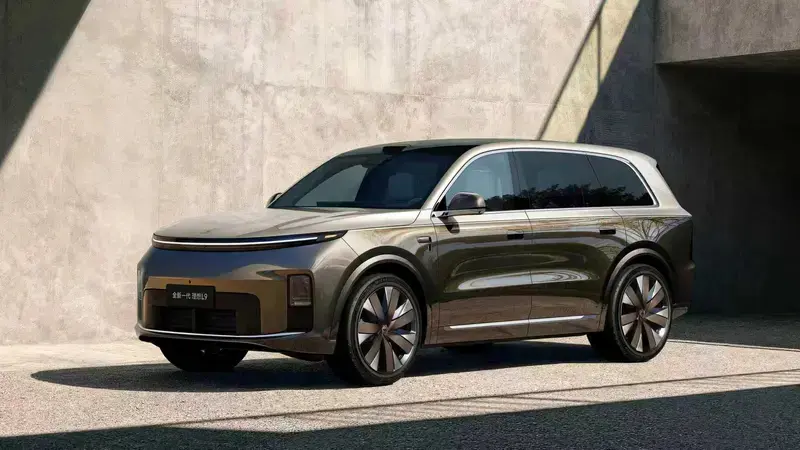
From a design perspective, the new L9 Livis remains unmistakably a Li Auto model, retaining the highly recognizable family design language. However, the company has elevated the visual appeal with a custom two-tone paint option, achieved through a triple-layer paint process and hand-polished to a seamless finish. The front fascia is dominated by ABB pixel headlights and a three-color star-ring light strip, giving the vehicle a futuristic and commanding presence on the road.

Moving to the side profile, the L9 Livis features sharp, flowing body lines and massive 22-inch wheels. The integration of the side-mounted solid-state LiDAR units is particularly noteworthy, as they are seamlessly blended into the bodywork, maintaining aerodynamic efficiency while enhancing the vehicle's sensory capabilities. The overall design philosophy balances luxury with technological aggression, a combination that is likely to appeal to affluent buyers seeking both status and innovation.
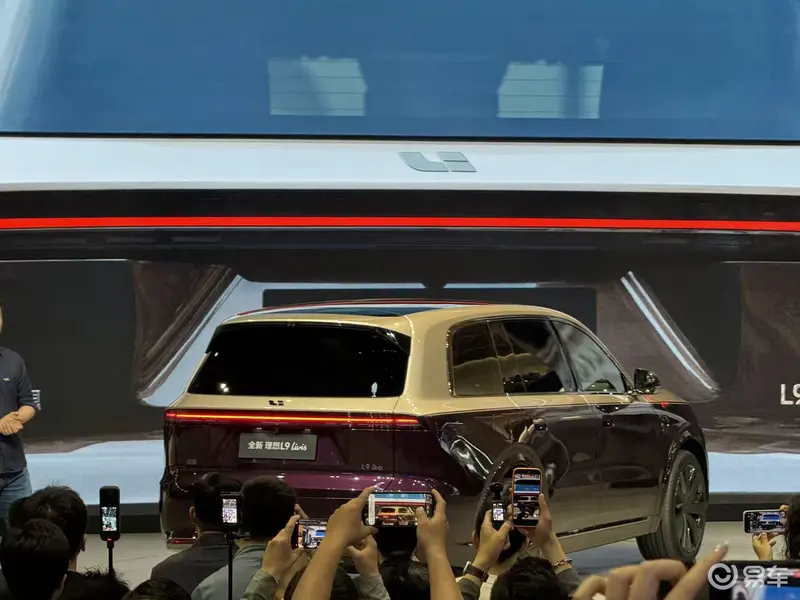
Underneath the skin, the L9 Livis introduces what Li Auto calls the world's first "complete" full-wire chassis. This system incorporates steer-by-wire, four-wheel steering, and the world's first fully electronic mechanical braking (EMB) system. The steering, braking, and electric drive systems are designed with multi-layered cross-redundancy, enabling what the company describes as "instinct-level" response times. This represents a fundamental shift from a driver-centric native architecture to a human-machine co-driving native architecture, allowing for near-telepathic vehicle control.
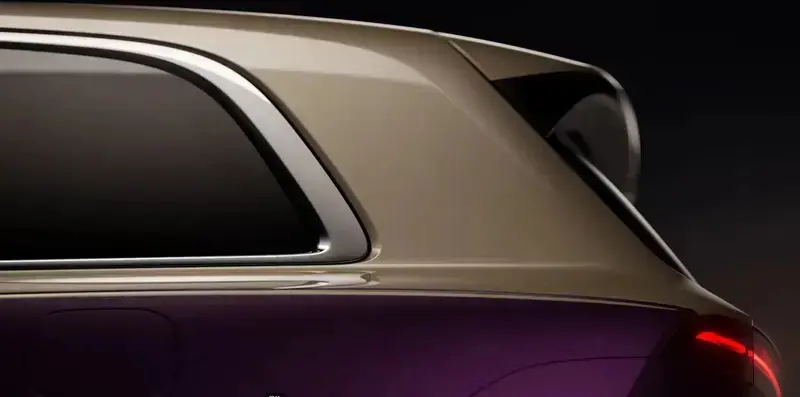
The suspension system is equally revolutionary. The L9 Livis is equipped with an 800V fully active suspension system, with each wheel capable of generating over 10,000 Newtons of lift force. This eliminates the need for a traditional anti-roll bar, while the system's millisecond-level response time allows the vehicle to maintain a "anti-physics" body posture during aggressive maneuvers. This technology is expected to dramatically improve ride comfort and handling precision, setting new benchmarks in the full-size SUV segment.
Powertrain details were also a major focus of the announcement. The L9 Livis features the third-generation range-extender system, now paired with 5C ultra-fast charging capability. The battery pack has been upgraded to exceed 70 kWh, enabling a pure electric range of over 400 kilometers. This is a significant improvement over the previous generation, addressing one of the key concerns among range-extender EV buyers: limited electric-only range. The combination of a large battery and efficient range extender should give the L9 Livis a total range that rivals traditional gasoline-powered SUVs.
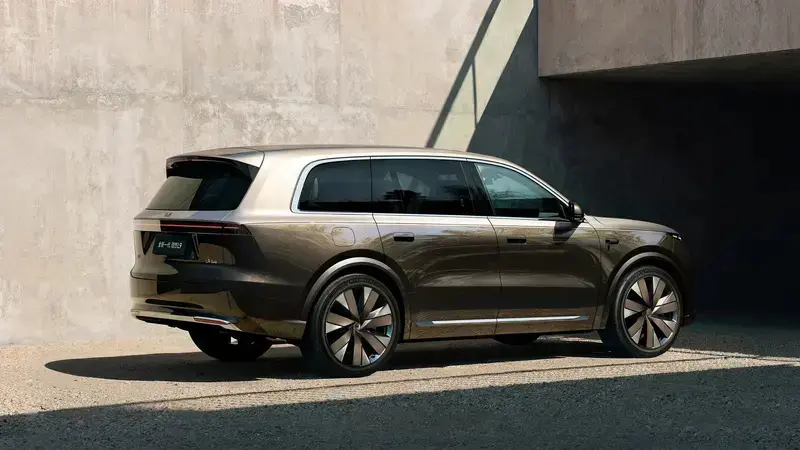
Li Auto officials confirmed that more detailed information about the vehicle will be released on May 15, with customer deliveries set to begin simultaneously. This aggressive timeline suggests that the company is confident in its production readiness and supply chain capabilities. The L9 Livis is expected to compete directly with other high-end electric SUVs, including offerings from NIO, Xpeng, and even the Mercedes-Benz EQS SUV.
The interior of the L9 Livis remains largely under wraps, but teaser images suggest a minimalist, high-tech cabin with multiple large screens and premium materials. Given Li Auto's history of focusing on family-oriented comfort, it is likely that the new model will offer significant second and third-row legroom, as well as advanced infotainment and connectivity features. The Mahe 100 chip is expected to power a seamless, multi-display interface that can handle everything from navigation to streaming video to real-time vehicle diagnostics.
From a strategic standpoint, the L9 Livis is a critical product for Li Auto. The company has been aggressively expanding its market presence, and the L9 has been a strong performer in the premium SUV segment. The Livis generation aims to solidify that position by offering technologies that are not yet available from competitors. The in-house chip development, in particular, is a bold move that mirrors strategies employed by Tesla and other major tech companies. By controlling its own silicon, Li Auto can optimize hardware-software integration and potentially reduce reliance on external suppliers.
Market reaction at the Beijing Auto Show has been overwhelmingly positive. Industry analysts have praised the vehicle's technological ambition, particularly the full-wire chassis and the advanced suspension system. However, some have raised questions about the real-world reliability of such complex systems, especially the steer-by-wire and brake-by-wire technologies. Li Auto is expected to address these concerns during the formal launch event in May.
Safety features are also expected to be a highlight. The 360-degree LiDAR coverage, combined with the powerful Mahe 100 chip, should enable a high level of autonomous driving capability. While full self-driving features remain under regulatory scrutiny in China, the hardware is clearly future-proofed for when regulations allow more advanced automation. The company has also teased the possibility of over-the-air updates that could enhance driving performance and safety features over time.
In terms of pricing, official figures have not been announced, but given the technological advancements and the premium positioning, the L9 Livis is expected to be priced higher than the current L9 model. Li Auto has positioned the vehicle as a "native flagship," suggesting that it will sit at the top of the brand's lineup, at least for the immediate future.
The 2026 Beijing Auto Show has served as the perfect platform for Li Auto's big reveal. With the global automotive industry shifting rapidly toward electrification and intelligent driving, the L9 Livis represents a clear statement of intent from one of China's most innovative automakers. The combination of in-house semiconductors, revolutionary chassis technology, and an improved range-extender system could make the Livis a benchmark vehicle for years to come.
As the show continues, all eyes will be on Li Auto's booth and the competitor responses that are sure to follow. For now, the L9 Livis stands as the most technologically ambitious vehicle unveiled at the event, and it sets a high bar for what a modern electric SUV can achieve. The coming weeks will reveal more details, but first impressions suggest that Li Auto has created something truly special.

香港汽車內容平台 🚗 新車・買車・玩車・用車 用香港視角,睇世界嘅車
+ Follow 【香港睇車地圖 】乜BMW而家咁好賣?入荃灣間鋪睇睇
今集去荃灣行BMW陳列室,睇晒兩位8月幫BMW衝上新車登記榜第三位嘅功臣——全新電動iX3同埋iX1長軸版。新鬼面設計、800V快充、長軸後排空間,到底有幾吸引?入去行個圈。
#BMW #iX3 #iX1 9小时前
【香港睇車地圖 】乜BMW而家咁好賣?入荃灣間鋪睇睇
今集去荃灣行BMW陳列室,睇晒兩位8月幫BMW衝上新車登記榜第三位嘅功臣——全新電動iX3同埋iX1長軸版。新鬼面設計、800V快充、長軸後排空間,到底有幾吸引?入去行個圈。
#BMW #iX3 #iX1 9小时前  【新車速報】BMW 3系換新樣!「四眼」前臉+Neue Klasse設計,你覺得靚唔靚?
全新第八代BMW 3系正式發布,換上Neue Klasse新世代設計語言,全新「四眼」燈組配長軸距、短前後懸,車尾就用上全新橫向L型燈帶。
燃油版保留實體格柵,並可選黃色M大燈。性能版M350 xDrive搭載3.0T直六+48V電機,443匹馬力,0-100km/h 4.1秒。
內櫳亦換上BMW全景iDrive及新世代操作系統X,未來仲會推出旅行版及M3。
香港車迷覺得今代3系新樣點?#BMW3Series #NeueKlasse #BMWM350xDrive #新車速報 #BitAutoHongKong 1天前
【新車速報】BMW 3系換新樣!「四眼」前臉+Neue Klasse設計,你覺得靚唔靚?
全新第八代BMW 3系正式發布,換上Neue Klasse新世代設計語言,全新「四眼」燈組配長軸距、短前後懸,車尾就用上全新橫向L型燈帶。
燃油版保留實體格柵,並可選黃色M大燈。性能版M350 xDrive搭載3.0T直六+48V電機,443匹馬力,0-100km/h 4.1秒。
內櫳亦換上BMW全景iDrive及新世代操作系統X,未來仲會推出旅行版及M3。
香港車迷覺得今代3系新樣點?#BMW3Series #NeueKlasse #BMWM350xDrive #新車速報 #BitAutoHongKong 1天前  【車主有局】百萬流量老Benz W211點樣養?
今集【車主有局】請到抖音百萬博主橙子,分享佢部21年車齡嘅W211 E58——5.0 V8自吸、全原漆停車庫,邊開邊整一年先至搞得掂。四眼E-Class點解咁經典?玩老Benz又要咩條件?一齊聽車主親述。
#W211 #Benz #V8 2天前
【車主有局】百萬流量老Benz W211點樣養?
今集【車主有局】請到抖音百萬博主橙子,分享佢部21年車齡嘅W211 E58——5.0 V8自吸、全原漆停車庫,邊開邊整一年先至搞得掂。四眼E-Class點解咁經典?玩老Benz又要咩條件?一齊聽車主親述。
#W211 #Benz #V8 2天前 Get the latest car news first!
【香港睇車地圖 】乜BMW而家咁好賣?入荃灣間鋪睇睇
今集去荃灣行BMW陳列室,睇晒兩位8月幫BMW衝上新車登記榜第三位嘅功臣——全新電動iX3同埋iX1長軸版。新鬼面設計、800V快充、長軸後排空間,到底有幾吸引?入去行個圈。
#BMW #iX3 #iX1 9小时前 【新車速報】BMW 3系換新樣!「四眼」前臉+Neue Klasse設計,你覺得靚唔靚?
全新第八代BMW 3系正式發布,換上Neue Klasse新世代設計語言,全新「四眼」燈組配長軸距、短前後懸,車尾就用上全新橫向L型燈帶。
燃油版保留實體格柵,並可選黃色M大燈。性能版M350 xDrive搭載3.0T直六+48V電機,443匹馬力,0-100km/h 4.1秒。
內櫳亦換上BMW全景iDrive及新世代操作系統X,未來仲會推出旅行版及M3。
香港車迷覺得今代3系新樣點?#BMW3Series #NeueKlasse #BMWM350xDrive #新車速報 #BitAutoHongKong 1天前 【車主有局】百萬流量老Benz W211點樣養?
今集【車主有局】請到抖音百萬博主橙子,分享佢部21年車齡嘅W211 E58——5.0 V8自吸、全原漆停車庫,邊開邊整一年先至搞得掂。四眼E-Class點解咁經典?玩老Benz又要咩條件?一齊聽車主親述。
#W211 #Benz #V8 2天前  BAWToyotaBYDZeekrGACDongfengXPengMGMaxusLeapmotorDenzaIMiCAURDeepalWulingOraJuneyao AutoKYCSkyworthAvatrFotonFordGeelyHongqiJAECOOKGMOMODADFSKTeslaHondaBMWMercedes-BenzsmartMINIPorscheNissanLexusSuzukiVolvoSubaruMazdaKiaHyundaiLand RoverRolls-RoyceFerrariAudiLamborghiniRiddaraSeresFarizonfireflyLingboxKaiyiVoyahHIMAM-HeroIsuzuBentleyPolestarMcLarenMitsubishiMaseratiPeugeotAston MartinAcuraJeepJaguarLotusVolkswagenEpiclandJACLepasLi
 © 2024 Bitauto.com. All Rights Reserved.
Bitauto (www.yiche.com and www.bitauto.com) is one of the most visited automotive websites in China. We provide detailed info on Chinese car brands available in your area. Please note that the information provided on this website is based on publicly available data and is for reference only. It may not be fully updated or accurate at all times.
Help us improve our website


