
Search History
Popular Searches
English
Dealer Login / Sign Up
The electric vehicle landscape is poised for another significant leap forward as BYD, China's automotive and battery giant, officially announces the imminent arrival of the Han EV Flash Charge Edition. Scheduled for a grand unveiling on April 22, this new variant of the brand's flagship sedan promises to redefine expectations around charging convenience and range efficiency, building upon the already formidable reputation of the Han series.
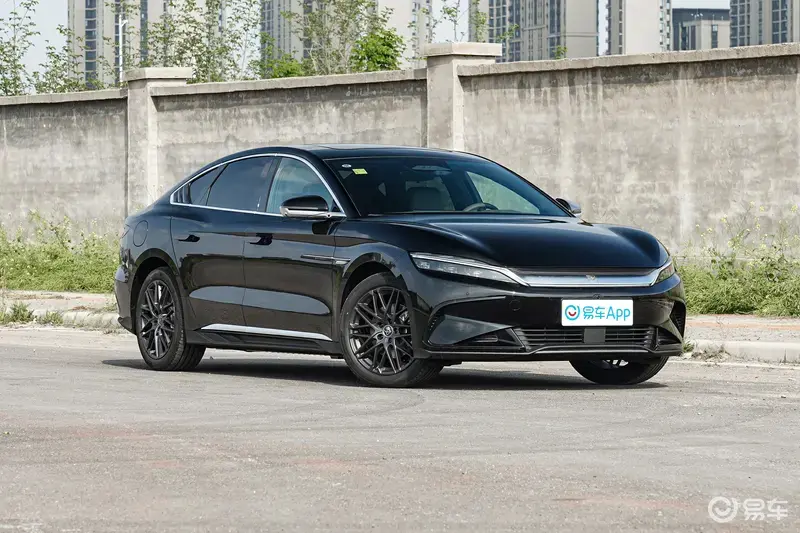
According to information released by the company and reported by sources such as Yiche.com, the Han EV Flash Charge Edition is not merely a cosmetic refresh but a substantial technological upgrade centered on its powertrain. The vehicle has already begun arriving at dealerships across the country, generating palpable excitement among consumers and industry watchers alike who are eager to experience its claimed groundbreaking capabilities firsthand.
Visually, the new model maintains a strong familial connection to the existing Han EV lineup. It continues to embody the distinctive "Dragon Face 3.0" design language—a philosophy BYD terms "Dragon颜美学" (Dragon Face Aesthetics). This design ethos imparts a sense of elegance, dynamism, and authoritative presence, with sleek lines, a poised stance, and signature lighting elements that have become hallmarks of the model. The dimensions are expected to remain consistent with the current sedan, measuring approximately 4995mm in length, 1910mm in width, and 1495mm in height, with a wheelbase of 2920mm. This ensures the continuation of the Han's spacious and comfortable cabin, a key selling point in the executive sedan segment.
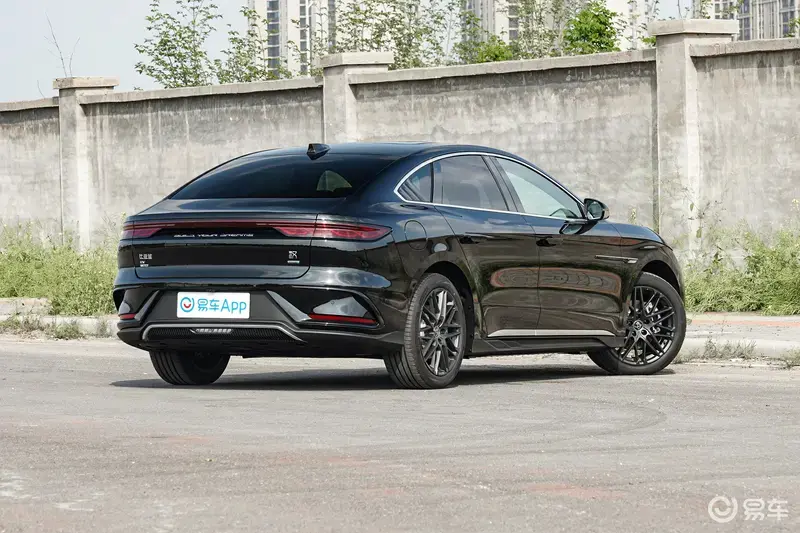
While the exterior may be familiar, the true revolution lies beneath the surface. The headline act for the Han EV Flash Charge Edition is the debut of BYD's second-generation Blade Battery. This proprietary lithium iron phosphate (LFP) battery technology has already garnered global attention for its exceptional safety credentials, notably passing the rigorous nail penetration test—a benchmark for thermal runaway prevention. The second-generation iteration promises further enhancements in energy density, pack integration, and overall performance.
Paired with this advanced battery is the eponymous "Flash Charge" technology, which together forms the core of this model's value proposition. The official specifications reveal a battery pack capacity of 69.07 kWh. Despite what might seem like a modest size compared to some competitors packing larger batteries, the synergy between the efficient second-gen Blade cells and BYD's optimized powertrain yields an impressive CLTC-rated range of up to 705 kilometers (approximately 438 miles). This figure places it firmly among the top contenders in the long-range EV sedan market, alleviating range anxiety for most users.
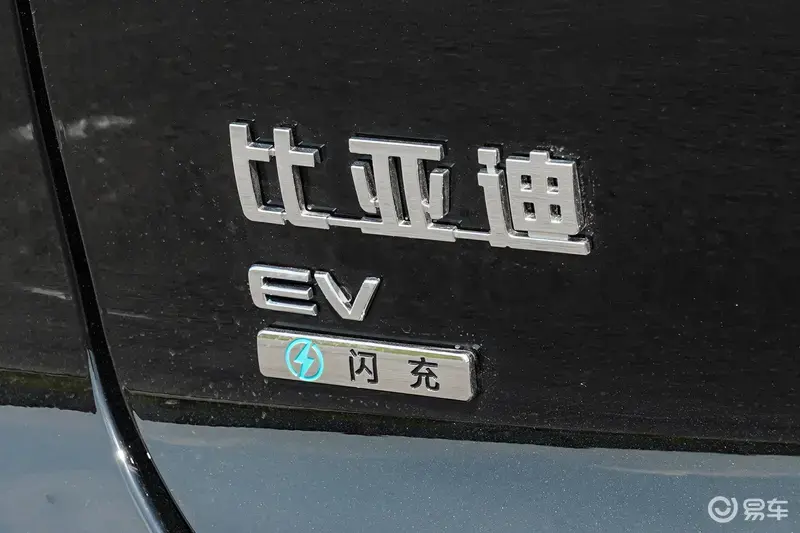
However, the range is only half the story. The "Flash Charge" technology aims to tackle the other major hurdle in EV adoption: charging speed. BYD makes bold claims about this system's performance, touting an ultra-fast charging experience summarized as "5 minutes for a top-up, 9 minutes for a full charge, and only 3 minutes extra at -30°C." While real-world conditions may vary, this marketing message underscores a focus on extreme convenience. The implication is that a few minutes of charging could add significant mileage, making EV ownership more compatible with the fast-paced, on-the-go lifestyle of modern consumers. The specific claim regarding performance in frigid -30°C conditions is particularly noteworthy, addressing a common weakness of lithium-ion batteries whose efficiency and charging rates typically plummet in extreme cold.
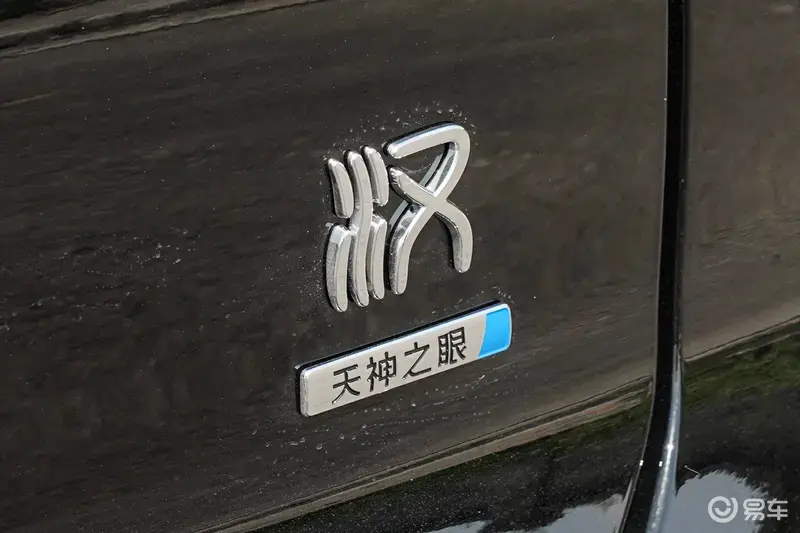
Beyond the powertrain, the Han EV Flash Charge Edition is expected to be generously equipped, upholding its premium positioning. A key feature in the advanced driver-assistance systems (ADAS) department will be the integration of BYD's proprietary "Tian Shen Zhi Yan" (God's Eye) intelligent driving platform. This system likely encompasses a suite of safety and convenience features such as adaptive cruise control, lane-keeping assist, automated parking, and possibly navigated highway assist, leveraging a network of cameras, radars, and sensors to provide a comprehensive safety net and reduce driver fatigue on long journeys.
The interior, though not detailed in the initial release, is anticipated to mirror the high standards of the current Han EV. Expect a cabin that blends luxury with technology, featuring high-quality materials, expansive digital displays—likely including a rotatable central touchscreen and a digital instrument cluster—and a host of connectivity and infotainment features. The spacious rear compartment, benefiting from the long wheelbase, will continue to be a haven of comfort for passengers.
The launch of the Han EV Flash Charge Edition arrives at a critical juncture. The global EV market is intensely competitive, with rivals constantly pushing the boundaries on range, charging speed, and technology. BYD's strategy appears clear: to leverage its vertical integration and core strength in battery technology to create a compelling product that addresses the two most pressing consumer concerns—how far it can go and how quickly it can be replenished. By offering a 700+ km range coupled with ultra-fast charging claims, BYD is not just competing on specifications; it is attempting to reshape the everyday usability perception of electric vehicles.
Furthermore, this move solidifies the Han series' role as a technology flagship for BYD. It serves as a showcase for the latest advancements that will eventually trickle down to more affordable models in the lineup. The success of this model could accelerate the adoption of the second-generation Blade Battery and flash charging infrastructure across BYD's portfolio.
As the April 22 launch date approaches, key details such as final pricing, exact charging power specifications (e.g., voltage and amperage supported), and the availability of the necessary high-power charging infrastructure to achieve the claimed speeds will be crucial. The automotive world will be watching closely to see if the Han EV Flash Charge Edition can deliver on its ambitious promises and set a new benchmark in the increasingly crowded and sophisticated electric executive sedan segment.
In conclusion, the BYD Han EV Flash Charge Edition represents a significant step in the brand's ongoing quest for innovation. By focusing its upgrades on the fundamental aspects of battery technology and charging speed, BYD is directly confronting the remaining barriers to mass EV adoption. If its performance matches the hype, this vehicle could become a landmark product, not just for BYD, but for the industry's journey towards making electric vehicles as convenient, if not more so, than their internal combustion engine counterparts. The stage is set for April 22nd.

香港汽車內容平台 🚗 新車・買車・玩車・用車 用香港視角,睇世界嘅車
+ Follow 【揀車有路數】日產新車賣比亞迪價?仲有激光雷達
今集試一台好特別嘅日產新車——NX8,中國特供增程SUV。外觀似熟悉嘅日產味,但內籠同科技配備竟然唔晒傳統日產套路,駕乘感受又有幾多轉變?到底仲係咪你認識嗰部日產?一齊試畀你睇。
#日產 #NX8 #增程 #BitAutoHongKong #揀車有路數 3小时前
【揀車有路數】日產新車賣比亞迪價?仲有激光雷達
今集試一台好特別嘅日產新車——NX8,中國特供增程SUV。外觀似熟悉嘅日產味,但內籠同科技配備竟然唔晒傳統日產套路,駕乘感受又有幾多轉變?到底仲係咪你認識嗰部日產?一齊試畀你睇。
#日產 #NX8 #增程 #BitAutoHongKong #揀車有路數 3小时前  【新車速報】T-Top 回歸?Nissan Z Kaze 概念車現身!
90年代 JDM 味返晒嚟?Nissan 最近喺美國 ZCON 公開 Z Kaze 概念車,以現款 Nissan Z 為基礎,換上全新 T-Top 可拆式車頂,向經典 300ZX 等 Z 系列致敬。
配合碳纖維空力套件、NISMO LMGT2 18吋輪圈,以及 GReddy 排氣、進氣同 intercooler 升級,成部車都充滿 JDM 改裝味。
「Kaze」即係日文「風」,而呢部車係 one-off 概念作品,並非量產車。10月3日仲會現身加州長灘 Japanese Classic Car Show。
如果 T-Top Z 真係量產,你會唔會心動?
#NissanZ #ZKaze #TTop #JDM #BitAutoHongKong 6小时前
【新車速報】T-Top 回歸?Nissan Z Kaze 概念車現身!
90年代 JDM 味返晒嚟?Nissan 最近喺美國 ZCON 公開 Z Kaze 概念車,以現款 Nissan Z 為基礎,換上全新 T-Top 可拆式車頂,向經典 300ZX 等 Z 系列致敬。
配合碳纖維空力套件、NISMO LMGT2 18吋輪圈,以及 GReddy 排氣、進氣同 intercooler 升級,成部車都充滿 JDM 改裝味。
「Kaze」即係日文「風」,而呢部車係 one-off 概念作品,並非量產車。10月3日仲會現身加州長灘 Japanese Classic Car Show。
如果 T-Top Z 真係量產,你會唔會心動?
#NissanZ #ZKaze #TTop #JDM #BitAutoHongKong 6小时前  【新車速報】Skyline 真係要返嚟喇!Nissan CEO:新一代12月登場
等咗咁耐,Skyline 終於有新消息!Nissan CEO Ivan Espinosa 接受《朝日新聞》專訪時透露,新一代 Skyline 將於今年12月亮相,亦係 Nissan 加快新車開發嘅代表作。
新車開發周期縮短至約 26個月,並利用生成式 AI、數碼模擬等工具加快開發流程。Nissan 官方亦已將 Skyline 列入 Heartbeat 車系,代表品牌工程技術、駕駛性能與情感。
至於動力、規格同最終量產設計,目前仍未全面公開。今次 Skyline 回歸,你最期待保留邊樣經典元素?
#Nissan #Skyline #新車速報 #BitAutoHongKong 1天前
【新車速報】Skyline 真係要返嚟喇!Nissan CEO:新一代12月登場
等咗咁耐,Skyline 終於有新消息!Nissan CEO Ivan Espinosa 接受《朝日新聞》專訪時透露,新一代 Skyline 將於今年12月亮相,亦係 Nissan 加快新車開發嘅代表作。
新車開發周期縮短至約 26個月,並利用生成式 AI、數碼模擬等工具加快開發流程。Nissan 官方亦已將 Skyline 列入 Heartbeat 車系,代表品牌工程技術、駕駛性能與情感。
至於動力、規格同最終量產設計,目前仍未全面公開。今次 Skyline 回歸,你最期待保留邊樣經典元素?
#Nissan #Skyline #新車速報 #BitAutoHongKong 1天前 Get the latest car news first!
【揀車有路數】日產新車賣比亞迪價?仲有激光雷達
今集試一台好特別嘅日產新車——NX8,中國特供增程SUV。外觀似熟悉嘅日產味,但內籠同科技配備竟然唔晒傳統日產套路,駕乘感受又有幾多轉變?到底仲係咪你認識嗰部日產?一齊試畀你睇。
#日產 #NX8 #增程 #BitAutoHongKong #揀車有路數 3小时前 【新車速報】T-Top 回歸?Nissan Z Kaze 概念車現身!
90年代 JDM 味返晒嚟?Nissan 最近喺美國 ZCON 公開 Z Kaze 概念車,以現款 Nissan Z 為基礎,換上全新 T-Top 可拆式車頂,向經典 300ZX 等 Z 系列致敬。
配合碳纖維空力套件、NISMO LMGT2 18吋輪圈,以及 GReddy 排氣、進氣同 intercooler 升級,成部車都充滿 JDM 改裝味。
「Kaze」即係日文「風」,而呢部車係 one-off 概念作品,並非量產車。10月3日仲會現身加州長灘 Japanese Classic Car Show。
如果 T-Top Z 真係量產,你會唔會心動?
#NissanZ #ZKaze #TTop #JDM #BitAutoHongKong 6小时前 【新車速報】Skyline 真係要返嚟喇!Nissan CEO:新一代12月登場
等咗咁耐,Skyline 終於有新消息!Nissan CEO Ivan Espinosa 接受《朝日新聞》專訪時透露,新一代 Skyline 將於今年12月亮相,亦係 Nissan 加快新車開發嘅代表作。
新車開發周期縮短至約 26個月,並利用生成式 AI、數碼模擬等工具加快開發流程。Nissan 官方亦已將 Skyline 列入 Heartbeat 車系,代表品牌工程技術、駕駛性能與情感。
至於動力、規格同最終量產設計,目前仍未全面公開。今次 Skyline 回歸,你最期待保留邊樣經典元素?
#Nissan #Skyline #新車速報 #BitAutoHongKong 1天前  BAWToyotaBYDZeekrGACDongfengXPengMGMaxusLeapmotorDenzaIMiCAURDeepalWulingOraJuneyao AutoKYCSkyworthAvatrFotonFordGeelyHongqiJAECOOKGMOMODADFSKTeslaHondaBMWMercedes-BenzsmartMINIPorscheNissanLexusSuzukiVolvoSubaruMazdaKiaHyundaiLand RoverRolls-RoyceFerrariAudiLamborghiniRiddaraSeresFarizonfireflyLingboxKaiyiVoyahHIMAM-HeroIsuzuBentleyPolestarMcLarenMitsubishiMaseratiPeugeotAston MartinAcuraJeepJaguarLotusVolkswagenEpiclandJACLepasLi
 © 2024 Bitauto.com. All Rights Reserved.
Bitauto (www.yiche.com and www.bitauto.com) is one of the most visited automotive websites in China. We provide detailed info on Chinese car brands available in your area. Please note that the information provided on this website is based on publicly available data and is for reference only. It may not be fully updated or accurate at all times.
Help us improve our website


