
Search History
Popular Searches
English
Dealer Login / Sign Up
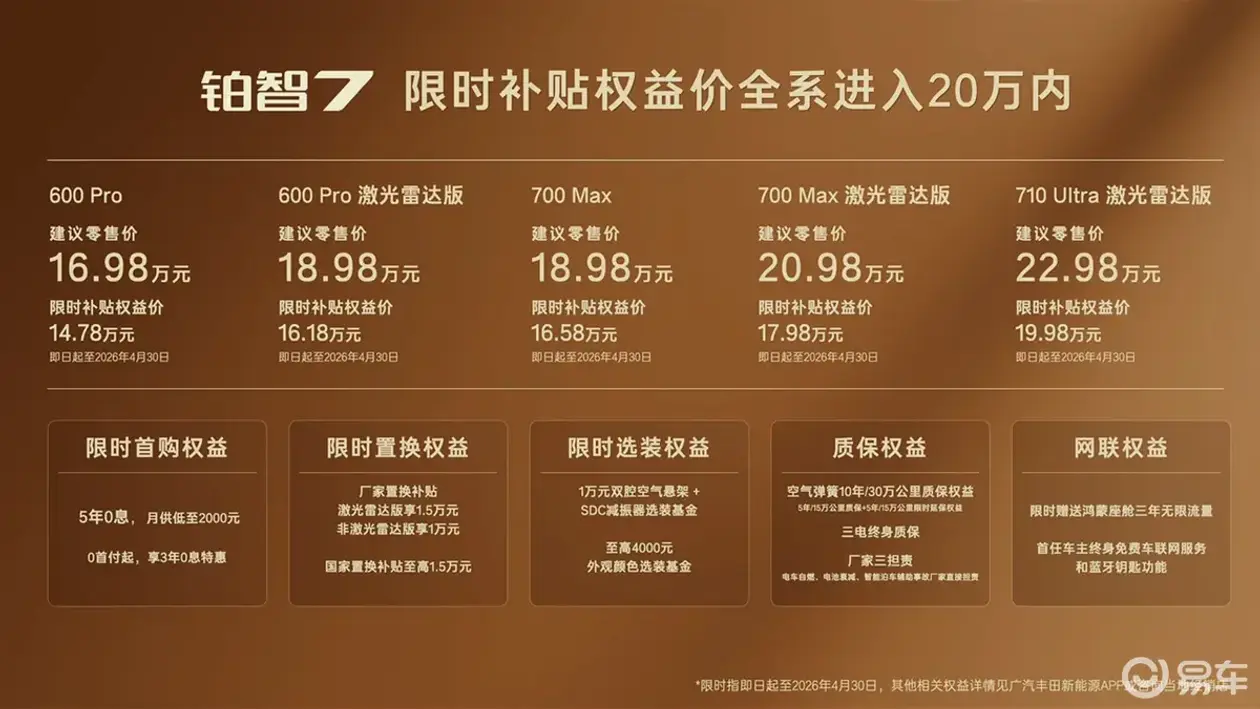
GAC Toyota Motor Company officially announced on March 29 that the all-new Bozhi 7 large pure electric sedan has entered the market. The model line comprises five variants with official guide prices between 169,800 and 229,800 RMB, while limited-time subsidy benefit prices range from 147,800 to 199,800 RMB. As GAC Toyota's important strategic deployment in the pure electric segment, the Bozhi 7 features full-spec HarmonyOS cockpit, intelligent preview dual-chamber air suspension, Momenta R6 intelligent driving assistance, and dual-motor zero-gravity seats, with immediate delivery upon launch. For Hong Kong, this pure electric sedan combining joint-venture brand quality assurance with Chinese intelligent technology offers local premium family users a highly competitive new option.
The Bozhi 7's positioning targets upscale family users seeking a large pure electric sedan balancing business reception dignity with family travel comfort. This addresses current structural demands in China's new energy vehicle market as electric vehicle enters deep waters, with consumers no longer satisfied with mere transportation tools but pursuing comprehensive intelligent mobile space experiences.
Pricing strategy places the Bozhi 7 in the same bracket as BYD Han and XPeng P7, but limited-time subsidy benefit prices significantly enhance value competitiveness. The entry-level 600 Pro variant requires merely 147,800 RMB after subsidies, approximately 160,000 HKD, which could fall under 250,000 HKD in Hong Kong with government first registration tax waivers and one-for-one scheme subsidies, highly attractive for users pursuing joint-venture brand quality.
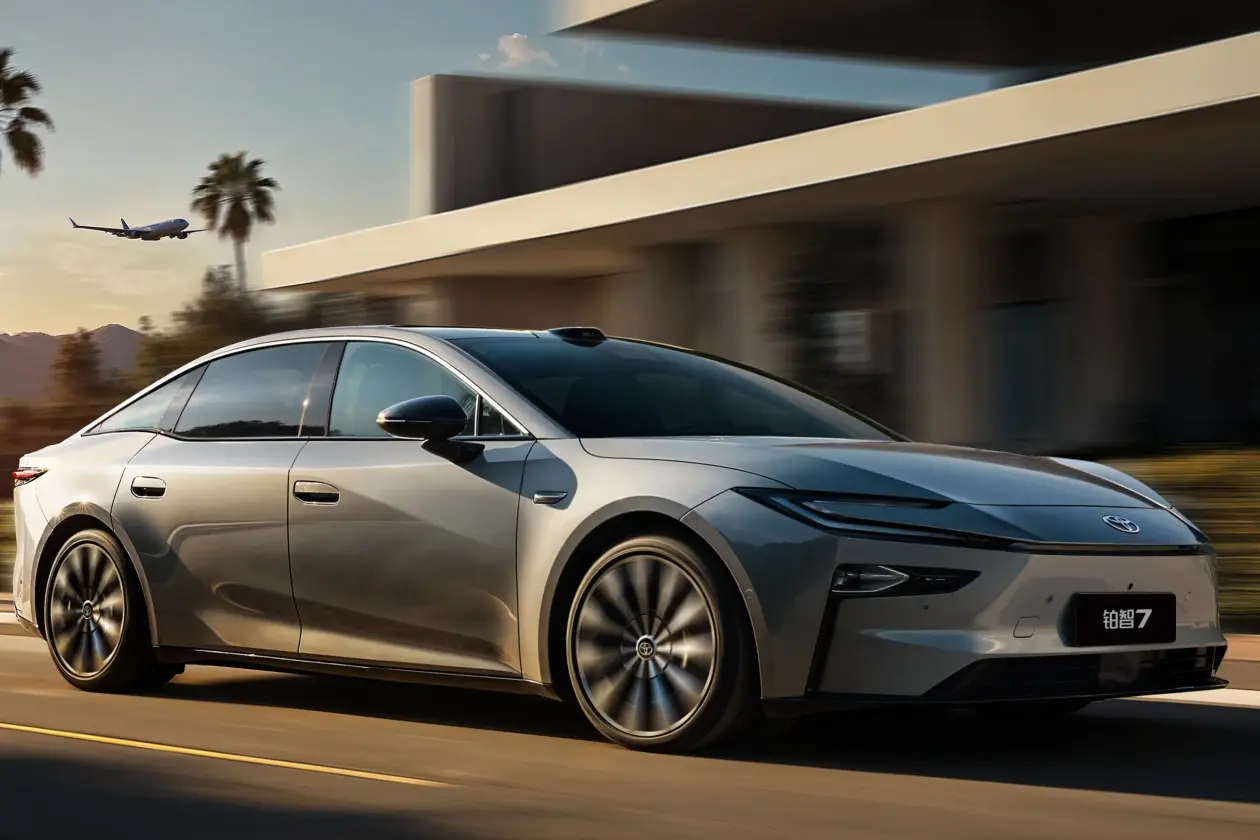
Notably, the Bozhi 7's pricing gradient design demonstrates considerable sophistication. From entry 600 Pro to flagship 710 Ultra LiDAR edition, the approximately 50,000 RMB price span covers configuration differences across range, intelligent driving capabilities, and comfort features, providing precise selection spaces for users with different budgets and needs.
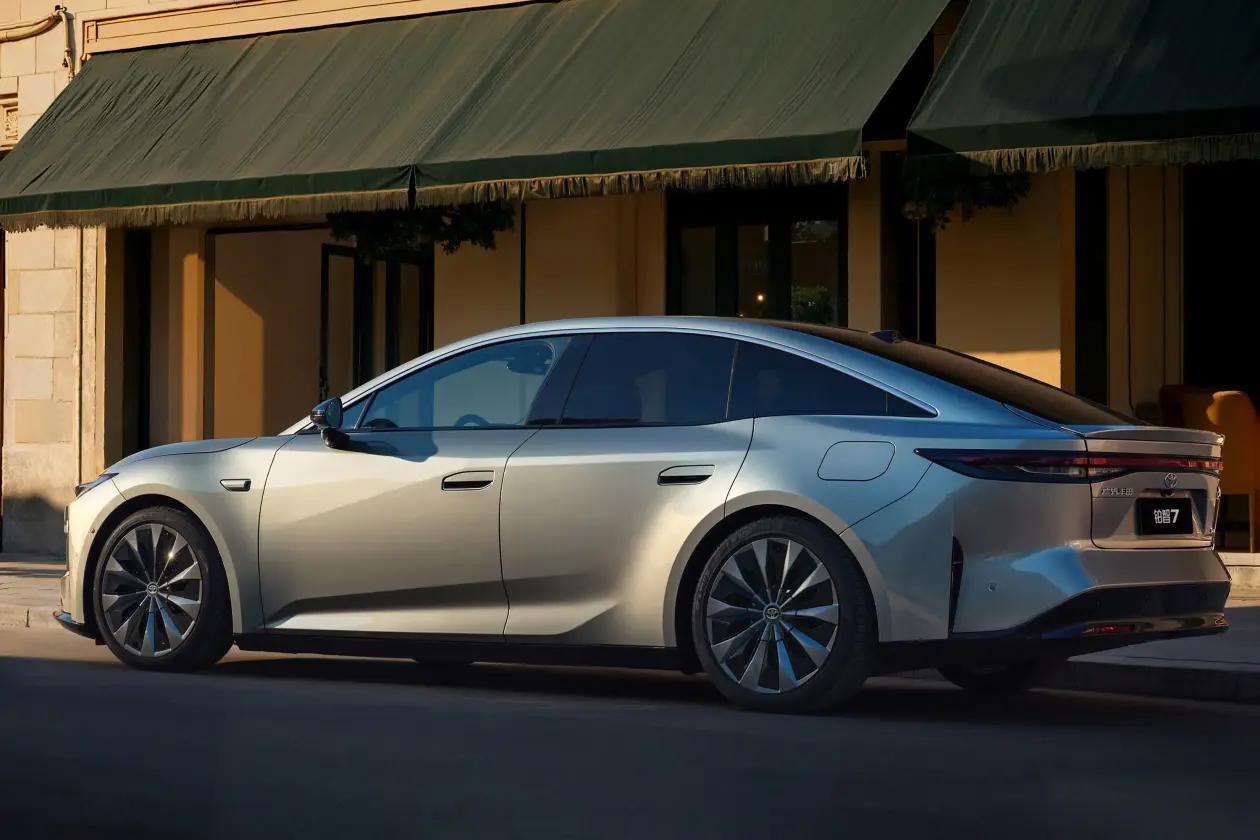
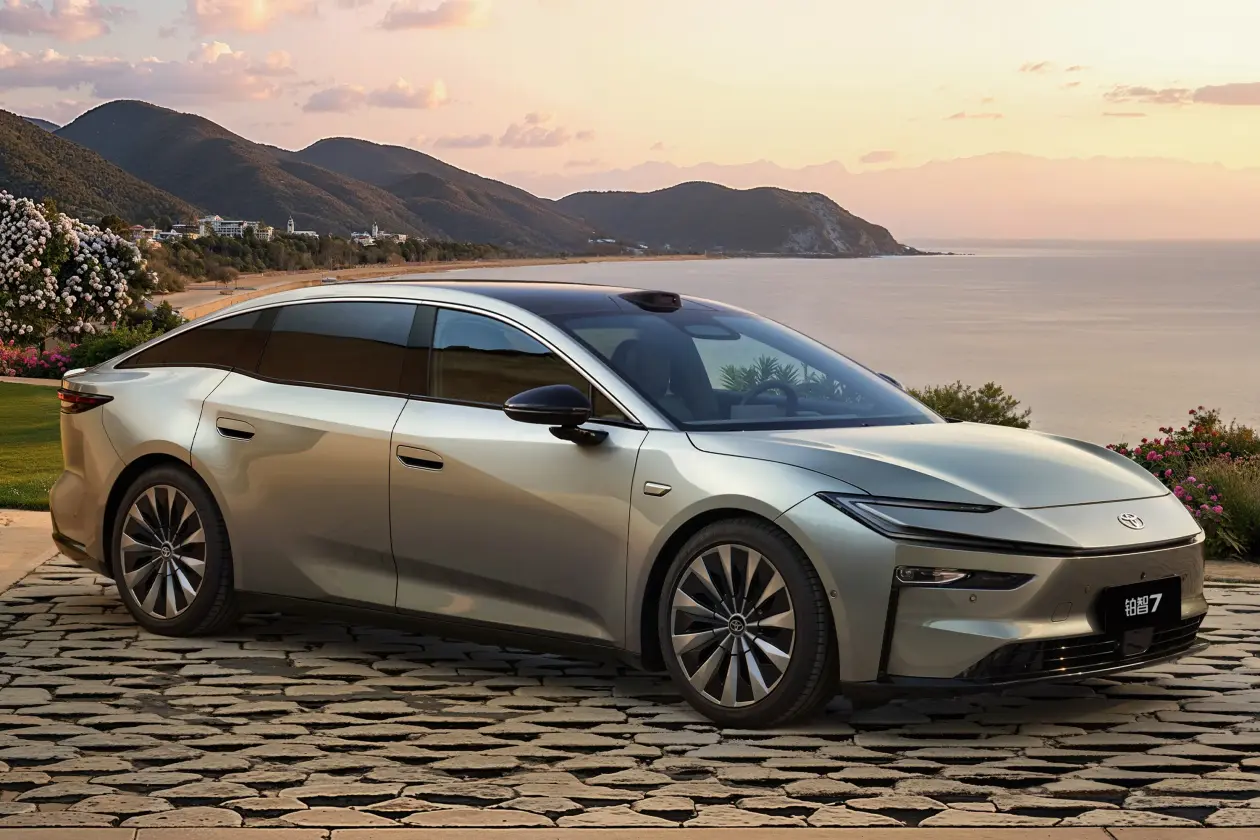
Exterior design adopts closed front fascia clearly signaling pure electric identity. The roof-mounted LiDAR sensor serves as both functional intelligent driving hardware and visual technology symbol. C-shaped full-width headlamps create dynamic effects echoing rear full-width tail lamps, achieving flowing and modern overall styling.
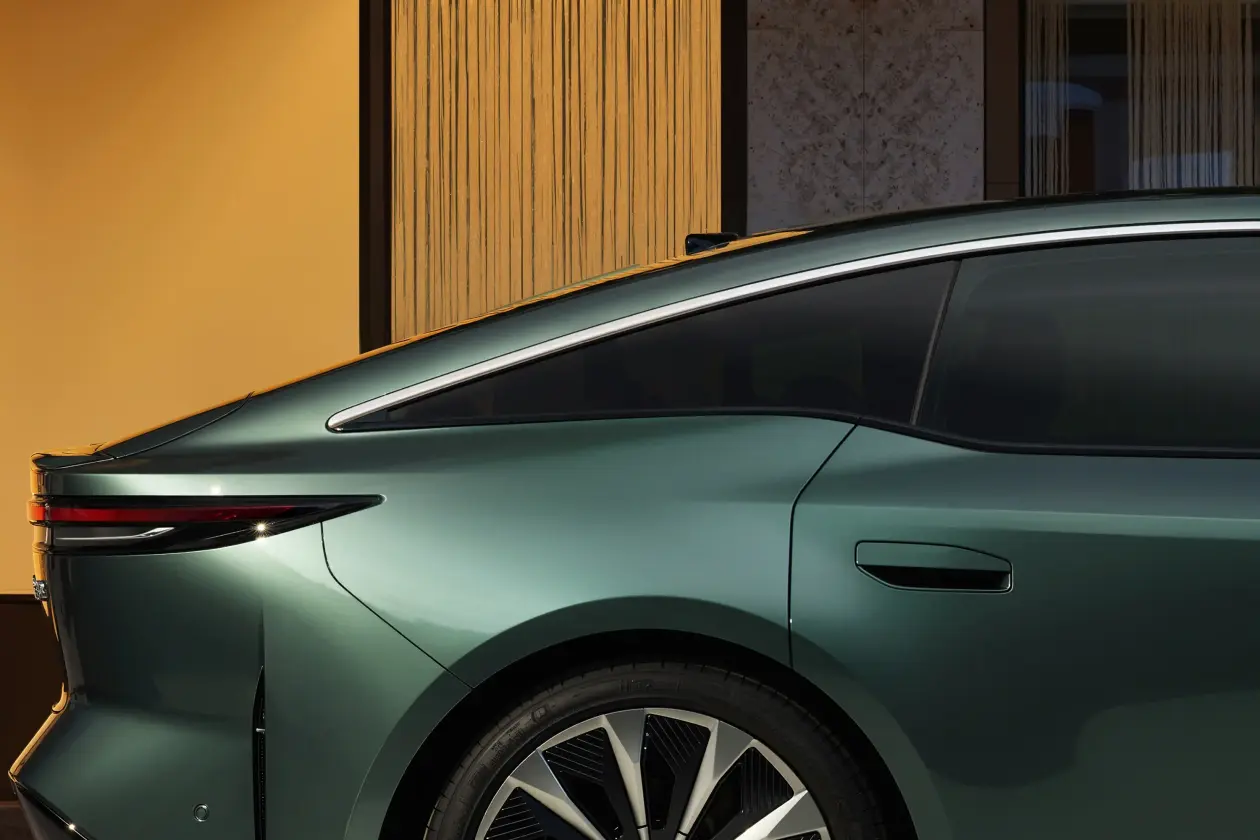
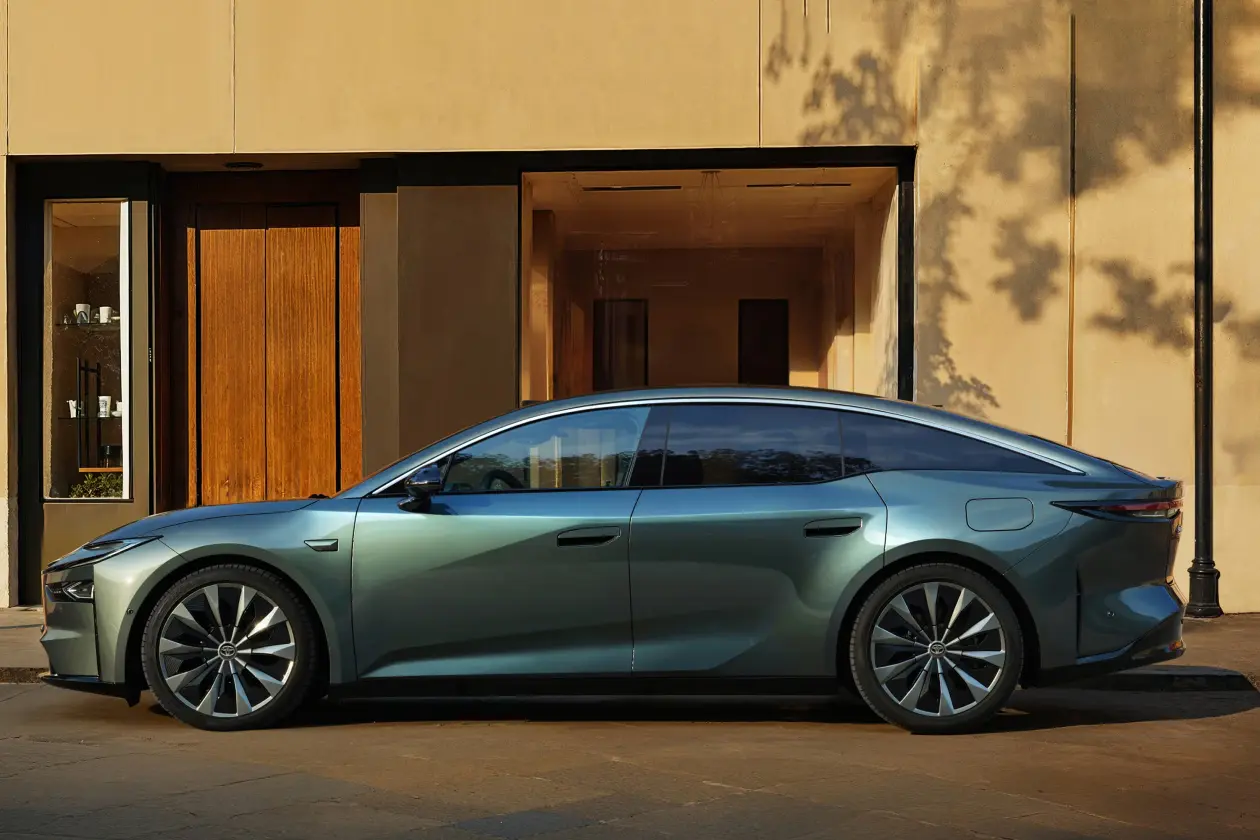
Side profiles continue dynamic fastback design with streamlined shapes and semi-hidden door handles minimizing drag coefficients. The panoramic roof extends to rear window positions, creating expansive visual effects and transparent riding experiences.
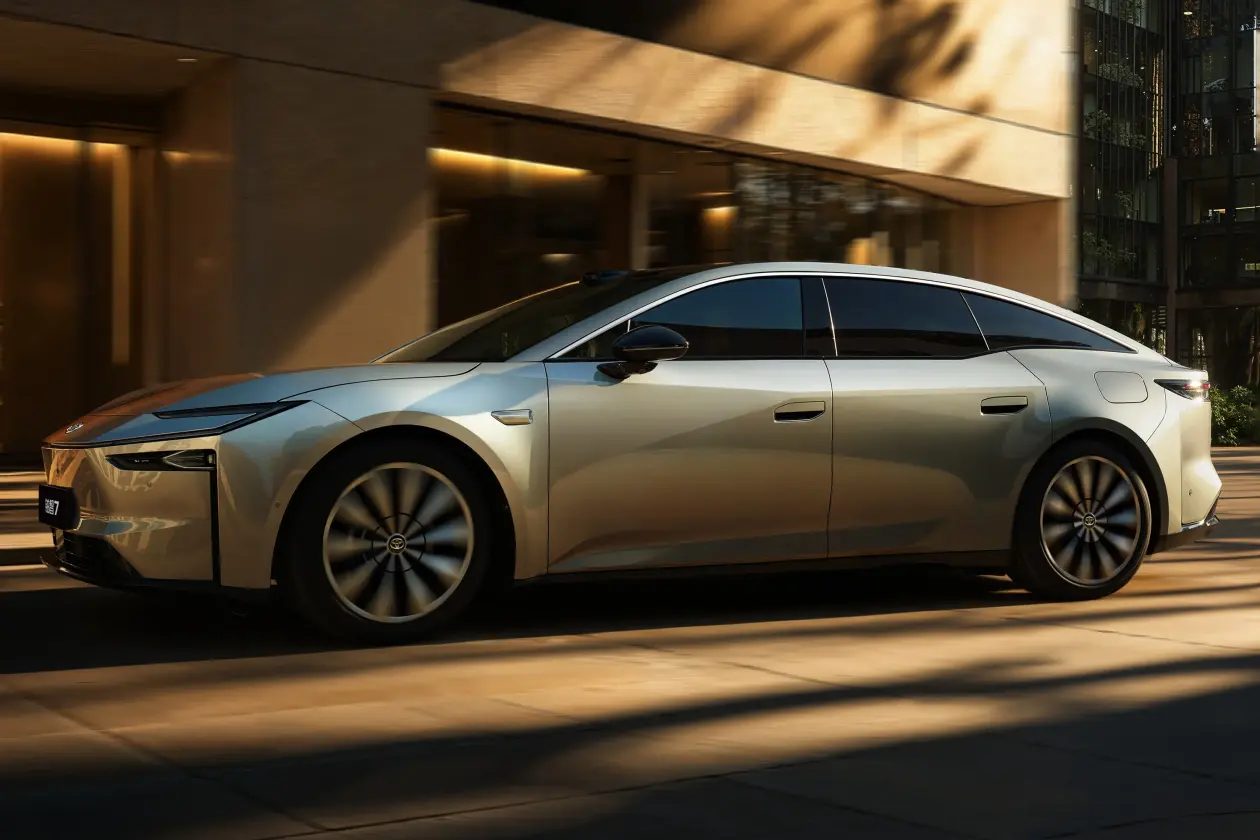
Dimensions reach 5,130 by 1,965 by 1,506 millimeters with 3,020 millimeter wheelbase, entering large luxury sedan territory and providing solid foundation for spacious cabin interiors. For Hong Kong users, although urban roads remain narrow, the Bozhi 7's size handles premium residential parking and commercial center facilities with ease, while abundant rear space provides dignified travel experiences for family outings or business reception.
The Bozhi 7 demonstrates in intelligent configuration through first-time application of full-spec Huawei HarmonyOS cockpit and Momenta R6 intelligent driving assistance systems.
HarmonyOS cockpit integration marks new stages in joint-venture brand and Chinese technology giant deep cooperation. Compared to traditional automaker self-developed systems, HarmonyOS advantages include seamless ecosystem integration capabilities with phones, tablets, and smart watches achieving deep interconnection with rich application ecosystems and fluid interaction experiences at industry-leading levels. For Hong Kong users, this ecosystem synergy proves particularly attractive considering Huawei device in the territory, making the Bozhi 7 ideal for Huawei ecosystem users.
Momenta R6 intelligent driving assistance enables highway pilot assistance and urban pilot assistance capabilities. LiDAR significantly enhances environmental perception precision, providing hardware foundations for high-level intelligent driving functions. For Hong Kong's complex road environments and extreme traffic density, intelligent driving system practical value gradually emerges, although fully autonomous driving remains distant, highway cruise assistance and automatic parking functions already significantly reduce driving fatigue.
Interior design adopts contemporary minimalist style with bolder color schemes and meticulous detail material craftsmanship. Wood grain trim panels and large-area soft-touch materials elevate cabin luxury quality, while dynamic ambient lighting transforms colors according to driving modes or music rhythms, creating immersive riding atmospheres.
Large central touchscreens serve as HarmonyOS interaction cores with main driver instrument panels displaying rich vehicle information, facial recognition, HUD head-up displays, and multi-speaker audio systems. Column-mounted shifter designs release center console space providing wireless charging panels, shortcut buttons, and massive storage compartments, balancing aesthetics and practicality.
The Bozhi 7 features Huawei Drive One electric drive systems with 207 kilowatt maximum power output and 180 kilometer per hour top speed. This power output maintains mainstream levels within the segment, sufficient for Hong Kong highway and expressway demands.
Battery systems adopt CALB lithium iron phosphate batteries offering 88.13 and 71.35 kilowatt-hour specifications. The 88.13 kilowatt-hour battery corresponds to CLTC ranges of 680, 700, and 710 kilometers depending on variant configuration, while the 71.35 kilowatt-hour battery provides 600 kilometers range. For Hong Kong users, even entry-level 600-kilometer versions cover over one week's daily commuting needs, while high-range variants handle cross-border travel to mainland China or Macau scenarios eliminating range anxiety.
Lithium iron phosphate battery selection reflects GAC Toyota's comprehensive safety and cost considerations. Compared to ternary lithium batteries, lithium iron phosphate offers thermal stability advantages, although with slightly lower energy density, providing higher safety assurance and lower maintenance costs for users primarily focused on urban commuting.
Hong Kong's unique market structure provides considerable commercial opportunity for the GAC Toyota Bozhi 7.
From brand recognition perspective, Toyota maintains extremely high market reputation in Hong Kong. From historical Crown and Camry models to recent Alphard and RAV4, Toyota vehicles are renowned for reliability, durability, and resale value, deeply trusted by local users. GAC Toyota as Toyota's China joint venture maintains synchronized product quality with global standards, providing solid trust foundations for Bozhi 7's Hong Kong market entry.
From product differentiation perspective, the Bozhi 7's joint-venture brand plus Chinese intelligent technology combination proves uniquely distinctive. Compared to Tesla's pure electric minimalist approach, the Bozhi 7 offers more traditional luxury comfort experiences and Toyota's consistent quality assurance. Against BYD's full-stack self-developed technology, the Bozhi 7 achieves rapid intelligent driving and cockpit experience catch-up through Huawei and Momenta partnerships. Compared to NIO, XPeng, and other new forces, the Bozhi 7's joint-venture background and mature manufacturing systems provide higher reliability expectations. This middle path balancing traditional quality with frontier technology may precisely match Hong Kong conservative consumer needs.
From policy environment perspective, Hong Kong government aggressively pursues electric vehicle. The Hong Kong Roadmap on Popularization of Electric Vehicles targets ending new fossil fuel vehicle registrations by 2035, with first registration tax waivers and one-for-one scheme subsidies reducing purchase barriers. As a pure electric vehicle, the Bozhi 7 enjoys full tax benefits, significantly enhancing price competitiveness.
However, successful Hong Kong entry requires overcoming practical challenges. Product adaptation necessitates right-hand-drive development involving steering wheel, dashboard, and door opening modifications. Charging standards must ensure compatibility with Hong Kong mainstream connectors and communication protocols, particularly for high-voltage fast charging function adaptation. Channel development requires GAC Toyota to establish partnerships with Hong Kong Toyota authorized dealers or consider parallel import channels for market testing.
The GAC Toyota Bozhi 7's official launch marks another important joint-venture brand deployment in the pure electric sedan segment. For Hong Kong, this model provides premium family users a new option combining brand heritage, intelligent technology, and spatial practicality. In the 147,800 to 199,800 RMB limited-time subsidy price band, the Bozhi 7 redefines large pure electric sedan value standards with 5,130 millimeter body length, 3,020 millimeter wheelbase, full-spec HarmonyOS cockpit, and LiDAR intelligent driving systems. As Hong Kong electric vehicle infrastructure continues improving and environmental policies advance, the GAC Toyota Bozhi 7 promises to become a popular choice among high-end family users on this international metropolis's streets, a pure electric vehicle illuminated by C-shaped full-width lamps and flowing with HarmonyOS intelligence providing an elegant footnote to this city's future mobility landscape.

香港汽車內容平台 🚗 新車・買車・玩車・用車 用香港視角,睇世界嘅車
+ Follow 【新車速報】兩座車又殺返嚟?smart精靈#2今次有啲料喎
鍾意細車嘅香港車迷留意!全新 smart 精靈#2 配置公布,採用 ECA 電動緊湊型架構,搭載 35.8kWh 磷酸鐵鋰電池,CLTC 續航 410km,30%-80% 快充最快15分鐘。
車長約 2.75米、轉彎半徑僅3.35米,仲有前麥弗遜+後五連桿獨立懸架;安全配備最多7個氣袋及 ACC、盲區監測等功能。
0-50km/h 3.8秒,10月12日巴黎車展全球首發!
兩座純電+細車身,放落香港街道會唔會幾對味?
#smart #smart精靈2 #純電車 #BitAutoHongKong 1小时前
【新車速報】兩座車又殺返嚟?smart精靈#2今次有啲料喎
鍾意細車嘅香港車迷留意!全新 smart 精靈#2 配置公布,採用 ECA 電動緊湊型架構,搭載 35.8kWh 磷酸鐵鋰電池,CLTC 續航 410km,30%-80% 快充最快15分鐘。
車長約 2.75米、轉彎半徑僅3.35米,仲有前麥弗遜+後五連桿獨立懸架;安全配備最多7個氣袋及 ACC、盲區監測等功能。
0-50km/h 3.8秒,10月12日巴黎車展全球首發!
兩座純電+細車身,放落香港街道會唔會幾對味?
#smart #smart精靈2 #純電車 #BitAutoHongKong 1小时前  【揀車有路數】日產新車賣比亞迪價?仲有激光雷達
今集試一台好特別嘅日產新車——NX8,中國特供增程SUV。外觀似熟悉嘅日產味,但內籠同科技配備竟然唔晒傳統日產套路,駕乘感受又有幾多轉變?到底仲係咪你認識嗰部日產?一齊試畀你睇。
#日產 #NX8 #增程 #BitAutoHongKong #揀車有路數 1天前
【揀車有路數】日產新車賣比亞迪價?仲有激光雷達
今集試一台好特別嘅日產新車——NX8,中國特供增程SUV。外觀似熟悉嘅日產味,但內籠同科技配備竟然唔晒傳統日產套路,駕乘感受又有幾多轉變?到底仲係咪你認識嗰部日產?一齊試畀你睇。
#日產 #NX8 #增程 #BitAutoHongKong #揀車有路數 1天前  【新車速報】T-Top 回歸?Nissan Z Kaze 概念車現身!
90年代 JDM 味返晒嚟?Nissan 最近喺美國 ZCON 公開 Z Kaze 概念車,以現款 Nissan Z 為基礎,換上全新 T-Top 可拆式車頂,向經典 300ZX 等 Z 系列致敬。
配合碳纖維空力套件、NISMO LMGT2 18吋輪圈,以及 GReddy 排氣、進氣同 intercooler 升級,成部車都充滿 JDM 改裝味。
「Kaze」即係日文「風」,而呢部車係 one-off 概念作品,並非量產車。10月3日仲會現身加州長灘 Japanese Classic Car Show。
如果 T-Top Z 真係量產,你會唔會心動?
#NissanZ #ZKaze #TTop #JDM #BitAutoHongKong 1天前
【新車速報】T-Top 回歸?Nissan Z Kaze 概念車現身!
90年代 JDM 味返晒嚟?Nissan 最近喺美國 ZCON 公開 Z Kaze 概念車,以現款 Nissan Z 為基礎,換上全新 T-Top 可拆式車頂,向經典 300ZX 等 Z 系列致敬。
配合碳纖維空力套件、NISMO LMGT2 18吋輪圈,以及 GReddy 排氣、進氣同 intercooler 升級,成部車都充滿 JDM 改裝味。
「Kaze」即係日文「風」,而呢部車係 one-off 概念作品,並非量產車。10月3日仲會現身加州長灘 Japanese Classic Car Show。
如果 T-Top Z 真係量產,你會唔會心動?
#NissanZ #ZKaze #TTop #JDM #BitAutoHongKong 1天前 Get the latest car news first!
【新車速報】兩座車又殺返嚟?smart精靈#2今次有啲料喎
鍾意細車嘅香港車迷留意!全新 smart 精靈#2 配置公布,採用 ECA 電動緊湊型架構,搭載 35.8kWh 磷酸鐵鋰電池,CLTC 續航 410km,30%-80% 快充最快15分鐘。
車長約 2.75米、轉彎半徑僅3.35米,仲有前麥弗遜+後五連桿獨立懸架;安全配備最多7個氣袋及 ACC、盲區監測等功能。
0-50km/h 3.8秒,10月12日巴黎車展全球首發!
兩座純電+細車身,放落香港街道會唔會幾對味?
#smart #smart精靈2 #純電車 #BitAutoHongKong 1小时前 【揀車有路數】日產新車賣比亞迪價?仲有激光雷達
今集試一台好特別嘅日產新車——NX8,中國特供增程SUV。外觀似熟悉嘅日產味,但內籠同科技配備竟然唔晒傳統日產套路,駕乘感受又有幾多轉變?到底仲係咪你認識嗰部日產?一齊試畀你睇。
#日產 #NX8 #增程 #BitAutoHongKong #揀車有路數 1天前 【新車速報】T-Top 回歸?Nissan Z Kaze 概念車現身!
90年代 JDM 味返晒嚟?Nissan 最近喺美國 ZCON 公開 Z Kaze 概念車,以現款 Nissan Z 為基礎,換上全新 T-Top 可拆式車頂,向經典 300ZX 等 Z 系列致敬。
配合碳纖維空力套件、NISMO LMGT2 18吋輪圈,以及 GReddy 排氣、進氣同 intercooler 升級,成部車都充滿 JDM 改裝味。
「Kaze」即係日文「風」,而呢部車係 one-off 概念作品,並非量產車。10月3日仲會現身加州長灘 Japanese Classic Car Show。
如果 T-Top Z 真係量產,你會唔會心動?
#NissanZ #ZKaze #TTop #JDM #BitAutoHongKong 1天前  BAWToyotaBYDZeekrGACDongfengXPengMGMaxusLeapmotorDenzaIMiCAURDeepalWulingOraJuneyao AutoKYCSkyworthAvatrFotonFordGeelyHongqiJAECOOKGMOMODADFSKTeslaHondaBMWMercedes-BenzsmartMINIPorscheNissanLexusSuzukiVolvoSubaruMazdaKiaHyundaiLand RoverRolls-RoyceFerrariAudiLamborghiniRiddaraSeresFarizonfireflyLingboxKaiyiVoyahHIMAM-HeroIsuzuBentleyPolestarMcLarenMitsubishiMaseratiPeugeotAston MartinAcuraJeepJaguarLotusVolkswagenEpiclandJACLepasLi
 © 2024 Bitauto.com. All Rights Reserved.
Bitauto (www.yiche.com and www.bitauto.com) is one of the most visited automotive websites in China. We provide detailed info on Chinese car brands available in your area. Please note that the information provided on this website is based on publicly available data and is for reference only. It may not be fully updated or accurate at all times.
Help us improve our website


