
Search History
Popular Searches
English
Dealer Login / Sign Up
Chery Automobile's iconic QQ series returns with the all-new QQ3, launching March 30, 2026. This electric reinvention of the national car carries collective automotive memories while targeting young urban consumers through Light Geometry design and rich technology features. For Hong Kong, the QQ3 evokes generational nostalgia while offering a highly competitive solution for the high-density city's commuting needs.
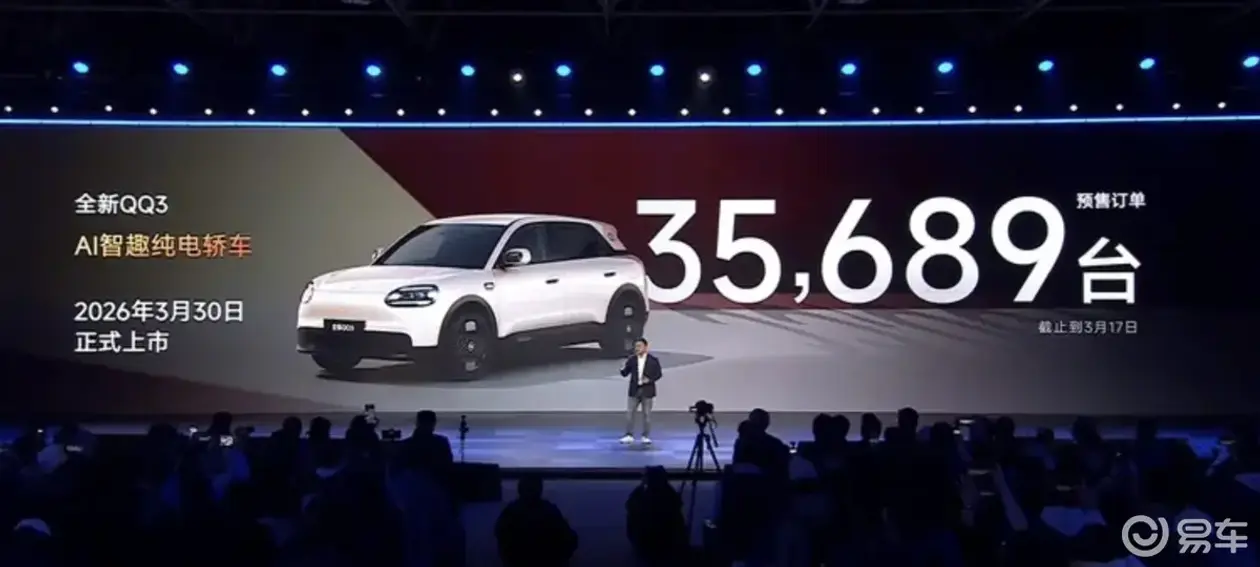
The original QQ debuted in 2003, charming mainland China with accessible pricing and rounded styling to become countless families' first car. Two decades later, the new QQ3 signals this classic IP's transformation. Pre-orders opened March 10 across four variants, priced 68,920 to 89,985 CNY. Official data shows 35,689 orders by March 17, demonstrating enthusiastic market response.
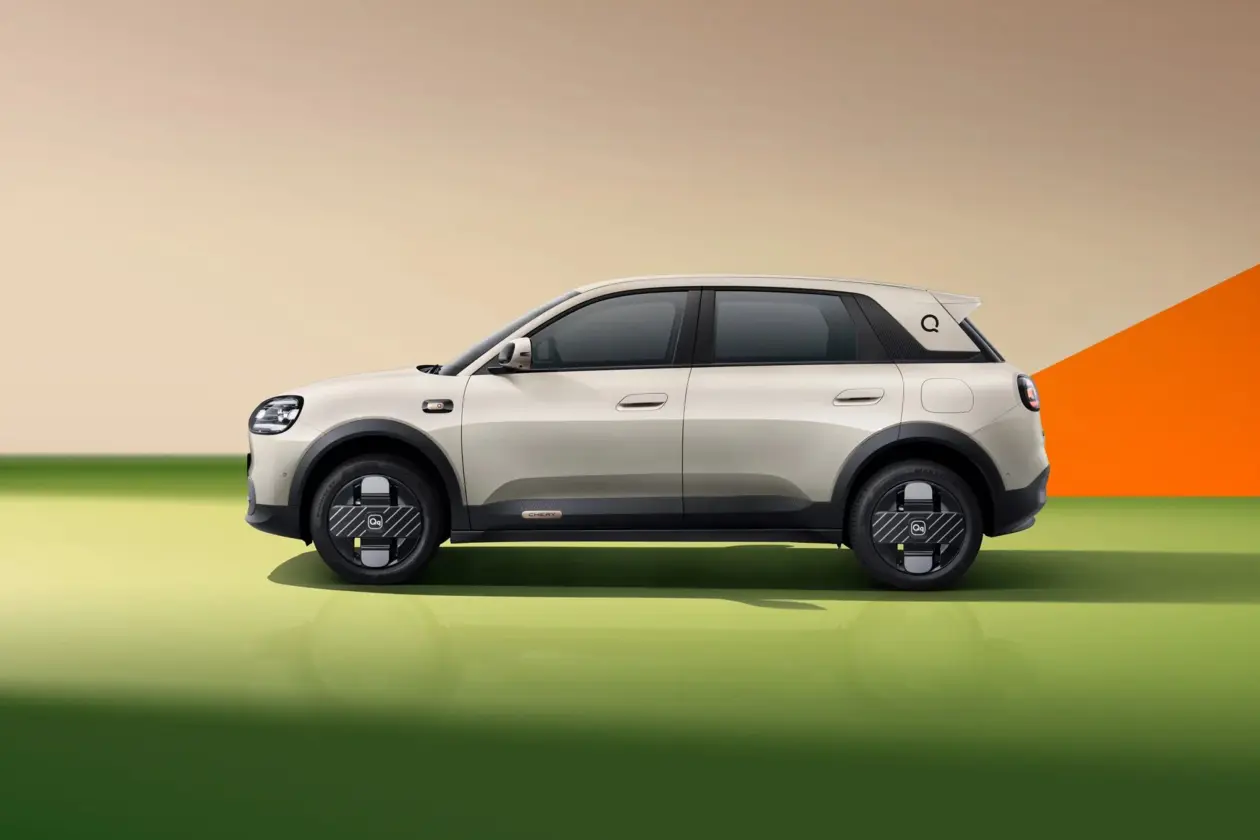
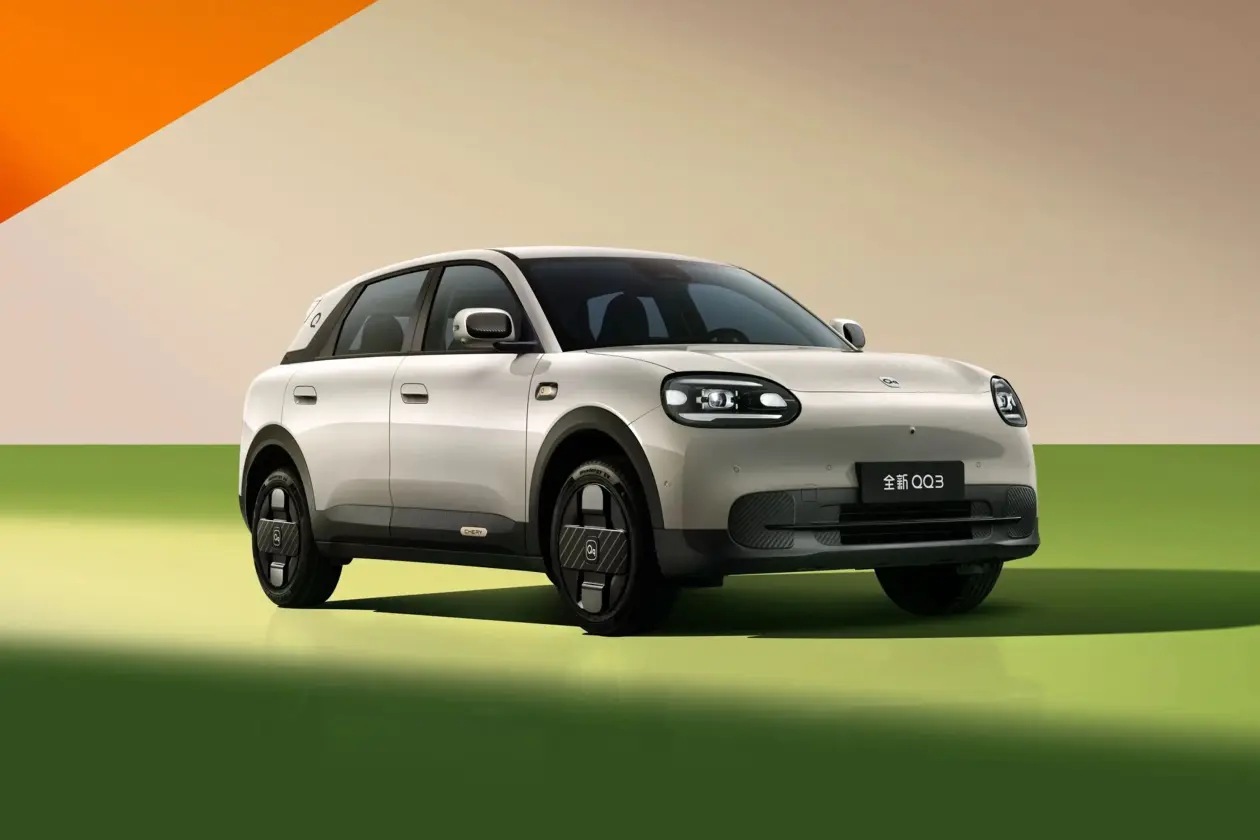
Design-wise, QQ3 adopts Light Geometry language inspired by urban ring roads, light-shadow interplay, and digital elements. The closed grille and rounded headlamps retain QQ's signature friendliness while injecting EV-era tech appeal. Clean body surfacing features trendy semi-hidden door handles, while black wheel arches add crossover character. Rear rounded lamps echo the front, achieving cohesive aesthetics.
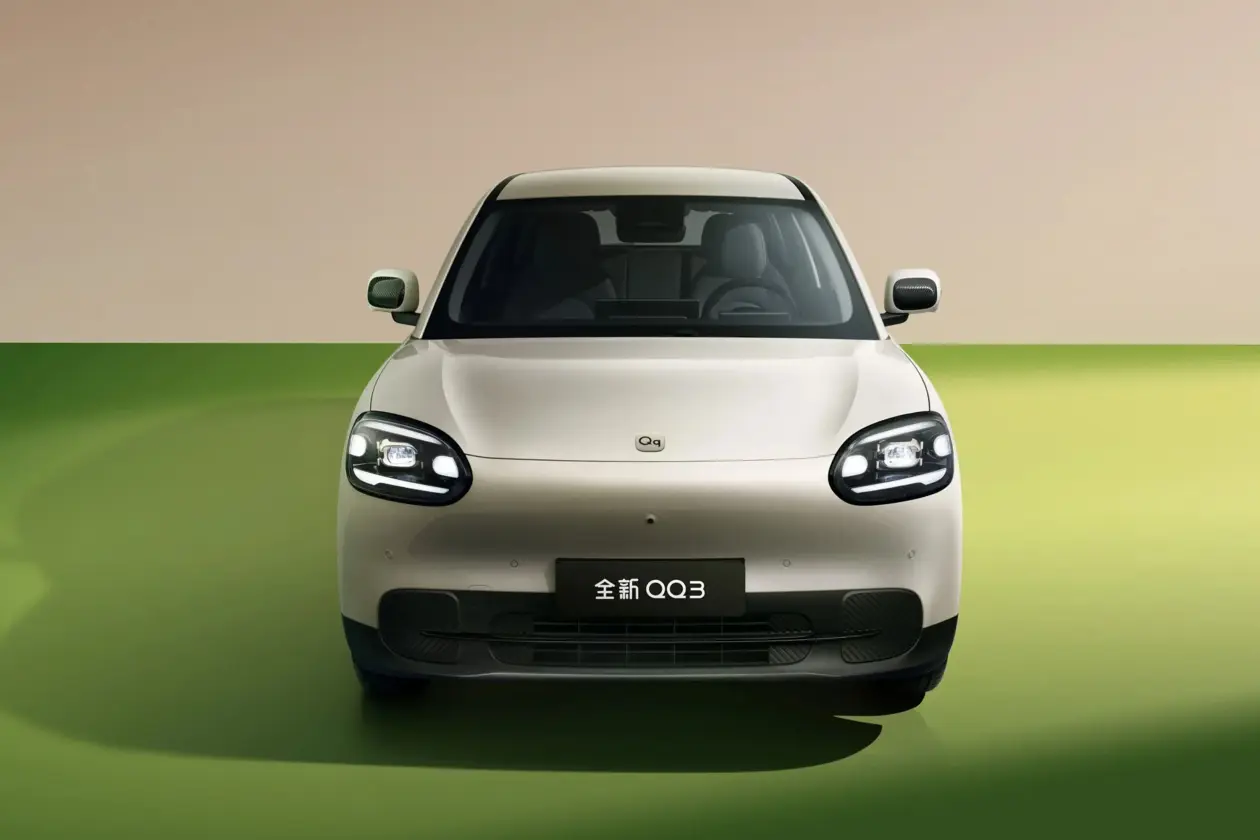
Dimensions have evolved significantly: 4,195 by 1,811 by 1,573 millimeters with 2,700 millimeter wheelbase, upgrading from original micro-car to subcompact status. This reflects market evolution where contemporary consumers demand urban maneuverability plus spacious, practical interiors.
The interior transformation is equally dramatic. Two-tone trim with flat dashboard lines creates dynamic ambiance. A 15.6-inch 2.5K display runs on Qualcomm Snapdragon 8155 automotive chips with Carmind AI models, enabling multi-scenario voice interaction. Full LCD instrument panels and 256-color ambient lighting elevate cabin tech-luxury.
The headline feature is Falcon 500 ADAS, offering City NOA, all-scenario parking, and urban memory navigation. Providing City NOA at 70,000 CNY price levels is globally rare, demonstrating Chery's determination to democratize intelligent driving.
City NOA enables supervised autonomous steering, lane changes, traffic light recognition, and stop-go operations in complex urban environments. For Hong Kong's narrow, congested, pedestrian-heavy streets, real-world utility requires validation, but the technical showcase value alone rewrites entry-level EV competition rules. All-scenario parking particularly appeals to Hong Kong users facing extremely tight parking in Central and Mong Kok core districts.
Power comes from a Suzhou Huichuan TZ180SMXB0 motor producing 58 kilowatts. Battery options include 29.484 kilowatt-hour (310 kilometer CLTC range) and 41.278 kilowatt-hour (420 kilometer) variants. For Hong Kong users primarily urban commuting, 310 kilometers covers weekly needs while 420 kilometer versions provide buffer for cross-district trips or weekend suburban outings.
Hong Kong's unique geography and transport ecology provide ideal habitat for compact EVs. QQ3 characteristics align with market needs across multiple dimensions.
Usage patterns show Hong Kong residents' relatively limited daily commute radii. Transport Department statistics indicate average daily private car mileage of 30 to 40 kilometers. QQ3's 310 kilometer range satisfies weekly commuting while maintaining emergency buffer, avoiding oversized battery cost and weight burdens through precise product definition.
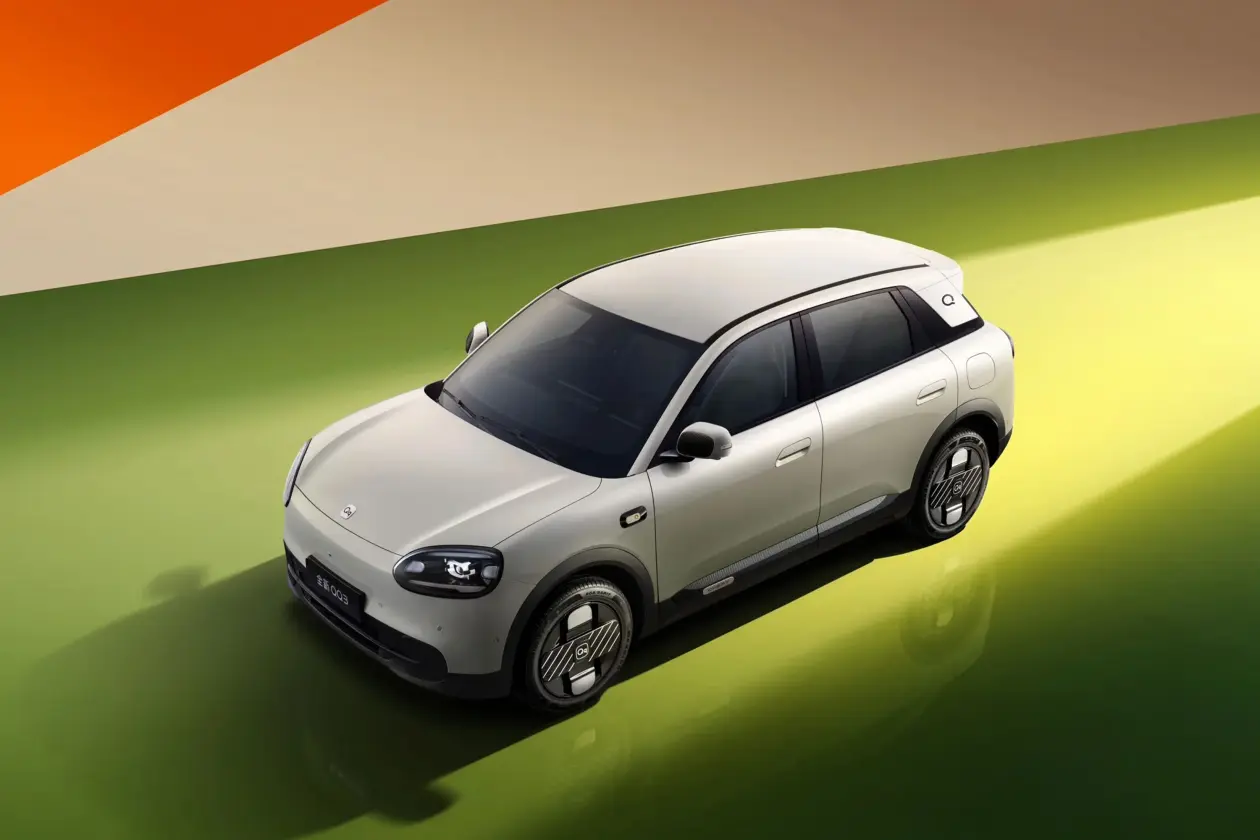
Economically, Hong Kong gasoline prices remain elevated, plus tunnel fees and parking costs keeping internal combustion engine running expenses high. While EVs face charging infrastructure challenges, home charger and public network expansion increasingly demonstrate energy cost advantages. If QQ3 enters Hong Kong with government first registration tax waivers and one-for-one scheme subsidies, final prices could fall under 100,000 HKD, highly attractive for budget-conscious young users or second-car families.
Policy-wise, Hong Kong aggressively pursues zero-carbon transport transformation. The Hong Kong Roadmap on Popularization of Electric Vehicles targets ending new fossil fuel vehicle registrations by 2035, creating growth space for EV markets. QQ3 as entry-level pure electric can directly replace traditional fossil fuel micro-cars, capturing this transition.
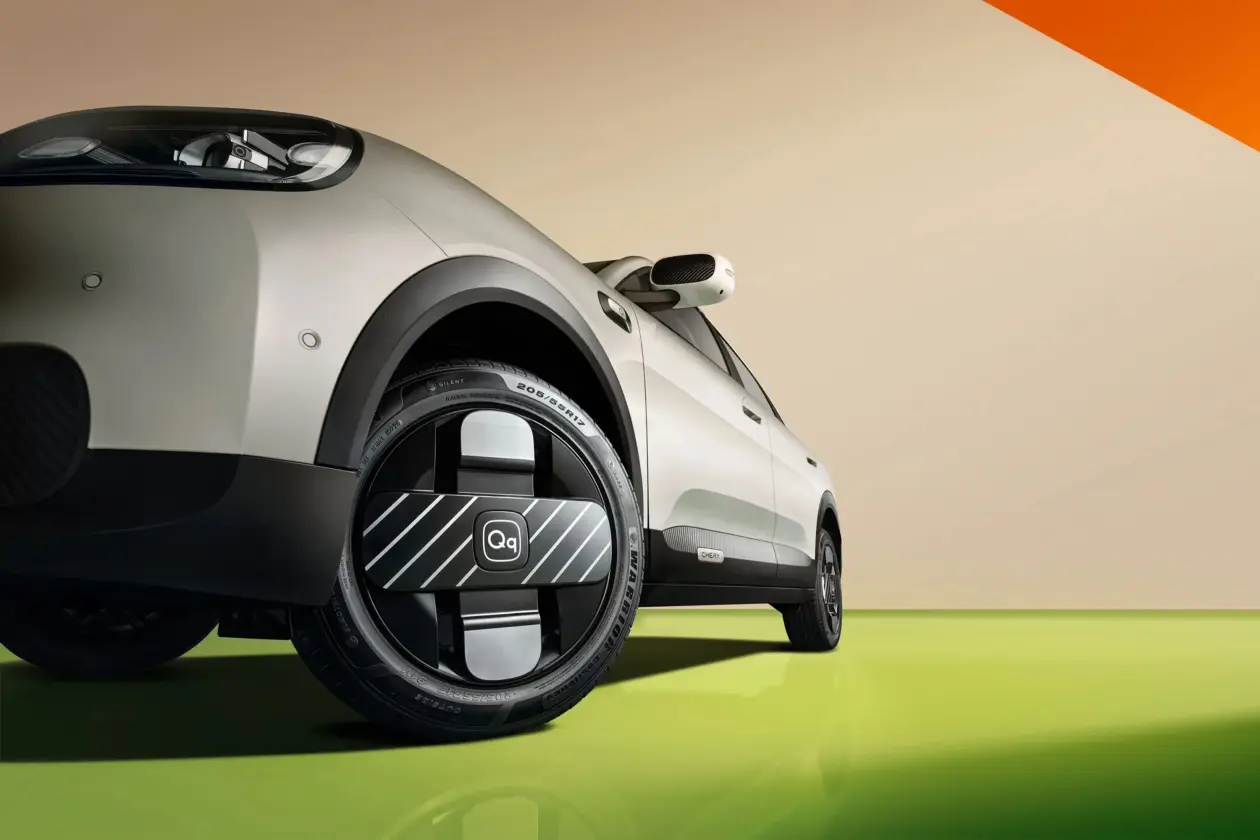
However, successful Hong Kong entry requires overcoming practical challenges. Brand awareness remains limited among Hong Kong consumers despite QQ's mainland household name status, requiring systematic brand investment. Product adaptation requires right-hand-drive development for Hong Kong and Southeast Asia entry, involving steering wheel, dashboard, and door opening direction modifications. Charging standards must ensure compatibility with local network protocols.
Chery should leverage QQ3's nostalgia assets for Hong Kong strategy. For mainland immigrants growing up in Hong Kong, QQ symbolizes youth memories; for local car enthusiasts, it represents Chinese automotive industry's evolution from imitation to innovation. Marketing emphasizing classic rebirth narratives helps establish emotional connections with target audiences.
Position QQ3 as Hong Kong young professionals' first EV, targeting structural market opportunities where younger generations shift from car ownership to usage, prioritizing value and intelligent experiences, while EV policy time windows provide external transformation momentum. QQ3's accessible pricing, rich features, and moderate dimensions satisfy these core demands.
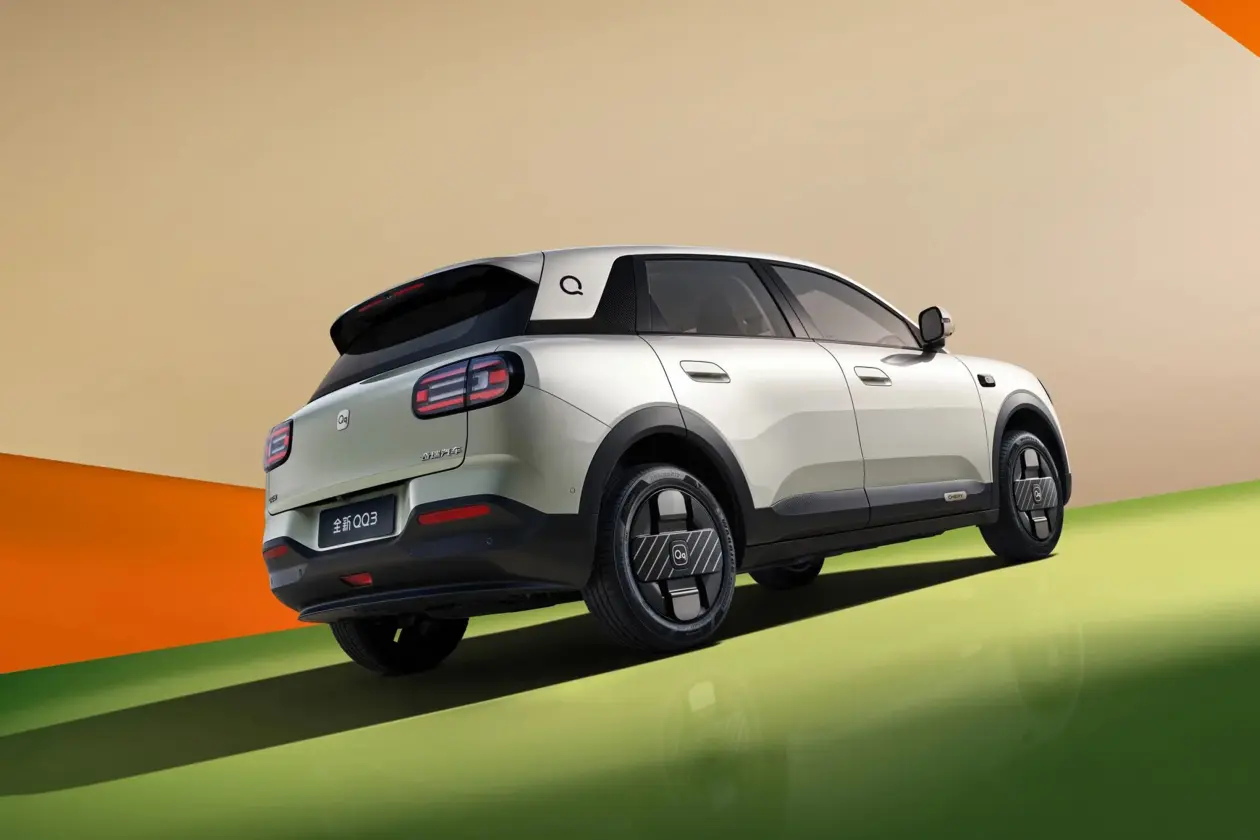
Distribution could partner with Hong Kong parallel importers or emerging EV specialty stores for low initial investment market testing. Actively pursue government and large enterprise EV procurement lists, using B2B business to drive brand exposure. After-sales networks can adopt light-asset models, collaborating with existing automotive service chains to ensure parts supply and basic maintenance capabilities.
Hong Kong's entry-level EV market currently shows polarized patterns. High-end features Tesla Model 3 and BYD Seal above 250,000 HKD; low-end lacks true people's car options. Wuling Hongguang MINI EV dominates mainland but hasn't officially entered Hong Kong; ORA Good Cat imports carry premium pricing.
QQ3's differentiation space lies in offering practical four-seat space and cargo capacity compared to Wuling's extreme miniaturization; emphasizing technology and intelligence compared to ORA Good Cat's retro styling; and leaning youthful vitality compared to BYD Dolphin. This middle positioning, balancing dimensional practicality, tech features, and price accessibility, may precisely match Hong Kong market needs.
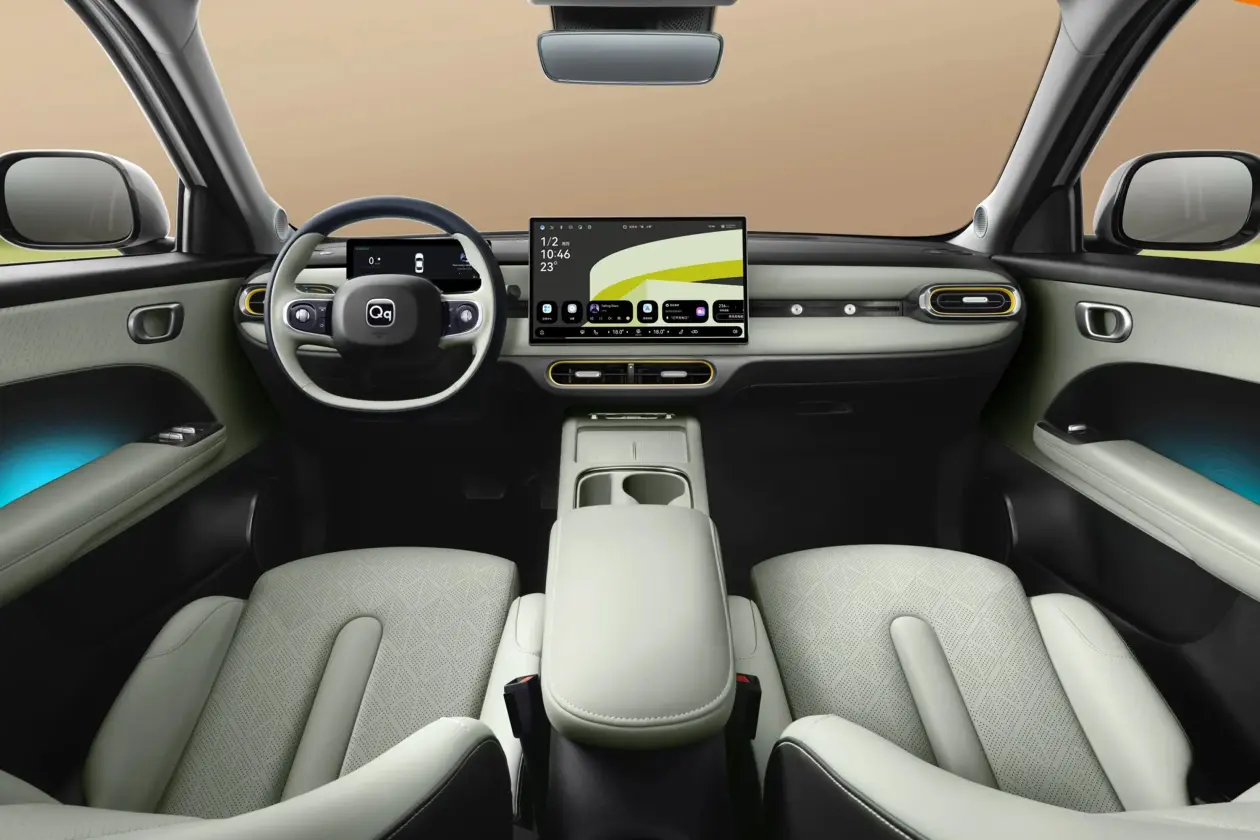
Notably, Falcon 500 ADAS democratization gives QQ3 cross-class competitive intelligence advantages. No other Hong Kong market model in this price bracket currently offers City NOA, creating unique selling points. For tech enthusiasts and early adopters, experiencing advanced ADAS under 100,000 HKD carries strong attraction.
Chery QQ3's launch marks a classic automotive IP's electric rebirth, offering Hong Kong a potentially compelling entry-level EV option. In this efficiency and sustainability-focused era, an affordable, feature-rich, right-sized pure electric car addresses Hong Kong young users' mobility anxieties. Mainland pre-order enthusiasm demonstrates QQ3's market appeal; with proper product adaptation, brand building, and channel deployment, this national car successor could across Hong Kong streets. In Victoria Harbour's morning light, a cute rounded EV with circular lamp signatures may provide the warmest footnote to this city's future mobility landscape.

香港汽車內容平台 🚗 新車・買車・玩車・用車 用香港視角,睇世界嘅車
+ Follow 【新車速報】理想 i9 Home 內地正式上市,六座純電旗艦有幾多料?
理想全新 i9 Home 正式喺內地上市!作為品牌第二代純電平台首發旗艦,今次只推出一個版本,定位六座純電 SUV。
最吸睛嘅位,相信係後排配置。二排配備雙零重力座椅,更可以180°旋轉,玩到對坐模式、觀景模式同「大客廳」模式;加上後排娛樂屏、車載冰箱同可收納小桌板,成部車更加似一個移動客廳。
其他配置亦相當豐富,包括前後雙電機、101kWh電池、後輪轉向、雙腔雙閥魔毯空氣懸架,CLTC續航最高705km。車內仲首次加入 CarPlay,前排有29吋6K全景屏,後排就有21吋4K移動屏。
全新理想 i9 Home 內地售價36.98萬元人民幣,並於本週內開始交付;搭載理想自研5C三元鋰電池版本就預計10月底開始交付。
如果呢部 i9 Home 將來有香港版,你覺得會唔會吸引到香港家庭車主?#理想i9 #理想i9Home #理想汽車 #純電SUV #BitAutoHongKong #新車速報 8小时前
【新車速報】理想 i9 Home 內地正式上市,六座純電旗艦有幾多料?
理想全新 i9 Home 正式喺內地上市!作為品牌第二代純電平台首發旗艦,今次只推出一個版本,定位六座純電 SUV。
最吸睛嘅位,相信係後排配置。二排配備雙零重力座椅,更可以180°旋轉,玩到對坐模式、觀景模式同「大客廳」模式;加上後排娛樂屏、車載冰箱同可收納小桌板,成部車更加似一個移動客廳。
其他配置亦相當豐富,包括前後雙電機、101kWh電池、後輪轉向、雙腔雙閥魔毯空氣懸架,CLTC續航最高705km。車內仲首次加入 CarPlay,前排有29吋6K全景屏,後排就有21吋4K移動屏。
全新理想 i9 Home 內地售價36.98萬元人民幣,並於本週內開始交付;搭載理想自研5C三元鋰電池版本就預計10月底開始交付。
如果呢部 i9 Home 將來有香港版,你覺得會唔會吸引到香港家庭車主?#理想i9 #理想i9Home #理想汽車 #純電SUV #BitAutoHongKong #新車速報 8小时前  【新車速報】唔使30萬即上車?小鵬全新 L03 正式發佈!
XPENG小鵬全新車款 L03 登場,共有四款型號,早鳥登場價 HK$299,900 起。究竟新車有咩特點?一齊睇睇!
#小鵬 #XPENGL03 #BitAutoHongKong #新車速報 9小时前
【新車速報】唔使30萬即上車?小鵬全新 L03 正式發佈!
XPENG小鵬全新車款 L03 登場,共有四款型號,早鳥登場價 HK$299,900 起。究竟新車有咩特點?一齊睇睇!
#小鵬 #XPENGL03 #BitAutoHongKong #新車速報 9小时前  【今期買車有禮】中秋行市集,順便睇新車?今個星期荃灣車迷可以加多個行程!
金孚 x IM 智己登陸荃新天地中秋市集車展,IM6 現場列陣,由性能、智慧到豪華體驗都可以親身睇。今次仲有「現貨交車」,唔使漫長等待;成功出車可享 8年 IM 智己原廠電池保養及 4年 IM 智己原廠汽車保養,另有免費升級輪圈及 IM 智己香港官方公仔 Minana 1 隻(總值 $160)。
車迷更值得留意 IM6 的 IAD 科技配置,包括數位底盤四輪轉向系統,以及「一鍵泊車」、「一鍵貼邊」、「一鍵脫困」、「一鍵倒車」等輔助泊車功能;另設電動車中速充電線、大灣區聯保及 $8,000 PPF 優惠等額外抗油價禮遇。
📅 9月15至21日|11:00–20:00
📍荃新天地 Open Plaza
中秋未諗到去邊,車迷可以落荃灣近距離睇吓 IM6。你最想試四輪轉向,定「一鍵泊車」?
資料來源:IM Hong Kong
#IM6 #IM智己 #電動車 #ElectricSUV #BitAutoHongKong #今期買車有禮 11小时前
【今期買車有禮】中秋行市集,順便睇新車?今個星期荃灣車迷可以加多個行程!
金孚 x IM 智己登陸荃新天地中秋市集車展,IM6 現場列陣,由性能、智慧到豪華體驗都可以親身睇。今次仲有「現貨交車」,唔使漫長等待;成功出車可享 8年 IM 智己原廠電池保養及 4年 IM 智己原廠汽車保養,另有免費升級輪圈及 IM 智己香港官方公仔 Minana 1 隻(總值 $160)。
車迷更值得留意 IM6 的 IAD 科技配置,包括數位底盤四輪轉向系統,以及「一鍵泊車」、「一鍵貼邊」、「一鍵脫困」、「一鍵倒車」等輔助泊車功能;另設電動車中速充電線、大灣區聯保及 $8,000 PPF 優惠等額外抗油價禮遇。
📅 9月15至21日|11:00–20:00
📍荃新天地 Open Plaza
中秋未諗到去邊,車迷可以落荃灣近距離睇吓 IM6。你最想試四輪轉向,定「一鍵泊車」?
資料來源:IM Hong Kong
#IM6 #IM智己 #電動車 #ElectricSUV #BitAutoHongKong #今期買車有禮 11小时前 Get the latest car news first!
【新車速報】理想 i9 Home 內地正式上市,六座純電旗艦有幾多料?
理想全新 i9 Home 正式喺內地上市!作為品牌第二代純電平台首發旗艦,今次只推出一個版本,定位六座純電 SUV。
最吸睛嘅位,相信係後排配置。二排配備雙零重力座椅,更可以180°旋轉,玩到對坐模式、觀景模式同「大客廳」模式;加上後排娛樂屏、車載冰箱同可收納小桌板,成部車更加似一個移動客廳。
其他配置亦相當豐富,包括前後雙電機、101kWh電池、後輪轉向、雙腔雙閥魔毯空氣懸架,CLTC續航最高705km。車內仲首次加入 CarPlay,前排有29吋6K全景屏,後排就有21吋4K移動屏。
全新理想 i9 Home 內地售價36.98萬元人民幣,並於本週內開始交付;搭載理想自研5C三元鋰電池版本就預計10月底開始交付。
如果呢部 i9 Home 將來有香港版,你覺得會唔會吸引到香港家庭車主?#理想i9 #理想i9Home #理想汽車 #純電SUV #BitAutoHongKong #新車速報 8小时前 【新車速報】唔使30萬即上車?小鵬全新 L03 正式發佈!
XPENG小鵬全新車款 L03 登場,共有四款型號,早鳥登場價 HK$299,900 起。究竟新車有咩特點?一齊睇睇!
#小鵬 #XPENGL03 #BitAutoHongKong #新車速報 9小时前 【今期買車有禮】中秋行市集,順便睇新車?今個星期荃灣車迷可以加多個行程!
金孚 x IM 智己登陸荃新天地中秋市集車展,IM6 現場列陣,由性能、智慧到豪華體驗都可以親身睇。今次仲有「現貨交車」,唔使漫長等待;成功出車可享 8年 IM 智己原廠電池保養及 4年 IM 智己原廠汽車保養,另有免費升級輪圈及 IM 智己香港官方公仔 Minana 1 隻(總值 $160)。
車迷更值得留意 IM6 的 IAD 科技配置,包括數位底盤四輪轉向系統,以及「一鍵泊車」、「一鍵貼邊」、「一鍵脫困」、「一鍵倒車」等輔助泊車功能;另設電動車中速充電線、大灣區聯保及 $8,000 PPF 優惠等額外抗油價禮遇。
📅 9月15至21日|11:00–20:00
📍荃新天地 Open Plaza
中秋未諗到去邊,車迷可以落荃灣近距離睇吓 IM6。你最想試四輪轉向,定「一鍵泊車」?
資料來源:IM Hong Kong
#IM6 #IM智己 #電動車 #ElectricSUV #BitAutoHongKong #今期買車有禮 11小时前  BAWToyotaBYDZeekrGACDongfengXPengMGMaxusLeapmotorDenzaIMiCAURDeepalWulingOraJuneyao AutoKYCSkyworthAvatrFotonFordGeelyHongqiJAECOOKGMOMODADFSKTeslaHondaBMWMercedes-BenzsmartMINIPorscheNissanLexusSuzukiVolvoSubaruMazdaKiaHyundaiLand RoverRolls-RoyceFerrariAudiLamborghiniRiddaraSeresFarizonfireflyLingboxKaiyiVoyahHIMAM-HeroIsuzuBentleyPolestarMcLarenMitsubishiMaseratiPeugeotAston MartinAcuraJeepJaguarLotusVolkswagenEpiclandJACLepasLi
 © 2024 Bitauto.com. All Rights Reserved.
Bitauto (www.yiche.com and www.bitauto.com) is one of the most visited automotive websites in China. We provide detailed info on Chinese car brands available in your area. Please note that the information provided on this website is based on publicly available data and is for reference only. It may not be fully updated or accurate at all times.
Help us improve our website


